Gondhal Movie Review: Faith, Firelight, and the Darkness Beneath the Celebration!
Gondhal Movie Review and Ratings
Cast: Kishor Kadam, Ishita Deshmukh, Yogesh Sohoni, Suresh Vishwakarma, Nishad Bhoir, Anuj Prabhu, Vitthal Kale
Director: Santosh Davakhar
Where to Watch: In Theaters
Filmyhype.com Ratings: 4/5 (four stars)
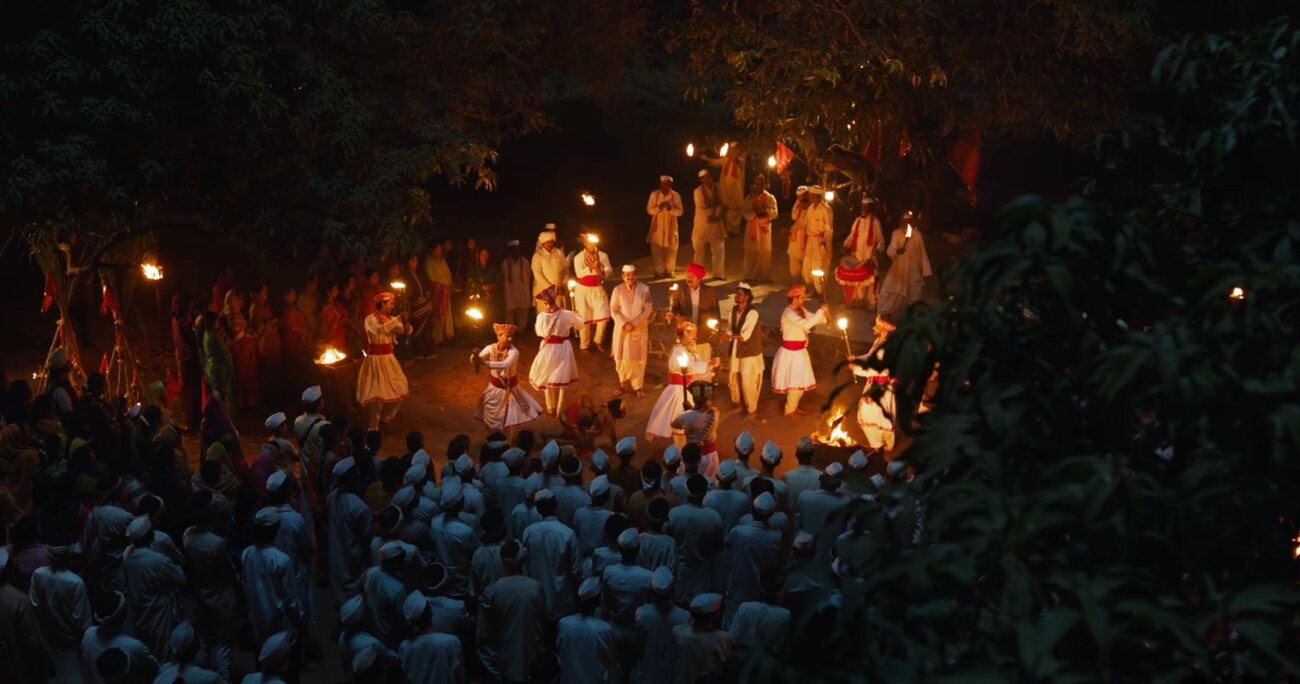
The film is set during a post-wedding ritual in a village. That ritual is the Gondhal, a traditional devotional folk-art form from Maharashtra that literally means singing and dancing before a deity to invoke blessings and clear any obstacles from the newlyweds’ path. The word has a second meaning, too: chaos, confusion, disarray. That meaning fits just as well here, both in what happens in the plot and, even more so, inside the minds of several characters. Marathi Cinema Gondhal, officially selected for India at the Oscars, has attracted attention across the country.
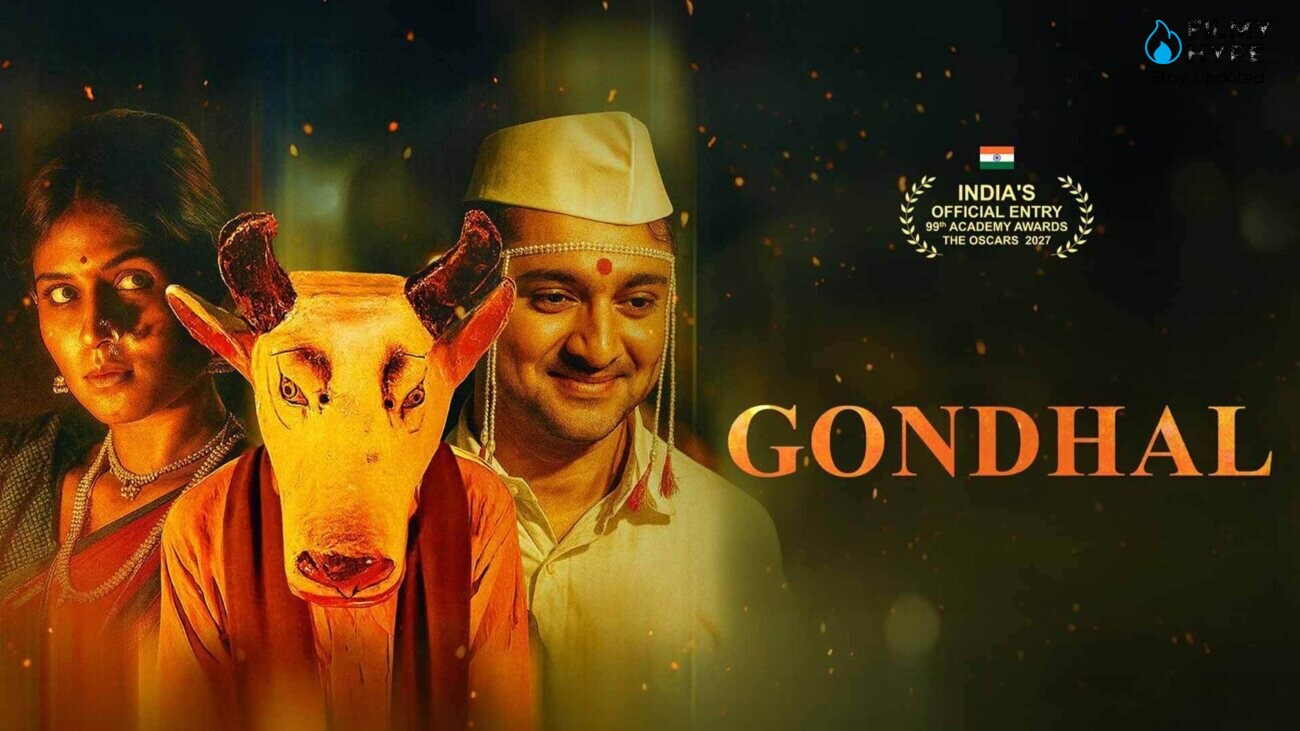
The film Gondhal is set to be released in theaters worldwide in Hindi, Marathi, Tamil, Telugu, Malayalam, Kannada, and English. This is a historic step, as for the first time a Marathi film is being re-released globally in seven languages. The film will be released in India, America, Britain, Europe, and Australia, including Dubai and Africa. The trailer offers an impressive glimpse of this psychological thriller. The grand scenes, cultural environment, and story, woven in layers of mystery, point toward the film’s disquieting world, which has drawn international attention.
Gondhal Movie Review: The Story
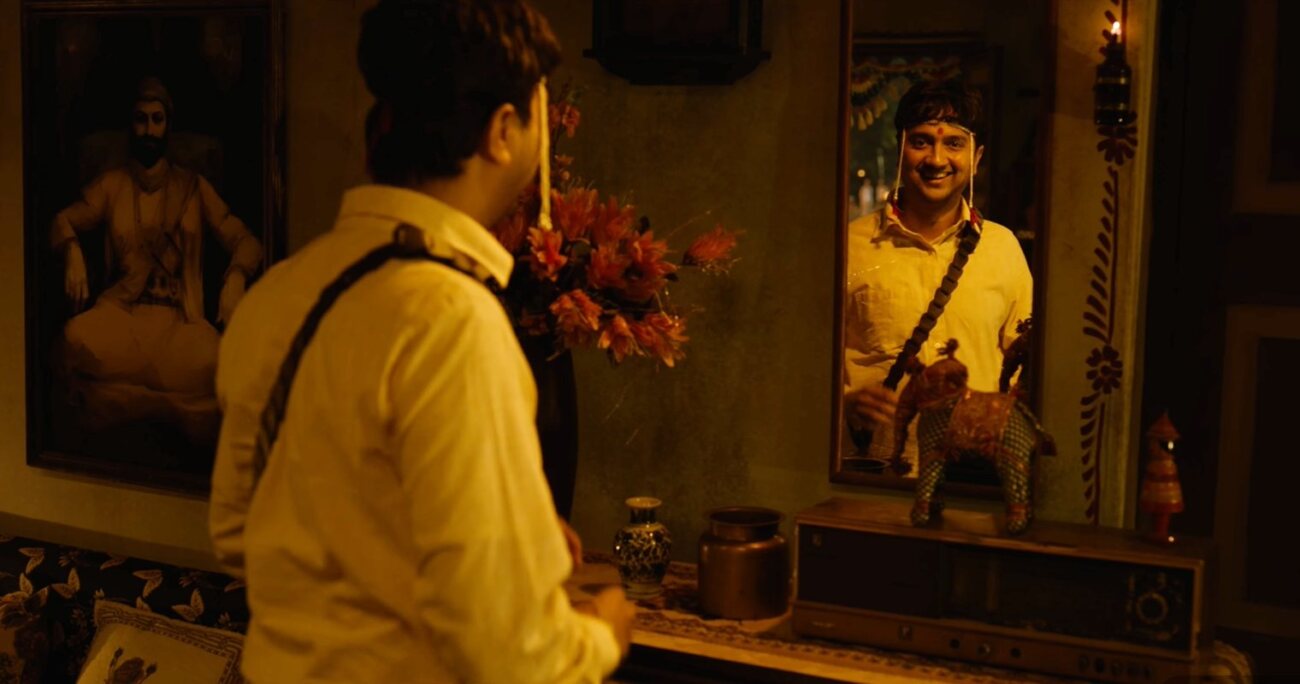
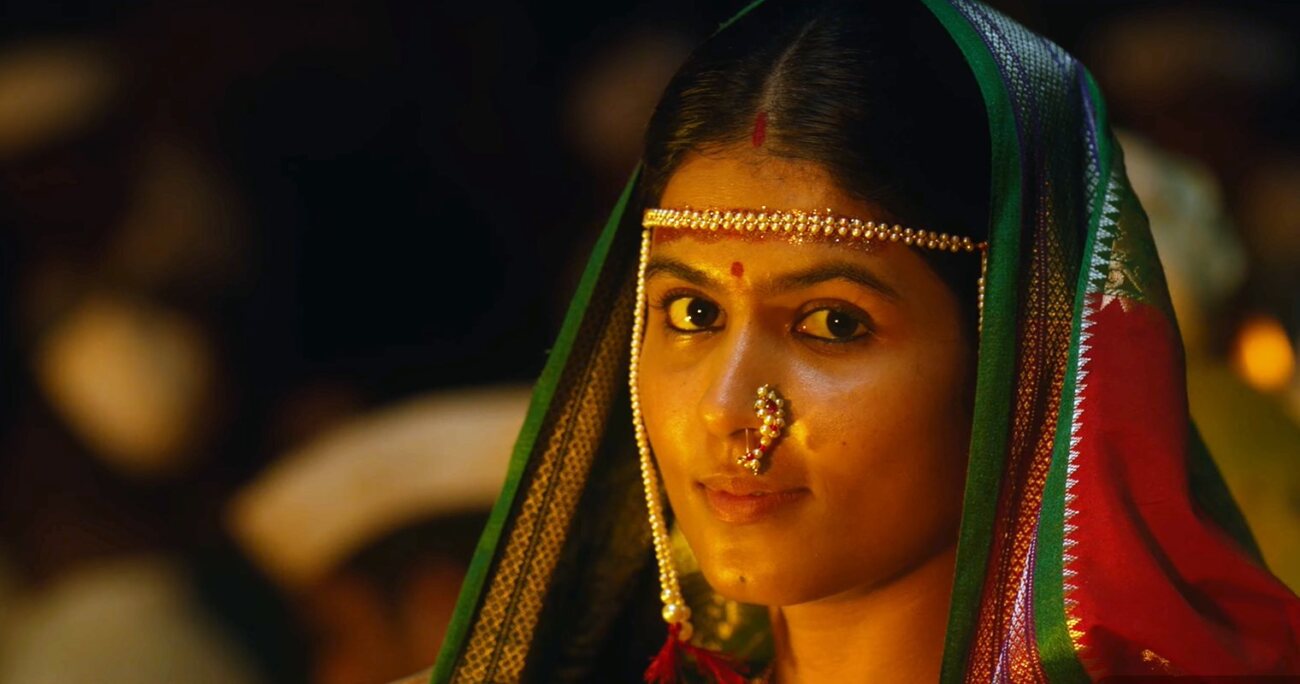
Suman (Ishita Deshmukh) has just been married to Ananda (Yogesh Sohoni), though she’s in love with Sahebrao (Anuj Prabhu). Ananda is told he’s among the luckiest men alive to have such a beautiful wife, while Suman is told she’s fortunate to be sent into a sweet, well-off family.
Sahebrao has arrived disguised as a “Murali,” one of the performers who accompany the Gondhalis, because he wants to elope with her. Meanwhile, Sarjerao (Nishad Bhoir) is also in love with Suman, but his father, the Patil (Suresh Vishwakarma), the village headman, has forbidden the match. Suman flirtatiously returns Sarjerao’s feelings.
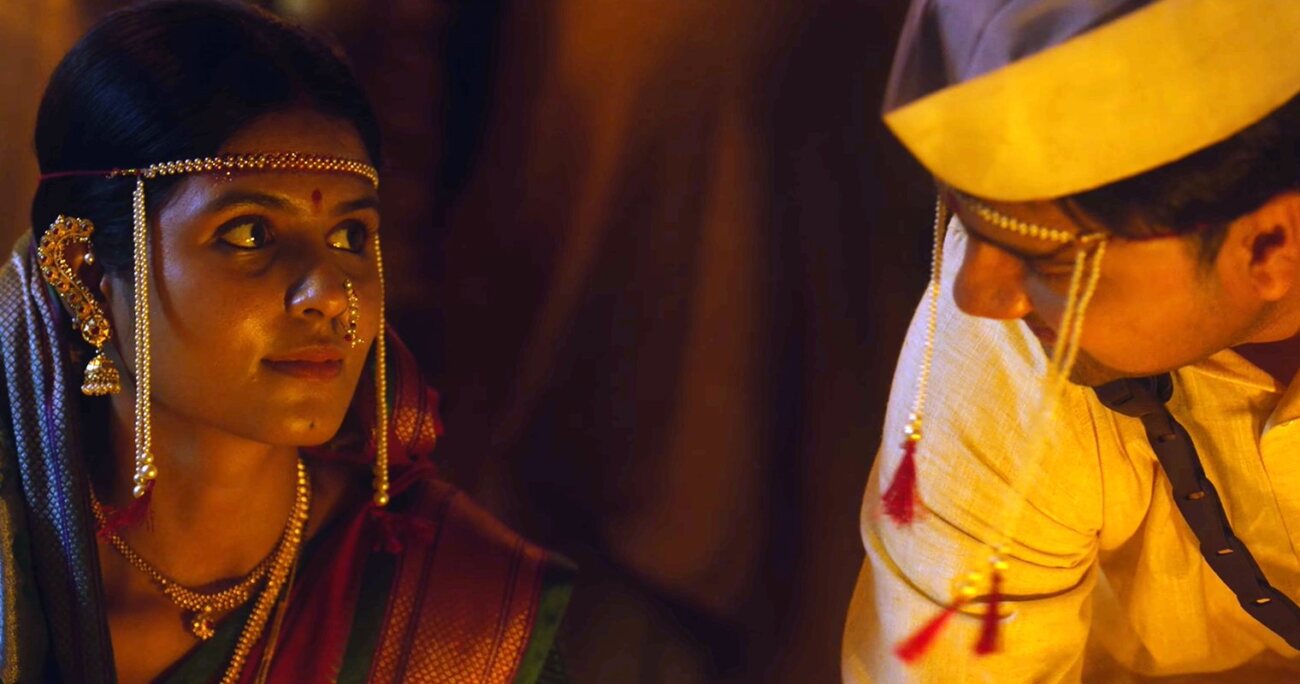
The celebrations run from nightfall to sunrise, and over that single night, Suman suggests to Sarjerao that he lure Ananda to the nearby riverbank and kill him so she can be married off to him as a widow. Sarjerao instead murders his own father, who opposed their union. But Sarjerao is then killed by the Gondhali, Bhivaba (Kishor Kadam), who knows the Patils, who rule the village through fear, and killed his son some time ago. In the dark, Bhivaba mistakes Sarjerao for the Patil.
With Sarjerao nowhere to be found, Suman has no choice but to persuade Sahebrao to send Ananda to the riverbank and have him killed there. Sahebrao reluctantly agrees, but by morning it turns out that he’s the one who has been killed. A resolute Ananda completes the ritual with a miserable Suman, whose plans have backfired.
Gondhal Movie Review and Analysis
The director dedicates the entire first half to introducing the characters and establishing the atmosphere of the household. Amidst the bustle of wedding preparations and traditional rituals, the underlying conflicts between the characters are gradually unveiled. The true tension of the story begins to unfold around the interval. As the Gondhal performance gains momentum in the second half, the conspiracies, fears, and secrets harbored by the characters come to light, keeping the audience glued to their seats. Notably, the songs performed by the folk artists—and the lyrics within them—serve as a perfect reflection of the human machinations taking place, a testament to the director’s skill.
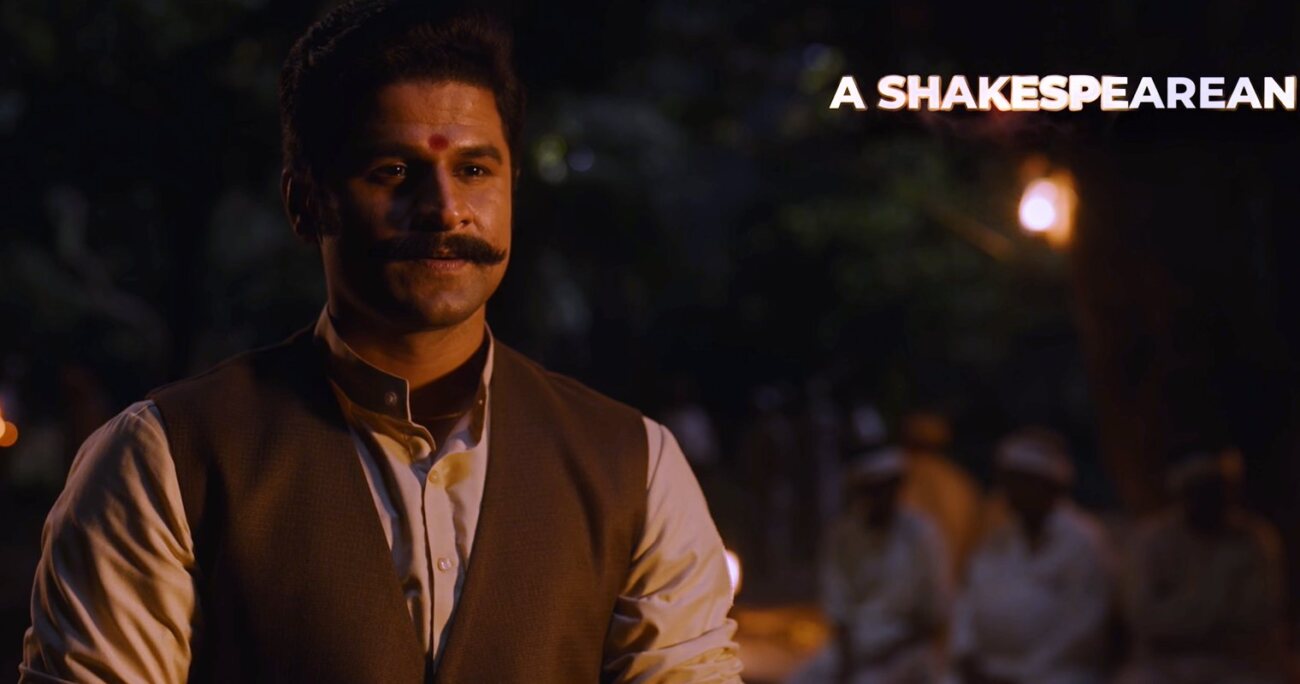
As for the cast, all the lead actors deliver compelling, competitive performances. Ishita Deshmukh, playing the role of Suman, conveys feelings of helplessness, fear, and defiance—all through her eyes. Yogesh Sohoni fits seamlessly into the role of Anandrao, a wealthy traditionalist. Nishad Bhoir, portraying a character with antagonistic shades, and the seasoned actor Kishore Kadam bring significant gravitas to the narrative; their performances during the climax stand out as a highlight of the film.
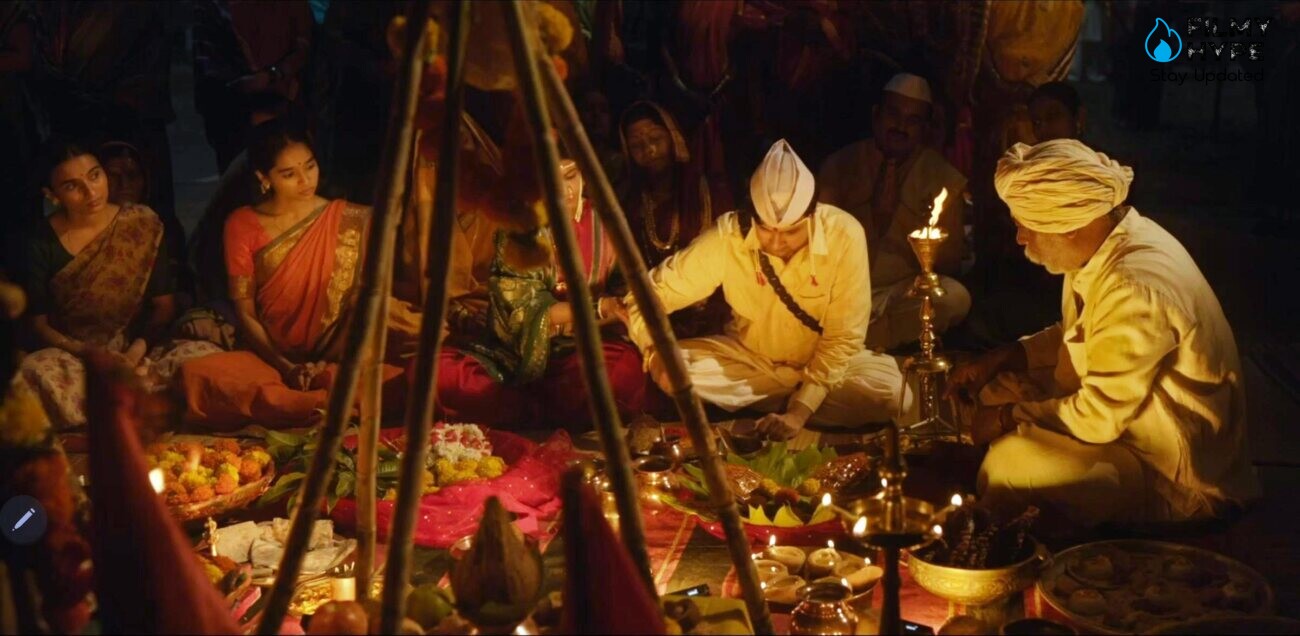
From a technical standpoint, the film maintains high standards. The background score (BGM), composed by the legendary music director Ilaiyaraaja, breathes life into the film. The use of rhythmic drum beats, folk-inspired melodies, and even silence effectively amplifies the tension within the scenes. The cinematography—capturing the night-time setting with the natural, flickering light of torches and lamps—transports the audience directly into that rural atmosphere. A 25-minute single-take sequence in the film stands as a testament to both the hard work of the technical crew and the director’s vision.
However, viewers accustomed to the brisk pace of mainstream commercial cinema might find the first half a bit slow-burn. Additionally, some of the plot twists and the decisions made by the characters in the final 20 minutes could strike the average viewer as somewhat unnatural or overly dramatic. Greater care in the Telugu dubbing process would have been a welcome improvement.
A unique aspect of this film is its use of the traditional Marathi ritual known as Gondhal as a backdrop for the narrative. Director Santosh Davkhar has transformed this performance—typically held during auspicious occasions to invoke the divine—into the setting for an intriguing thriller. The story weaves together a wedding celebration with a complex tapestry of human emotions, including obsession, jealousy, love, vengeance, and conspiracy. From the very beginning, the film immerses the audience in a distinct atmosphere; the way the narrative unfolds against the backdrop of the Gondhal ritual is particularly well-executed.
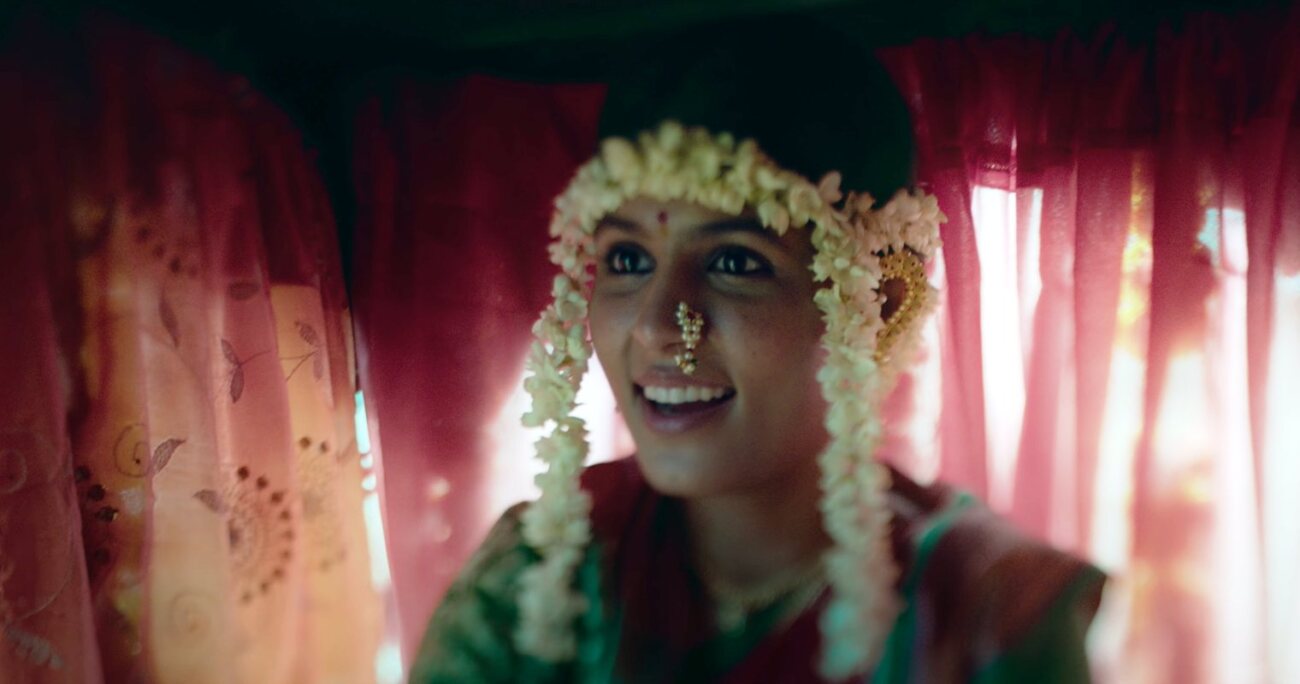
The night, the glow of flaming torches, traditional music, and the rural setting collectively establish a compelling mood. As the relationships between the characters and their hidden desires are gradually revealed, the story’s intrigue deepens. However, the pacing is somewhat deliberate; it takes time to fully grasp the characters’ backgrounds and inner thoughts. Viewers accustomed to the fast-paced storytelling typical of mainstream commercial cinema might find certain scenes a bit drawn out. Nevertheless, the twists and turns throughout the narrative ensure that the audience remains engaged until the very end.
Ishita Deshmukh impresses in the role of Suman. She effectively conveys a range of emotions—including love, selfishness, ambition, and cunning—through her performance. In particular, she excels as a woman who manipulates circumstances to secure the life she desires. Yogesh Sohoni does justice to the character of Anandrao. The actor playing Sarjerao—a pivotal role in the story—also leaves a strong impression. Kishore Kadam and the rest of the cast deliver performances well-suited to their respective roles. Notably, every character holds a distinct significance within the narrative.
Darkness uses the light efficiently and uses it to tell the story. The cast’s performance naturally unveiled the emotions in the story. Ishita Deshukh Mukh as Suman and Yogesh Sohuni Pathra as Anand are the key to this story. Both delivered fantastic performances. The rest of the characters include Kishor Kadam, Nishad Boyer, Anuz Lord, and Suresh Vishwakarma, who is well-opened in their roles. The story will be easily learned, as these actors are faces that no one knows.
The technical departments serve as a major strength for this film. The cinematography, in particular, is truly distinctive; notably, the opening sequence is captured in a single, continuous shot lasting approximately 28 minutes. Presenting so many characters and events within one unbroken take speaks volumes about the director’s vision and the cinematographer’s skill.
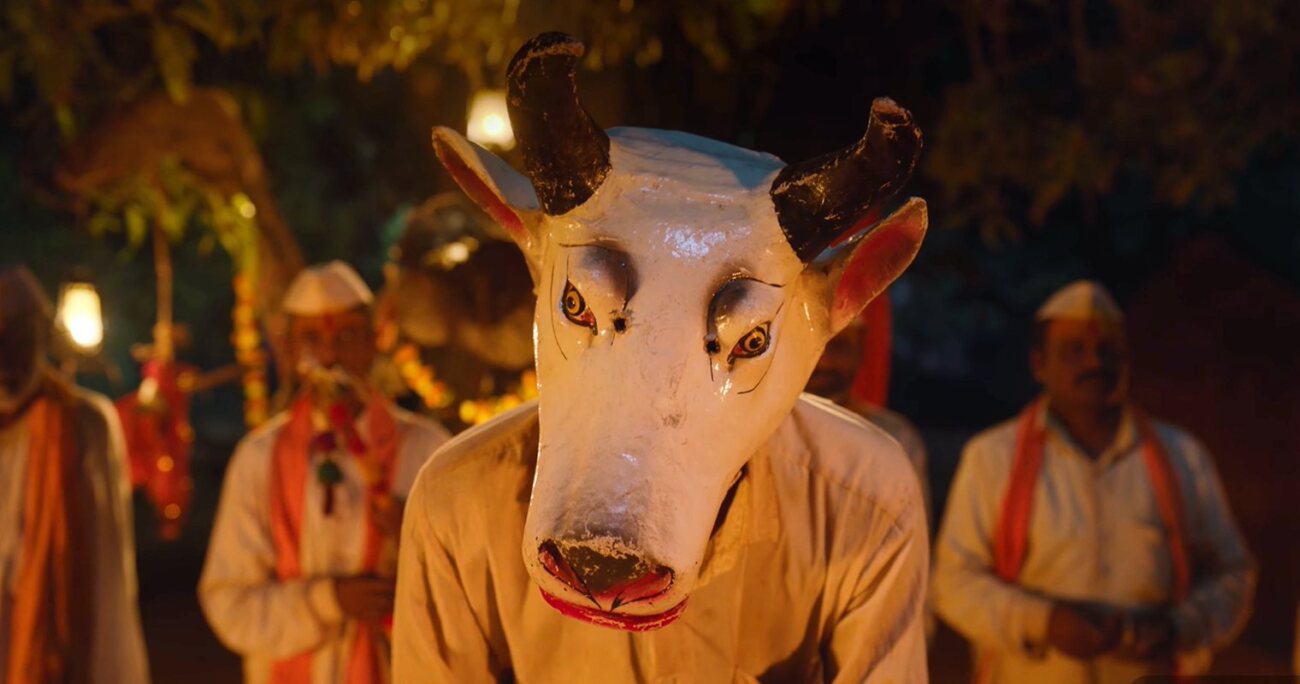
Davakhar handled several departments, even arranging and writing the lyrics for the Gondhal ceremony itself, and his command deserves credit, especially from someone who has never made a feature film before. His choice of songs and music is impeccable, and South Indian legend Ilaiyaraaja contributes a mood-setting background score with effortless, exemplary skill. The songs are well composed and effectively filmed. Chandana and Malhari carry a hint of a Southern tenor in their phrasing, but they work well and are beautifully orchestrated with just the right regional flavor.
Gondhal Movie Review: The Last Words
Gondhal is no ordinary commercial film. Set against the backdrop of rural Marathi tradition, it compellingly explores the darker aspects of human nature—malicious thoughts, selfishness, envy, and the desire for revenge. The music by Ilaiyaraaja, the cinematography, and the stellar performances of the cast serve as major highlights. For viewers with the patience to engage with a slow-paced narrative, this film offers a rewarding experience. Its selection as India’s entry for the Academy Award for Best International Feature Film has further piqued interest in the movie. Overall, it is a must-watch for those who appreciate unique storytelling and experimental cinema.