Ramayana: Part 1 Review: Spectacle That Demands the Big Screen?
Ramayana: Part 1 Review and Ratings
Cast: Sai Pallavi, Ranbir Kapoor, Sunny Deol, Yash, Rakul Preet Singh, Lara Dutta, Ravi Dubey, Arun Govil, Sheeba Chaddha, Indira Krishnan, Kunal Kapoor
Director: Nitesh Tiwari
Where to Watch: In theaters
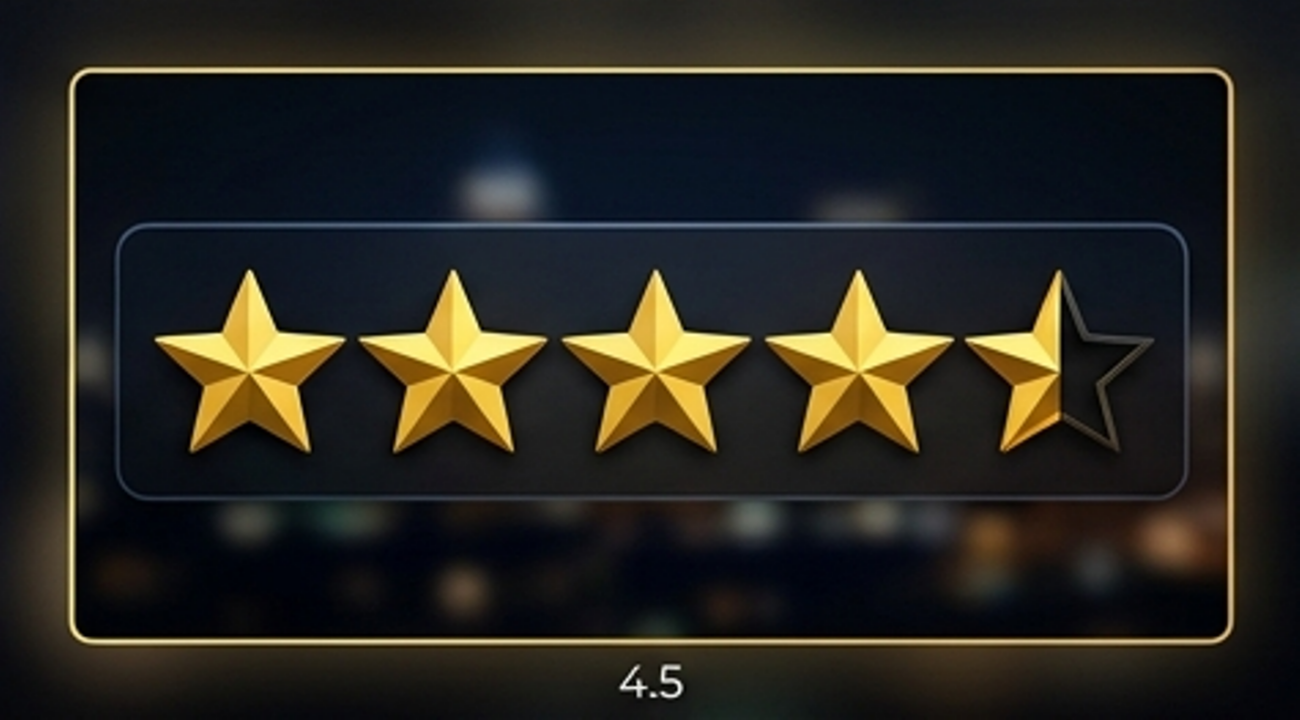
Filmyhype.com Ratings: 4.5/5 (four and a half stars)
Indian cinema’s history is incomplete without its mythological stories. The journey that started in 1917 with Dadasaheb Phalke’s silent film “Lanka Dahan” has reached its biggest turning point today, in 2026. Director Nitesh Tiwari’s most awaited film “Ramayana: Part 1” (Part One) is finally hitting the big screen on 5th November 2026 on the auspicious occasion of Diwali. Produced by Namit Malhotra and built on an unprecedented budget of 4000 crores, the film is a bold attempt to take Indian storytelling to the global level. The first part of this two-part franchise takes the audience on an interesting journey of the infinite struggle between gods and demons, the birth of Rama, Sita’s swayamvara, and the rise of Ravana, the king of Lanka, never seen before in Indian cinema.
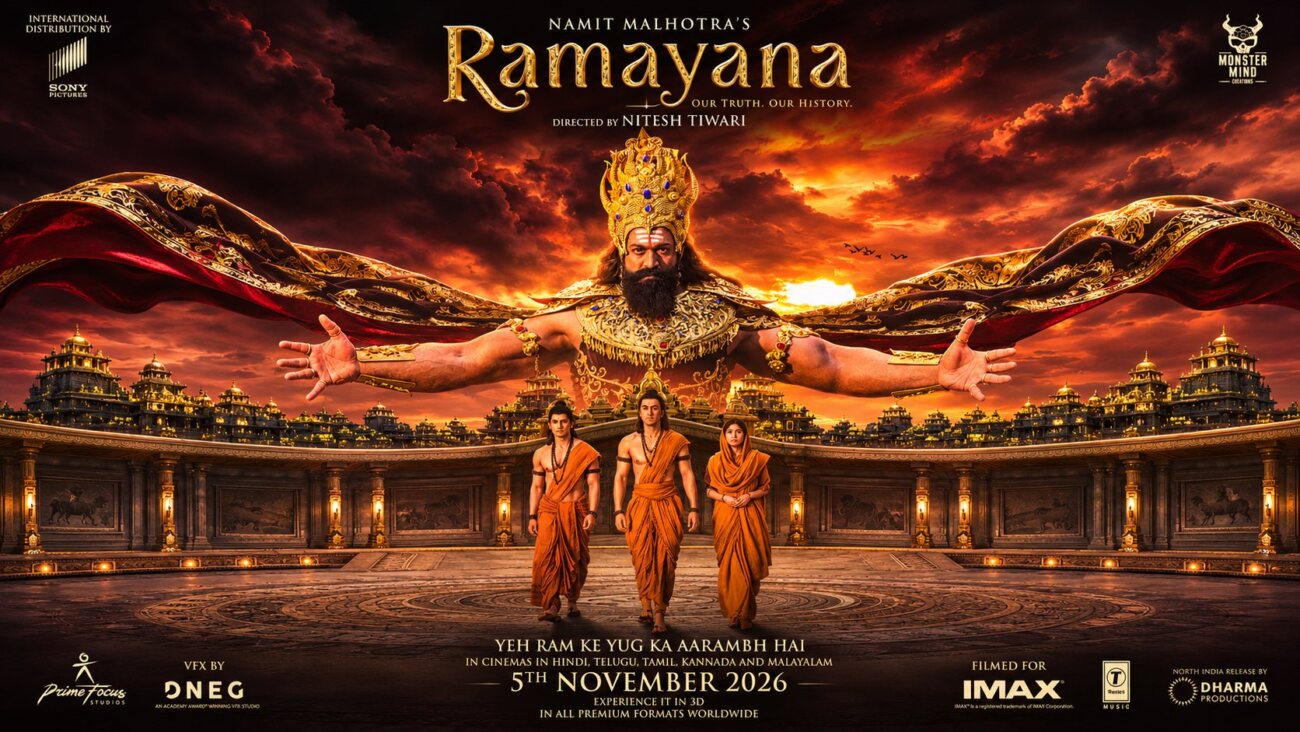
Ramayana: Part 1 is not just a movie but a spectacular cinematic celebration of Indian cultural heritage. Directed by Nitesh Tiwari, the film is the most effective and surreal of all the Ramayana: Part 1 films ever made. Besides the visuals being brilliant, its storytelling’s emotional depth and sincerity baffle viewers. Ranbir Kapoor’s serene character of Ram, Yash’s underwhelming style as Ravana, and Sai Pallavi’s calm but determined role of Sita… The film proves to be a milestone in every way. Ramayana: Part 1, with AR Rahman and Hans Zimmer’s Global Music Collaboration, gives a magical experience in the theater. Finally, after a long wait, this film was released. After watching it, it seemed that it might succeed in its objective of creating global recognition, but it may find it a little difficult to make a place in the audience’s hearts. Well now, without any delay, let us tell you which arrow of the first part of Namit Malhotra’s Ramayana: Part 1 hit the target and who Sa missed.
Ramayana: Part 1 Review: The Story Plot
This film starts with the voice of Anupam Kher. Anupam Kher has lent his voice to Pakshiraj Jatayu in the film. He says that this story is not from today but is centuries old, when there was a war going on between the gods and the demons. Then Devraj Indra defeated the demons and handed over the kingdom of Lanka to Kuber. After this, the demons in Lanka were penniless and forced to live. Then Empress Kaiksi induced her son Dashanan to regain his kingdom. After listening to his mother, Dashanan performed such severe penance that the earth started burning due to its heat, and Lord Brahma had to appear. Dashanan asked him for the boon of immortality, but out of ego, he forgot to ask that no human being could kill him. After getting the boon, Dashanan first snatched his Lanka back from Kuber and then became the lord of the three worlds. Seeing his increasing atrocities, Lord Vishnu incarnated as Shri Ram, and then the same thing happened as seen in TV shows and films made on Ramayana: Part 1 since childhood.
The great story of Ramayana: Part 1 has been brought on screen many times in the history of Indian cinema, but the grandeur, technical detail, and emotional depth with which director Nitesh Tiwari and producer Namit Malhotra’s Ramayana: Part 1 have come to light is the greatest of today’s times. This makes it an effective cinematic experience. This film shows that one should know how to present cinema grandly. We have seen the story of Ramayana: Part 1 on screen many times, so we know what will happen in the film, but each time the way of saying it is different. Something similar has happened this time also. The story of Ramayana: Part 1 also begins with the fight between gods and demons. After this, it is shown how Dev wins over Lanka, and all this happens because of Devraj Indra.
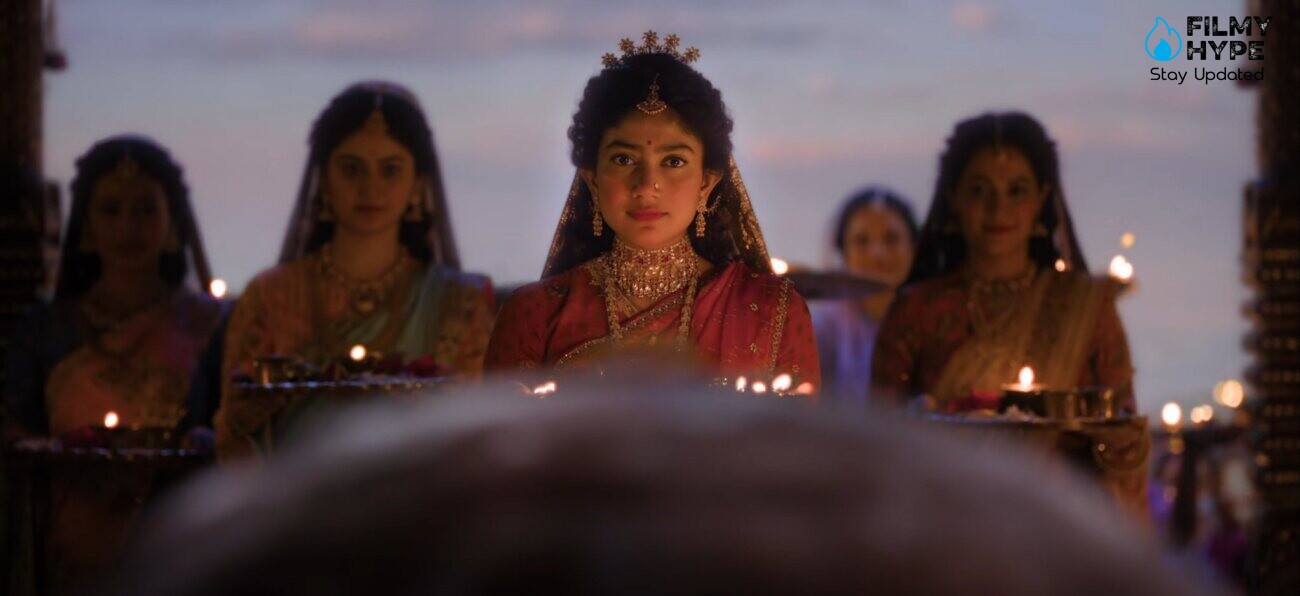
Now, after conquering Lanka, Ravana‘s mother Kaikasi reminds her son that the purpose of his life is to conquer Lanka and become the lord of the three worlds. Ravana also obeys Mother Kaikasi, performs severe penance, and finally gets the boon of immortality from Lord Brahma; then Ravana enters the same Lanka, kills everyone one by one, and makes Kuber’s Lanka his own. Here in Ayodhya, Yagya is performed in the house of King Dasharatha, and then Ram, Bharat, Lakshman, and Shatrughan are born. Then, after this, Guru Vishwamitra comes to King Dasharatha and asks for the brave warrior Ram. In fact, whenever Vishwamitra performed yagya and rituals, demons like Tadka and Subahu would hinder him and destroy the sacred yagya by throwing meat and bones.
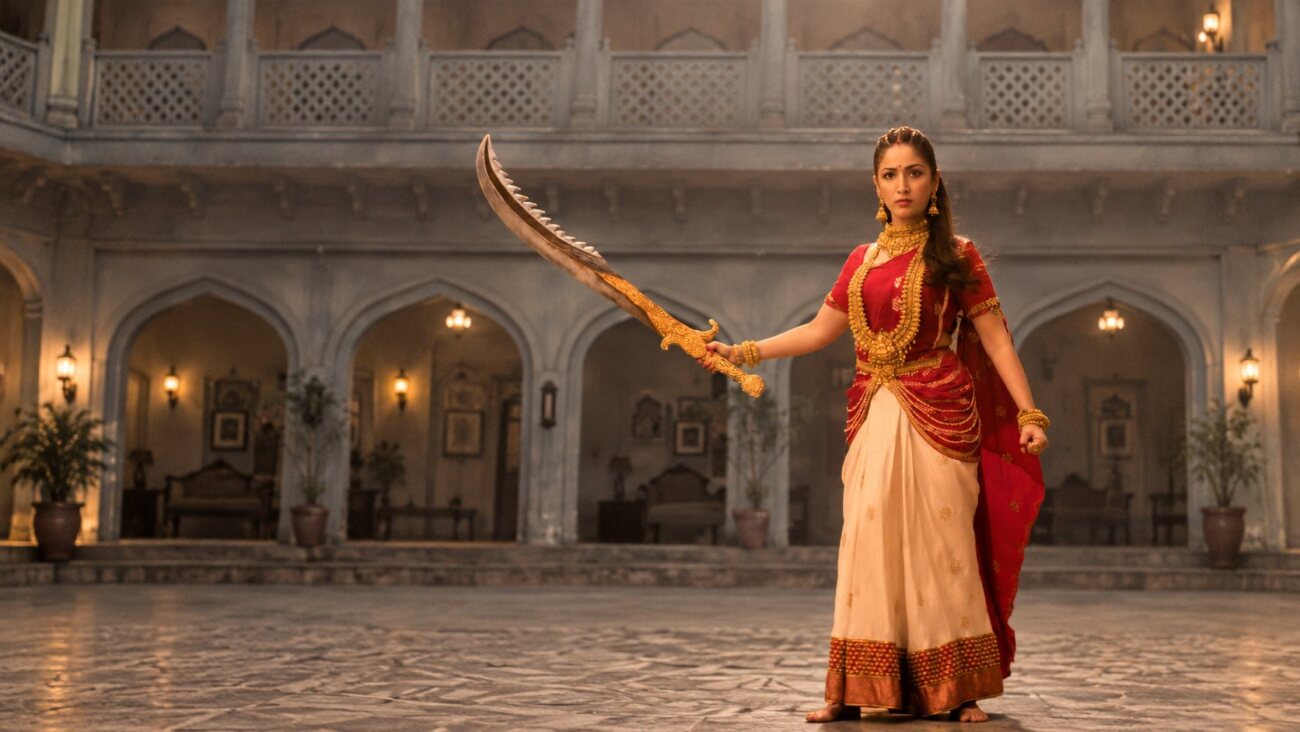
Rama then arrives and slays demons such as Tadaka and Subahu. Then, after this, Sita’s Swayamvar is shown, and then Ram goes into exile. The first half of the film goes into creating this story. The film shows the battle between Ravana and Shurpanakha’s husband, Vidyut Jiva. After this, Shurpanakha is fascinated by Lord Ram, then comes to Ram and proposes marriage, and Lakshman cuts off Shurpanakha’s nose. Mother Sita is also shown fighting in the film. Mother Sita was a warrior; she had all kinds of knowledge. The film shows the battle between Ravana and Jatayu, which will also moisten your eyes and give you a feeling of grandeur. Some new elements have been added to the story of the film, which you will like.
Ramayana: Part 1 Review and Analysis
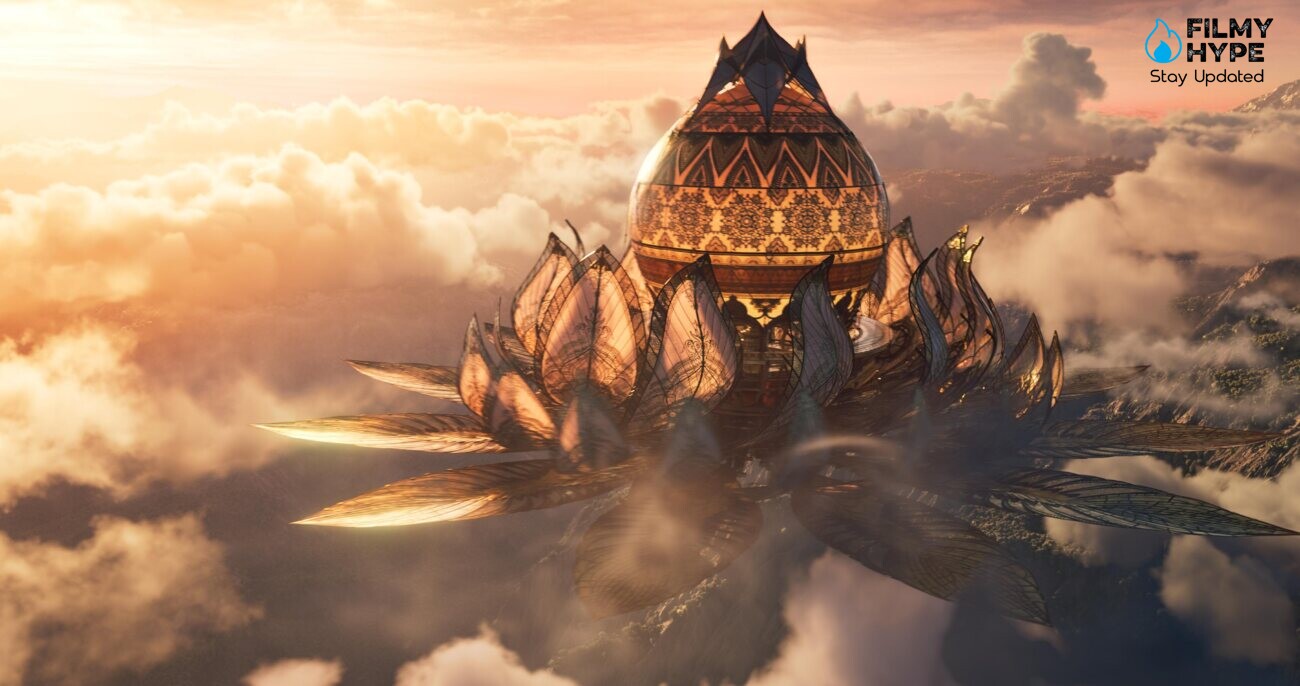
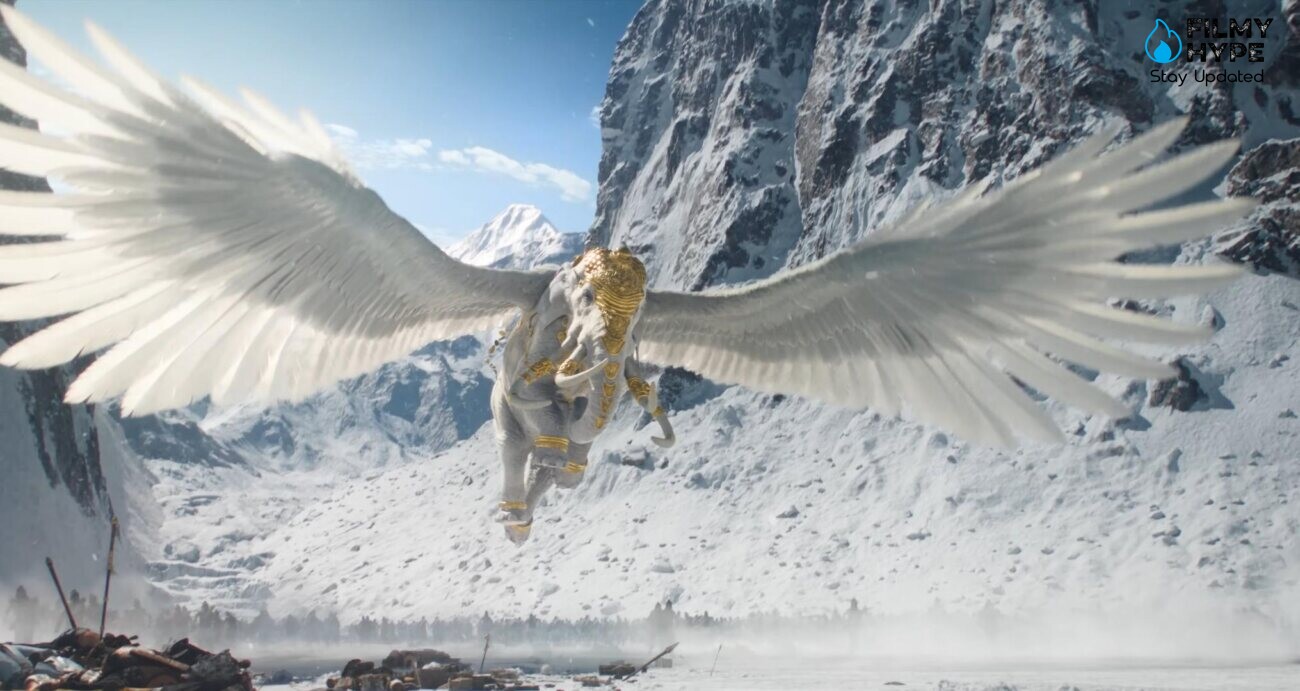
The first 40 minutes of the film introduce Ravana, his quest for vengeance, and his immense power. For the audience, this feels entirely fresh, and the way it is presented makes for a highly engaging experience. You will be left awestruck by the visual splendor of things you might have only imagined until now—Lord Indra’s flying Airavata, a glimpse of Lord Vishnu in the depths of the ocean, or the Earth scorching under the heat of Ravana’s penance—all of which are visually captivating. However, while a great deal of effort has clearly gone into the visuals, certain elements—such as the hand-to-hand combat between Ravana and the gods, the VFX-created demons within the Asura army, and, at times, Ravana’s own attitude—feel somewhat off or jarring. After Ravana becomes the ruler of Lanka, the narrative shifts to Ayodhya; the events spanning from the birth of Lord Ram to his departure for exile are then presented over the course of the next hour.
The VFX work here is visually stunning—from the splendor of Ayodhya and the battles against demons in the forest to the *Sita Swayamvar* and the eventual departure for exile, every depiction of the external world is remarkable. However, whenever a scene relies primarily on the performances, the film falters. The sequence covering everything from Ram’s birth to his exile unfolds with such haste that it becomes impossible to form a connection with either Ram or Sita. Consequently, the scenes featuring dialogue between the two feel artificial. Similarly, while Ravana’s Lanka possesses grandeur, it lacks any real character depth. Throughout the entire film, Kajal Aggarwal—who plays Mandodari—has only one line of dialogue. In all of Lanka, only three characters—Ravana, Shurpanakha, and her husband Vidyutjihva—get an opportunity to showcase their acting. Everything else was handled by VFX.
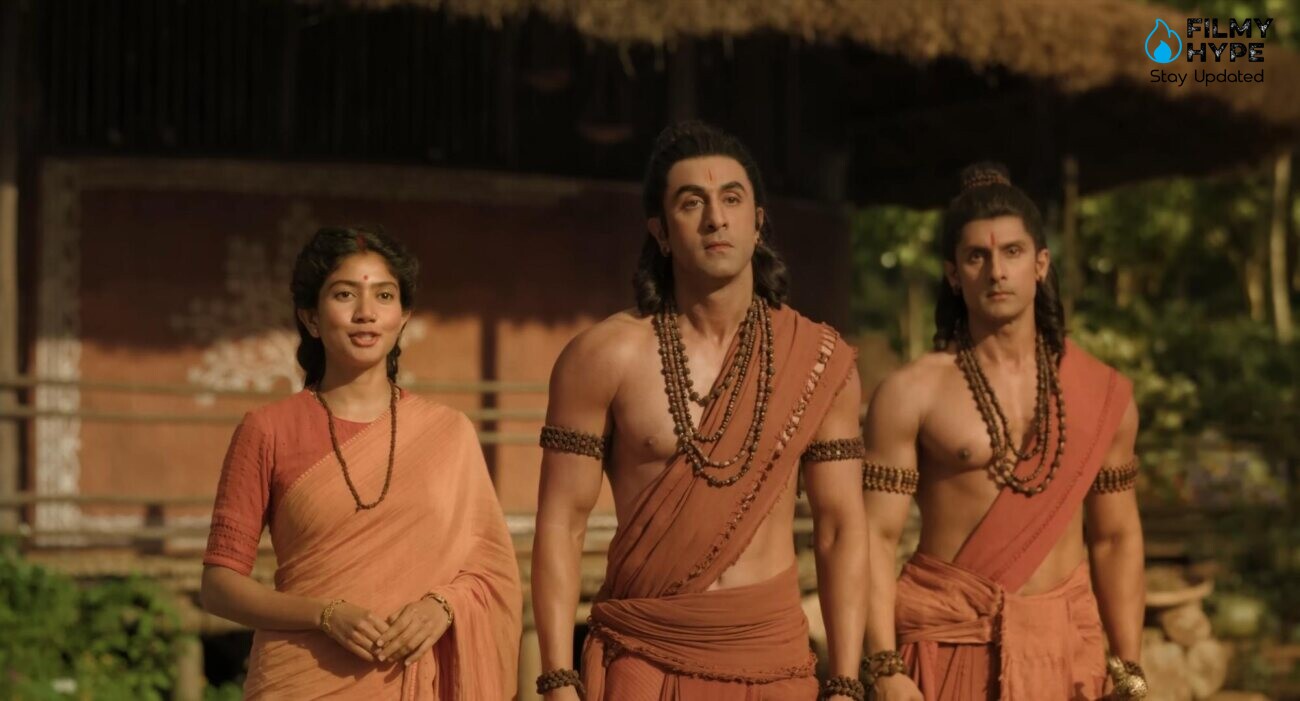
When it comes to the film’s most crucial aspect—acting—Yash stands at the forefront; the film is, in fact, largely woven around him. Meanwhile, the emotions conveyed by Arun Govil in his portrayal of King Dasharatha, the ruler of Ayodhya, remain unmatched by anyone else in the entire film. He has proven just how vital acting remains, even in this era of VFX.
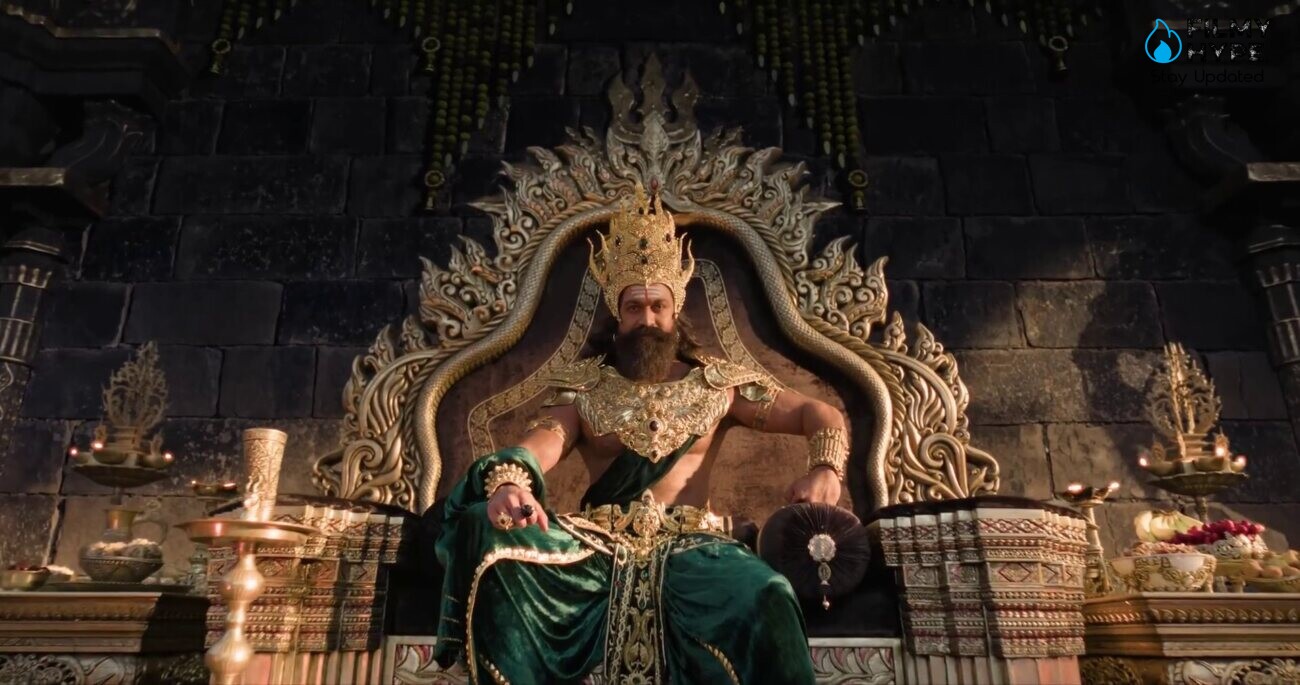
Yash: Portraying the character of Ravana is no easy task, yet Yash has put in an immense amount of hard work. Ravana’s arrogance is clearly reflected in his performance; however, when it comes to action sequences—specifically hand-to-hand combat—it feels as though one is watching a dedicated action film starring Yash. Furthermore, a brilliant decision by the filmmakers was to have his voice dubbed by Sharad Kelkar—the same artist who provided the voice for Baahubali. Sharad effectively carried more than half the weight of Yash’s performance here.
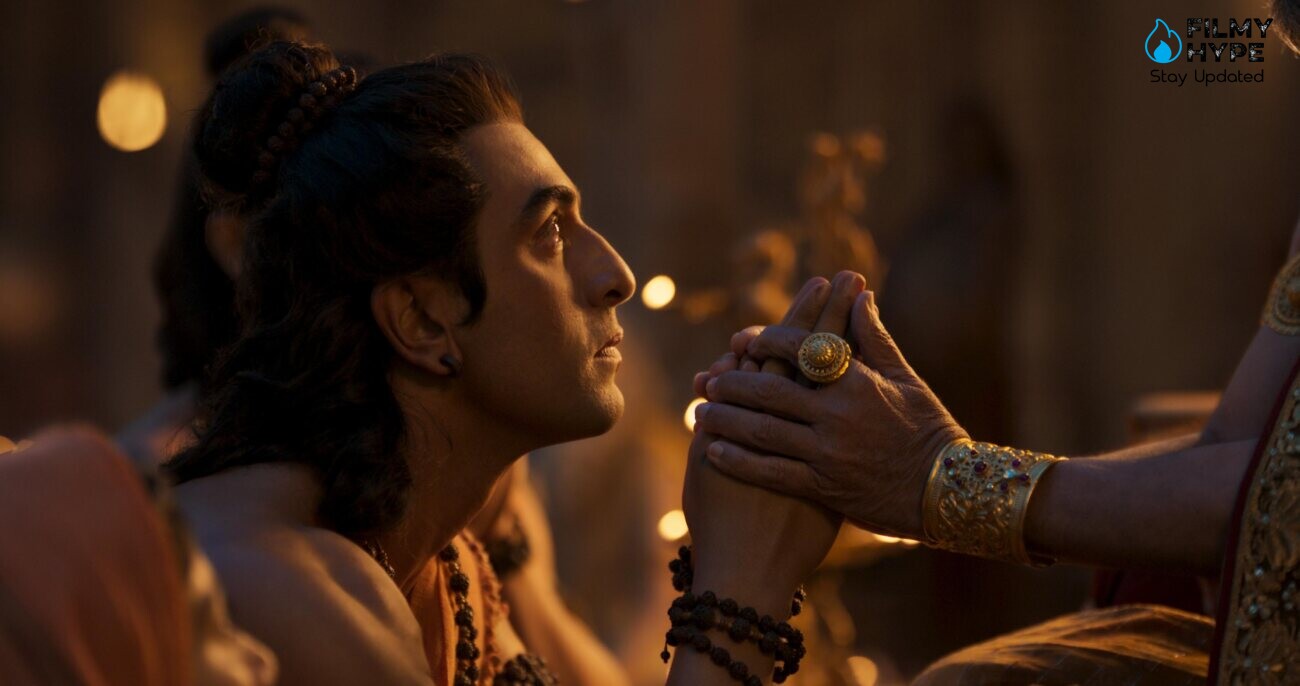
Ranbir Kapoor: Throughout the film, Ranbir appears to strive for a dignified, composed demeanor—reminiscent of Lord Ram—but this effort often makes him look visibly anxious on screen. In some scenes, he even appears to be trembling. He performs well in the action sequences filmed against a green screen. His emotions shine through in the scenes where he interacts with Jatayu; however, elsewhere, he is neither given significant dialogue nor is his character glorified to the same extent as Ravan’s. Furthermore, while he attempts to alter his voice for the role of Parashuram, he fails to imbue the portrayal with the necessary gravitas.
Sai Pallavi: Based on some scenes in the trailer, it seemed that the film would explore Sita’s childhood or episodes from her youth, but nothing of the sort appears in the movie. There are barely three scenes featuring dialogue between Sai and Ranbir—who play Sita and Ram—so how could anyone possibly judge their chemistry? That said, Sai is also seen performing action sequences, and she has portrayed the character quite decently.
Ravi Dubey: He comes across as the weakest link in the film. He delivers his dialogues at a pace even faster than the speed of his arrows. Looking at Ravi, one never gets the sense that he is portraying a character from the Treta Yuga. In this regard, I hold the dialogue writer more responsible than Ravi himself; they wrote very flippant, trivial dialogues for the character of Lakshmana. While it is true that Lakshmana was quick to anger, he was a man of decorum—not rude or insolent. Had Ravi even briefly observed Sunil Lahri’s performance in Ramanand Sagar’s Ramayana: Part 1, he would have understood exactly where his own portrayal was falling short.
Arun Govil: Given that Arun Govil has already dedicated a significant part of his life to Ramayana: Part 1, his casting as Dasharatha feels like an excellent choice—a credit that also goes to casting director Mukesh Chhabra. Throughout the film, Arun delivers his dialogues with remarkable finesse. He brings a full spectrum of emotions to the screen, and his portrayal is the one you find yourself connecting with the most.
Rakul Preet: As Shurpanakha, Rakul finally got an opportunity to showcase her acting skills after a long time, and she delivered a commendable performance. Among the other cast members, Lara Dutta (as Kaikeyi), Vivek Oberoi (as Vidyutjihva), Kunal Kapoor (as Indra), and Sheeba Chaddha (as Manthara) all delivered strong performances. Anupam Kher, by lending his voice to the character of Jatayu, turned a single scene into something truly remarkable.
Everyone is familiar with the core story of the Ramayana: Part 1; therefore, the greatest challenge for Nitesh Tiwari was to present it with a fresh visual treatment and a compelling emotional connection—a task he has executed masterfully. Tiwari demonstrates an exceptional command of direction, striking a perfect balance between the sanctity of the epic and the use of cutting-edge modern VFX and CGI. From the regal splendor of Ayodhya and the rugged wilderness of Dandakaranya to the golden walls of Lanka, the director’s vision shines through in every single frame. As a director, he succeeds in keeping the audience thoroughly engaged. Perhaps the most striking feature of Ramayana: Part 1—beyond its narrative—is its visuals, which elevate the film to an even greater scale of grandeur.
The background score and the action sequences are the film’s strongest pillars. The action, in particular, is remarkable. The visuals never feel artificial; the battle scenes are on par with Hollywood standards, with the use of strategies, weaponry, and chariots appearing highly realistic. The background score elevates the mood of every scene significantly—evoking a sense of devotion and stillness during quieter moments, while becoming thrilling and intense during battles and confrontations. Certain scenes are truly exceptional; the forest sequences are well-executed, while the Jatayu sequence and the aerial combat add significant impact. The grandeur of Lanka and Ayodhya is captured with stunning visual flair.
The coming together of legendary composers like A.R. Rahman and Hans Zimmer was, in itself, major news. Naturally, there was an expectation that Ramayana would feature a score that did more than just accompany the visuals—one that would become an integral part of the narrative itself. One might have hoped for a musical motif upon Lord Ram’s entry that captured the dignity and divinity of his character, or a background score for Ravana that amplified the formidable, imposing nature of his persona. Yet, the film lacks any truly memorable theme music that would linger in one’s mind long after leaving the theater. While the background score makes its presence felt in certain sequences, it ultimately fails to conjure the kind of magic one expected from such an epic saga. Given the involvement of such illustrious names, it was not unreasonable to anticipate a musical score as grand and memorable as the film’s VFX; in this regard, the result is somewhat disappointing.
Since the film had to be concluded within three hours, it is understandable that the makers had to increase its pace. In an effort to balance the film’s tempo and runtime, several significant episodes have been condensed quite briefly. The experience could have been even better had key sequences—such as the elaborate backdrop of Janakpur or the dialogue with Kevat—been given more screen time. Furthermore, the scenes depicting the mother-son bond between Mother Kaushalya and Ram were not explored extensively. At times, the music also feels a bit lackluster. Naturally, when legends like Hans Zimmer and A.R. Rahman collaborate, expectations run high—yet, in several instances, the score falls somewhat flat. Furthermore, some of the supporting characters are not given the opportunity to truly shine, and as a result, their emotions fail to fully resonate with the audience.
Since 80% of the film relies on VFX, one wonders what director Nitesh Tiwari could have done differently. He could have expanded the film’s emotional space by trimming certain sequences and further developed the character of Lakshmana. Given that audiences had been eagerly awaiting this film for a long time, it could have been refined further at the editing stage—perhaps even extended slightly by including a few more meaningful scenes. That said, Nitesh deserves credit for ensuring that, with the exception of perhaps one or two moments, there is nothing objectionable in the film.
Even before the release of Ramayana, the makers made it clear that they were crafting this film for a global audience—a goal effectively achieved through its visual effects (VFX). Scenes depicting Lanka, Ayodhya, the forest, and the various battle sequences are truly grand; the encounter between Jatayu and Ravana is exceptional, and the conflict between the gods and the Asuras (demons) has been presented with remarkable beauty—there is no shortcoming in these aspects. However, while producer Namit Malhotra—leveraging his own company’s VFX capabilities—succeeded in scaling the film for an international audience, he failed to establish an emotional connection with the domestic (Indian) audience.
The film’s post-credits scene is also noteworthy. It features a glimpse of Lord Hanuman (played by Sunny Deol), shown flying—seen from behind and from the side. During this sequence, the chant “Jai Shri Ram” can be heard, though his face remains unseen. This brief scene offers a preview of the story to come. The first installment covers the rise of Ravana, Rama’s exile, and the abduction of Sita. For major subsequent events—such as Hanuman’s journey to Lanka, the episodes in Ashok Vatika, the construction of the Ram Setu, and the war in Lanka—audiences will have to wait for the second installment.
The audience is already familiar with the events of the Ramayana; the true challenge for the screenplay lies in the sequence and the manner in which these events are presented. The film begins by establishing the backdrop of Ravana’s world, then progresses through the birth of Rama, his marriage, his exile, and the abduction of Sita—all while attempting to bridge these two distinct realms. The scope of the narrative is kept contained in the first part, effectively laying the groundwork for the conflicts to come. Despite a runtime of 3 hours and 15 minutes, the pace of the story slows down in certain sections; some sequences could have been executed with greater tightness. Furthermore, the film does not conclude with a traditional, triumphant climax; instead, it ends by signaling the onset of a much larger, impending battle.
‘Ramayana Part One’ is a highly ambitious endeavor in Indian cinema. Ranbir Kapoor brings a sense of gravitas and dignity to the role of Rama, while Yash leaves a distinct mark with his portrayal of Ravana. The film’s greatest strengths lie in its spectacular VFX, grand production design, and the magnificent scale of its mythological world. However, the experience is somewhat dampened by a sluggish pace in certain segments, dialogue that fails to deliver the intended impact, and the absence of a memorable theme score. There is also room for improvement in the VFX used for the demons. Nevertheless, the film offers plenty that is worth witnessing on the big screen—most notably, Yash’s Ravana and the expansive visual universe created for the film. As the first chapter concludes, it leaves the audience with a compelling question: just how grand will the ultimate battle between Rama and Ravana be when it finally unfolds on screen?
Ramayana: Part 1 Review: The Last Words
We have seen Ramanand Sagar’s Ramayana: Part 1—a cult classic—unfold over many episodes. As producer and director, Namit Malhotra and Nitesh Tiwari have now attempted to present that same story within a three-hour timeframe. Clearly, this effort has paid off; it is also worth noting that every possible measure was taken to ensure the film’s grand scale. Ramayana: Part 1 is not merely a mythological film; it is a visual epic meant to be experienced on the big screen. It represents a powerful fusion of modern technology and Indian faith—a spectacle best enjoyed in a cinema hall. If you can look past a few shortcomings and experience Ramayana: Part 1 in a theater, you will realize that films on par with major Hollywood productions are now being created in our own country, and this film is a prime example of that.