Wildwood Movie Review and Ratings
Cast: Jacob Tremblay, Carey Mulligan, Mahershala Ali, Awkwafina, Amandla Stenberg, Charlie Day, Angela Bassett, Jake Johnson, Jemaine Clement, Richard E. Grant, Tantoo Cardinal, Tom Waits, Maya Erskine, Peyton Elizabeth Lee, Kellan Tetlow, Arthur Knight
Directed by: Travis Knight
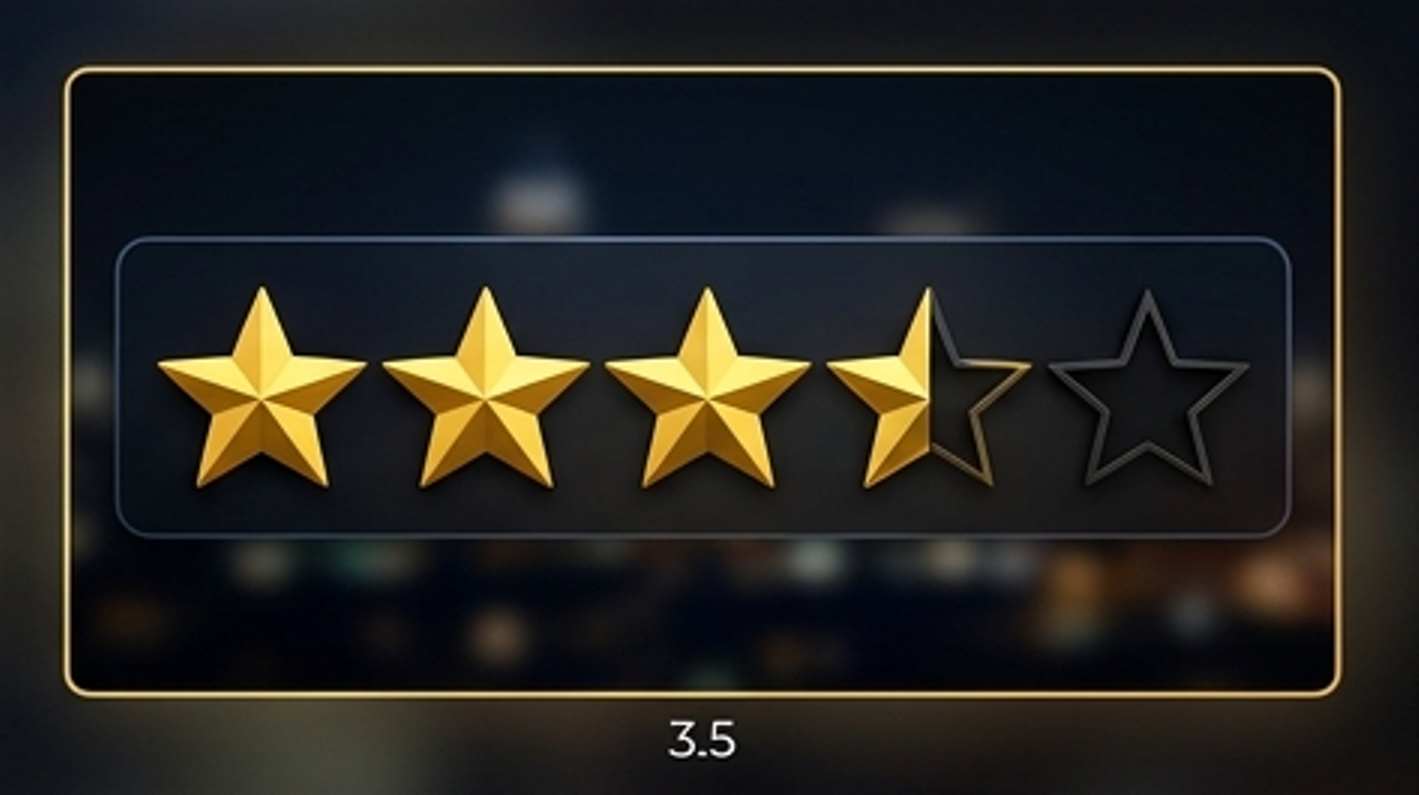
Filmyhype.com Ratings: 3.5/5 (three and a half stars)
There are animated films that impress with their story and others that leave one speechless with the work required to make them. Wildwood belongs mostly to the second category. The new feature film from studio Laika, already behind Coraline and Kubo and the Two Strings, is an impressive technical feat, capable of transforming stop-motion into a show of a rarely seen scale. Every environment, creature, and movement recounts years of artisanal work, with results that deserve to be admired on the big screen. In an animation industry increasingly dominated by computer graphics, where the pursuit of digital perfection often risks flattening the visual identity of films, Laika continues to champion the allure of artisanal imperfection. Every movement, every expression, and every setting of its feature films is born from meticulous work, in which materials, surfaces, and details retain a physicality that no entirely digital image can reproduce in the same way.
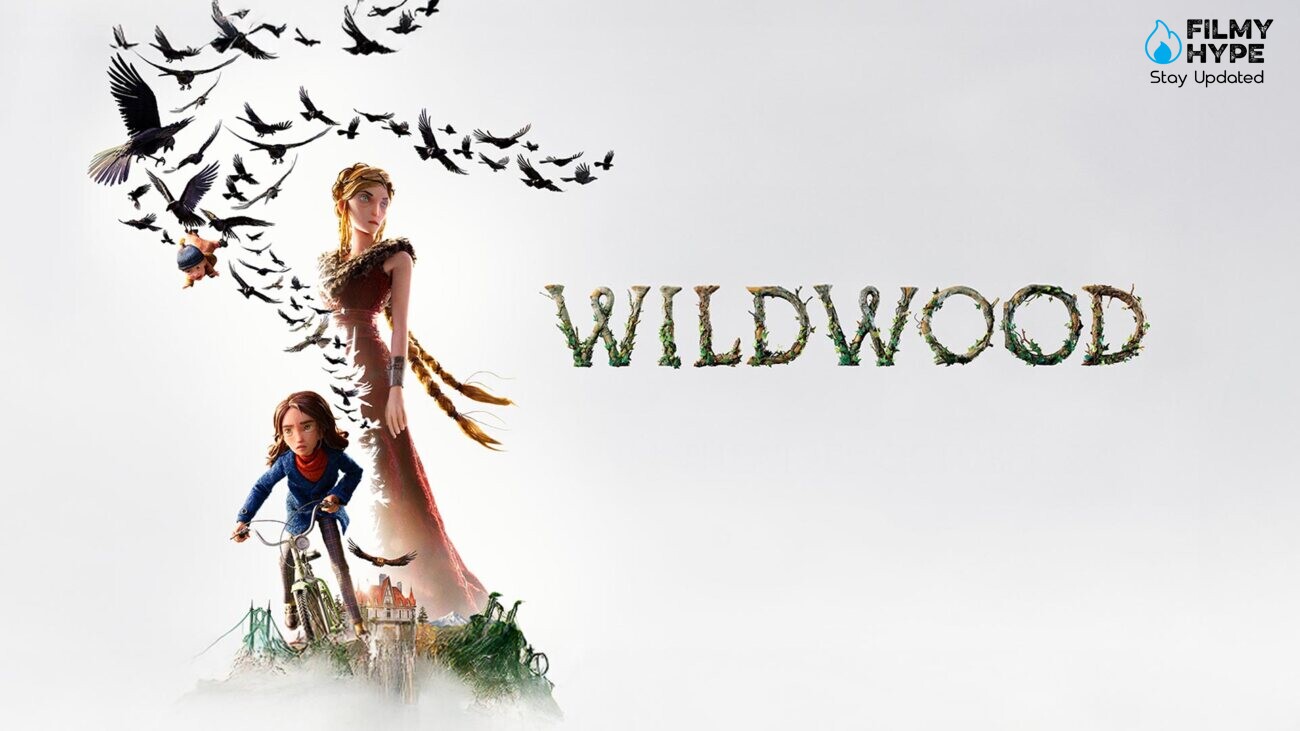
With Wildwood, the American studio takes a further leap in scale, achieving what is probably its most ambitious production venture. Directed by Travis Knight and based on Colin Meloy’s novel, illustrated by Carson Ellis, the film follows Prue, a young girl from Portland who ventures into a forbidden forest to find her little brother kidnapped by a flock of crows. Awaiting her is a world populated by talking animals, magical creatures, and warring armies. The visual imagination is astonishing, and some sequences are truly spectacular, but the story doesn’t always manage to sustain such ambition. Wildwood is a fascinating adventure, which would probably have benefited from a shorter running time and greater attention to its characters.
Wildwood Movie Review: The Story Plot
Prue McKeel is twelve years old, lives in Portland with her parents and little brother Mac, and doesn’t share her family’s interest in local magic and legends. When she is given the task of looking after the little boy, she decides to take him out of the house despite her parents’ recommendations. The day takes a terrible turn when a flock of crows kidnaps Mac and transports him beyond the city limits, into a forest no one should have to enter. Prue immediately sets out to find her, accompanied by Curtis, an awkward schoolmate who is determined to help her.
But the two soon discover that the forest is home to a much more complex society than they could have imagined, divided between territories, armies, and conflicting groups. What seemed like a mission to save a child thus turns into an adventure that involves the entire balance of this world. The premise is classic, but the film manages to make it interesting mainly thanks to the number of places and characters it introduces along the way.
Wildwood Movie Review and Analysis
The main reason to see Wildwood is undoubtedly the work of the Laika studio. Over one hundred environments and hundreds of puppets were built to make the film, animated frame by frame. The result is an incredibly rich world, in which every detail contributes to making the existence of this fantastic forest credible. The birds’ feathers, the movement of the leaves, the characters’ expressions, and even the changes in light show a care that continues to surprise even after more than two hours. Travis Knight, who had previously directed Kubo and the Two Strings, takes this technique to an even more ambitious dimension.
Big battles, chases, and gigantic creatures have a fluidity that at times almost makes you forget you’re in front of manually animated puppets. Yet the film’s appeal comes precisely from the possibility of recognizing the artisanal work behind those images. In a landscape dominated by digital animation, Wildwood demonstrates how stop-motion can still deliver stunning visual experiences.
Despite the presence of a very young protagonist and numerous talking animals, Wildwood is not an adventure designed exclusively for children. The story deals with grief, loss, and the consequences of decisions made in an attempt to protect loved ones. The figure of the widowed governess, voiced by Carey Mulligan, introduces a particularly disturbing component, as the conflicts between the different factions of the forest become progressively more violent.
Some sequences show bloody fights and images that might impress younger viewers. Laika had already shown with Coraline that she did not want to give up the scariest aspects of fairy tales, but here the violence takes on much greater dimensions. The film often comes close to epic fantasy, with armies, armed clashes, and a final battle of considerable impact. This choice helps distinguish Wildwood from more traditional animated adventures, although it makes its balance between coming-of-age tale and war story less immediate.
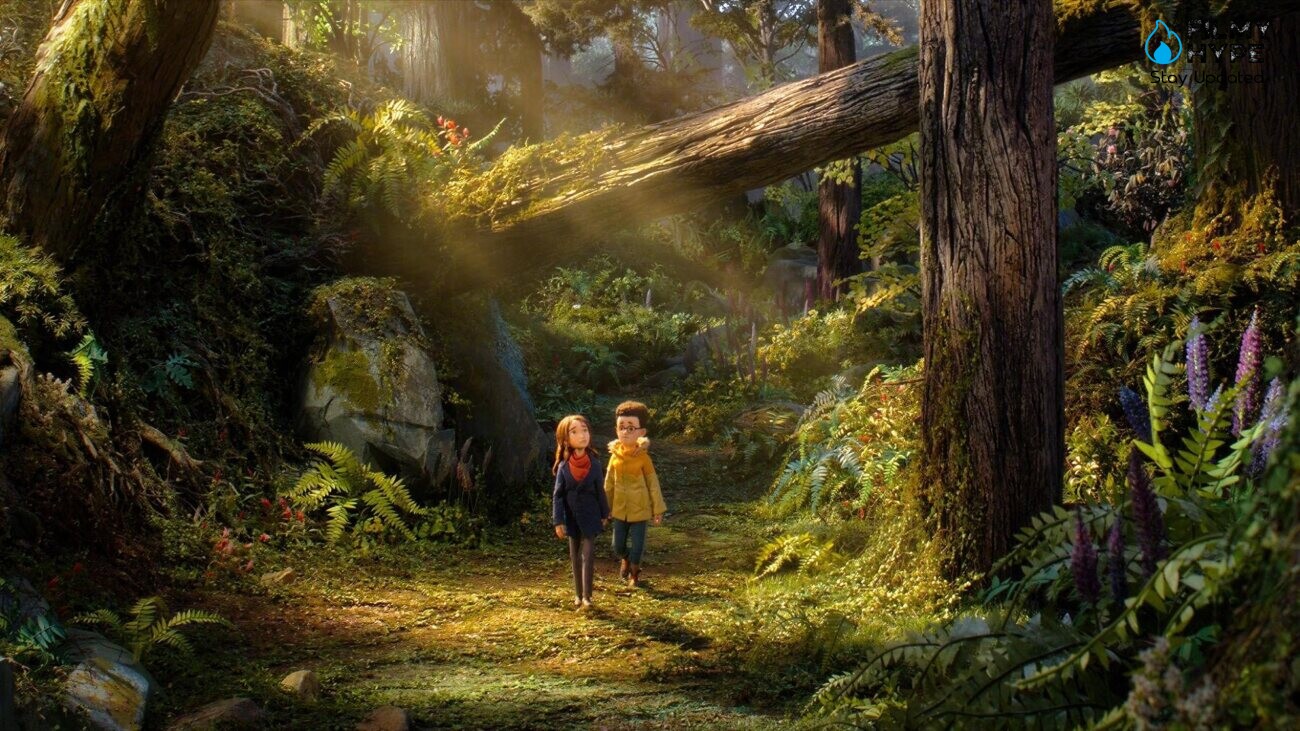
Wildwood‘s main limitation is precisely the amount of elements he tries to develop. Prue’s search for her little brother remains the focus of the story, but characters, political conflicts, and family secrets pile up around her that take a long time to explain. Not everyone gets the same depth, and in some passages, the story seems more interested in showing a new corner of the forest than in advancing the protagonist’s path. The themes addressed, from personal growth to the need to overcome divisions, are also quite familiar. Prue and Curtis go through experiences that are supposed to change them profoundly, but their evolution is not always as convincing as the images that accompany them.
The duration of over two hours accentuates this feeling, especially in the central part, when the adventure temporarily loses momentum to make room for the events of the different factions. Yet it would be difficult not to recognize the importance of a project like this. Wildwood is a film made with extraordinary dedication, which takes stop-motion towards ever-widening expressive possibilities. His story lacks Kubo’s emotional strength or Coraline’s haunting immediacy, but it offers a visual spectacle that is worth the viewing alone. An imperfect adventure, in which the imagination of the artists often surpasses that of the screenplay.
Wildwood‘s main strength lies in its visual identity. Travis Knight, drawing on his experience with LAIKA, confirms the studio’s desire to explore the expressive possibilities of stop-motion, making craftsmanship an essential component of storytelling. The characters each seem to possess a specific weight, while the environments convey a sense of concreteness that distinguishes the film from any other fantasy made exclusively through digital images. The care given to shapes, textures and movements helps to make the Forbidden Forest at the center of the story a living, fascinating and at the same time threatening place. The richness of the creatures and the variety of settings fuel an imaginary in which wonder never completely erases the sense of danger.
The integration between physical puppets and digital resources also responds to this search for visual continuity, preserving the material recognizability of the represented world. The production ambition is remarkable and is felt in the amount of detail that characterizes the film’s universe. The risk, however, is that the abundance of inventions will sometimes end up competing with the need to keep the story focused on the characters. After all, this is a challenge that runs through a lot of large-scale animated works: building a world capable of surprising without letting that same complexity drown out the emotional heart of the story.
Here each new setting seems to introduce a different aesthetic universe: from the birds of the Avian Principality to coyotes in military uniforms, from human communities to gigantic animated trees. The richness of the materials, the articulation of the figures, and Caleb Deschanel’s photography give the images exceptional depth and texture. Even action sequences, culminating in a battle of epic dimensions, reach surprising complexity for a technique that requires physically constructing each movement, frame after frame. The film also uses digital interventions, especially in the larger and more dynamic scenes. An understandable choice, which allows us to overcome some practical limitations of stop-motion but which at certain moments attenuates precisely that tangibility that constitutes the main distinctive element of the study.
If Wildwood represents an exceptional achievement on a technical level, it is in the writing that the film reveals its limitations. The tale draws on established fantasy imagery, echoing The Chronicles of Narnia, Tolkien, and numerous classic fairy tales: a young girl crossing the line between reality and magic, a kingdom torn by conflict, unlikely allies, and an evil ruler marked by personal tragedy. It is not so much these familiar elements that constitute a problem, but the difficulty of developing them in an equally memorable way. The abundance of characters, creatures, and subplots sometimes ends up dispersing attention, while some figures introduced with great visual inventiveness remain little more than narrative archetypes. Even Curtis, despite his important role in the adventure, struggles to acquire a truly autonomous personality.
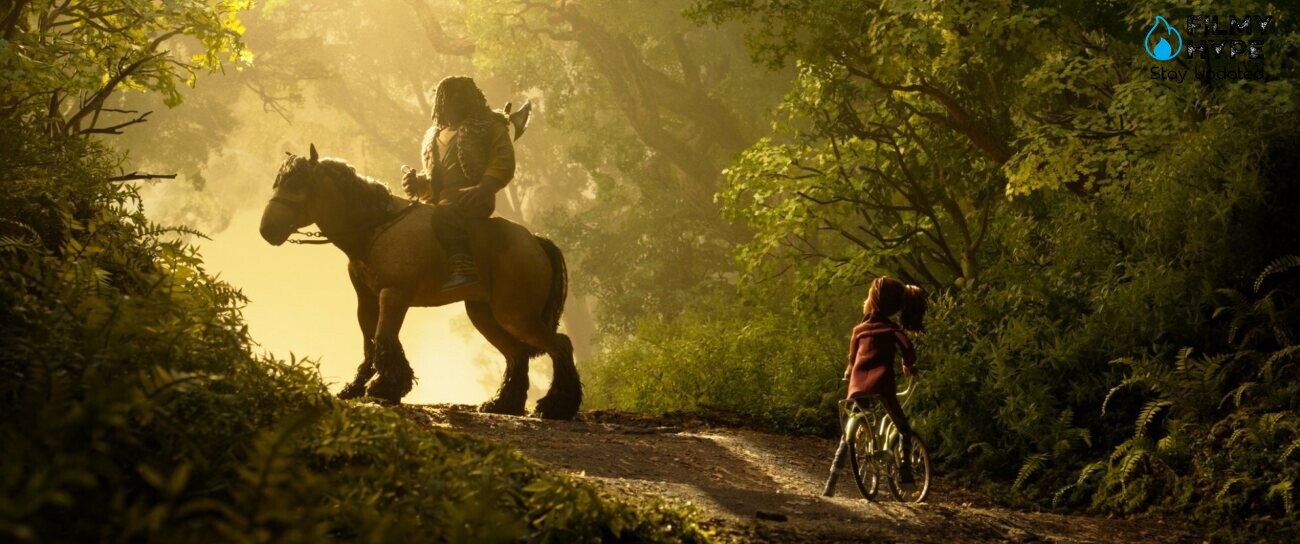
The most interesting dimension of the story is undoubtedly linked to the growth of its protagonists. Prue embodies a form of security that the confrontation with the unknown progressively tests. Her determination is an asset, but it is not enough to protect her from the consequences of her own choices. The journey into the Forbidden Woods thus forces her to understand that maturity is not about denying childhood but about finding a balance between independence and the needs of others.
Alongside her, Curtis’ character offers a completely complementary perspective. Less inclined to impulsive action and more inclined to observation, the protagonist’s friend represents a model of heroism based on listening, kindness and empathy. The relationship between the two characters thus allows the film to further broaden the meaning of adventure, suggesting that there is no single way to be courageous and that sensitivity can prove to be as valuable a resource as strength.
The screenplay by Chris Butler, who was asked to translate the richness of Colin Meloy’s novel on which the film is based, tries to hold together the spectacular dimension of fantasy and a more intimate emotional component. In Wildwood, it’s not just Mac’s salvation that’s at stake: through Prue’s journey, the film also addresses the difficult transition from childhood to adulthood, when seemingly unshakeable beliefs begin to show their cracks. The variety of characters and especially conflicts requires complex narrative management, and the 139-minute running time –although atypical for animated films– nevertheless helps maintain the bond between the different lines of the story.
Beneath the typically adventurous surface, however, Wildwood also tackles more challenging and painful themes, starting with grief and the difficulty of accepting the loss of a loved one. The figure of Alexandra, the film’s antagonist marked by the death of her son, introduces a reflection on the fine line that separates love from obsession. His desire to defeat death arises from a human and understandable wound, but progressively transforms into a destructive force.
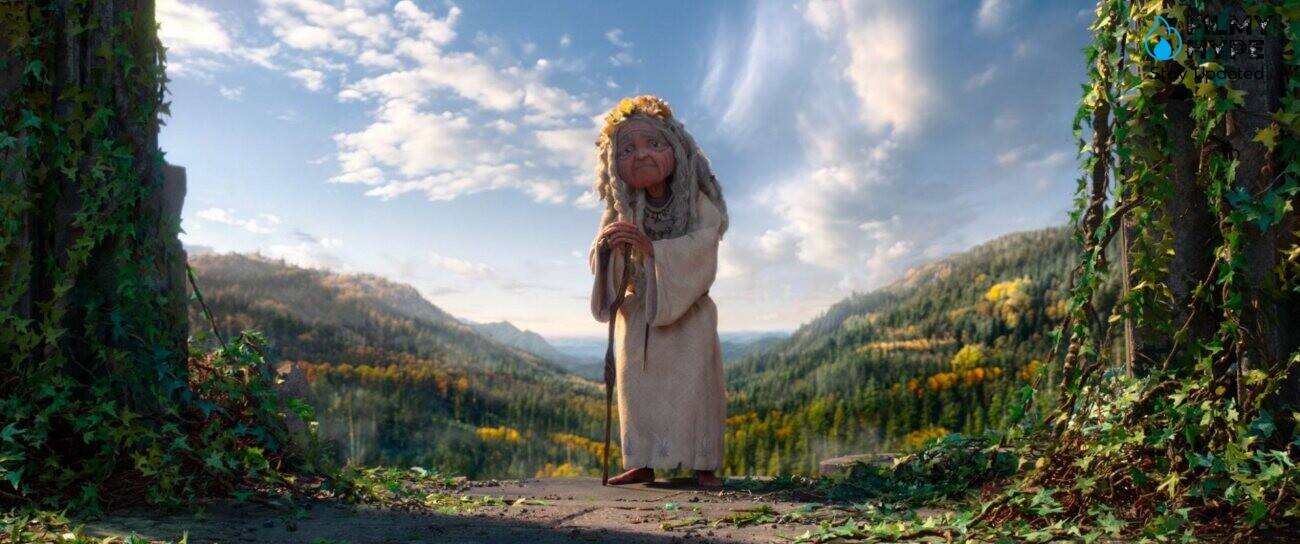
It is precisely in the dualism between the threat the character represents and his intrinsic humanity that the story finds one of its most mature and profound declarations: evil is not only traced back to cruelty, but can also sprout from profound feelings that, without barriers, transform into blind and destructive forces. In this sense, the fairy tale takes on a darker and more ambiguous nuance, inviting us to question the consequences of pain and the possibility that a virtue, pushed to the extreme, ends up turning upside down into its own opposite.
Wildwood‘s discourse thus extends to family, parenthood, loss, and responsibility, without ever abandoning the allure of adventure. The film’s imagery also appeals to older viewers, without ever exhausting itself with a reassuring moral: the Forbidden Forest is a place of discovery, but at the same time it is a space where every choice carries a risk and where not even the noblest quality alone guarantees finding the right path.
With Wildwood, Travis Knight confirms LAIKA’s vocation towards an animation that does not consider stop-motion a simple technical alternative, but an expressive language with its own identity. The artisanal commitment and richness of the visual universe are the film’s most recognizable feature, while the focus on themes of growth and grief gives it a depth that goes far beyond the usual fantasy adventure. There remains, however, the challenge of holding together a complex mythology, numerous characters, and a story that aspires to be both spectacular and introspective.
The breadth of the project is part of its appeal, but it could also make the relationship between the richness of the world depicted and the emotional journey of the characters who inhabit it less immediate. However, it is in the complexity of his themes that Wildwood finds one of the most solid reasons for his interest, not to mention the fascination exerted by the materiality of the images. Prue’s journey teaches us that growing up means facing your fears, accepting your frailties, and finding the courage to move forward even when not everything can be saved.
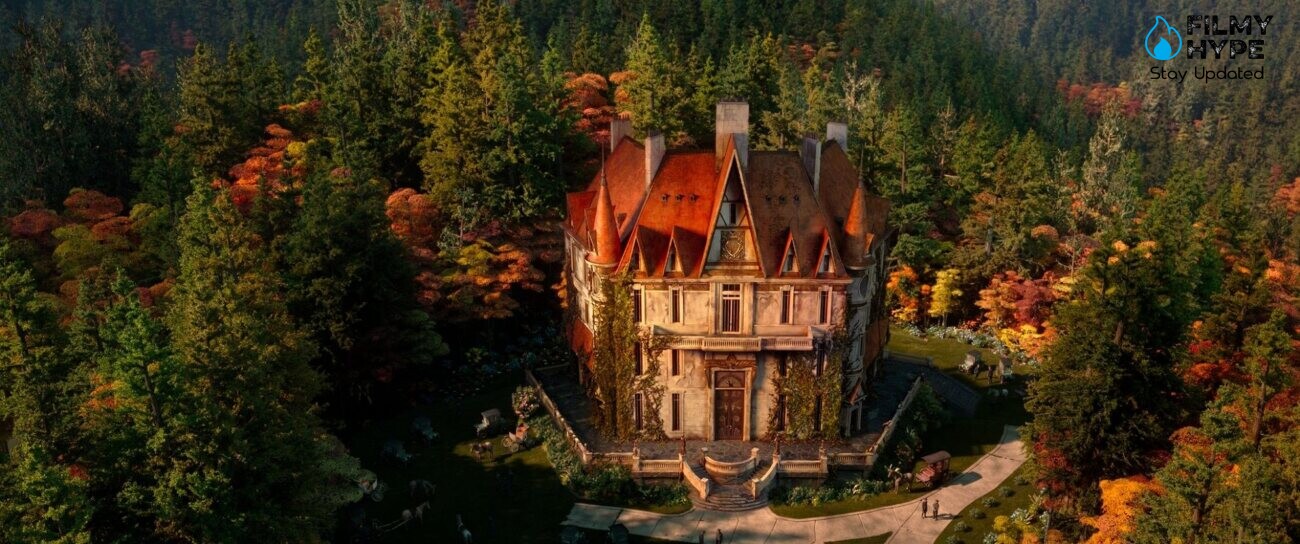
Alexandra’s story, on the other hand, has considerable emotional potential. The pain of a mother unable to accept her son’s death introduces a dark and disturbing dimension, consistent with the tradition of Laika, who has never renounced the most disturbing aspects of fairy tales. However, the film does not always manage to transform this dramatic material into an equally incisive conflict, often privileging spectacular accumulation over psychological deepening. Despite these imbalances, Wildwood retains an increasingly rare quality in contemporary animation: the ability to evoke wonder through the concreteness of images. Paradoxically, it’s not necessarily the grandest sequences that leave their mark, but the small gestures, the barely hinted expressions, the details that give the characters genuine vulnerability.
Wildwood Movie Review: The Last Words
Wildwood is a stunning achievement for stop-motion animation, with rich settings and spectacular sequences. Travis Knight builds a fascinating fantasy world, but the story gets lost in too many characters and conflicts, losing some of its emotional strength. A visually outstanding adventure, though less convincing on a narrative level. Wildwood is therefore a triumph of cinematic craftsmanship rather than storytelling: a visually stunning, generous, and imaginative work, but weighed down by a conventional story and an ambition that doesn’t always strike the right balance. It lacks the compactness and uncanny strength of Laika’s best films, but it still reminds us why this studio remains an irreplaceable part of the animation landscape. Because, even when the magic of the story falters, that of the images remains intact.
-
- Wildwood Movie First Look Image (Image Credit: Laika)
-
- Wildwood Movie First Look Image 18 (Image Credit: Laika)
-
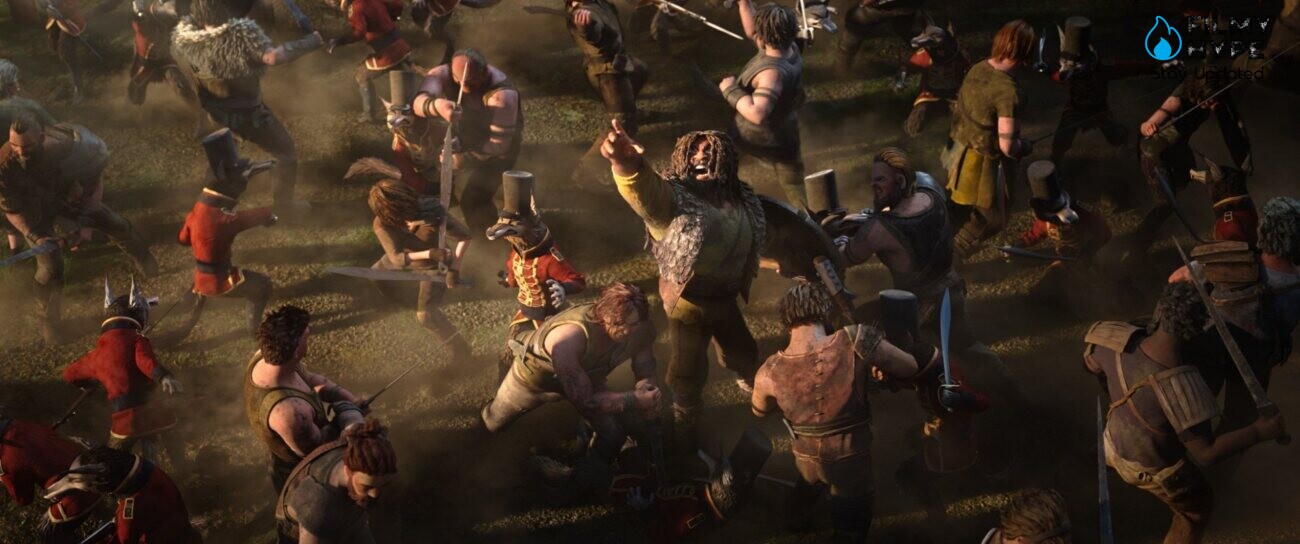
- Wildwood Movie First Look Image 17 (Image Credit: Laika)
-
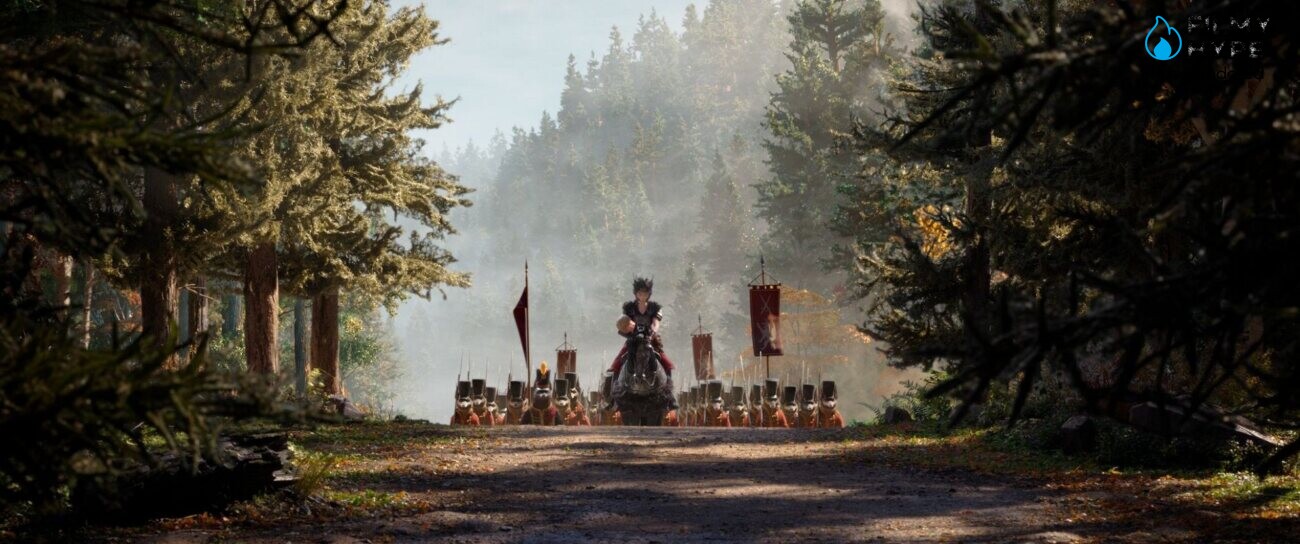
- Wildwood Movie First Look Image 16 (Image Credit: Laika)
-
- Wildwood Movie First Look Image 15 (Image Credit: Laika)
-
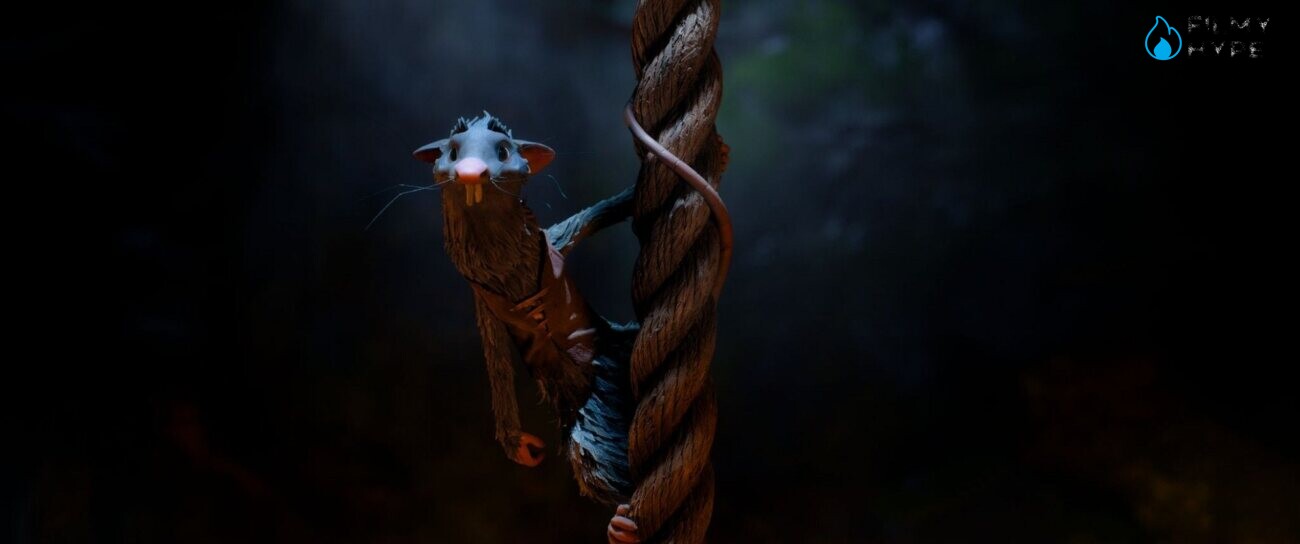
- Wildwood Movie First Look Image 14 (Image Credit: Laika)
-
- Wildwood Movie First Look Image 13 (Image Credit: Laika)
-
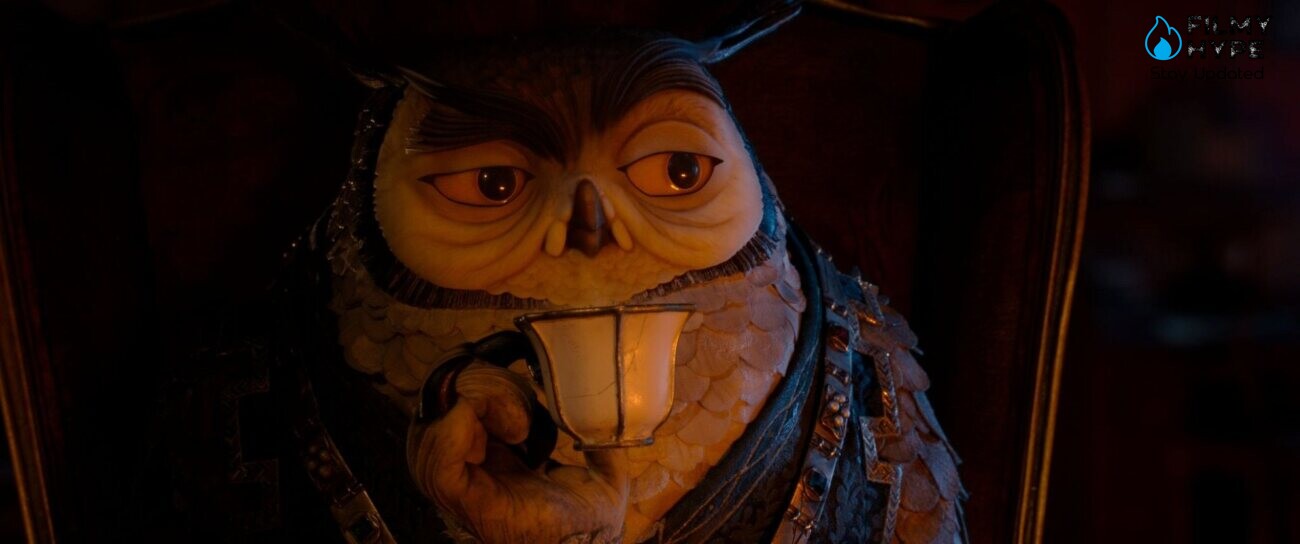
- Wildwood Movie First Look Image 12 (Image Credit: Laika)
-
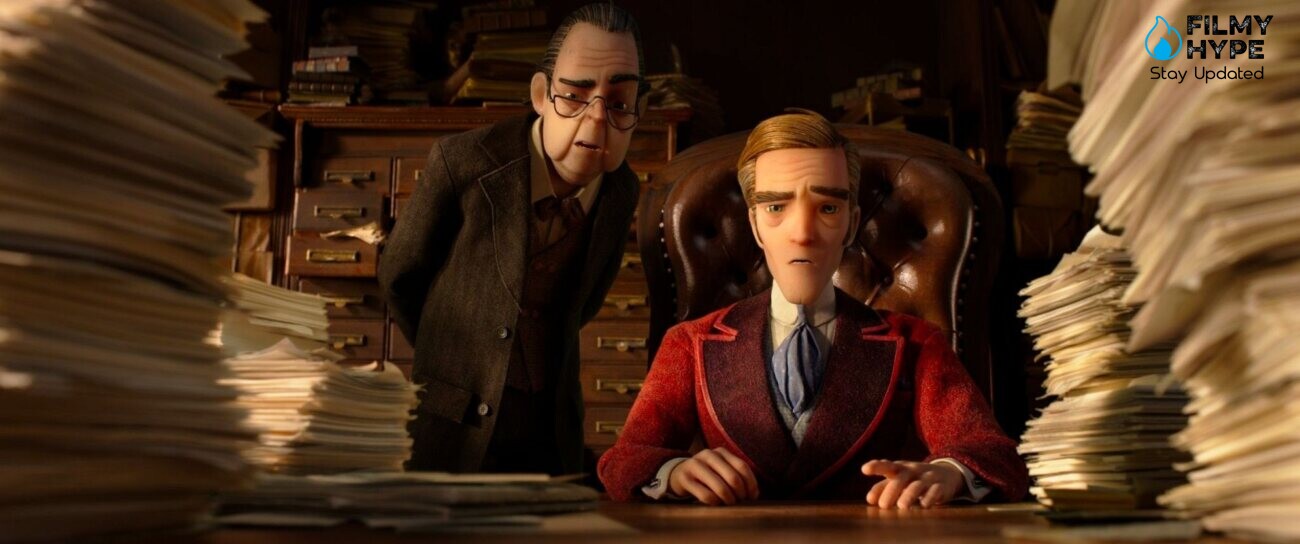
- Wildwood Movie First Look Image 11 (Image Credit: Laika)
-
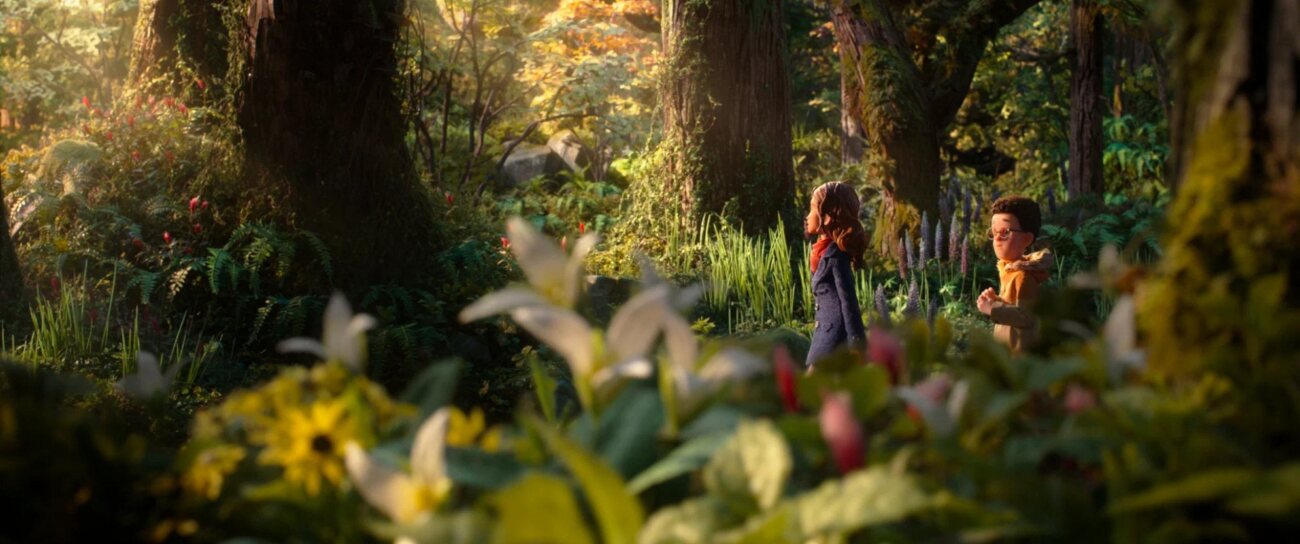
- Wildwood Movie First Look Image 10 (Image Credit: Laika)
-
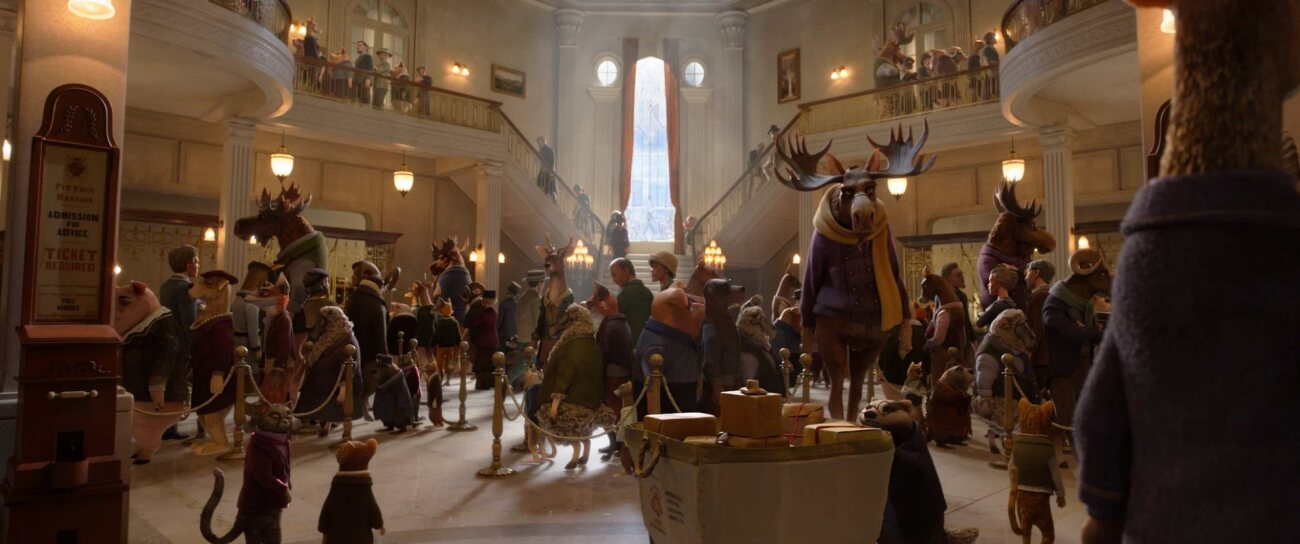
- Wildwood Movie First Look Image 9 (Image Credit: Laika)
-
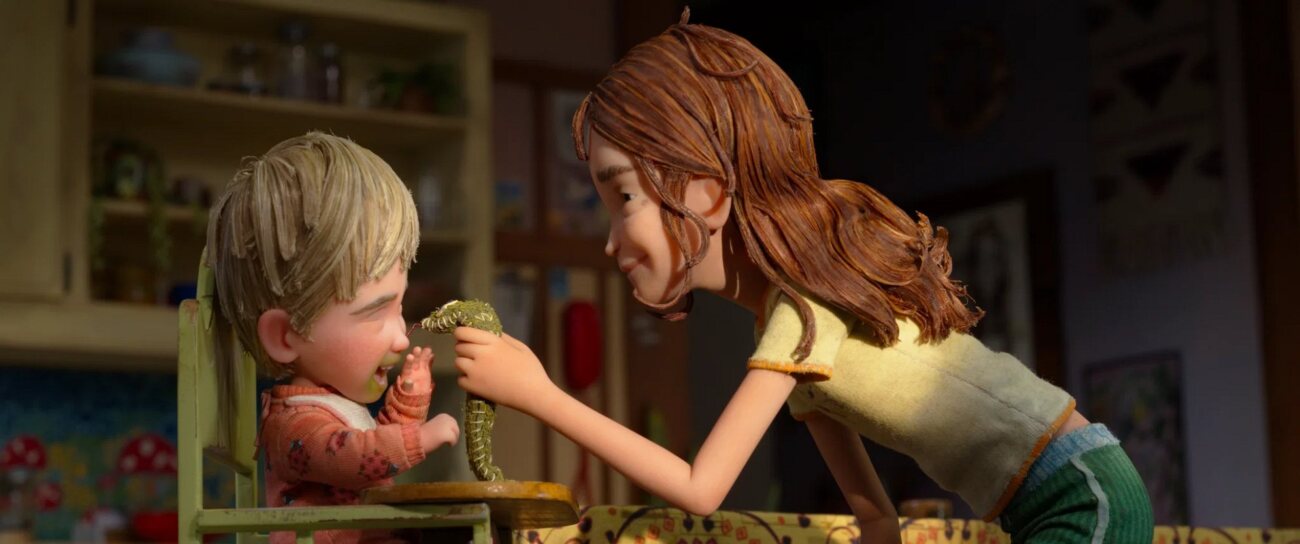
- Wildwood Movie First Look Image 8 (Image Credit: Laika)
-
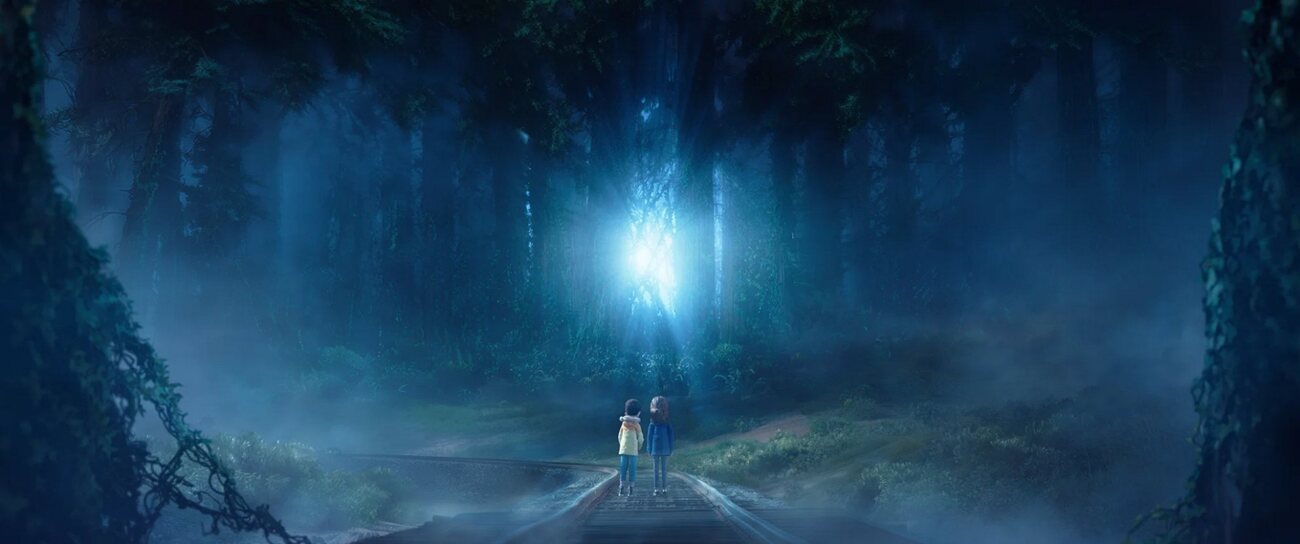
- Wildwood Movie First Look Image 7 (Image Credit: Laika)
-
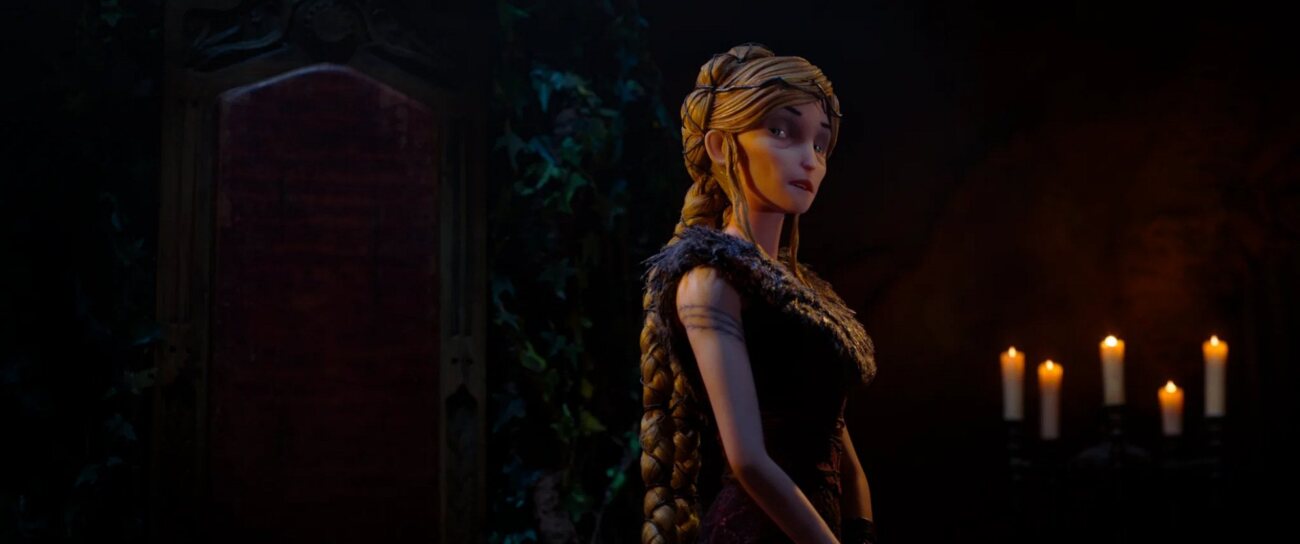
- Wildwood Movie First Look Image 6 (Image Credit: Laika)
-
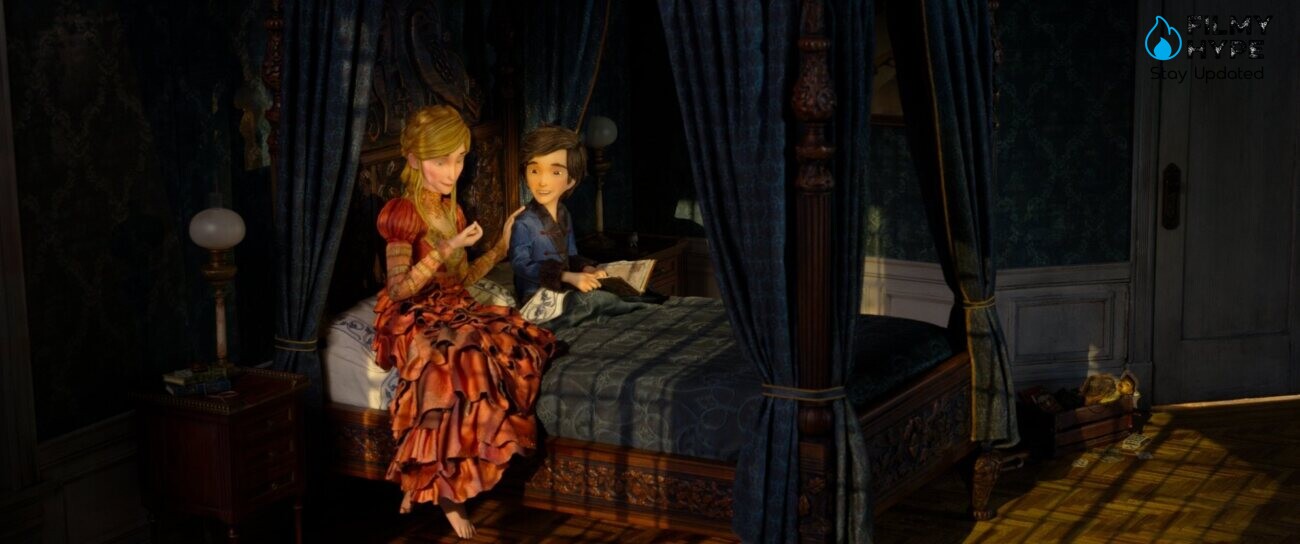
- Wildwood Movie First Look Image 5 (Image Credit: Laika)
-
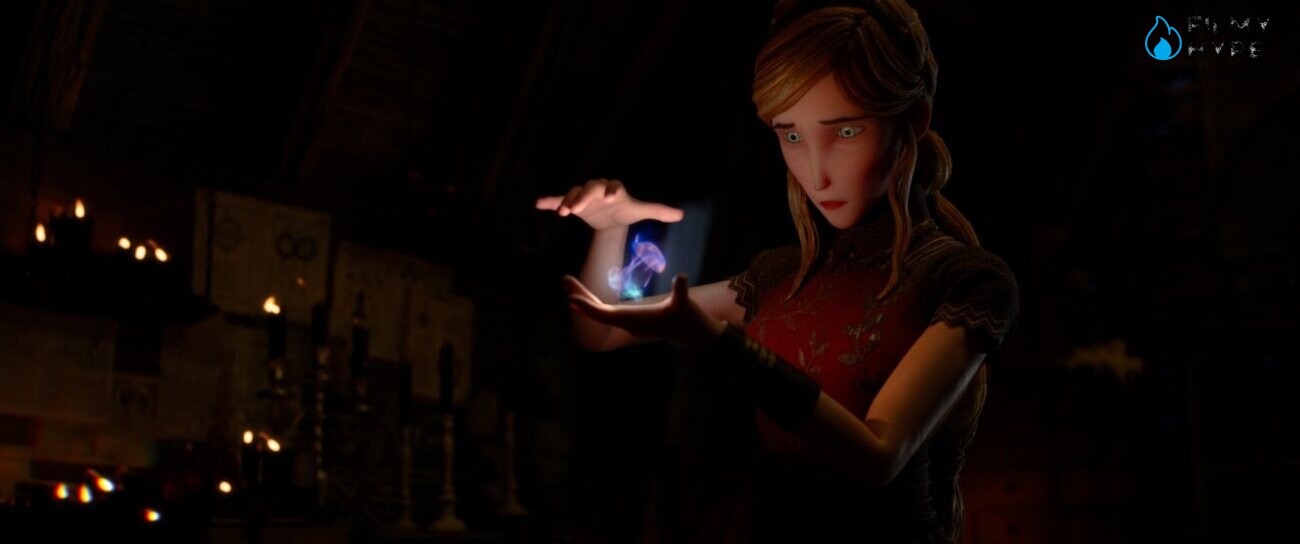
- Wildwood Movie First Look Image 4 (Image Credit: Laika)
-
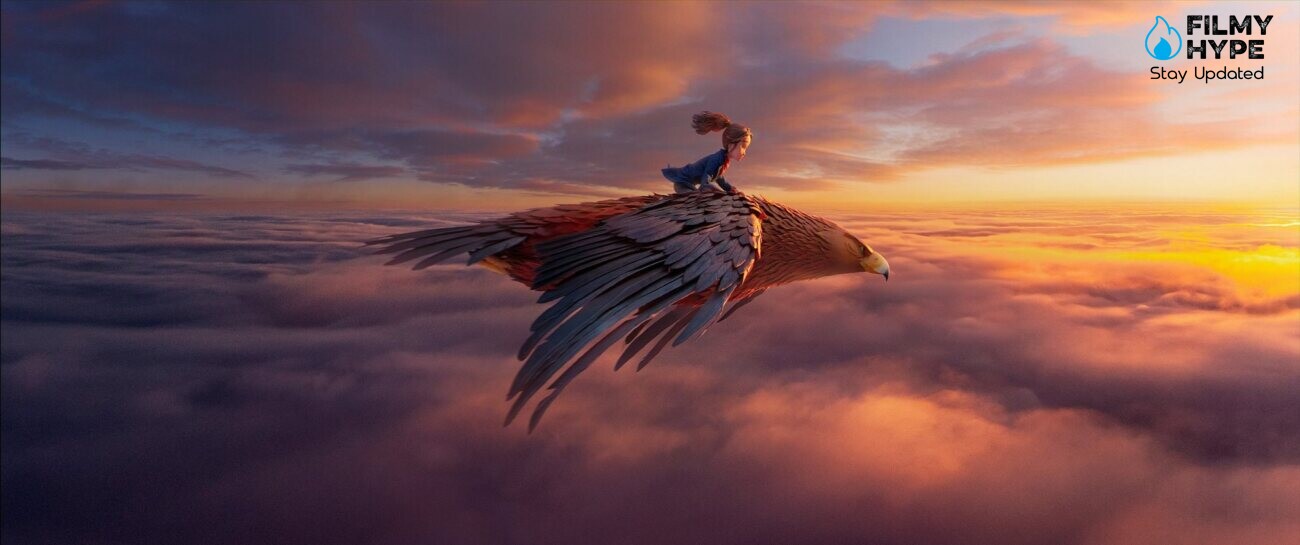
- Wildwood Movie First Look Image 3 (Image Credit: Laika)
-
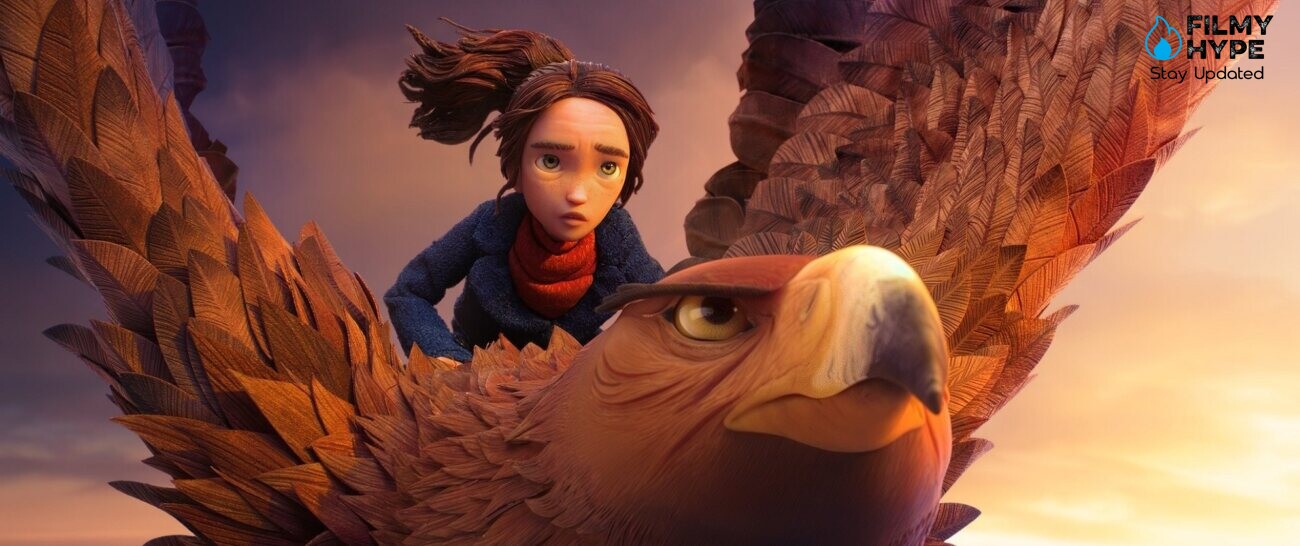
- Wildwood Movie First Look Image 2 (Image Credit: Laika)