The Empress Season 3 Review: Sissi Says Goodbye to the Romantic Fairy Tale?
The Empress Season 3 Review and Ratings
Cast: Devrim Lingnau, Philip Froissant, Johannes Nussbaum, Melika Foroutan, Alexander Finkenwirth, Runa Greiner
Directors: Florian Cossen, Julia Langhof
Streaming Platform: Netflix
Filmyhype.com Ratings: 4/5 (four stars)
Forget the romantic tale of Sissi and Franz Joseph, because in the third and final season of The Empress, available on Netflix from November 12, love is no longer enough to keep two people together, divided by the responsibilities and expectations of the court. The German series, created by Katharina Eyssen, which won an International Emmy, concludes its story with six episodes in which the protagonists’ romantic experiences become increasingly intertwined with the great political changes of nineteenth-century Europe. After recounting her falling in love and initial marital difficulties, The Empress chooses a more mature and dramatic register, leaving more space for the consequences of the war and Elizabeth’s desire for independence.
The result is an intense season, supported by the excellent performances of the protagonists and a sumptuous historical reconstruction, which manages to retain the charm of romance while definitively distancing itself from its fairy-tale dimension. There are series that drag on for too many seasons, continuing to invent conflicts just to avoid concluding. The Empress, fortunately, chose a different path. After three seasons, Netflix ends the story of Elisabeth of Austria with six intense, elegant episodes that, above all, provide a satisfying conclusion. And I’m personally glad the writers decided to stop right now. Because this third season manages to close the story without losing what had won me over from the beginning: the complicated relationship between Sissi and Franz Joseph, two people who love each other but continually seem incapable of understanding each other.
The Empress Season 3 Review: The Story Plot
The third season opens after the bloody battle of Solferino, which profoundly affected Emperor Franz Joseph (Philip Froissant). Tormented by guilt over the deaths of thousands of soldiers, Franz returns to Vienna unable to regain his serenity and gradually distances himself from his wife Elisabeth (Devrim Lingnau Islamoğlu), further compromising a marriage already experiencing numerous difficulties. As the emperor tries to deal with the aftermath of military defeat and rising political tensions, Sissi must contend with worsening health and an ever-growing desire to escape the court’s strict rules.
Her stay in Corfu offered her the opportunity to rediscover a freedom she seemed to have lost, while her relationship with the Hungarian Count Andrássy (Dejan Bućin) helped broaden her involvement in the empire’s political affairs. Meanwhile, Prussia’s ambitions, Hungary’s claims, and the fate of Maximilian of Habsburg in Mexico make the fragility of a monarchy forced to confront a changing world increasingly evident.
The Empress Season 3 Review and Analysis
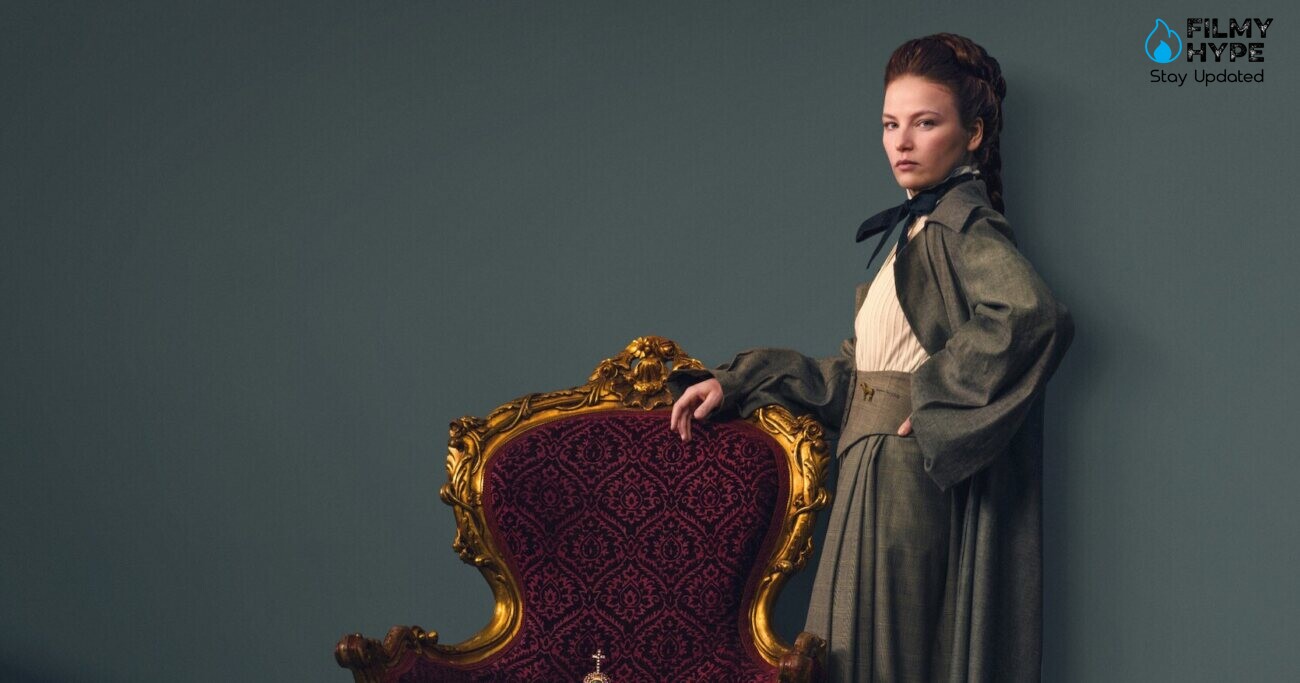
The main strength of this final chapter is the evolution of the two protagonists, who appear profoundly different from the young lovers they met at the beginning of the series. Franz Joseph is now a sovereign marked by his own decisions, unable to completely separate political responsibilities from private life, while Elizabeth has acquired an awareness that makes it increasingly difficult to accept the traditional role of wife and empress. Devrim Lingnau Islamoğlu offers a particularly convincing performance, portraying a Sissi who is less impulsive but still determined to defend her independence. Her journey finds an interesting dimension, especially far from Vienna, where the protagonist can finally experience a daily life less conditioned by etiquette and rediscover personal interests and desires.
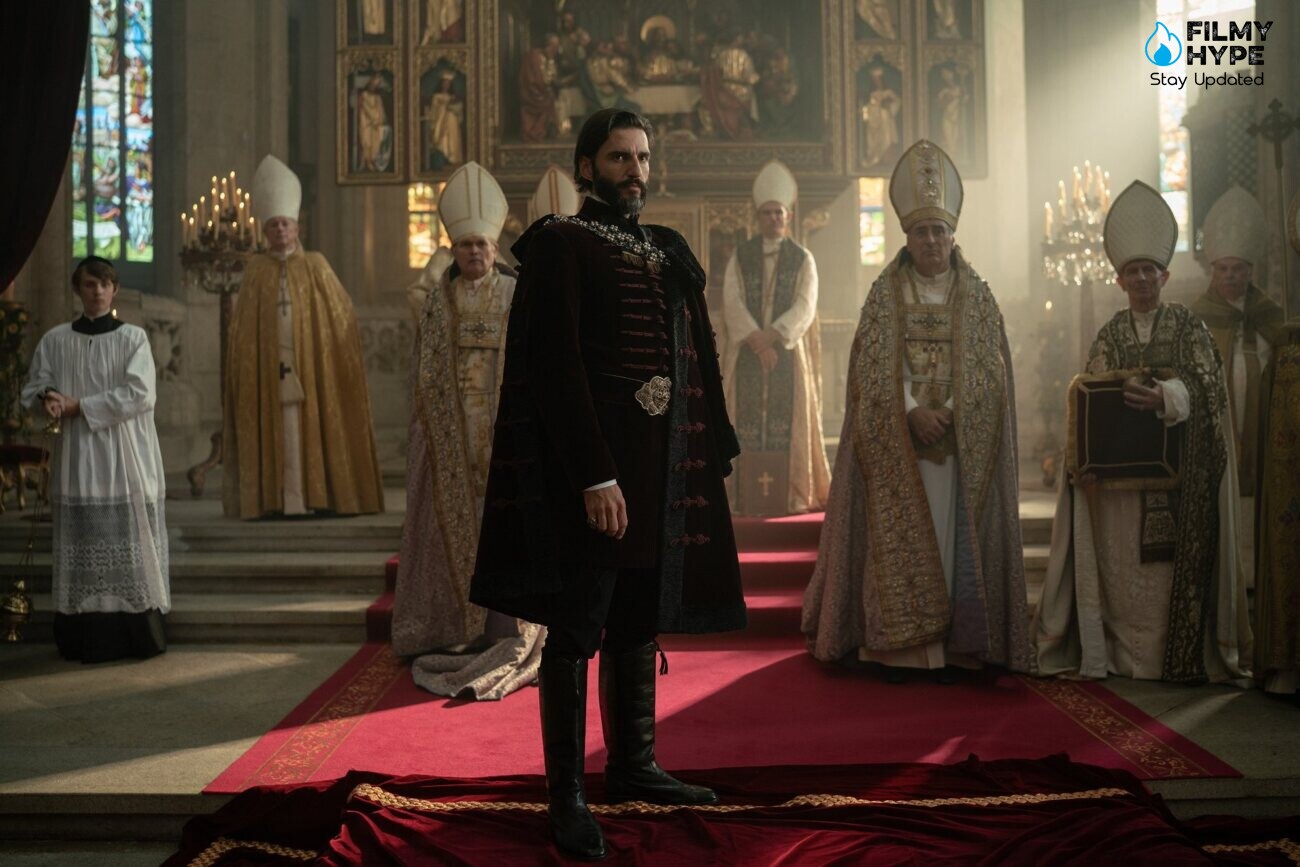
Equally effective is Philip Froissant, who recounts the torment of a man forced to question not only his own way of governing but also the idea of marriage to which he has always remained attached. The crisis between the two thus becomes the emotional center of the season, showing how love can only survive through a profound change in the people involved. One of the most successful aspects of the third season is the greater importance given to political events, which no longer constitute only the backdrop to romantic events. The conflict with Prussia, Hungarian independence aspirations, and Maximilian’s tragic Mexican experience help shape a Europe undergoing transformations that call into question the very survival of traditional monarchies.
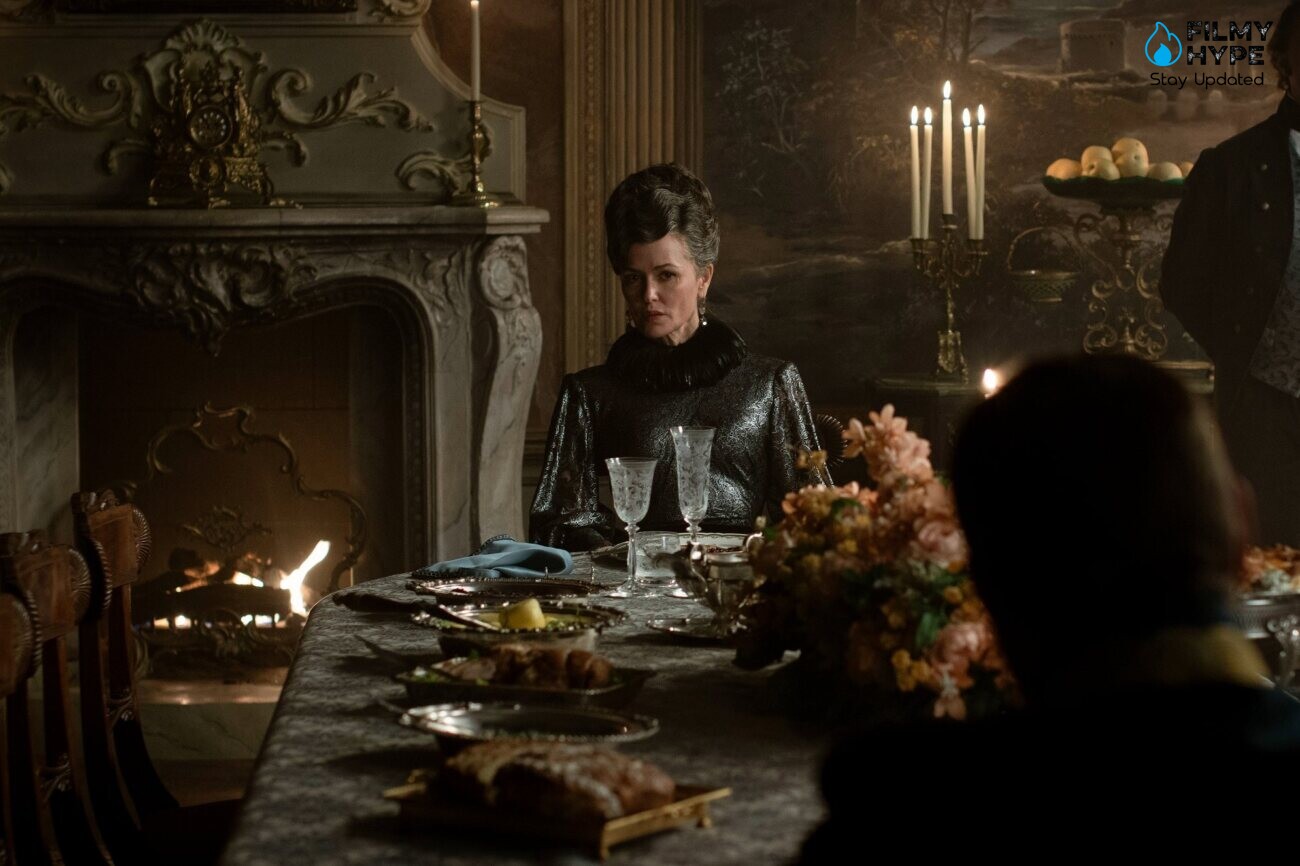
The series generally manages to intertwine these events with those of the protagonists, showing how decisions made in the halls of power also have consequences on family relationships. Melika Foroutan remains particularly effective as Archduchess Sophie, a woman determined to defend the Habsburg dynasty even at the cost of sacrificing the happiness of her children. The visual reconstruction continues to be one of the great strengths of the production, thanks to imposing sets, refined costumes and a photograph that accompanies the progressive darkening of the story. However, there is no shortage of forcing, especially in the management of the chronology of events and the representation of romantic relationships, which are sometimes modified to accentuate the dramatic tension. Even some secondary characters struggle to gain the same depth as the imperial couple.
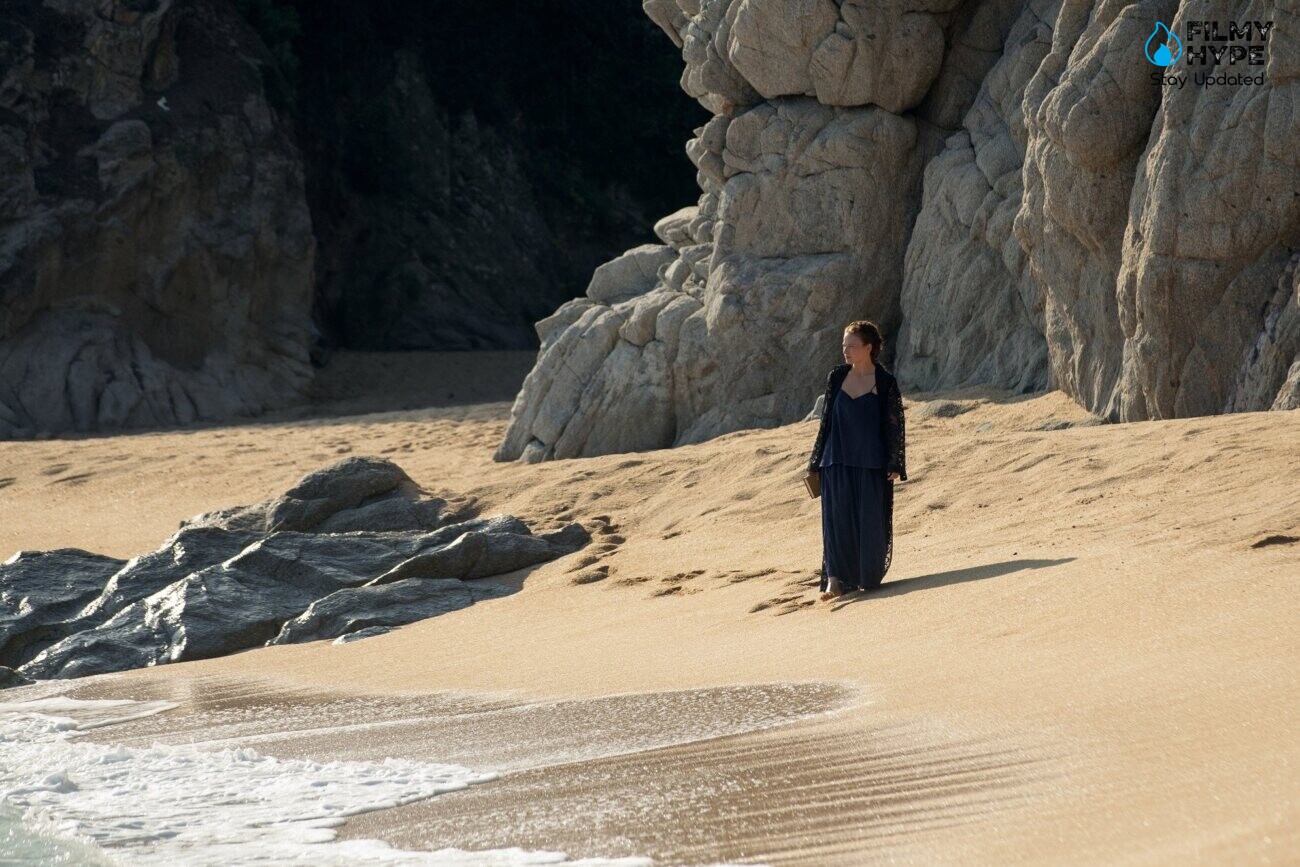
With her final season, The Empress confirms the choice that has distinguished her since her debut: to portray Elizabeth of Austria as a woman longing for freedom without renouncing the allure of great love stories and court intrigue. The series does not claim to offer a strictly faithful reconstruction of historical events but uses the events of the Habsburgs to reflect on the relationship between power, responsibility and personal fulfillment. The final six episodes are engaging above all thanks to the maturity achieved by the protagonists, who face more complex conflicts than in the past without losing their romantic intensity. Some narrative freedom and a less-than-balanced handling of subplots prevent the season from being flawless, but the quality of the performances and the strength of the story allow the series to leave the audience with an emotional epilogue consistent with the path taken.
The Empress thus demonstrates that she has found her own identity by moving away from the idealized image of Sissi, transforming one of the most famous love stories in European history into the tale of two people forced to learn that loving someone does not necessarily mean being able to decide about their life. But the real protagonist remains Elizabeth, played magnificently by Devrim Lingnau. His Sissi has gone through a huge path compared to the rebellious girl he met in season one. Now she is a mother, an empress, and a woman who is beginning to understand how much she sacrificed her freedom to meet the expectations of the court. After discovering her husband’s infidelity and dealing with new health problems, she finally decides to leave Vienna. It’s a choice I really appreciated.
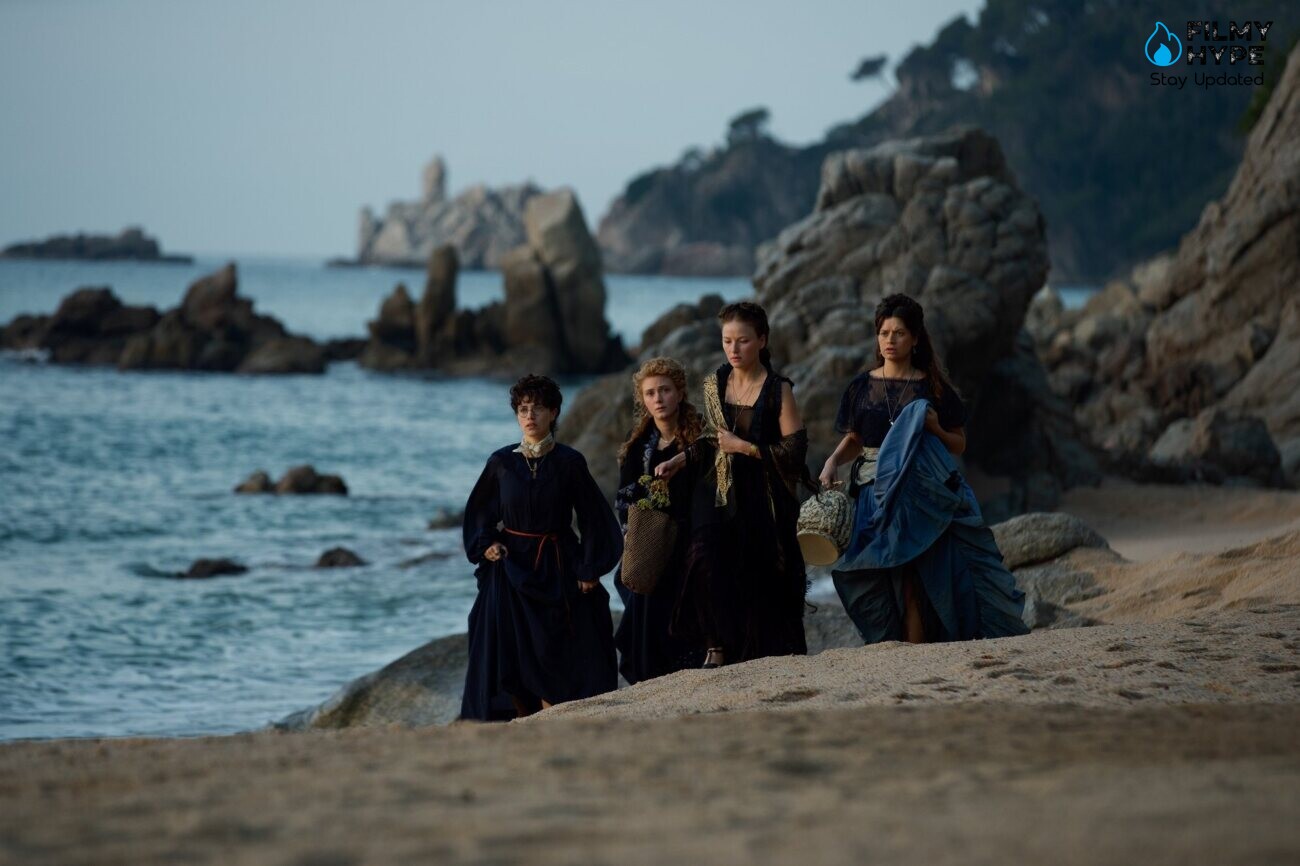
For the first time, Elizabeth stops constantly seeking the approval of others and begins to wonder what she wants for herself. The trip to Madeira is one of the best parts of the season. The settings change, the photography becomes brighter, and even the protagonist’s behavior seems to transform. Away from the palace and the rules imposed by her mother-in-law Sofia, Elisabetta rediscovers some of the spontaneity that had made her so charming at the beginning of the series. During the journey he also meets Count Andrássy, played by Dejan Bućin. An understanding quickly arises between the two that could change both The Empress‘s personal life and her relationship with Hungary’s independence aspirations.
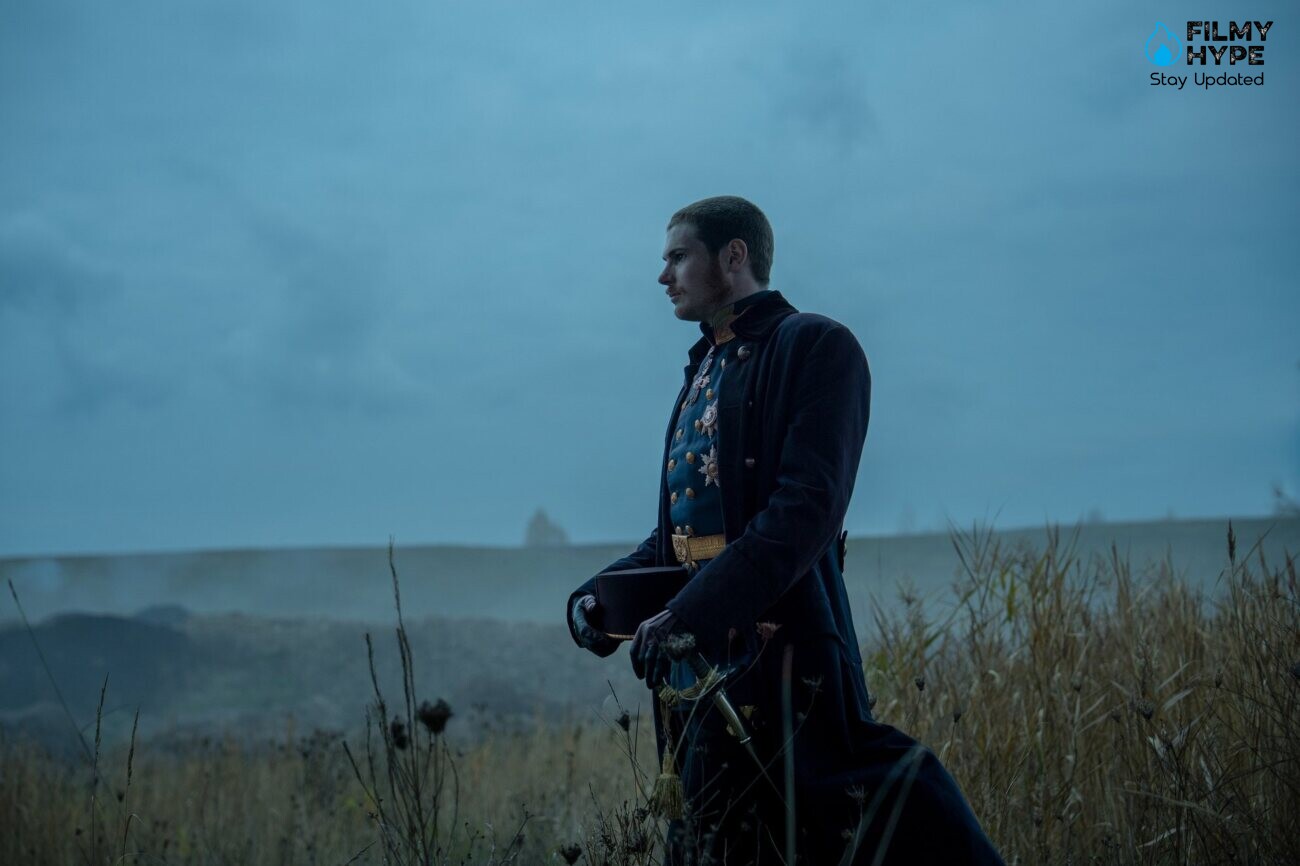
I must admit, however, that this attraction is being developed too quickly. It only takes a very few meetings for their relationship to acquire enormous importance, and I would have preferred a few more scenes to make the bond more credible. Fortunately, the series catches up through political intrigue. The Hungarian question, internal tensions within the Empire, and the ambitions of Francis’s brother, Maximilian, make the narrative richer than simple sentimental events. I especially appreciated the fact that political decisions also have consequences on the private lives of the protagonists. No one can afford to be just a husband, wife, brother, or mother. Each character must continually confront the responsibilities of their position.
Melika Foroutan also continues to be excellent as Archduchess Sophie. Her character remains stern and often unbearable, but behind that attitude I can glimpse a woman convinced she must protect a system she knows perfectly well. And Johannes Nussbaum finally gives Maximilian a depth that I had found less evident in previous seasons. Particular applause then goes to the costumes and the reconstruction of the rooms. The clothes are magnificent, the imperial halls look authentic and every visual detail makes the atmosphere of the nineteenth century believable. But what works most is the way these elements tell the characters. Elizabeth’s clothes, for example, seem to continually represent the contrast between her social position and her desire to live freely. So we get to the ending, which I personally found exciting.
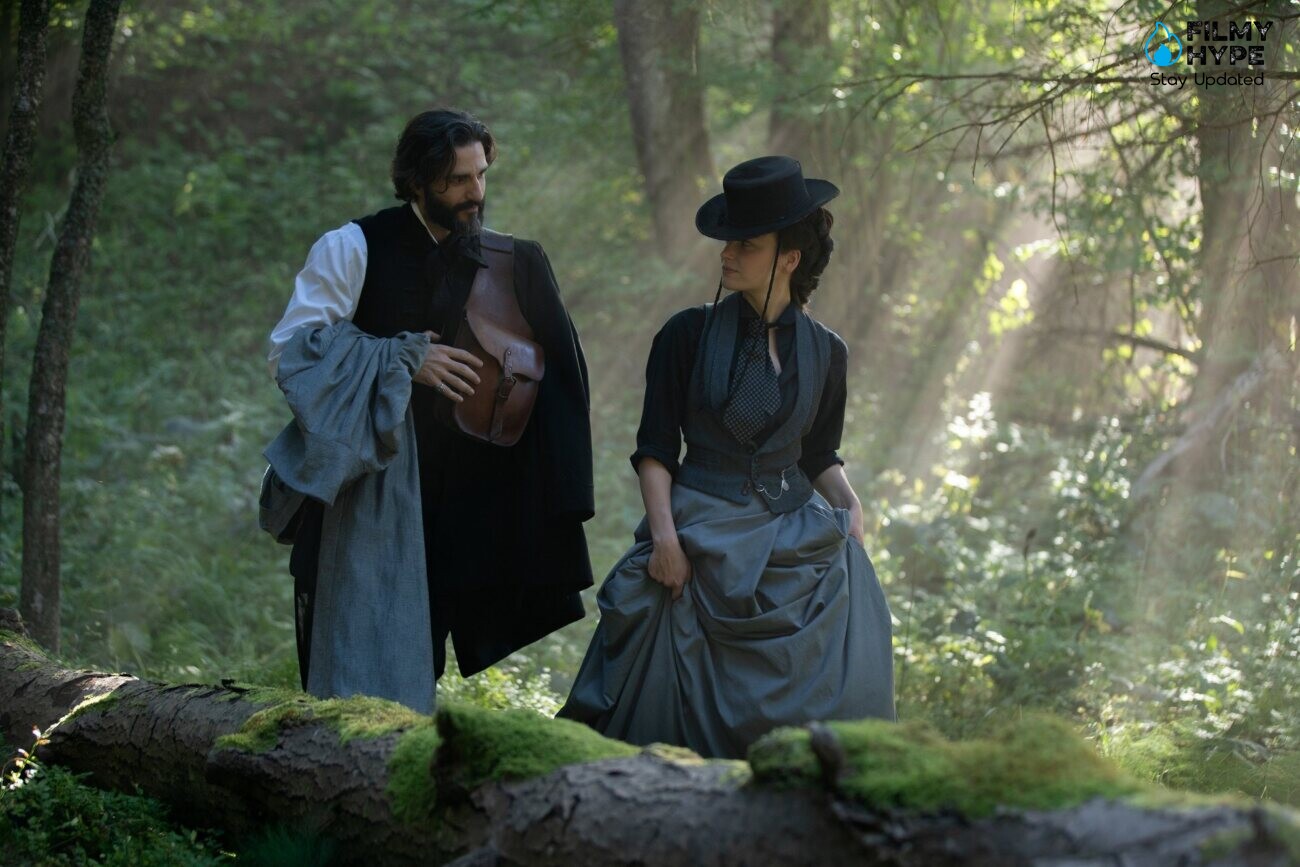
The series chooses to give the protagonists a more romantic conclusion than the real story tells. Some tragic events in Sissi’s life are left out of the story, while the birth of the Austro-Hungarian monarchy becomes an opportunity to imagine a new balance between Elizabeth and Francis. From a historical point of view, several choices can be discussed. But The Empress never had the ambition to be a documentary. He has always used real-life characters to tell a story of love, independence, and sacrifice. And in that respect, the ending works very well. It’s not a completely happy or melancholy-free conclusion, but it leaves the feeling that the protagonists have finally learned something from the mistakes they made.
The Empress Season 3 Review: The Last Words
The Empress Season 3 beautifully closes one of Netflix’s most interesting historical series. Devrim Lingnau and Philip Froissant are convincing, the visual reconstruction is extraordinary and the ending manages to move. Some sentimental development appears hasty and historical fidelity sometimes takes a back seat, but I consider these defects secondary to the overall quality. With convincing performances, impressive costumes, and a more mature approach to its characters, the Netflix series bids farewell in fine form. Even sacrificing some historical accuracy, he manages to deliver a satisfactory outcome that is faithful to the spirit of his own narrative.