Dead-End Job Series Review: Is It Really the New Squid Game? Let’s Find Out Together!
Dead-End Job Series Review and Ratings
Cast: Jae-wook Lee, Min-Si Go, Minha Kim, Hui-jun Lee
Directed by: Jun Hee Han, Da-min Kim
Streaming Platform: Netflix
Filmyhype.com Ratings: 3.5/5 (three and a half stars)
There’s a new Korean series on Netflix, and since its debut on October 30th, it hasn’t taken long for many to start considering it the possible successor to Squid Game. But is that really the case? After reading several social media comments and article titles comparing the two TV series, I decided to start Dead-End Job, currently among the three most-watched series on Netflix, to see if we were really in front of the new Squid Game. I’ve seen it all, and now I’ll explain why, in my opinion, this series has absolutely nothing to do with its supposed predecessor. An effective idea, mixing monsters, black comedy, and social commentary, though the result doesn’t always escape a certain familiarity.

But let’s go in order. Dead-End Job is an eight-episode horror-thriller series. And when we say horror, we mean horror in the truest sense of the word: monsters, demons, violence, dimensions far from reality, and theories about other worlds. In short, if you don’t like this kind of story, stay away from this series: it’s probably not for you. So what does Dead-End Job have to do with Squid Game, and why are many people comparing these two Netflix titles? It’s hard to say whether Dead-End Job, whose eight episodes landed on Netflix on October 30, can emulate the success of one of the most popular series of the last decade, but it certainly has commonalities, starting with that mix that combines genre dynamics—in this case more oriented towards fantasy cinema—with a social discourse that is by no means banal.
Dead-End Job Series Review: The Story Plot
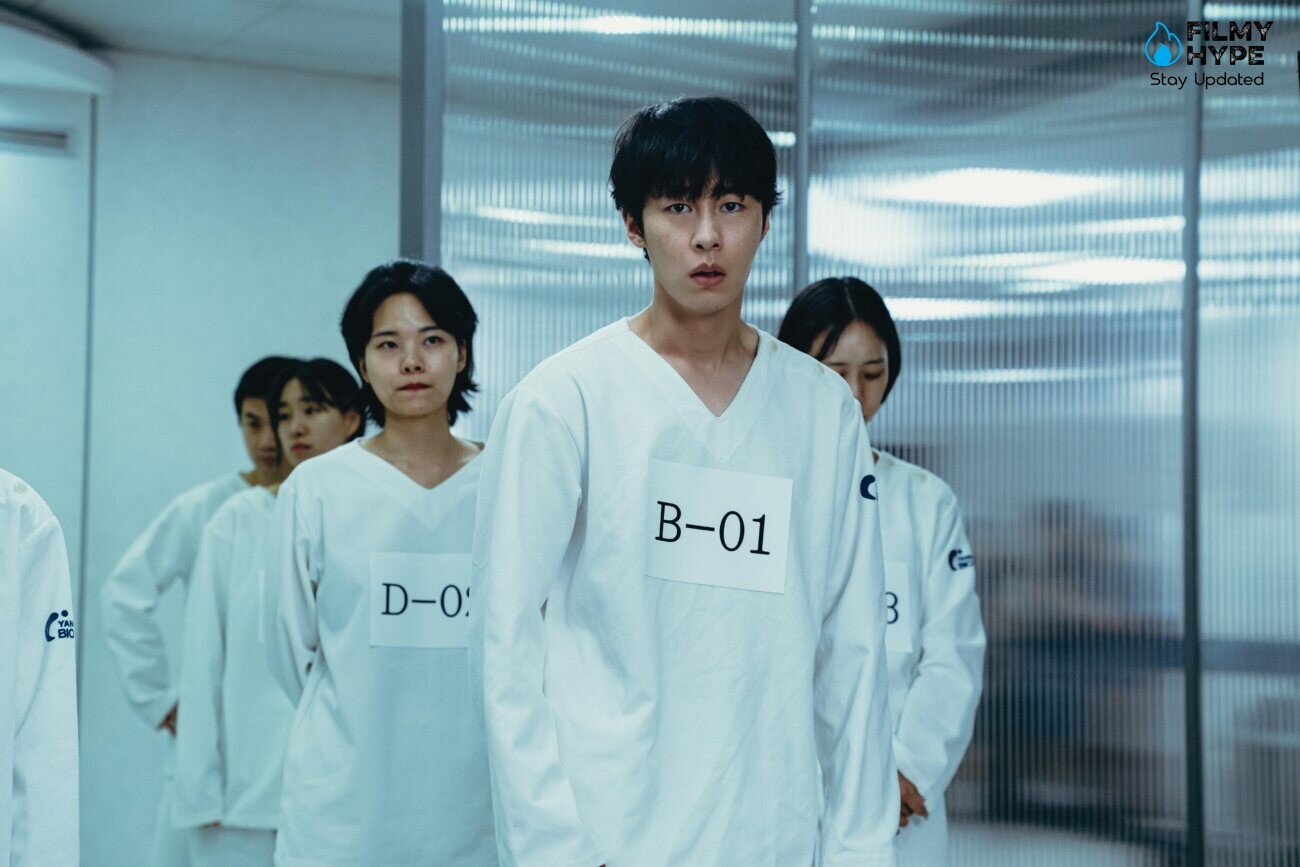
The plot features the young Byeon Hyeok-jun, who, in the prologue of the first episode, we discover intent on committing suicide… at least until a mysterious job ad comes before him as a paradoxical lifeline. Inundated with debt, he thinks he’s found the solution to his problems thanks to his contract with Spider Staffing Agency, a bizarre employment agency that promises compensation equal to fifty times the minimum wage for part-time work.
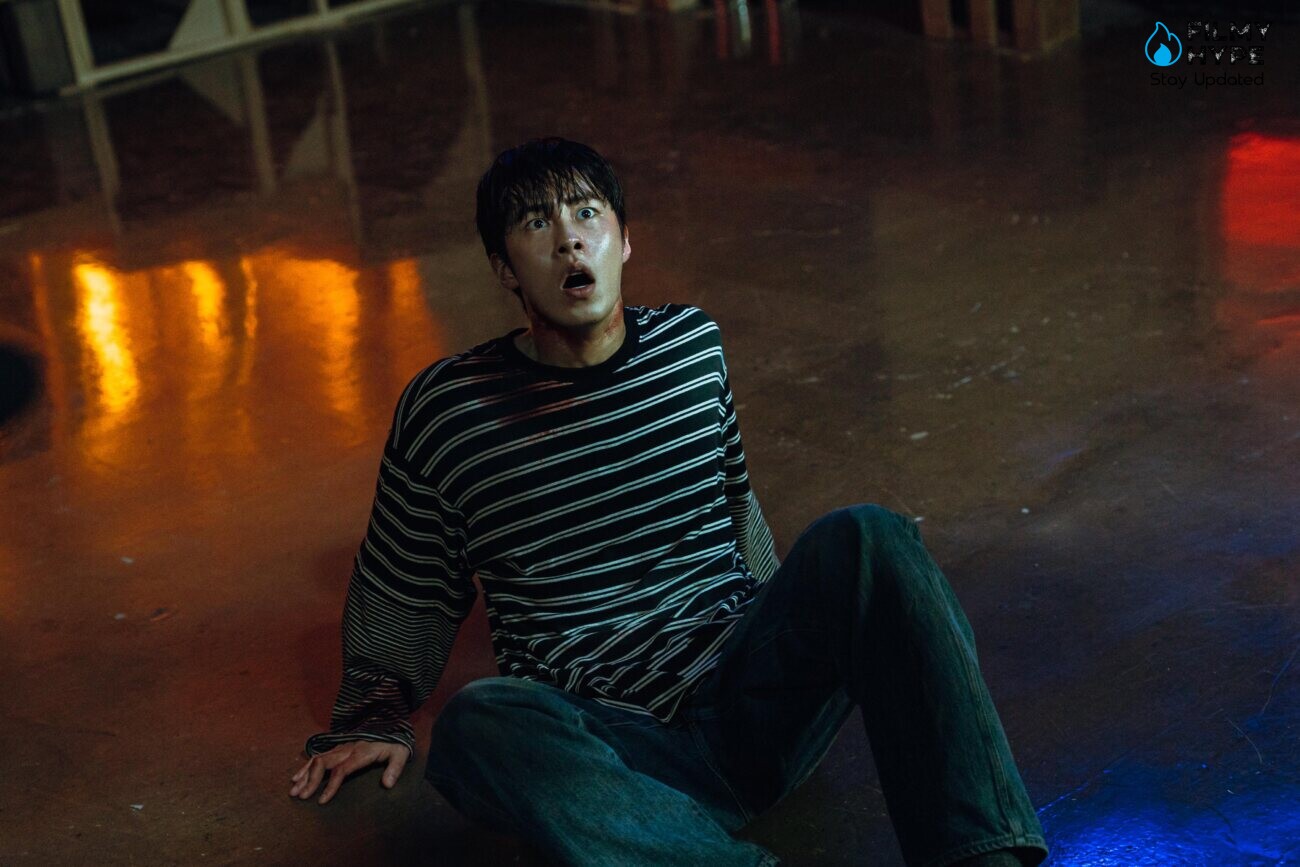
It is managed by Mr. S, a seemingly impeccable individual who inspires confidence at first glance and seems to be aware of the life, death, and miracles of the candidates. To obtain the agreed-upon sum, Hyeok-jun will have to respect several rules and, above all, a fundamental prohibition: he will never have to tell anyone what he witnesses while working. His first assignment would see him manage a night shift at a convenience store, shared with another boy who arrived shortly after him, but the evening soon took an unexpected turn, revealing the otherworldly streak that would characterize the entire season.
Dead-End Job Series Review and Analysis
So what does Dead-End Job have to do with Squid Game? Well, besides the fact that they’re both Korean series, there are some similarities: they talk about economic problems, particular challenges to overcome to earn money, and situations where life itself is put at risk. There is also no shortage of reflection on human weaknesses. For the rest, however, we are on two completely different tracks. Don’t expect Squid Game‘s level of storytelling, an equally engaging plot, or characters that will stick with you.
Dead-End Job takes some mechanisms that may recall those of the Korean hit series, but above all it remains a horror, with violence and supernatural elements. A cute but not unforgettable series, with several problems that, once you get to the end, might make you think, “Maybe it was better to choose something else.” We already said it at the beginning: if you don’t like the horror genre, skip this series, even if it might seem to inspire you. Here, horror is a fundamental component of the story and not just a side element. But beyond the genre, what makes Dead-End Job uninspiring is its difficulty in truly engaging the viewer. The story has potential, but it ends up putting too much flesh on the fire without being able to delve into all the elements it introduces.
There are the monsters, the survival game, the parallel worlds, and the supernatural aspects. But there’s also the story of a father and son; there are new characters who arrive with each episode and a regular protagonist who, however, we never really get attached to. Too many elements, poorly developed, make the vision fragmented and ineffective. Ultimately, by choosing to watch Dead-End Job, you might be left with a bitter taste in your mouth: you were expecting the title of the year and found yourself faced with a less successful K-drama than many others already present on Netflix.
The reference to Squid Game is inevitable, especially for the idea of putting economically desperate people in front of extreme situations in exchange for money. But Dead-End Job takes a different approach, closer to anthology horror, building each episode around a new environment and a specific threat. Work becomes a form of literal survival, in which the employee must accept absurd rules without being able to discuss them. The metaphor is far from subtle, but it works precisely because it exacerbates recognizable dynamics: the fear of missing an opportunity, the impossibility of rejecting unjust conditions, and economic dependence on those in power.
The problem is that this intuition sometimes ends up remaining in the background. The structure based on the monster of the week provides variety and rhythm but also risks fragmenting the story, favoring the single terrifying situation over the development of the central mystery. The feeling is that you’re faced with a series that knows its references very well, from Five Nights at Freddy’s to Sweet Home and Hellbound, without always managing to rework them into something truly personal. Lee Jae-wook, in particular, contributes to making the story engaging, particularly convincing in conveying Hyeok-jun’s tiredness, fear, and frustration. He is not a brave hero by nature but a terrified man who continues to put himself in danger because he sees no alternative.
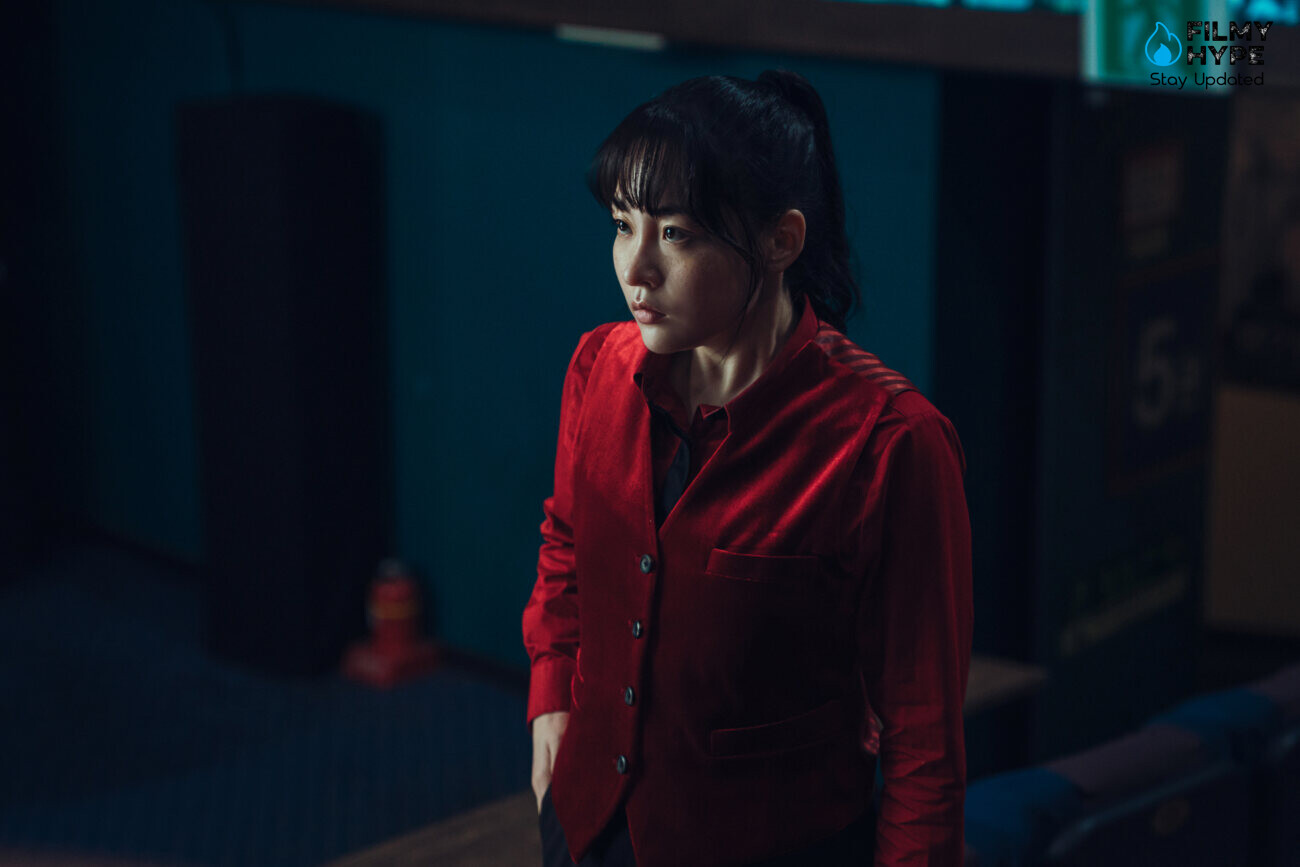
The actor also possesses good comic timing, which is essential for easing situations that would otherwise risk becoming repetitive. Equally successful is Kim Min-ha as Ji-yoon, the protagonist’s younger sister. The contrast between Hyeok-jun’s anxiety and the girl’s surprisingly deadpan attitude offers some of the funniest dynamics in the series, reversing expectations of their respective roles. Also interesting is Lee Hee-joon, the agency’s enigmatic manager, capable of making even a normal job interview disturbing. Go Min plays Yeon-joo, an investigator busy uncovering what’s behind the incidents related to society. A potentially important character, but one who initially remains less developed than the others.
Visually, Dead-End Job focuses on an aesthetic heavily influenced by video games. Each assignment has different rules, settings, and creatures, creating a succession of little nightmares that invite you to continue watching. The best sequences are those in which the horror arises from the transformation of familiar environments through practical effects, scenography, and small details capable of progressively cracking normality. CGI is less convincing, especially when digital creatures are shown too openly. Some models feel overly polished and artificial, interrupting that feeling of danger that the staging had built.
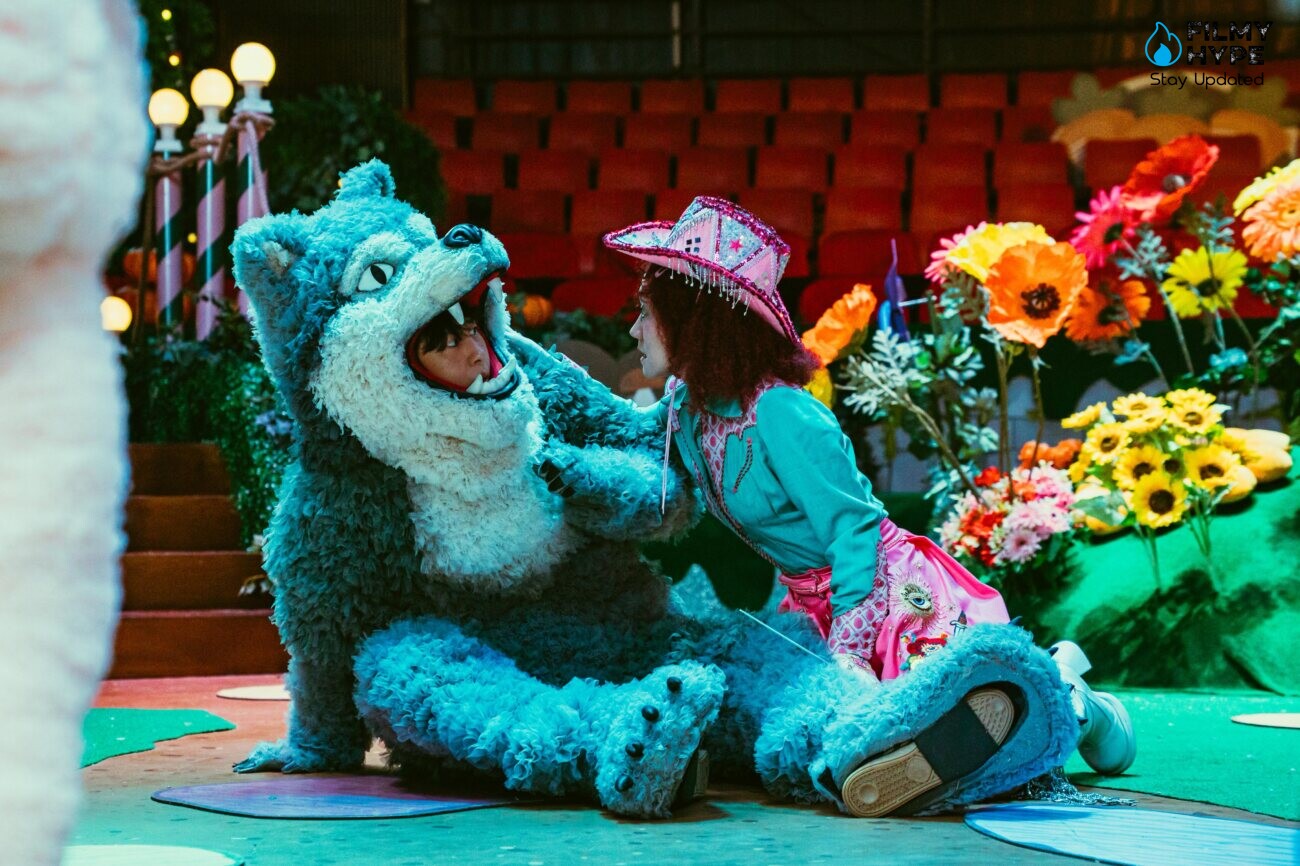
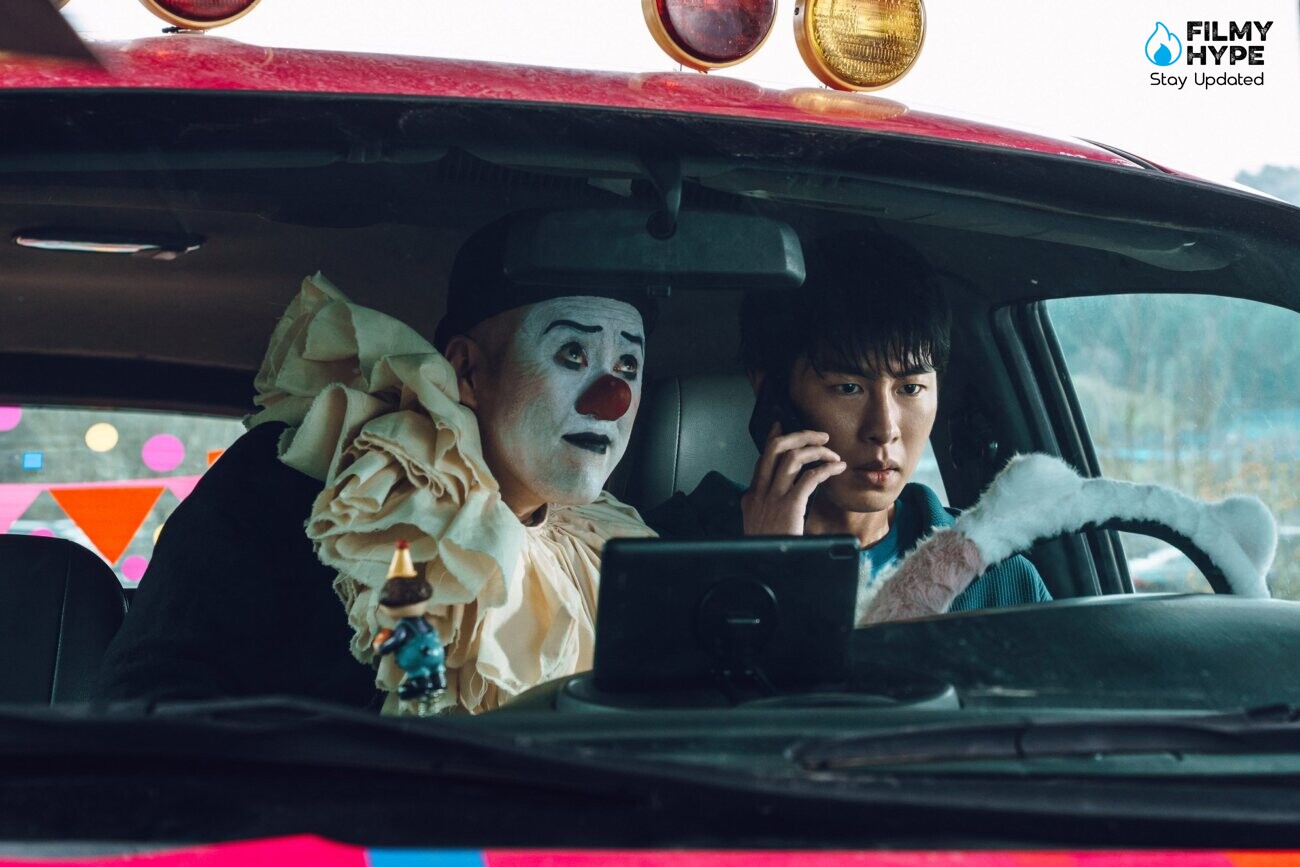
There is no shortage of interesting visual insights, especially in perspective games and spatial alterations, but the alternation between successful effects and more artificial solutions makes the show discontinuous. The main limitation of Dead-End Job is therefore not the premise but the difficulty of developing it beyond the now established conventions of contemporary South Korean horror. The variety of episodes keeps curiosity high, but some situations seem familiar, and the mystery of the agency progresses slowly, which doesn’t always coincide with the frenzy of individual adventures.
Dead-End Job Series Review: The Last Words
However, it remains an enjoyable miniseries, supported by likable characters, a good balance between tension and humor, and an immediately recognizable social commentary. He doesn’t reinvent the genre, and some monsters would probably have benefited from more discretion, but he knows how to entertain without completely losing sight of what he wants to tell. Because, beyond supernatural creatures, the most disturbing insight remains the simplest: in a world where surviving economically has become so difficult, even a deadly job can seem like an opportunity not to be missed.