

Why Ulf Betrays Rhaenyra: The betrayal that reshapes the Battle of Tumbleton doesn’t come from nowhere. It’s been building all season, in the small humiliations and casual dismissals that Rhaenyra and her court have inflicted on the dragonriders they recruited to win their war. Ulf the White was never a lord. He was a man from the streets of King’s Landing who claimed Targaryen blood and was given a dragon because Rhaenyra needed riders more than she needed loyalty. But giving a man a dragon isn’t the same as giving him a place in the world. Ulf learned that lesson the hard way. Ormund Hightower understood it perfectly.
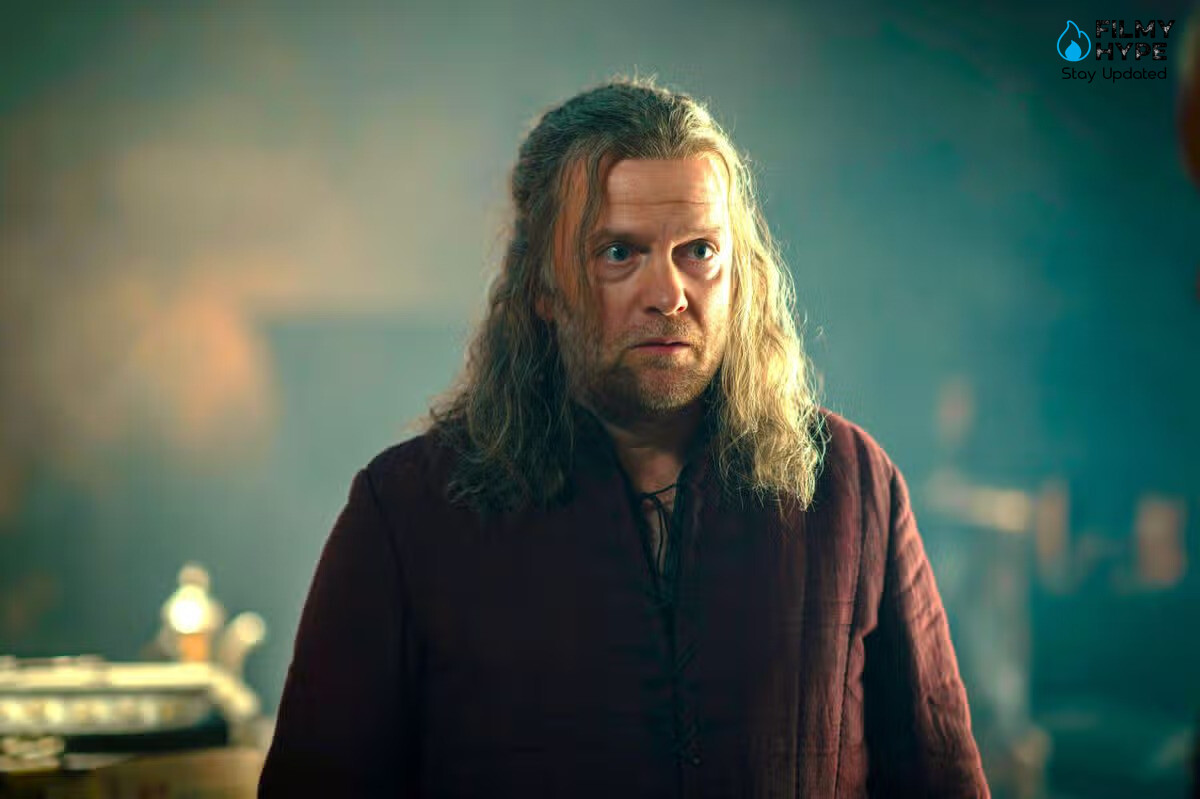
The betrayal happens because Ulf feels like he’s been treated as a tool rather than a person. He rides Silverwing, one of the most powerful dragons still alive in the Dance. From his perspective, that should mean something. It should mean wealth, privilege, lands, respect. Instead, Rhaenyra keeps him at arm’s length, denies him the recognition he believes he’s earned, and allows Daemon to humiliate him in public. Ormund sees the resentment festering and makes an offer that Rhaenyra never would: a title, lands, and the status of a true lord.
That’s the whole story. But how the series builds to it—and what it means for the war—deserves a closer look.
Why Ulf Betrays Rhaenyra: The Roots of Resentment
Ulf was one of the dragonseeds, the bastards with Valyrian blood who were recruited to claim the riderless dragons on Dragonstone. He was a tavern drinker, a man who told stories about his Targaryen ancestry and was laughed at for them. When he actually claimed Silverwing, everything changed. He wasn’t just a man with a story anymore. He was a dragonrider. He had done something that only a handful of people in the world could do.
But Rhaenyra’s court never treated him as anything more than a soldier. He was given commands, not rewards. He was stationed at Tumbleton, denied the comforts and privileges he assumed would come with his new position. The queen needed his dragon, not his loyalty. She made that clear in a hundred small ways.
The breaking point came when Daemon found him in the streets of King’s Landing and knocked him to the ground, humiliating him in front of witnesses. For a man like Ulf—insecure, ambitious, desperate for respect—that was unforgivable. It confirmed everything he feared: that no matter what he accomplished, the people in power would never see him as their equal.
What Ormund Offered
Ormund Hightower is a strategist. He doesn’t waste time on speeches about honor or legitimacy. He understands that loyalty can be purchased, and he knows exactly what currency Ulf values most.
The offer, as the series presents it, is staggering: Driftmark. The title of Lord of the Tides. The seat that belongs to House Velaryon, one of the oldest and most powerful families in Westeros.
This isn’t just a promise of wealth. It’s a promise of transformation. Ulf would go from being a bastard with a dragon to one of the great lords of the realm. His children would inherit. His name would mean something. Everything he’d ever wanted, everything Rhaenyra had denied him, was suddenly on the table.
Ormund doesn’t talk to Ulf about Aegon’s claim or the rights of the Greens. He talks about what Ulf wants. And that’s why it works. Ulf doesn’t care about the political legitimacy of the war. He cares about his own status. Ormund offers him the one thing Rhaenyra never would: a place in the aristocracy.
The Betrayal at Tumbleton
When the battle comes, Ulf makes his choice. He was supposed to fight for Rhaenyra. Instead, he turns Silverwing on her forces.
The consequences are catastrophic. Silverwing isn’t just any dragon. She’s one of the largest and most powerful creatures still active in the war. Her fire doesn’t discriminate between Green and Black. In the chaos of battle, Ulf burns everything—soldiers, civilians, the city itself. The betrayal that was supposed to be a controlled military maneuver becomes a massacre.
Ormund dies in the fighting. Roddy the Ruin kills him. But the damage Ulf has done to Rhaenyra’s cause can’t be undone. One of her most powerful weapons is now in enemy hands, and the battle that was supposed to secure her position has instead revealed how fragile her power really is.
Why Rhaenyra Couldn’t Keep Him
The show is careful not to make Ulf’s betrayal purely his fault. He makes the choice. He accepts the offer. But Rhaenyra created the conditions that made the betrayal possible.
The dragonseeds were always a gamble. Rhaenyra needed riders, so she gave dragons to men she didn’t know and asked them to fight for her. But she never built a structure of loyalty around them. She never made them feel valued. She treated them as military assets, and when one of those assets decided it would rather be a lord, she had nothing to offer that could compete with Ormund’s promise.
This is a recurring problem in Rhaenyra’s reign. Throughout the season, she’s alienated the people who should have been her strongest allies. Corlys is pushed away. Baela and Rhaena are estranged. Mysaria is dismissed. The queen has the throne, but she’s losing the people who made it possible for her to take it.
Ulf is the most extreme example. He doesn’t just drift away. He goes to the enemy. And he takes Silverwing with him.
What the Books Say
In Fire & Blood, Ulf White and Hugh Hammer are remembered together as the Two Traitors. Both claimed dragons through Rhaenyra’s dragonseed program. Both eventually turned against her. Ulf rode Silverwing. Hugh rode Vermithor. Their betrayal at Tumbleton was one of the defining moments of the Dance.
The show has changed the story in one important way. In the book, both Ulf and Hugh betray the Blacks. In the series, only Ulf does. Hugh remains loyal—at least for now—though the finale leaves his future deliberately uncertain. He ignores Rhaenyra’s orders and flies to Tumbleton to protect his wife, but he doesn’t fight against the Blacks.
This split makes sense given how the two characters have been developed. Ulf is openly ambitious, hungry for status, easily manipulated by the promise of a title. Hugh is more complicated. He has a family. He has moral conflicts. His story isn’t about wanting more—it’s about being trapped between loyalties he never asked for. The show has clearly set up the possibility of Hugh’s eventual betrayal, but it hasn’t committed to it yet.
The Larger Meaning
Ulf’s betrayal isn’t just a plot twist. It’s a demonstration of the fundamental instability of Rhaenyra’s strategy. She built her military advantage on the backs of dragonriders whose loyalty she never earned. She assumed that giving a man a dragon meant gaining his allegiance. But a dragon doesn’t bind its rider to a cause. It makes the rider powerful, and power has its own logic.
Ulf wanted to be treated like a lord. Ormund offered to make him one. The betrayal was inevitable the moment Rhaenyra refused to recognize that the dragonseeds weren’t just weapons. They were people with ambitions, resentments, and the ability to destroy everything she’d built if they decided she wasn’t worth fighting for.
The fourth season will have to deal with the consequences. Aegon is alive. Sunfyre is alive. Silverwing is now fighting for the Greens. Rhaenyra’s numerical advantage is gone, and the war she thought she could win with dragons has become a war in which dragons can turn on their masters at any moment. Ulf’s betrayal didn’t just cost Rhaenyra a battle. It exposed the weakness at the heart of her entire strategy. The dragons were never hers. They belonged to the people who rode them. And people, as Rhaenyra is learning too late, can always be bought.