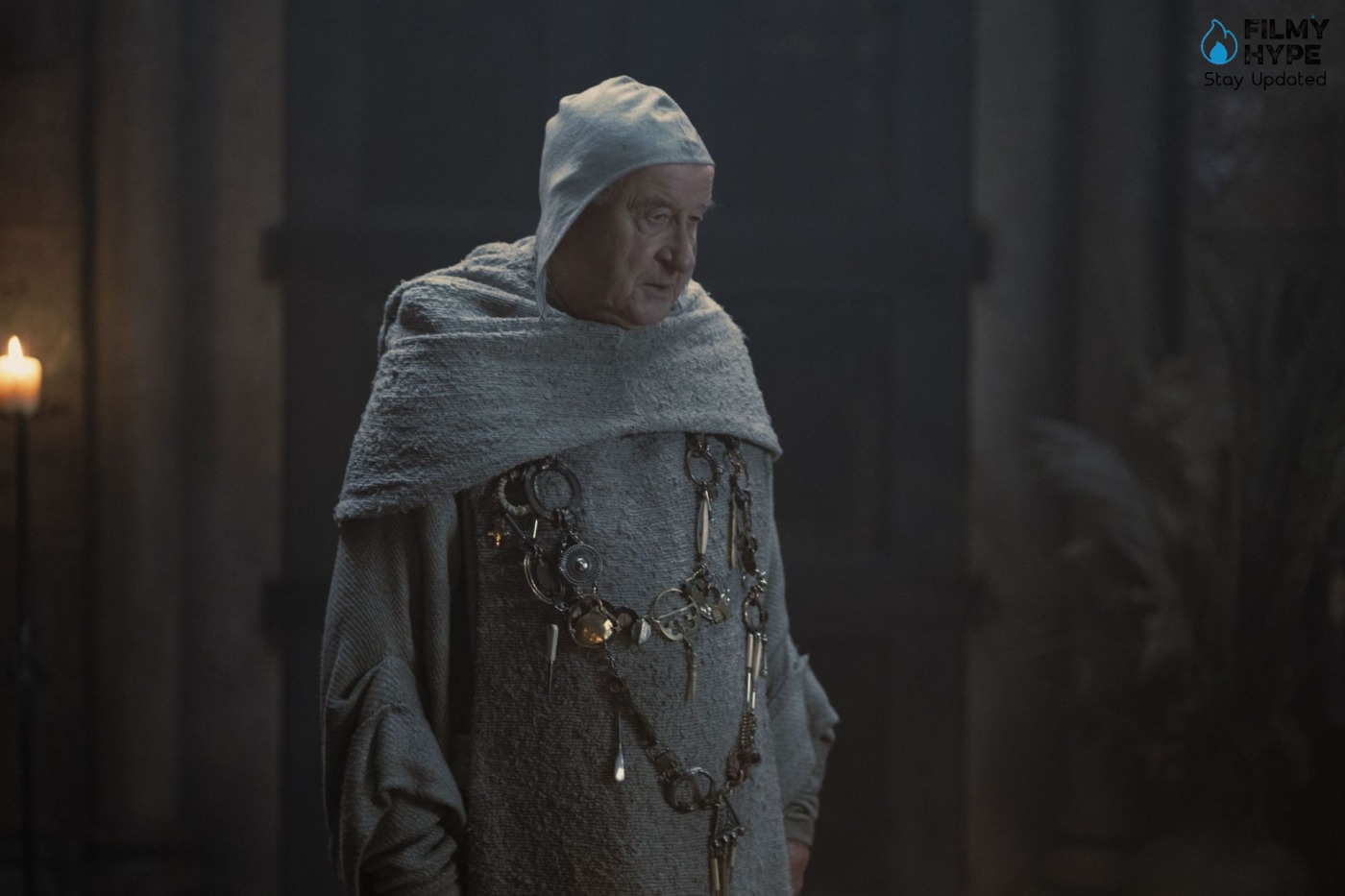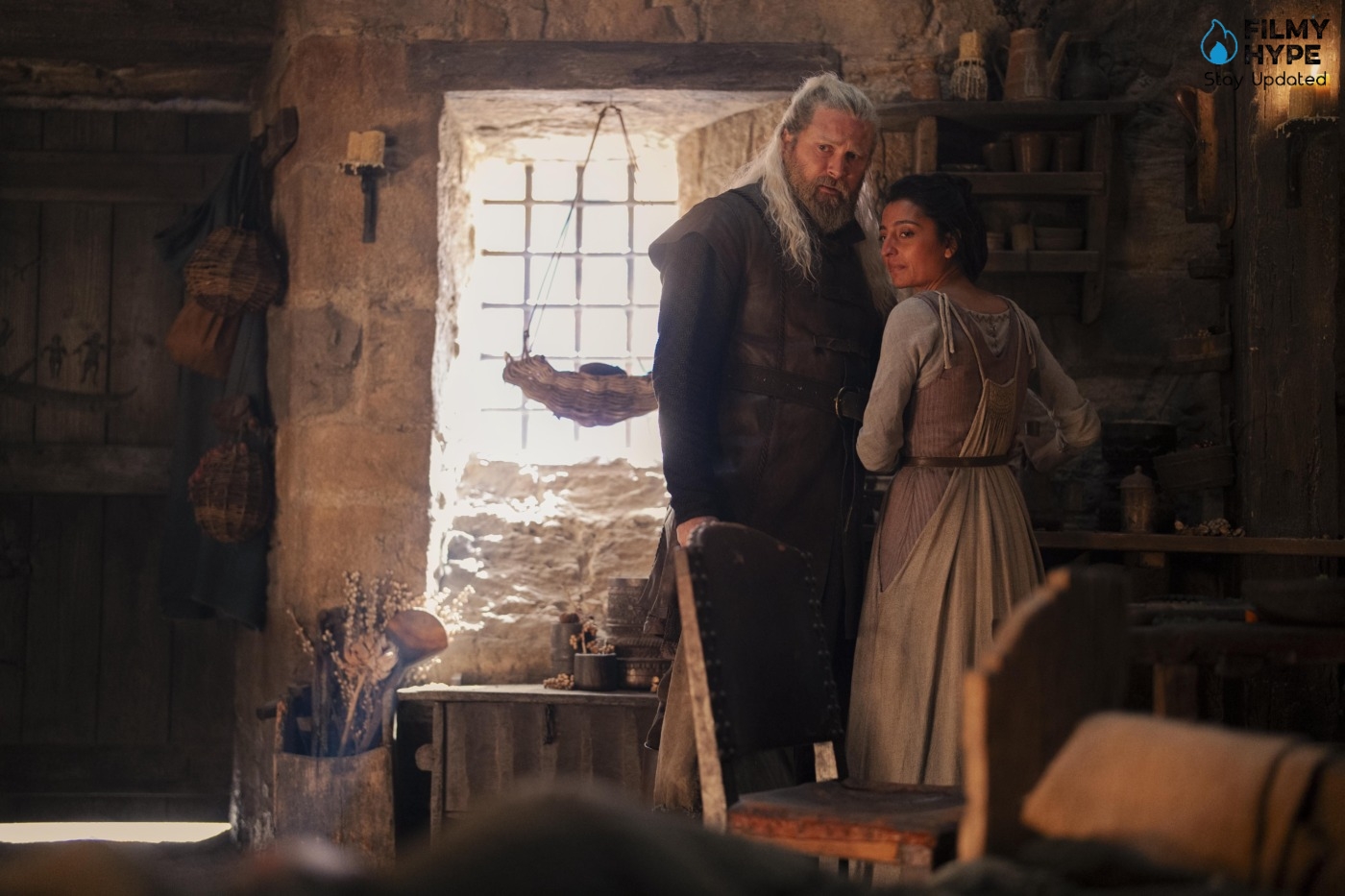
Toaster Movie Ending Explained: The movie “Toaster” (2026) is based on an idea as absurd as it is effective: a man obsessed with money decides to recover a gift he had already given… without realizing that this gesture will put him in a chain of blackmail, murder, and many more secrets. bigger than him. “Toaster” follows Ramakant (Rajkummar Rao), a compulsive saver who treats every rupee as a treasure. When his wife Shilpa (Sanya Malhotra) gives a pricey electric toaster as a wedding gift for a karate teacher’s daughter, Ramakant’s obsession with cost spirals into a series of increasingly reckless choices. The film’s comedy‑thriller tone is built on the absurdity of a man willing to steal back a single appliance.
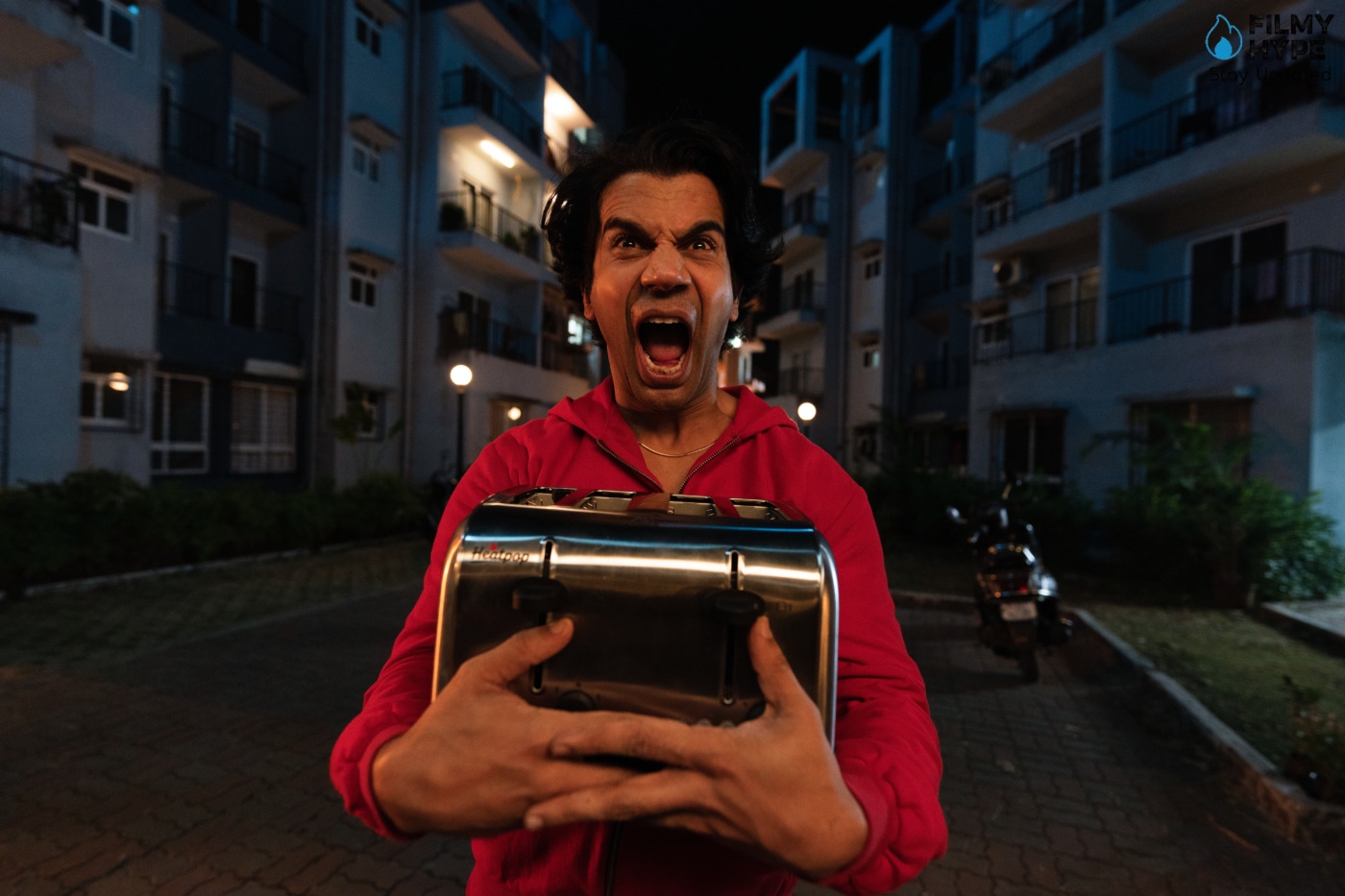
Toaster Movie Review (5) (Image Credit: Netflix)
Toaster Movie Ending Explained: An Ending Where Nothing is What it Seems?
The final stretch of the film revolves entirely around a key detail: the toaster was not only an unimportant object but also the hiding place for two different tests… and therein lies the great deception. On the one hand, there was the card with the compromising video of the politician Amre. On the other hand, another card with the recording that incriminates Ramakant in Glen’s death. They both end up in the same place, but the chaos makes everything mix.
When the final confrontation arrives at the abandoned amusement park, Ramakant and his wife Shilpa play their only card: they hand one of the cards to the politician… but it is not the one he believes. Amre, convinced that he is destroying the evidence against him, ends up unknowingly deleting the recording that incriminated Ramakant. It is a curious twist because the protagonist does not win through pure intelligence but rather by accident… or out of pure, well-played desperation.
How Does the Chaos Start?
The political scandal—politician Amol Amre (Harsh Chhaya) is caught on a hidden camera with sex workers. Gardener Glen D’Souza, who installed the camera, blackmails Amre for ₹2 crore.
Ramakant’s miserly act—The wedding is cancelled, yet Ramakant refuses to relinquish the toaster. He retrieves it from the orphanage where it was donated, hiding it in the flat of his landlady, Mrs. D’Souza.
These two storylines intersect when Glen, trying to take his mother’s toaster to a repair shop, mistakenly grabs Ramakant’s stolen toaster—still containing the data card with Amre’s compromising video.
The Blackmail Twist?
Mrs. D’Souza dies, and Glen refuses to hand over the toaster, fearing police trouble. Glen later falls from his balcony; a hidden camera captures the moment Ramakant unintentionally pushes him. The footage is used to blackmail Ramakant. The blackmailer turns out to be Malini Pherwani, an elderly resident who has been stalking Ramakant for months.
Malini’s motivations are twofold:
- Sexual obsession —she wants a relationship with the younger Ramakant and uses the video as leverage.
- Hidden past – She confesses to murdering her husband years ago and burying him in the abandoned amusement park she now owns.
Police Chief’s Downfall?
Police chief Balgaode (Mithun Chakraborty) is hired by Amre to locate the video. He pieces together that the data card is inside the toaster’s crumb tray. When the orphanage’s caretaker, Nandini, files a theft report, Balgaode tries to arrest Ramakant, but Malini pays the caretaker, temporarily closing the case.
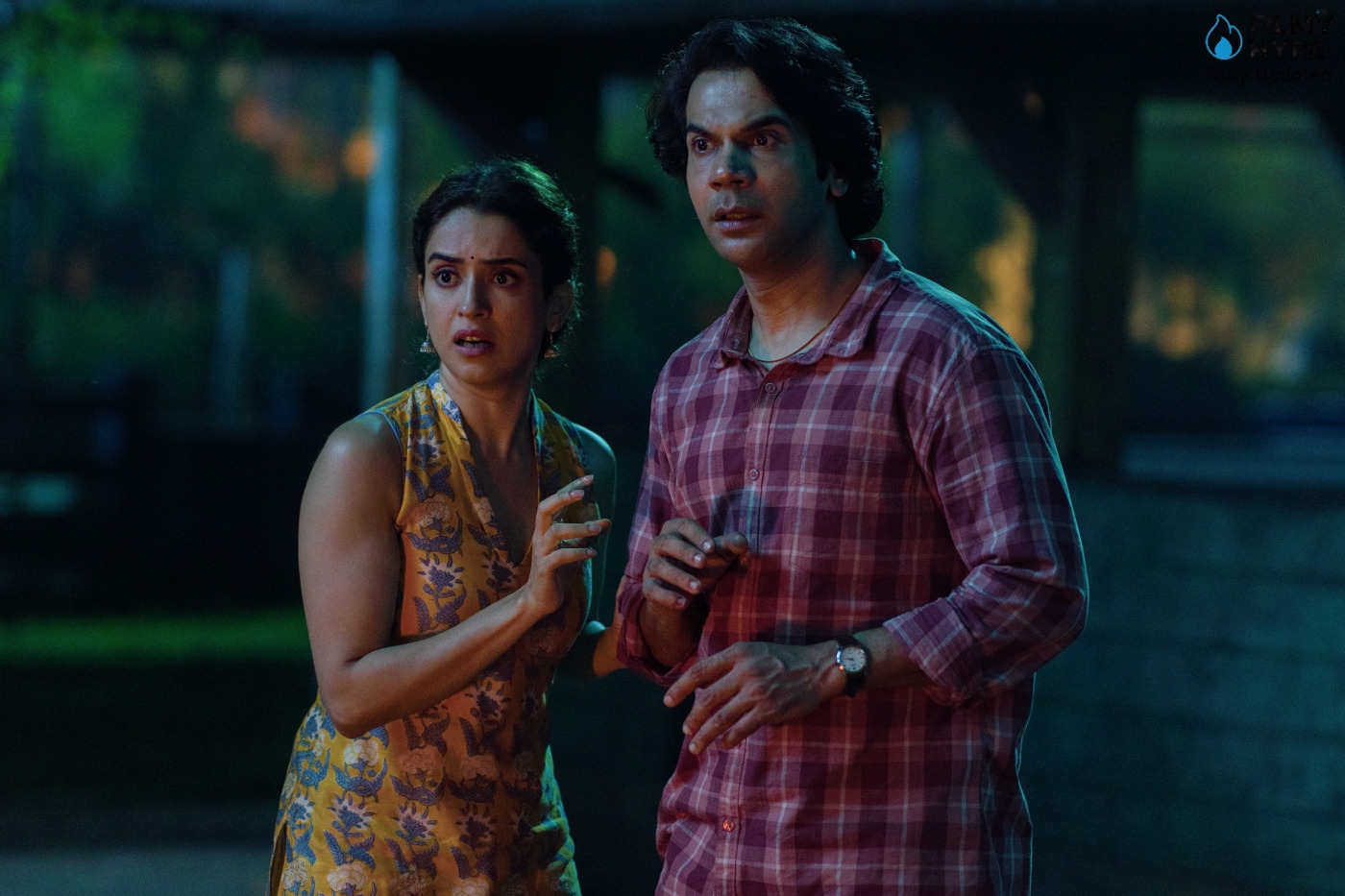
Toaster Movie Review (6) (Image Credit: Netflix)
Balgaode later tracks the toaster to the amusement park, retrieves the card, and sends its coordinates to Amre. In the final confrontation, Malini kills him, removing the last official threat to Ramakant.
The Double‑Card Reveal?
Two identical data cards are hidden in the toaster:
- Blue card – Glen’s original, containing Amre’s incriminating video.
- Red card – Malini’s copy, showing Ramakant’s push of Glen.
When Amre’s men confront Ramakant at the amusement park, they hand him the red card, believing it to be the politician’s video. In reality, it is the footage of Ramakant’s accidental push. Amre, unaware of the switch, swallows the blue card after Ramakant’s suggestion that “anyone can read a card if it exists.” The fate of Amre’s video is left ambiguous, but the card is effectively destroyed.
Shilpa’s Forgiveness?
After the showdown, Shilpa confronts Ramakant about his lies and the theft. He admits that his only regret is deceiving her, not the theft itself. The film shows the couple visiting a gurudwara together, implying a spiritual reconciliation. While the resolution feels hurried, it serves to restore the couple’s bond before the credits roll.
Mid-Credits Cameo?
The mid‑credits scene finds Ramakant back at his perfumery stall. A customer, revealed to be actor Pratik Gandhi, asks for the most expensive perfume but wants only ₹6 worth of spray. The exchange mirrors Ramakant’s obsession with tiny savings, suggesting that his miserly nature will persist. It also plants the seed for a possible sequel featuring Gandhi in a larger role.
Bottom Line?
“Toaster” ties together three seemingly unrelated threads—the political scandal, the blackmail, and the miser’s personal crisis—through the literal and figurative “Toaster” that stores a data card. The climax resolves the external threats (Malini’s murder, the police chief’s death) while leaving the internal conflict (Ramakant’s compulsive thrift) intact, as hinted at by the final cameo. The film’s ending is deliberately chaotic, rewarding viewers who enjoy darkly comic twists more than those seeking tidy moral closure.
The Fate of the Villains?
While all these events are happening, the story also resolves its main threats. Malini, the obsessed neighbor who had been manipulating and blackmailing Ramakant, ends up dying in the final confrontation after losing her balance during the fight. His fall puts an end to one of the darkest parts of the plot. The corrupt police officer, who was also seeking the card for his own benefit, had already been eliminated before, leaving the way clear for the conflict to be resolved between Ramakant and the politician.
What About Ramakant and Shilpa?
After everything that happened, the relationship between the two is affected. Shilpa has discovered lies, deception, and a double life that she did not expect. However, the film opts for a lighter closure: despite everything, they are still together. Ramakant insists that his biggest mistake was not what he did but hiding it, and that seems to be enough for her to give him another chance. It’s not a particularly deep forgiveness, but it fits with the tone of black comedy that drives the story.
The Real Key to the Ending?
The most interesting thing is what is NOT completely resolved. The card with the politician’s video still exists. That means Ramakant and Shilpa now have a very powerful weapon on their hands: they could destroy Amre’s career… or use it to their own advantage. The film does not clarify this, but it leaves the door open for, ironically, Ramakant to end up doing the same thing he criticized: taking advantage of any opportunity to make a profit.
The Post-Credits Scene?
The epilogue completely changes the tone. In an almost anecdotal scene, Ramakant serves a customer in his store who turns out to be just as stingy as him. The moment serves more as a final joke than an actual trailer for the story, but it leaves a clear idea: Ramakant hasn’t changed as much as he might seem. He’s still the same, only now he’s survived something much bigger. In short, “The Toaster” closes with its protagonists safely, but with a new power in its hands… and with the feeling that chaos could repeat itself at any moment.