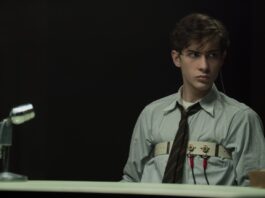
There’s something primally unsettling about a story that uses a children’s rhyme as the calling card of a serial killer. The Whisper Man, Netflix’s new thriller based on Alex North’s bestselling novel, understands this. The premise alone is enough to make your skin crawl: a child goes missing, and the circumstances of his disappearance echo the crimes of a killer who was arrested decades ago. A killer known for whispering to children through their windows. A killer who might still have a way to reach them.
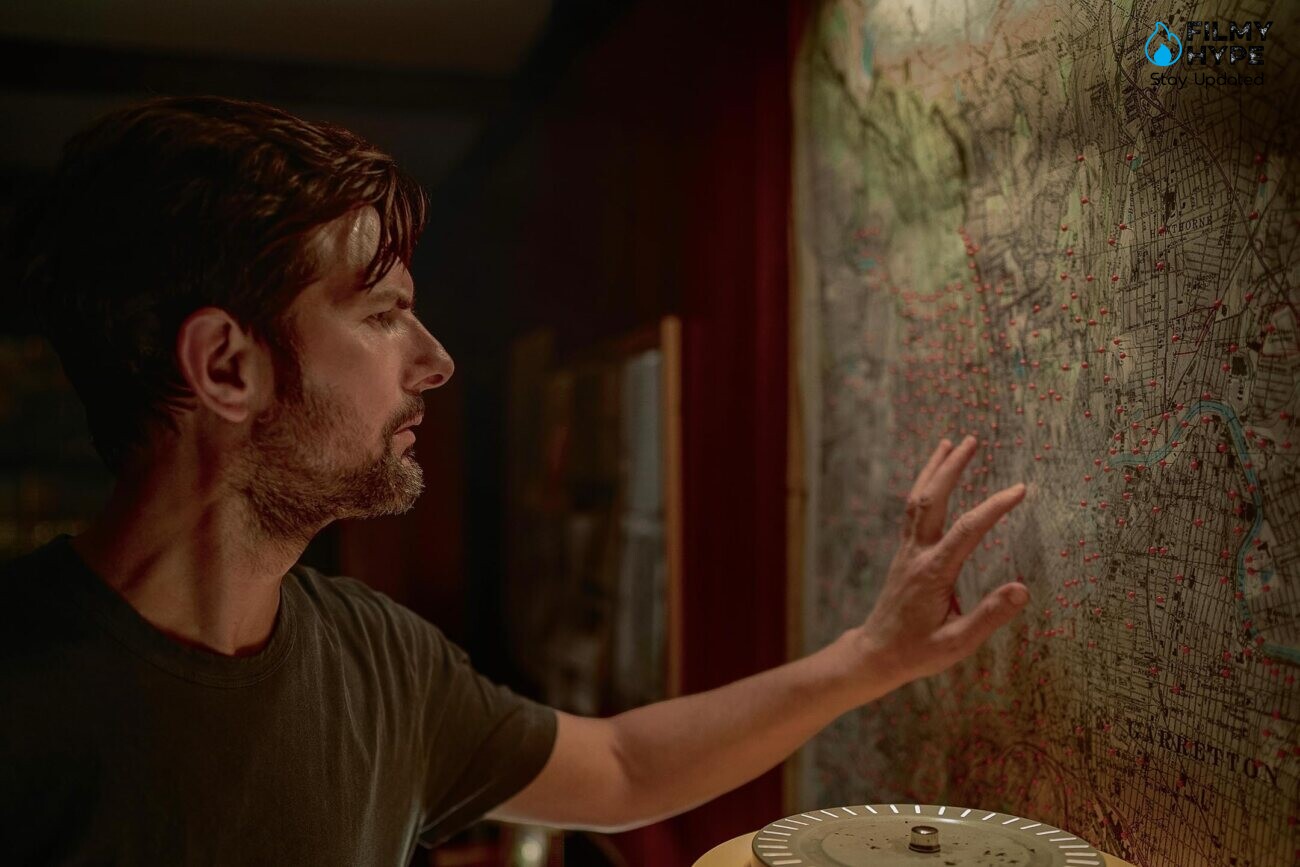
The Whisper Man Arrives on Netflix in August: Everything You Need to Know
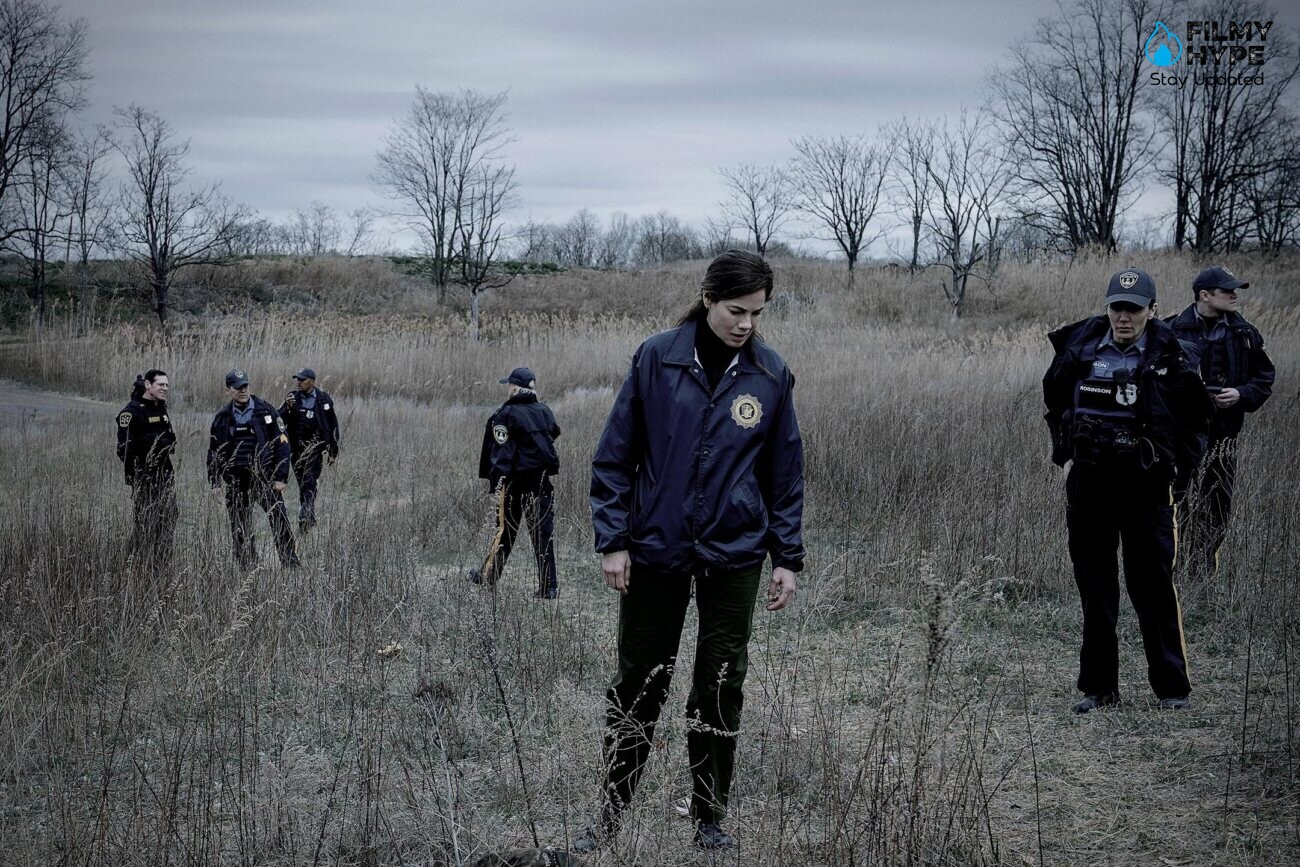
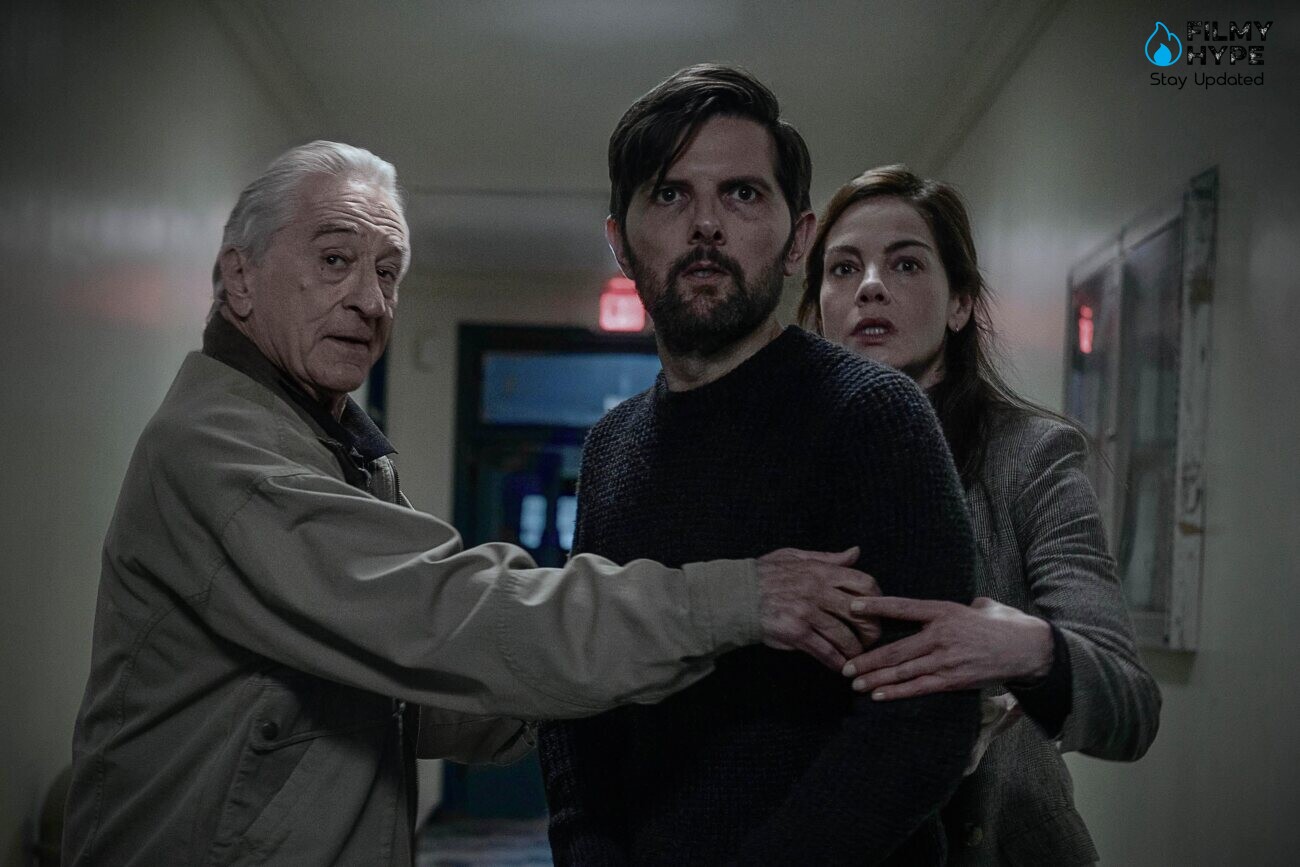
The film arrives on August 28, 2026, with a cast that immediately signals Netflix’s ambition for the project. Robert De Niro plays Peter Willis, a retired police detective who helped put the original Whisper Man behind bars. Adam Scott plays Tom Kennedy, a widowed crime novelist whose eight-year-old son Jake becomes the killer’s newest target. Michelle Monaghan rounds out the core cast as Amanda Beck, the detective now tasked with figuring out whether the original killer is somehow connected to the new kidnapping or whether someone is copying his methods.
The combination of North’s source material—one of the most successful crime novels of recent years—and De Niro’s presence suggests Netflix is positioning this as more than just another disposable thriller. It’s the kind of project the platform has increasingly invested in: literary adaptations with recognizable stars, moody atmospheres, and stories that blend procedural crime with deeper emotional currents. Here’s what you need to know before August 28.
The Whisper Man: The Plot
Tom Kennedy is already broken before his son disappears. His wife is dead. He’s raising Jake alone, and the grief hasn’t left him—it’s just settled into the background of his life, a constant companion he’s learned to live with. Then Jake goes missing, and the world collapses again.
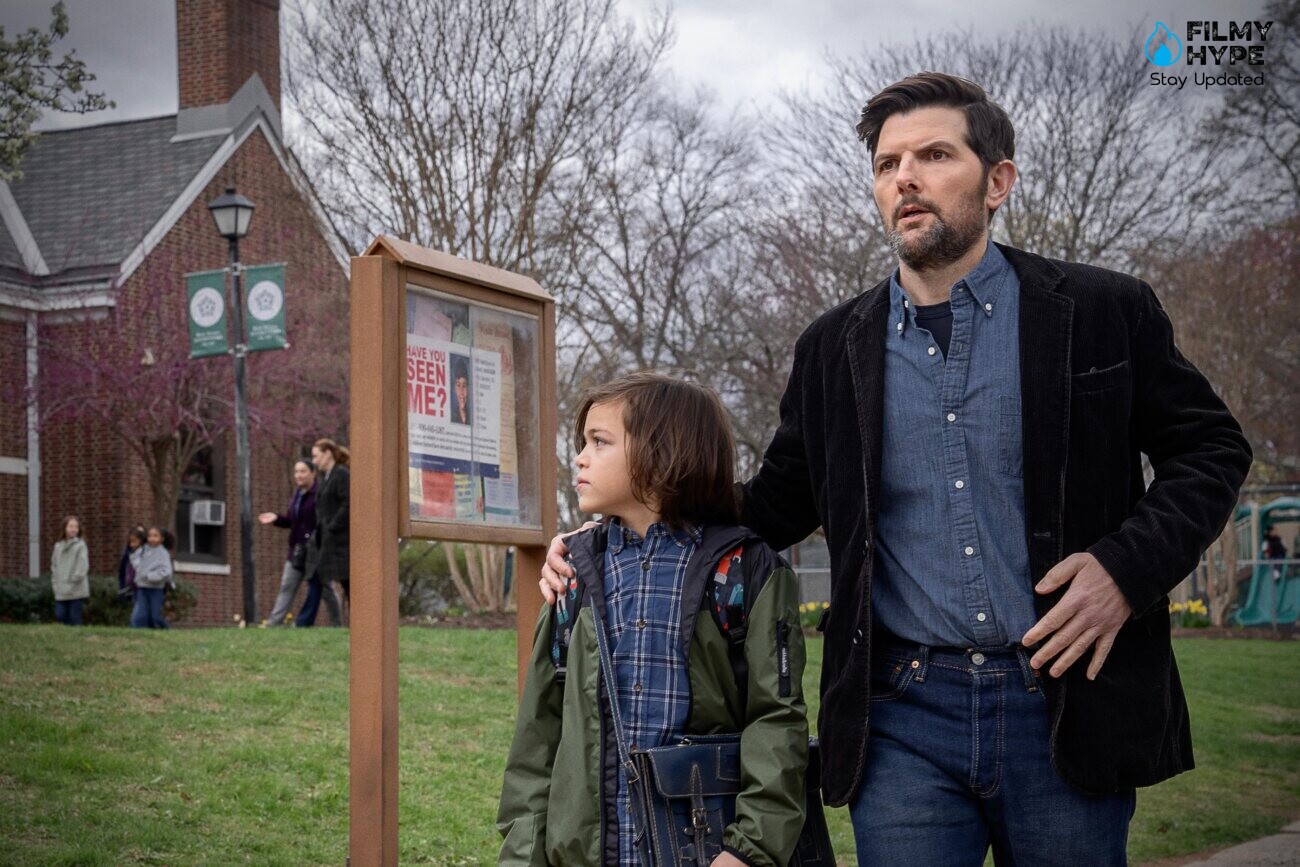
The investigation into Jake’s disappearance immediately pulls Tom toward his estranged father, Peter Willis. Their relationship has been complicated for years, the kind of father-son dynamic where love and resentment are so tangled together that neither man knows how to separate them. But Peter is the one person who might understand what’s happening. Years ago, he helped arrest The Whisper Man, a serial killer who preyed on children and spoke to them through their windows, his voice soft and insistent, promising things no child should hear. That killer is in prison. And yet the details of Jake’s kidnapping suggest his methods are back.
Is the original Whisper Man somehow involved? Is there a copycat? Or did the wrong person get arrested all those years ago? The film builds its mystery around these questions, refusing to settle for the easy answer that the convicted killer is still the bad guy. The truth, as in North’s novel, is more complicated.
The Nursery Rhyme
What made North’s book so effective—and what the film seems to be preserving—is the folk horror element lurking beneath the procedural surface. The children of the town know a rhyme about The Whisper Man. They teach it to each other on playgrounds, in hushed tones, the way children have always passed down the scary stories that adults don’t take seriously enough. When new disappearances start, the rhyme returns. And with it, the sense that the killer isn’t just a man but something closer to a legend, a monster who lives in the spaces between streetlights, who knows your name before you know his.
Netflix has already released one of the film’s most disturbing images: a hand reaching through a mail slot in a door, trying to lure a child out. If you’ve read the book, you recognize the scene immediately. It’s the moment The Whisper Man stops being an abstraction and becomes something physical, something right outside your door. The image suggests the adaptation understands what made the novel work—not just the mystery of who’s taking children, but the deeper horror of a threat that targets the most vulnerable among us, that speaks their language, that knows how to make them open the door.
The Whisper Man: The Cast
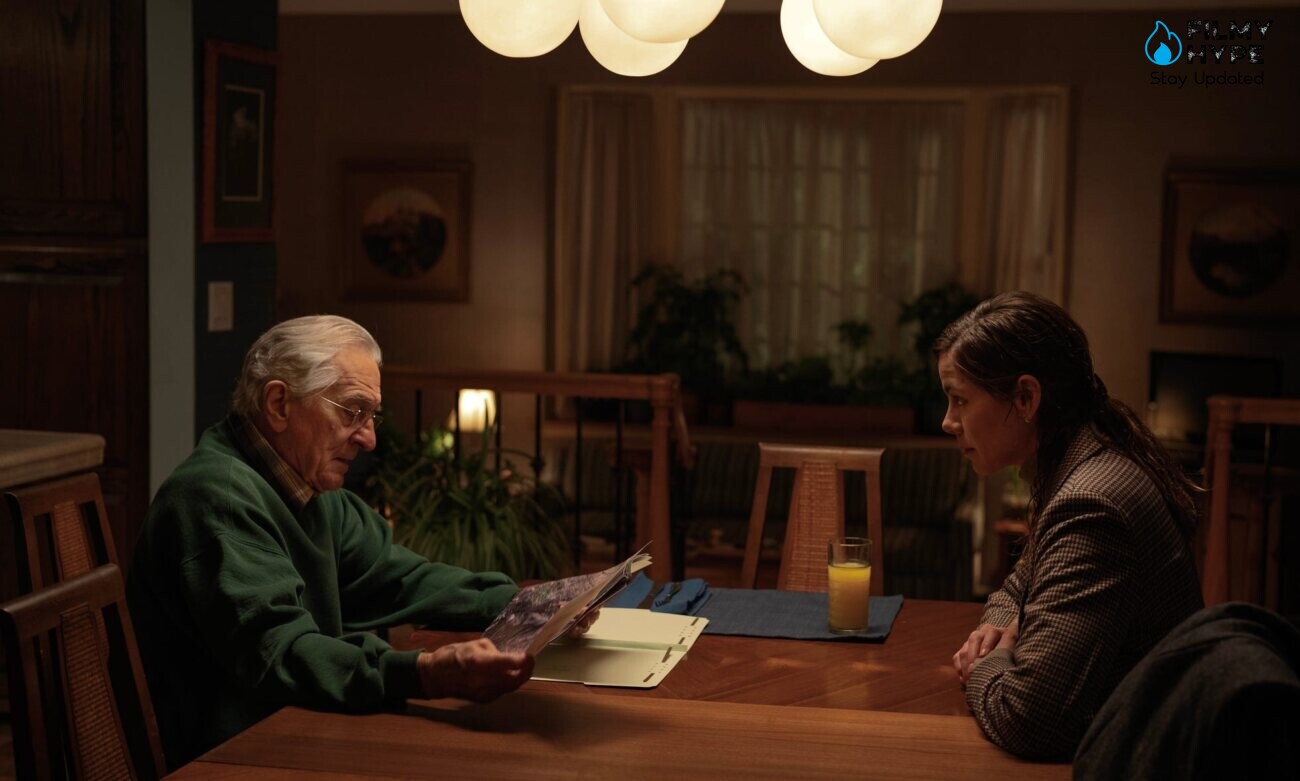
Robert De Niro doesn’t do much television. When he does, it tends to be because the material is strong enough to justify his involvement. His role here is Peter Willis, the retired detective who carries the weight of the original investigation. De Niro has spent his career playing men haunted by their pasts, and Peter fits that mold perfectly. He caught The Whisper Man once. The fact that the killer’s methods have apparently returned suggests he didn’t finish the job.
Adam Scott takes on a very different kind of role from the one that made him a household name in Severance. There, he plays a man split between two consciousnesses, one of which doesn’t know the other exists. Here, he’s a father dealing with the most unthinkable crisis imaginable. Scott has always been good at playing suppressed emotion—the kind of actor who can convey panic while his face remains composed. Tom Kennedy is a man holding himself together for the sake of his son, and Scott’s ability to show the cracks forming beneath the surface will be essential to making the film work.
Michelle Monaghan plays Amanda Beck, the detective leading the present-day investigation. Monaghan has spent years building a career as a reliable dramatic presence, and her role here—the investigator caught between the mystery of the case and the messy human relationships surrounding it—gives her plenty to work with.
Hamish Linklater, Owen Teague, and Will Brill round out the supporting cast. Acston Luca Porto plays Jake Kennedy, the missing boy. The casting suggests Netflix is taking the same approach it’s used successfully with other literary adaptations: recognizable names in the lead roles, character actors filling out the edges, and a young performer carrying the emotional weight of the story’s most vulnerable character.
The Source Material
Alex North’s The Whisper Man was a phenomenon when it was published in 2019. It hit bestseller lists internationally, earned comparisons to Thomas Harris and Tana French, and established North as a significant new voice in crime fiction. What made the book stand out wasn’t just the central mystery—the “is he back or is it a copycat” question—but the emotional architecture built around it.
The book is, at its core, about fathers and sons. Tom is a father desperately trying to protect his son. Peter is a father who failed his own son in ways that have never been repaired. The investigation into The Whisper Man forces both men to confront their failures, their fears, and the ways they’ve hurt each other over the years. The killer, for all his menace, is almost secondary to the family drama playing out in the foreground.
The film’s creative team has been explicit about preserving this focus. AGBO, the production company run by Joe and Anthony Russo, has described The Whisper Man as a story about the relationship between fathers and sons hiding inside a serial killer thriller. That’s the right reading of the novel, and it bodes well for the adaptation.
The Creative Team
James Ashcroft directs. His previous work includes Coming Home in the Dark, a brutal New Zealand thriller that established him as a filmmaker with a gift for tension and an unflinching eye for violence. He’s the right choice for material that needs to balance psychological dread with moments of genuine terror.
The screenplay is by Ben Jacoby and Chase Palmer. Palmer co-wrote the 2017 adaptation of Stephen King’s It, which required exactly the same skillset The Whisper Man demands: translating a sprawling novel about children in danger into a coherent cinematic structure without losing the sense of creeping horror.
AGBO’s involvement marks the sixth collaboration between the Russo brothers’ company and Netflix. The partnership has produced some of the platform’s more ambitious genre work, and The Whisper Man fits comfortably into that pattern.
The Whisper Man Release Date: Where This Fits in Netflix’s Strategy
Netflix has been aggressively adapting popular crime novels and thrillers for years now, and 2026 has been no exception. I Will Find You, the Harlan Coben adaptation, arrived earlier this year with a similar premise: a family shattered by mystery, a case that changes shape as new information emerges. The Whisper Man follows the same model, but with a stronger emphasis on atmosphere and psychological horror.
The platform understands that the audience for these adaptations is built on trust. People who read the book will show up to see how it’s been translated. People who didn’t read the book will be drawn by the cast and the premise. The key is delivering something that satisfies both groups. The best literary adaptations—and The Whisper Man has the potential to be one—work as complete experiences whether or not you know the source material.
August 28 is the date. The whispering has already started. The question is whether you’ll be able to hear it.