

Spider-Man: Brand New Day Review and Ratings
Cast: Tom Holland, Zendaya, Jacob Batalon, Sadie Sink, Liza Colón-Zayas, Jon Bernthal, Mark Ruffalo, Michael Mando
Director: Destin Daniel Cretton
Where to Watch: In Theaters
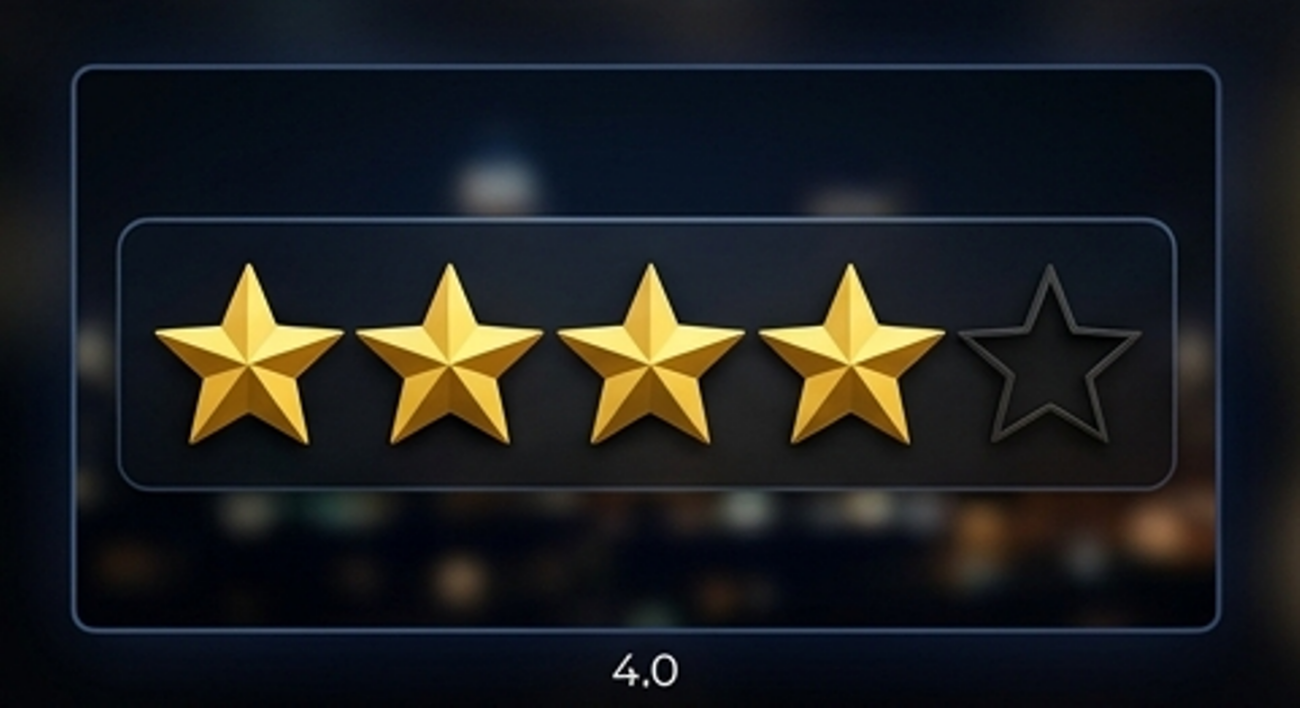
Filmyhype.com Ratings: 4/5 (four stars)
“Spider-Man: Brand New Day” stands as the perfect union between what the character was in the past and that renewal that, starting with “Spider-Man: Homecoming,” has given us a new version of the neighborhood superhero. This chapter, directed by Destin Daniel Cretton, adds so much depth to the spectacularity, so many themes, and it knows how to talk to us about the evil of living in our time, the loneliness that afflicts us. Dear Spidey finds himself dealing with the loneliness, loss, and terrible consequences left by the epilogue of the previous film, entrusting this fourth installment with the task of confronting the character with questions and reflections that will inevitably lead to a profound change. The Marvel Cinematic Universe has been in crisis for several years, partly creatively and especially at the box office level, with new characters, post-Avengers: Endgame, who have not (yet) made inroads into the hearts of viewers.
It’s no surprise, then, that among the priorities, after deciding to reduce the number of annual releases to maintain some control over the quality of the projects, was a new chapter in the adventures of Spider-Man, the best-known of the Marvel heroes and one of the franchise’s greatest successes (No Way Home, released in the midst of the pandemic, was the biggest box office hit of that period). The evolution of the character within the Marvel Cinematic Universe has undergone very specific and layered stages. If the previous cycle (from 2017’s Homecoming, to 2019’s Far From Home, to 2021’s rousing No Way Home) chronicled Spider-Man’s transition from carefree adolescence under the tutelage of the Avengers to the drastic and supreme sacrifice of oblivion, this new chapter marks the definitive entry into a bitter and complex maturity.
Spider-Man: Brand New Day Review: The Story Plot
After the events of “Spider-Man: No Way Home”, Peter Parker (Tom Holland) literally had to say goodbye to his old life, especially accepting that in the mind of Ned (Jacob Batalon) and his great love MJ (Zendaya), he essentially never existed. His existence is now divided between the anonymity of his studies as an ordinary boy and his daily crusade against crime, against dangerous individuals like Scorpio (Michael Mando) or Tombstone (Marvin Jones III). At his side is Chief Detective DeWolff (Liza Colón-Zayas), the Director of the security company Damage Control, Bill Metzeger (Tramell Tillman), and even him, Frank Castle (Jon Bernthal), albeit in his own way. Peter is alone, really lonely though. He no longer has a social life; he lives vicariously through Ned and MJ on Instagram, ghosts of a life he can’t give up. And as if that weren’t enough, something in his body is starting to change radically, without him being able to control the process.
When strange telepathic attacks begin to appear in the city, Spider-Man will find himself forced to face something more than an enemy, an entity that can read into his feelings and his most painful past. “Spider-Man: Brand New Day”, 38° a film from this Marvel Cinematic Universe that has been on the edge of its seat for a while, comes four years after the latest, exciting installment, which brought all three Peter Parkers together. It was a momentous triumph, but now Chris McKenna, Erik Sommers, and Justin Kuritzkes are doing the only thing they could do after that transgenerational reunion: they bring everything back into Peter’s intimate dimension, this Peter grappling with age change and the trauma of abandonment. What amazes most about this cinecomic is how the best parts are those where there is no action, no jokes or irony, no Spider-Baby improvising with his repertoire that famously winks at the slapstick comedy that once was.
Our Lord, here, what really makes the difference is seeing Peter, Frank, and even the revived Bruce Banner (Mark Ruffalo) deal with their own broken, dark, wounded sides, the ones they hide because facing them is like looking into the abyss. And so Peter stops being the protector of the Big Apple, instead becomes the symbol of a phase we all know, the one in which yesterday’s dreams are erased by the grayness of the present, in which one wonders what was wrong. the one in which yesterday’s dreams are erased by the grayness of the present, in which one wonders what was wrong. the one in which yesterday’s dreams are erased by the grayness of the present, in which one wonders what was wrong.
Spider-Man: Brand New Day Review and Analysis
Tom Holland really makes all the difference in this movie. Magical period for the British actor, on the crest of the wave with “Odyssey,” but here I am free to work beautifully in subtraction, giving Peter a much more solid, more realistic, more touching characterization than the other chapters, standalone and otherwise. Spider-Man has always had many economic or existential problems, even in the other sagas, but here it really almost feels like looking in the mirror. Peter is confronted with a pneumatic vacuum besieging him. There’s no Tony Stark anymore, there’s no Aunt May anymore, there’s no MJ and Sten anymore; he’s alone, really alone, as we all often feel in this mortifying present. “Spider-Man: Brand New Day” ultimately focuses not on heroism, not even on great powers-great responsibilities, but on the need to make peace, to not think that everything depends on us, to remind ourselves that we are part of a community.
A coming-of-age movie? Sure, the saga always has been, but following a much more complex, much more intimate and less pop atmosphere than in the past. This is without giving up the action, let’s be clear, or the exhilarating pirouettes among the skyscrapers that have been the character’s ABC since Sam Raimi’s trilogy. “Spider-Man: Brand New Day” is also partly a bit of a thriller and a bit of a spy story; it warns us against idolatry for the “great genius” that modern capitalism has made a mantra, even with a figure like Tony Stark, if you think about it. Here, Peter Parker learns to harbor doubts about himself and others, but above all, to accept that things change, all that remains is to change ourselves, to understand that it is something we must not control, but rather accept to the extent that it helps us.
The constant alternation of the theme of the double and the other is beautiful, as is the theme of connection, of loss, of how, in reality, what we feel or think takes very little time to become a common emotional heritage in this digital age. In short, a very mature film, perhaps even too much for a certain part of the audience. If we want to find a flaw in it, it is in the overly soft, almost ironic characterization of Frank Castle, Marvel’s black soul, made increasingly harmless, as happened to the Hulk in the Avengers. But it was an inevitable sacrifice, and in reality, the chemistry between Holland and Bernthal is another interesting element. Not the most heroic Spider-Man, but certainly the most complex, truest one, in which it will be easier to see each other again.
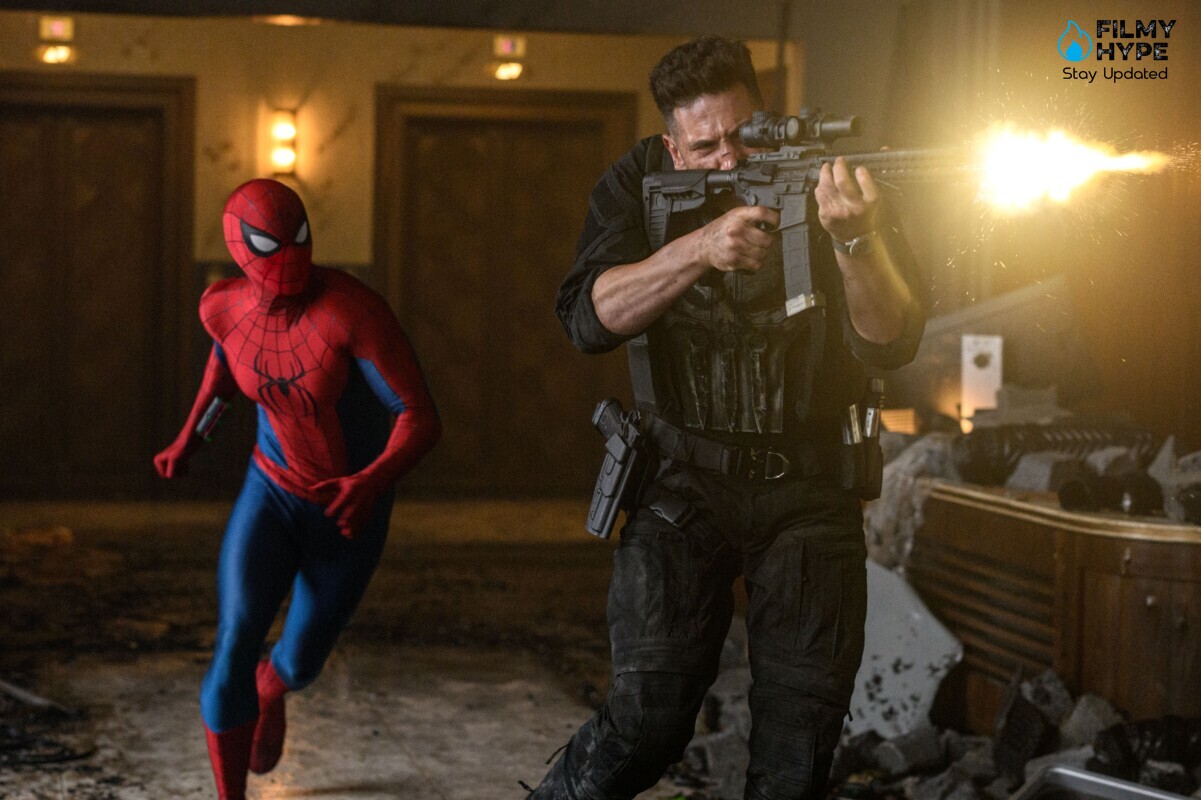
The agreement between Marvel Studios and Sony Pictures for the use of Spider-Man (which legally remains Sony’s property as far as film rights are concerned) provides that in solo films there is always at least one other MCU hero, and at this time there are multiple, including Mark Ruffalo’s Bruce Banner and, To the delight of fans on the darker side of the franchise, Jon Bernthal’s Punisher. Logical presences, perfectly integrated into New York, which in comics has always been the nerve centre of the Marvel world (thus making it normal for characters from different titles to interact even without a planetary danger involved). Bernthal, in particular, manages to maintain his acting integrity while having to adapt to the restrictions of a family film, thanks in no small way to his chemistry with Tom Holland, with whom he is a great friend in life (the two helped each other with their respective Marvel auditions ten years ago).
But this doesn’t affect the fact that Brand New Day is first and foremost a film about Peter Parker’s growth, no longer the “Spider-Child” introduced in Captain America: Civil War, and Holland displays great maturity in terms of performance, supported by historical supporting actors Zendaya and Jacob Batalon, but with new nuances. And her journey goes hand in hand with that of another character, whose name we must keep quiet, but who highlights the artistic evolution of Sadie Sink, a very powerful new entry in the Marvel franchise. As for the villains, their function is quite ancillary (for plot reasons), but it is fun to find, after almost ten years, Michael Mando as Scorpio.
Jon Watts is no longer directing, having taken a break from superheroes after three consecutive films (also giving up the Fantastic Four). He was replaced by Destin Daniel Cretton (Shang-Chi and the Legend of the Ten Rings, Wonder Man), and the difference is evident above all in terms of the action sequences, which have an unprecedented dynamism (note the shots that reproduce famous comic book covers). Cretton came to Marvel from independent cinema, and that sensitivity emerges in the way he delves into the emotional and psychological side of the events, well placed in a context that, unlike No Way Home, doesn’t care about the horizontal plot of the saga in question (apart from the usual post-credits, which at this time seems a bit’ thrown in for contractual reasons). Because with great power comes great responsibility, and in this case, the main responsibility was to find Peter and tell his world, recognizable but still new.
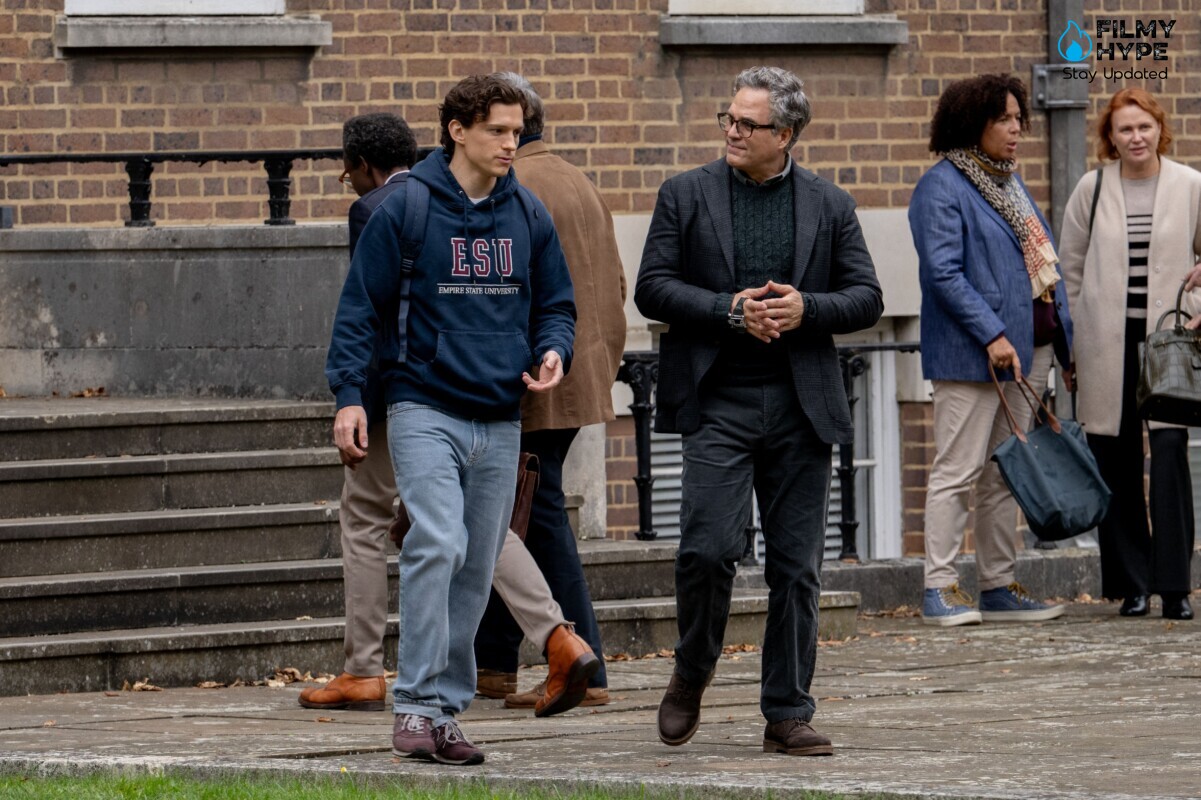
Spider-Man: Brand New Day delivers two hours and twenty-five minutes of perfectly handled history and entertainment. The writing work on Peter Parker is not only fully consistent with his growth path, but also demonstrates how it is possible to sketch a protagonist while constantly keeping him at the center of the narrative and, at the same time, leaving the space necessary for the other characters to emerge, from Zendaya’s MJ to Sadie Sink’s character, on whom we do not add details. The hero’s loneliness and unexpressed need for human connection also serve as a sounding board for the feelings of another key character in the story (whose identity we won’t reveal to avoid annoying spoilers), bringing these superhumans even closer to common sense and drawing a line of vulnerability that allows the viewer to deeply empathize with them.
Brand New Day is also a film about loss and the different ways each of us deals with grief: anger, resignation, sadness, and a sense of abandonment are told lightly yet with great effectiveness, forming the emotional core of the film along with the figure of the “monster,” that dark part that arises from trauma and can only be overcome after recognizing and understanding it. Spider-Man is not an unattainable hero, but a presence close to the people of New York, woven into the daily life of the city. And it is precisely the Big Apple that proves to be a fundamental and functional element of the film: alive and never so explored, it becomes a real character linked in a double thread to the protagonist.
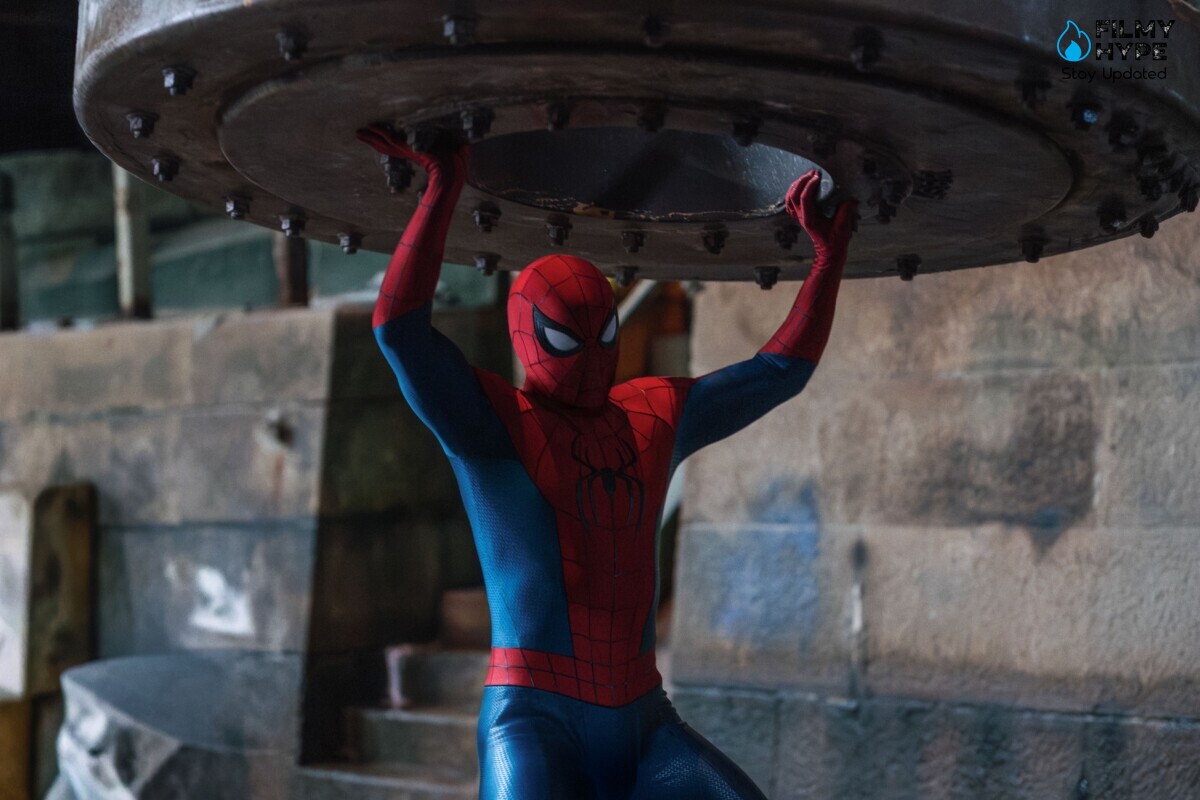
He had already amply demonstrated this in Shang-Chi and the Legend of the Ten Rings: Destin Daniel Cretton knows how to orchestrate extreme and spectacular action scenes. In this chapter, the director senses the opportunity to take full advantage of heights: Spider-Man conquers gravity by climbing and positioning himself on any surface, offering his side to highly dynamic sequences in which the sense of vertigo is almost real. Evocative images, well-choreographed fights, varied and full of virtuosity, manage to express the character’s full potential, representing the real icing on a decidedly appetizing cake. Now all we have to do is wait to see how the next films will chart the future of the MCU and Spider-Man, leaving the theater with one great certainty: the Peter Parker / Frank Castle duo definitely deserves a space of its own.

In this urban setting, stripped of its usual cosmic hyperbole, the film abandons the spectacularity of the multiverse to focus on an invisible threat, reflecting the protagonist’s progressive psychological dissolution. Brand New Day thus proves to be a lucid and painful warning about the dangers of isolation. The absence of a community of reference and the forced renunciation of human relationships are not celebrated as a form of stoic self-denial or heroic martyrdom, but shown for what they truly are: a trap that dries up the soul and risks turning the pursuit of justice into a self-destructive obsession.
Interaction with controversial figures such as Jon Bernthal’s Frank Castle (the other side of Tom Holland’s Spider-Man) accentuates this ethical conflict, exposing the fine line separating moral duty from revenge. And raising a fundamental question: is it possible to truly remain champions when we completely close ourselves off to the outside world? Through a tale that can measure inner tension and torment, the film emphasizes that Spider-Man’s true strength lies not in his mask or loneliness, but in his courage to remain human and to seek, despite the profound pain of loss, an authentic reconnection with others.
But the emotional and dramatic heart of the film is, perhaps for the first time, Peter’s love for MJ. In No Way Home, the hero had completed his origin story and was moving towards maturity, acquiring a psychological depth that until then he had partly lacked. However, if that film made the mistake of immediately going backwards with respect to the twist of the previous Far From Home, here the double trauma of the loss of Aunt May (Marisa Tomei) and the forced separation from the person she cares about most in the world is instead left to settle and then confronted and dissected, bringing to life some of the most beautiful and honest comparisons between Tom Holland and Zendaya.
Perhaps their on-screen story reflects, in the collective imagination, that of the two actors now married, but the couple is among the most beautiful ever built by the Marvel Universe. The chemistry between the two is evident even when the characters run on divergent tracks, and if Zendaya’s talent is well known, Holland offers his best performance yet, superior even to the already good one in Nolan’s Odyssey. Furthermore, Cretton’s direction also helps in this case, as he is good at building close-ups and sweet and delicate fields and counter-fields.
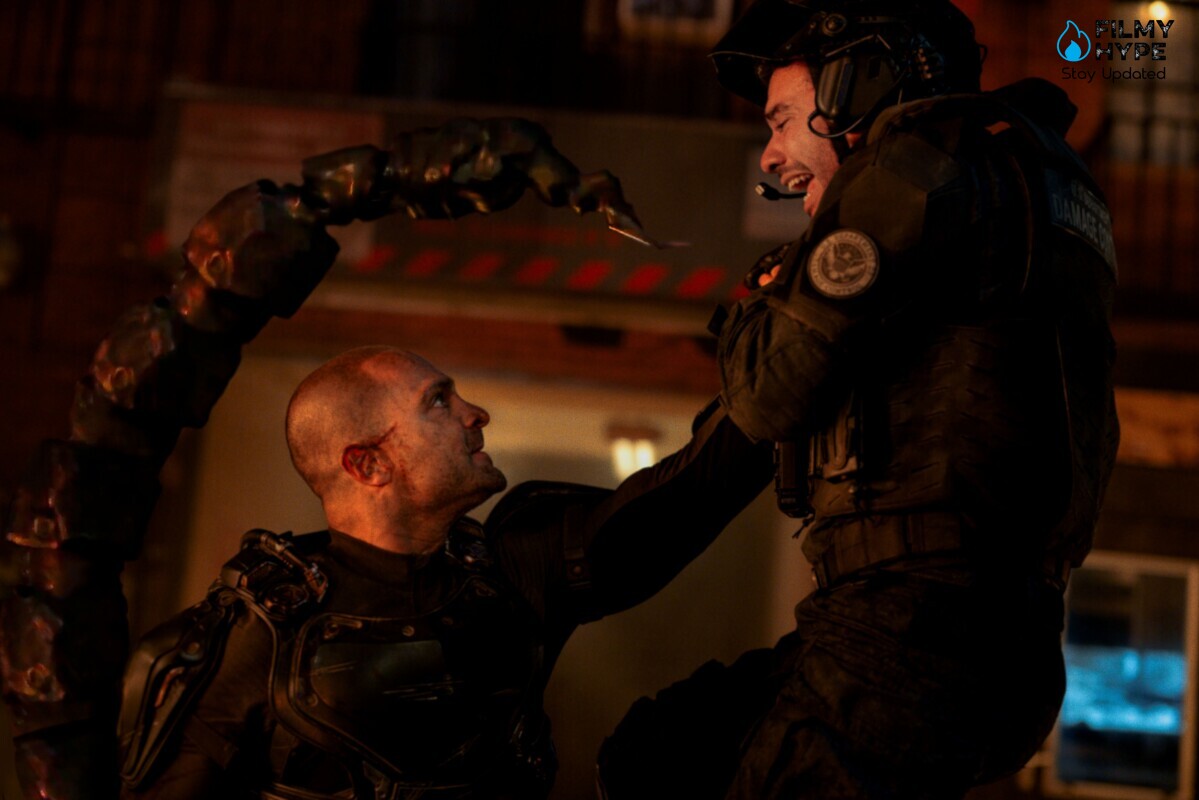
Spider-Man: Brand New Day is therefore the darkest and most adult (by Marvel standards) film in the franchise, with a protagonist free from galactic and multiversal problems – a character who “will return in Avengers: Doomsday” will call them “big potatoes” – and restored to his original DNA. The near absence of post-credit scenes seems to signal a desire to keep it as isolated as possible from the rest of the Universe, allowing it to penetrate its stories, rather than the other way around. After all, Spider-Man (like Batman and Superman) has always been a golden goose even without shared universes. But if this is the beginning of a new trilogy, the direction taken is exciting and could not bode better for the next chapters.
Spider-Man: Brand New Day Review: The Last Words
Spider-Man: Brand New Day represents the flawless fulfillment of Tom Holland’s Peter Parker maturation journey. Directed by Destin Daniel Cretton, the film addresses complex issues such as loneliness, grief management, and the processing of internal trauma with touching empathy, integrating them effortlessly into a deeply human narrative. All of this is enhanced by breathtaking action sequences that exploit verticality and a sense of vertigo to give us a solid, mature, and exciting chapter. It’s a new beginning built with maturity, awareness, and a clear vision of where the character wants to take it. Despite some inevitable flaws, he manages to bring freshness to a saga that seemed to have already said it all, proving that Spider-Man has truly arrived with a Brand New Day.