


One Hundred Years of Solitude Season 2 Episode 8 brings the saga of the Buendía family to its inevitable conclusion. After generations of wars, impossible loves, and the constant repetition of the same mistakes, everything ends exactly as Melquíades predicted from the beginning. The Netflix adaptation, which recently arrived on the platform, preserves the essential fate written by Gabriel García Márquez while making certain adjustments for television. The result is an ending that honors the novel’s circular structure—even as it rearranges some events for clarity. At the center of the final stretch is Aureliano Babilonia, the son of Meme and Mauricio Babilonia, who has grown up hidden inside the family home.
His obsession is the manuscripts left by Melquíades, though he cannot yet decipher what they contain. By the time he finally understands, it’s already too late. The Netflix series, based on the novel by Gabriel García Márquez, has just come to an end, after going through 100 years of history of the same family, a family where repeated names, similar destinies, and a curse ended up destroying everything. Macondo began as a utopia, but time and the generations of the Buendías changed and transformed it, and, eventually, the destiny of the town also became a reflection of the destiny of the family. It all begins with the warning of a son who would be born with a pig’s tail, but that omen is not fulfilled until the end of this story, and although it is only a small part of everything that happens, it is something that nothing and no one was going to be able to do. avoid.
One Hundred Years of Solitude Season 2 Episode 8 Ending Explained: Fernanda Del Carpio is the Last Nail in the Coffin?
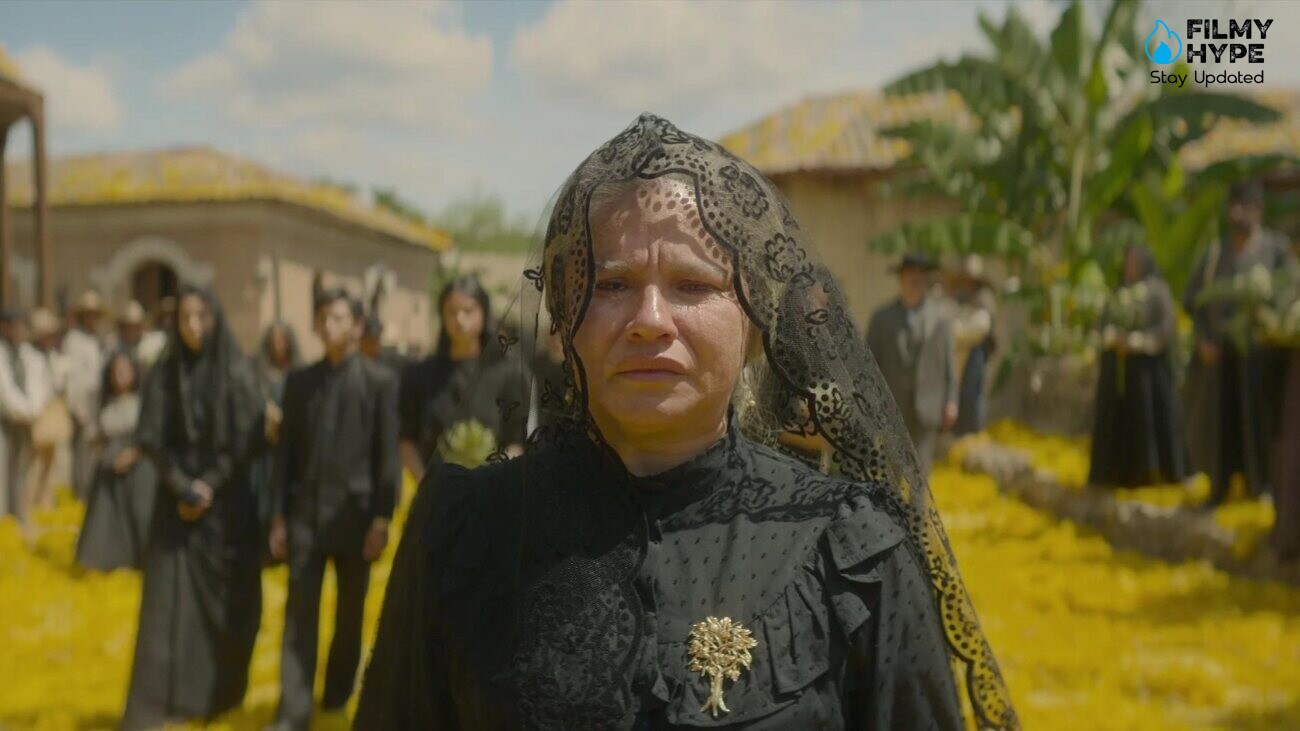
Things change in the history of One Hundred Years of Solitude when Fernanda del Carpio appears. She enters the Buendía house with an air of grandeur, religious fanaticism, and very strict rules, which eventually consume her, break her, and lead her to a madness that is sad to observe.
Not only does Fernanda change things, but she’s the reason the omen of a pig-tailed baby finally comes true. After the death of her husband and Úrsula, she is left in charge of the house, locks up Aureliano Babilonia (Meme’s son in the convent), and keeps him hidden from the world and Amaranta Úrsula, who manages to escape for a while. Over time, all this chaos is thanks to her father sending her to a school outside the country, which is the reason why he is not under his mother’s control, and he does not see how he is deteriorating mentally.
“Fernanda is rebelling against everything a woman has to do to support a family, a house, the story of her life. The way in which this does not hold up seems very poetic to me; That structure that she has tried to set up falls apart, and only madness remains as a refuge, because such rigid scaffolding cannot be supported for so long. There is a lesson there, and I was able to recreate that expiration, that discovery that can no longer be followed, and the solution is madness”, says Margarita Rosa de Francisco, who plays Fernanda in that last stage of her life.
But that decision only means that, upon returning, Amaranta Úrsula and Aureliano Babilonia “forget” that they are family and repeat the same decision of the first couple with whom it all began. The two fall in love, ignore Úrsula’s advice, and end up having a baby with a pig’s tail.
The series and the book say that the first of the lineage is tied to a tree, while the last one is being eaten by ants. This begins to come true when José Arcadio, the patriarch, loses his mind after the death of Melquíades and spends the rest of his days tied to the tree in the center of the house. And it ends when that baby is born and, after the death of its mother in childbirth, its father abandons it to be devoured. That’s when all the writings of Melquíades begin to be understood, and where it can be understood that the fate of the Buendías was written since José Arcadio and Úrsula decided to get married despite being cousins.
One Hundred Years of Solitude, the Snake Drawn by Melquíades and the Pig’s Tail
The novel is called One Hundred Years of Solitude because that’s what happens in this story. The Buendías die alone; they are condemned to suffer in silence, to experience impossible loves, and to face the death of those they love most. Furthermore, the family locks itself in their own world in the middle of Macondo, and that world is reduced until they are completely alone within it, as happens with Aureliano Babilonia because of Fernanda’s cruelty.
The snake devouring its own tail, which Melquiades draws and is shown at various points in the series, represents the cycle in which everyone was inadvertently trapped. It talks about a destiny that cannot be escaped, because everything always returns to the same place. That is why the story of each José Arcadio and each Aureliano ends in pain and death.
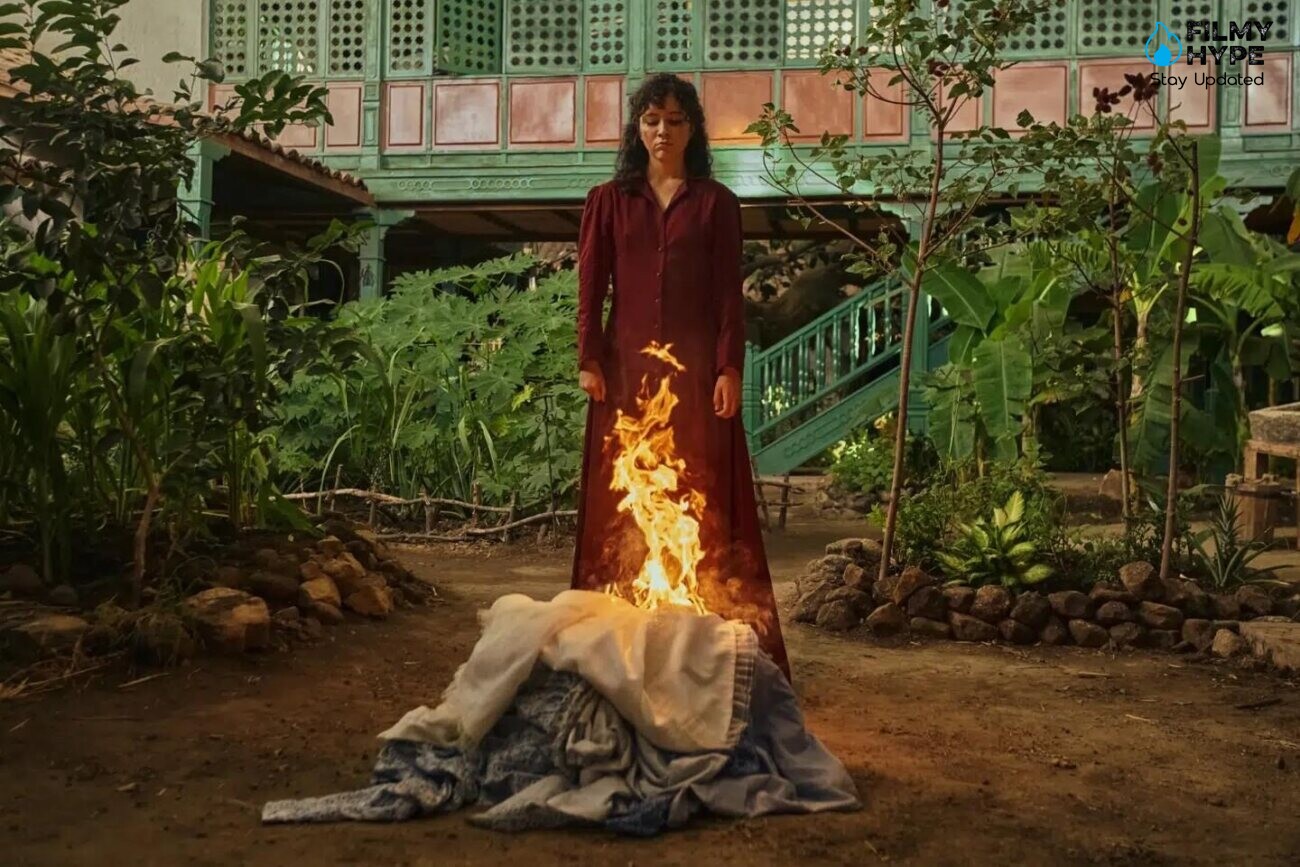
“The story of One Hundred Years of Solitude seems to me to be the cyclical repetition of absurd events. In this last part, in this closing, the version of our characters fulfills the function of closing those cycles and transforming that ellipsis of time into a linear and fatalistic end, both of events and of a society that was always condemned to die in forgetfulness. These elements represent the lack of memory that the people have and explain why they fall back into situations in which they have already been”, says Sebastián Osorio, who gave life to Aureliano Babilonia.
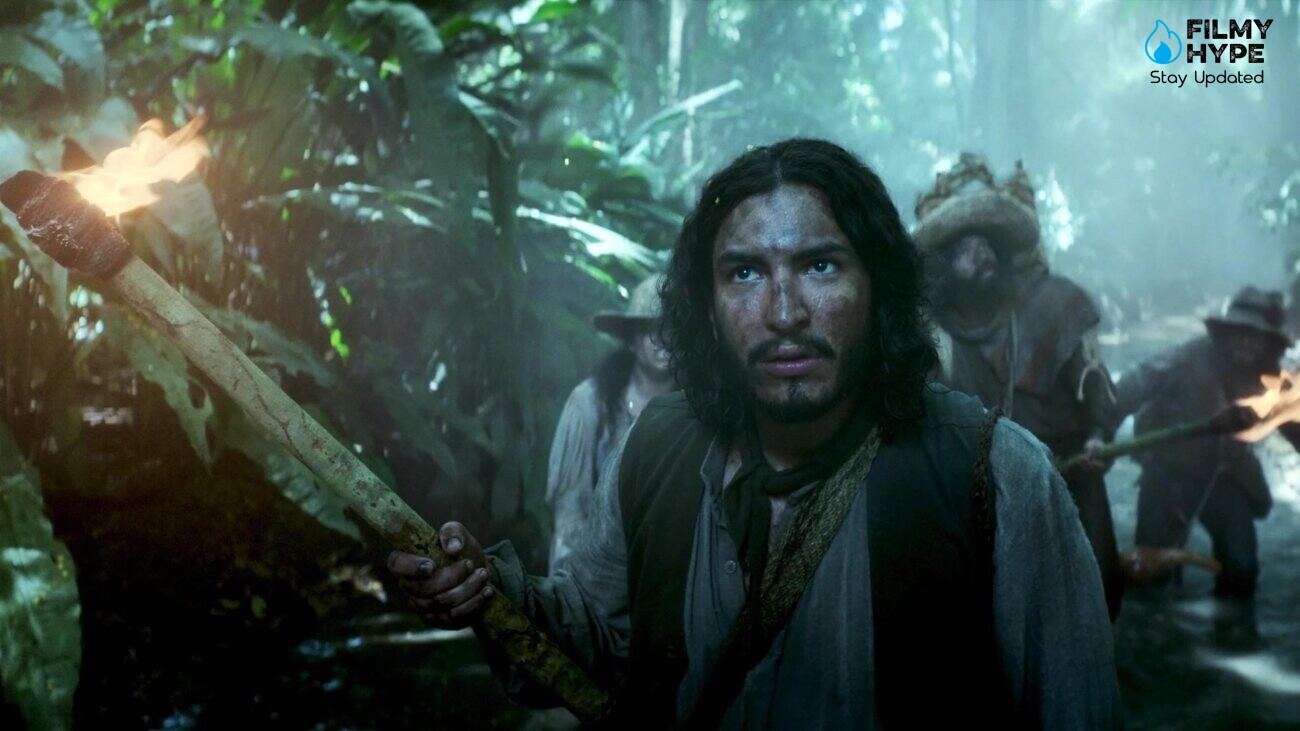
In the case of José Arcadio, what he represents is a man who puts his needs before those of others and who seeks pleasure, even if that leads him down paths that are not good at all. “We talk a lot about pleasure and enjoyment. I think he’s a character who enjoys his life without caring about anything else, and that was present all the time. He wanted to enjoy that decadent Macondo; no matter what was happening outside, there was always celebration and joy within it. From the acting point of view, it is an interesting and exciting challenge, because he is also a character who has no limits with anything, which is why he also ends up doing what he does, which is not ethically good at all. There is no way to measure how far joy leads, and that seems wonderful to me as an actor”, says Emmanuel Restrepo, who plays the last of the José Arcadios.
For Estefanía Piñeres, who plays Amaranta Úrsula, the role of Fernanda and the women in Macondo speaks about a real Latin American tradition. “There is a representation of our tradition that is deeply matriarchal. Gabriel García Márquez managed to narrate social dynamics that start from the men who leave and how, with these absences, it is the women who sustain these places. Speaking specifically about Amaranta Úrsula, she is a woman who does not come from Fernanda’s energy. He may have inherited good taste from Fernanda, but she is a very Aurelian energy, speaking of Aureliano Segundo, who is her father, and from whom she takes enjoyment. Somehow, she does achieve the same thing that Meme tries at one point, which is to get rid of expectations about what a woman should be in this context, and be the woman you really want to be”. In the end, Amaranta Úrsula’s story, like Meme’s, ends in pain, and in a son who is left alone.
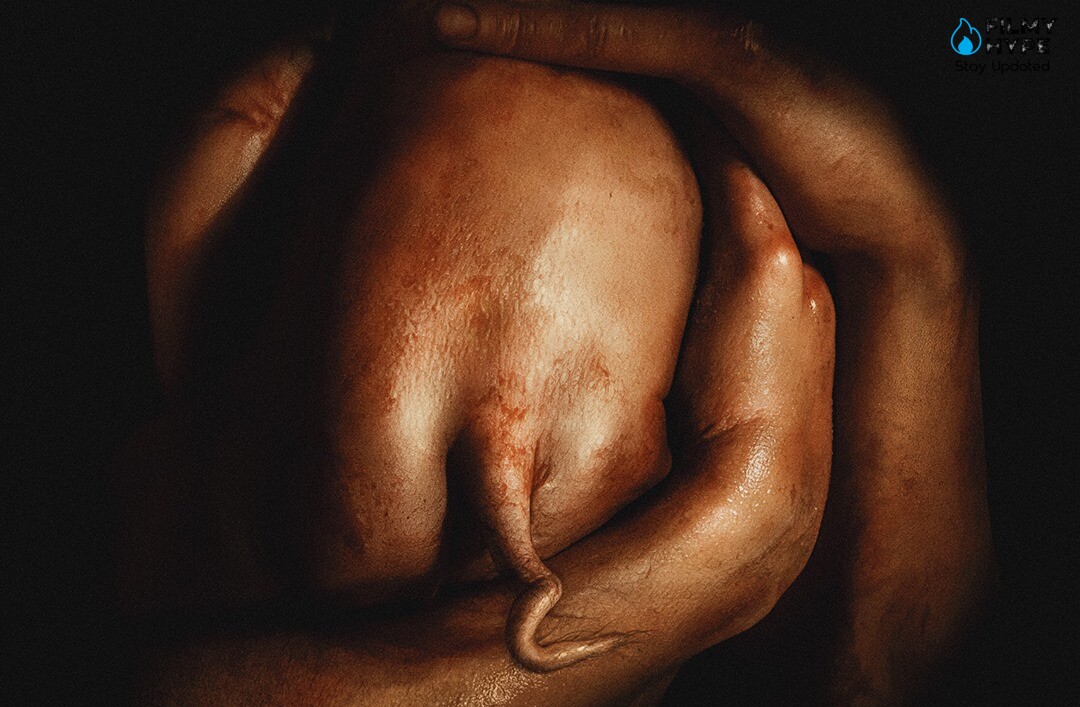
Finally, the pig’s tail becomes literal. The birth of the baby of Amaranta Úrsula and Aurelian Babylon fulfills the omen, but, by this point, it is clear that it was never just a literal threat. In reality, that pig’s tail speaks about the inevitable destinies and the consequences of the acts that each of the Buendías chooses.
No one here listens to the older generation, and that’s why things end badly (like when the twins didn’t listen to their uncle Aureliano, and their decision to connect Macondo with the world led to the banana company to destroy your paradise). The hundred years were already written, and the end of those years ends up being the end of the family and the town they created, which little by little was lost in oblivion and decadence.
The Final Chapter
The Birth of the Last Buendía
Aureliano Babilonia and Amaranta Úrsula begin a relationship without fully understanding their connection. She is his aunt, though neither of them knows it at first. Their love is genuine, passionate, and doomed in the way so many Buendía loves have been doomed before.
Amaranta Úrsula becomes pregnant and gives birth to a child with a pig’s tail—the fulfillment of the fear that haunted Úrsula Iguarán since the founding of the family. She had always known that if two Buendías ever had a child together, something terrible would happen. That something has finally arrived.
The Death of Amaranta Úrsula
The birth kills her. Amaranta Úrsula dies from hemorrhage, leaving Aureliano destroyed. In his grief, he momentarily abandons the newborn. When he returns, he finds one of the most devastating images in the entire story: ants are carrying the baby’s body away.
It is in that moment that a phrase from Melquíades’ manuscripts—one he has never been able to interpret—suddenly makes sense. Everything was written. Everything was predicted. The family’s fate was sealed from the beginning.
The Manuscripts Deciphered
Aureliano returns to the texts with desperate urgency and finally begins to understand them. The manuscripts don’t just contain prophecies about the future. They contain the complete history of the Buendía family, written in advance, down to the smallest detail.
He discovers that the first member of the family and the last were destined to end in the same place: one tied to a tree, the other devoured by ants. And as he continues reading, he realizes something even more disturbing. He’s reading about his own ending. The text describes what he’s doing at the exact moment he’s doing it.
The Destruction of Macondo
As Aureliano deciphers the final pages, a massive gale begins to destroy Macondo. The town has been dying for years—the banana company left, the inhabitants scattered, the Buendía house reduced to ruins. The wind simply completes what has been happening all along.
Aureliano keeps reading while the manuscripts describe events at the same moment they unfold. He understands that Macondo will be razed, wiped from the world, the moment he finishes the last page. He can’t stop reading. He keeps going. And the town disappears.
What the Ending Means
The Circle Closes
For generations, the Buendías seemed to live different lives. But in reality, they repeated the same patterns over and over: the same names, the same loves, the same obsessions, and above all, the same loneliness. Aureliano Babilonia believes he’s discovering his family’s destiny when in fact he’s part of it. Not even knowing the prophecy allows him to change it, because by the time he understands, it’s already happening.
The Limits of Knowledge
The tragedy of the ending isn’t just that the family is doomed. It’s that understanding comes too late. Aureliano finally deciphers the manuscripts that have been in the house for a century, and the knowledge doesn’t save anyone. It just confirms what’s already occurring. The prophecy doesn’t cause the destruction—it records it. The difference between prediction and history disappears.
No Second Chance
The novel’s final line is explicit: families condemned to a hundred years of solitude are not granted a second opportunity on earth. Macondo disappears. The Buendías cease to exist. There’s no redemption, no continuation, no possibility of starting over. The story ends because it was always going to end this way. The circle was never going to be broken.
What the Series Changed
Narrative Structure
The Netflix adaptation takes some liberties with the telling. The novel uses constant time jumps and repeated names to create a sense of cycle—the feeling that history is folding in on itself. The series presents events in a more orderly manner, helping viewers track the story more easily.
Character Adjustments
Several details changed in translation. Úrsula Iguarán’s death occurs shortly after the rain ends in the series, while in the book she lives for some time after the flood. The story of Remedios Moscote is handled differently—the novel explicitly notes she was a very young girl when Aureliano fell in love with her, while the series softens this aspect. And one of the women connected to Aureliano is given the name Cándida Eréndira, a reference to another García Márquez character; in the novel, she has no name.
Omitted Scenes
Certain moments from the book don’t appear on screen. Meme’s return to Macondo with dozens of schoolmates and nuns is absent, as is some of the detail around the insomnia plague. The series adds dialogue to convey what the novel communicates through narration—a necessary adaptation choice, but one that changes the texture of the story.
The Final Image
What remains after the wind dies down is nothing. Macondo is gone. The Buendías are gone. The manuscripts that contained their story are gone. All that’s left is the reader—or the viewer—who carries the knowledge of what happened.
That’s the final irony of the ending. The family couldn’t escape their fate, but their story survives in the telling. Melquíades wrote it all down, and Aureliano read it, and now we’ve read it too. The hundred years of solitude have ended for the Buendías. But the story continues to exist in everyone who encounters it.
The series honors that contradiction. The family is wiped out. The town disappears. But the telling of it—the adaptation itself—is proof that some stories outlast their endings. Macondo may be gone, but the memory of it remains. That’s the closest thing to a second chance the Buendías will ever get.
Why is the Baby Born With a Pig’s Tail?
Amaranta Úrsula becomes pregnant and finally gives birth to a child who is born with a pig’s tail. This fulfills the ancient prophecy that had terrified Ursula for generations. But the birth also causes Amaranta Úrsula’s death. Aureliano is destroyed and momentarily abandons the newborn. When he looks for it again, he discovers one of the most terrible images in all of history: the ants are taking the child’s body. It is then that he understands a phrase from Melquíades’ manuscripts that he had not been able to interpret until then.
Everything was written.
Why is Macondo Disappearing?
As Aureliano deciphers the final pages, a huge gale begins to destroy Macondo. The town had already been slowly dying for years. The banana company disappeared, its inhabitants left, and the Buendía house itself became a ruin. The storm simply completes what had been happening for a long time. Aureliano continues reading while the manuscripts describe events at the same moment they are happening. Understand then that Macondo will be razed and wiped out of the world as soon as he finishes deciphering the last page.
What Does the End of One Hundred Years of Solitude Mean?
The ending closes the great circle on which the entire story has been built. For generations, the Buendías seem to live different lives, but in reality they repeat the same behaviors over and over again: the same names, the same loves, the same obsessions and, above all, the same loneliness. Aureliano Babilonia believes he is discovering the destiny of his family when in reality he is also part of it. Not even knowing the prophecy allows you to change it, because when you finally understand it is already happening.
The son of Aureliano and Amaranta Úrsula is the last Buendía. With his death, the family disappears and, with it, so does Macondo. Melquíades’ manuscripts were not predicting history: they contained the complete history of the Buendías from their birth to their disappearance. That’s why the ending is so circular. Everything that seemed to advance for generations was leading to the same point. Macondo disappears, the Buendías cease to exist, and Aureliano understands too late that the story of a family condemned to a hundred years of solitude was never going to have a second chance on earth.