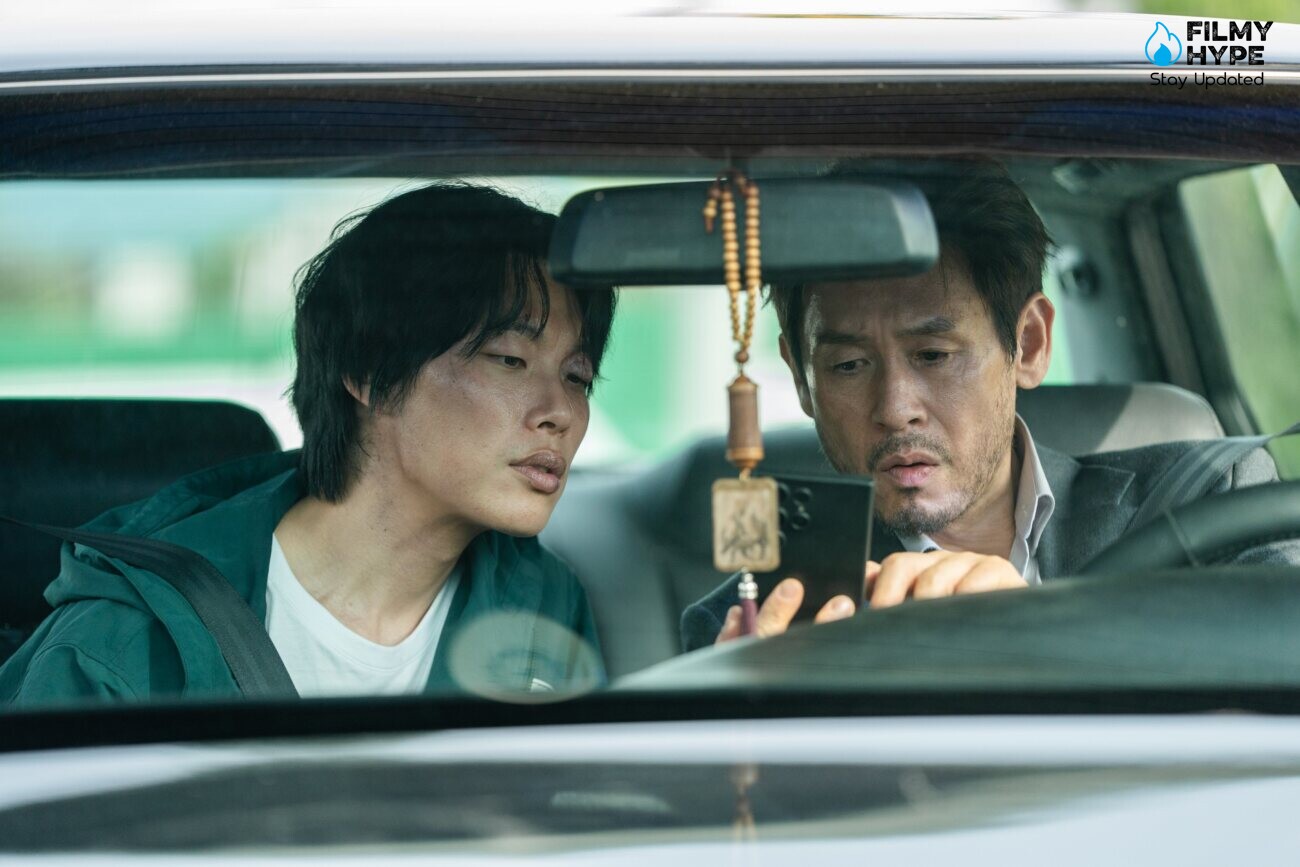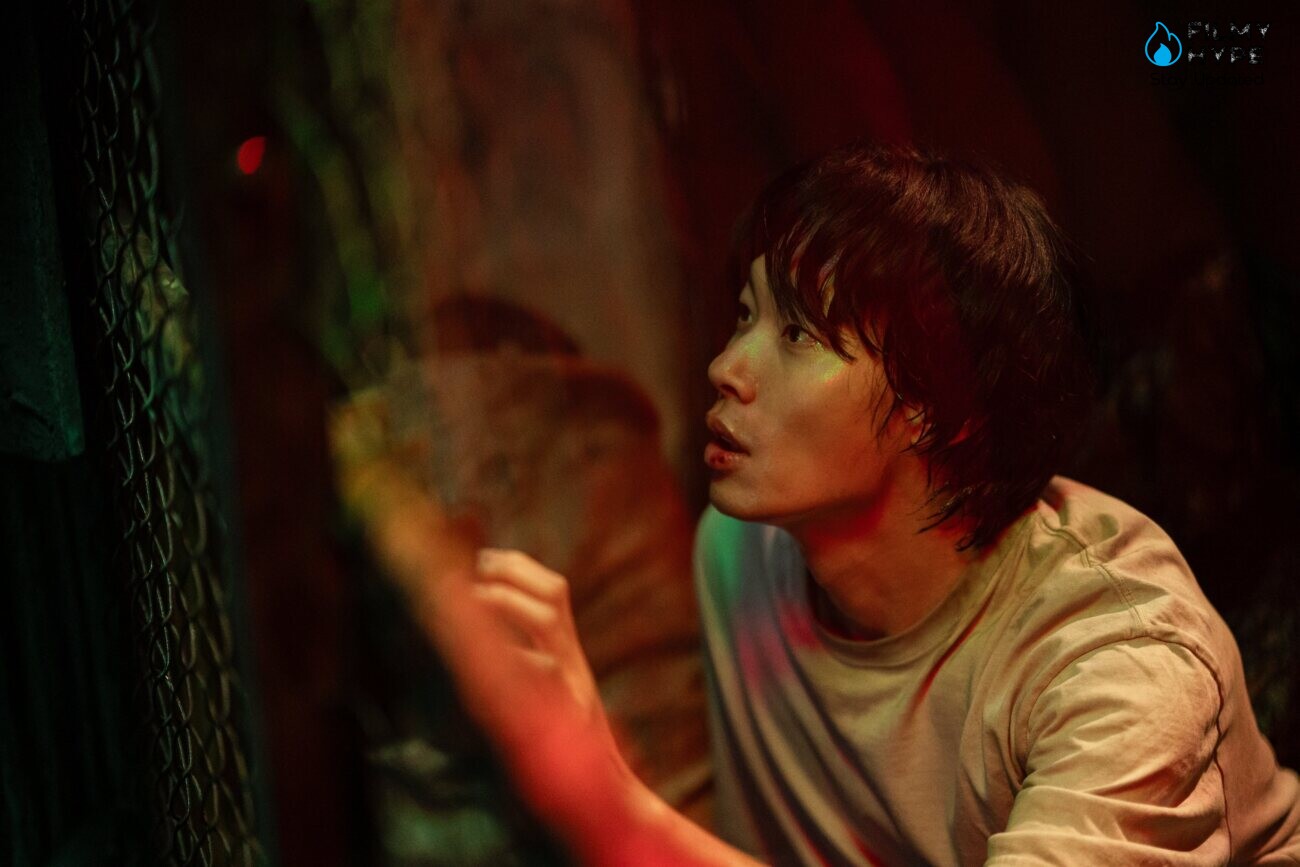


The most unsettling part of Mousetrap isn’t something Netflix invented for the screen. Behind the show’s central premise — a man watching his own identity get systematically stolen by a mysterious figure known as The Rat — sits a genuinely old piece of Korean folklore. According to that traditional story, a mouse that eats a person’s discarded, clipped fingernails can take on their exact appearance, step into their life, and effectively become them.

That legend is the cultural bedrock underneath the entire premise of Mousetrap, the Netflix series starring Ryu Jun-yeol. And once you understand the folklore, it becomes clear that Moon-jae’s identity theft isn’t really a modern story about stolen passwords or hacked accounts dressed up in old imagery. It’s tapping into something much older — the fear of someone else becoming you, convincingly enough that everyone around you believes the impostor over the original.
The Disturbing Folk Tale Behind Netflix’s Mousetrap Series: So the Legend Actually Exists?
Yes. Netflix has directly confirmed that Mousetrap, premiering August 28, 2026, draws from an actual Korean folk tale in which a mouse consumes a person’s cut fingernails and gradually transforms into that person. The series follows Moon-jae, a reclusive writer who slowly realizes he can no longer access his own life — his fingerprint stops working, his passwords are rejected, his money and even his name no longer seem to belong to him. All the while, a figure calling himself The Rat seems to know Moon-jae intimately enough to be actively taking his place.
What’s genuinely striking is how closely that mirrors the traditional story. Korean folklore includes a specific category of tales known as jwi dungap — stories about mice taking on human form. One of the best-known versions describes a man who carelessly discards his clipped fingernails and toenails. A mouse finds them, eats them repeatedly over time, and gradually takes on the man’s exact appearance. By the time the real man returns home, the mouse has already settled into his place — and nobody left in his life can tell the two apart anymore.
Why Fingernails, Specifically?
In the traditional version of the tale, nails are treated as though they remain a part of a person even after being trimmed away. Discarding them carelessly, without a second thought, means leaving a literal piece of yourself within reach of someone — or something — else.
The Encyclopedia of Korean National Culture ties this idea back to a broader cultural understanding of hair, fingernails, and toenails as parts of the body inherited from one’s parents, and therefore deserving of real respect and care rather than casual disposal.
Read that way, the legend functions less like a spooky bedtime story and more like a genuine warning. It’s not really about a magical rodent — it’s about what you risk losing through carelessness with the smallest, most easily overlooked pieces of yourself. And that’s exactly the idea Mousetrap updates for the present day. We don’t leave clipped nails behind anymore, but we do leave behind photographs, passwords, fingerprints, banking details, and a constant trail of personal data. The legend’s original question turns out to be strangely modern: how little does it actually take for someone else to become you?
How Does the Mouse Actually Steal Someone’s Life?
Once the transformation happens in the traditional tale, the mouse doesn’t just borrow the victim’s face — it fully absorbs their social position. Family members and neighbors genuinely believe the impostor is the real homeowner, while the actual man is treated as the fraud. In some documented versions of the story, the dispute even escalates to a local authority figure being called in to determine which of the two men is telling the truth.
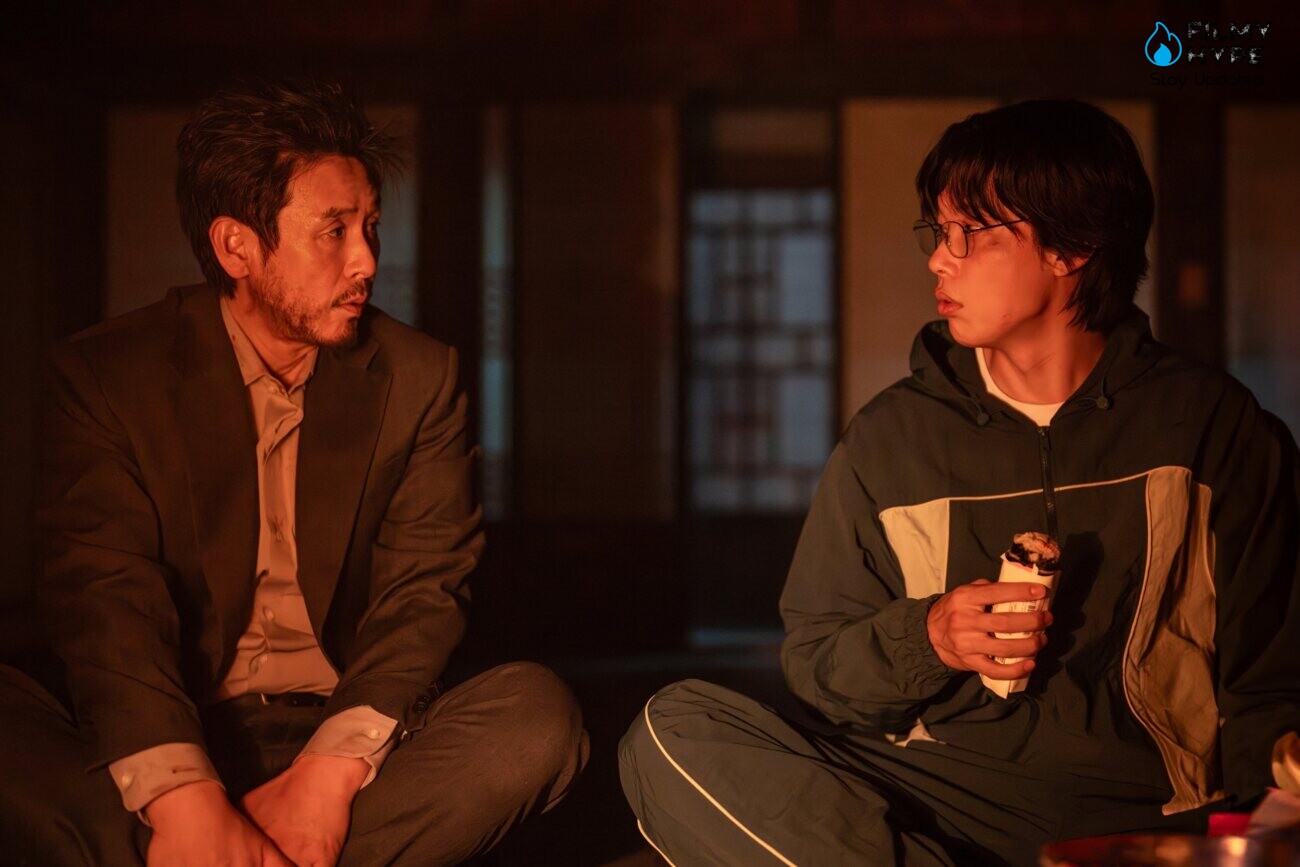
The outcome is almost cruelly ironic: the lie wins. The real man ends up losing his house, his family, and effectively his entire identity, simply because the false version of him is more convincing to everyone around them. That element — more than the physical shapeshifting itself — is probably what makes this legend such a natural fit for Mousetrap‘s premise. Moon-jae isn’t just trying to figure out who’s stealing from him. He’s stuck trying to prove he’s still himself.
How Does the Mouse Eventually Get Caught?
Here’s one of the more memorable details from the traditional tale: in one documented version, the real owner manages to reclaim his home by bringing a cat back with him. The logic is straightforward — the impostor can fool the humans around him, but not his own natural predator. The moment the cat attacks the false owner, he loses his human disguise entirely and reverts into an ordinary mouse. The deception collapses instantly, and the real man is finally able to reclaim his life.
It’s a genuinely fun detail for anyone watching the show, but it comes with an important caveat: there’s no reason to assume Mousetrap will resolve itself the same way. The folk tale is the show’s inspiration, not a preview of its ending.
Will the Show Actually End As the Legend Does?
There’s no way to know that from the folklore alone. Mousetrap isn’t a direct, beat-for-beat adaptation of the traditional story — it’s based on the webtoon Field Mouse, which itself uses the old legend as raw material to build a much more contemporary story.
Director Kim Hong-sun has explained that the series starts from the traditional tale of the nail-eating mouse, but reshapes it into a full thriller centered on the hunt for whoever has completely taken over the protagonist’s life. Ryu Jun-yeol has echoed that framing as well, describing the source material as fundamentally interested in how a person’s identity can actually be defined, and proven, in the first place.
Given that, it would be a mistake to treat the old legend as a roadmap for how the show resolves its mystery. What it does offer, though, is real insight into what the story is actually about underneath its thriller mechanics.
What Does “Deuljwi,” the Original Korean Title, Actually Mean?
The show’s original Korean title is 들쥐, or Deuljwi, which translates roughly to “field mouse.” That’s not an arbitrary name chosen just to label the show’s mysterious antagonist — it’s a direct callback to the animal at the center of the original legend, and to the webtoon Field Mouse the series is adapted from.
The English-language title, Mousetrap, shifts the emphasis toward thriller mechanics and identity theft, which makes the show’s central conflict immediately legible to a broader audience. But once you know the folklore behind it, the title carries a heavier meaning. The real horror at the center of Mousetrap was never really about losing a password or getting locked out of a bank account. It’s the much older, much more unsettling fear of standing in front of someone who knows enough about your life to convince everyone around you that you’re the fake.