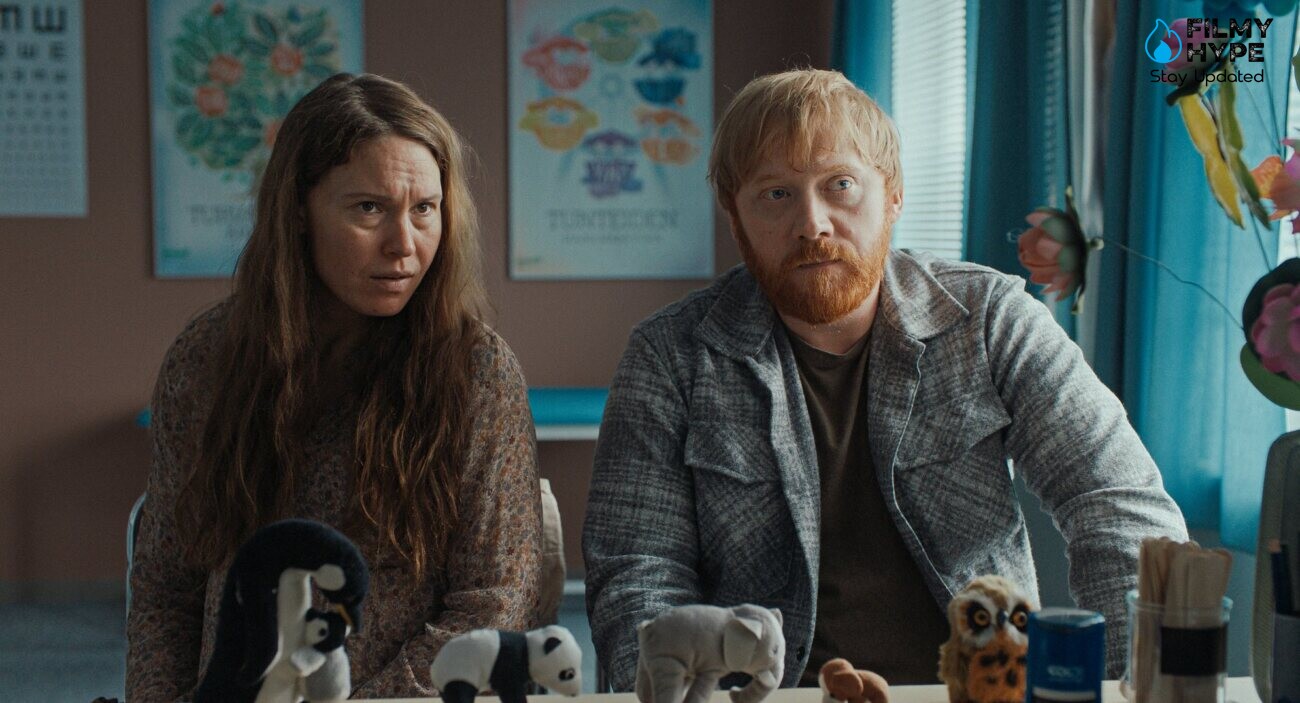
Nightborn Movie Review and Ratings (Yön lapsi)
Cast: Seidi Haarla, Rupert Grint, Pamela Tola, Pirkko Saisio, Rebecca Lacey
Director: Hanna Bergholm
Filmyhype.com Ratings: 3/5 (three stars)
Nightborn (original title: Yön lapsi) fits into the contemporary psychological and bodily horror genre as a work that uses the language of the fantastic to explore in depth the ambiguities of motherhood and the fractures of the family ideal. From the first sequences, the film clarifies its disturbing vocation, placing the story in a liminal space, suspended between domestic realism and mythological suggestion. The move to the house immersed in the forest represents not only a return to origins for Saga, but also a regressive movement towards a primordial dimension, in which the boundaries between human and animal progressively begin to dissolve.
The promise of a perfect life is thus undermined from the beginning by an environment that appears alive, pulsating, indifferent to the “bourgeois” aspirations of the couple. The birth of the child, therefore, marks the point of no return. Childbirth, shown explicitly and bloodily, breaks any residue of romantic idealization, imposing on the viewer a raw vision of the maternal body as a place of transformation, pain, and loss of control. From this moment on, the film takes shape as a long process of disintegration of the family order.
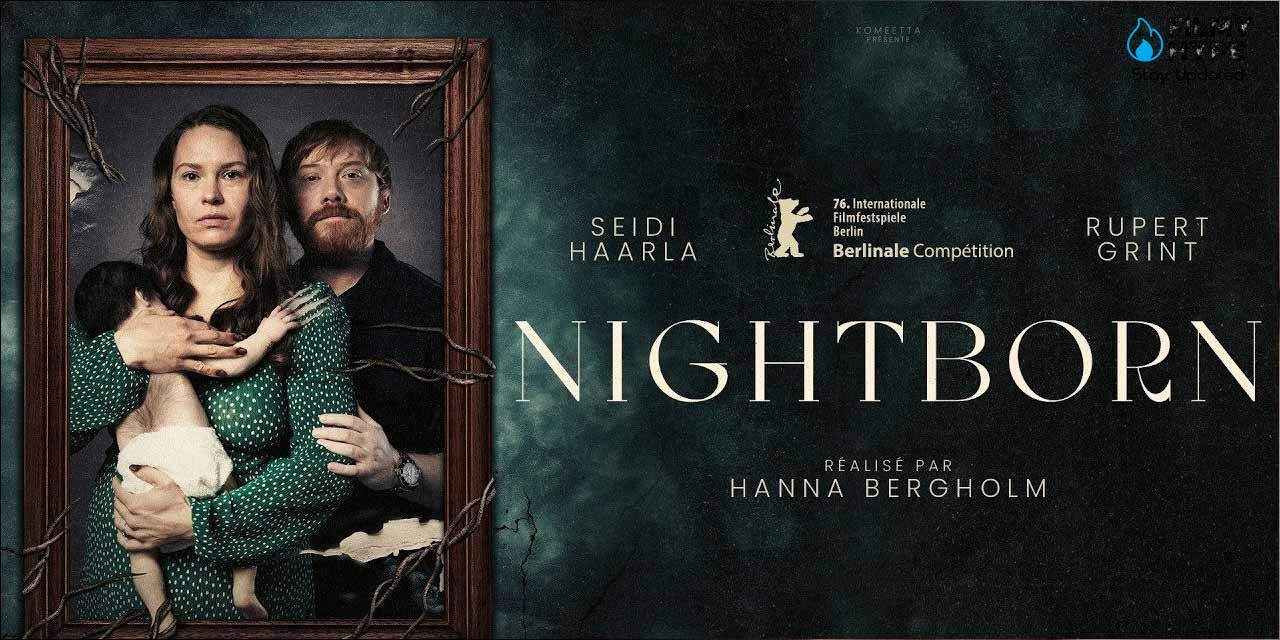
In the opening scene of Nightborn, we see protagonist Seidi Haarla behind the wheel, driving alongside her husband, played by Rupert Grint. Their minivan travels a remote road through the thick Finnish forest, reaching the ruined house where the woman spent her childhood and where she hopes to best raise the child she is carrying. The scene is striking in one rather disconcerting detail: the excellent interpreter of Compartment Number 6 seems incapable of acting. Her way of smiling, that of talking to her husband, even her manicure: everything conveys a rather marked impression of artificiality. It will only be much, much later in the film that we will be able to appreciate the reason for this (intended) tone and with it the mastery of its protagonist, who lends herself a canonical role in the horror genre: that of the mother convinced that her son is not “normal” and that he harbors within himself a monstrous and evil nature.
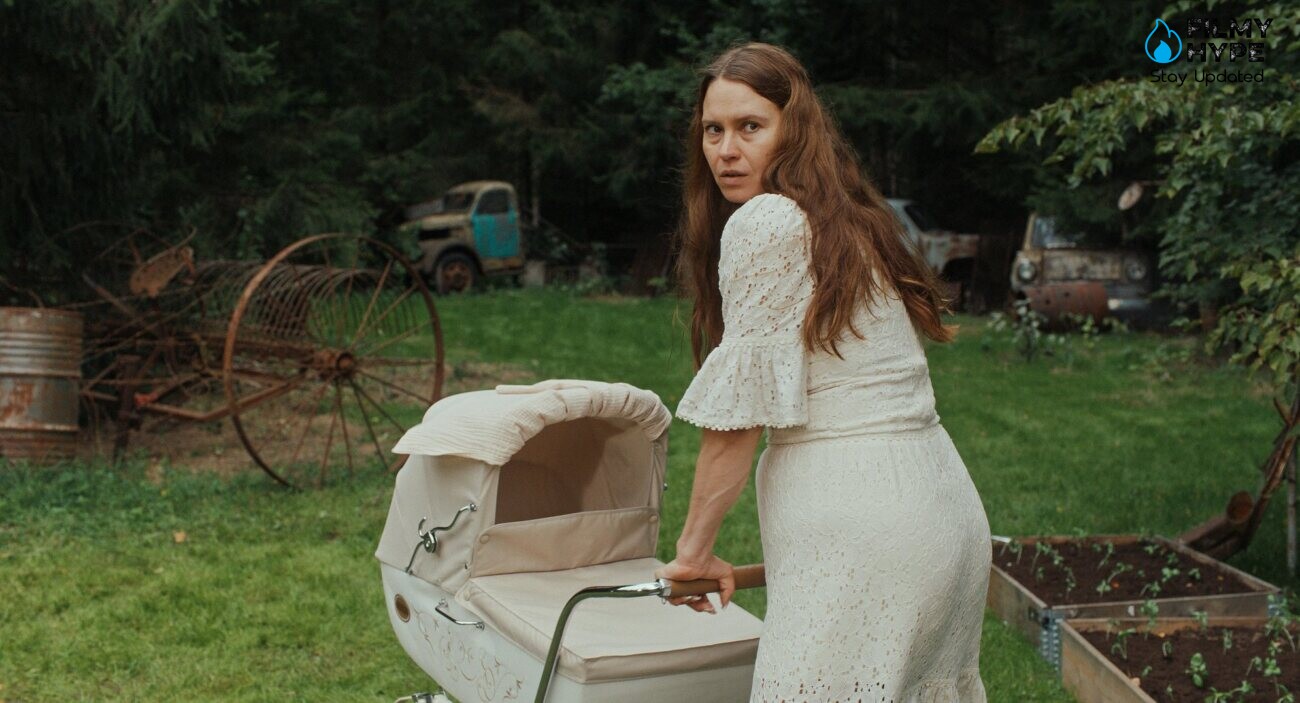
In fact, Nightborn looks at that whole genre of horror films in which the horrifying element is precisely motherhood. Its protagonist faces a difficult birth, is deprived of sleep by an eternally weeping unborn child, while the transformations of the “deformed” body take on a sinister tone. Still physically affected by the trauma of childbirth, Saga finds herself exhausted and socially and geographically isolated in the large house she is settling into. She is fully experiencing the psychological isolation of a mother who feels unfulfilled because she struggles to empathize with her creation, at least as society expects of her.
Nightborn Movie Review (Yön lapsi): The Story Plot
In this second feature film, Bergholm returns to explore motherhood in a horror key, making use of multiple means and a cast that includes English star Rupert Grint, the unforgettable Ron Weasley from the Harry Potter film series. The forty-year-old Saga, an extraordinary Seidi Haarla, moves with her American groom Jon (Grint) to the old family home, surrounded by a Finnish forest. From the very first moment on, the couple lives with the feeling of being watched from the woods, but sexual passion and the desire for a child are much more powerful than instinctive fear. From the first moments of the birth of little Kuura, which means frost in Finnish, the mother perceives strong anomalies, such as her grunts, her abnormal strength, and the violence with which she feeds from her breast. Everyone around her, however, trivializes these perceptions of her. Saga will soon realize that the baby prefers blood to milk and will soon decide to feed him raw meat.
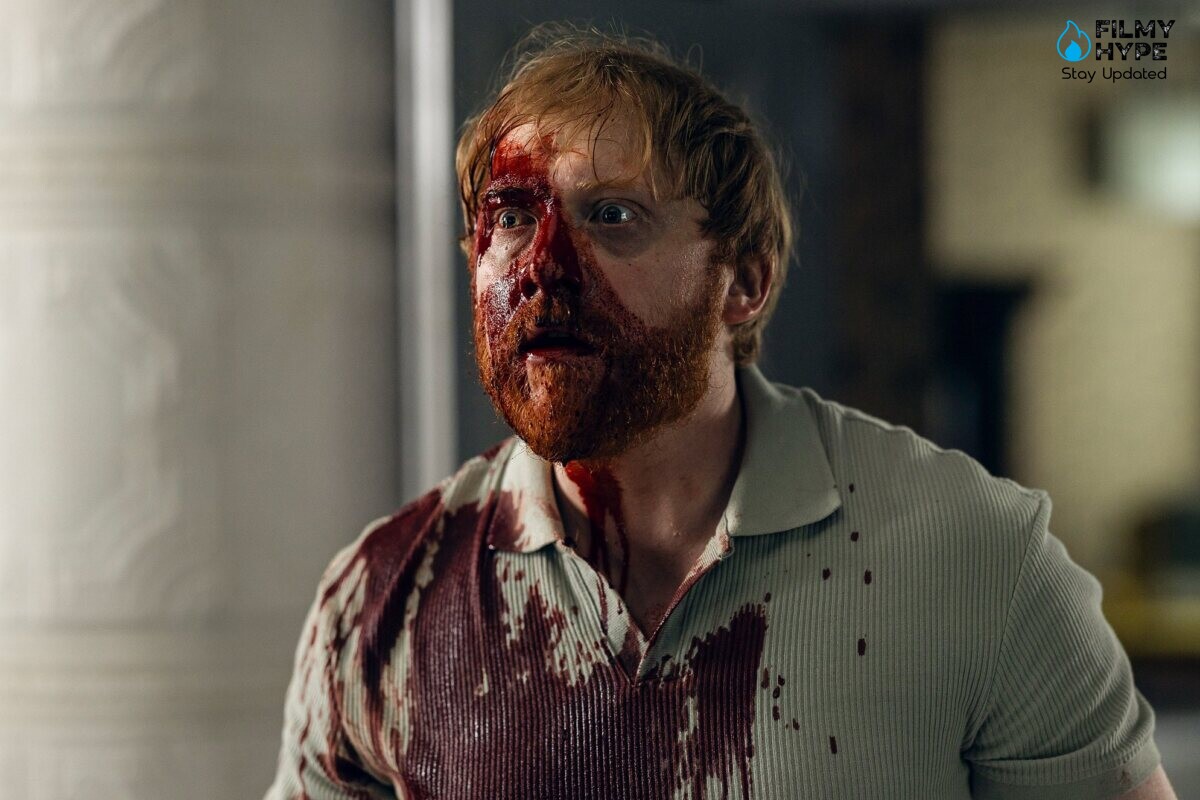
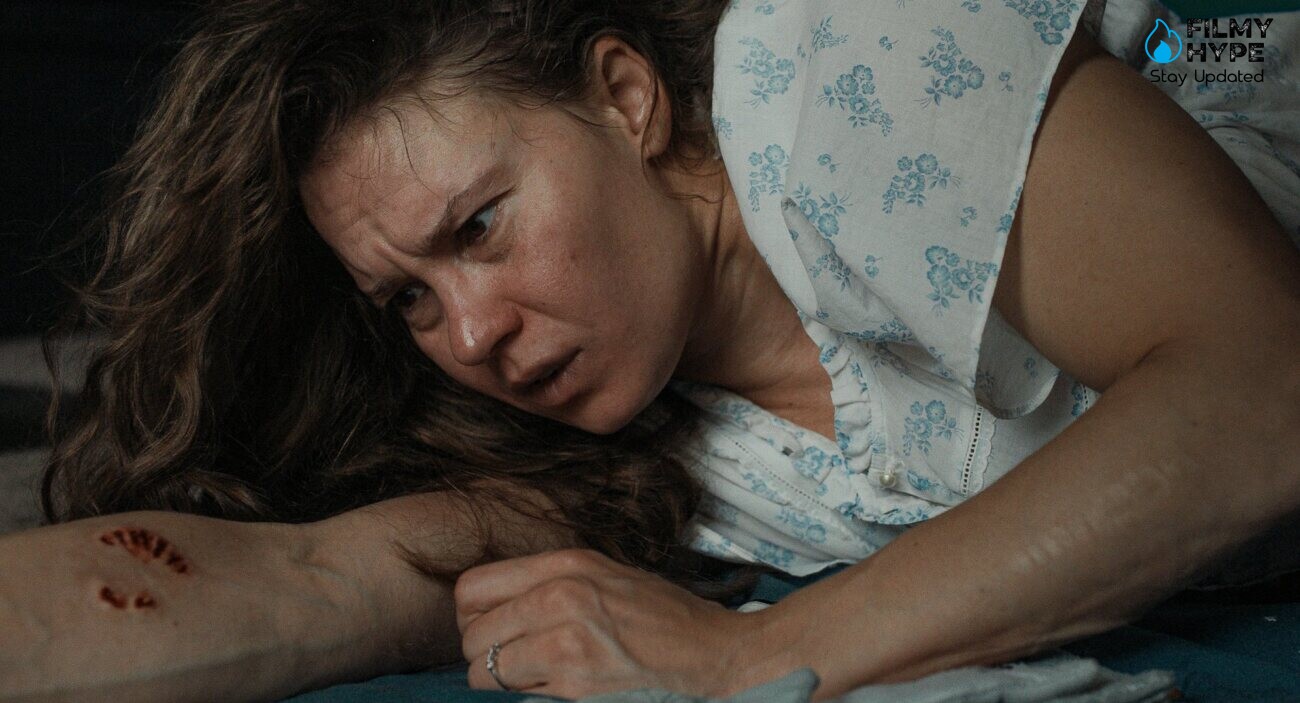
The problem for Saga is that her son appears monstrous to her and instinctively fears him. Nightborn decides not to give us any answers about this: the film doesn’t show him in our faces, perpetually wrapped in headphones or dim light, but it does show us his hairier-than-normal body and makes us hear his constant menacing grunts. The baby’s behavior gradually convinces the mother that there is something profoundly wrong with him, born with a particularly bloody birth (an eye on the full vaginal frontal with a spray of blood), and that he bites her breast so much when breastfeeding that the halo bleeds.
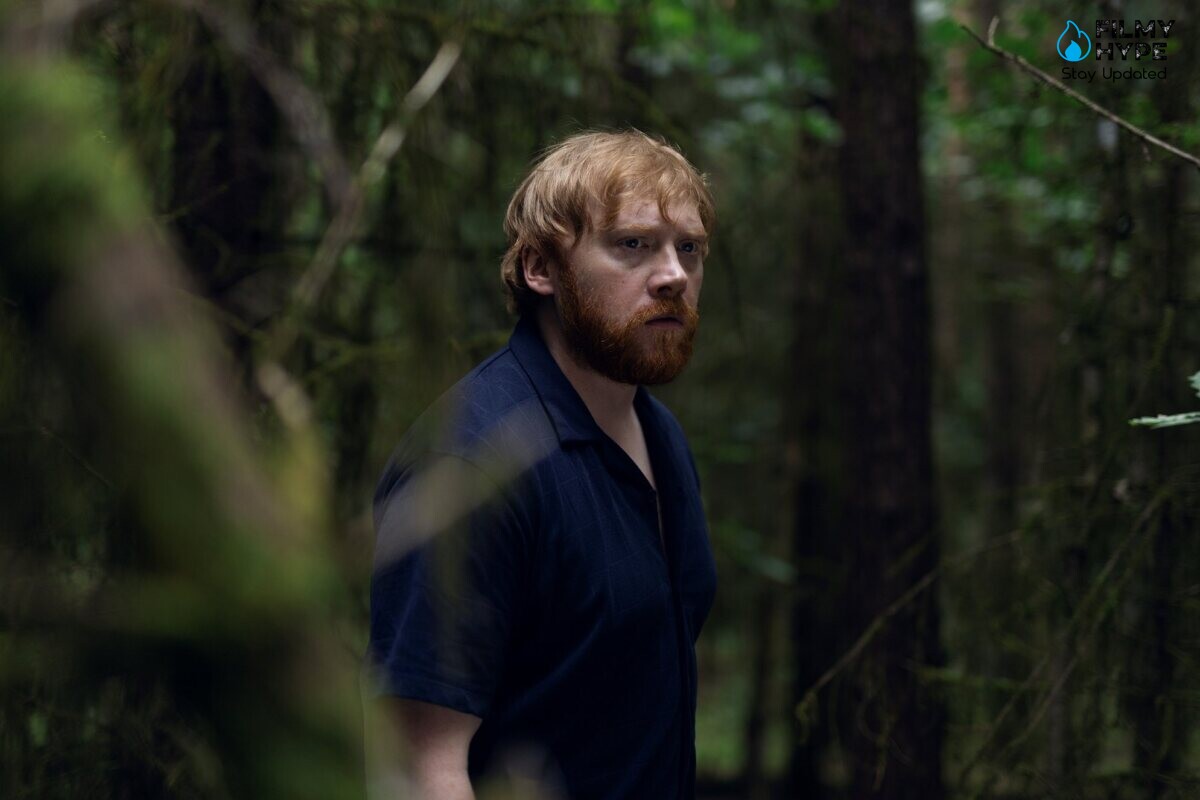
At Saga’s side is her English husband Jon, who is convinced to renovate the old house in the woods and move to a reality he feels “very Finnish”. The couple in the film, therefore, also has to face a cultural gap that only begins to make its weight felt when the situation becomes more critical. Thoughtful and understanding in the face of the strong difficulties experienced by the wife in adapting to the role of mother, Jon then becomes the link in a chain in which we slowly reread the experience that Saga herself had as a child. His need for normality becomes radically different from his wife’s: for Saga, it’s important to let the child be himself and learn to “mask” his own nature less, while Jon gradually stiffens, allowing himself to imagine what the protagonist’s childhood really was like, as she seems to have idealized a context that her sister remembers very differently.
Saga is unable to bond with her son, at least until she focuses on the removal of her own identity, pigeonholed into rigid social dictates that the woman does not understand, blinded by resentment towards her careerist and unmotherly mother. Saga was, in fact, raised by her grandmother in the thick forest, while her mother was the head physician in the hospital. The character of the newborn who continues to attend conferences because she doesn’t feel like changing diapers is among the funniest in the film, which, despite being horror in its images and atmosphere, doesn’t give up a good dose of irony. Saga’s mother, cold and detached to the point of bordering on unloving, will provide her daughter with a whole series of key pieces of information to understand what’s really wrong with her son, or rather, why Saga can’t accept it.
Nightborn Movie Review (Yön lapsi) and Analysis
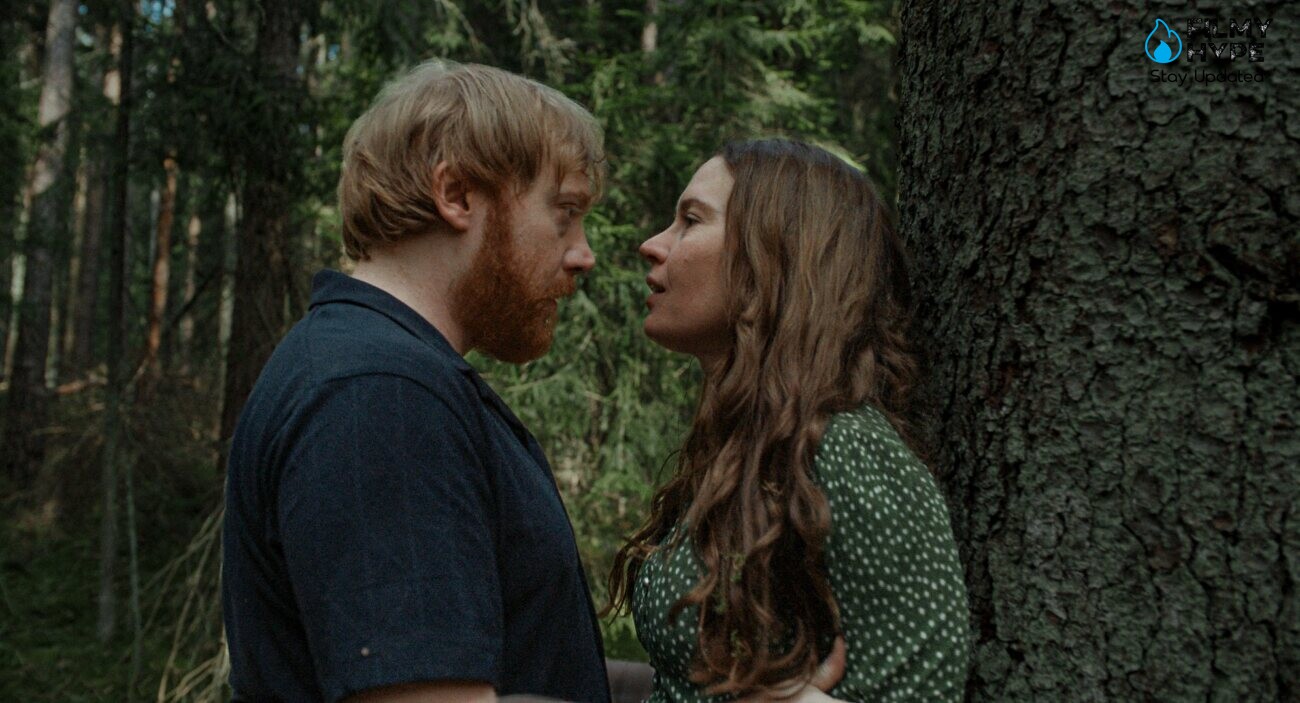
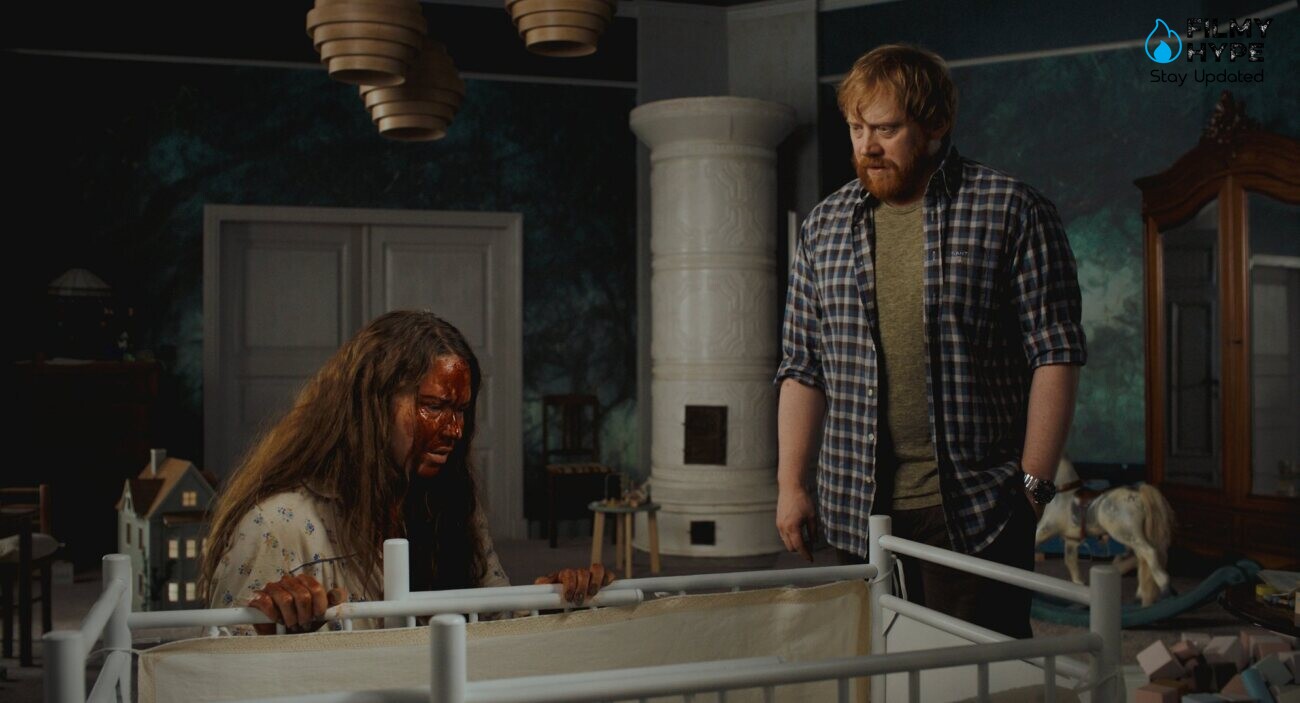
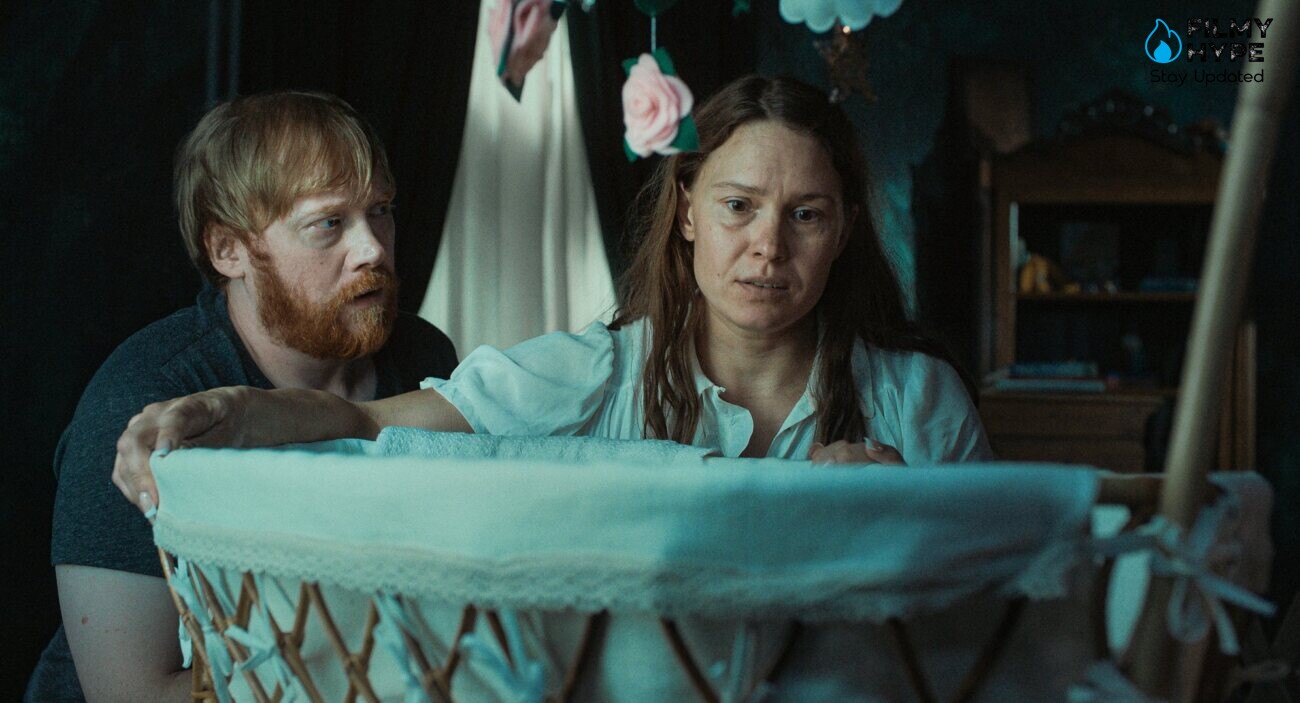
The emotional heart of the film lies in the relationship between Saga and Jon, played by Seidi Haarla and Rupert Grint, respectively. Their dynamic is based on a progressive perceptual asymmetry: while Saga develops an increasingly acute sensitivity towards his son’s otherness, Jon remains anchored to a rational and normalizing reading of events. The prophetic line uttered by Saga, “There’s something wrong with it,” followed by Jon’s prompt correction, “You mean him,” perfectly synthesizes this waste. On the one hand, the mother perceives the child as an alien entity; on the other, the father insists on recognizing him as a human subject, denying any deviation, and this interpretative divergence becomes the main factor eroding their relationship. Jon, convinced that his wife’s problems stem from postpartum trauma, reacts with a form of emotional paternalism that ends up further isolating Saga.
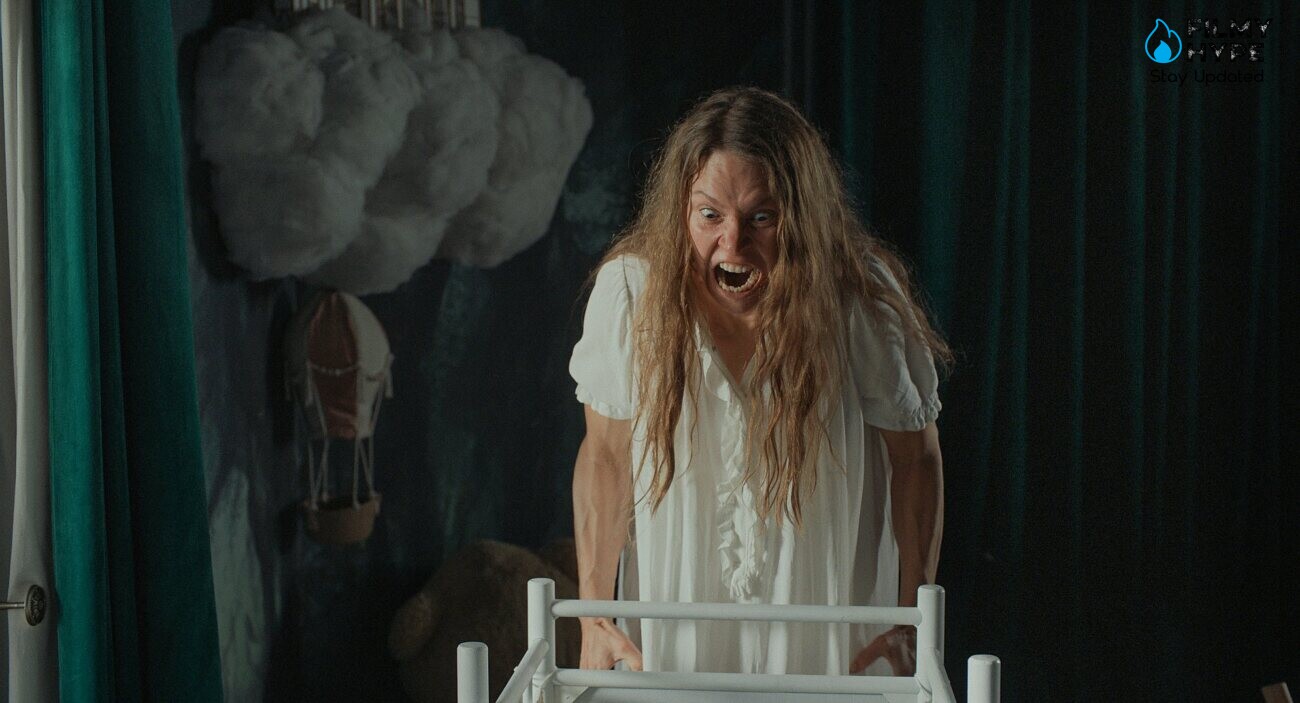
Her refusal to listen to her, combined with her constant attempt to bring everything back to normal, then transforms misunderstanding into latent violence, destined to explode. Saga, on the other hand, embarks on a path of progressive identification with her son, which leads her to gradually abandon shared social and moral coordinates. Motherhood is not represented here as an instinct, but as a destabilizing process, which challenges the very identity of women. One of the most radical aspects of Nightborn is the use of the body as a symbolic battlefield. The film obsessively insists on fluids, wounds, secretions, deformations, constructing an imaginary in which motherhood is inseparable from physical horror. Painful breastfeeding, persistent bleeding, bites, mutilations, and the baby’s attraction to blood transform the mother-child bond into an almost vampiric relationship. The newborn, covered in hair and equipped with a tail, represents a biological deviation from birth that cannot be traced back to simple pathologies. However, the film avoids providing scientific or rational explanations, preferring to place this otherness in a mythical-symbolic zone.
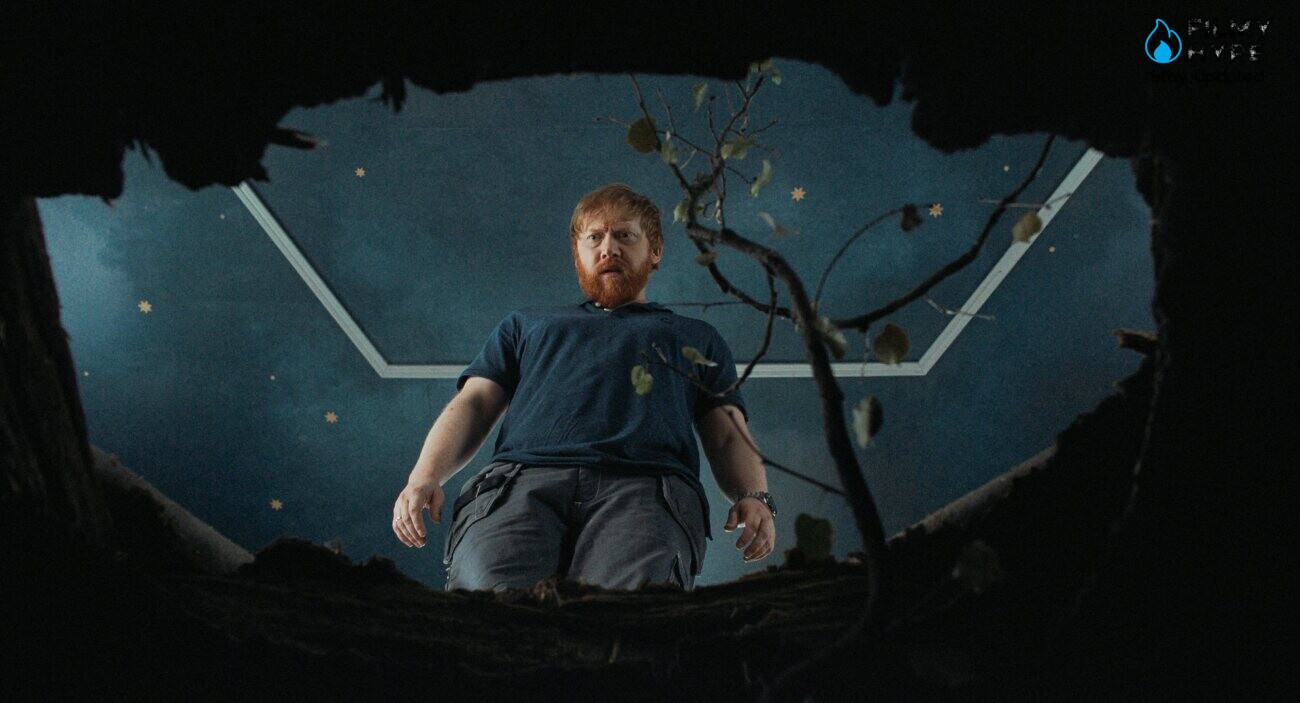
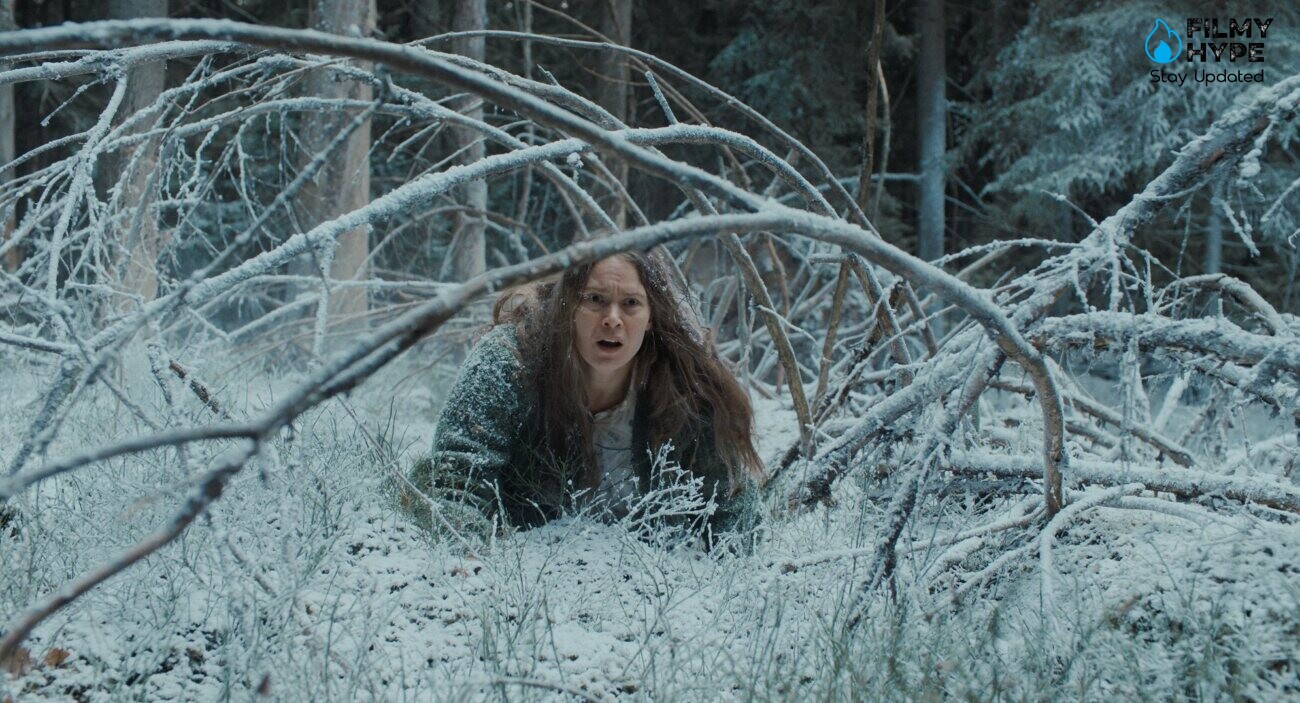
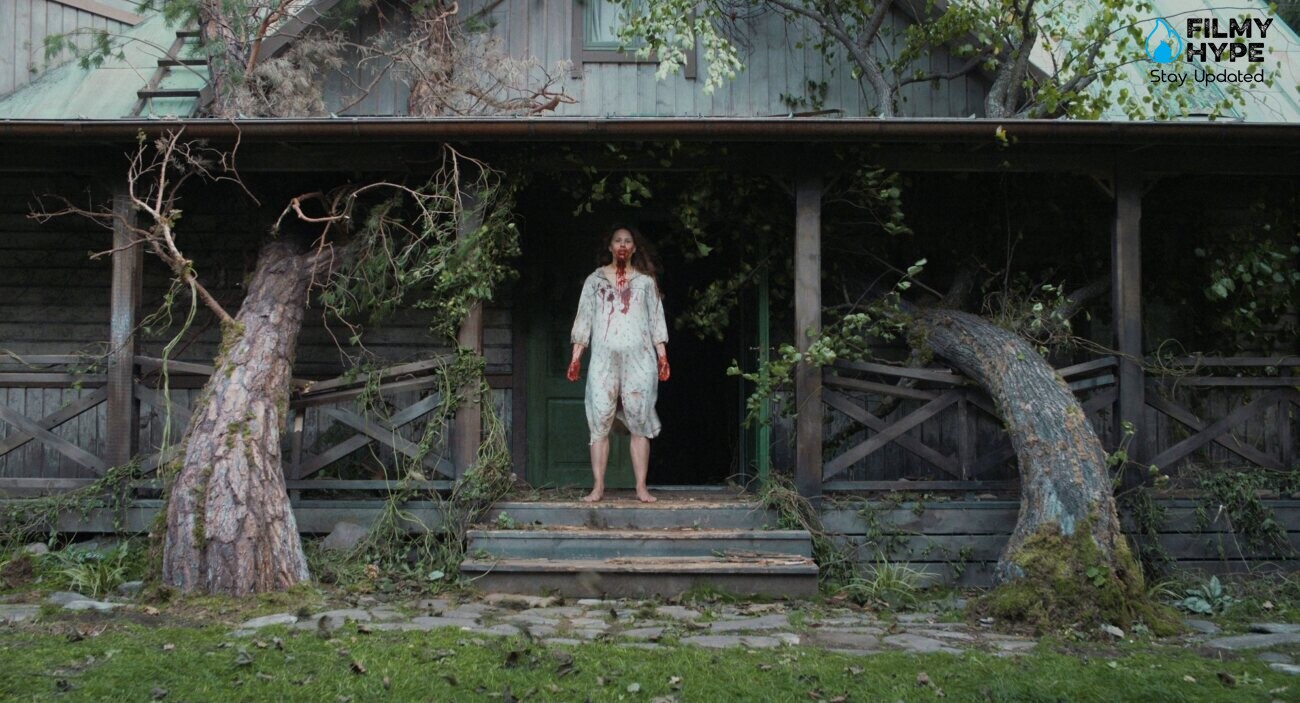
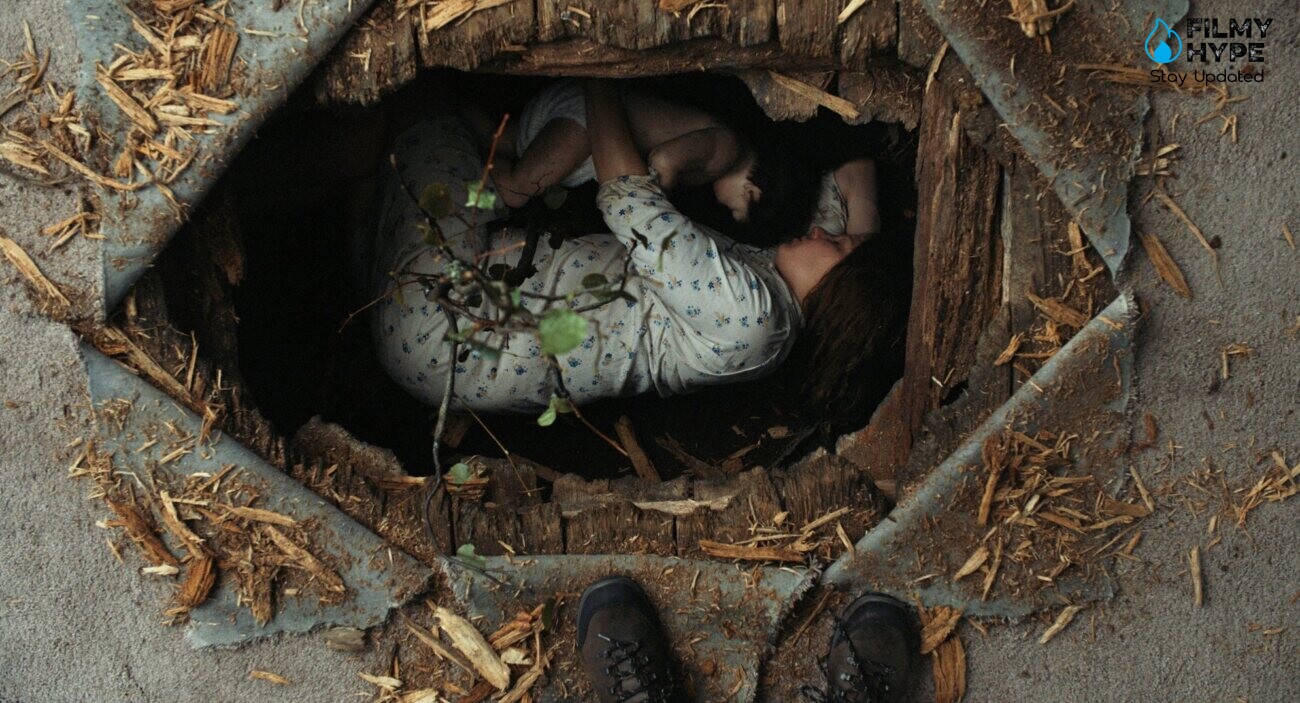
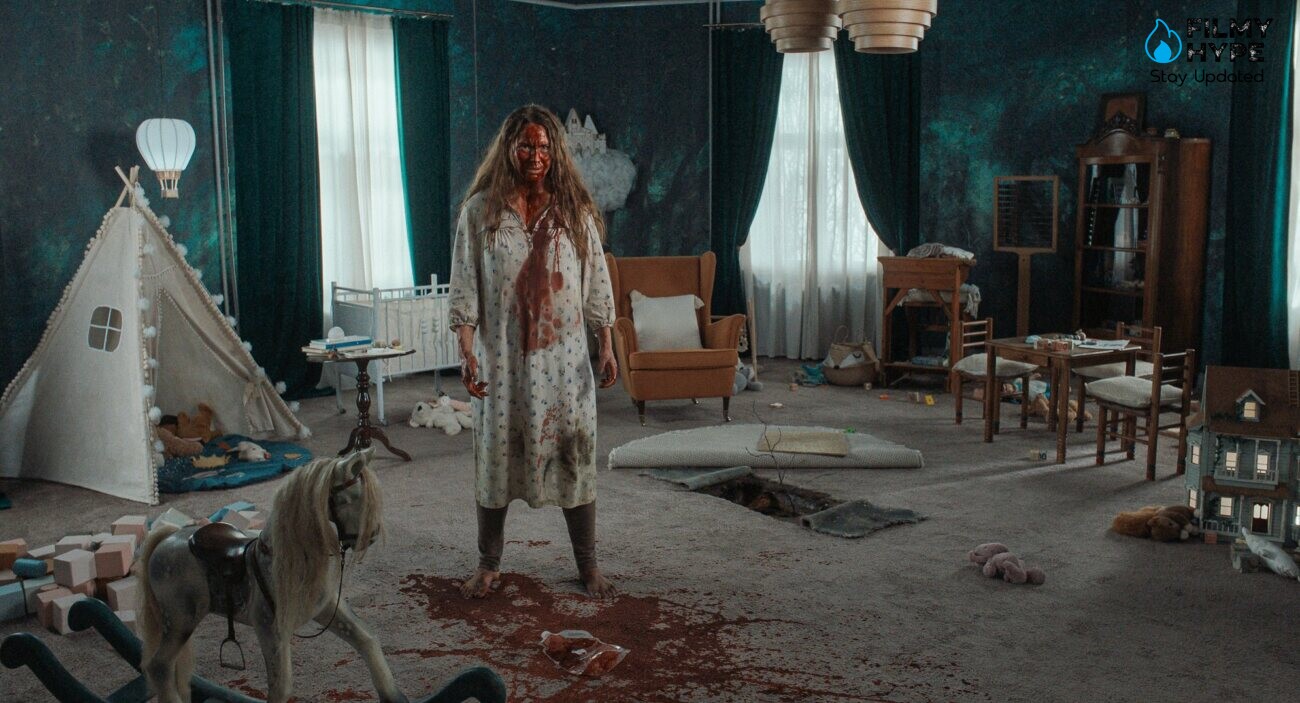
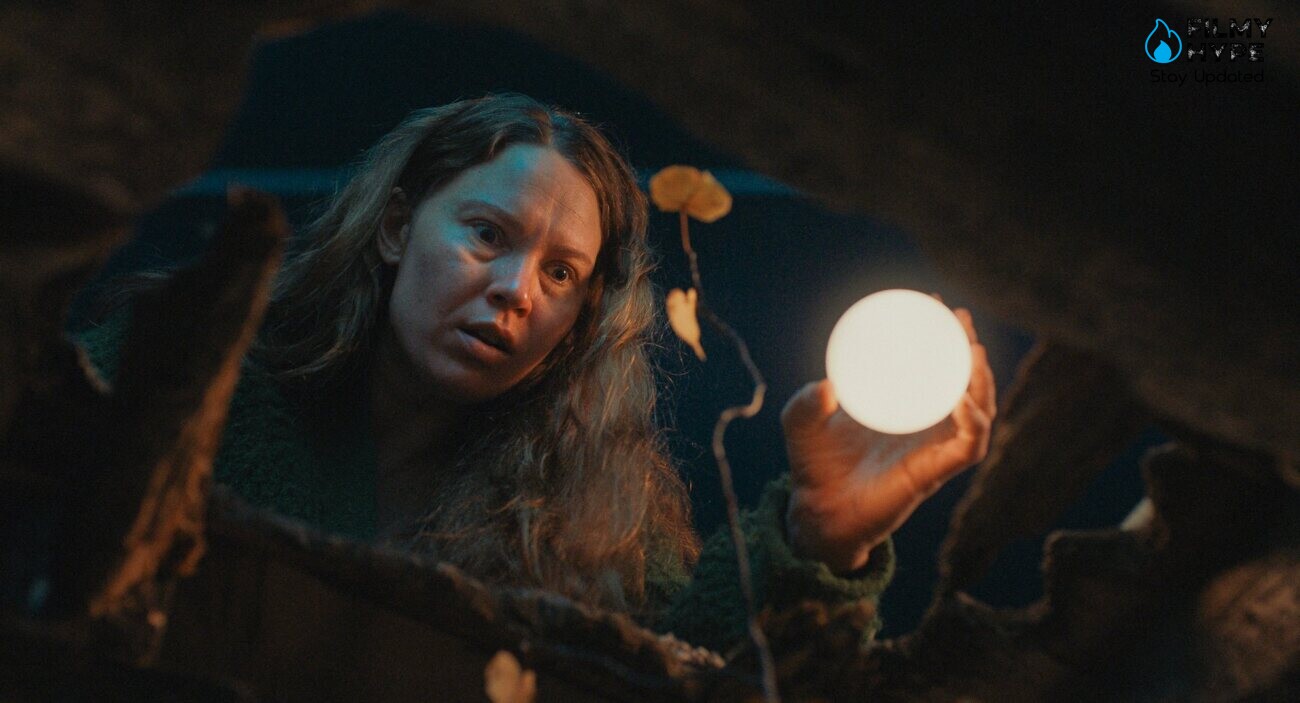
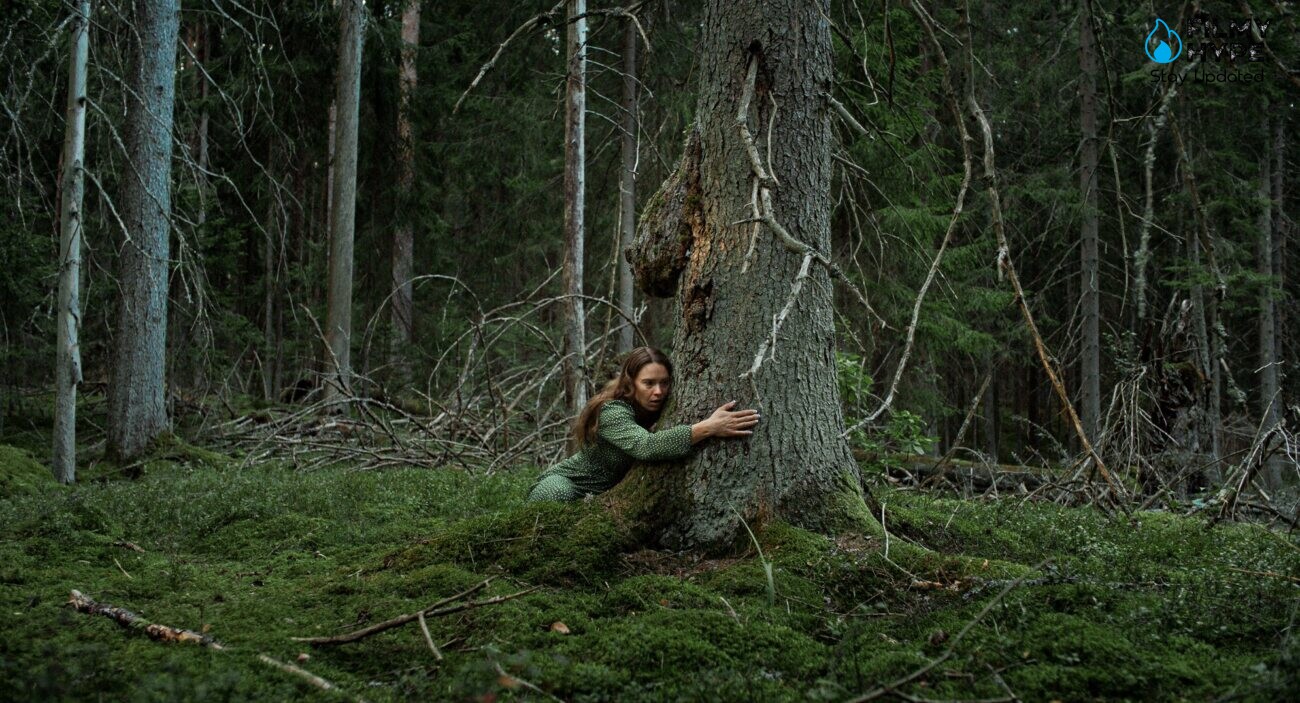
In parallel, Saga’s body also undergoes a progressive metamorphosis. The appearance of a hairy hump, the strange skin rash, the belly marked as if it were a section of a tree trunk, suggests a process of contamination between human and nature: the mother does not limit herself only to protecting her monstrous son, but ends up sharing his same nature. The spatial dimension plays a central role in the construction of meaning. The house, decaying and infested with plant infiltration, faithfully reflects the state of Saga and Jon’s relationship. Despite attempts at renovation and embellishment, the floor continues to rot, plants emerge from the carpet, and the walls crack. The dwelling is never a neutral space, but an organism that reacts to the emotional states of the characters. The forest, in turn, is filmed as a sentient entity, capable of responding to the protagonist’s emotional impulses. The anthropomorphic trees, the perceived beating in the bark, the movement of the vegetation during Saga’s outbursts of anger, construct an imaginary in which nature and humanity merge, while the inspiration from Nordic troll mythology is reworked in a contemporary key, suggesting an underground continuity between the archaic past and the modern present.
From the formal point of view, Nightborn adopts rigorous and controlled direction, which favors extended tempos, static shots, and measured camera movements. Horror is never entrusted solely to visual shock, but constructed through a slow build-up of tension. Particularly significant is the choice to rarely show the child’s face: visual absence, therefore, becomes a fundamental narrative tool, fueling the viewer’s imagination and shifting attention to adults’ reactions. The monster, even before being a physical creature, is a mental projection. Sound then plays an equally important role: incessant crying, forest noises, and moist, organic sounds related to the body contribute to creating an atmosphere of constant sensory discomfort. Nightborn rejects any idealized vision of motherhood, showing how attachment to the child can turn into a destructive force, capable of justifying even the most extreme acts.
Director Hanna Bergholm creates a good horror film about motherhood, driven precisely by her occasional gore streak, combined with the darkest Finnish folklore and a marked propensity to replace the usual, banal jump scares with a dark irony that punctuates the film. However, the inclusion in the Berlinale competition is generous to say the least. A bit, because Nightborn reworks a theme already explored by the horror genre without having the grit or inspiration to create an addition to it that pushes the genre somewhere unexplored or at least truly memorable.
A little because the fact of showing and not showing the newborn to fuel the doubt in the viewer about his appearance (is it really monstrous as the mother claims, or is it an ugliness that lives only in her mind?) forces the film into somewhat’ unhappy scenes’ of the boy being watered alongside lifeless bodies from which he sucks blood. Or again, once the central mystery of the story has been revealed, the director and co-writer find a fairly “easy” resolution, even if it is correct considering the theme of motherhood. In solving the film and finding an ending for it, Hanna Bergholm lapses a little too far into easy allegory (see the lock for Jon’s character) and does not best resolve the position of the couple’s handful of relatives and friends.
For much of the film, in fact, Hanna Bergholm slowly moves the family dynamics of Saga and her relatives in the direction of paranoia, with her sister, mother, and friends who don’t seem to see the child’s peculiarity (to be generous) and instill the doubt that everything is really alone in the mother’s head. Only that the film takes advantage of the viewer’s suspension of disbelief far too much (see the scene with the little cousin) and never reaches a precise point in the relationship between Saga, her mother, and the other women in her family, suddenly abandoning the problem to take refuge, like its protagonist, in the film’s wooded ending.
In concert with the child’s continuous mutations, the forest also becomes increasingly invasive, as if it wanted to protect the creature or take possession of it. The deeper Saga sinks into the oblivion of a folk horror motherhood, the more the husband and relatives seem to find the child completely normal and the mother increasingly disturbing. Hanna Bergholm never abandons her mother’s point of view and spares us nothing in the narrative of the most horror-filled motherhood seen in cinema in recent years. We are dealing with an excellent, disturbing, and incisive product, so psychologically complex that it falls perfectly somewhere between genre cinema and auteur cinema.
The ending, deliberately extreme and devoid of reassuring mediation, brings the protagonist’s emotional journey to its ultimate consequences, proposing a disturbing reflection on maternal love as an absolute force, capable of redefining every emotional and moral hierarchy. The work does not suggest solutions, but forces the viewer to confront a form of radical acceptance of diversity and otherness. From this perspective, the film can be read as a reflection on the difficulty of accepting diversity, both in others and in oneself. Saga’s journey does not lead to a normalization of her son, but to a radical redefinition of her own identity, and the horror, therefore, lies not so much in the creature as in the process of emotional adaptation it imposes.
Nightborn Movie Review (Yön lapsi): The Last Words
Nightborn thus stands out as one of the most intense and radical titles in recent European horror cinema, capable of combining thematic depth, formal rigor, and disturbing force. Its main quality lies in its ability to transform a fantasy tale into a powerful allegory about motherhood, identity, and emotional loneliness. Seidi Haarla and Rupert Grint’s performances are extremely convincing, especially in making the couple’s progressive psychological rift believable. The direction demonstrates remarkable control of time and space, avoiding gratuitous complacency and favoring atmospheric and corporeal horror. Some passages may be deliberately excessive or repulsive, especially in their insistence on physical disgust, but this radicality appears consistent with the overall artistic project.