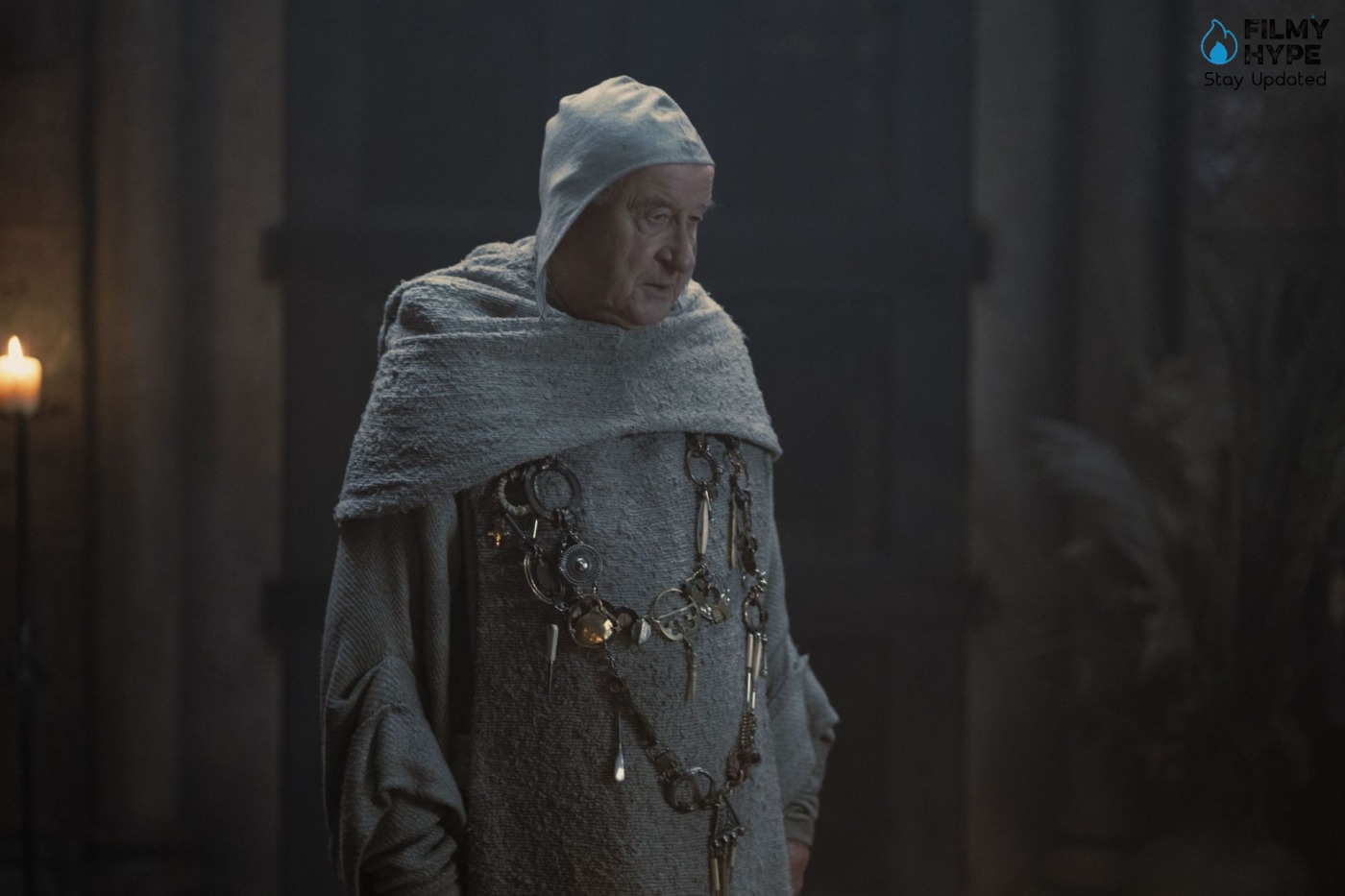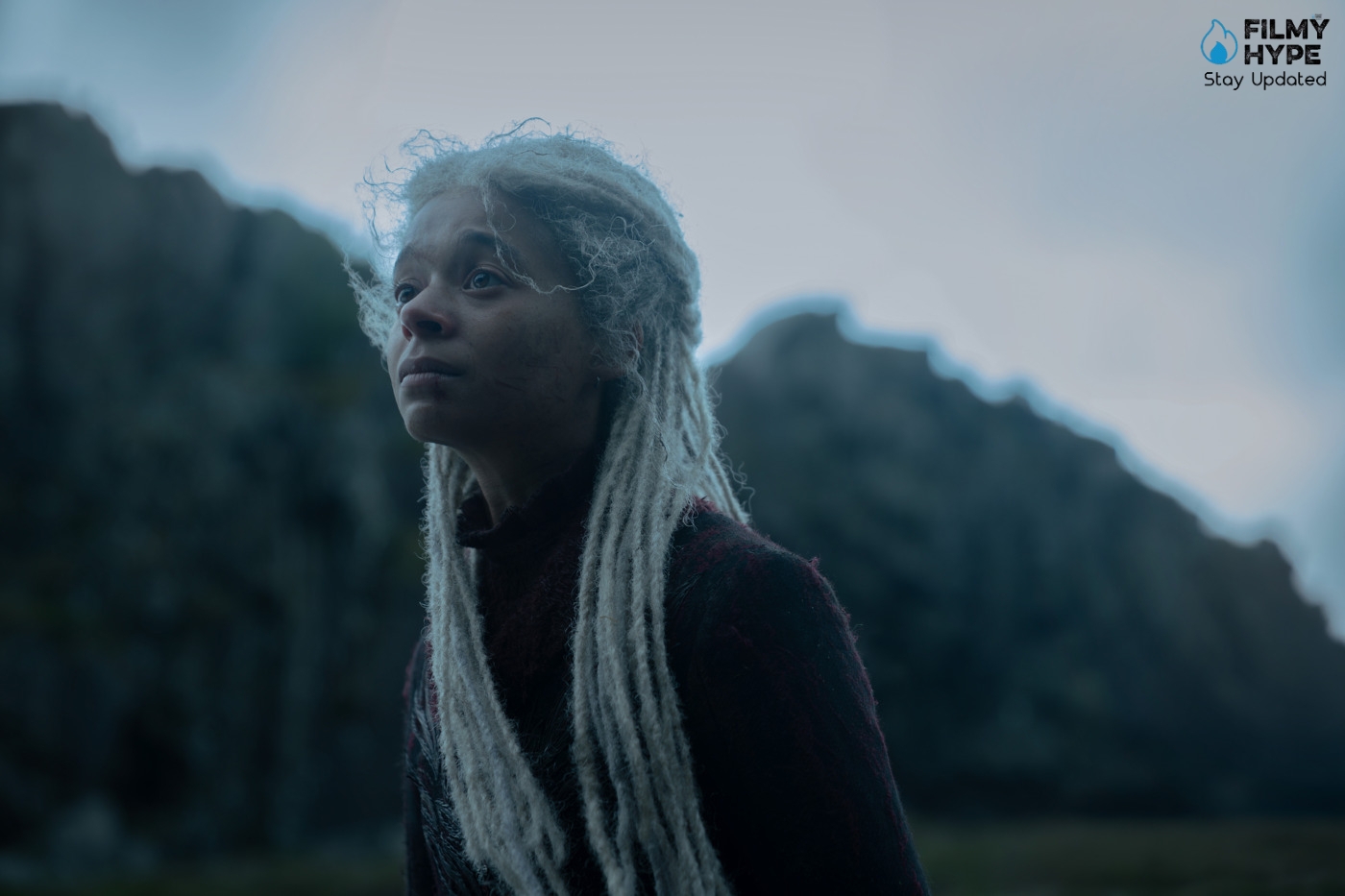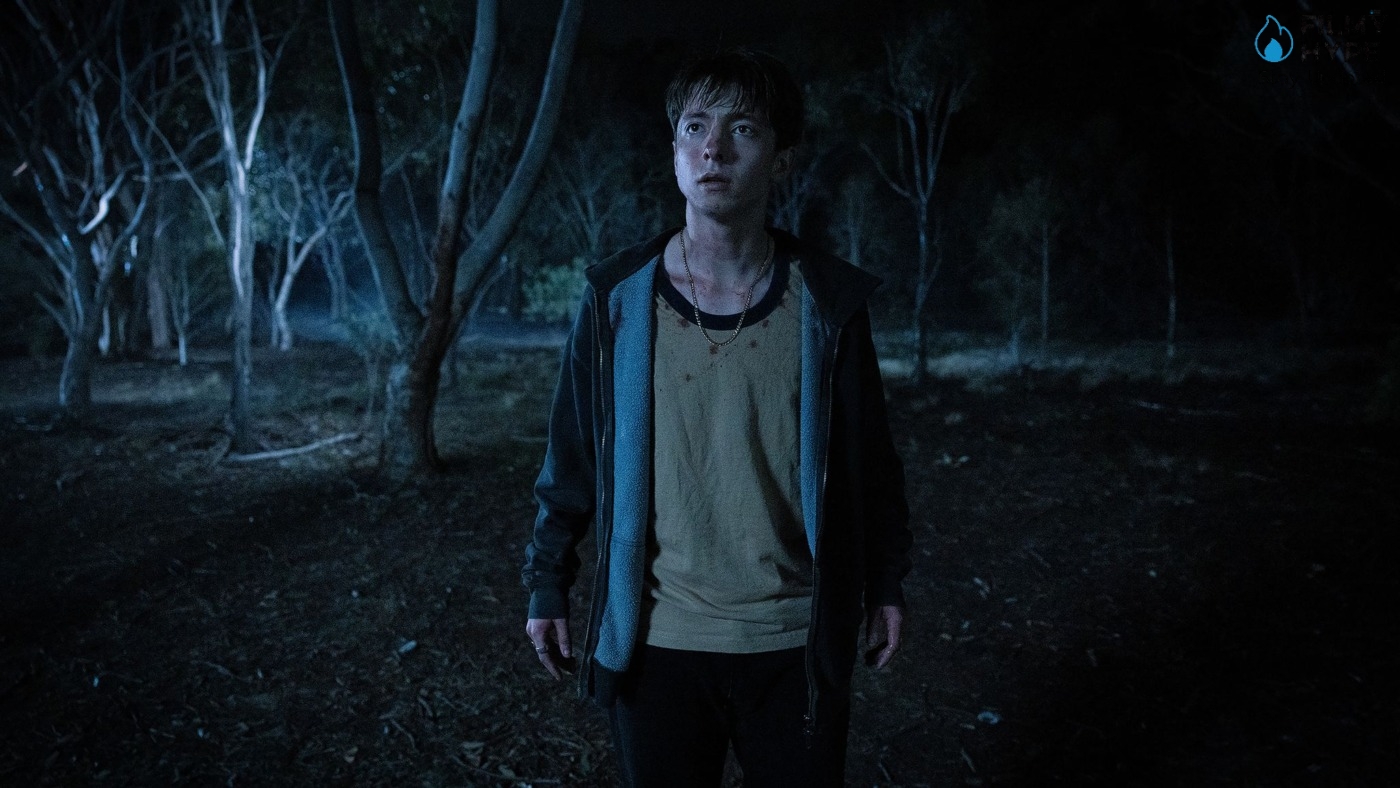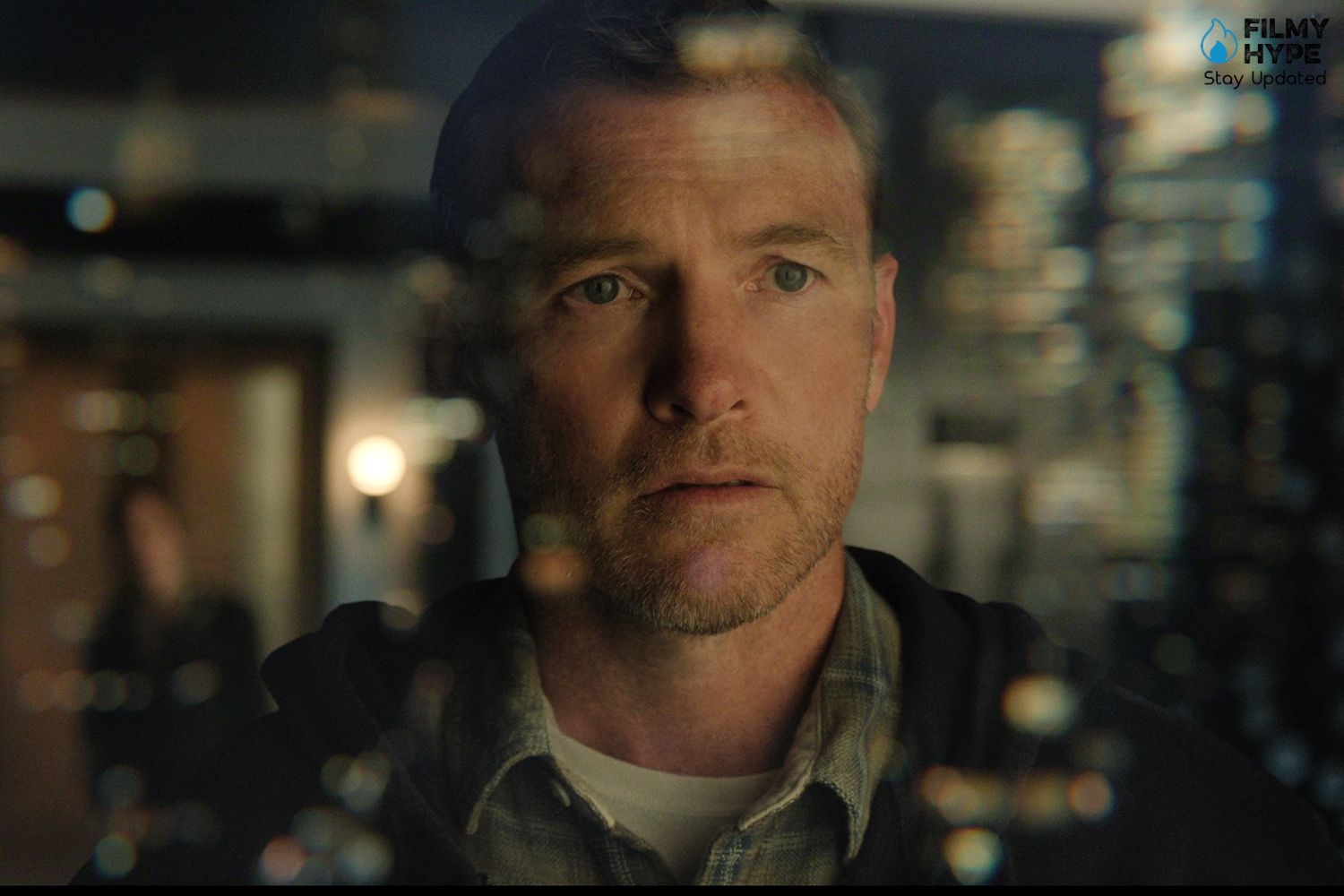
In A Good Girl’s Guide to Murder Season 2, a teenager named Pip decides to do a school project about the death of a student who was a few years older than her. Pip suspects that what was said about the case was not right or complete, and that Andie Bell’s friends knew more than what they were saying and, in fact, that one of them could be the real culprit. Pip, played by Emma Myers of Wednesday (which is already preparing its season 3)- She spends the entire season moving things, revealing secrets, making various people uncomfortable, and eventually making discoveries that lead her to discover the truth: Sal Singh did not kill Andie, but it was her first cousin, Becca Bell, who He did it, in a fit of rage when he revealed that Max Hasting, one of Andie’s friends, abused her, using drugs that Andie herself had sold him. And yes, the truth comes to light, but many people suffered in connection with this case, including Pip herself, who in season 2 is back and must investigate a new case, which puts her in danger again.
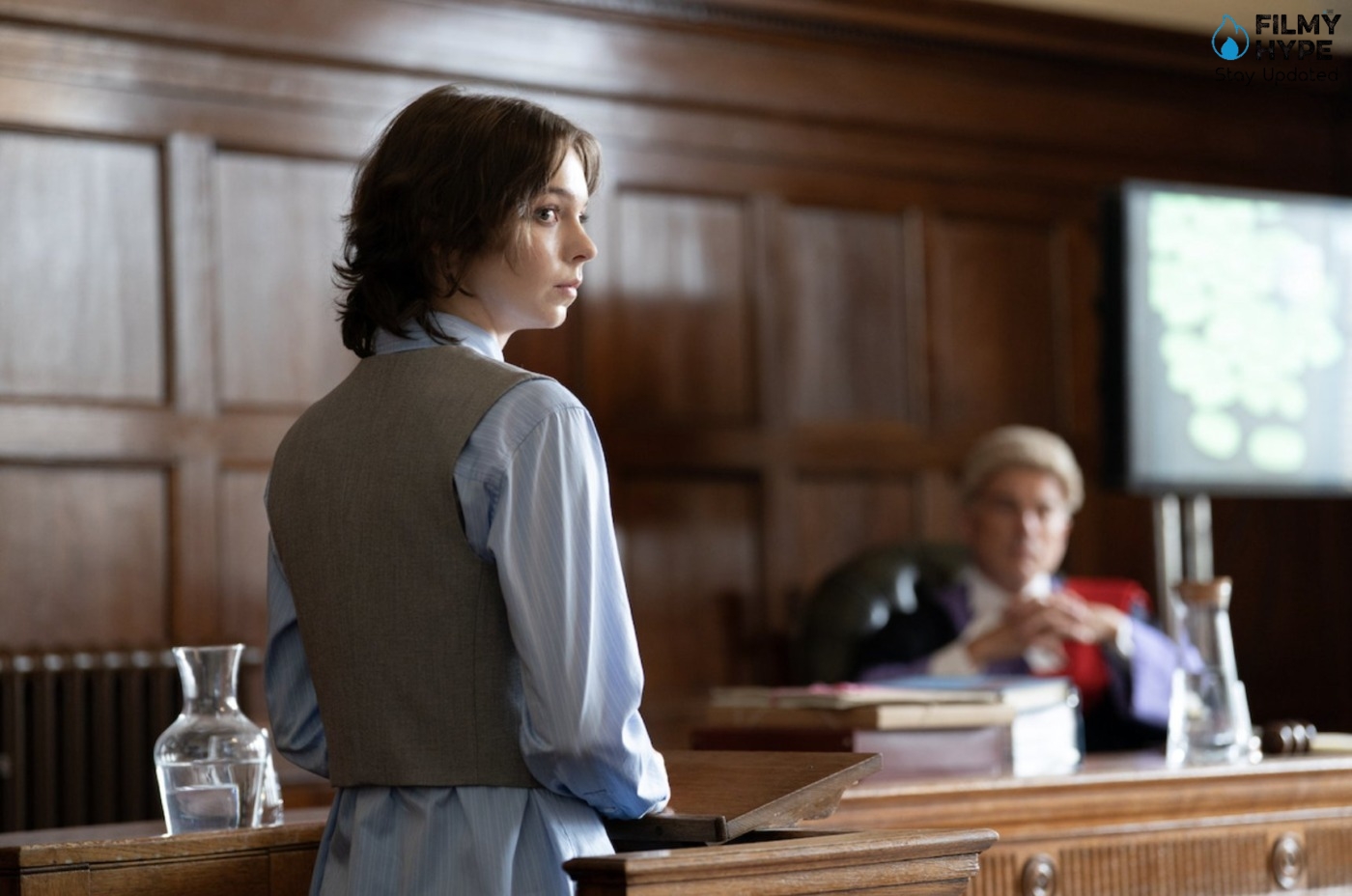
A Good Girl’s Guide to Murder Season 2 Spoilers (Image Credit: Netflix)
The ending of A Good Girl’s Guide to Murder Season 2 closes Jamie Reynolds’ case, but does so, leaving behind more wounds than reassuring answers. Pip Fitz-Amobi gets to the truth, yes, but he gets there by going through a failed trial, a trail of threats, a false identity built for revenge, and a death that completely changes the moral weight of the season. Then there is another fundamental point: the second season does not really end with a clear closure. The last image puts Pip back into the nightmare and quite explicitly prepares a possible sequel. At the moment, however, BBC and Netflix have not yet officially announced a season 3; however, there remains sufficient narrative material, because the series derives from the Holly Jackson trilogy, and a possible third cycle would most likely follow As Good as Dead.
A Good Girl’s Guide to Murder Season 2 Ending Explained: What Happened to Jamie Reynolds?
Jamie Reynolds disappears just a few days before the start of Max’s trial, and that makes everything point to Max himself. Jamie’s family enlists Pip’s help in finding him, and she discovers that Jamie was in a relationship with a woman calling herself Layla, who was the true cause of the events leading up to the disappearance. Eventually, Jamie is found alive in the home of Stanley Forbes, who locked him in his home after he tried to kill him, after Layla convinces him to kill Stanley in the first place. Stanley didn’t want to hurt him, but he didn’t know what to do with him, so he kept him locked up and took care of him for several days.
Stanley Forbes and His Connection to a Murderer and Layla Mead?
Jamie disappears, trying to kill Stanley, after Layla asks him to do so, but what’s the reason? Stanley Forbes is not really called that, his real name is Jack Brunswick (identified as Child Bushwick), and he is the son of a serial killer named Scott Brunswick, who forced his own son, who at that time was just a child, to select and attract children, taking advantage of the fact that they would not see another child as a threat, so that his father could kill them. Sometime later, Jack was a key witness in his father’s trial and gave testimony that helped put him behind bars, although he was also detained for a time for his role in the crimes. His name was changed to protect him and prevent someone from hurting him. Upon his release, he changed his name again and built a new life, far from his father’s dark legacy.
Layla is a fake name, and behind her are Charlie Nowell and Flora Green. Charlie is the twin brother of the latest victim murdered by Stanley’s father, and created the false identity as part of his plan to find Stanley and avenge the death of his sister, Emily. Sadly, Stanley dies after Charlie shoots him. Pip tries to save him, but he loses too much blood and dies. Charle flees the scene and, after Stanley’s funeral, Pip finds that someone entered her room and was going through her personal things, and left a threatening message on her computer screen, asking who would look for her if she disappeared.
Who is Layla?
The central revelation of the ending is that Layla is not a mysterious girl to be tracked down, but a false identity. Behind that name, in fact, hides Charlie Green, the neighbor who for much of the season remains on the sidelines as a seemingly harmless figure, almost reassuring at times. This discovery changes the meaning of everything that had happened before. The messages, the red herrings, the way Jamie is lured into a web of manipulation, even the clues left for Pip: it was all part of a strategy built by Charlie.

A Good Girl’s Guide to Murder Season 2 Analysis (Image Credit: Netflix)
Layla was therefore not just any catfish, but an identity invented to control people, push them in a precise direction, and arrive at a very clear personal goal. That name was to operate in the shadows. It served to pass itself off as someone else, to generate trust or obsession, to guide the perception of events. And that’s precisely why the season insists so much on the idea of the hidden face, the fake profile, the distorted truth. Layla isn’t just a twist: it’s the symbol of a season where almost no one is really what they seem.
Why is Charlie Green Taking Revenge on Stanley?
Charlie’s motive is linked to a much older wound. Charlie is, in fact, the brother of Emily Nowell, the last victim of Scott Brunswick. For him, the story of “Little Brunswick” is not a case of archival news, but a personal tragedy that has never been overcome. The problem is that Charlie no longer distinguishes between hereditary guilt and real guilt. In his head, Stanley, that is, the boy who grew up in the shadow of that story and identified as the “Little Brunswick”, cannot be separated from his father’s monstrosity. He doesn’t care if Stanley is different.
He doesn’t even care to fully verify what he really did to Jamie. He wants to settle accounts with the past, and to do so, he turns Stanley into the perfect target. Here, the ending does something quite harsh but successful: it shows how pain, if left to rot for years without justice, can produce another monster. Charlie doesn’t appear as an abstract villain. He is a person consumed by mourning and anger, but he has decided to cross the border and use revenge as his only form of meaning.
Is Stanley Really Guilty or Not?
And here we come to the crux of the ending. Stanley is not the monster Pip and the viewer had imagined. When Ravi and Connor enter his house, they find Jamie alive. This is already the first major denial. If Stanley were really the predator everyone feared, Jamie wouldn’t be there in that condition: scared, sure, but alive. Shortly after, in the clash at the isolated estate, Stanley finally tells his side of the story.
His explanation turns the perspective on its head. Jamie, manipulated by Layla and fueled by an anger he doesn’t fully understand, attempted to kill Stanley. In the struggle, Jamie is knocked unconscious, and Stanley takes him to his home. He keeps it hidden, yes, but not to torture or kill him. He does it in a wrong, confused, morally questionable way, but not animated by the same sadistic violence that had characterized his father. And not surprisingly, he and Jamie become friends in this madness. Jamie is trapped, but wants to help a new friend. The meaning of his confession is all there: Stanley is not Scott Brunswick. He is a man who grew up in the midst of trauma, marked by a surname and a horrible past, but not coinciding with that evil. The ending insists on this very distinction. And it’s the distinction Charlie refuses to accept.
Why Does Jamie End up in Stanley’s Hands?
Jamie becomes vulnerable due to several factors that the season builds episode after episode: fear, addictions, economic fragility, psychological manipulation, and a progressive slide into obsession. Layla pushes him to believe a certain version of reality, gives him an enemy, leads him to Stanley, and leads him to interpret the situation as a personal mission. So Jamie isn’t just being kidnapped linearly. He comes pushed within that dynamic. This is the most disturbing part of the case: before even being physically, Jamie is captured mentally.
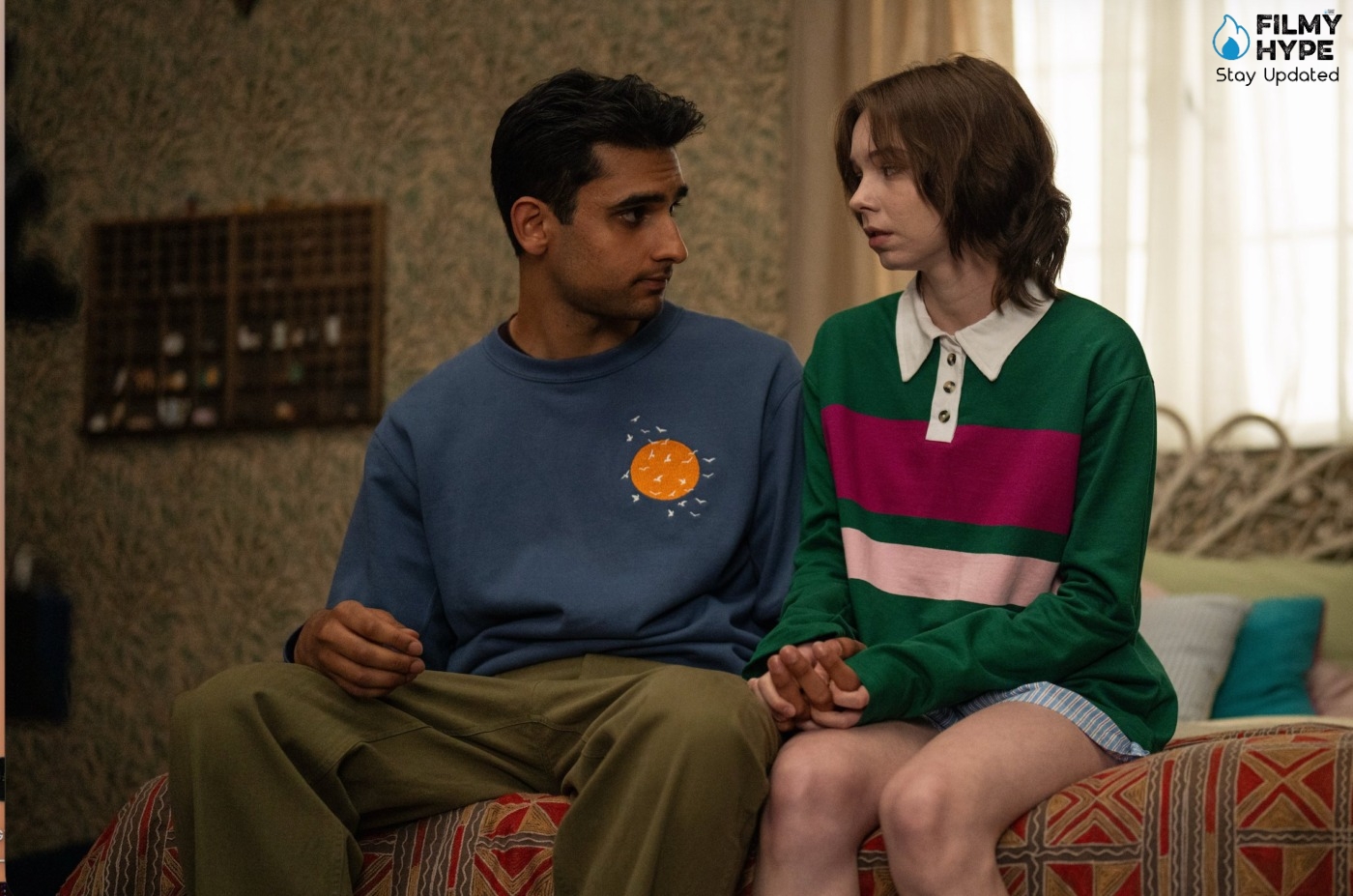
A Good Girl’s Guide to Murder Season 2 Netflix (Image Credit: Netflix)
When he tries to hit Stanley, he already acts like someone who has been guided, worked, and exasperated by an outside voice. Stanley, for his part, instead of reporting everything or asking for help, reacts in the worst possible way for someone with his past: he hides Jamie and aggravates his position. He is not innocent in an absolute sense, but neither is he the executioner that the name Brunswick made one fear. He’s a tragic character, and the ending treats him exactly that way.
Why is Stanley Dying?
Stanley dies because the ending decides to deny him any chance of public redemption. Just as he finally manages to explain himself, just as Pip begins to realize that the truth is more complicated, Charlie arrives with the gun. The mechanism is brutal: the truth emerges too late. Pip tries to stop Charlie, goes back, and even uses the knife in a desperate attempt to stop him, but it’s not enough. Charlie fires a full burst at Stanley and then sets the structure on fire. Pip manages to drag him out, but not save him. Narratively, it’s a heavy choice because Stanley dies soon after being recognized for who he really is: not a monster, but a collateral victim of a toxic legacy. That’s what makes the ending so bitter. There is no reparation. There is no trial. There is no time to give him back a normal life. There is only a funeral and a late speech.
Why is the Season Finale so Traumatic for Pip?
Because Pip doesn’t come out of the case feeling like he saved someone. She comes out feeling like she was late. He found Jamie, yes. He found out who Layla is, yes. He got the truth about Stanley, yeah. But at the same time, he witnessed Max’s acquittal, saw the justice system fail, dragged out a man who later died anyway, and bears the burden of indirectly helping bring Charlie to Stanley. This is the heart of the trauma. In the first season, Pip was still a teenage detective who believed that the truth, once found, could fix things. In the season two finale, he understands instead that the truth is not enough. It can come too late. It can destroy other people. It can even leave the world worse off than before. People, in commenting on the ending, emphasize that Jamie is found alive, that Charlie Green was acting as Layla, that Stanley dies, and that Pip is deeply traumatized by the case.
What Does the Last Text on Pip’s Computer Mean?
The sentence “Who will look for you when you disappear?” is the real hook of the ending. It’s not just a repeated threat. It’s a sign that for Pip, the story didn’t end on either a narrative or psychological level.
That writing is to say three things.
The first: someone keeps watching her or at least hitting her. Even though the Jamie case is formally closed, her public exposure and her position as a girl digging into other people’s secrets have made her a permanent target.
The second: Pip is now trapped in a spiral of fear. Even if the future sender were to change, the mechanism is the same. Every truth that brings to light opens a new door, and behind that door, there is always someone ready to return hatred to it.
The third: The series is openly setting the stage for a continuation. It’s not a “case closed” ending. It’s an ending from “The Next Case Has Already Started”.
What Could Season Three Tell?
Here, we must distinguish well between the narrative hypothesis and the real production situation. On the production level, there is no official announcement yet for season 3. However, the most natural path would be to adapt the third novel of the trilogy, As Good As Dead, because seasons 1 and 2 have already followed the order of the first two books. On the narrative level, however, the ending already prepares several very clear lines.
Season 3 Would Start From Pip’s Trauma?
This is the most important point. Pip wouldn’t make it to a possible third chapter as a brilliant and lucid detective, but as a broken girl. Panic attacks, guilt, distrust of justice, fear of being watched: everything at the end indicates that the next case would touch her even more closely. So season three, almost certainly, wouldn’t just tell an external mystery. It would also tell of Pip’s psychological descent.
The Threat Against Pip Would Become Central!
The last writing on the computer is not decorative. It is the seed of a new story. Someone is telling her: this time, the victim could be you. And this completely changes the structure of the story. In the first two seasons, Pip investigates others. In a possible third, Pip would become the center of the target. She would no longer be just the one who seeks. She would also be the one who has to understand who is looking for her.
The True Meaning of the Ending?
The ending of A Good Girl’s Guide to Murder Season 2 says something very precise: not always getting to the truth means winning. Pip finds out almost everything. He discovers Layla. He discovers Charlie. He discovers Stanley. Find Jamie. Yet there is no relief. Max is free. Stanley is dead. Charlie runs away. The trauma remains. The threat continues. The most bitter sense of the ending is precisely this gap between solving the case and the protagonist’s inner ruin. Externally, the mystery closes. Internally, Pip is more open, exposed, and vulnerable than before. And that explains why the last scene hurts so much: it doesn’t just promise a new puzzle. He promises that the price to pay for Pip will be even higher.
Conclusion
The season finale of A Good Girl’s Guide to Murder Season 2 is constructed as a reckoning, but also as a definitive fracture for Pip Fitz-Amobi. Layla is Charlie Green, Stanley is not the monster everyone imagined, Jamie is found alive, but the cost of truth is extremely high: a wrongful death, profound trauma, and the awareness that evil doesn’t disappear just because it has been exposed. As for the third season, an official confirmation is still missing at the moment. But he prepares the ending in a very open way, and the starting material already exists. If it comes to fruition, it will almost certainly be the darkest season: the one in which Pip will not only investigate someone, but will have to understand who is chasing her and why.