

House of the Dragon Season 3 Episode 6 Review and Ratings
Cast: Matt Smith, Emma D’Arcy, Sonoya Mizuno, Bethany Antonia, Harry Collett, Abubakar Salim, Clinton Liberty, Olivia Cooke, Tom Glynn-Carney, Phia Saban, Fabien Frankel, Matthew Needham, James Norton, Benjamin Evan Ainsworth, Freddie Fox, Kurt Egyiawan
Director: Nina Lopez-Corrado
Streaming Platform: HBO
Filmyhype.com Ratings: 4.5/5 (four and a half stars)
House of the Dragon is a series that has learned to live with its own rhythm. As we said in the review of the last episode of House of the Dragon, the choice to slow down is to make the cracks between the characters widen on their own. A certainly risky choice, but one that, among other things, definitively establishes Emma D’Arcy as the acting heart of the season. Meanwhile, King’s Landing is rotting under infiltrators and betrayal, but with a reckoning imminent, the question remains whether this new episode has finally accelerated or continued to linger on its own tension.
If the fifth episode released last week has, in fact, brought us back to the center of the action by showing us the advance of Ser Criston’s (Fabien Frankel) troops and the precocious “departure” of the men of Prince Daemon’s (Matt Smith) City Guard, this sixth episode represents perhaps one of the most interesting moments of this third season. With all the subplots we’ve been presented with before coming to some crucial turning points. The narrative moves quickly and, thanks to a more than clever use of twists and a thrilling set design, keeps viewers glued to the screen. Moreover, it goes without saying: we are getting closer and closer to the end. And the authors’ promise that this season would take us to the heart of the Dragon Dance, for now, has only been partially fulfilled. In other words, it’s time to push on the accelerator. And the feeling, as always, is that the beauty is actually yet to come…
House of the Dragon Season 3 Episode 6 Review: The Story Plot
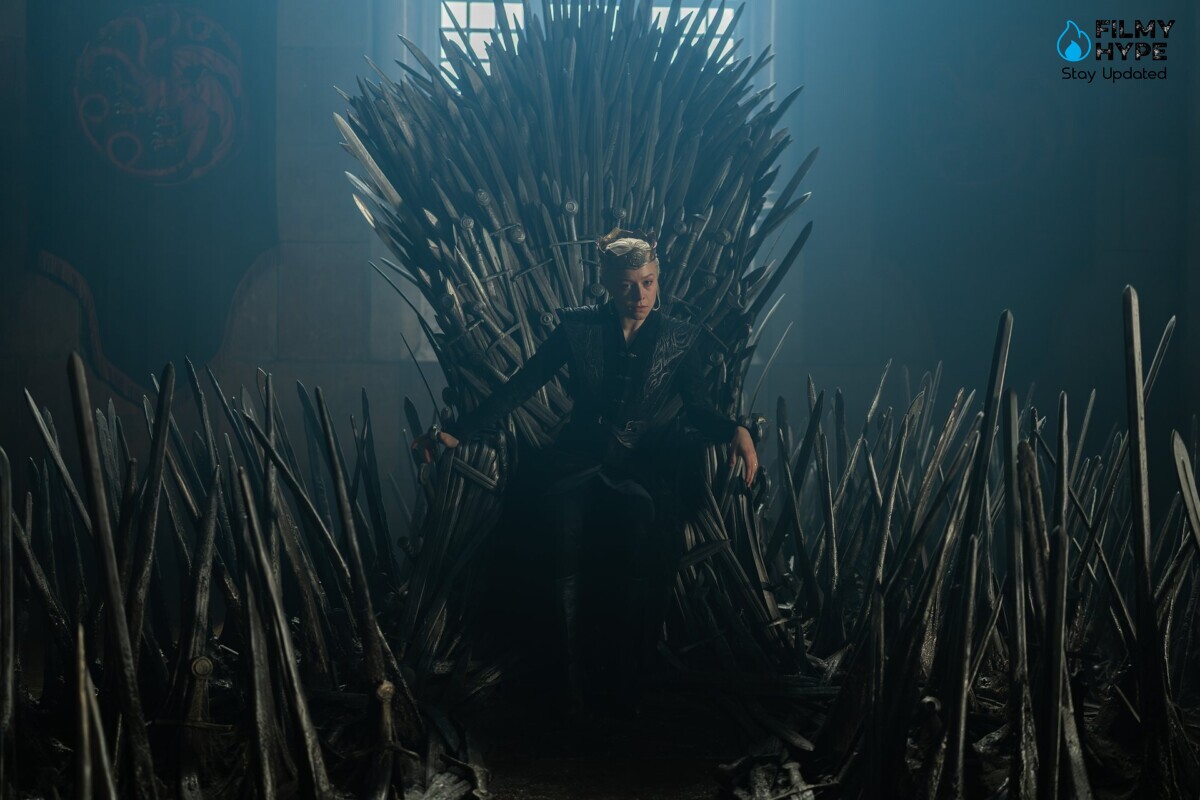
Perhaps the writers listened to us, because after the glimmer of vulnerability that no one expected from Criston Cole, Fabien Frankel’s character reaches a turning point for his storyline. And also what it deserved, in a violent and spectacular sequence that breaks a bigger clash, but pays us back in its development. What consequences will there be? For once, however, the Council of Rhaenyra (Emma D’Arcy) is close around her, but this only makes Daemon (Matt Smith) impatient, also intimidated by the specter of his father Viserys, whose spirit not only hovers, but still lives within her. Yet battles and thrones are matters of time – as is reiterated several times throughout the episode – but let’s be sure that Daemon responds only to his rhythm and not to the natural flow of time: we are moving towards a hardening of his and Matt Smith is always very good at portraying him.
After this initial jolt, the episode gradually picks up all the threads of the various subplots. While Aegon (Tom Glynn Carney) and Lord Larys (Matthew Needham) are busy making the body of the man killed by the King disappear with the rediscovered Tyland Lannister (Jefferson Hall), old acquaintances appear before Ormund. His cousin Gwayne (Freddie Fox) joins him fresh from the battle that saw the death of his trusted companion. Meanwhile, Allyn is sent by his father to ask for men to strengthen the ranks of the Crown soldiers. While Aemond(Ewan Mitchell) continues his healing journey in Harrenhal, awaiting Vaghar’s return.
It is, however, once again in the capital that the bulk of the episode takes place. After the assassination of the City Guard men, King’s Landing is in chaos, with citizens demanding protection from a penniless and resource-strapped ruler. Not to say, the tension is very high. After yet another bitter confrontation with Daemon, we find a totally confused and disoriented Rhaenyra. So much so that he abandoned his own subjects in the middle of a session. Not even Allicent (Olivia Cooke) gives her a break. After the escape attempt, the two are at loggerheads.
House of the Dragon Season 3 Episode 6 Review and Analysis
We feared a bad end for Alicent (Olivia Cooke) and her daughter Helaena (Phia Saban), but the resolution of what happened in the previous episode is much simpler and more direct. This other side of the coin of the mother/children relationship is interesting, after all, like Rhaenyra, House of the Dragon is also the story of Alicent. Even though the feeling is that of an increasingly “minor” character, this doesn’t mean “marginal“, and the credit goes to Olivia Cooke. Meanwhile, the “honeymoon” period seems to be over in Harrenhal: Aemond (Ewan Mitchell) would also like to leave, even if he doesn’t know how to handle the absence of his dragon Vhagar. Healer Alys (Gayle Rankin) wants to hold him and keep him for herself, until she reveals a secret that could lead Aemond further into the darkness.
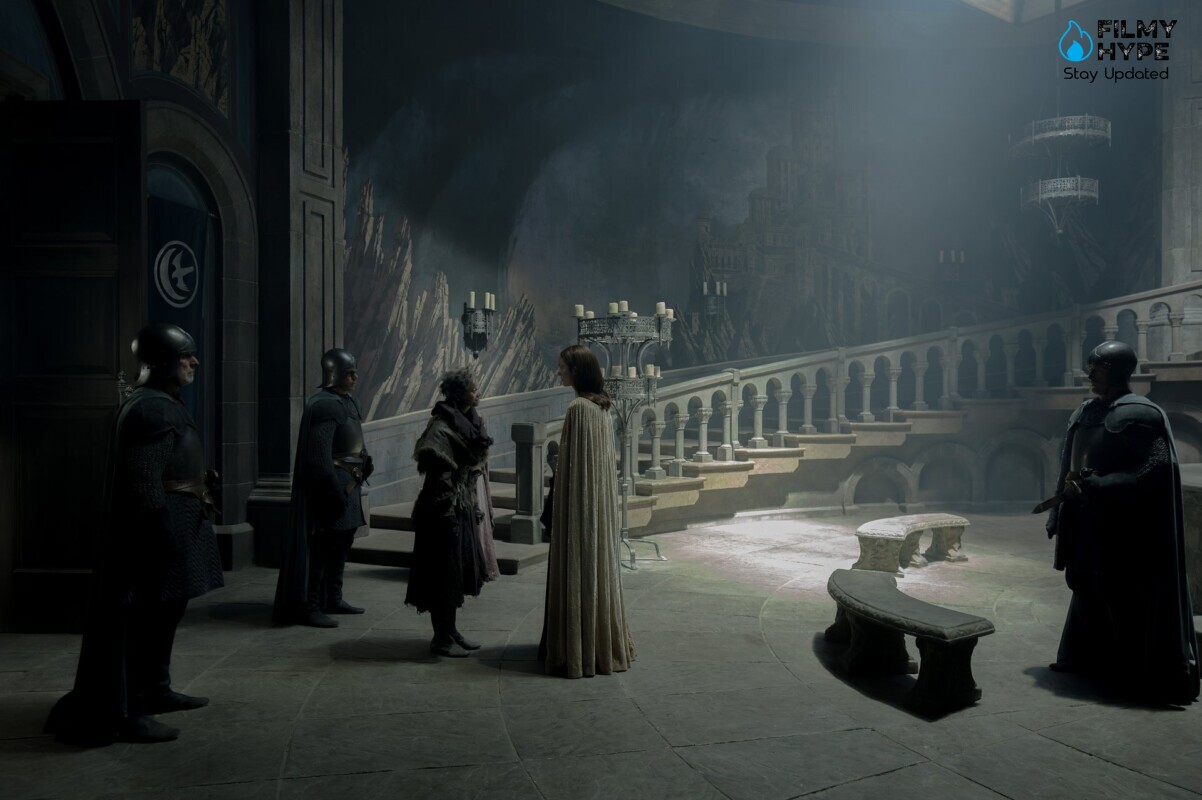
The episode continues (but, in general, at this point we could say the season) to focus on the third hub after King’s Landing and Harrenhal, namely Tumbleton. Here, Ormund (James Norton) receives Ser Gwayne Hightower (Freddie Fox), returning after the defeat of Criston Cole. Daeron (Benjamin Evan Ainsworth) confesses to his uncle: Ormund’s behavior annoys him, but left to his own devices, it seemed like the only way to get closer to the throne. Clearly, Ormund’s plan is bigger. His fury grows when, thanks to Gwayne, he discovers that Rhaenyra has sent him hitmen under the guise of the Baratheons to take him out. James Norton plays with the grotesque rage that his character retains, but between the lines, you also read a lot about the mental weakness that surrounds Ormund.
Corlys Velaryon (Steve Toussaint) is taken hostage; thus, the circle of the trusted grows ever closer. Daemon no longer has the golden Hats from his, and as he investigates the city’s slums alone, he increasingly heads for a sharp clash between Rhaenyra and Ormund, who does not send them to the queen. The dragons continue to fly high, and a new threat opens up more than interesting scenarios. There’s confidence that maybe this is really the right pace to tell this story, after some House of the Dragon fans were disappointed by the last episode. The season is now drawing to a close, but it remains superior to the previous one. It’s definitely a matter of time, indeed, but this is about to expire, and we can’t wait to hear this story explode.
The End of Ser Criston Cole
Ser Criston Cole has been one of the most consistently despised characters in the Game of Thrones universe since his turn midway through Season 1. He’s vain, petty, and has spent years confusing honor with ego. Spurned by Rhaenyra, he made it his life’s mission to destroy hers. The show has tried, in Season 3, to give him a bit more depth—to show us the man beneath the resentment—but depth doesn’t mean redemption. Cole remained, to the end, an arrogant and self-serving figure. He also, somehow, never aged.
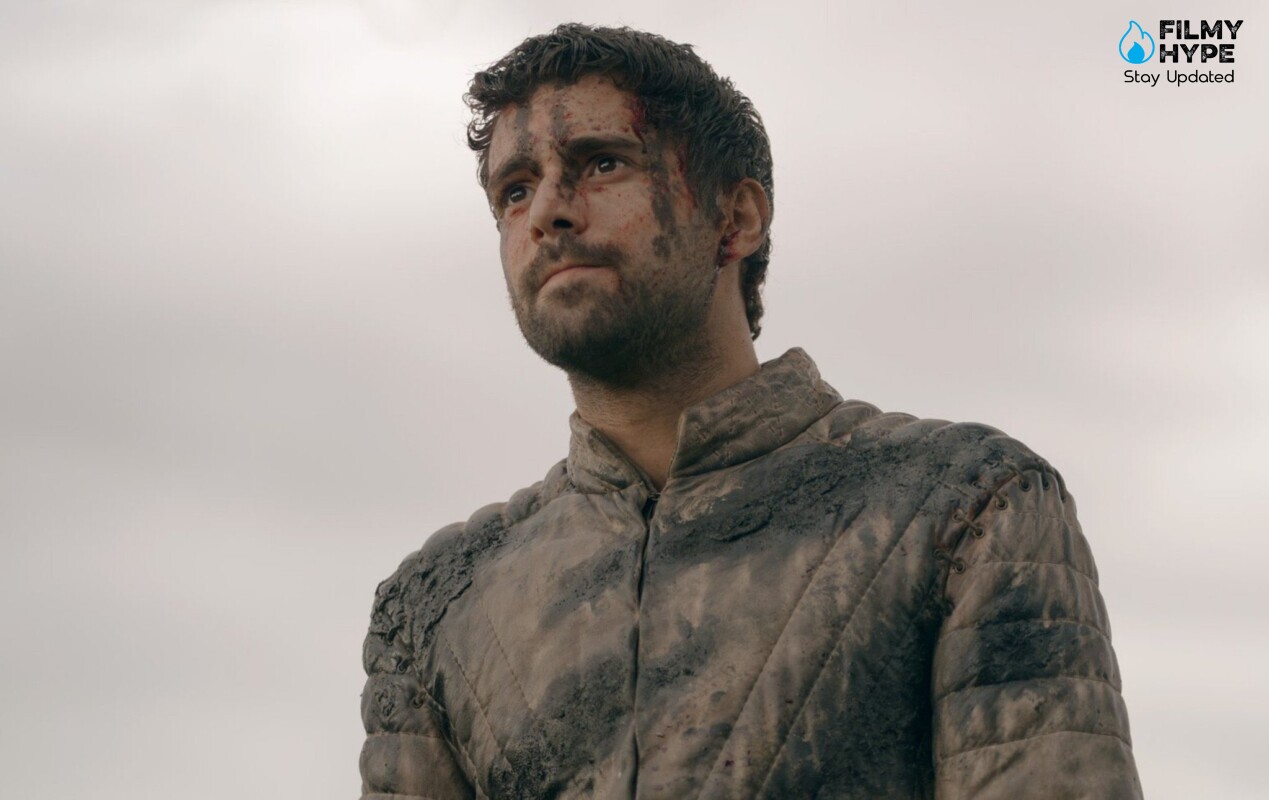
When the ambush comes, it comes in layers. Cole and his remaining men are first set upon by Riverlanders pretending to be corpses. The ensuing fight is brutal and, for a few moments, almost heroic. Cole moves from flail to sword to dagger, wearing nothing but his padded gambeson. No shield. No armor. He fights like a warrior priest, fending off one attacker after another, saving those of the men he can in a whirl of blood and steel. The heavy spiked flail only leaves his hand because it’s lodged so deeply in an enemy’s face. He scrambles for a blade, takes down another attacker, finishes the last on the ground in the dirt with a ferocity that’s almost Aegon-like. It’s magnificent fighting. If only Cole were a magnificent knight.
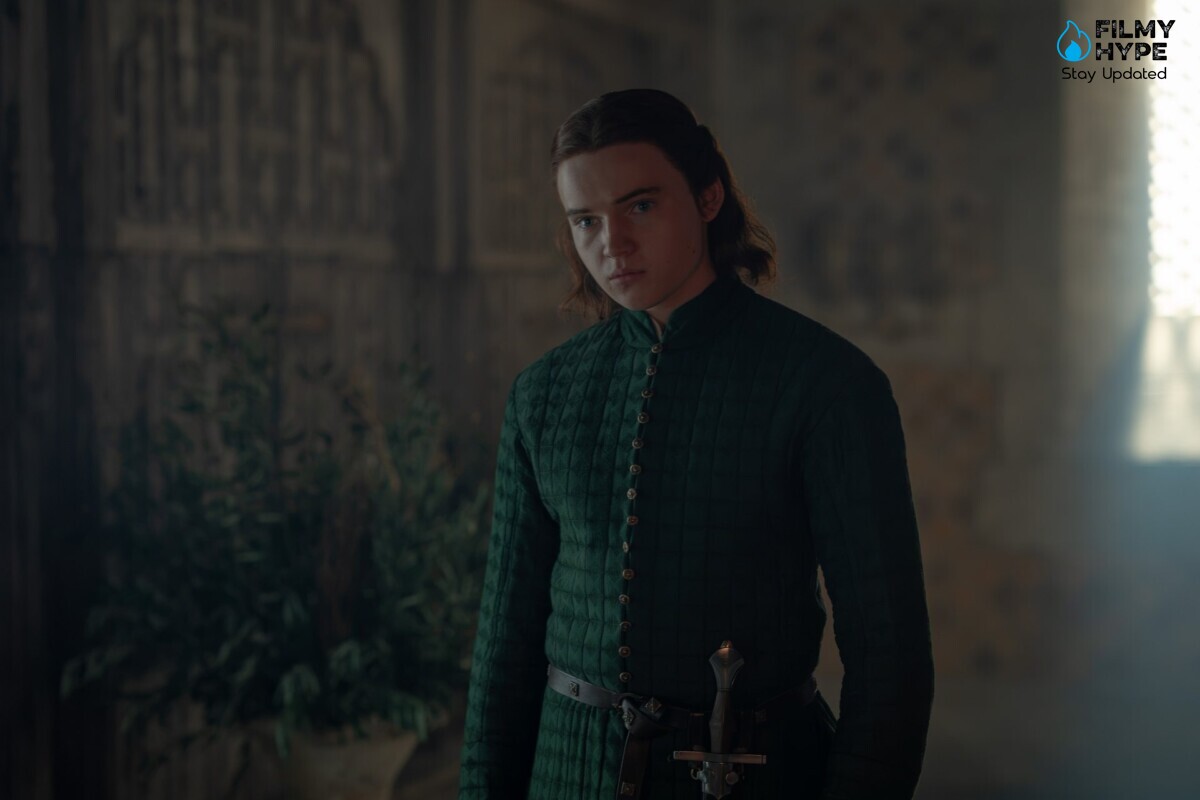
Then the real trap springs. The Butcher’s Ball, as this slaughter will come to be known. Roderick Dustin and Oscar Tully arrive with their assembled forces. Cole, to what little credit remains to him, tries to surrender. “If I strike my banners,” he asks, “will you spare my men?” He doesn’t beg for his own life. It’s the closest thing to honor he’s shown in years.
Oscar Tully replies that he’s been decorating with the bones of his enemies and has far too few bones. So Cole makes one last offer: himself against Roderick and Oscar, two against one. He wraps Alicent’s favor around the hilt of his blade. You watch this and think, even now, that it’s still not a fair fight. This man is a champion. Against an old man and a boy, he’ll likely prevail, even exhausted.
Then an arrow pierces his side. Another enters his gut. He gasps, and a third takes him in the cheek. Ser Criston Cole—once Rhaenyra’s champion, once Alicent’s lover, once Captain of the Kingsguard and Hand of the King, son of the steward to Lord Dondarrion, a lowly knight who rose high—is dead. The Starks and Riverlanders descend on his remaining forces. It’s hardly a fair fight.
I found myself oddly conflicted watching him die. Not because Cole deserved better. He didn’t. A man who traded his honor so freely because of pettiness, jealousy, and resentment earned the death he got. But there’s a terrible irony in seeing a warrior of his caliber—a man who, in his final moments, was finally becoming the kind of knight he should have been all along—cut down by archers hiding in the trees. He wanted heroic ballads. Heroic ballads involve heroic duels. Cole got neither. He got an arrow in the gut and another in the face, and the world will forget him faster than he feared.
Few will mourn his passing. Alicent may never hear those songs he was so certain would be written. The irony is that Cole, in the end, understood something about honor that had eluded him his entire life: it requires sacrifice. He just learned it too late, and the universe wasn’t in a forgiving mood.
Gwayne the Wise
Wisely, Alicent’s brother Gwayne decided to part ways with Cole before the Butcher’s Ball. He makes his way to Tumbleton, where his cousin and liege lord Ormund Hightower is none too pleased—either with Gwayne’s apparent cowardice or his smell. Gwayne has traveled long and hard, and he has very little patience for his cousin’s chiding.
Ormund sends Daeron away with Gwayne, and Daeron immediately confides that he hates being Ormund’s ward and feels betrayed that Gwayne left him. Gwayne is sympathetic—they’re both acutely aware of how unhinged Ormund is—but he has no intention of staying in Tumbleton. “I’m second in line,” he tells Daeron, referring to his place in the Hightower hierarchy. “I’ll head back to Oldtown and pick up the pieces.”
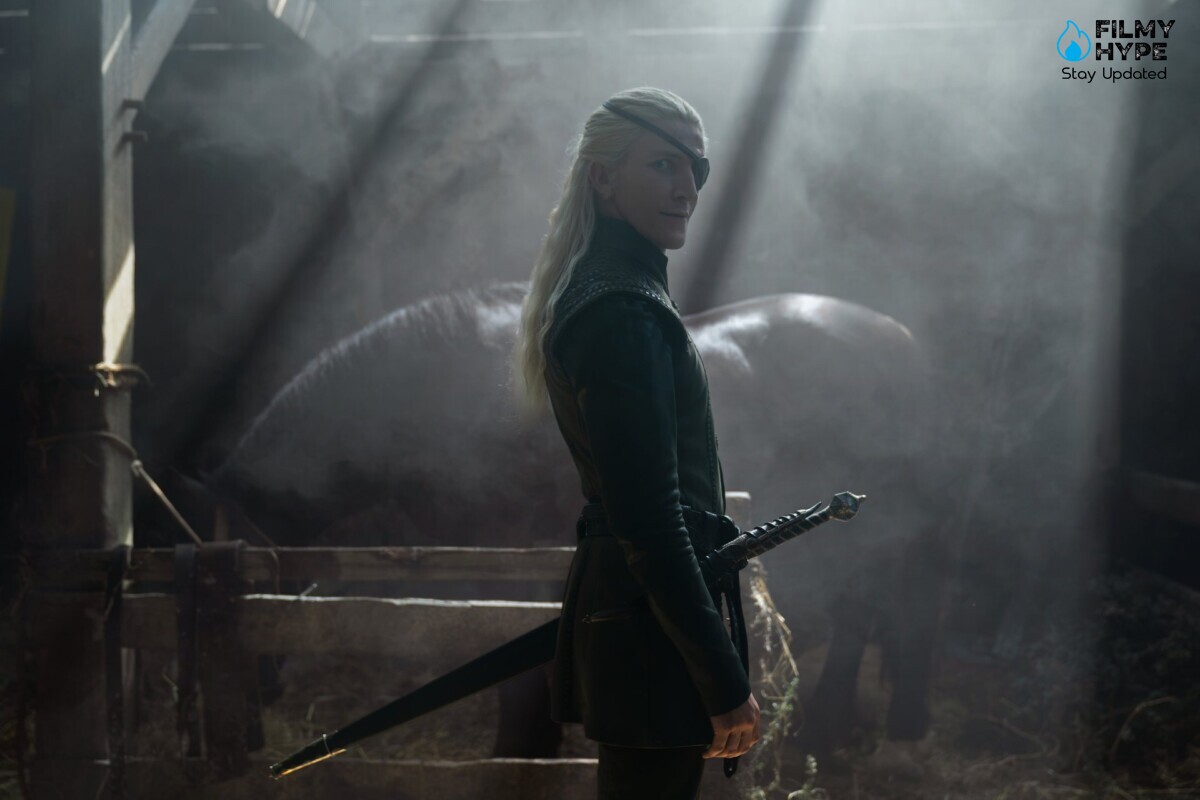
Freddie Fox continues to make Gwayne one of the season’s quiet surprises. Coming from Slow Horses, where his character is radically different and about as annoying as they come, Fox has crafted someone here who is observant, practical, and increasingly wise. When Rhaenyra sends assassins disguised as Baratheon men to Tumbleton—having learned that Ormund detests foul odors and making her impostors appropriately rank—it’s Gwayne who spots the trap. Ormund is proudly presenting young “King” Daeron when Gwayne sees through the disguise and moves. The fight is over quickly, though it’s a near thing. Ormund is so distraught that he vomits across the table.
Later, Ormund tells Gwayne he was wrong about him and won’t stop him from leaving for Oldtown. It’s a small victory for one of the few characters in this story who seems to be learning from what’s happening around him rather than being consumed by it.
The Humiliation of Ulf the White
How much humiliation can a man take before he breaks? For Ulf the White, the breaking point is approaching fast.
Here is a man raised from nothing, given a dragon, made a knight, and told he’s now a key part of Rhaenyra’s military might. All the things he loved—the pubs, the drinking, the camaraderie—have been taken from him. He wants what most men want: friends, ale, and perhaps the company of women. Now that he’s a dragonrider, he reasonably believes these things should have come his way. Instead, Rhaenyra keeps him chained to the Red Keep with no way to blow off steam. And when Daemon encounters him in the streets, fresh from killing a would-be assassin, he knocks Ulf to the ground and humiliates him in public.
This is how you turn an ally into an enemy. If Rhaenyra and Daemon were more far-sighted, less consumed with their own worries, and possessed of even a modicum of empathy and long-term strategy—the kind where you treat your most important allies well and earn their loyalty—they would have found some kind of compromise. Let Ulf invite his drinking companions to the Red Keep. Arrange for some companionship. Offer praise for his bravery and promises of rewards to come. Instead, they treat one of their six dragonriders like a dog.
Rhaenyra’s power lies in her dragons. Even after losing Jace and Vermax, and Rhaenys and Meleys, the Blacks still have Syrax, Caraxes, Seasmoke, Moondancer, Silverwing, and Vermithor. The Greens have Aemond and Vhagar—when Vhagar can be found—and Daeron and Tessarion. Six against two is not a fair fight. But six against two can become four against four rather quickly if the people riding those dragons decide their oaths aren’t worth the humiliation they’re being asked to endure.
Ulf’s loyalty is fraying. Hugh Hammer’s situation is different—he’s been put off by Rhaenyra but not humiliated. His wife, however, is in Tumbleton, and when he secretly visits her and begs her to escape with him, she reacts with anger rather than fear. She yells at him, shoves him away, and very nearly blows his cover. It’s a bizarre reaction given that Ormund had her brother executed, but it leaves Hugh torn between his oaths and a wife who seems determined to stay in danger. Neither dragonrider’s loyalty can be taken for granted, and neither Rhaenyra nor Daemon seems the least bit concerned.
Aemond and the Eggs
At Harrenhal, Alys Rivers continues her slow, patient work on Aemond. He’s eager to leave, to find Vhagar and return to the bloody business of war. Alys urges him to wait and heal. Have you not considered, she asks, that Vhagar might be protecting you? Wherever the great dragon is seen, Rhaenyra’s people think that’s where Aemond must be. Meanwhile, he remains safe under Alys’s care.
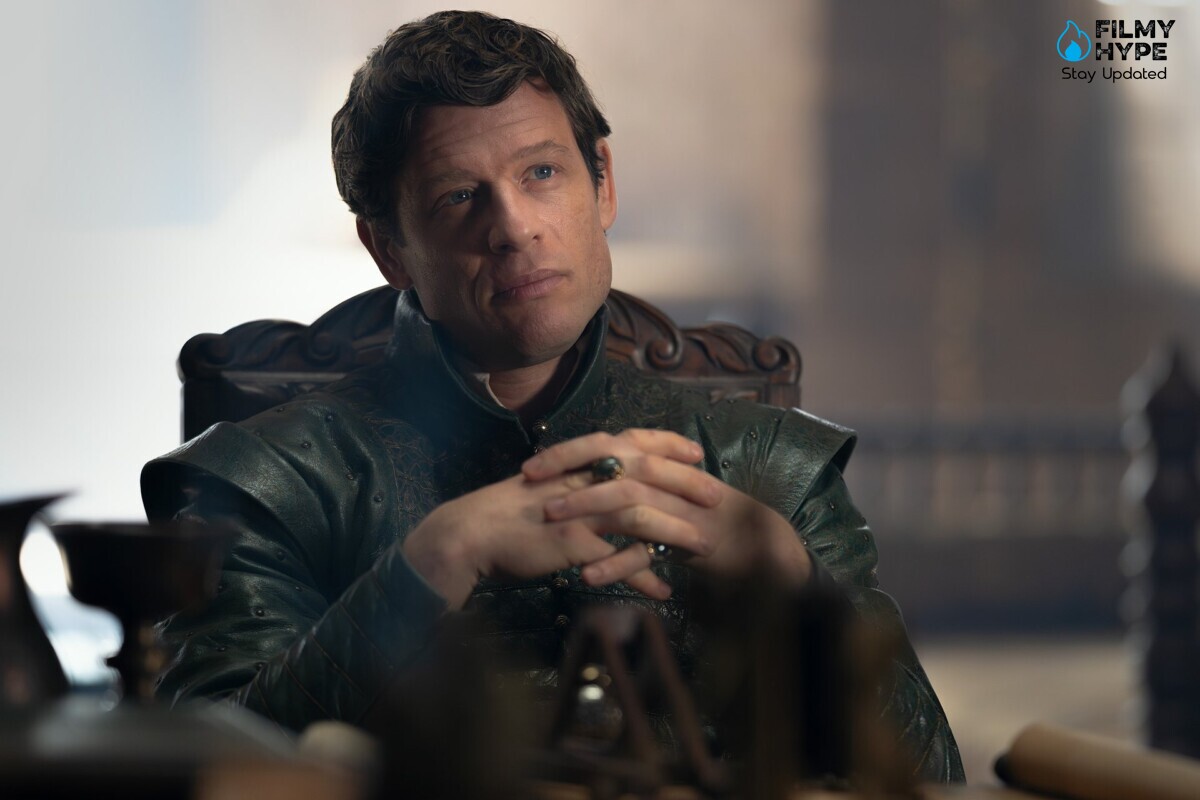
Then she reveals her real surprise: a clutch of dragon eggs hidden at Harrenhal long ago. She promises Aemond a grand future—she, the Lady of the Water, he the Dragon Lord. New dragons. New dragon princes. The whole witchy vision, wrapped around a prince who has always craved exactly this kind of destiny. Alys knows how to keep him, and she’s doing it masterfully.
The Trap Closes on Alicent and Helaena
Alicent and Helaena are caught trying to escape. Helaena learns the full extent of her mother’s deceit—Alicent never intended to bring Helaena’s daughter with them. They are confined to their quarters. Alicent pleads with Rhaenyra to punish her and spare her daughter, but Rhaenyra, for once, sees the practical reality: if anyone discovers Helaena is pregnant, things will get much worse. Given how spies and gossip spread through the Red Keep, there’s little chance the secret will hold.
The Sea Snake, Captured
The episode ends on a note that I found more frustrating than suspenseful. Lord Corlys Velaryon, the Sea Snake—hero of myriad perilous voyages, wise councilor, canny general, veteran of countless campaigns—is kidnapped by Ormund’s men. This happens despite Corlys being surrounded by his best knights and soldiers. It’s treated as barely an inconvenience.
I understand the narrative purpose. The episode wants to end on a cliffhanger, a big “uh oh” moment. But Corlys has been consistently outwitted and outplayed this season, whether by distant nobles who miraculously know his whereabouts or by pirates who should be beneath his notice. The writers are risking making Ormund too powerful, too omniscient, too capable. A great villain needs to be formidable. He doesn’t need to be magically effective at everything he attempts. When the Sea Snake can be snatched from under the noses of his entire retinue, the world starts to feel less dangerous and more contrived.
Aegon’s Moment of Clarity
We get only a brief scene with Aegon, Larys, and Tyland Lannister. Tyland is digging a grave for the ruffian Aegon killed. Larys wants to sail for Essos. Tyland begs his king to go to Casterly Rock and establish a court in absentia.
Then Aegon, perhaps for the first time in the entire series, displays genuine wisdom. He asks Tyland directly: “Would you call me a terrible man?”
Tyland stammers. He babbles. He tries to find a diplomatic way around a very sharp thorn. Larys, ever the pragmatist, would have told him the flat truth. But Tyland doesn’t, and Aegon notices the difference. Aegon, so accustomed to people telling him exactly what he wants to hear, so used to being the spoiled royal brat, has finally learned something useful. Sometimes the man you should trust is the one who tells you the things you least want to hear. He sides with Larys, to Tyland’s chagrin.
It’s a small moment, but it’s the kind of character work that makes the best episodes of this show feel substantial even when the dragons are grounded.
House of the Dragon Season 3 Episode 6 Review: The Last Words
“Faceless Men” was a very good episode, anchored by a death that was both satisfying and strangely melancholy. Cole’s end was ignoble, but it was earned. He spent his life confusing honor with ego, and when he finally started to understand the difference, it was too late. The archers in the trees didn’t care about his epiphany. They just saw a target.
The rest of the episode moved pieces into place for the back half of the season. The loyalty of the dragonseeds is fraying. The Greens are consolidating around Tumbleton despite internal tensions. Alys Rivers is building something strange and dark at Harrenhal. And Rhaenyra, for all her dragons, keeps making the same mistakes—treating allies like servants, mistaking power for wisdom, and failing to see that every humiliation she inflicts is a debt that will eventually come due.
Six dragons against two. The math is simple. But math has a way of changing when you forget that the people riding those dragons have choices, and that choices are shaped by how you’re treated. Rhaenyra and Daemon haven’t learned that lesson yet. The Butcher’s Ball was Cole’s end. It might also be a preview of what happens when you take your allies for granted one too many times.