


Adarsh Baal Vidyalaya Series Review and Ratings
Cast: Kay Kay Menon, Archana Puran Singh, Naveen Kasturia, Deven Bhojani, Abhimanyu Singh, Prasanna Bisht
Director: Himank Gaur
Streaming Platform: Prime Video
Filmyhype.com Ratings: 4/5 (four stars)
There’s a scene early in Adarsh Baal Vidyalaya that tells you exactly what kind of show this is. The school, despite its name meaning “Ideal Children’s School,” is falling apart. The building is crumbling. Residents use the premises to dry their laundry. The area MLA has turned it into his personal hideout. Students wander around in their own world, and the principal, Dnyaneshwar Tripathi, seems to have made peace with all of it. He’s not angry. He’s not crusading for change. He’s just… there, playing cricket with the kids, running out the clock on a career that never became what it might have been.
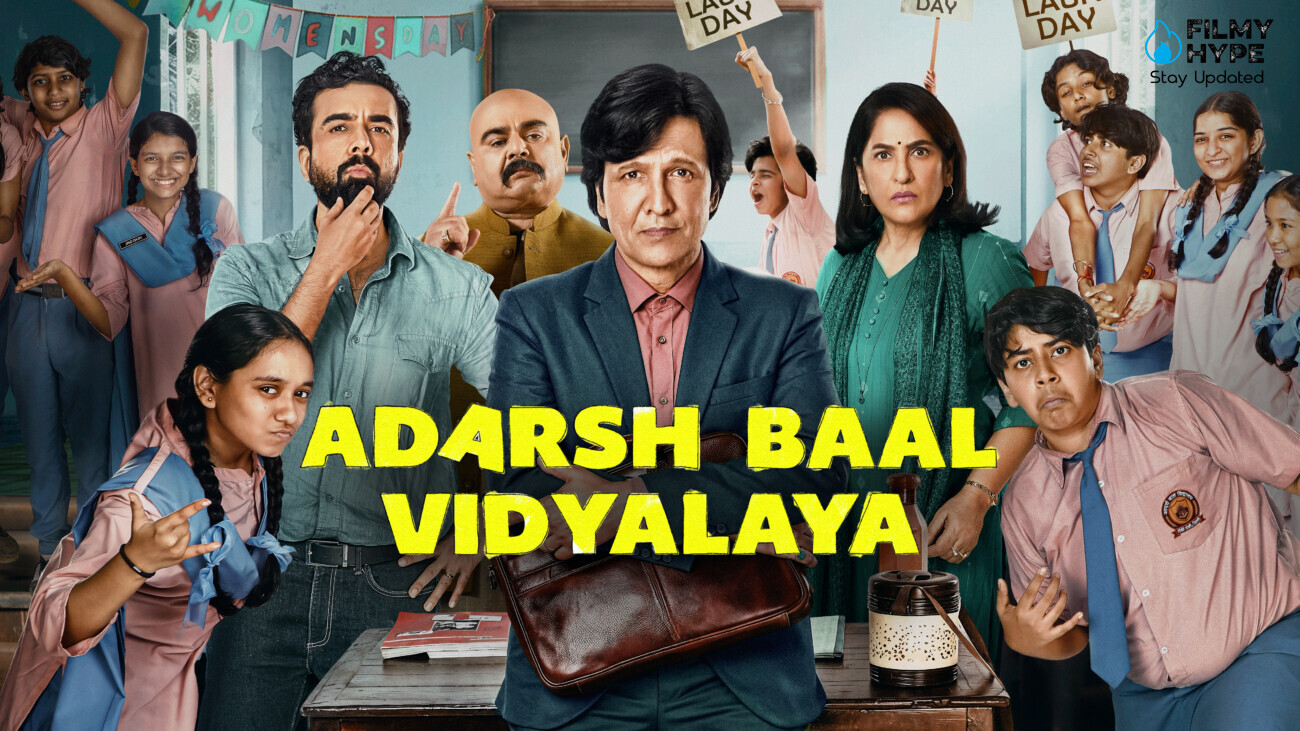
This is the starting point, and what makes it work is that the show doesn’t treat it as a tragedy. It treats it as a reality that millions of Indians recognize, and then it asks a quietly radical question: what if someone in this broken system actually tried to change things? Not out of idealism or a grand vision for education reform, but for the most human reason imaginable—a chance to take his wife on a trip abroad.
Adarsh Baal Vidyalaya Series Review: What’s the Story?
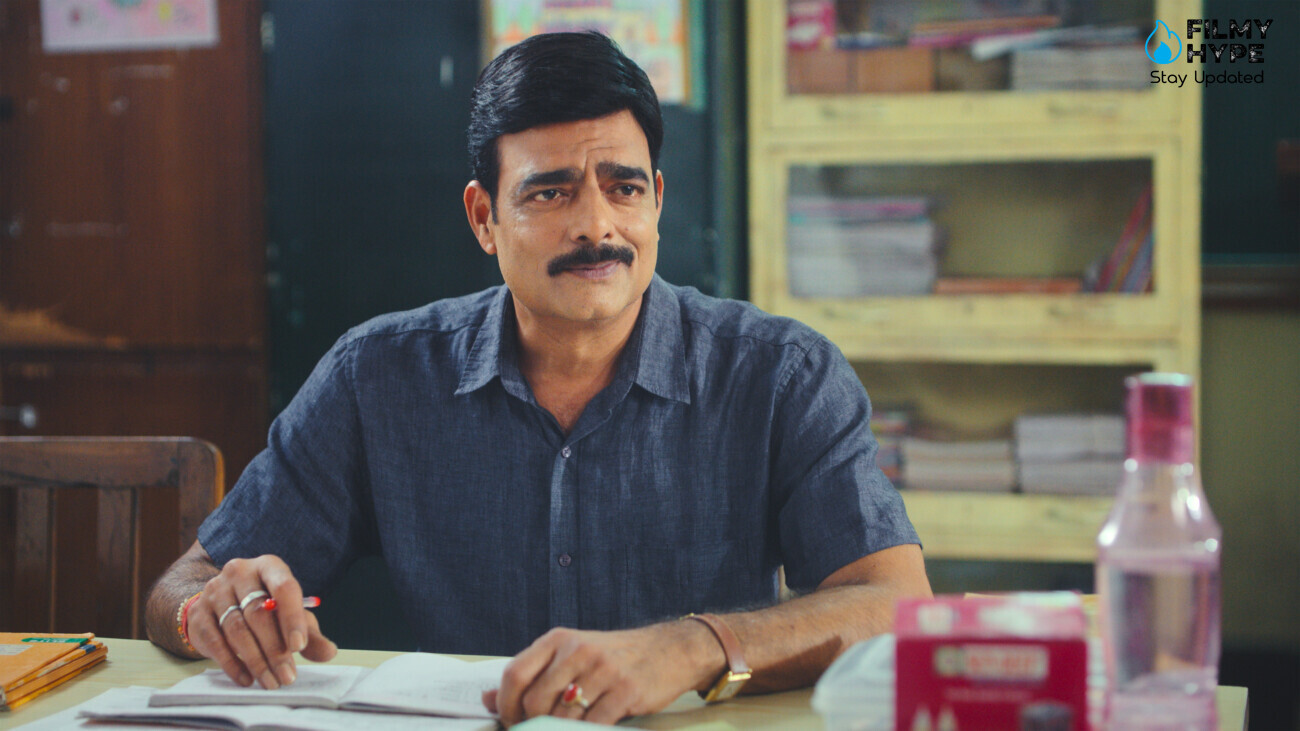
Dnyaneshwar Tripathi, played by Kay Kay Menon, is the principal of Adarsh Bal Vidyalaya, a government school in Delhi’s Tinky Toli area. The school ranks among the worst in the city. The teachers are demoralized. The students are undisciplined. The infrastructure is barely functional. Into this stagnation drops an announcement from the Education Department: if the school can crack the top ten government schools in Delhi based on tenth-board results, the principal and his wife will be sent to Cambridge University for special training.
For Dnyaneshwar’s wife, Sushma, played by Prachi Shah, traveling abroad is a long-held dream. For Dnyaneshwar, fulfilling that dream becomes an unexpected motivation. He takes on the seemingly impossible mission of turning his school around—not because he’s suddenly become a crusader for educational equity, but because he wants to do something for his wife.
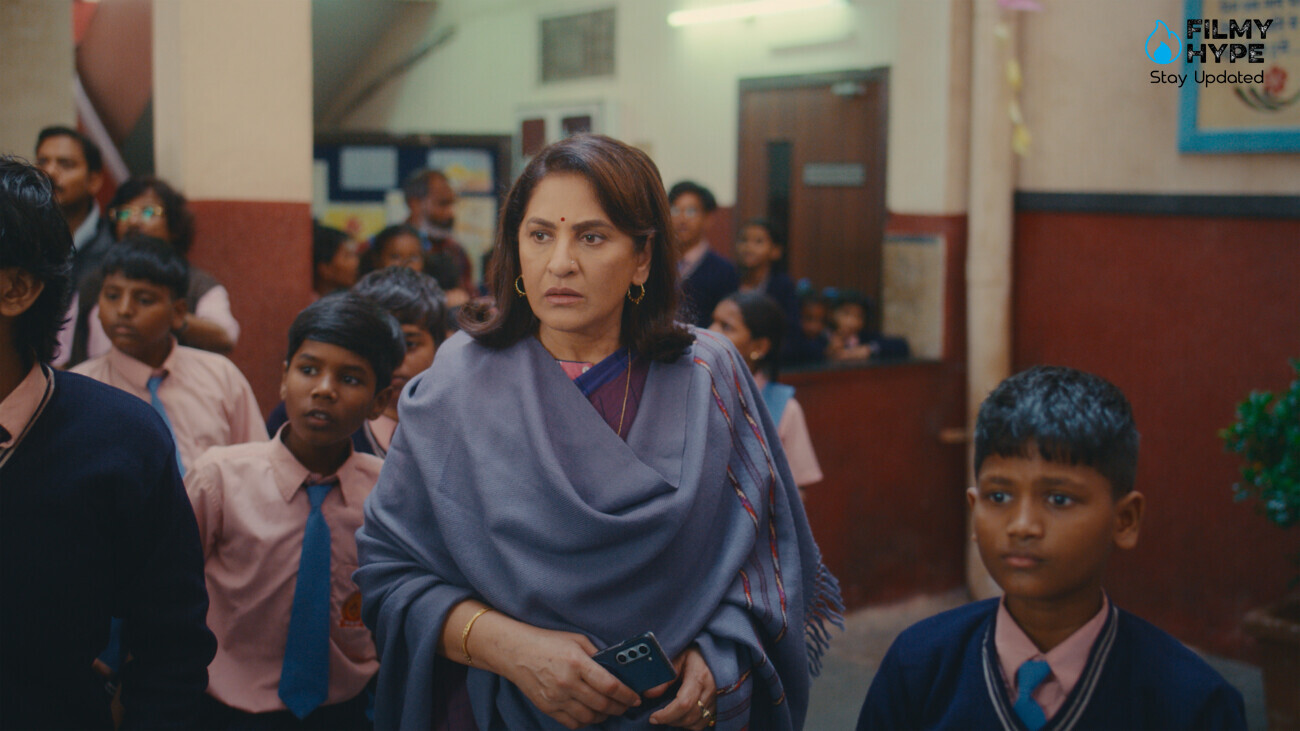
What follows is a series of obstacles. The teachers need to be energized. The students need to be convinced that studying matters. The area MLA, Goldie (Deven Bhojani), keeps interfering for his own political purposes. His colleague Urmila (Archana Puran Singh) is constantly scheming. And underneath all of it is the grinding reality of a government school system that seems designed to fail the people it’s supposed to serve.
What Works!
The show’s greatest strength is its tone. It takes on serious issues—the state of government education, the way underprivileged children are treated, the political interference that shapes school policy—and presents them with a light touch. This isn’t a documentary. It’s not a polemic. It’s a comedy that happens to be set in a world where the jokes are built on genuine problems.

Consider the way the show handles a sensitive topic like reproduction. Instead of an earnest lecture or an awkward classroom scene played for cringe, the series presents it through a fun song. The information gets across, the kids are engaged, and the audience is entertained. That’s harder to pull off than it looks.
The mid-day meal becomes a plot point, not as a PSA about child nutrition but as a way to show what those meals actually mean to children who don’t get enough food at home. A girl misses out on a bicycle reward because of a clerical error in her name, and the injustice of it lands harder because the show has made you care about her before it happens.
The series also captures something specific about how political rallies intersect with school life. Children are recruited to attend, offered small amounts of money, and turned into props for politicians who don’t actually care about their education. The show treats this with the sardonic edge it deserves.
The performances are the engine that keeps everything moving. Kay Kay Menon, known primarily for intense dramatic roles, is a revelation in a comic register. His Dnyaneshwar is perpetually overwhelmed, constantly scrambling, and yet never pathetic. There’s dignity in the way he keeps trying, even when every solution creates three new problems. Menon’s comic timing is precise without being showy. He lets the character’s exhaustion be funny without turning him into a caricature.
Archana Puran Singh, as the politically connected Urmila, gets to do something she hasn’t been able to do on The Kapil Sharma Show for years: actually act. She’s sharp, manipulative, and genuinely funny. Her presence gives the series a welcome edge whenever the school scenes threaten to become too sweet.
Naveen Kasturia plays the school counselor with an understated warmth. His character has a daughter who studies at the school, and their relationship provides the emotional spine of the series. The scenes between them are some of the quietest and most effective in the show. Prasanna Bisht, as the math teacher Kanchan, brings a loveliness to her scenes that balances out the broader comic performances around her.
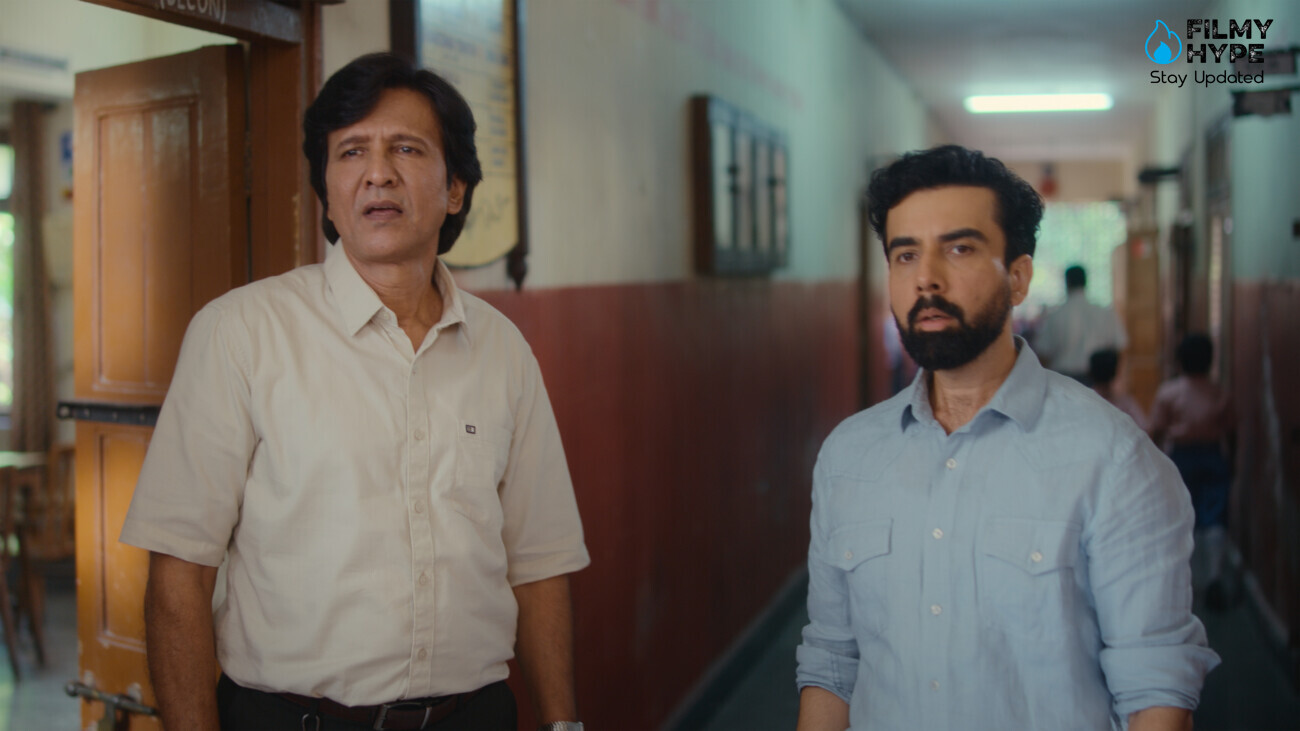
Abhimanyu Singh, playing a strict but sensitive Hindi teacher who explains similes and metaphors with unexpected passion, does something genuinely interesting with a role that could have been one-note. Ajitesh Gupta, as the English teacher whose English is comically broken, generates reliable laughs without overstaying his welcome. Annapurna Soni, as Sharmili Sharma Madam, is a quiet standout.
The child actors deserve mention, too. They’re not polished, and that’s partly the point. They feel like real kids from a real government school—rowdy, distractible, occasionally disrespectful, but never malicious. The show doesn’t sentimentalize them, and that restraint makes the moments when they do step up feel earned rather than manipulative.
What Doesn’t Work
The series loses some momentum after the fourth episode. The initial setup is strong, and the early obstacles are engaging, but the middle stretch sags. Scenes that should take thirty seconds stretch to two minutes. Jokes that landed the first time get repeated without variation. The editing could have been tighter, and a seven-episode season might have been stronger at five or six.
The storytelling also loses sight of its central motivation. Dnyaneshwar’s initial goal—getting to Cambridge—is clear in the first episode, but as the series progresses, it recedes into the background. The stakes that launched the whole story become fuzzy. You find yourself watching a series of incidents, many of them individually enjoyable, without always feeling how they’re building toward something.
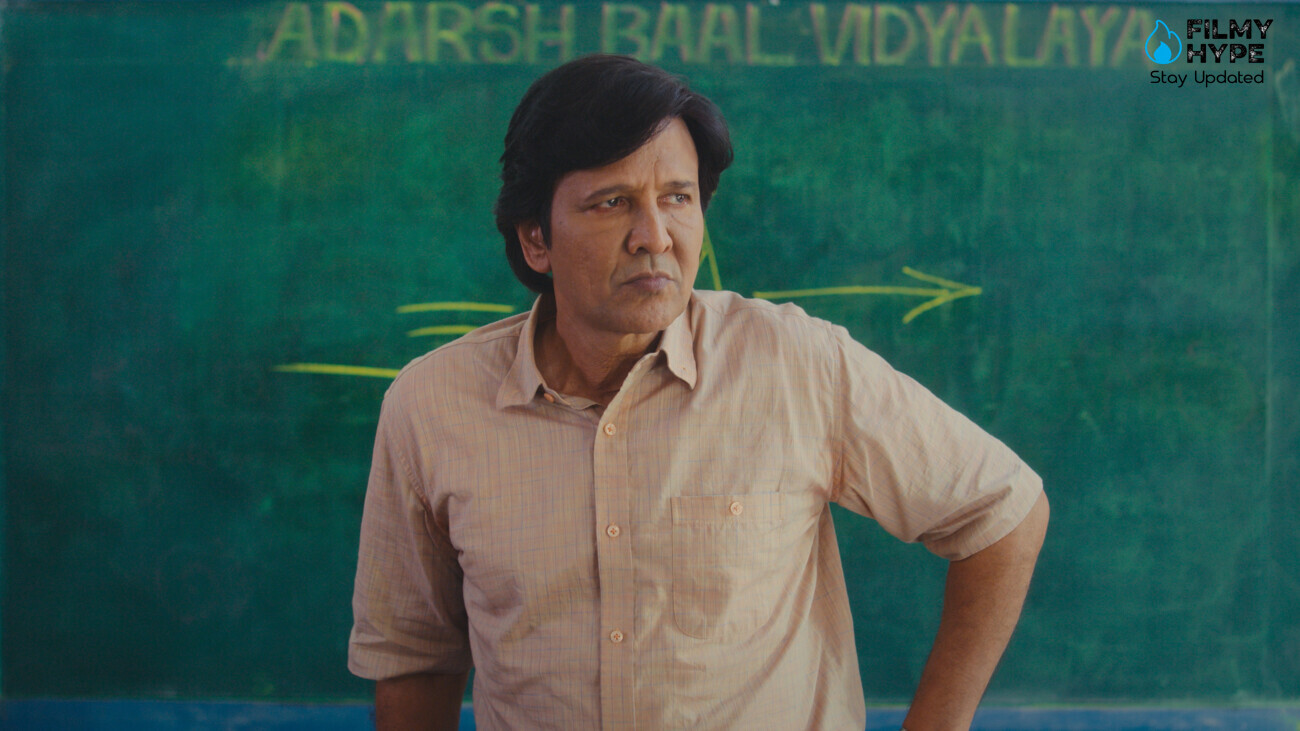
The climax, when it arrives, is fine but not fully satisfying. It resolves the plot without quite delivering the emotional payoff the earlier episodes seemed to be building toward. For a show that spends so much time on its characters and their relationships, the ending feels a little rushed and half-baked. Some of the kids’ behavior towards teachers and parents is pushing credulity. The show makes a point about the difficulties of classroom discipline in under-resourced schools, but there are moments when the rudeness and defiance feel less like observation and more like exaggeration.
The image of government school students as uniformly unruly is a cliché that the series occasionally leans on too hard.
Naveen Kasturia’s character, while well-performed, feels underwritten compared to the potential the setup suggests. He’s a counselor with a daughter at the school. There’s rich material there—the tension between professional distance and parental investment, the challenge of advising other people’s children while worrying about your own—but the series only scratches the surface of it. Given the presence of Kay Kay Menon in the lead, some of the supporting characters inevitably get less room to breathe, but Kasturia’s role feels like a missed opportunity for deeper storytelling.
The Bigger Picture
What makes Adarsh Bal Vidyalaya worth watching, despite its flaws, is what it’s trying to do. It’s a show about the Indian education system that doesn’t lecture, doesn’t preach, and doesn’t reduce itself to a policy argument. It shows you a dilapidated building and the people inside it trying to make something work, and it lets you draw your own conclusions.
The series was created by Biswapati Sarkar, a former key creative force at TVF, and it carries some of that organization’s DNA—the focus on relatable middle-class settings, the willingness to find humor in everyday struggle, the belief that comedy can address real issues without becoming didactic. The writing, by Sarkar and Akshay Asthana with contributions from others, is strongest when it’s observing the small absurdities of school life: the way a broken window never gets fixed, the way a politician shows up only when cameras are present, the way a child’s future can turn on a clerical error.
Director Himank Gaur, whose previous work includes Dhindora and Latest News, handles the tonal balancing act well for the most part. The series never becomes too dark or too silly. It stays in a middle register that feels appropriate for the material. But compared to his earlier series, the direction here occasionally feels less assured. The storytelling doesn’t have the propulsive quality that makes you need to watch the next episode. It’s pleasant. It’s engaging. It’s rarely urgent.
Adarsh Baal Vidyalaya Series Review: The Final Words
If you enjoy comedy that’s grounded in real social contexts, if you’ve ever spent time in a government school or wondered what happens inside them, if you’re the kind of viewer who appreciates Kay Kay Menon doing something completely different from his usual intense roles—yes, give Adarsh Bal Vidyalaya a chance. The first episode is strong and will tell you quickly whether the tone works for you.
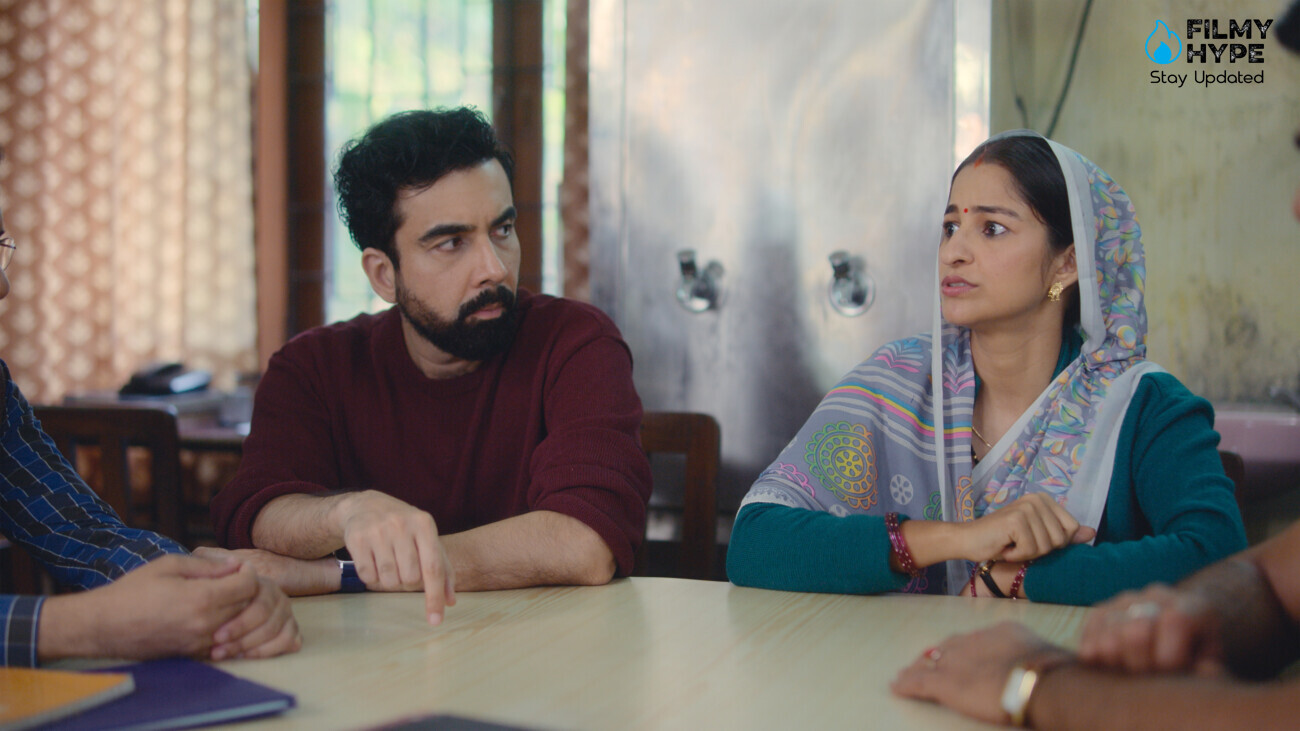

If you’re coming to this because you loved Aspirants or Kota Factory and you’re expecting something with the same emotional density and narrative drive, you might want to adjust your expectations. This is a lighter show, a comedy first and a commentary second. It doesn’t build the same kind of cumulative emotional weight, and its storytelling is looser, more episodic in structure.
But there’s value in what it’s doing. It’s a show that looks at a broken system and finds humor without cruelty, criticism without despair. It cares about its characters, even the ones who are barely holding it together. And it understands that sometimes the most radical thing you can do in a failing institution is simply refuse to give up. Dnyaneshwar Tripathi isn’t a hero. He’s just a man who decided, for reasons that started entirely selfish, to try. That’s nothing. In the world of Adarsh Bal Vidyalaya, it might even be enough.