


House of the Dragon Season 3 Episode 6 ends with a move that will have book readers scrambling to reassess everything they thought they knew about where this story is heading. Lord Corlys Velaryon, the Sea Snake, Rhaenyra’s Hand and one of the most formidable figures in Westeros, is ambushed and taken prisoner by Ser Jon Roxton, a knight loyal to Lord Ormund Hightower. The credits roll just as the capture is completed, and the implications ripple backward through everything the episode has been building.
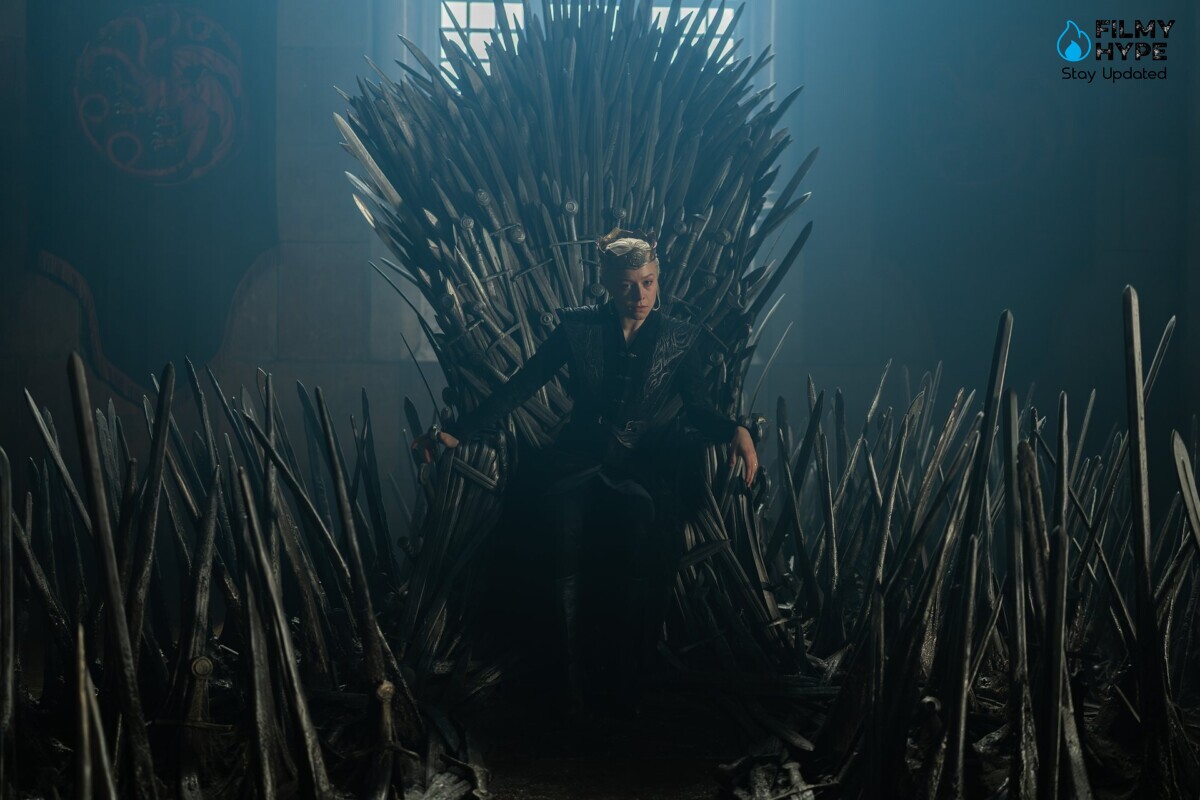
This isn’t in Fire and Blood. Corlys was never captured by the Hightowers in George R.R. Martin’s telling. His arc in the book follows a different, equally tragic trajectory—one that leads to the black cells beneath the Red Keep and, eventually, to swearing allegiance to Aegon II. The show appears to be taking a detour, and understanding why requires looking closely at what Ormund wants, what Rhaenyra is losing, and how the writers are reshaping the story’s moral calculus.
House of the Dragon Season 3 Episode 6 Ending Explained: Why Did Ormund Capture Corlys Instead of Killing Him?
The question hangs over the episode’s final moments. Ormund Hightower has proven himself a capable strategist, a man who thinks several moves ahead. He doesn’t do things without purpose. Killing Corlys would have been the simpler choice—a decapitation strike against Rhaenyra’s government, a blow to morale, the elimination of one of the most experienced commanders in the Black faction. Instead, Ormund took him alive.
The episode itself provides the clue. Early in the hour, Ormund tells Daeron Targaryen that Rhaenyra made one of her rare wise decisions by naming Corlys as her Hand. He criticizes Otto Hightower’s interpretation of the role while acknowledging the obvious advantages Corlys brings. There’s something almost like admiration in the way Ormund speaks about the Sea Snake. It’s as if he recognizes a peer, a man whose talents are being wasted in the service of a queen who doesn’t appreciate them.
Ormund has publicly crowned Daeron Targaryen as king, but a king needs more than a crown. He needs legitimacy. He needs lords willing to bend the knee. Who better to provide that legitimacy than the man who was Rhaenyra’s closest advisor, now estranged from her and potentially persuadable? Corlys Velaryon commands the largest fleet in Westeros. His name carries weight from Driftmark to the Free Cities. If Ormund can turn him—through persuasion, through leverage, through whatever means the situation requires—he gains more than a prisoner. He gains a symbol.
The capture also serves a more immediate strategic purpose. Corlys was about to return to King’s Landing with his army. Rhaenyra, reeling from the collapse of the City Watch and the growing chaos in the capital, desperately needs those troops. By intercepting Corlys before he can reach the city, Ormund keeps Rhaenyra vulnerable and isolated. The fact that he took Corlys alive rather than simply scattering his forces suggests the prize is more valuable than the military objective.
The Canon Divergence: What the Book Says Should Happen
In Fire and Blood, Corlys Velaryon’s story takes a very different path at this stage of the Dance. The Battle of Tumbleton unfolds with Hugh Hammer and Ulf the White betraying Rhaenyra and turning their dragons against the Blacks. The defeat is catastrophic. In the aftermath, a furious and increasingly paranoid Rhaenyra orders the arrest of Addam Velaryon—still Addam of Hull in the show—simply because he’s another dragonseed, and the betrayal of Hugh and Ulf has poisoned her against all of them.
Corlys refuses to stand by while his son is executed. He helps Addam escape, and for this act of defiance, Rhaenyra throws him in the black cells. The imprisonment of the Sea Snake triggers riots in King’s Landing. Public support for Rhaenyra, already fraying, collapses entirely. She’s forced to flee the capital. When Aegon II eventually retakes the throne, Corlys is freed from the dungeons and, seeing no other path forward, swears allegiance to the usurper.
It’s a story about Rhaenyra engineering her own downfall. Her paranoia, her cruelty, her inability to trust even her most loyal allies—these are what destroy her. Corlys doesn’t want to betray her. He’s pushed into it by a queen who has lost the ability to distinguish friend from foe.
The show appears to be taking a different route to a similar destination. By having Ormund capture Corlys, the writers remove Rhaenyra’s direct culpability. She doesn’t imprison her Hand. She doesn’t force him to choose between loyalty and survival. Instead, Corlys is placed in a position where the decision to cooperate with the Greens—if that’s where this is heading—comes from external pressure rather than internal fracture. The outcome may be the same, but the moral weight shifts. Show Rhaenyra remains, in this instance, more sinned against than sinning.
What This Means for Rhaenyra
The capture of Corlys is devastating for Rhaenyra on multiple fronts. Militarily, she’s lost her most experienced commander and the army he was bringing to reinforce the capital. Politically, she’s lost the man who gave her reign whatever credibility it possessed among the lords of Westeros. Personally, she’s losing one of the few people who has been willing to tell her difficult truths.
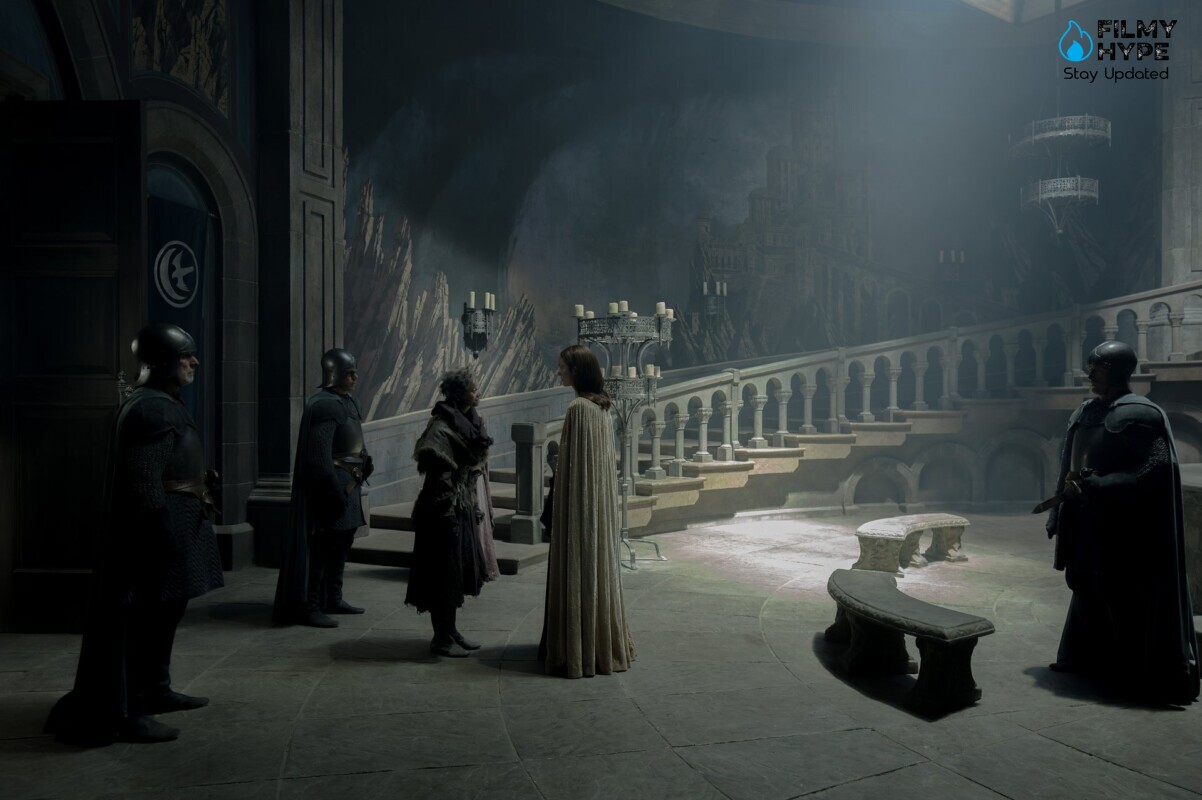
The episode shows Rhaenyra already fraying. The City Watch has collapsed. Aemond and Aegon remain at large. Her dragonseeds are growing restless. She’s surrounded by enemies she can’t see and allies she doesn’t trust. The loss of Corlys removes one of the last stabilizing forces in her government. Whatever comes next—the riots, the betrayals, the eventual flight from King’s Landing—will happen without the Sea Snake at her side.
The irony is that Corlys was on his way back to her. After refusing to legitimize his bastard children, Rhaenyra had pushed him away. But in this episode, Corlys finally admitted it was time to return. He was gathering his forces, preparing to march for the capital. The ambush doesn’t just capture a lord. It captures a reconciliation that was about to happen, and the tragedy is that Rhaenyra may never know how close she came to having him back.
Alicent’s Farewell and Helaena’s Fate
The other significant moment in the episode’s closing stretch involves Alicent and Helaena. Rhaenyra has ordered Alicent to travel to Harrenhal, where she’s meant to lure Aemond into a trap and, presumably, facilitate his execution. It’s a terrible assignment—a mother sent to deliver her own son to death—but Rhaenyra sees it as the only viable solution to the Aemond problem.
Alicent’s real concern, however, is Helaena. Her daughter is pregnant, fragile, and now confined to her chambers. Before leaving, Alicent manages to convince Helaena to eat. It’s a small mercy, the kind of maternal gesture that has defined Alicent’s arc even as her political power has crumbled. But leaving Helaena alone in the Red Keep, under Rhaenyra’s control, is a decision that will almost certainly have devastating consequences.
In Fire and Blood, Helaena’s story ends in tragedy. She takes her own life, throwing herself from a window, though rumors persist that Rhaenyra had her murdered. The show has been building toward this darkness all season. Helaena has been isolated, her visions dismissed, her agency stripped away. Without her mother, without the freedom of the sky above her that she craves, her mental state is likely to deteriorate further. Whether her death comes by her own hand or by someone else’s, the groundwork is being laid for one of the Dance’s most haunting moments.
The Road to Tumbleton Is Open
Amid all the political maneuvering, it’s easy to forget that the episode opens with a death that fans have been awaiting for years. Ser Criston Cole, one of the most despised villains in the Game of Thrones franchise, finally meets his end at the Butcher’s Ball. The Riverlanders and the Winter Wolves of Roddy the Ruin spring their trap, and Cole—despite a ferocious last stand—is cut down by archers before he can face Roderick Dustin and Oscar Tully in single combat.
The significance of Cole’s death extends beyond the satisfaction of seeing a villain fall. His forces had been blocking the road to Tumbleton, preventing the Rivermen and the Winter Wolves from reaching the city and engaging the Hightower army. With Cole dead and his army scattered, that road is now open. Rhaenyra needs Tumbleton retaken, and she needs it done without dragonfire—she doesn’t want civilian casualties adding to her growing list of problems. The Rivermen and the Northmen are her best hope for a conventional victory.
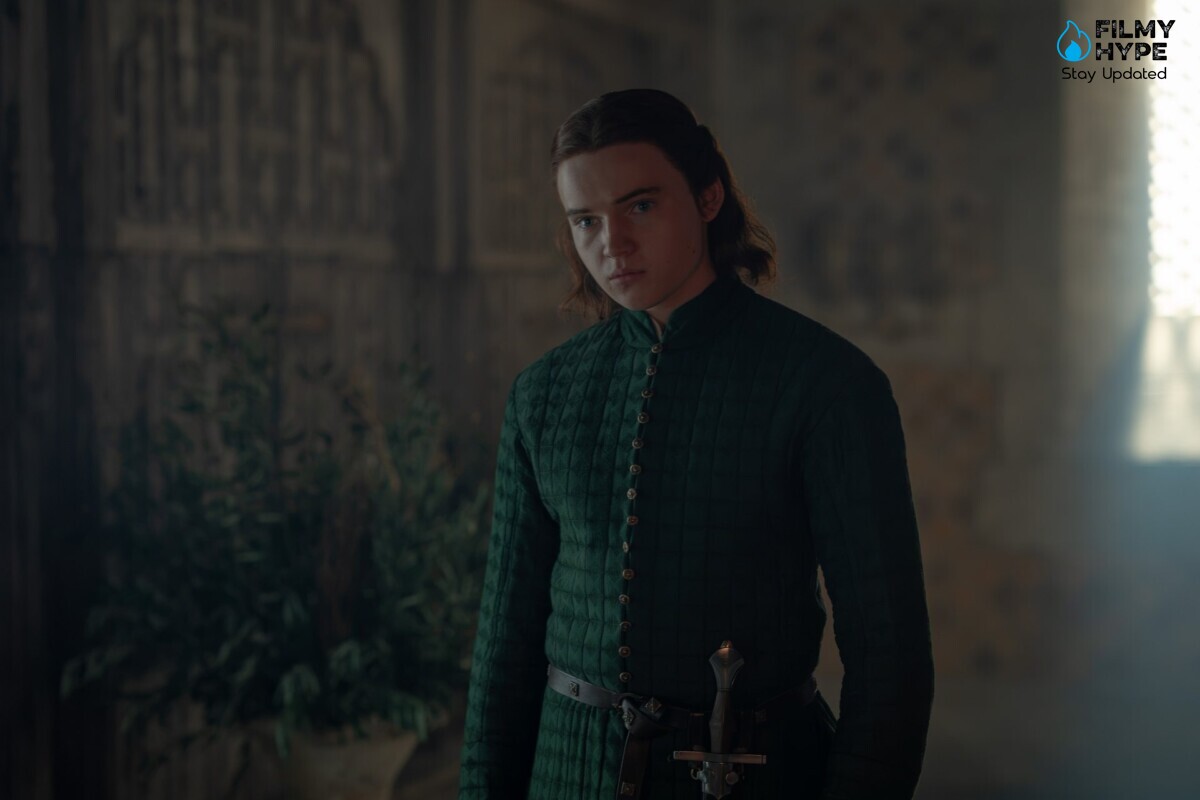
How that battle unfolds is, at this point, anyone’s guess. Fire and Blood provides a template: the betrayal of Hugh and Ulf, the devastating defeat, the beginning of the end for Rhaenyra’s reign. But the show has already demonstrated its willingness to deviate from the source material. The capture of Corlys is proof of that. The Battle of Tumbleton will happen, but its shape, its outcome, and its consequences may look very different from what readers expect.
The Larger Pattern
Episode 6 reinforces a pattern that has defined this season. The show is systematically repositioning Rhaenyra, softening the edges of her book counterpart’s descent into paranoia and cruelty. In Martin’s telling, Rhaenyra is the architect of her own destruction. Her choices—imprisoning Corlys, alienating her allies, ordering the arrest of Addam—are what bring her down. The show, by introducing external forces like Ormund’s machinations and the ambush of Corlys, spreads the responsibility more broadly.
Whether this makes for better television is a matter of perspective. It certainly makes Rhaenyra a more sympathetic figure, someone being crushed by circumstances rather than someone crushing herself. But it also risks diluting the tragedy. The Dance of the Dragons is, at its core, a story about how power corrupts and how even the most justified claims can be undermined by the people who hold them. Rhaenyra’s flaws—her arrogance, her paranoia, her inability to see beyond her own grievances—are what make her downfall meaningful. If the show keeps finding ways to make her a victim of other people’s choices, it may lose some of that meaning.
For now, though, the pieces are in motion. Corlys is a prisoner. The road to Tumbleton is open. Alicent is bound for Harrenhal. Helaena is alone. And Rhaenyra, sitting on a throne that grows less stable by the day, is running out of people she can trust. The Butcher’s Ball claimed Ser Criston Cole. The next battle may claim much more.