

Teenage Sex and Death at Camp Miasma Review and Ratings
Cast: Gillian Anderson, Hannah Einbinder, Jack Haven, Patrick Fischler, Jess McLeod
Director: Jane Schoenbrun
Filmyhype.com Ratings: 4/5 (four stars)
To begin to understand what kind of relationship you might have with “Teenage Sex and Death at Camp Miasma,” you need to ask yourself what your relationship is with movies that want to do a little of everything for you. The title is a program: inside there is context, thesis, development, and resolution. In short, this film has been in theaters since August 19th with MUBI, written and directed by Jane Schoenbrun, an extremely thoughtful author who knows the subject matter she frames and undoubtedly knows how to systematize it; she knows how to strip it, she knows how to vivisect it, she knows how to make it pulsating, erotic, and even ironic.
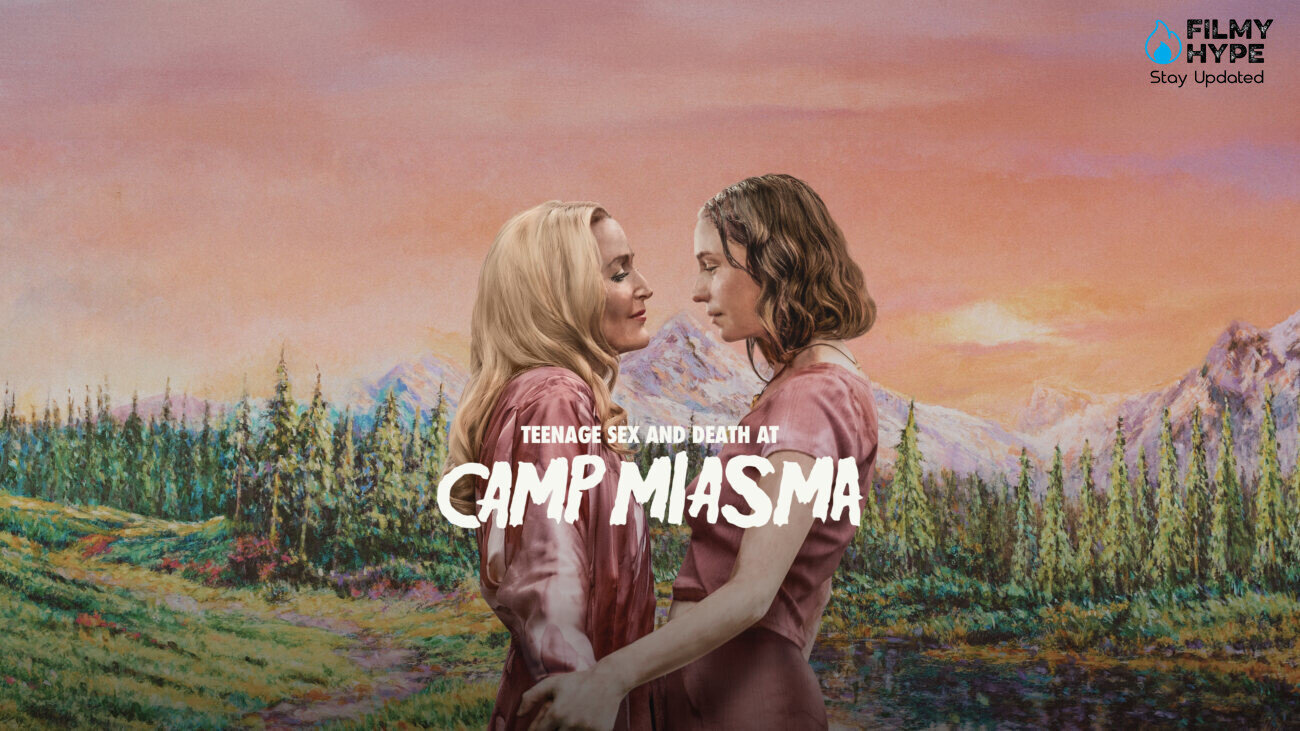
Every year, at the festival, there’s a film that invites noise, the unruly reactions of an audience you’d imagine to be more disciplined. But the criticism has changed; it no longer has a single posture and, in its thousand global colors, is sometimes confused with fandom and the sophisticated version of moviegoers. Today that film is Teenage Sex and Death at Camp Miasma, greeted with shouts of jubilation at the press screening here on the Croisette. It’s certainly one of those titles that will fuel the cinephile game, the sampling of niches, both because of its belonging to horror. This genre lends itself particularly to pop-intellectualistic recoil phenomena, and because it carries with it the MUBI brand, that is, the strength of the boutique, of prestige, without the unsustainable heaviness of pure authorship.
Teenage Sex and Death at Camp Miasma Review: The Story Plot
From his previous film, I Saw TV Shine, a lo-fi and liminal 2024 film that revolved around two teenagers’ fascination with a mysterious television series, Schoenbrun now moves into the realm of slasher horror cinema. Fertile ground in which to sow a hand-to-hand fight, a mind-to-mind, the concept of grounding and revealing one’s identity. It does so starting from the individual’s relationship with commercial fetishism – which is nothing other than the standard-bearer of contemporaneity – in the meticulously curated roundup on which the film opens, including references, objects, merchandise, gadgets and related DVDs relating to the bloody fictional saga of Teenage Sex and Death at Camp Miasma, so beloved by the protagonist Kris (Hanna Einbinder), young queer director tasked with working on a reboot.
Elements that activate memory and our relationship with the past, which on the one hand is therefore also modeled on materialist and consumerist propulsion, making it even more complex to realize how much of individual identity is internal impulse and how much external induction. It’s Kris’s tribulation, who doesn’t really know what she likes –mentally, sexually: Schoenbrun will tell us that they are the same thing – outside of this saga for which she would do crazy things and which took her to the middle of nowhere. Here, on the set where Camp Miasma was filmed, lives the very sensual and mysterious Billy Presley (Gillian Anderson, sturbo diva), protagonist of the first legendary chapter that Kris would like to convince to act in his film.
Teenage Sex and Death at Camp Miasma Review and Analysis
While the two get to know each other and compare, in Teenage Sex and Death at Camp Miasma reality, imagination and fiction mix between “flesh and fluids”. Passing through the ancestral drive of the act of looking, everything is distilled into a bignamino that dates back to the duplicity of voyeurism: seeing and wishing to be seen, staying at a distance and fantasizing about being in the middle. Take and be taken. Desire and its Sapphic spiral eroticize the rapprochement between two generations, between Billy’s committed academicism and Billy’s sacred passion. Everything is double and reflected in the film of Schoenbrun, a transgender filmmaker who in her works always thinks about becoming and the thresholds of the ego.
The camp in the title is also twofold: a term not only translating “summer camp”, the place where the films in the saga are set, but also meaning a certain type of cinema that is deliberately exaggerated, excessive, and out of line, a figure that rhymes with the playful humor with which Kris’s sensory awakening occurs. Everything comes back, everything is right. What acts as a traffic island in Teenage Sex and Death at Camp Miasma is, if anything, its being an uncovered system, anticipating and resolving every issue it uncovers and raises. Now, one of the fundamental components of good cinema is the mediation that manages to make the viewer operate. I, who watch and follow a story, intervene in that story by forming an opinion, investigating the gray corners and compiling an idea of what attracts me, repels me, excites me, perplexes me, shakes me, and exhausts me.
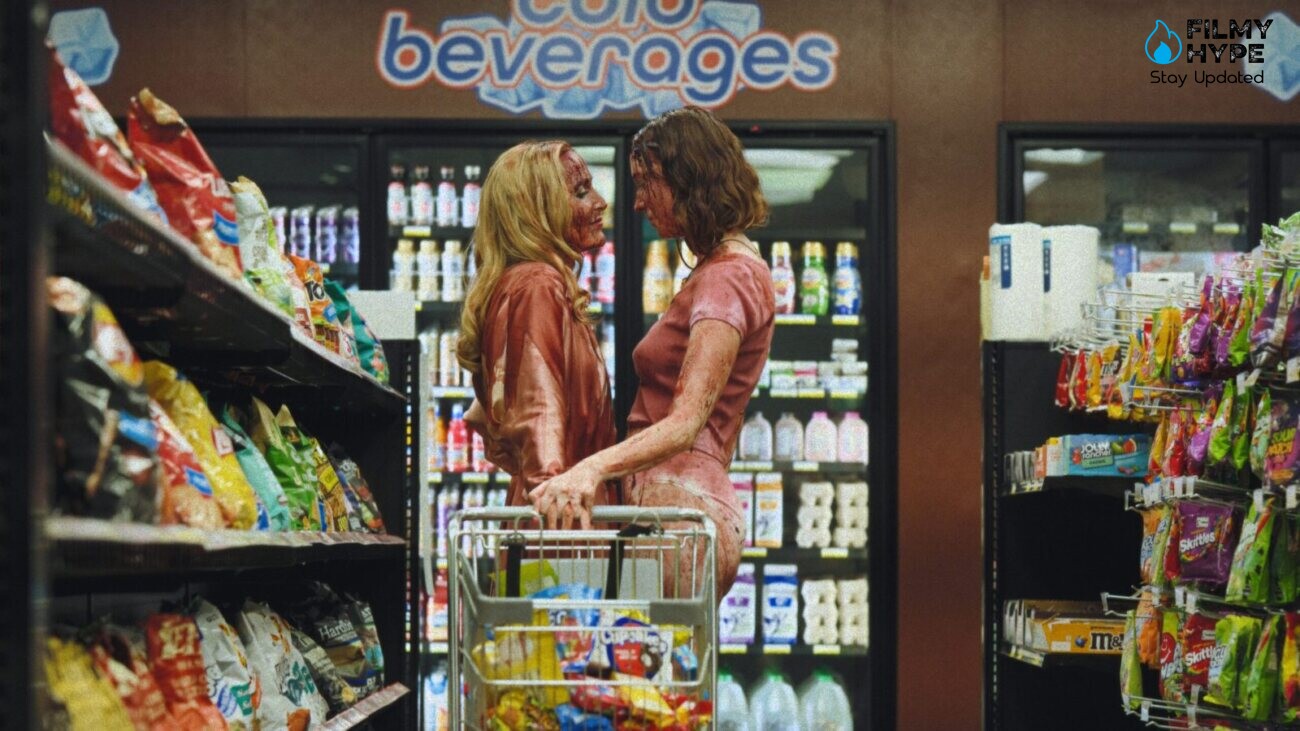
Schoenbrun’s work, so blatantly hyper-citationist in an active way, so evident in creating associations and parallels (the murderer of Teenage Sex and Death at Camp Miasma is called Little Death, that is ‘little death’, an expression that refers to the experience of abandonment and dizziness caused by orgasm) seems to in a certain way to put itself, if not to disqualify, at least to significantly relativize the encounter with the spectator. There seems to be depth, but what you see is all that it is, because it is presented to you, reiterated and dissolved. Teenage Sex and Death at Camp Miasma seems to summarize a paradigmatic case of ‘elevated meta horror’. That is, it brings together the so-called ‘elevated horror’ of directors like Robert Eggers, for whom horror is cultured stuff, and the metacinematic horror of recent years, which has seen sagas like those of Scream or Halloween return to prominence with a conscious and reflective internal narrative approach.
Schoenbrun takes to his horse, commenting (obviously) on this nature of his as well, criticizing Kris’s postural and moral rigidity as well as the revisionist intention of the studios who cleanse the image of their villains – the two extremes of “woke culture” with their origin stories. That this brainiac is very well disguised but perhaps less interesting and stimulating than he wants you to believe? In this case, much more than others, it is to the sensitivity of the individual. Even from a visual point of view, Teenage Sex and Death at Camp Miasma seems to live in a dimension suspended between cinema, dream, and memory. The photography insists on strong, saturated colors, with red and black, along with snow white, dominating the scene and transforming each room into an almost unreal space.
The painted backdrops and deliberately artificial sets accentuate this feeling, bringing to mind a more artisanal genre cinema, made up of visible special effects, imperfect makeup, and obviously fake blood. And it is precisely that artificiality that becomes part of the film’s charm: the blood must not seem real, because what interests Schoenbrun is the representation of horror, its being spectacle, artifice, and fantasy. The result is a film that continually seems to wonder what it means to love a cinematic genre when that genre has now become a self-repeating machine. Teenage Sex and Death at Camp Miasma responds by turning repetition into reinvention: it takes the most recognizable elements of the slasher and traverses them with a queer, ironic, and deeply cinephilic sensibility. It’s not just a tribute to horror films of the past, but a way to appropriate them and make them speak a new language.
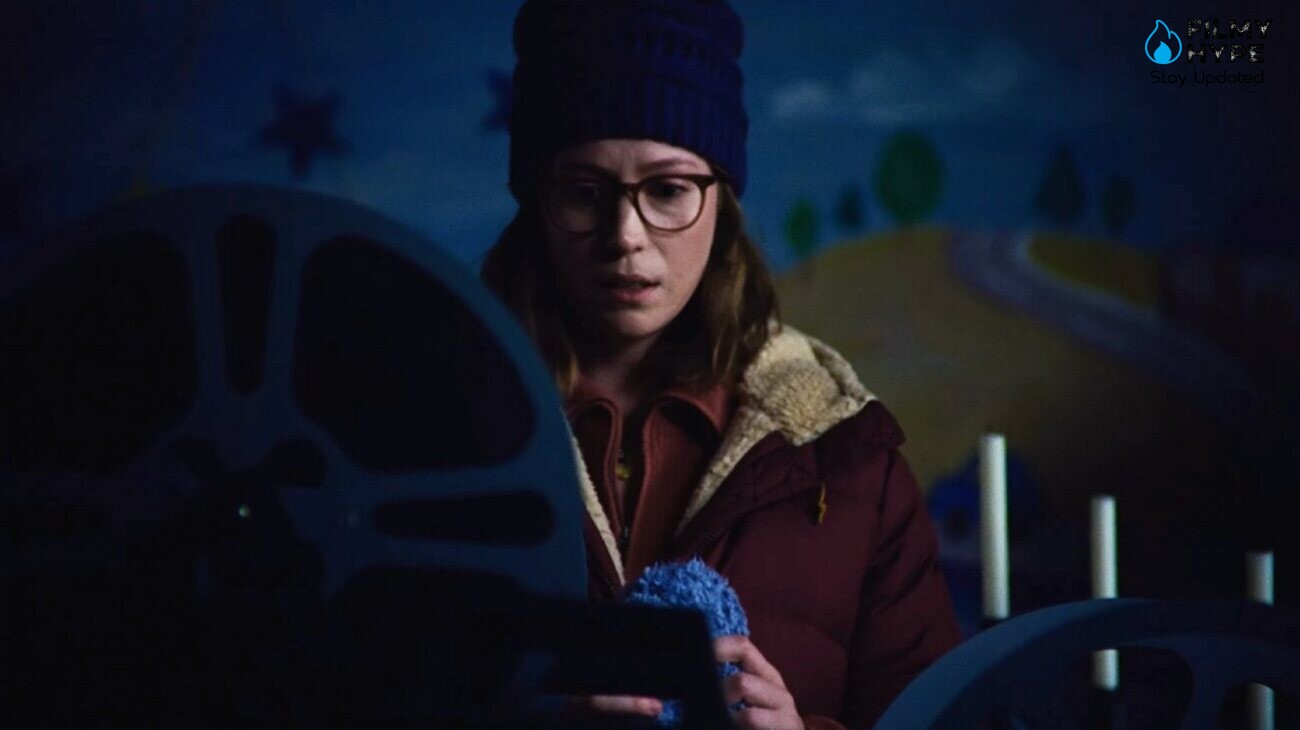
Above all, it’s a film that seems to have a lot of fun doing it. Between fake blood, acidic colors, lightning-fast jokes, sensuality, and bodies that become both objects of desire and instruments of horror, Schoenbrun builds a small movie amusement park where everything is exaggerated, artificial, and deliberately over the top. And perhaps this is precisely its greatest virtue: Teenage Sex and Death at Camp Miasma doesn’t just want to tell a story of sex and death, but to celebrate the very pleasure of watching a film, of being seduced by its images and of falling in love once again with a genre we thought we already knew.
Rewriting, therefore, occurs on multiple layers. Kris, inspired by Billy’s words, reinvents the myth of Little Death from his fluid identity, imagining him naked and unmasked in a hole at the bottom of a lake. The films are born from there, and the killer enjoys watching and collecting them. He is the one who created Teenage Sex and Death at Camp Miasma, not the other way around, and he is its true producer, director, screenwriter, and protagonist. We are just actors playing a small part in his masterpiece, puppets exploited for his enjoyment.
The ecstasy any slasher enthusiast feels at seeing blood gushes and severed heads is then overturned with Little Death’s secret hideout, which resembles a vaginal cavity and serves to materially connect the murderous demon with carnal pleasure. Blood and sex, disembowelment of limbs and eroticism, a sense of danger and excitement are one and the same. Moreover, Kris will soon admit that to fully experience the sexual act she must imagine being chased and killed, and it is no coincidence that “little death”, that is “small death”, is a term that refers to orgasm and the sensations that follow.
The queer veneer is evident, with the invitation to listen to one’s body and free oneself from limited perception, but it is not treated as a sacred and unassailable matter. In fact, Billy’s character almost serves as a foil to her, when she reproaches Kris for thinking too academically about the intersections between cinema and gender issues: “Camp Miasma talked about two very simple things: flesh and fluid.” Perhaps, at heart, it is more important to feel than to think. In this, Schoenbrun seems to bring to the level of bodily liquidity the appeal to rediscover ourselves made by Spielberg in Disclosure Day, and he does so with writing that is never too verbose or didactic, supported by a wonderfully ethereal Gillian Anderson and an excellent Hannah Einbinder.
With all this at stake, it would have been easy to forget the original genre, or even just to tell a story, as can happen to authors who overload the images of their cinema with too many meanings. Thankfully, this is not the case. Of course, elements dear to the director return, such as the ‘90s videocassettes and televisions of I Saw TV Shine, or the video calls of We’re All Going to the World’s Fair – via Zoom, this time: Skype no longer exists – but it’s just small contaminations that only make Jane Schoenbrun’s visual and thematic panorama more cohesive and mature. Otherwise, despite taking his time and slowly building a rather simple plot, Teenage Sex and Death at Camp Miasma works very well on the (sexual) tension between the two – or should we say three? – protagonists, and it’s a film that knows how to have fun and entertain, with many ironic moments and a biting satire against the Hollywood system. Until it explodes into tasty and extensive splatter sequences that, between the subjects, sequence plans, and soundtrack, can only leave you satisfied.
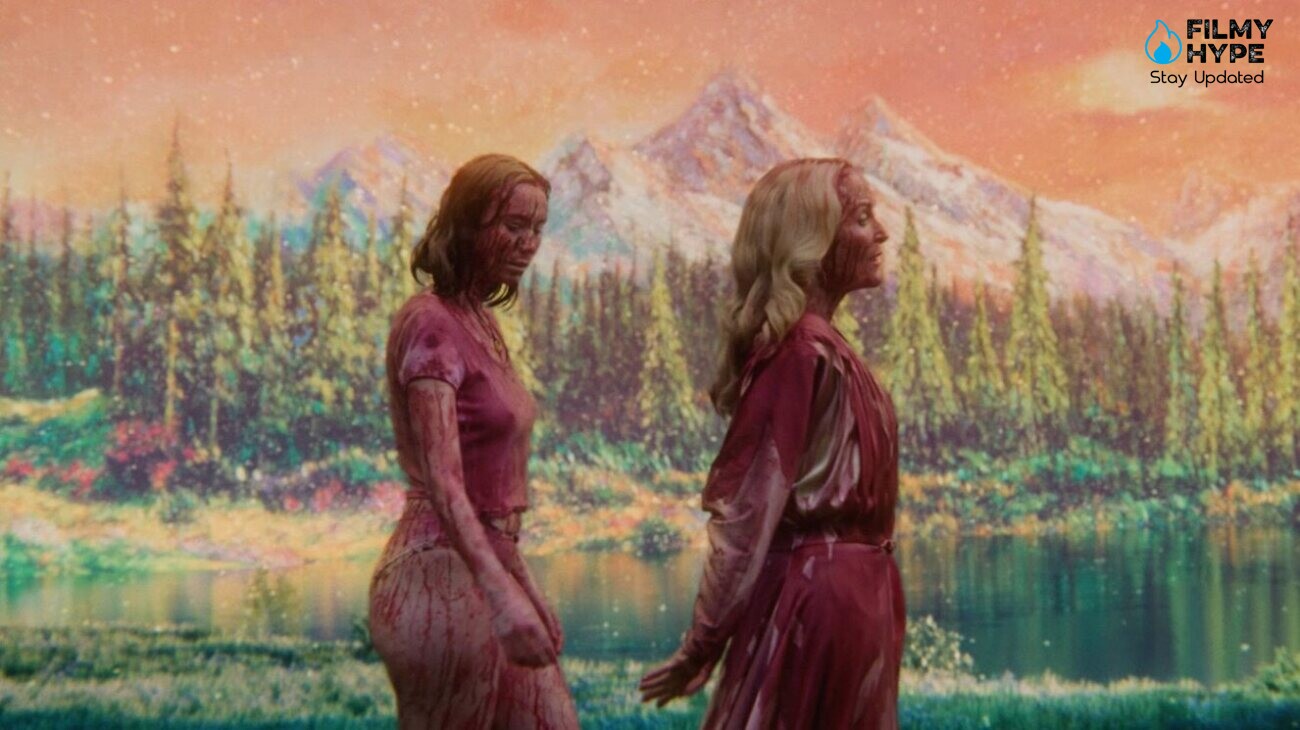
The strength of the film, however, does not lie here, at least in my opinion. It’s mainly about the extraordinary relationship between the two women and therefore the two actresses, who create an increasingly queer relationship until the real revelation: the slasher can be loved and not only that, the slasher can even make you come. The secret in Billy’s gaze is precisely orgasm. Inside this brilliant intuition lives the essence of the gesture of love towards gender. Cult sequences: the hyperbolic murders of Little Death with a gush of blood, the dizzying sequence shot of the party massacre, the pitch presentation that explodes into the grotesque. Weak point: the meta entanglement is a bit too insistent, not so original after all, and the duration is vaguely excessive. Polyamory Joke of the Year: “I am poly”, “Who is Polly?”. One thing is certain: the slasher never stops dying.
“Little Death” is the name of the killer roaming Camp Miasma, sporting a ventilation grate on his head, but the phrase also points to the orgasm (la petite mort): sex and death are intimately intertwined in Teenage Sex and Death at Camp Miasma, the new film by Jane Schoenbrun in Italian theaters from August 19th, distributed by MUBI. The movie is the Scream of slasher films: a work that takes 1980s classics – above all, Friday the 13th – and reinstalls them into the present day with a layered, metacinematic perspective.
Let’s go in order. At its core is a great ’80s classic, indeed Teenage Sex and Death at Camp Miasma, a cult horror film that spawned endless, ridiculous offshoots (Medieval Miasma!) until it burned itself out. The many versions, spanning sequences and parallel universes, are laid out in the opening sequence, which hilariously parodies the commercial fate of a cult title. An indie director fresh out of Sundance, Kris (played by Hannah Einbinder), is tasked with resurrecting the franchise with a contemporary reboot, one that must purge the homophobia and transphobia present in the original. The idea is to go back to the primary source: the actress who starred only in the first film before vanishing into obscurity – Billy Preston, embodied by a magnificent Gillian Anderson, who plays a horror Gloria Swanson in her Sunset Boulevard, self-sequestered in the original park where the first movie was shot.
Billy rejects Kris’s project, calling it too academic; it wants to deliver a message, whereas the slasher was purely flesh and fluids. But Kris doesn’t give up and searches for the secret in Billy’s eyes – that very look she used to cast at the killer… If she could secure the return of the scream queen to the screen, the reboot would undoubtedly be a success. The arrival of the young director at the mature actress’s house triggers the real mechanism at the heart of the story. It is a complex device, as mentioned, which explicitly addresses fans of that era with a flurry of references and nodes, some explicit and others less so: ranging from Robert Hiltzik’s Sleepaway Camp, with its famous final-frame twist – where the ironic trace of homophobia returns – to the entire slasher corollary, including Halloween, considering that Schoenbrun literally recreates certain shots of the genre, such as the killer’s point-of-view spying on victims through the foliage.
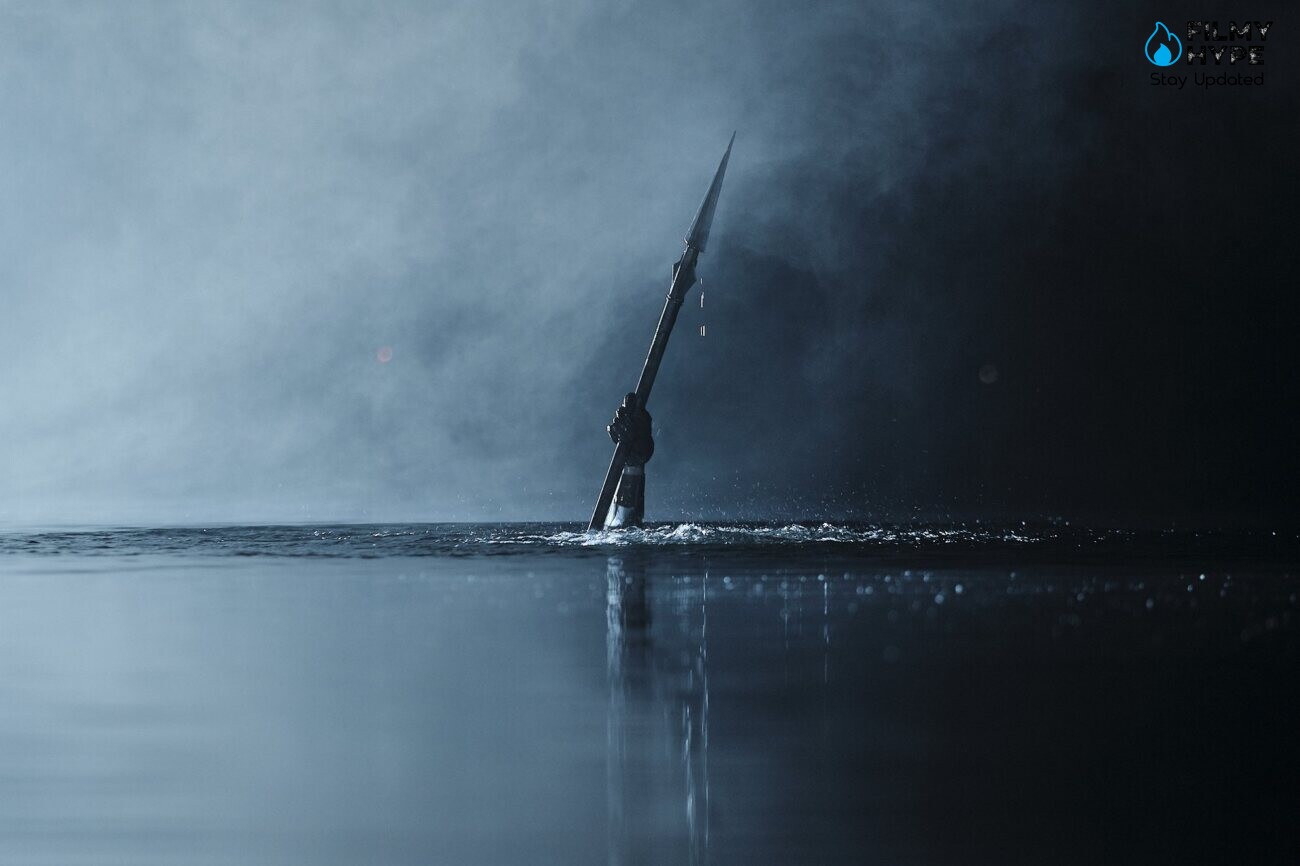
Then, another layer comes into play, more of an inside joke for initiates: for instance, the harpooning near the pre-final, which references not only Mario Bava’s A Bay of Blood, but also Steve Miner’s Friday the 13th Part 2, the one featuring Jason in a burlap sack, who impaled partners in the very act of copulation. To all of this is added a highly contemporary and more “Auteurist” motif, so to speak: the hypothesis that the Camp Miasma movies actually exist, down in the hole at the bottom of the lake, where they wait to emerge along with the killer—a fluid teenager who was bullied and who inserts VHS tapes into an organic mouth as if in Videodrome. Here, one recognizes the reflection on the image and its glows typical of the director of I Saw the TV Glow.
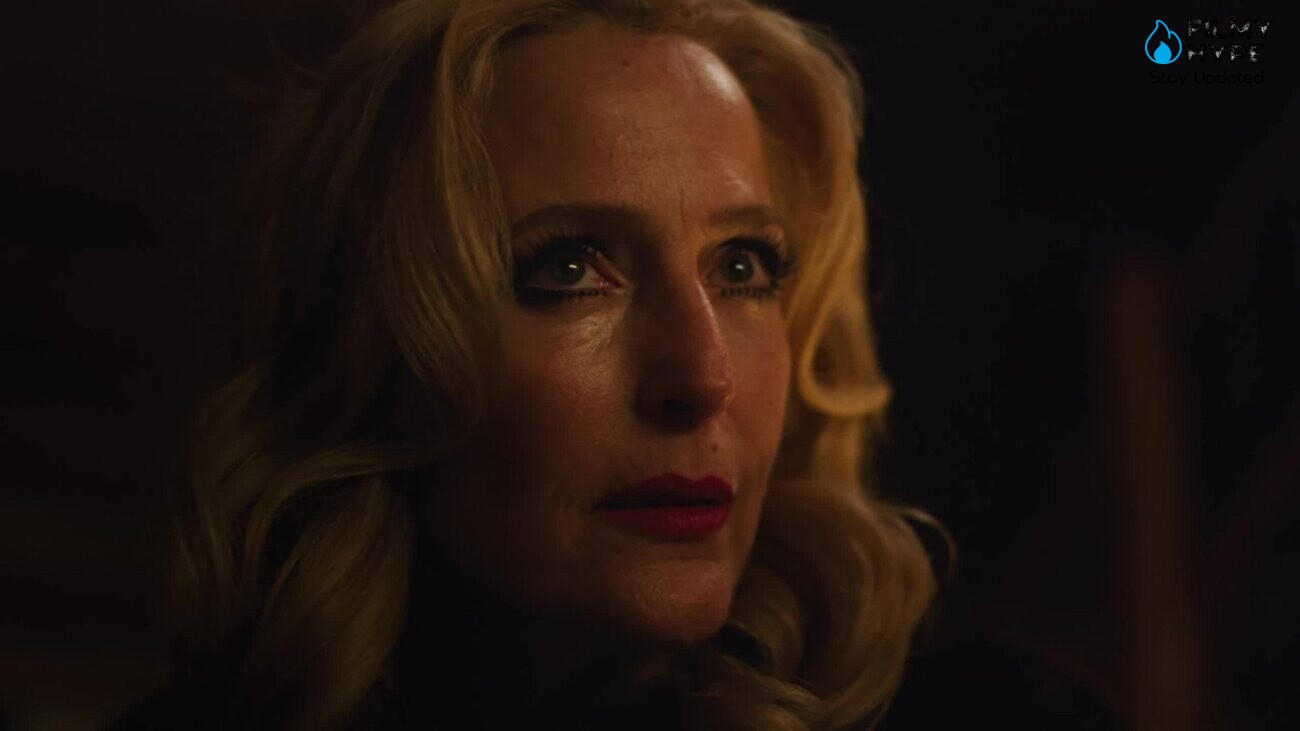
The film’s strength, however, does not lie there, at least in my opinion. It lies mainly in the extraordinary relationship between the two women – and these two acts – who bring to life an increasingly queer connection, leading up to the true revelation: not only can you love the slasher, but the slasher can even make you come. The secret in Billy’s eyes is precisely the orgasm: within this brilliant intuition lies the essence of this act of love towards the genre. Cult sequences: the hyperbolic, blood-spouting killers by Little Death; the dizzy tracking shot of the party massacre; and the pitch presentation that explodes into the grotesque. Weak point: the somewhat overly insisted meta-entanglement, which isn’t all that original after all, and a slightly unnecessary runtime. Line of the year on polyamory: “I am poly,” “Who is Polly?” One thing is certain: the slasher never stops dying.
Teenage Sex and Death at Camp Miasma Review: The Last Words
Ultimately, Teenage Sex and Death at Camp Miasma is a film that isn’t afraid to be excessive, kitsch, sensual, and deeply in love with cinema. Schoenbrun takes the slasher codes and explodes them from within, turning them into a game of desire, identity, fear, and irony. It’s a horror film that knows how to laugh at itself without ever ceasing to love what it tells, and that finds precisely in its queer dimension the key to reinventing a seemingly already worn-out imagination. In her third feature film, Jane Schoenbrun reinterprets the slasher genre in a queer and metacinematic key, relying on the excellent duo of Gillian Anderson and Hannah Einbinder. Teenage Sex and Death at Camp Miasma blends the set with reality and reminds us of the close connection between sex and death, with intelligent writing and without forgetting the starting genre, which, between massacres, irony and satire, will only leave you satisfied.