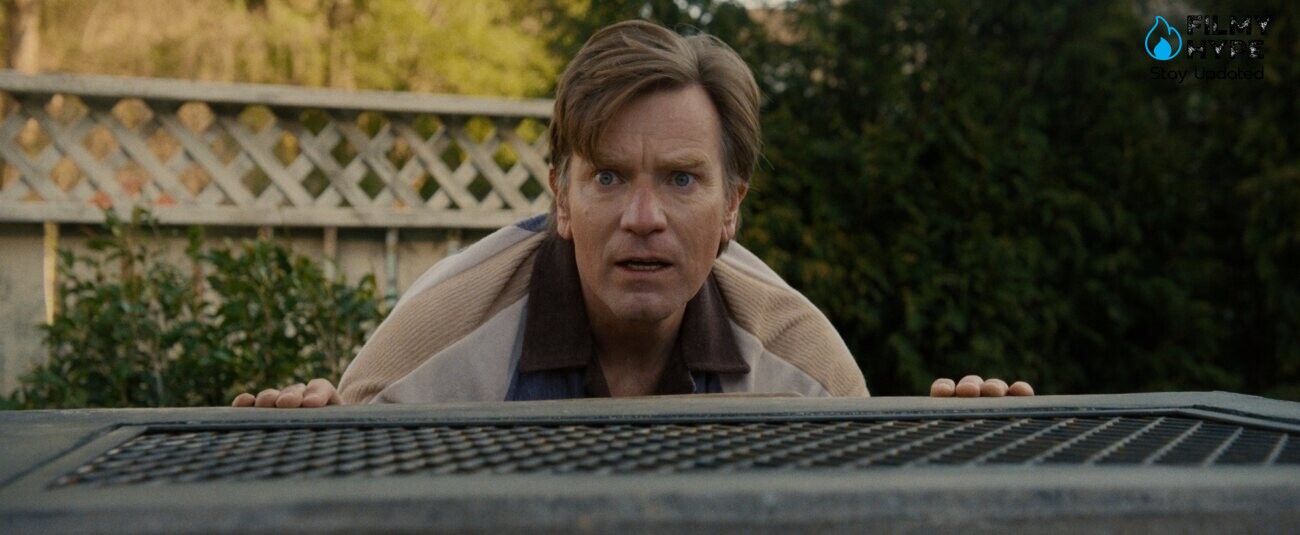


The End of Oak Street Movie Review and Ratings
Cast: Anne Hathaway, Ewan McGregor, Maisy Stella, Christian Convery, Jordan Alexa Davis, P. J. Byrne, Chris Coy
Director: David Robert Mitchell
Where to Watch: In Theaters
Filmyhype.com Ratings: 3.5/5 (three and a half stars)
The End of Oak Street, the new film thriller and science fiction directed by David Robert Mitchell, was released on August 12, 2026. The film brings to the big screen a story with mysterious and disturbing atmospheres, set in American suburbs of the 1980s. The cast includes Anne Hathaway, Ewan McGregor, Maisy Stellae, PJ Byrnee, and the film tells a story of a family member who, starting from a quiet daily life in the neighborhood, quickly transforms into an incredible adventure of survival, among unexplained phenomena, cosmic events, and prehistoric creatures.
How many times, especially as children, after seeing Jurassic Park, have we wished we could observe a real dinosaur? The fascination with these often-gigantic extinct animals has accompanied us throughout our lives, although as the years have passed, we have realized a sad and uncomfortable truth: if we actually encountered a dinosaur, for a herbivore, we would be as irrelevant as an ant, while for a carnivore, we would represent little more than an appetizer to be consumed before the main meal.
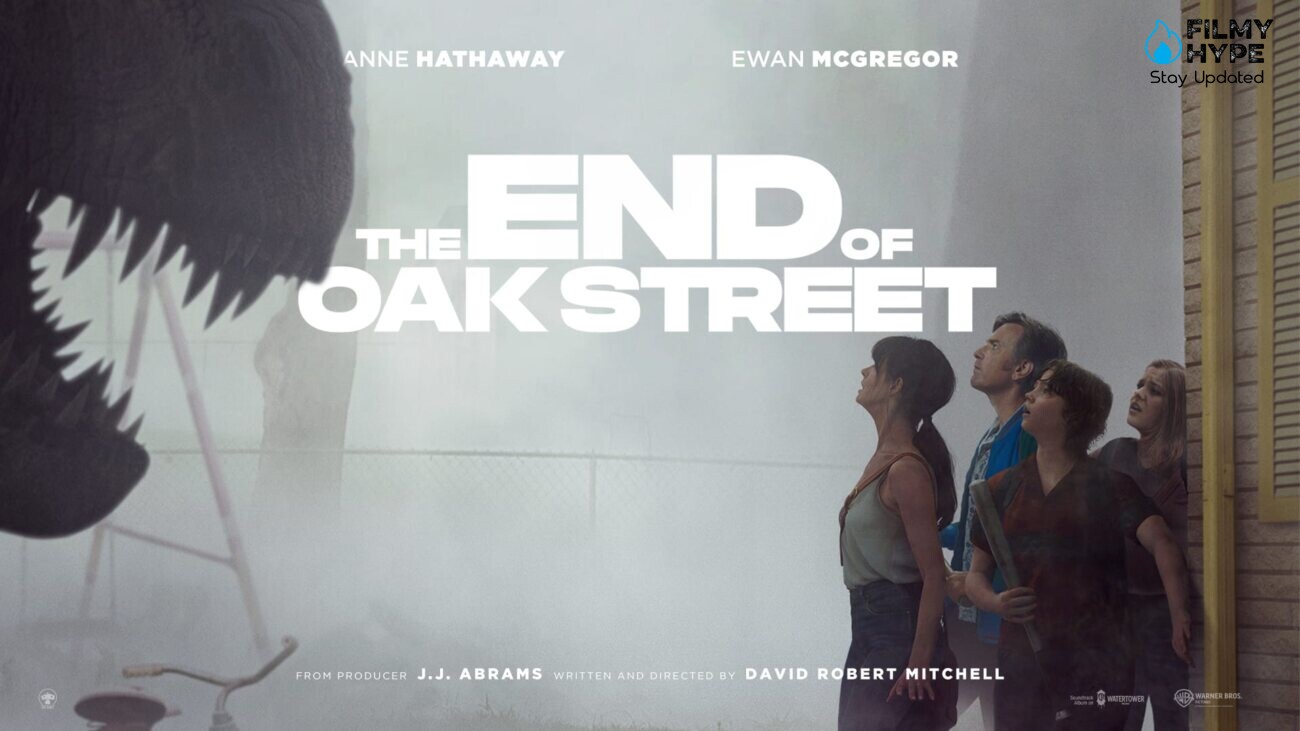
In recent years, David Robert Mitchell has proven himself to be one of those directors capable of taking seemingly simple ideas and transforming them into something unpredictable. After winning over audiences and critics with works that have always played with mystery and unease, the director returns with The End of Oak Street, a film that is difficult to pigeonhole into a single genre. On paper, it might seem like a classic horror film featuring prehistoric creatures, but in reality, it chooses a different path, building a story that blends science fiction, survival, and thriller, where a sense of discovery and the struggle for survival become the dominant elements. The End of Oak Street starts from this very premise, developing a premise as crazy as it is brilliant: what would happen if an entire neighborhood were transported through space and time into a prehistoric era dominated by lethal fauna?
The End of Oak Street Movie Review: The Story Plot
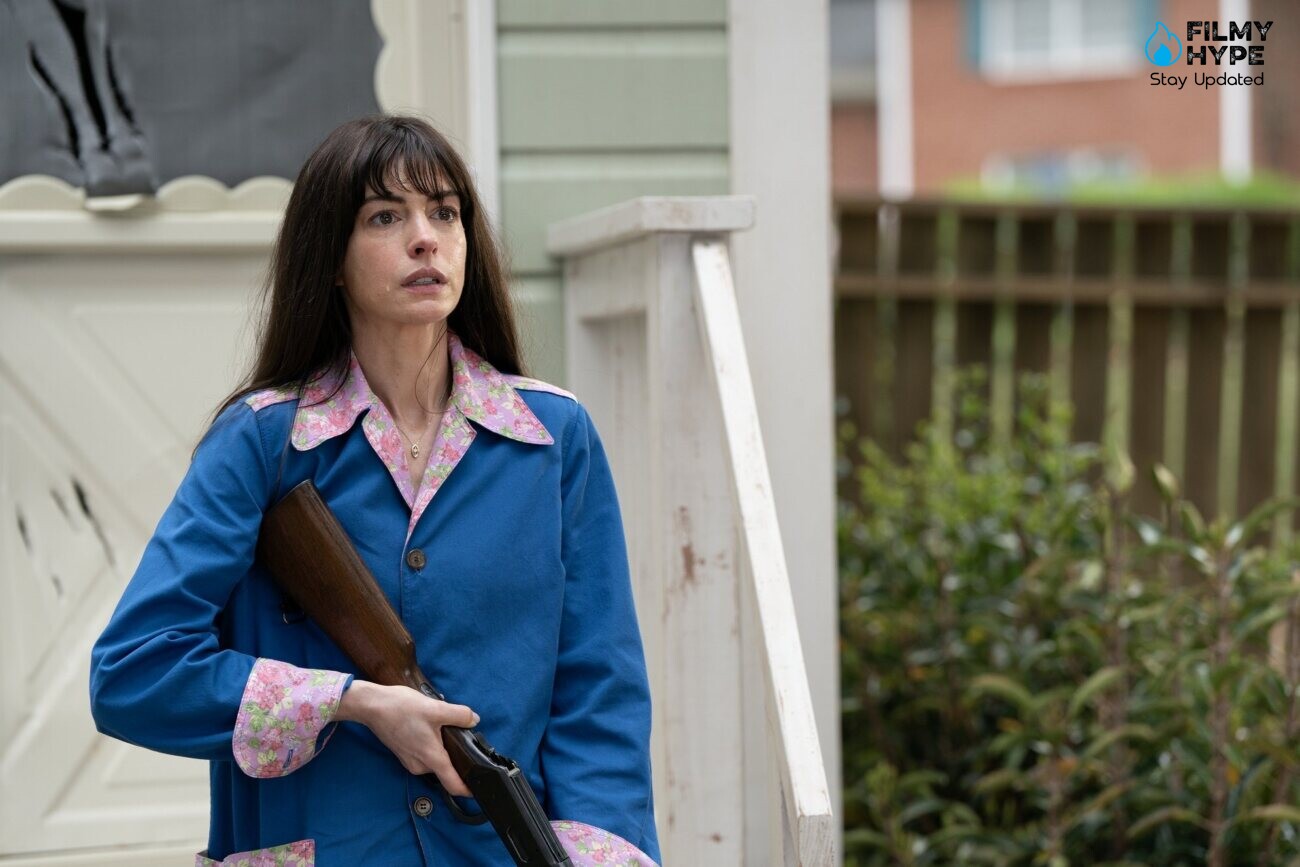
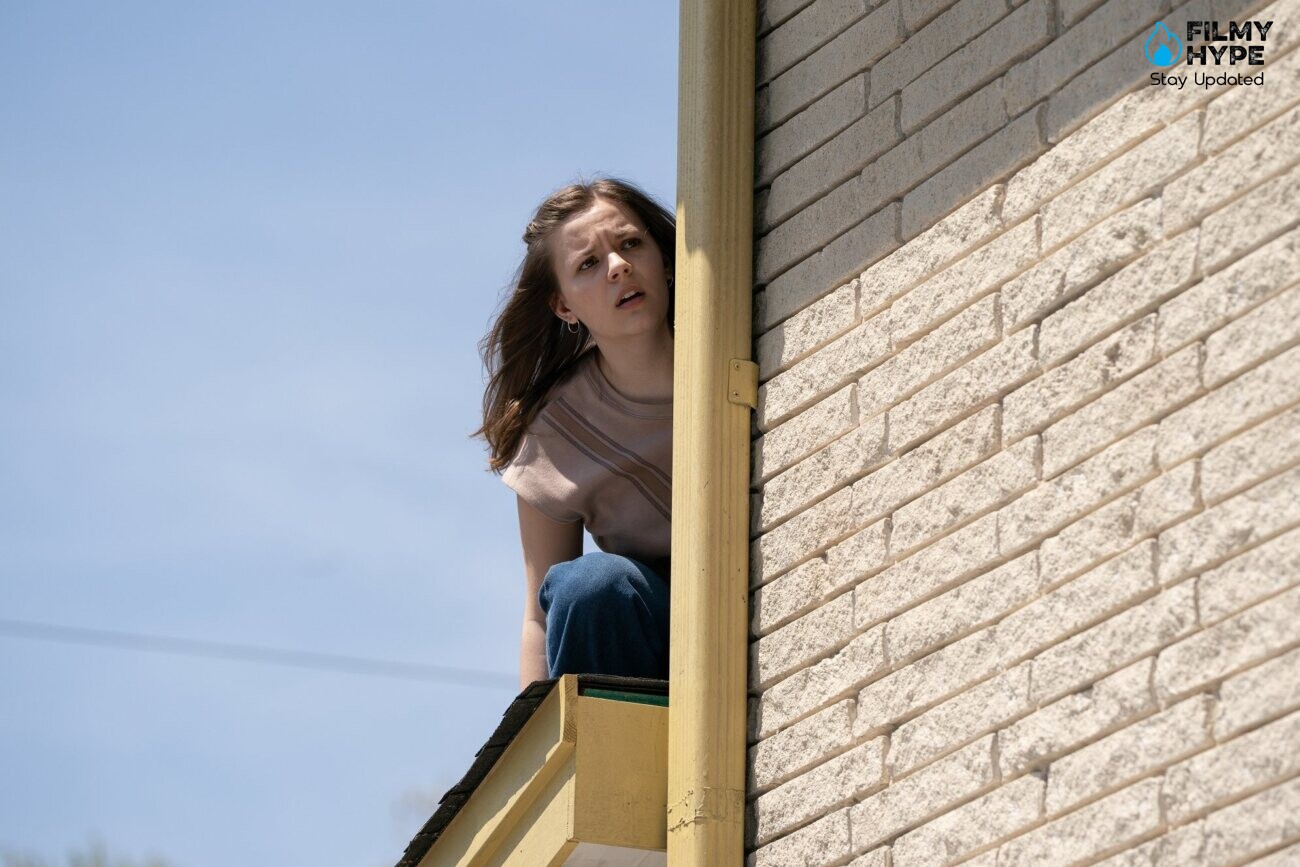
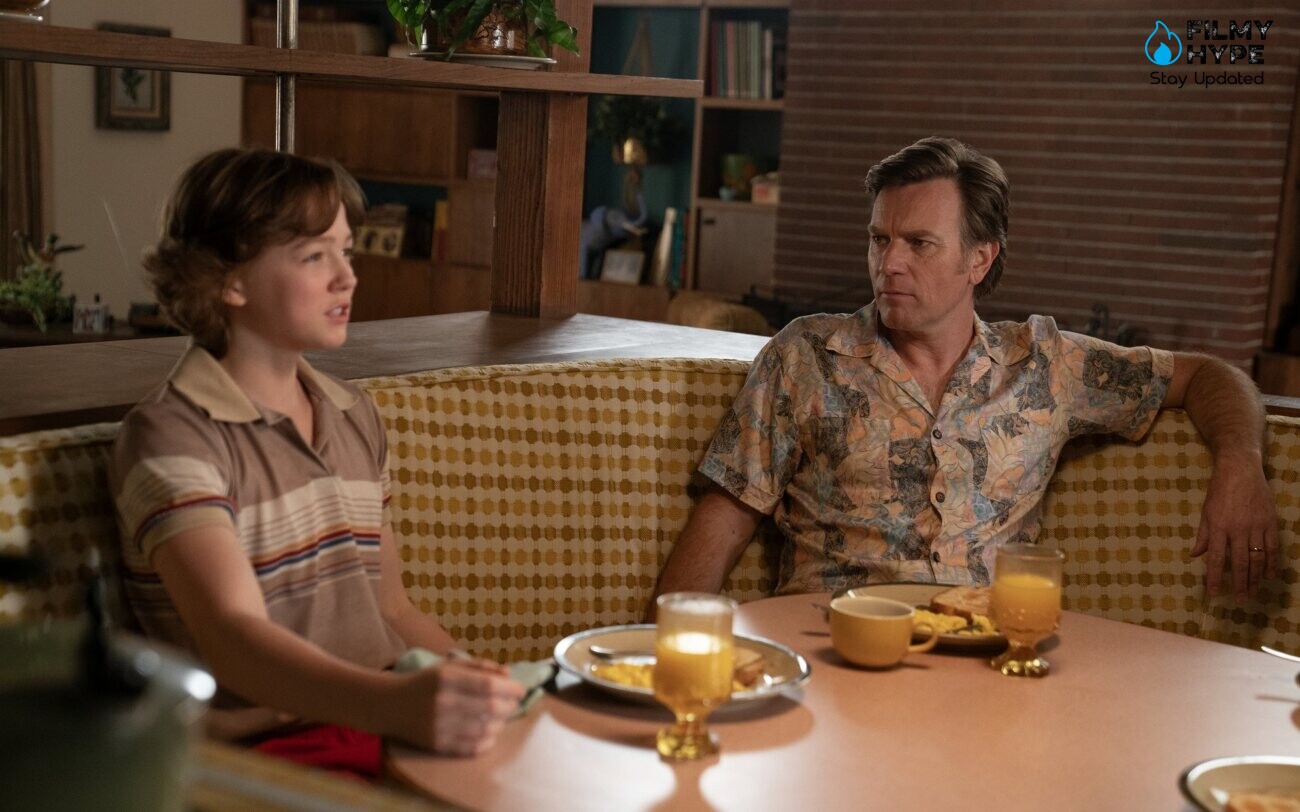
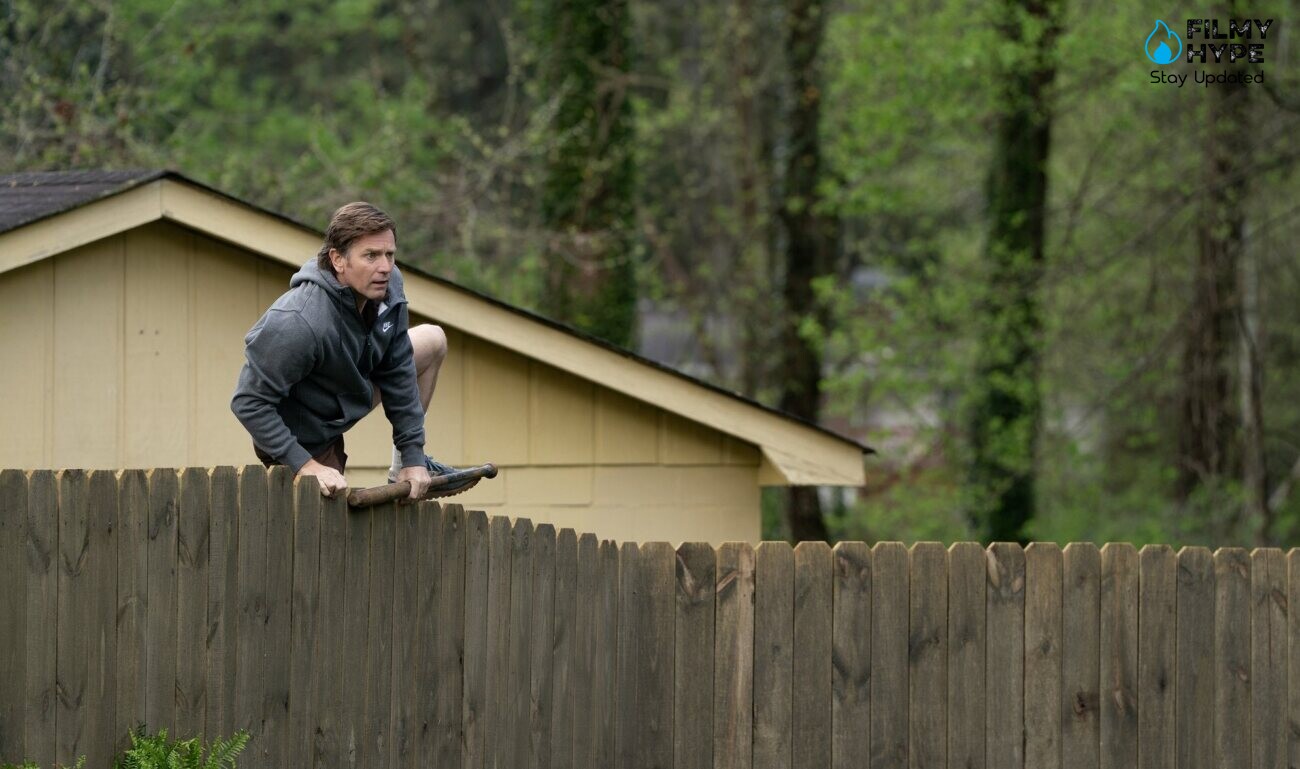
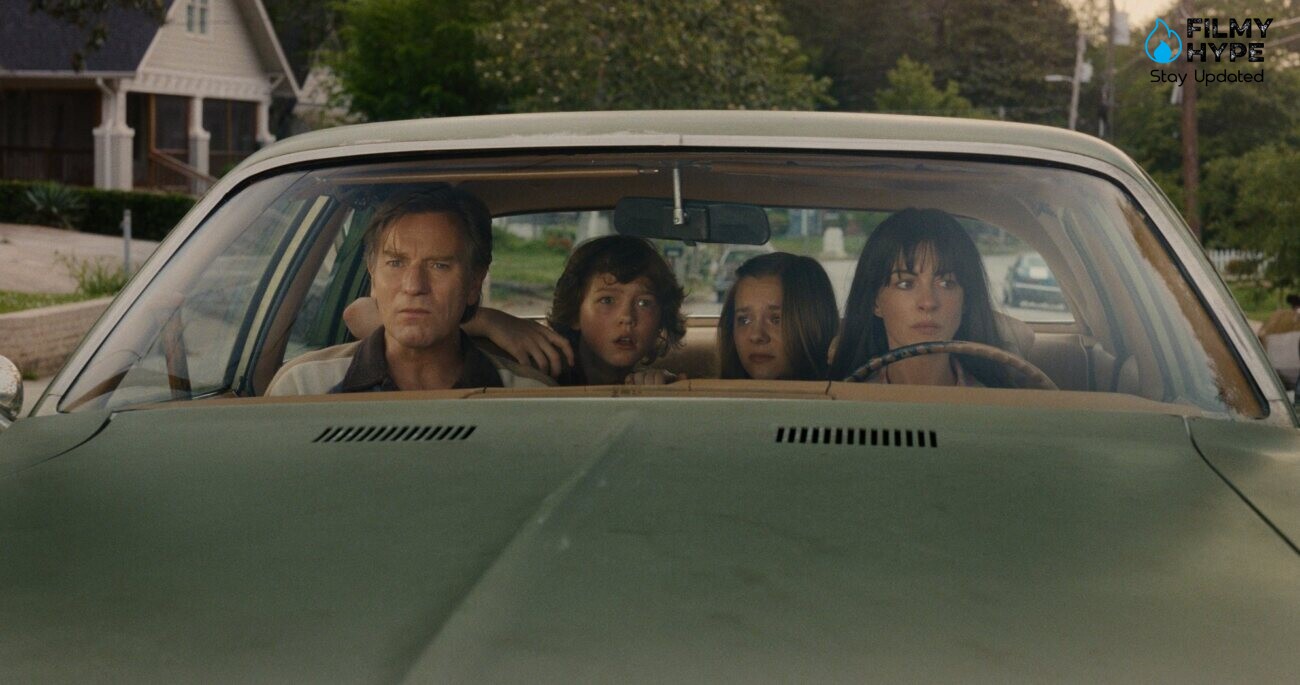
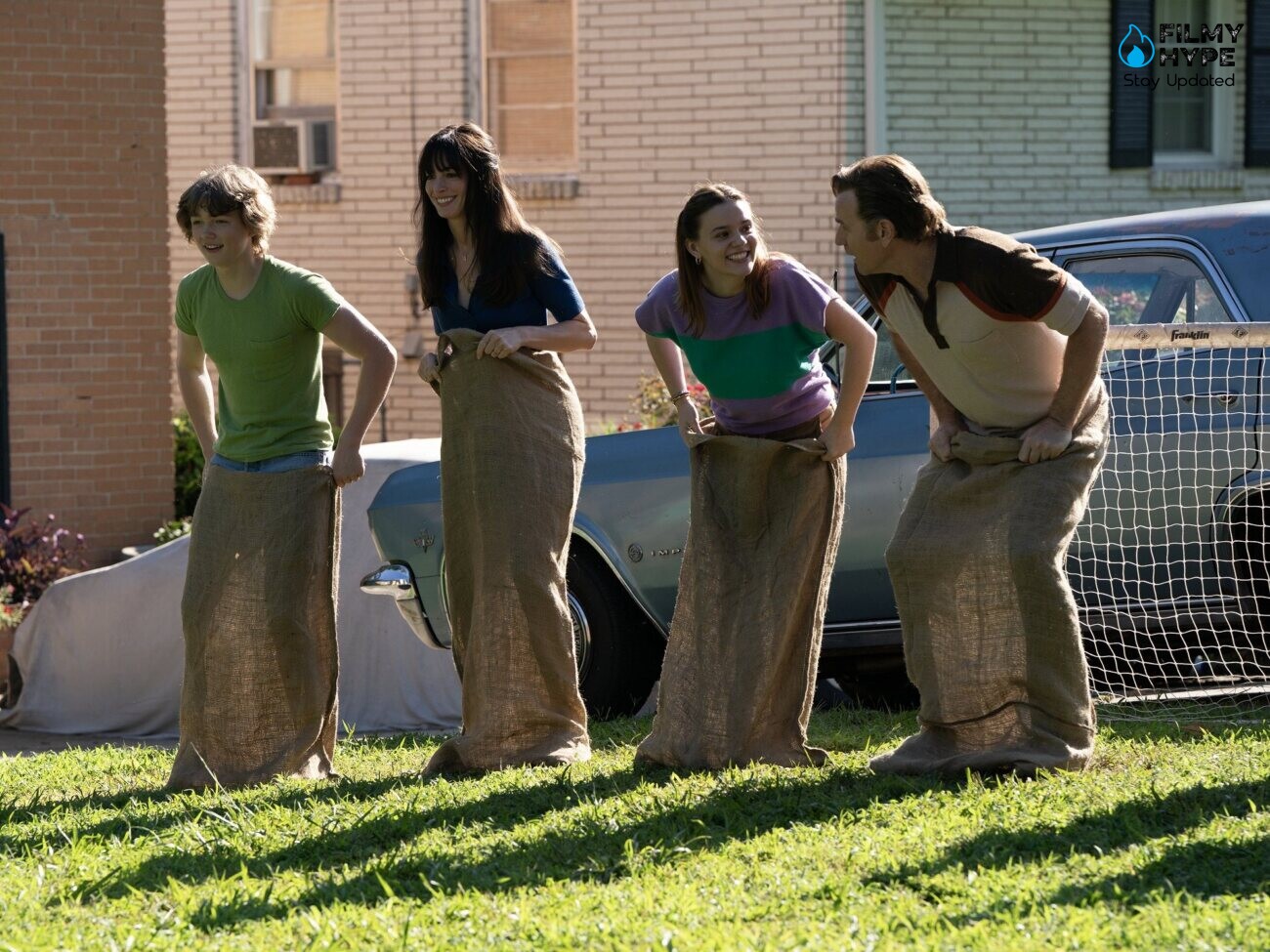
The story unfolds on quiet Oak Street, an American suburb in the 1980s, where the Platt family leads a seemingly normal life. However, the balance of their existence is shattered when strange, inexplicable phenomena begin to occur in the neighborhood. A mysterious cosmic event suddenly uproots the entire neighborhood, transporting it to an unknown location teeming with prehistoric creatures and unprecedented threats. Catapulted into a completely alien environment, the Platts are forced to set aside their differences and learn to rely on one another. As they struggle to understand their whereabouts and find a way home, they embark on a journey that is as perilous as it is unpredictable—one where their survival hinges above all on their ability to stay united.
The End of Oak Street Movie Review and Analysis
The story tries to maintain an aura of mystery for much of the film’s duration, avoiding immediate explanations and focusing on the viewer’s curiosity. Personally, however, I found the script rather inconsistent. Some developments work and manage to engage, while others are unclear, leaving the feeling that the film deliberately wants to be enigmatic without always being able to give a precise direction to the story. The ending also follows this philosophy: instead of really closing the circle, it prefers to leave numerous questions open, a choice that will likely divide the audience.
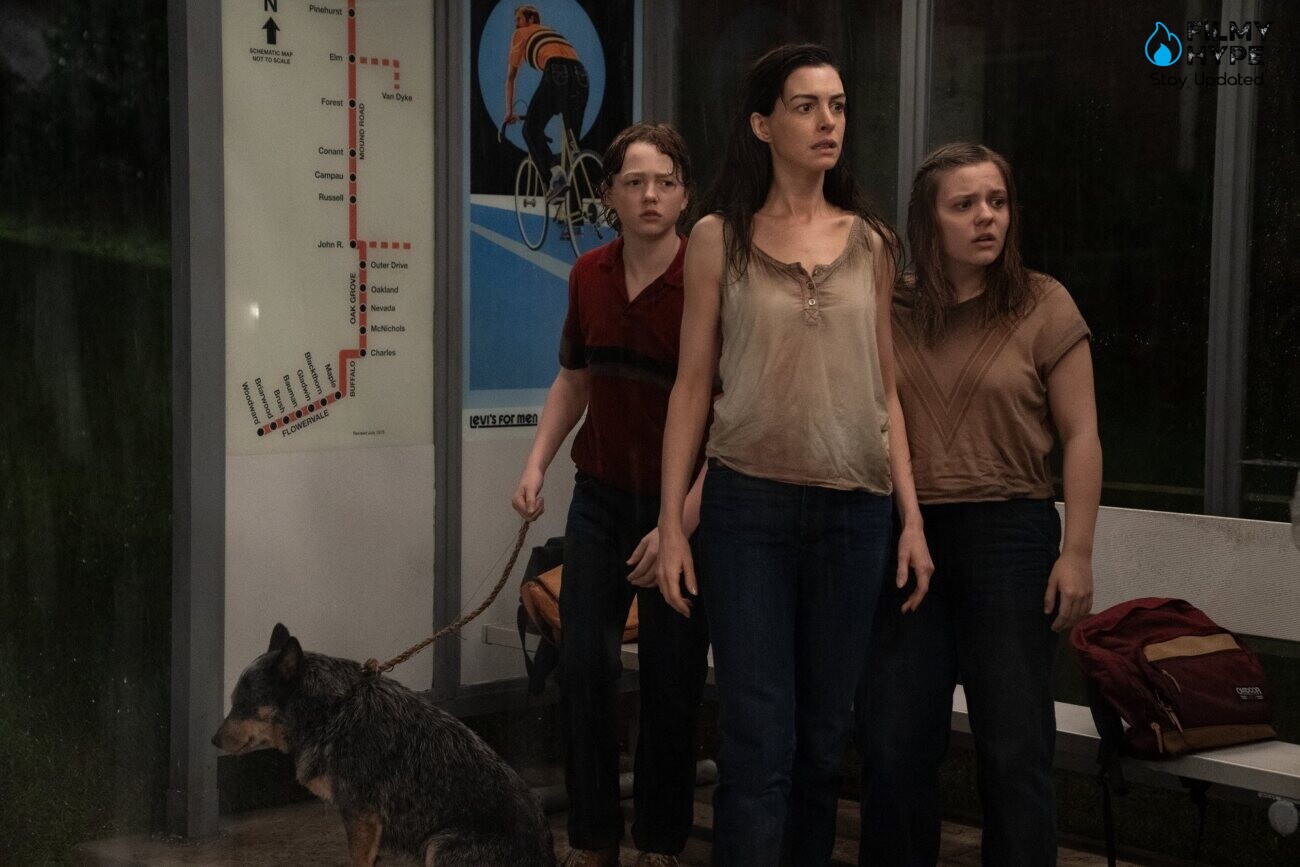
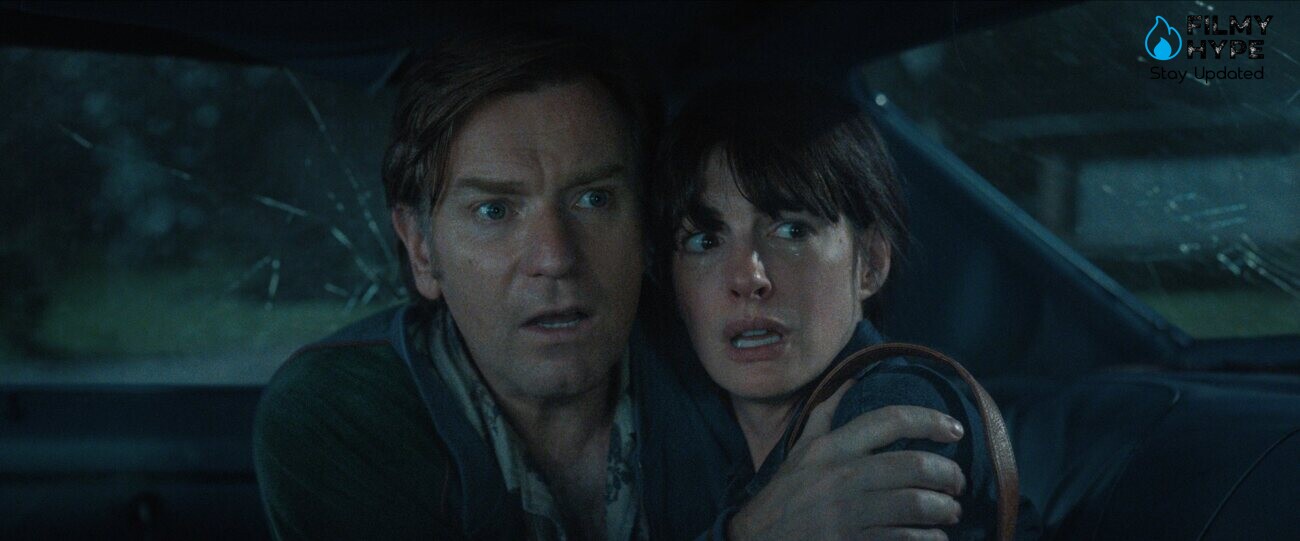
What surprised me most was that The End of Oak Street is not the classic horror film that marketing might suggest. Sure, there’s no shortage of moments when you jump out of your chair, but in most cases, they’re not constructed through particularly extreme images or splatter scenes. It’s the sound industry that does most of the work. Sound design is probably one of the best elements of the entire production. Every noise, every creature call, and every sudden silence is used to continually increase tension, making many jump scares truly effective. It is a type of fear that arises above all from audio rather than images.
At the same time, Mitchell doesn’t give up on slowing down the pace often to focus on the characters. The film continually moves from long sequences of tension to much more reflective moments, dedicated to dialogue and family relationships. This choice makes the pace decidedly up and down: some scenes are capable of keeping you on the edge of your seat, and others significantly lower the intensity. The transition is not always perfectly balanced, but the director’s desire to tell a story of survival first and foremost is evident. From a directorial point of view, David Robert Mitchell once again confirms a clearly recognisable personality. His staging almost always avoids spectacular excess and prefers to construct uneasiness through measured camera movements, wide shots, and intelligent use of spaces. Even when the creatures finally enter the scene, the film never completely loses that suspended atmosphere that accompanies the entire narrative.
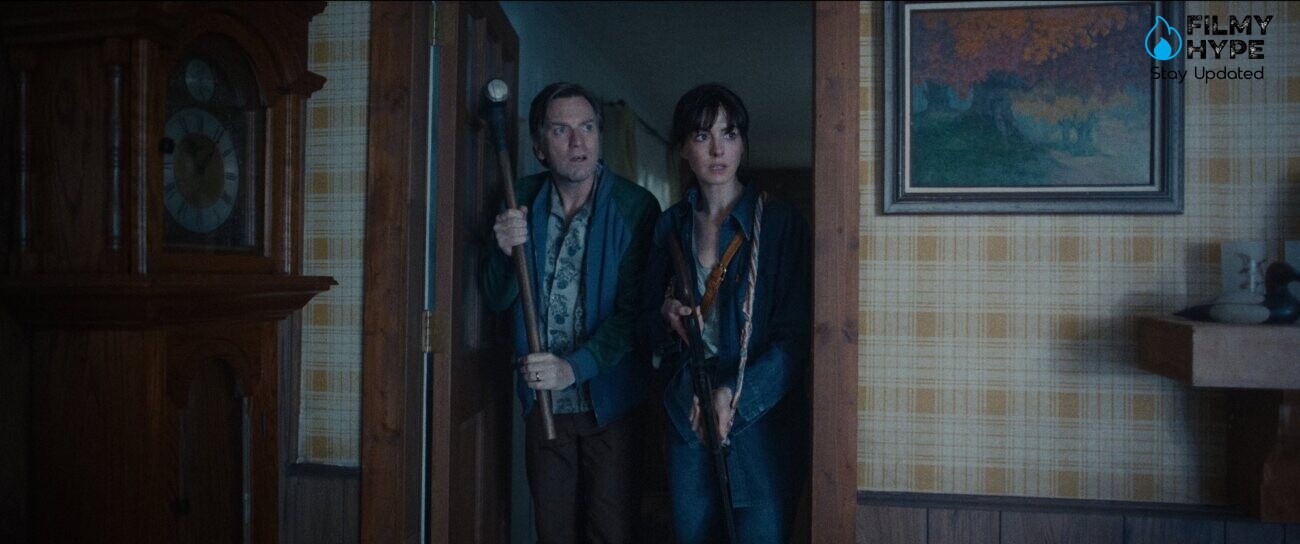
The photography is also excellent, alternating warm colors typically from the 1980s with increasingly dark and hostile settings, helping to strengthen the contrast between the initial tranquility of the neighborhood and the unknown world in which the protagonists find themselves. The cast works very well overall. Anne Hathaway once again confirms her entire experience, proving to be the film’s true emotional point of reference. Each scene in which he is the protagonist gains greater credibility and intensity, managing to give depth to even the weakest moments of the script. Ewan McGregor and the rest of the cast also do well, building a believable and never over-the-top family.
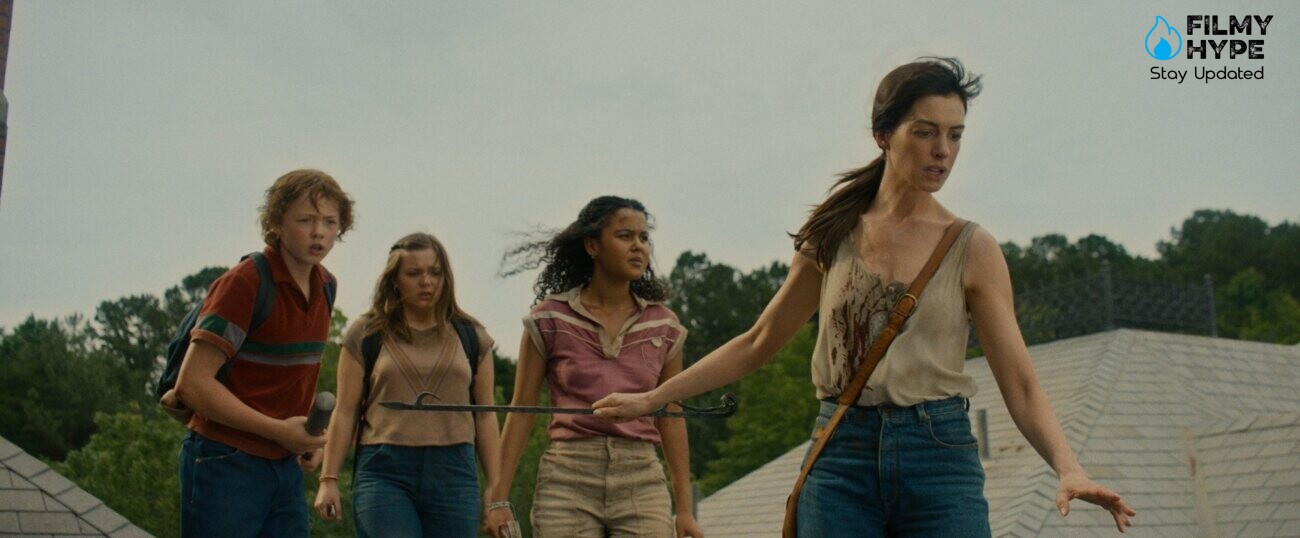
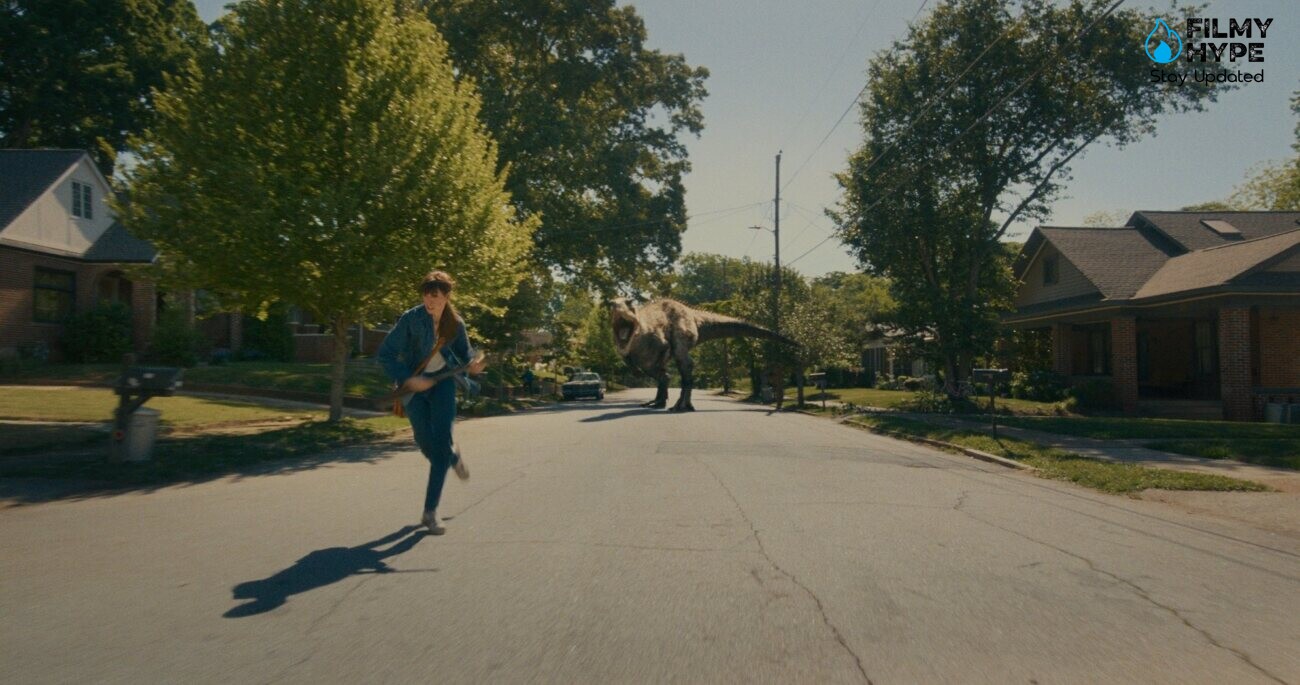
It’s inevitable that thoughts immediately turn to the great classics dedicated to dinosaurs and survival. However, Mitchell chooses a slightly different path. The creatures featured in the film clearly recall that imagery, but the most iconic and recognizable species are rarely used. This choice gives the work a hint of originality, avoiding the simple nostalgia effect and helping to create a feeling of constant unpredictability. The visual effects are also convincing, without constantly looking for the show for its own sake. The creatures are believable and integrate well with the environments, while the aforementioned work on sound becomes the true technical protagonist of the entire film. It is precisely thanks to the audio mix that many sequences manage to significantly increase the tension. There are also some surprisingly funny moments in the middle of the suspense, which lighten the tone without being out of place and make the experience more varied overall.
For the first time in Mitchell’s career, you have a synopsis here that anyone can read without frowning. And it’s another symptom. A synopsis based on a memory of what the American family must have been like in those 1980s: the barbecues, the neighborhood, the socks worn almost below the knee, the shorts, and the bicycles without gears that can rise to the sky if you pedal fancy. We are in full Spielberg imagination. The pantone is his: a bright world and a more faded interior, devitalized by creaking families. In our she mixes frustration and recrimination, dreams of the writer’s prose but lives the frustrating one of anonymity. He is a good man, willing and conciliatory, but ambition is not his strong suit.
The two children complete the picture; she is close to college, he is still Topexan-aged, Citrulli, and morbid, as reflected in the mood of the house. And a glue dog, the first witness to the light event (Spielberg again) that heralds disastrous epiphanies. No spaceship disembarks: it’s the whole neighborhood that’s being hijacked to a prehistoric elsewhere, a kind of scale remake of Jurassic Park. This is all textbook remakes, which JJ could have done. Abrams himself. With some traces of Mitchell, who was, especially for that wandering in the frame, with the use of wide angles and deep compositions to work simultaneously on multiple planes of the image. Which thus becomes, as elsewhere, suspect. Credit to Mike Gioulakis, our director of photography since It Follows. Traces that are also evidence of detachment from the recognized originality of the previous work, in which the setting was not so much the gaze as alien. That is, it was the direction that suggested something in the world is amiss.
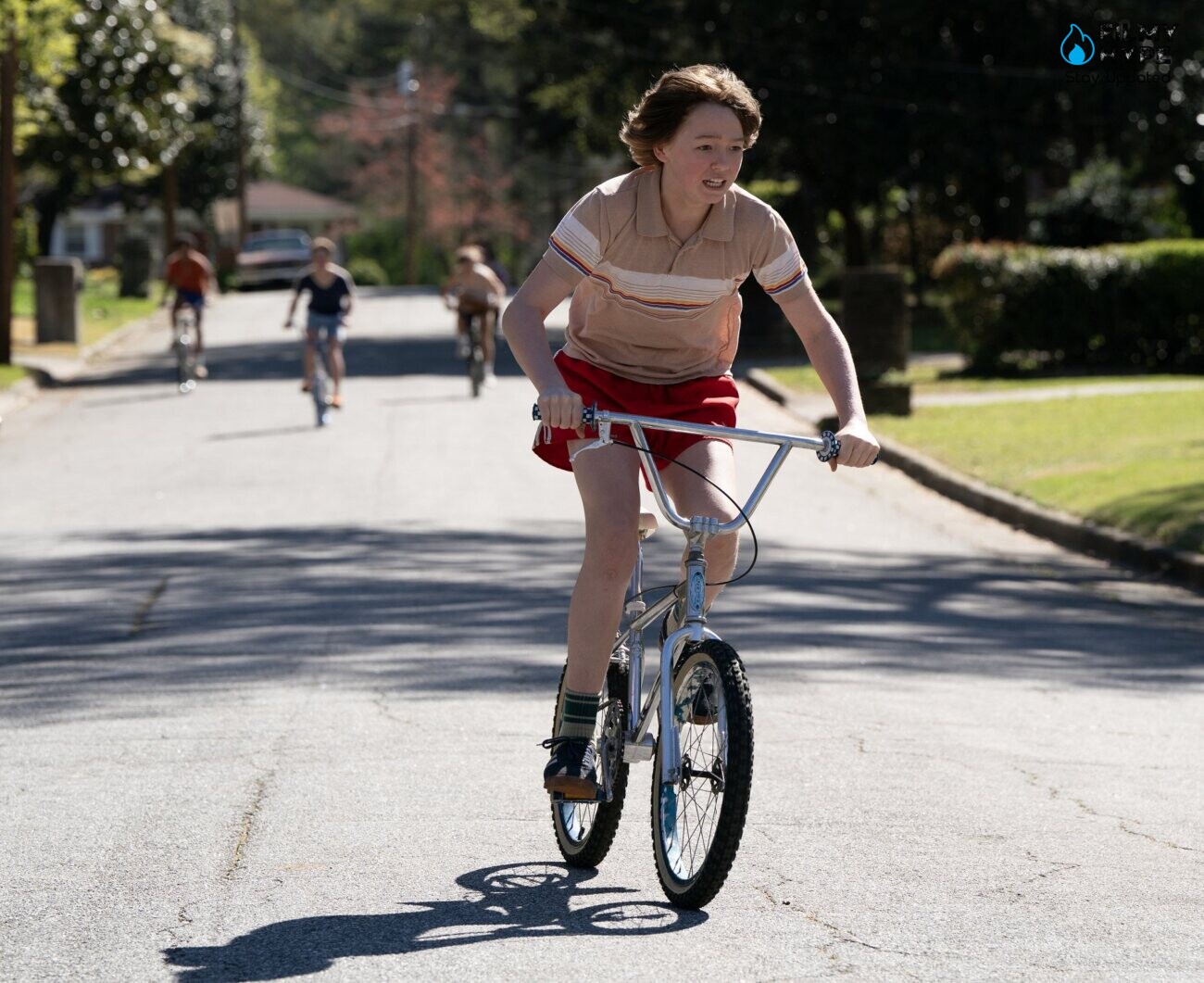
Mitchell instead trades perceptual paranoia for a vintage, mainstream homage to science fiction without a ban on minors. A normalization that never truly appears justified by a sentimental need. The heart doesn’t seem like this director’s strong organ, but then why remake Spielberg? And it’s not worth dirtying the family with a few gore moments, because the risk is gratuitous shock or, worse, wanting to stand out when you’ve already crashed the party. What can I say about The End of Oak Street other than that it’s one of the funniest movies in recent years? The cards must be revealed immediately: although the story touches on important themes such as family unity, the value of dialogue, and the need to form a common front in times of difficulty, the heart of the film remains pure entertainment.
Between genre quotes (with a couple of masterfully shot direct homages to Jurassic Park) and heart-pounding action sequences, the writing keeps the tension constant. The handling of dramatic and action times is pinpoint, and the twists manage to throw the viewer off balance, integrating mechanisms typical of pure horror in a completely organic way into the narrative flow. David Robert Mitchell’s work falls squarely into the monster movie genre, but with stylistic influences that make it extremely interesting. Dinosaur designs are as scary as they are realistic: some of them have feathers (seeing feathered raptors is the joy of any paleontology enthusiast), some are simply ferocious, others incredibly mammoth, but the common denominator is only one: lethality. Because the question that comes up throughout the film is ultimately one: how do you survive the unthinkable?
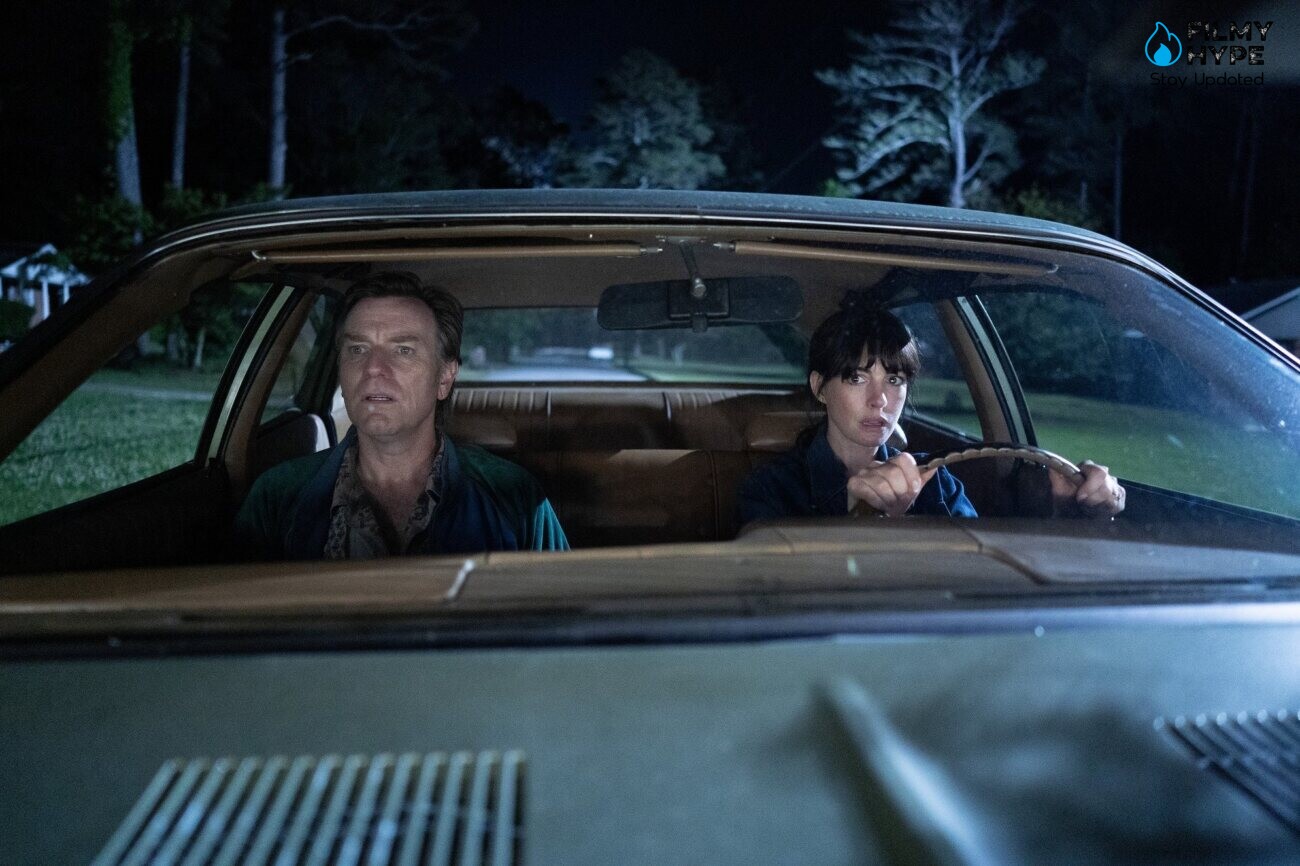
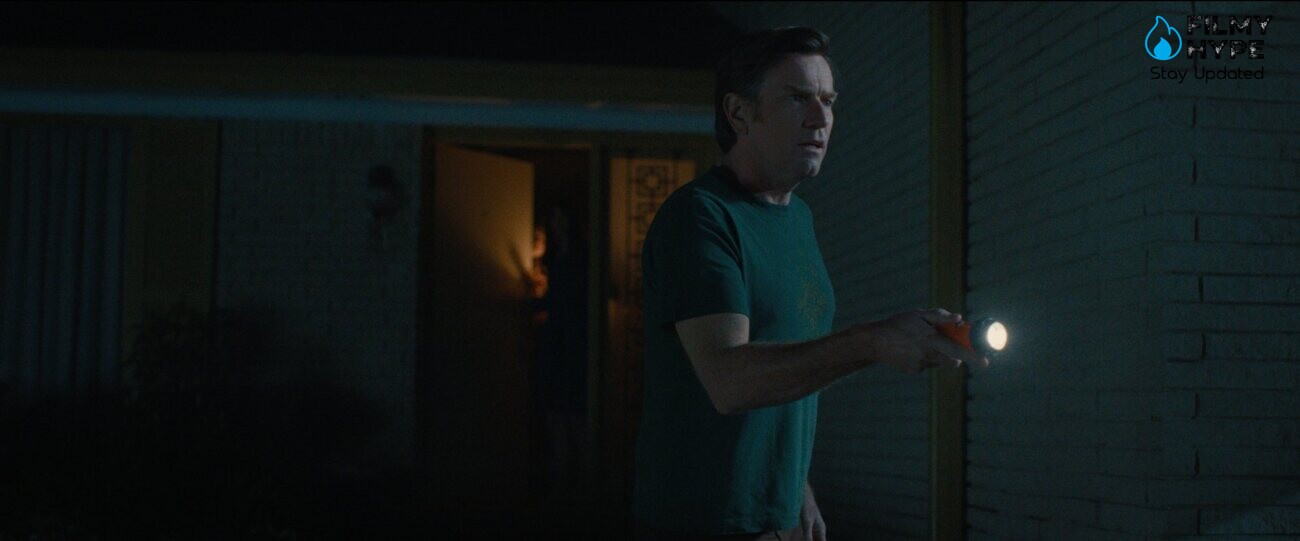
Technically, The End of Oak Street boasts top-notch visuals. The choice of shots, the composition of the image, and the management of the fire points testify to a rare formal care for productions of this type. To highlight the contrast between the prehistoric era and modernity, director and cinematographer Mike Gioulakis (who has already created some of the best recent horror films) contrasts the boundless open spaces with the claustrophobic atmospheres of houses, garages, and cars, effectively conveying the sense of trap and constraint that suffocates the protagonists.
From this perspective, the viewing mode makes the difference: The End of Oak Street is a film conceived for the big screen. Filmed partly in IMAX, it is best in dedicated theaters or, in any case, in cinemas where you can best appreciate good quality images and sound that is essential to fully experience the sense of constant alertness and tension necessary to enjoy the film. Obviously, it’s not mandatory, but it’s something we strongly recommend, as taking away the spectacle of this film means depriving it of an important part of its soul. For the rest, all you have to do is grab some snacks, a drink, and start regretting all the times you, as an adult or as a child, wanted to see a living dinosaur.
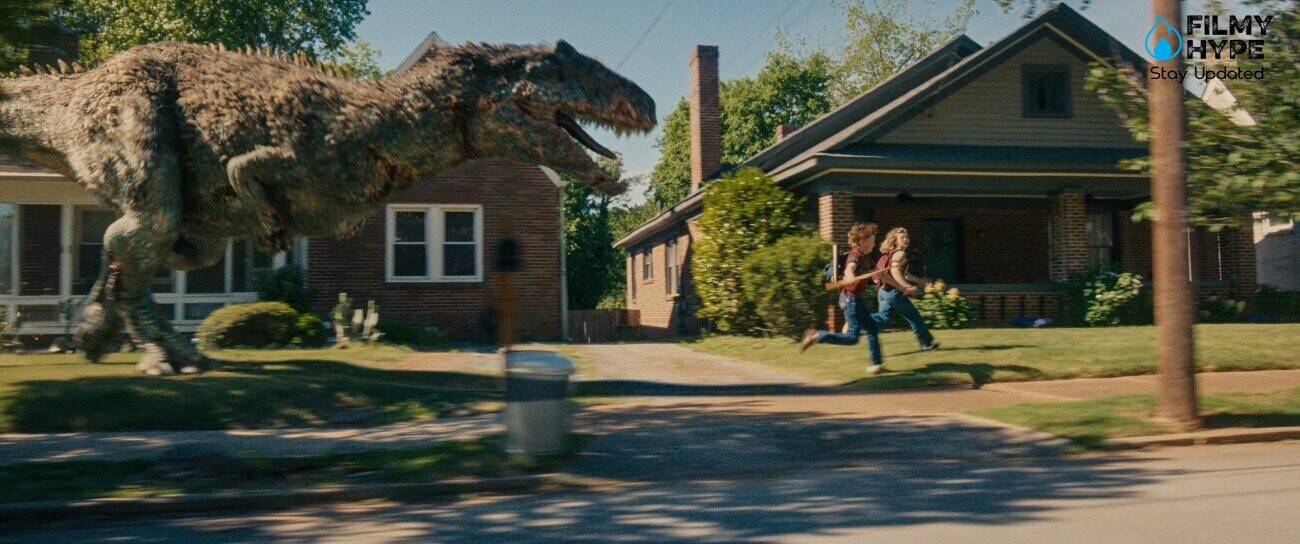
The End of Oak Street, upon closer inspection, could even be a mystery reworking of the virtual world delivered to us by Steven Spielberg with Ready Player One. A large container of quotes at the cinema and pop culture within which the modern cinephile can enjoy spotting Easter eggs and cultural references. Come on, Duffer Brothers, in the typical Spielbergian atmosphere – between bicycles, dinosaurs, and a strong adventure family. From time travel in full style, Zemeckis, with a plot and characters that seem to come out of King’s pen. Not counting the obvious influence of JJ Abrams and, in particular, of the first two Cloverfield chapters. For an experience on the edge of reality that owes much to the poetics of the producer.
The element mystery, moreover, is the most successful aspect of the film. That, at least in the first half hour, he finds himself, albeit with decidedly less serious tones, to reason intelligently about and on the off-screen. In a mix of imaginaries that is so reminiscent of M. Night Shyamalan (The Village), as to the serial experience of Lost. “Problems” instead arise when Mitchell decides to play cards discoveries, giving life to a miniature Jurassic Park, blocked between retromania and a management of tones that is not always fluid. Within which the director, like his characters, finds himself wandering, or rather running from one block to another, without finding emergency outlets and exits. There remains the playful dimension, some good moments of tension, and discreet flashes of adventure. It remains above all, beyond a thread of bitterness, the trust in a director who, we hope, can soon return to work to give us something more than a summer divertissement.
The End of Oak Street Movie Review: The Last Words
David Robert Mitchell’s The End of Oak Street presents itself as an adrenaline-fueled monster movie that makes pure entertainment and constant tension its greatest strengths. Able to expertly blend the fantasy genre with horror undertones and effective homages to industry classics, the film shines with excellent technical care, from Mitchell’s inspired direction to Mike Gioulakis’s cinematography, to a frightening, accurate, and lethal dinosaur design. Thanks to the evocative visual contrast between boundless open spaces and claustrophobic contexts, together with a work on sound of primary importance, the work establishes itself as an overwhelming spectacle, conceived to give its best and fully enhance its scenographic charge on the big screen.