


Jane Schoenbrun’s Teenage Sex and Death at Camp Miasma is finally arriving in theaters, and it’s exactly the kind of film that demands to be seen with an audience. It’s a slasher movie and a love letter to slasher movies at the same time, a deeply weird, sensual, and emotionally raw exploration of queer identity, sexual shame, and the strange ways horror cinema shapes our understanding of our own bodies.
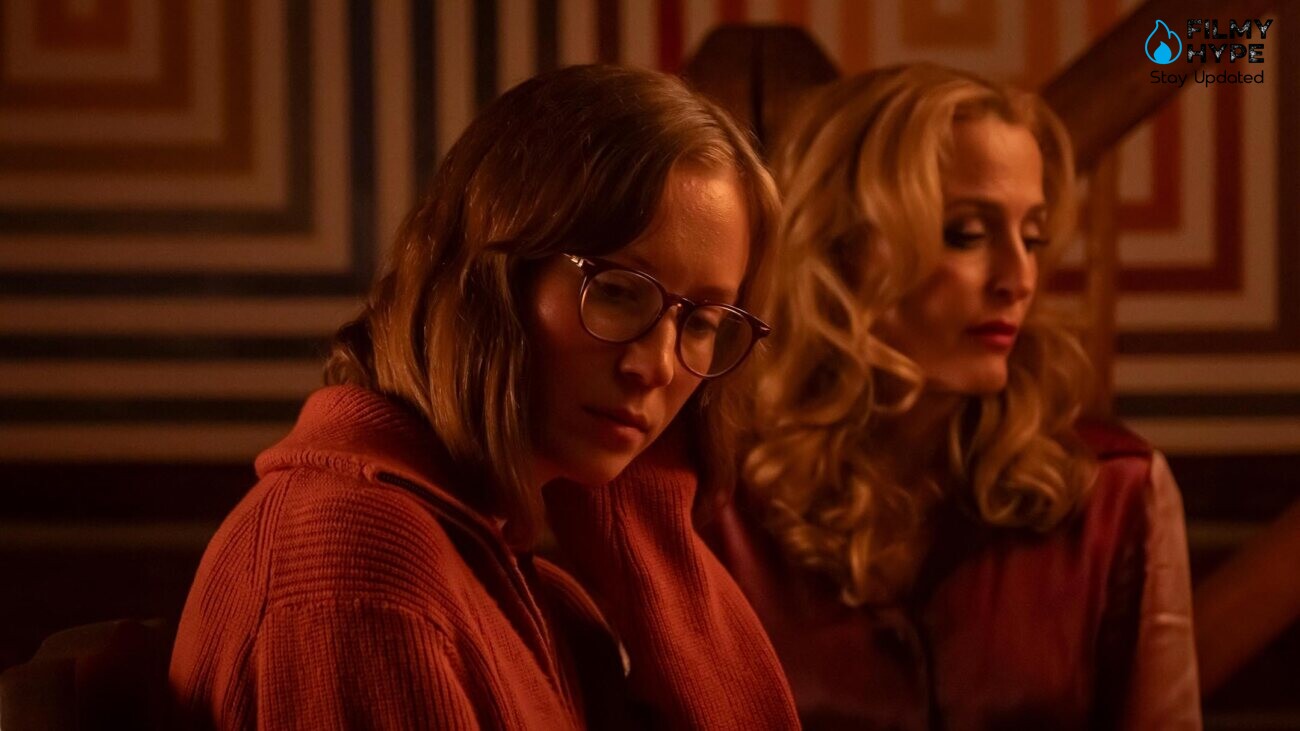
Does Teenage Sex and Death at Camp Miasma Have a Post-Credits Scene?
“Teenage Sex and Death at Camp Miasma” is a slasher film that made history in the genre in the 1980s. After numerous sequels, remakes, gadgets, and various soup stretches, the franchise was abandoned by filmmakers and forgotten by audiences. Today, in the age of woke cinema and politically correct, a young director with a complicated romantic relationship plans to bring “Camp Miasma” back to life with her new feature film. He thus reaches the campsite where the first, historic film was shot: Billy Preston, at the time the young star of the slasher, lives there. After her acting debut, Billy retired and disappeared from the scene.
The film won the Queer Palm at Cannes and has been generating intense discussion ever since. But before you head to the theater, there’s one practical question you might be asking: should you stay through the credits?
The answer is yes. There is a post-credits scene.
What Happens in the Scene
The scene is brief, funny, and perfectly in keeping with the film’s meta-textual sensibility. It features two extras from the fictional Camp Miasma film series, still wearing their costumes and makeup from the scenes they just shot. They’re standing in a convenience store—a location that’s appeared repeatedly throughout the franchise and shows up again in Teenage Sex and Death at Camp Miasma itself. The two extras are talking about their work, complaining about the clichés of the series, doing the kind of mundane griping that background actors have been doing since the invention of cinema.
Then the man behind the counter chimes in. He plays the store owner, and he’s been in the franchise before. He confesses that he turned down the chance to be in the sequels. He was convinced that bigger and better opportunities were coming his way. He was going to be a star. He didn’t need to keep playing a convenience store clerk in a low-budget slasher franchise.
Needless to say, it didn’t work out. He’s still here, still in the same store, still playing the same role. The bigger opportunities never came. The scene lands as both a joke and a quiet little tragedy—a man whose ambition outran his reality, stuck in the same place he tried to escape.
Why the Scene Matters
Schoenbrun has always been interested in the relationship between the stories we consume and the identities we build. Teenage Sex and Death at Camp Miasma is about a filmmaker who finds herself by losing herself in the fiction of a slasher franchise. The post-credits scene extends that theme in a different direction. The extras and the store owner are people who exist at the edges of the fiction—not stars, not creators, just workers doing a job. They’re part of the machinery that makes these movies possible, but they’re not celebrated. They’re not remembered. They’re just there, in the background, doing their part.
The store owner’s confession is funny, but it’s also a little sad. He thought he was too good for this world. He thought he’d move on to something better. Instead, he stayed. The franchise absorbed him. The convenience store became his life. There’s something almost existential about it—the idea that you can spend decades trying to escape something and end up exactly where you started.
It’s also a very self-aware joke about the nature of franchises themselves. The Camp Miasma series, as presented in the film, is a decaying property—once vital, now living on through cheap sequels and diminishing returns. The store owner’s failed escape mirrors the franchise’s own inability to move forward. Everyone involved is stuck, in one way or another.
Should You Stay?
If you’re already invested in the film’s particular wavelength, the post-credits scene is a small reward. It doesn’t set up a sequel. It doesn’t reveal a hidden plot point. It’s just a quiet, funny coda that deepens the film’s themes while giving you one last laugh before you leave the theater. For a movie that’s so much about the relationship between cinema and identity, between the stories we tell and the people we become, the scene feels essential rather than tacked on.
So yes, stay through the credits. Watch the names scroll by. Let the film’s strange, dreamlike atmosphere settle over you. And then, when the scene arrives, enjoy the sight of two background actors complaining about clichés while a man who turned down his big break rings up their purchases. It’s exactly the right note to end on—funny, melancholy, and a little bit true.