

Beast Race Movie Ending Explained: There’s a moment near the end of Beast Race (original title: Corrida dos Bichos) when everything you thought you understood about the story shifts. Not the race itself—Mano wins that, against all odds, the kid from the Perimeter of Death in his Cat mask crossing the finish line while the rich bastards watch from their air-conditioned luxury boxes. That part plays out more or less how you’d expect from a dystopian action film. But then the movie drops a revelation that reframes the entire conflict, and suddenly what looked like a simple story about a boy fighting to save his sister becomes something messier, more personal, and a lot harder to resolve.
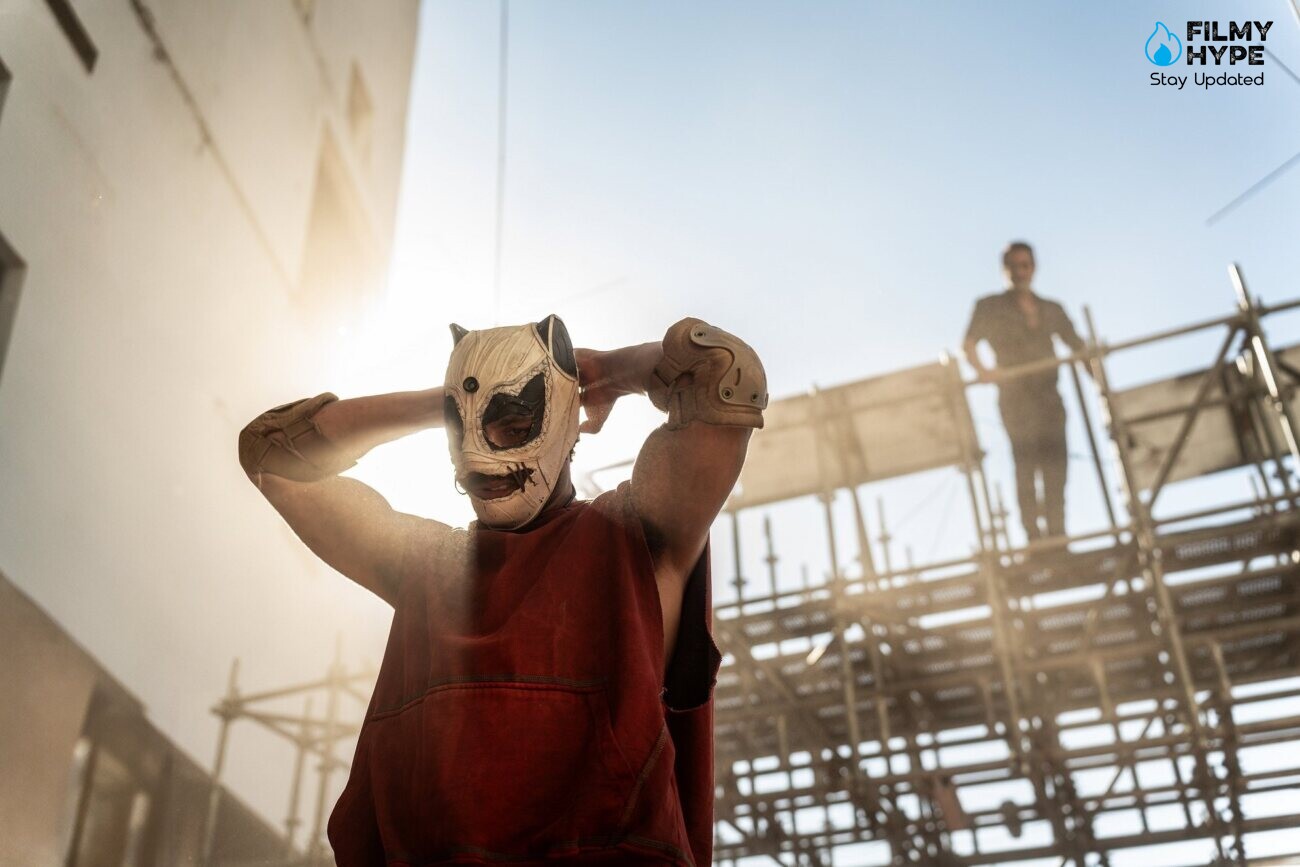
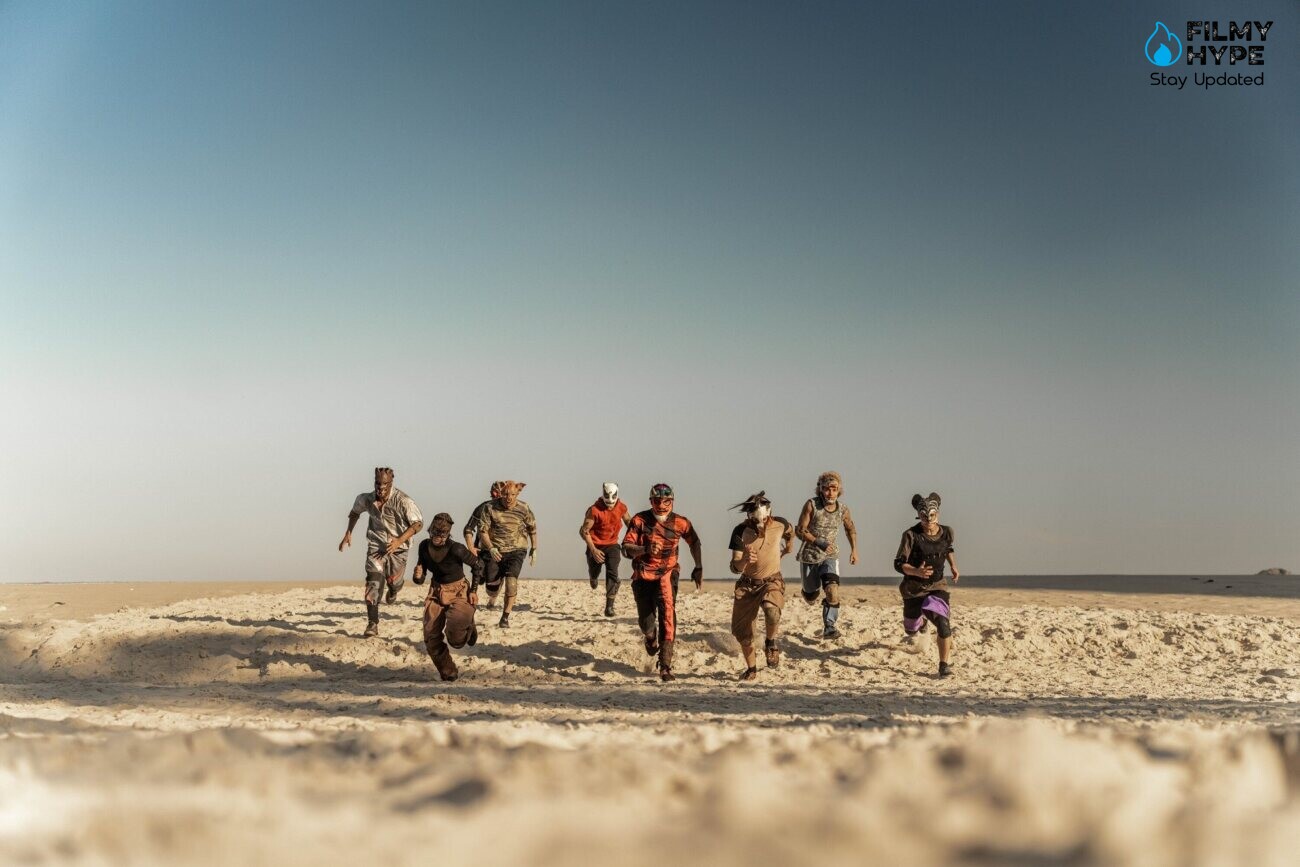
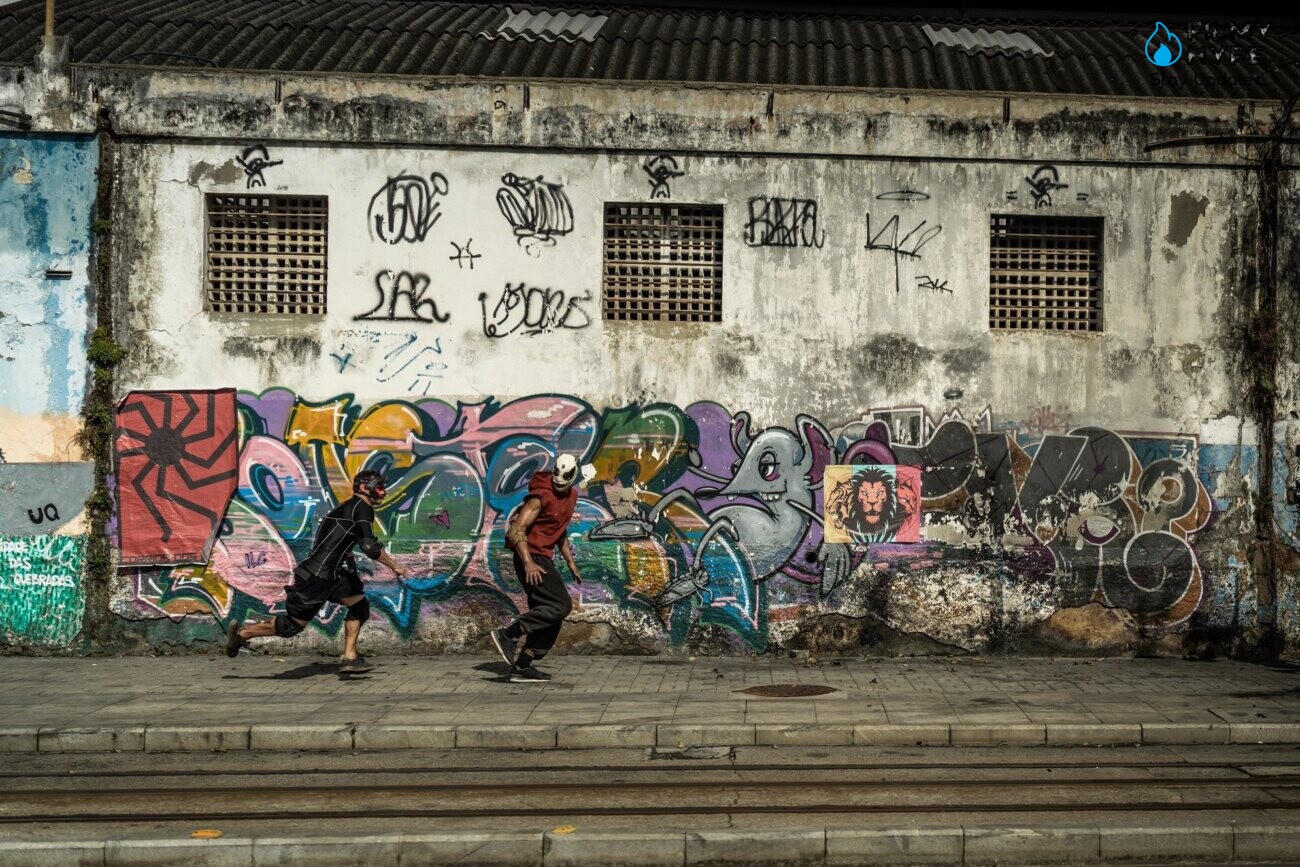
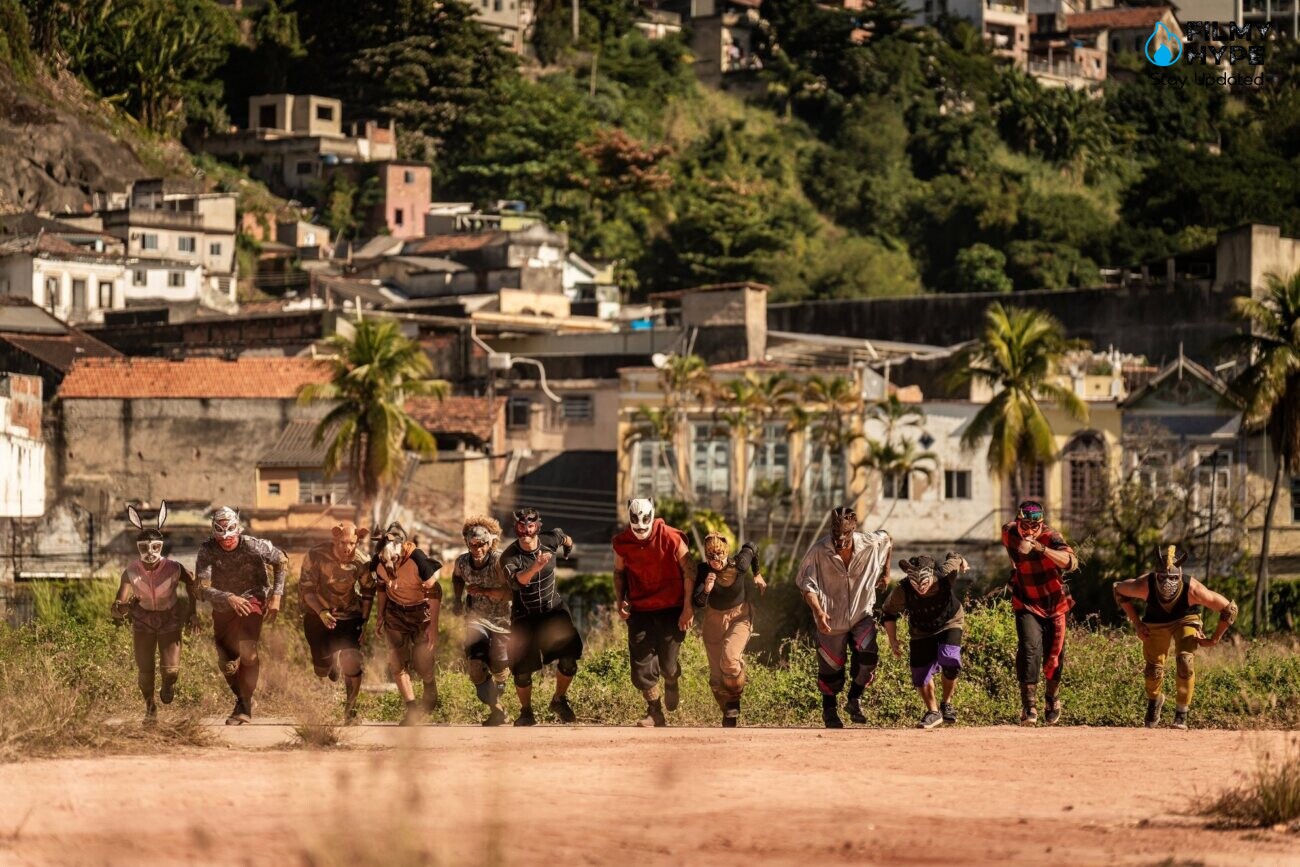
The film, which just landed on Prime Video on August 7, 2026, is a Brazilian dystopian thriller co-directed by Fernando Meirelles, Ernesto Solis, and Rodrigo Pesavento. It’s set in a Rio de Janeiro devastated by an environmental catastrophe that dried up the sea—an ecological collapse that’s also a social one, splitting the city between an ultra-wealthy elite and a desperate population scraping by in the ruins. Out of this wasteland, the old jogo do bicho—the animal game, an illegal gambling tradition that’s been part of Brazilian culture for over a century—has been reborn as something far deadlier. Now it’s a brutal urban race where athletes from the outskirts wear animal masks and run through lethal courses while tycoons bet fortunes from their safe, distant viewing rooms. The catch—and it’s a sadistic one—is that every runner has to put up a family member as collateral. Lose the race, lose your person. The system takes them.
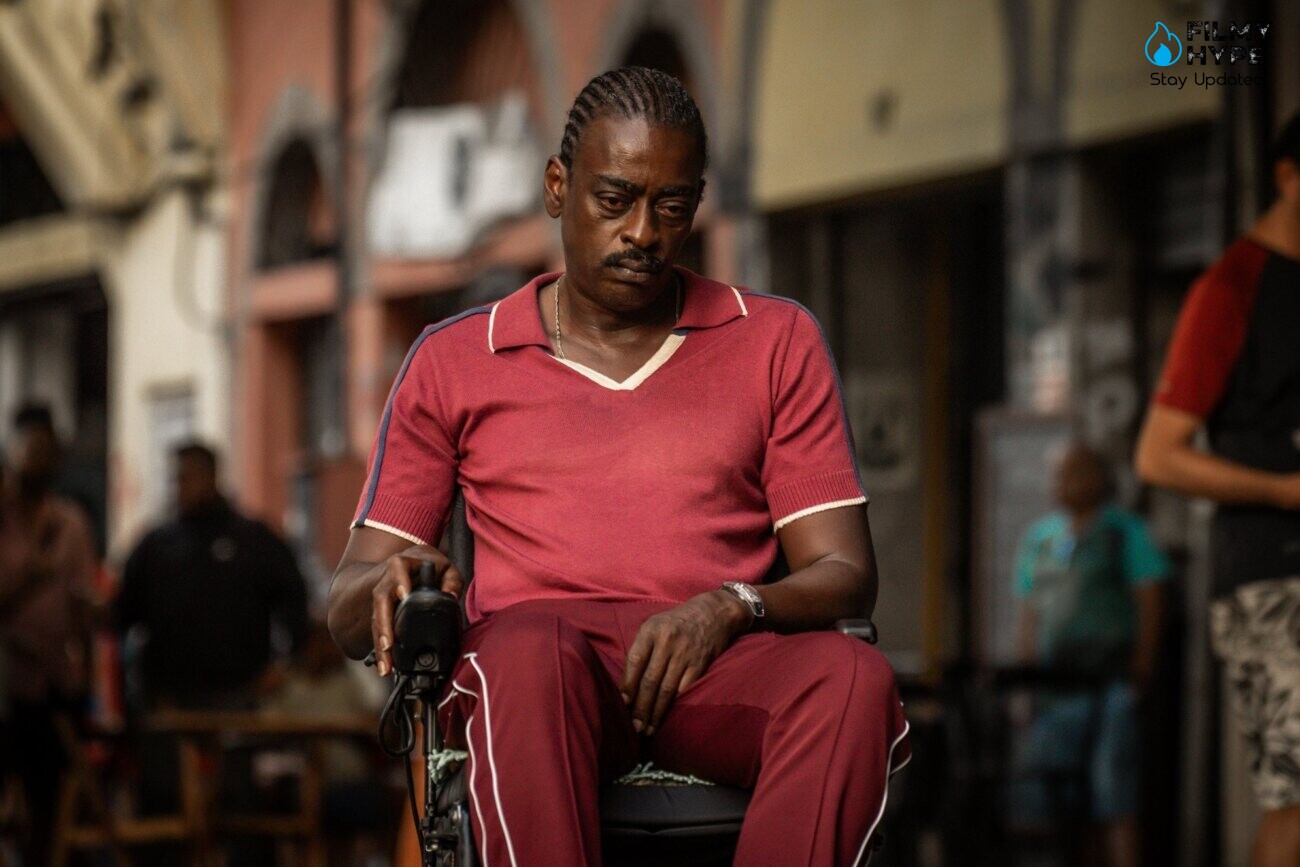
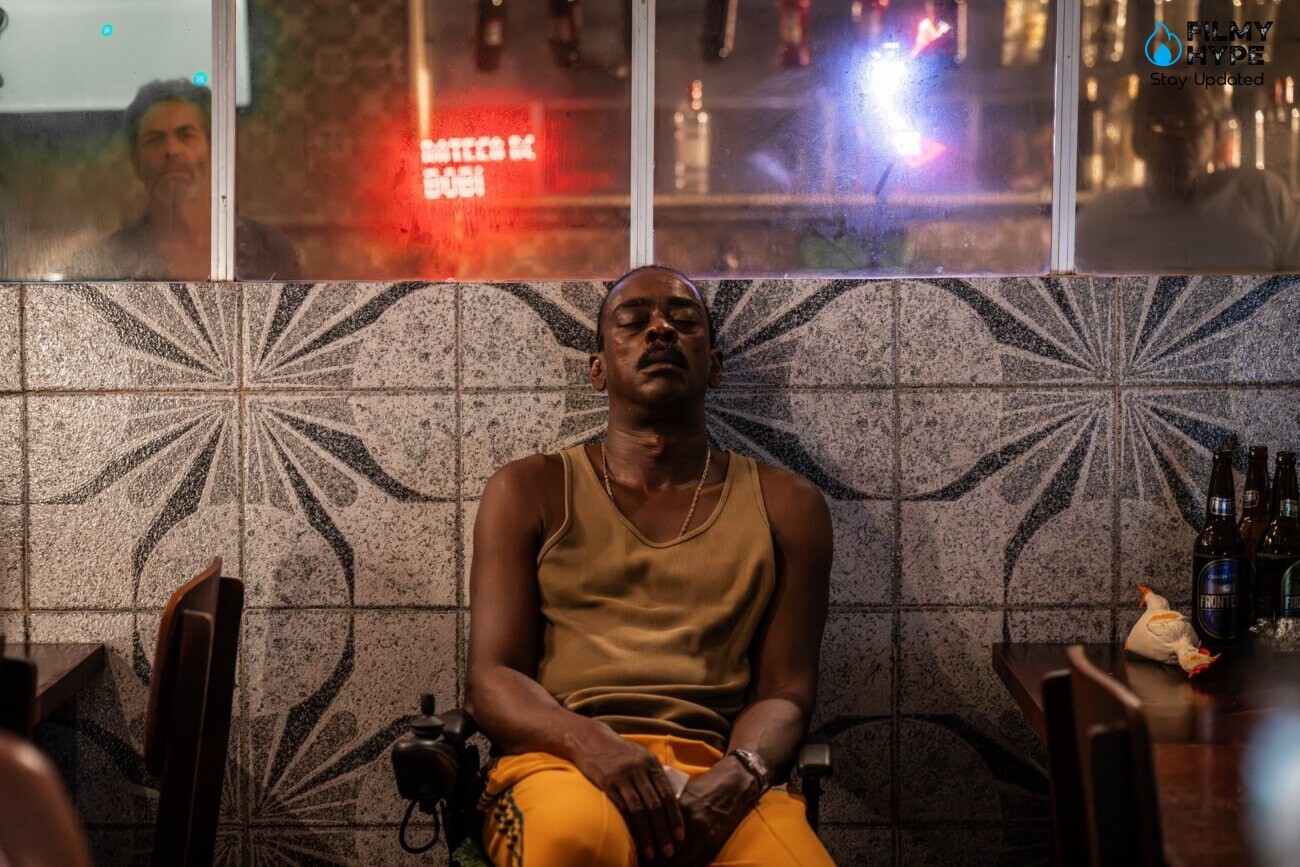
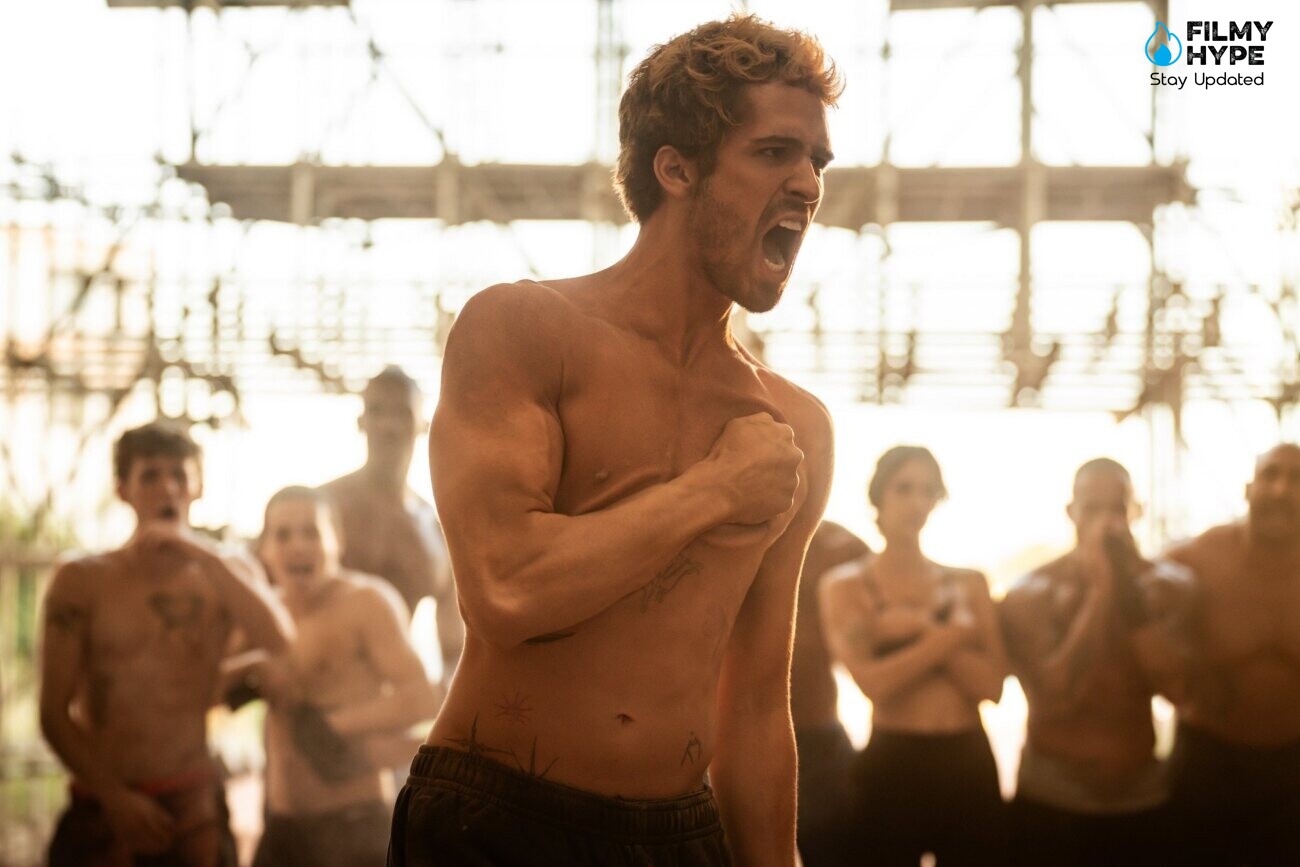
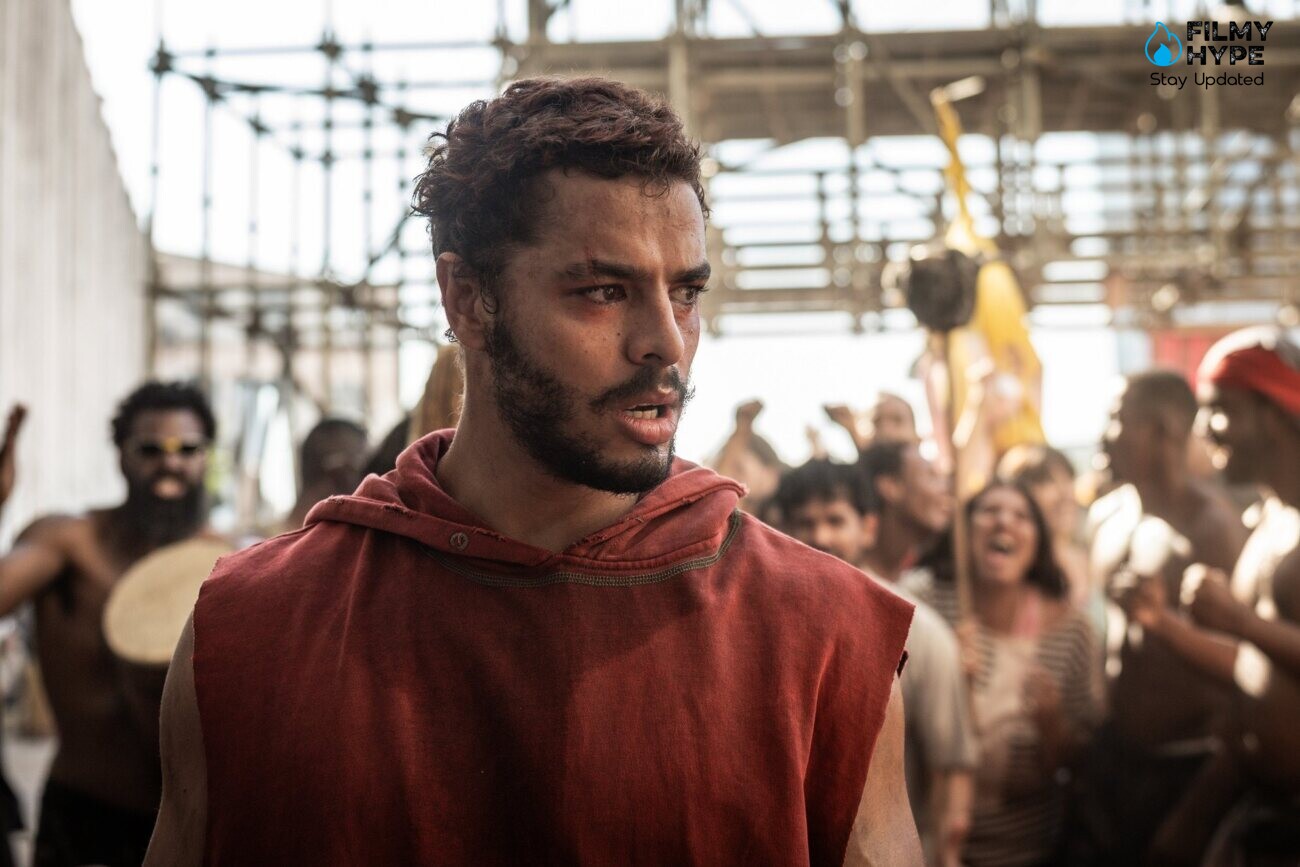
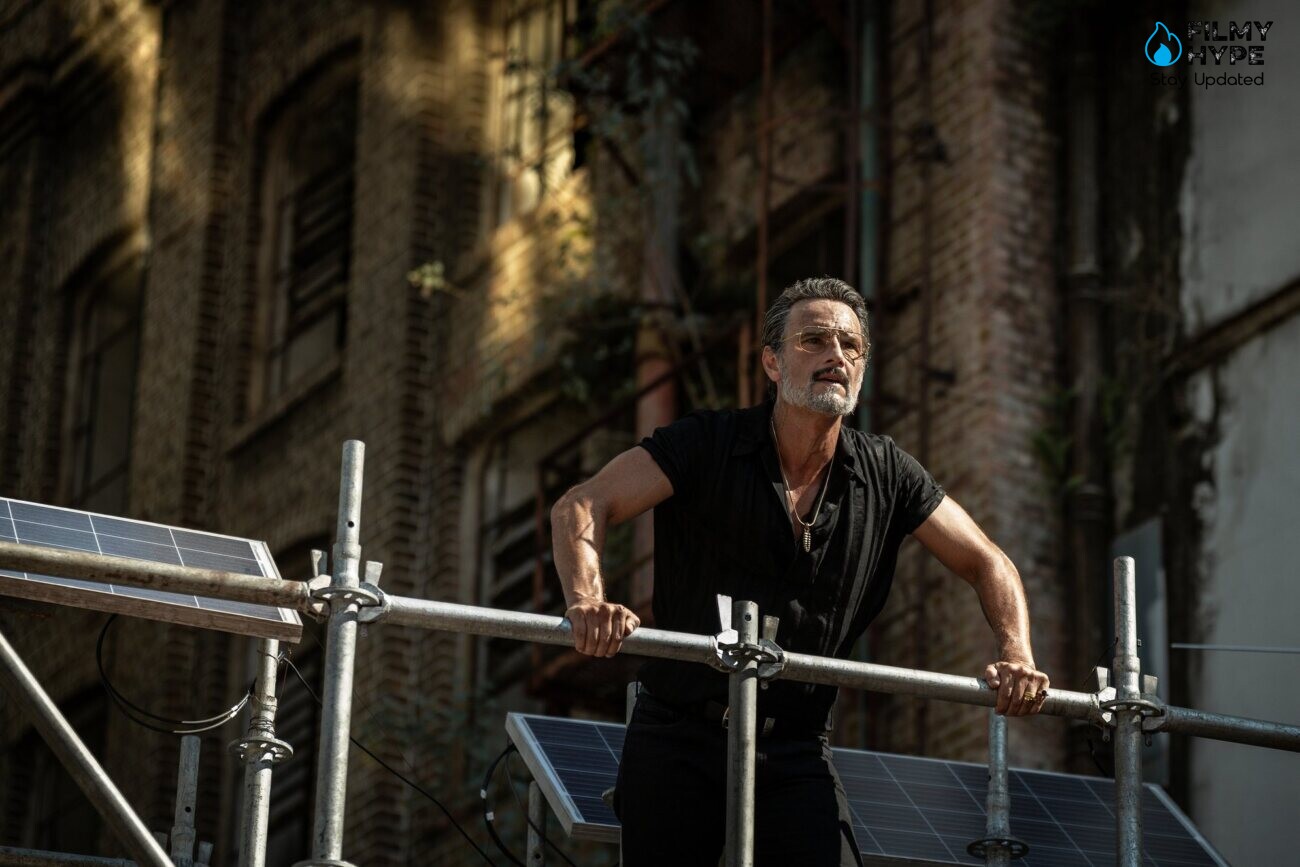
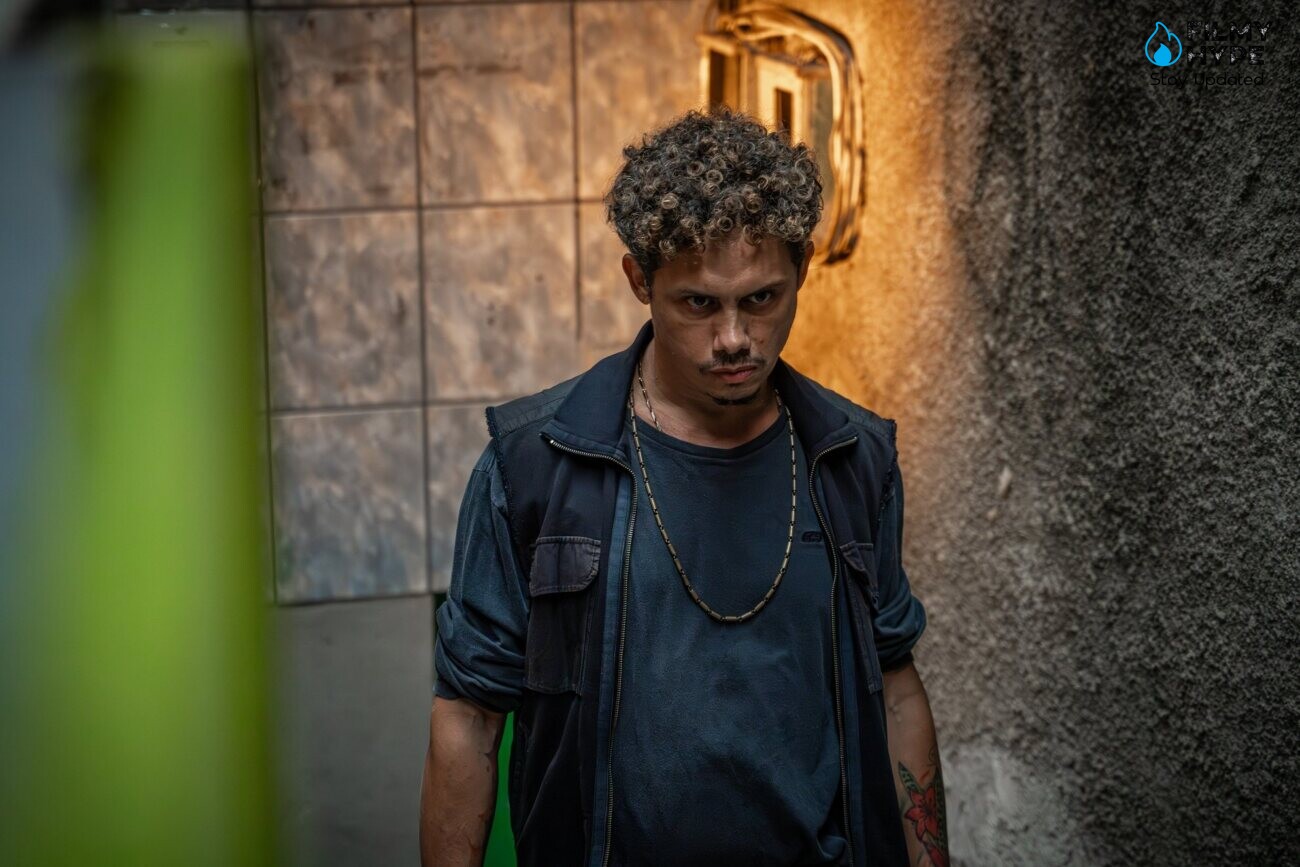
Mano, played with raw physical intensity by Matheus Abreu, never wanted to be part of this. He’s been fighting the system from the outside, living in the Perimeter of Death, one of the occupied zones where the poor are concentrated. But when his sister Dalva is taken as collateral, he doesn’t have a choice. He puts on the Cat mask and enters the game with one goal: to get her out alive.
Beast Race Movie Ending Explained: Does Mano Win the Race?
Yes. After surviving the most brutal tests the competition can throw at him, Mano enters the decisive race as the heavy underdog and wins. He is the first of the lower classes to win this sadistic spectacle, and his success sends a shock through the system. For a moment, he becomes a symbol—proof that someone from the outside can beat the elite’s favorites on their own ground.
But winning the race and destroying the system are two very different things. Mano crosses the finish line. He gets the recognition. He proves that the “Beasts” aren’t doomed to stay in their assigned place forever. But the race itself continues exactly as before. The rich keep betting. The organizers keep control. Other kids from the outskirts will still have to risk their lives and offer their loved ones as collateral. Mano’s individual victory doesn’t tear down the structure. It just proves that the structure can survive a single upset.
Does Dalva Come Home?
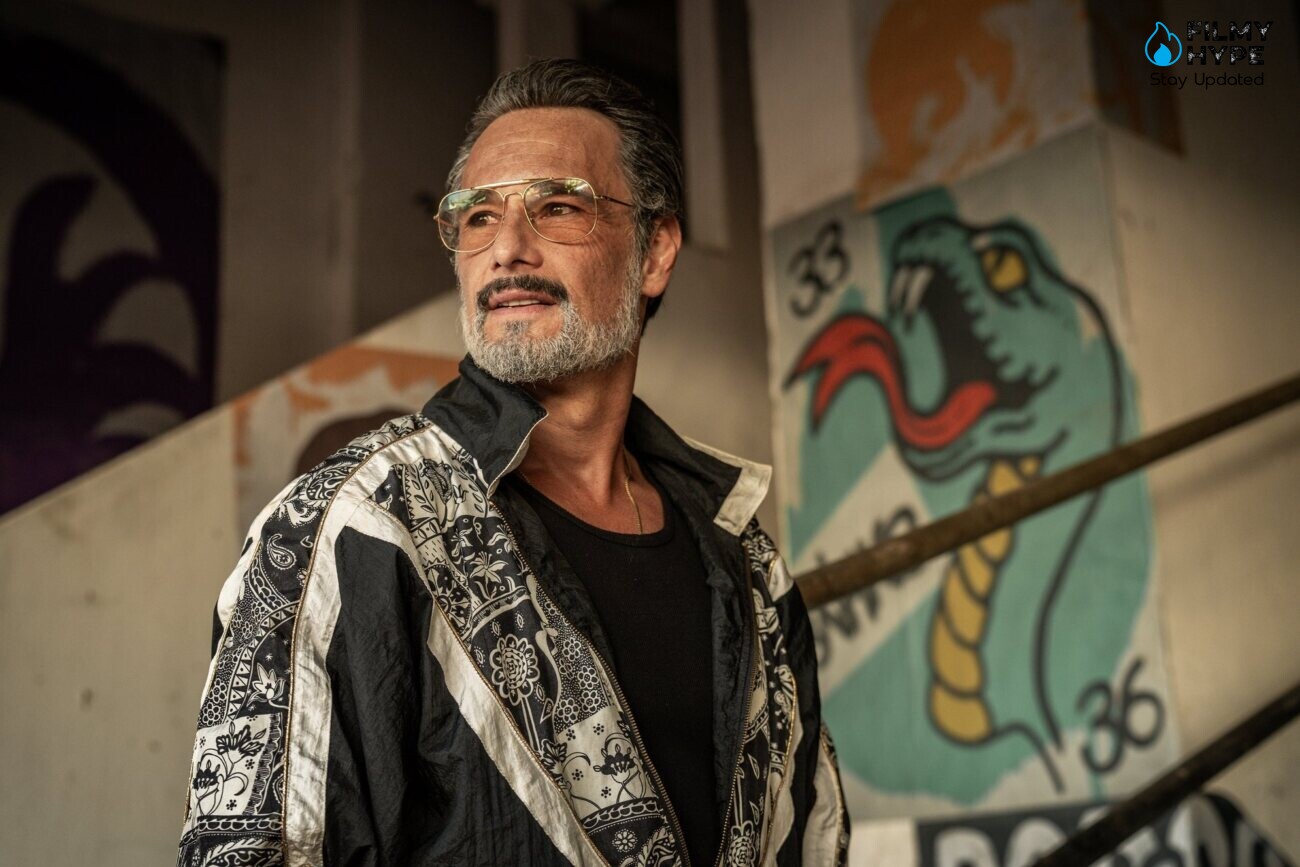
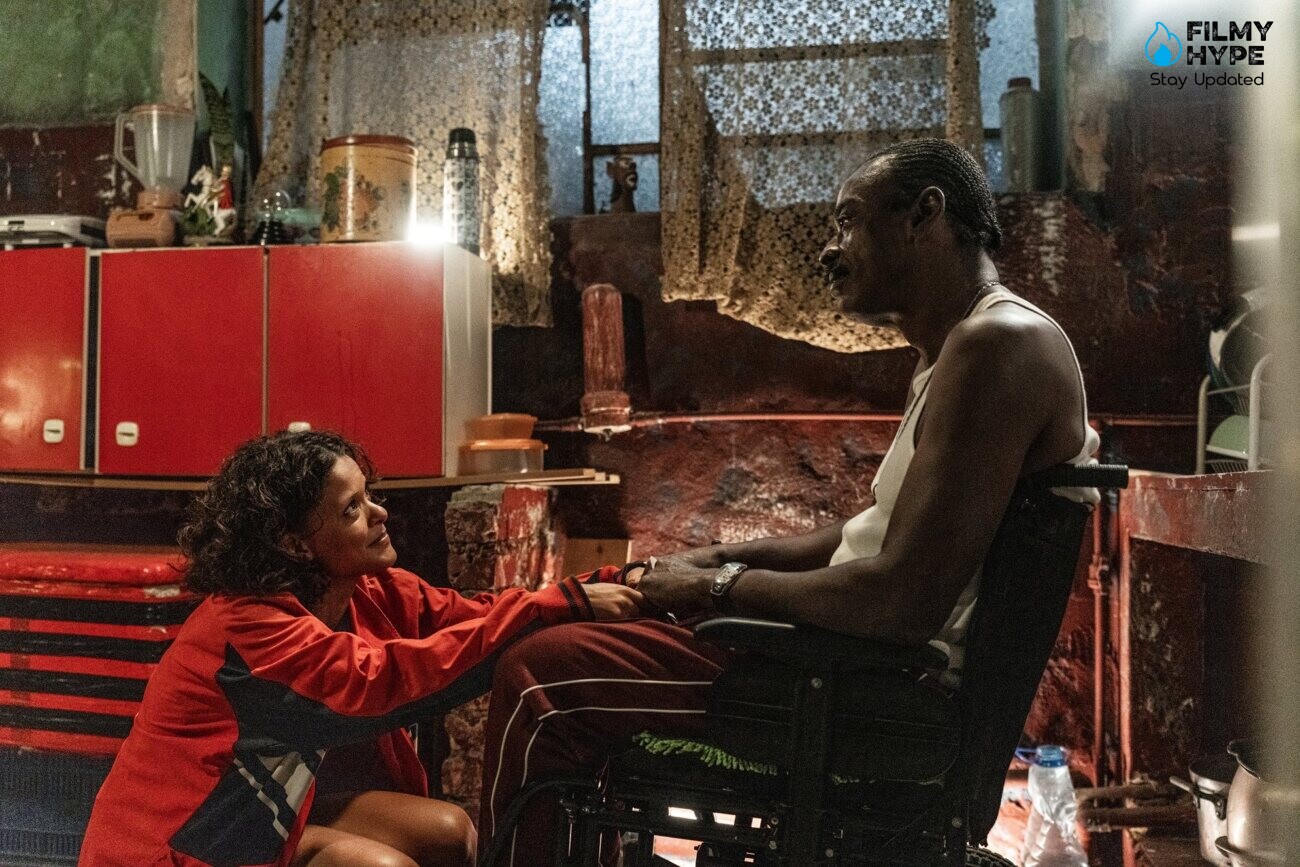
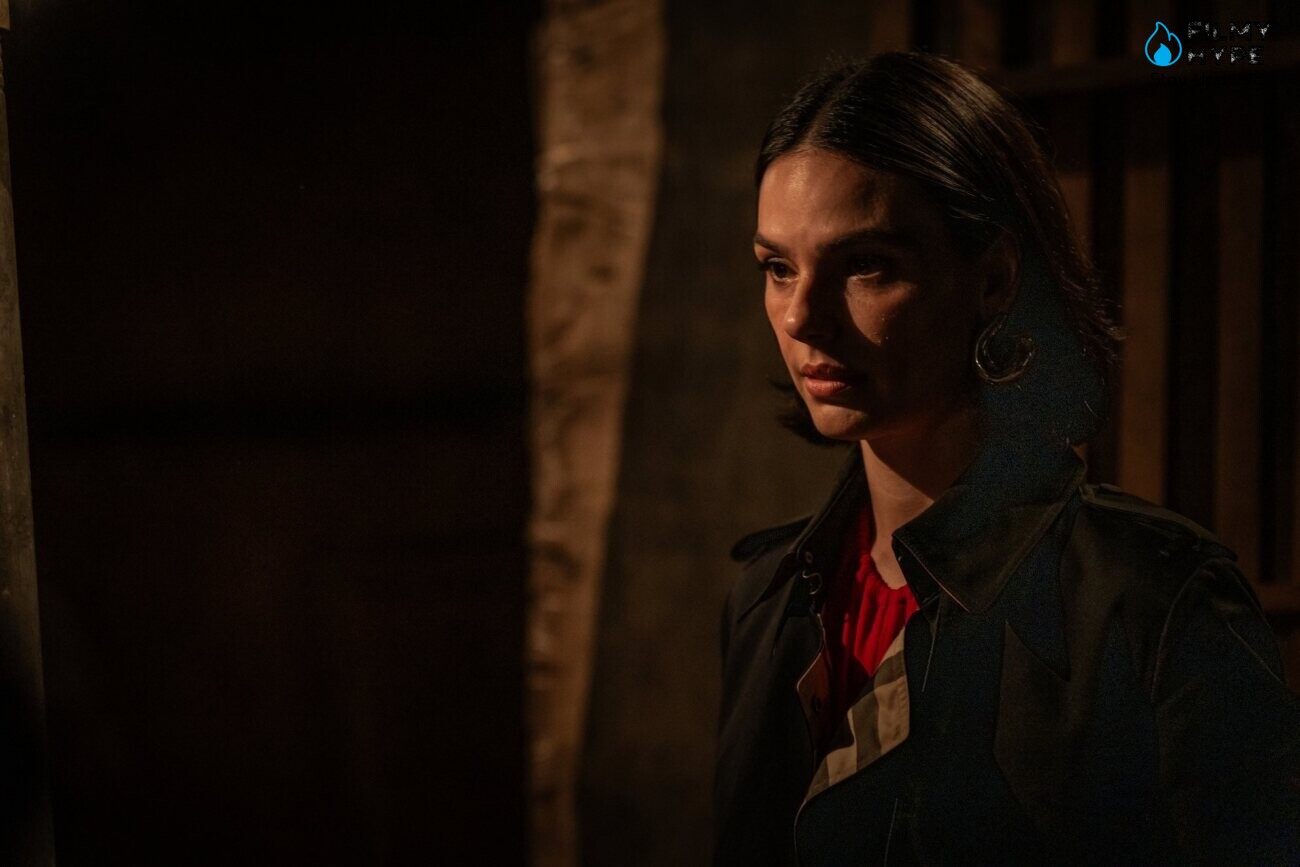
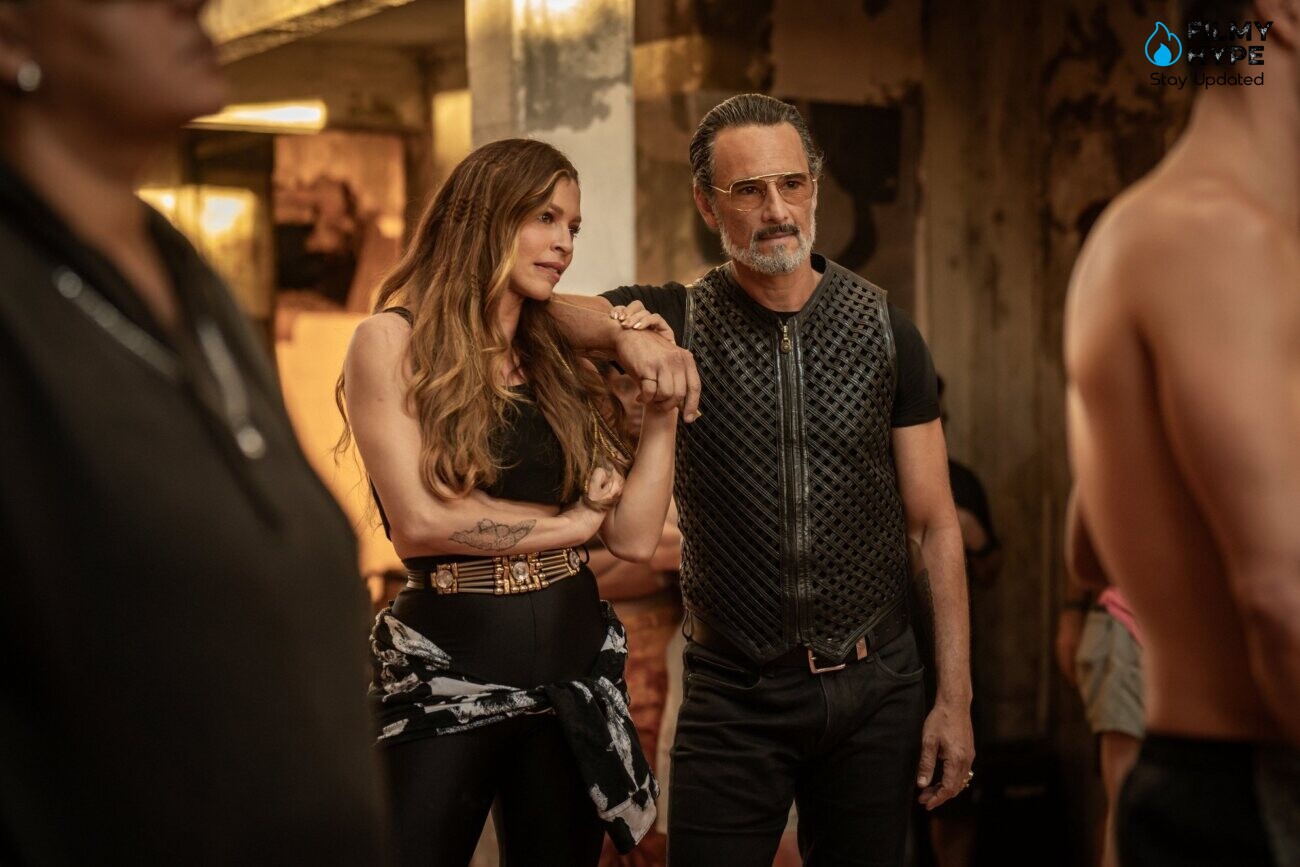
Yes. While Mano is running for her life, Dalva—played by Thainá Duarte—is being held at the mansion of Abu, the powerful race manager played by Rodrigo Santoro. She tries to escape on her own, even attempting to remove the tracking device that monitors her location, but she can’t get out alone. Abu, meanwhile, has his own plans for her. He intends to make her his fourth wife.
Dalva rejects him. She holds firm, waiting for the race to end, and when Mano wins, Abu is forced to respect the rules of the game he helped create. He personally returns Dalva to her home. It’s a moment that feels like a victory, and in the immediate sense it is—Mano set out to save his sister, and he did. But the way Abu delivers her, in that strange mix of formality and possession, suggests that there is more going on underneath.
Who Is Abu, Really?
Here’s the twist. Abu is Mano’s biological father.
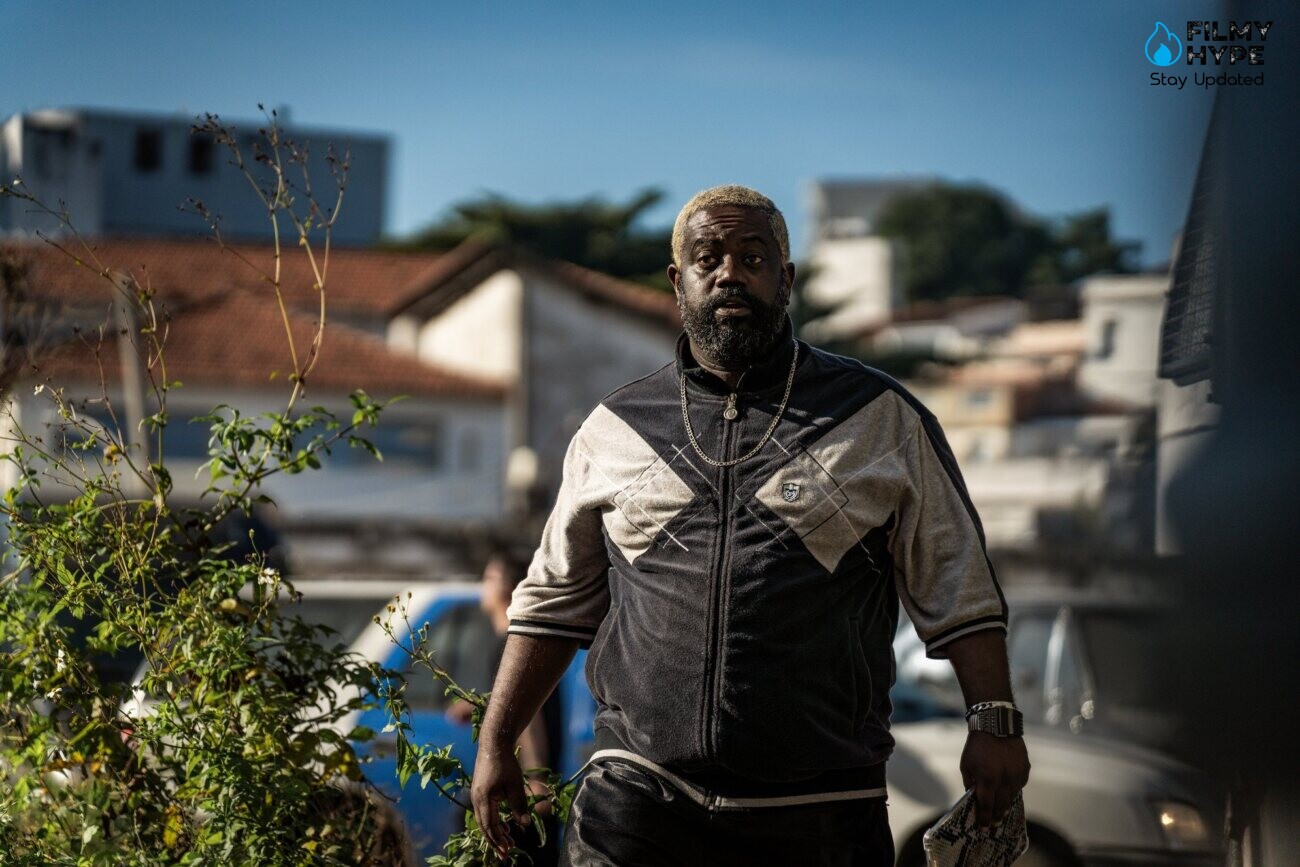
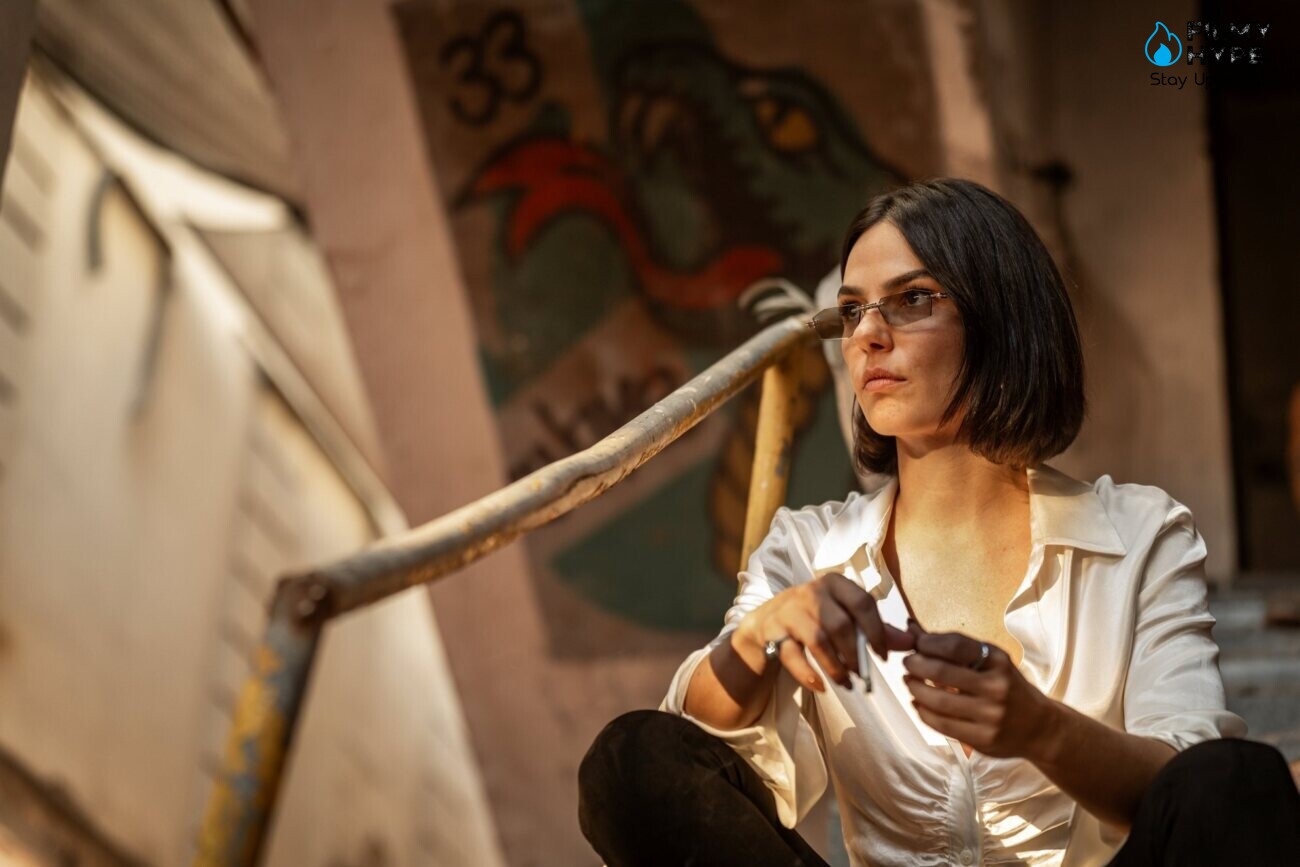
The revelation comes quietly, almost in passing, when Nadine—played by Isis Valverde—mentions after Dalva’s return that “her son” wants to keep competing in the Beast Race. She’s talking about Mano. And she’s talking to Abu.
The film had been planting clues all along. Abu visited the family home earlier in the story and spent a long moment staring at an old photograph. He admitted to Dalva that he knew her mother “very well” before Mano was born. What seemed like a relationship between a villainous race organizer and the young rebel fighting his system suddenly turns into something much closer to home. Mano has built his entire identity around resisting the machine that Abu represents. He doesn’t know that the man at the center of that machine is his father.
Does Mano Know?
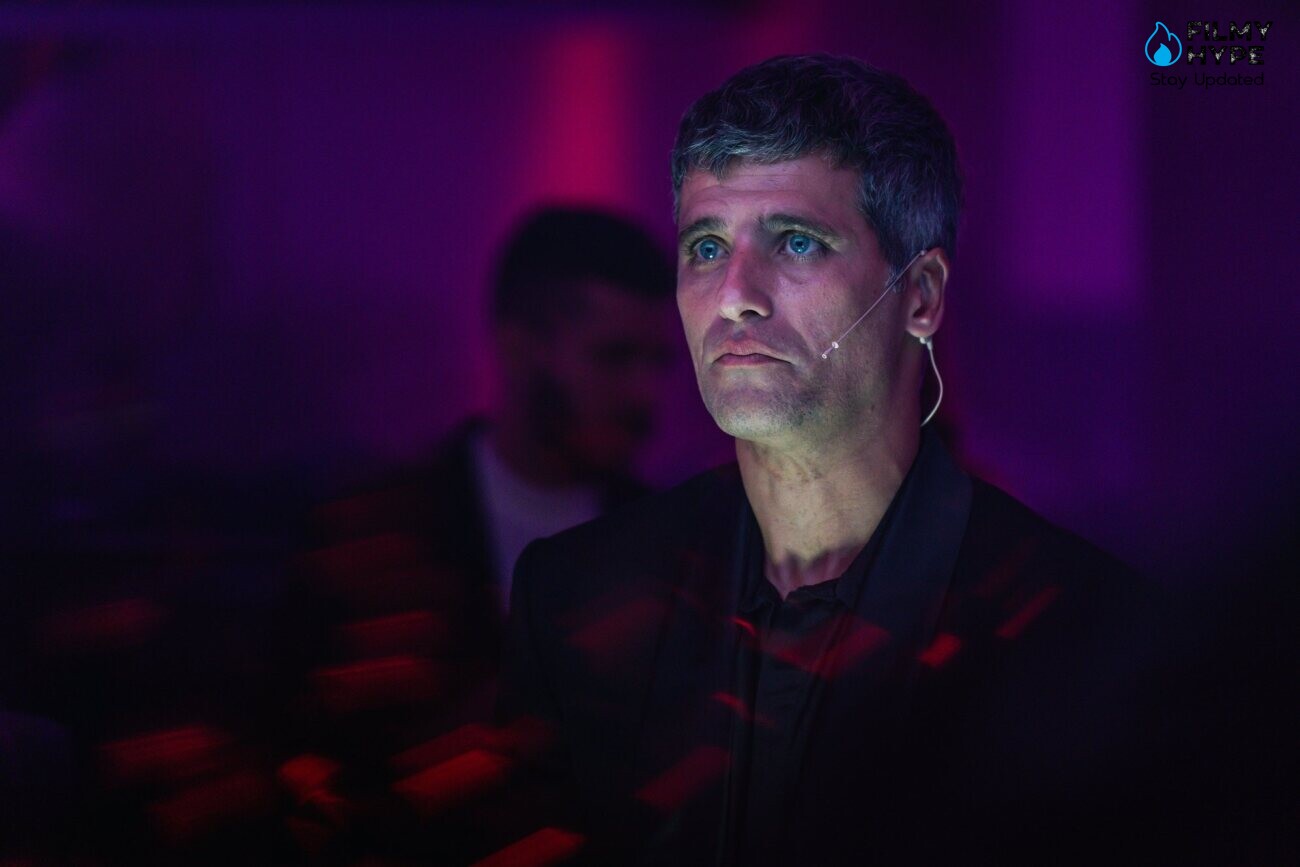
Not yet. The ending keeps the revelation between the audience, Nadine, and Abu. Mano still doesn’t know. He fought his way thru the race and saved his sister and proved himself as a competitor but he doesn’t know the truth about his beginnings. Abu watches his son’s evolution from the shadows, a paternal gaze that’s also a strategic one. What he wants from Mano—whether it’s reconciliation, control, or something else entirely—is left for a potential sequel to explore.
That’s the bomb waiting to go off. Mano has defined himself by his opposition to the system. Finding out that his father is one of its architects would force him to question everything about who he is and what he’s fighting for.
Do Mano and Nadine End Up Together?
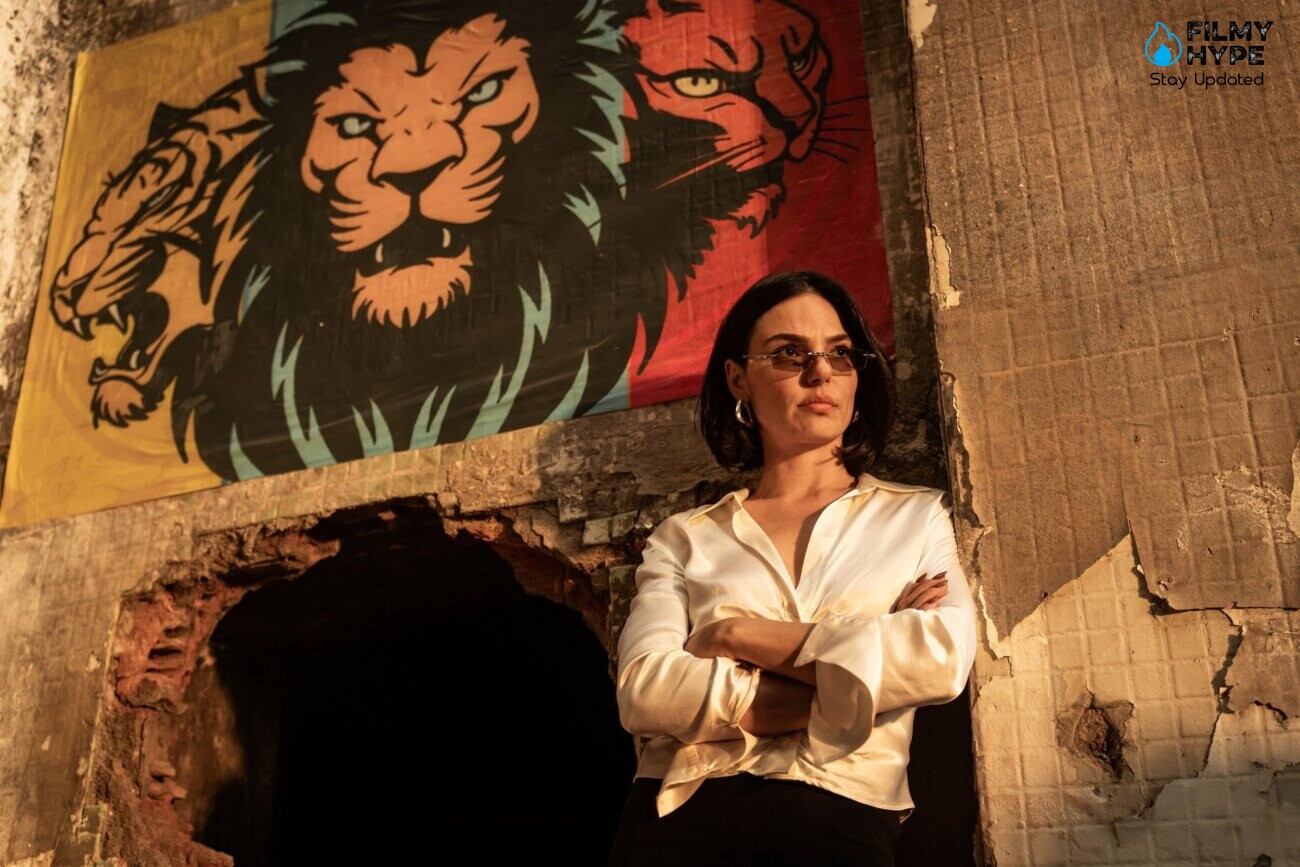
Not really. There’s clearly something between them—an attraction that crackles in their shared scenes—but the film refuses to resolve it into a tidy romance. Nadine is part of the world that turns the race into entertainment. Mano is one of the people that world consumes. That gap never fully closes, and the ending doesn’t pretend it does.
Nadine occupies an uncomfortable middle ground. She’s not a villain in the way Abu is, but she’s complicit in the system, and the film doesn’t let her off the hook for that. Her bond with Mano remains charged with moral tension. For his part, Mano’s priority is clear. He’s not looking for a love story. He’s looking for a way to burn the whole thing down from the inside.
Why Doesn’t Mano’s Victory Change the System?
Because the Beast Race isn’t a single event. It’s an institution. The rich still gamble. The organizers still hold power. The collateral system still exists. Other young people will still be forced to run, and their loved ones will still be held hostage to ensure they run hard enough.
The film is unusually clear-eyed about this. Mano’s victory is real and meaningful, but it’s also absorbable. The system can turn him into its new star, using his story to sell the illusion that anyone can win if they try hard enough. His triumph becomes another piece of the spectacle rather than a threat to it. The race doesn’t end when Mano crosses the finish line. It just gets a new poster boy.
That’s the sharpest critique the movie offers. Individual success doesn’t equal systemic change. You can win the game and leave the rules intact. Mano got what he needed—Dalva’s freedom—but the machine that nearly destroyed them both is still running.
What Does the Ending Mean?
Beast Race closes on a note of partial victory and lingering questions. Mano saves his sister. He proves himself. But the deeper conflict—the war between the Perimeter and the elite, between the people who run the race and the people who die in it—is just getting started.
Abu’s revelation changes the stakes of that war. It’s no longer just a political struggle. It’s a family drama with blood ties and buried secrets. Mano doesn’t know he’s fighting his own father, and that ignorance gives Abu an advantage he hasn’t yet used. Whether he’ll try to recruit Mano, destroy him, or simply keep watching from a distance is one of the major questions left hanging.
The environmental catastrophe that frames the whole story—the dried-up sea, the ruined city, the collapse of the old order—isn’t just backdrop. It’s the cause of everything. The old Rio is gone. What’s risen in its place is a society that’s found new ways to exploit the desperate, new forms of entertainment built on human suffering, new justifications for why some people get to live in luxury while others fight for scraps in the ruins.
Is a Sequel Coming?
The film was designed from the start to be more than a standalone story. Director Fernando Meirelles has said that Beast Race was conceived as the first part of a larger arc, with the potential for a trilogy. The first film focuses on the immediate, personal stakes—Mano’s desperate race to save Dalva. Future installments, if they happen, would expand into the broader sociopolitical war against the elite and the gambling system.
The pieces are all in place. Mano is still competing. Abu is still in power. Nadine is still caught between worlds. And Mano still doesn’t know who his father is. When that bomb goes off, everything changes. The first film ends with Mano’s first big victory. The next one would have to deal with what victory actually costs, and whether you can tear down a system that’s tied to you by blood.