


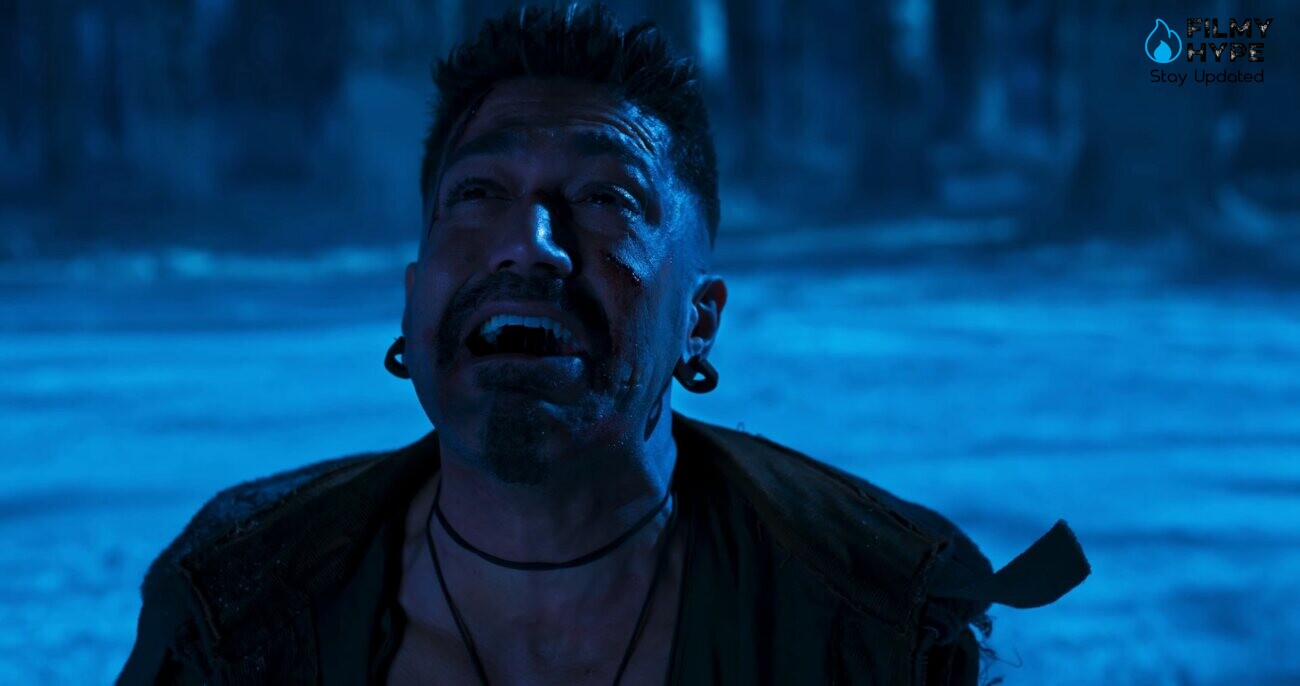
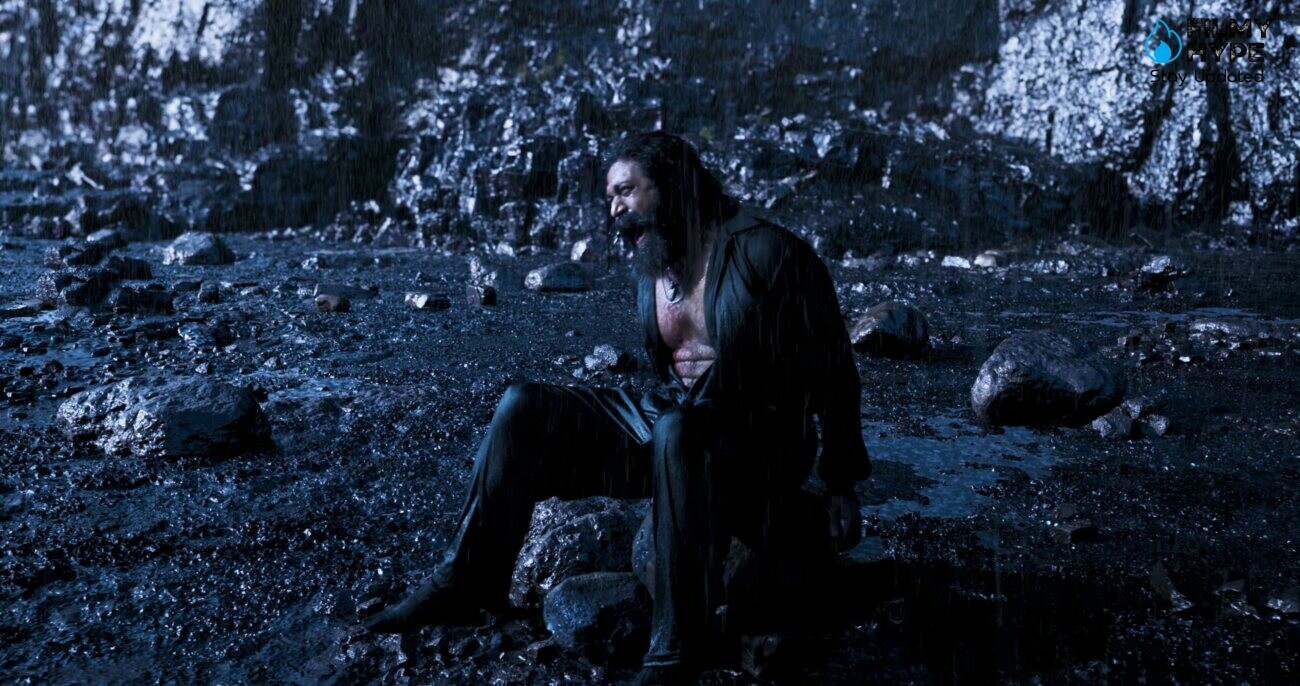
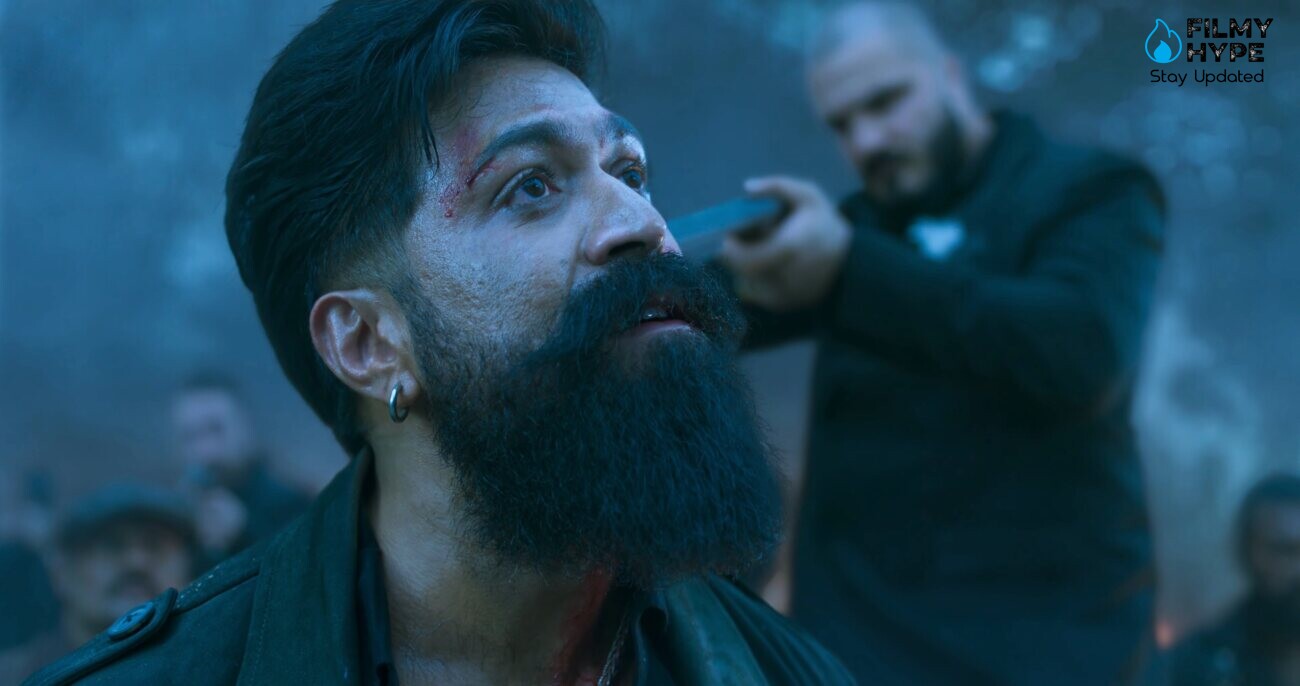
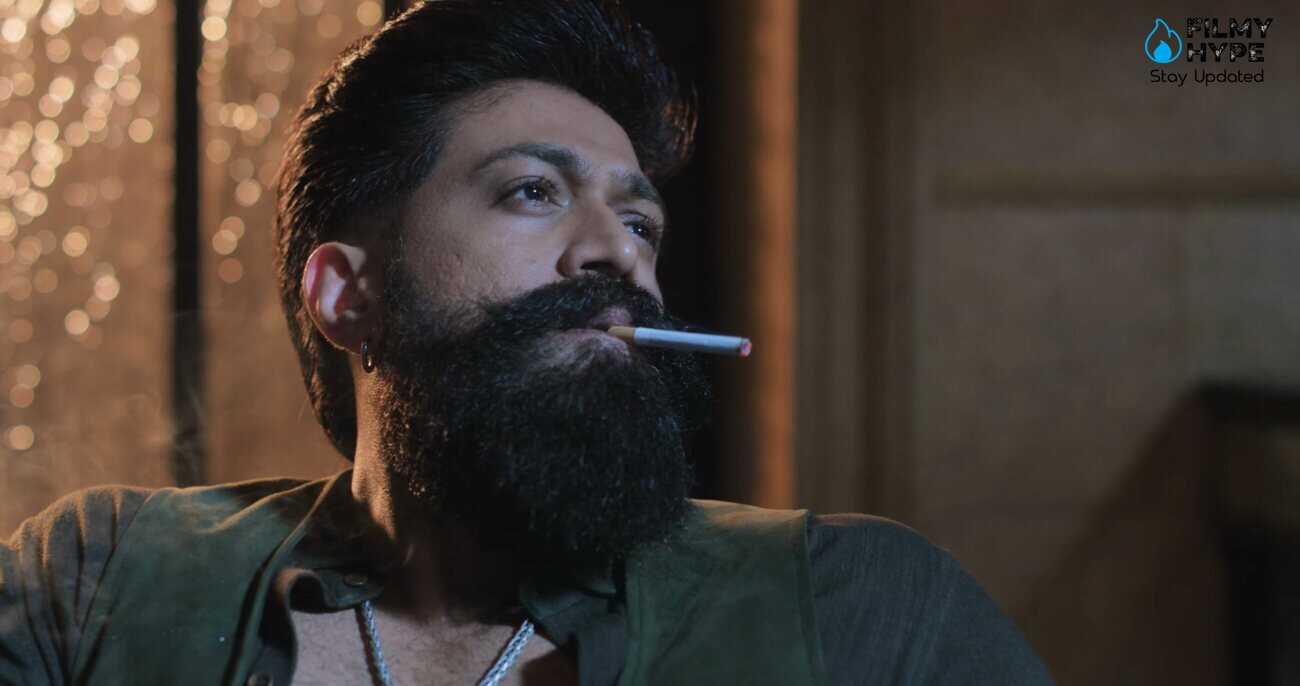
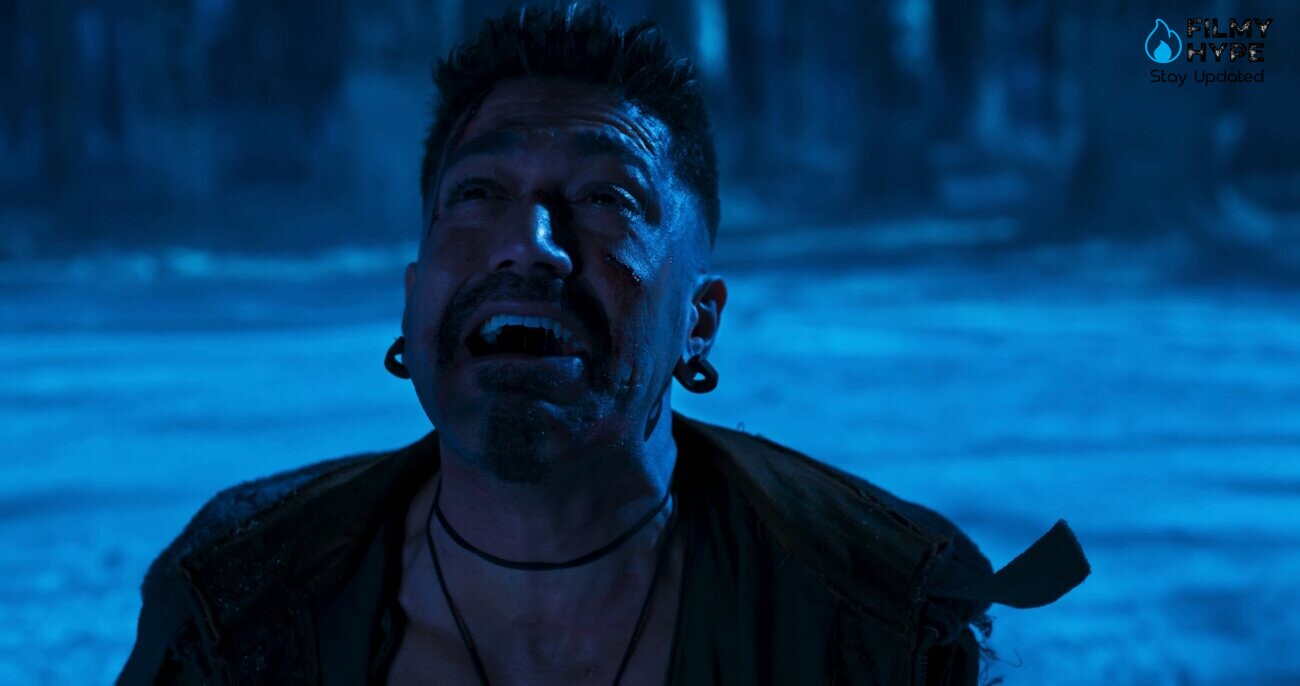
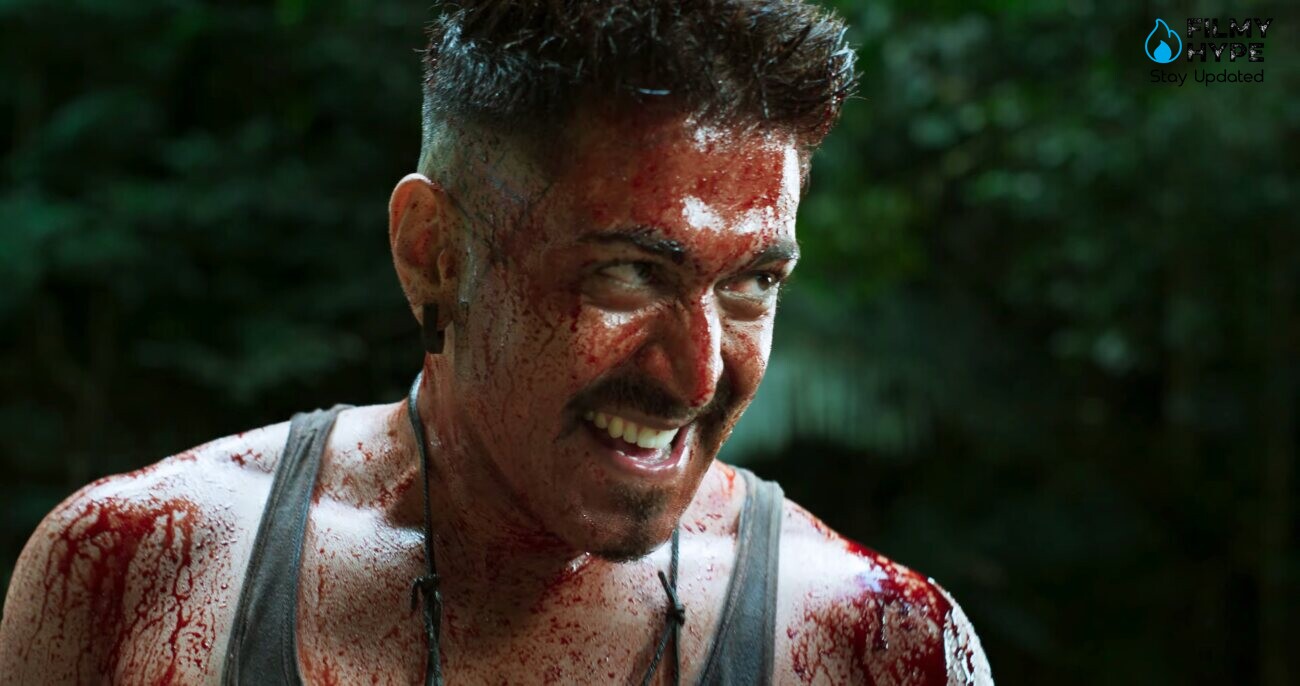
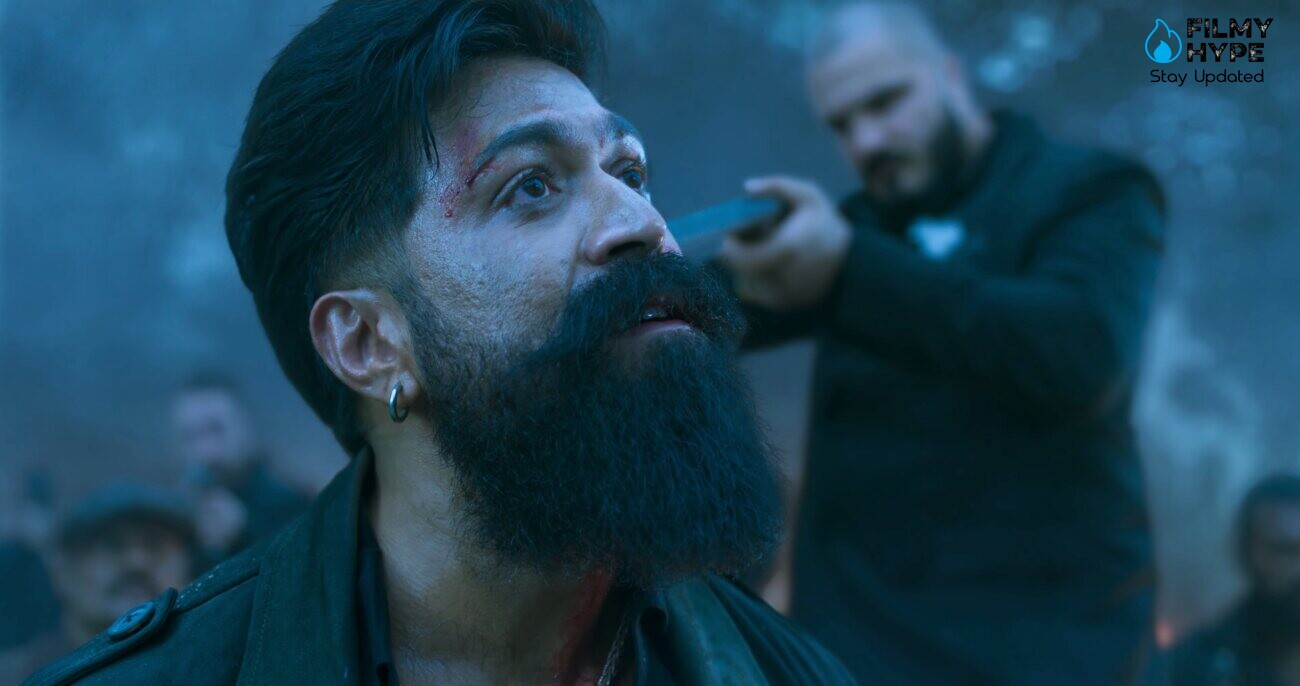
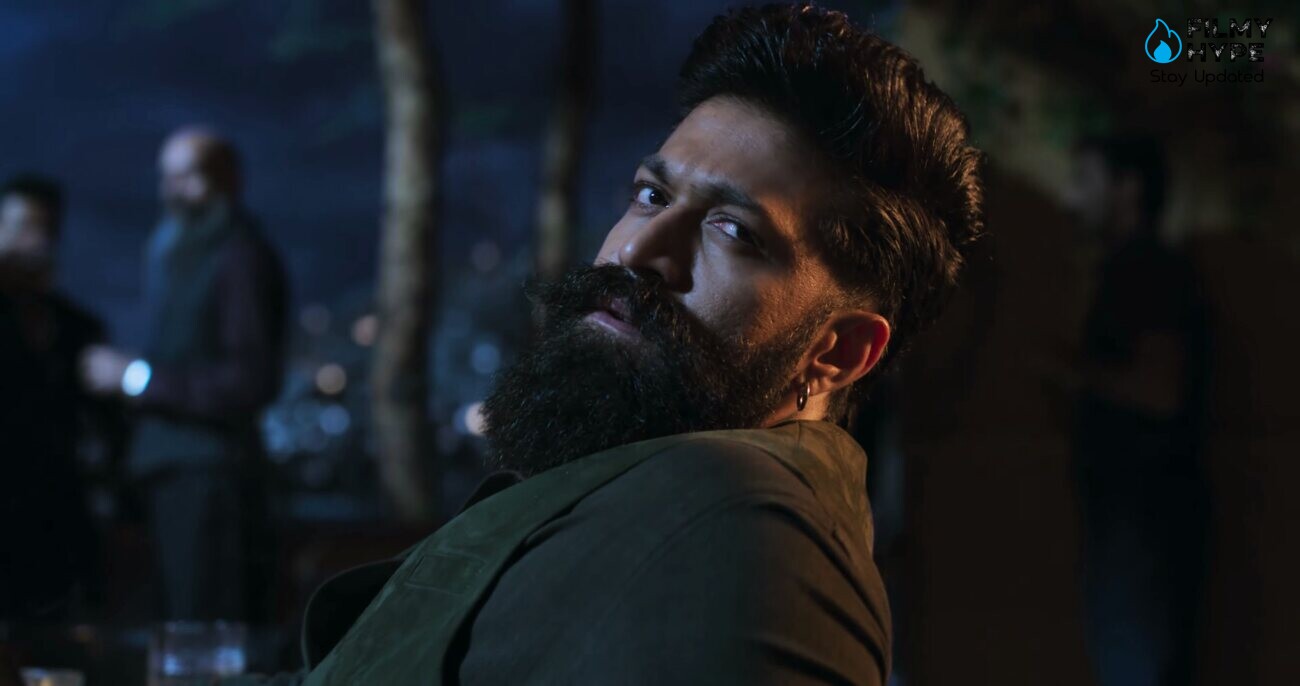
Toxic Trailer: There’s a moment in the newly released trailer for Toxic: A Fairy Tale for Grown-Ups where Yash, playing a character named Raya, points a gun at his own teenage son. The rage in his eyes isn’t the controlled fury of a gangster dealing with a rival. It’s something more intimate and more disturbing—the anger of a father who has crossed a line that shouldn’t be crossed, and who seems to have no intention of stepping back. The trailer, all four and a half minutes of it, doesn’t tell us why. It just shows us the gun, the boy, and the father’s face twisted into something that looks less like anger than possession.

This is the first extended look at the film that Yash has been building since KGF: Chapter 2 turned him into one of the biggest stars in Indian cinema. Directed by Geetu Mohandas, who won acclaim for her delicate, devastating Moothon, the film is set in Goa between the 1940s and 1970s—a period when the coastal state was a crucible of crime, smuggling, and colonial decay. The world of Toxic is the underworld, but it’s not the monolithic industrial criminal enterprise of the KGF films. It’s something stranger, more colorful, more deliberately theatrical. The trailer suggests a film that’s less interested in realism than in mythology—a dark fairy tale, as the subtitle promises, where the violence is operatic, and the emotions are too large to be contained by ordinary life.
Toxic Trailer: The World of the Trailer
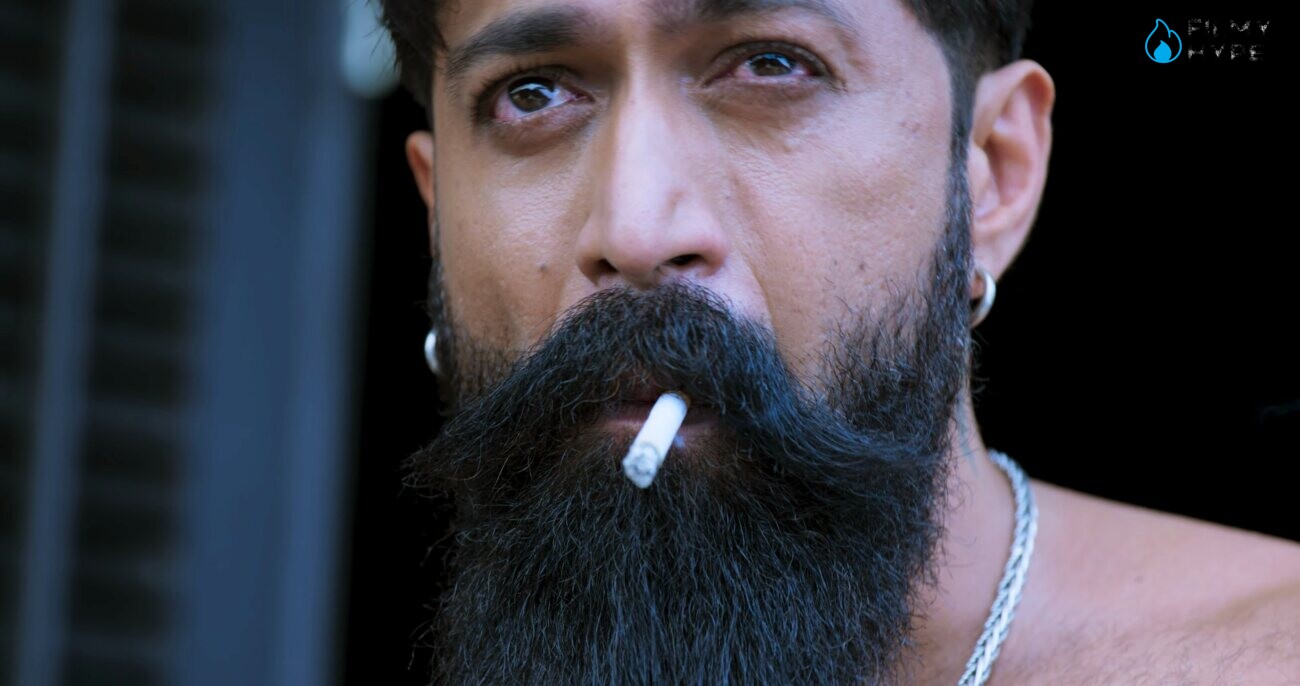
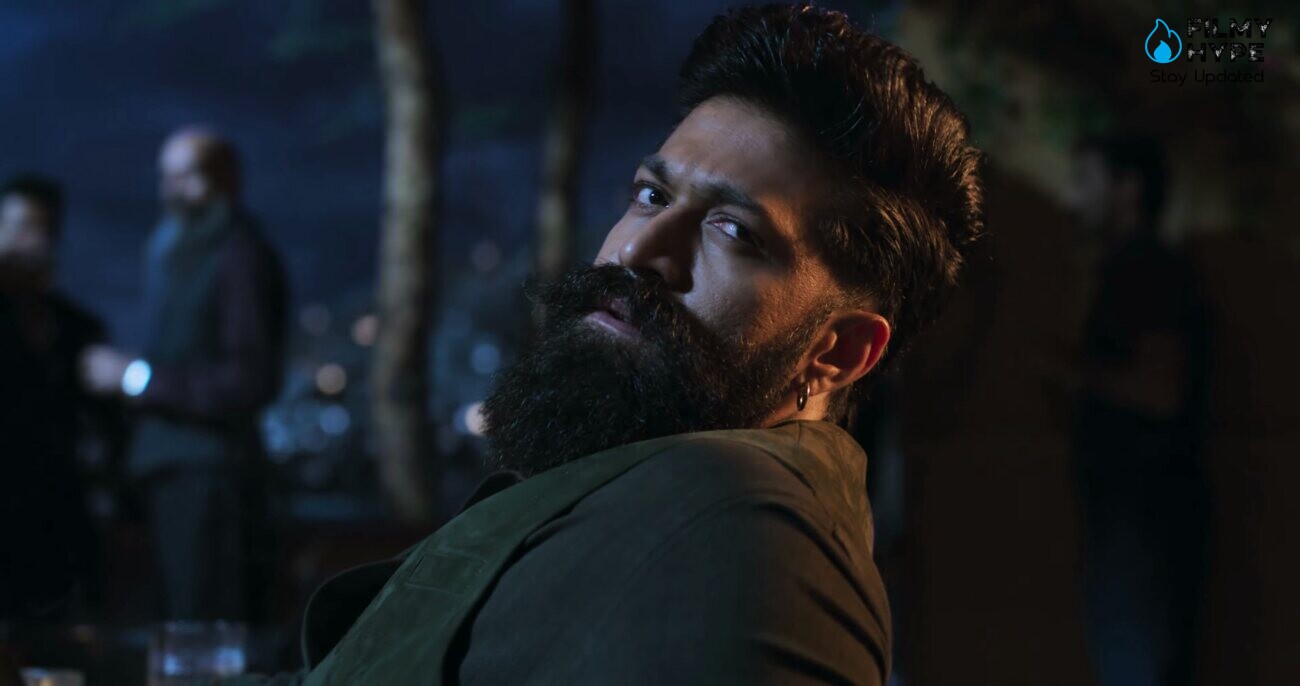
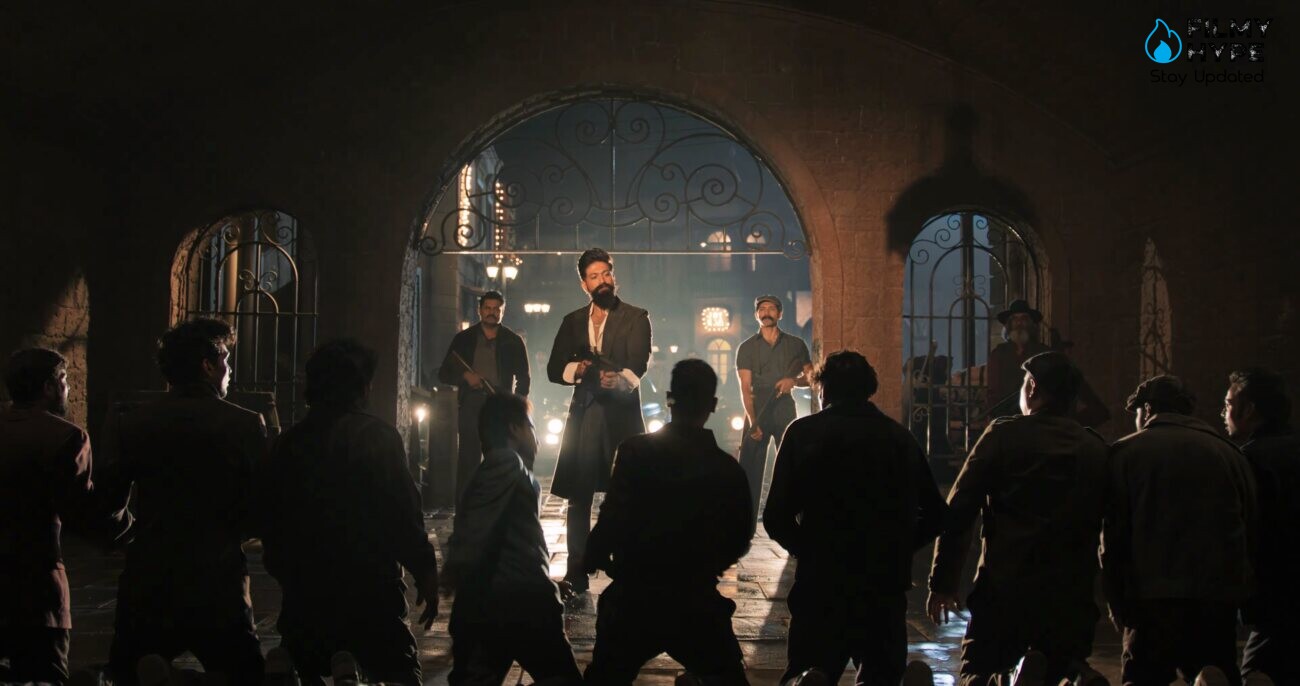
Raya wants to rule. That much is clear from the opening frames. We see him ascending through the criminal ecosystem of mid-century Goa, cutting down rival gangs, consolidating power, and building the infrastructure of a kingpin. Nayanthara, in a role that the trailer keeps tantalizingly vague, seems to be his partner in this ascent—an ally, perhaps a lover, someone who understands the scale of his ambition. The journey from aspirant to ruler is rendered in quick, brutal strokes: meetings in smoky rooms, bodies dropping on rain-slicked streets, the slow accumulation of wealth and fear that marks the transition from player to power.
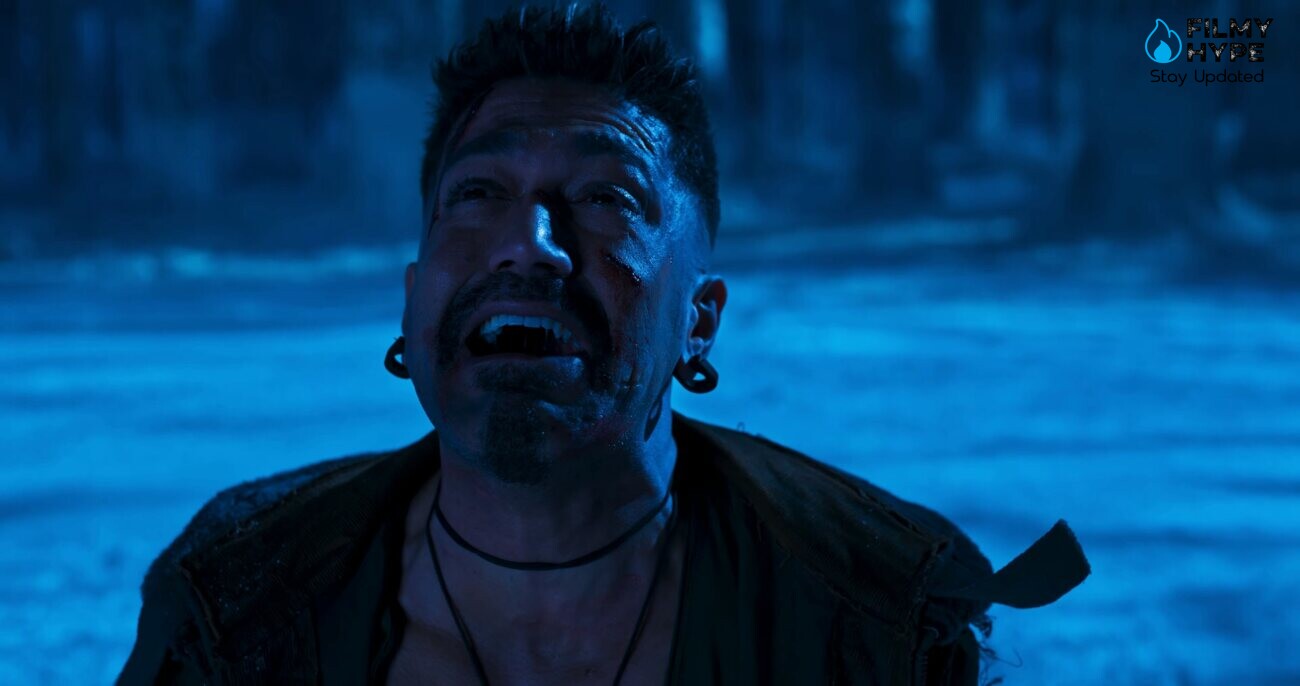
But the trailer is equally interested in what that power costs. The enemies Raya makes along the way are numerous. Rival gangs want him dead. Women he’s betrayed want revenge. The kingpin’s throne is surrounded by knives, and every one of them is pointed at his back. The title—Toxic—starts to make sense not as a description of the world Raya inhabits but as a diagnosis of the man himself. He poisons everything he touches. The people who love him end up destroyed. The power he’s accumulated becomes indistinguishable from the damage he’s caused.
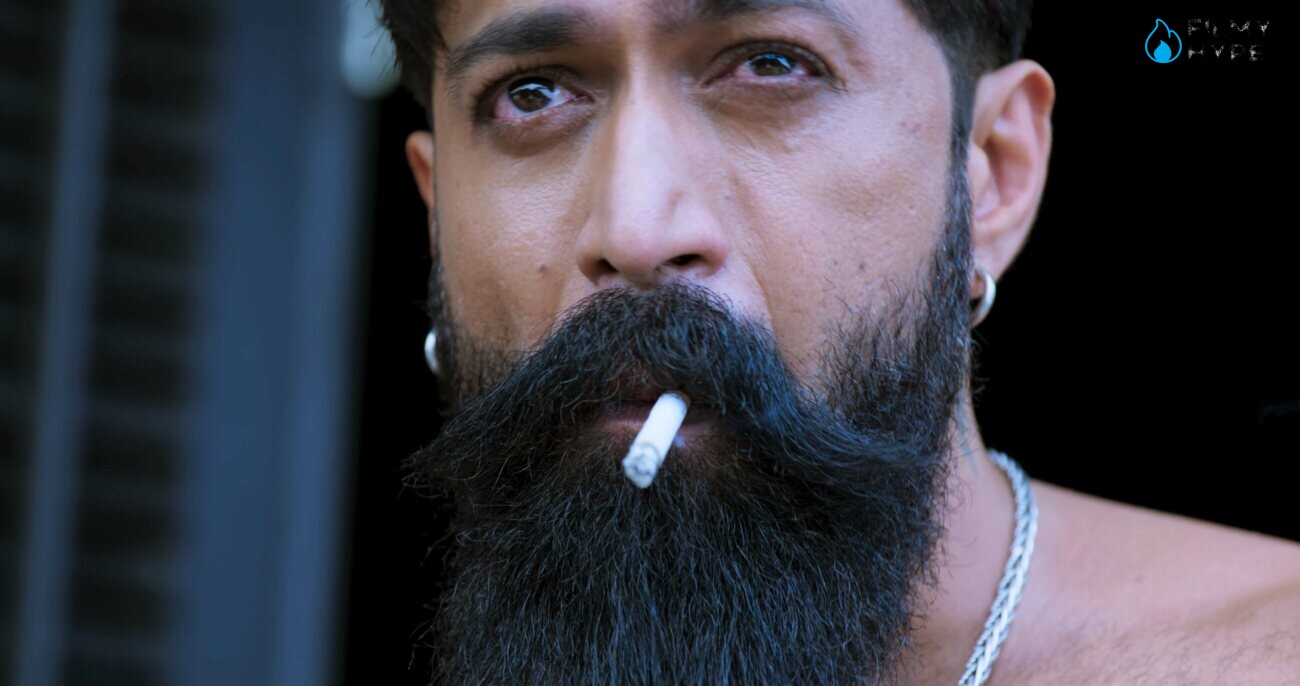
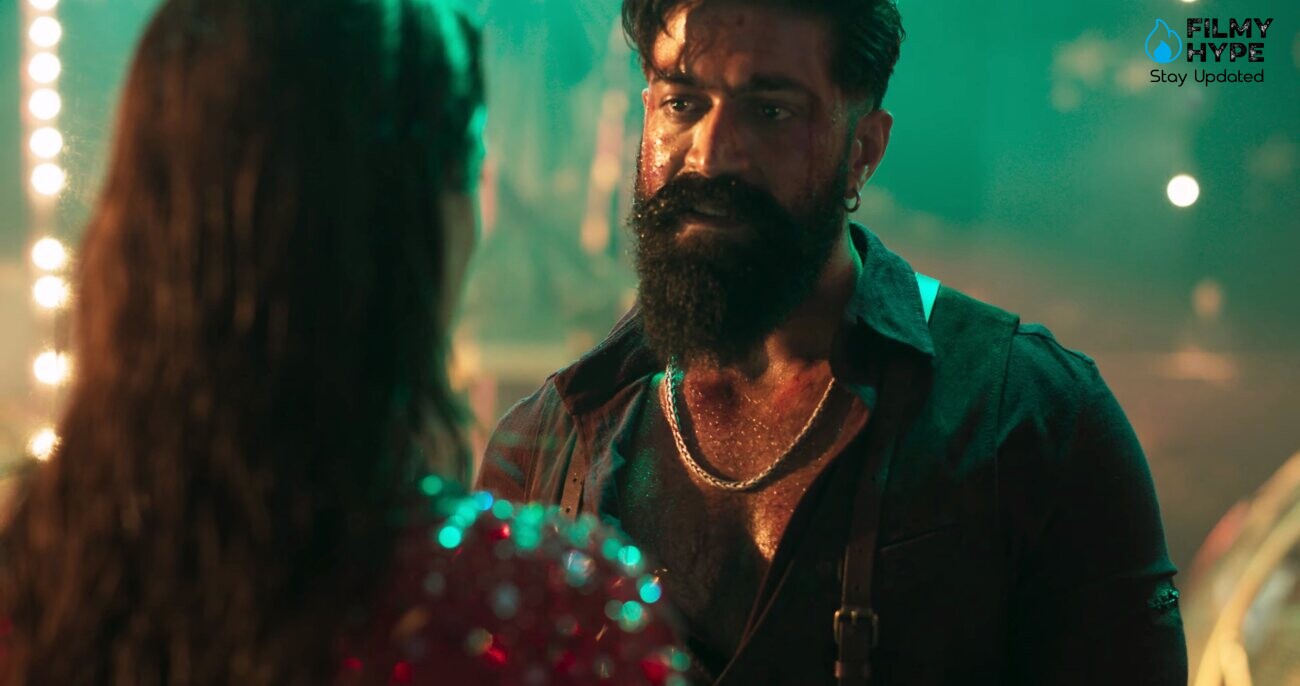
Then there’s the matter of the double role. The trailer reveals that Yash is playing not just Raya but also his son, Ticket. The opening scene—the gun, the rage—is presumably between these two characters, and the trailer hints at a conflict that goes beyond ordinary generational friction. At one point, Ticket calls someone “illegitimate,” a term with a particular resonance when dealing with inheritance and succession. Toxic’s father-son war isn’t only a power struggle. It’s about identity. Who has the right to claim the kingdom Raya built? What happens when the heir becomes the enemy?
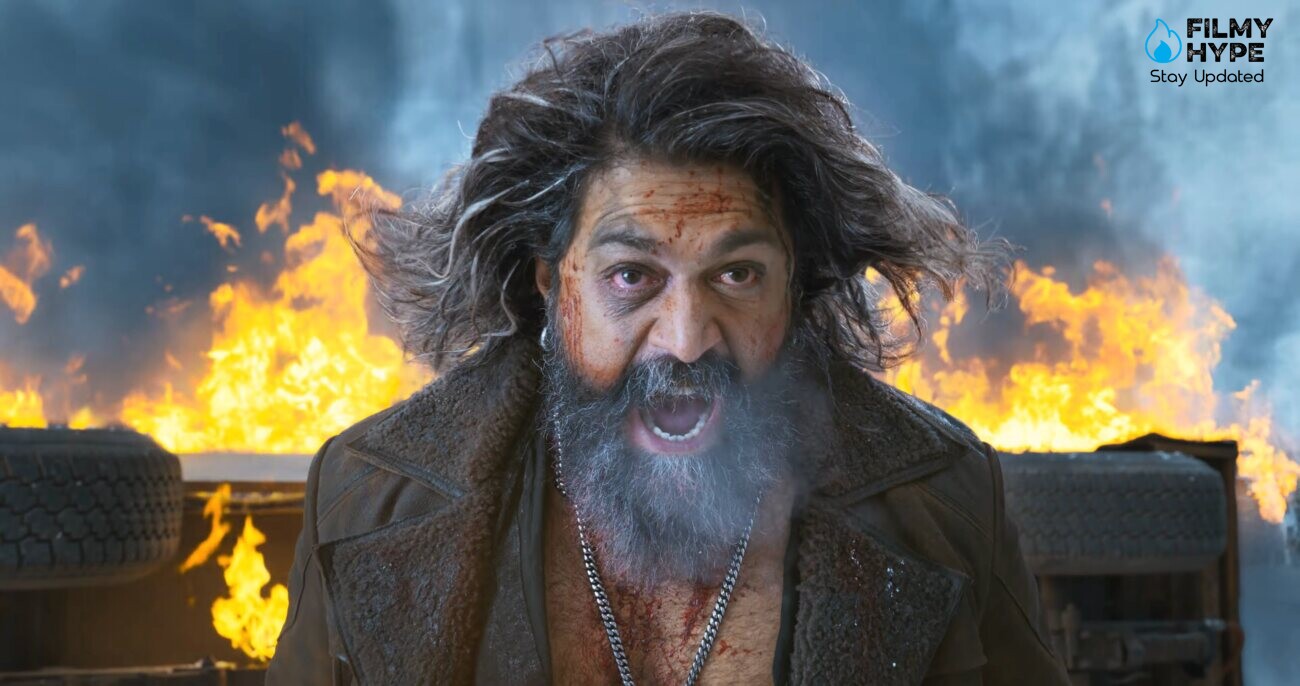
The poster has suggested three distinct looks for Yash, and the trailer hasn’t confirmed whether a triple role is in play. But the possibility hangs over the footage like a promise. Yash has never been afraid of excess—his KGF performance was built on it—and Toxic seems to be giving him room to push even further.
The Aesthetic
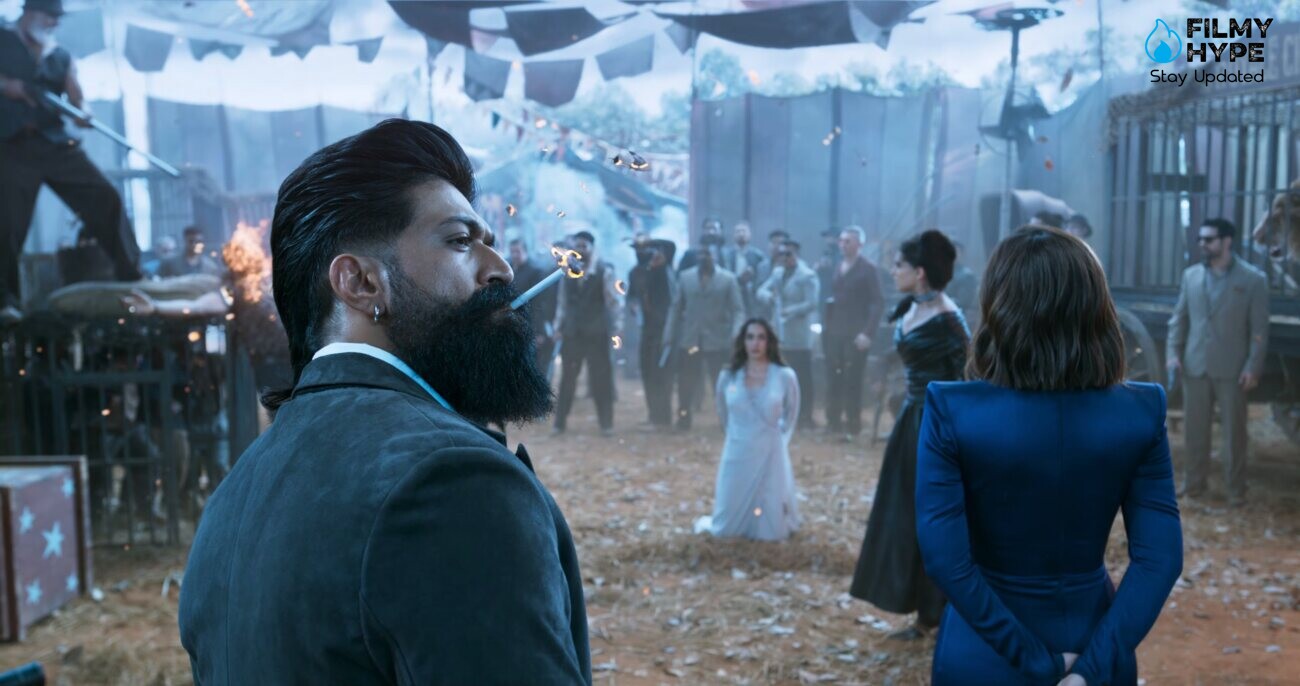
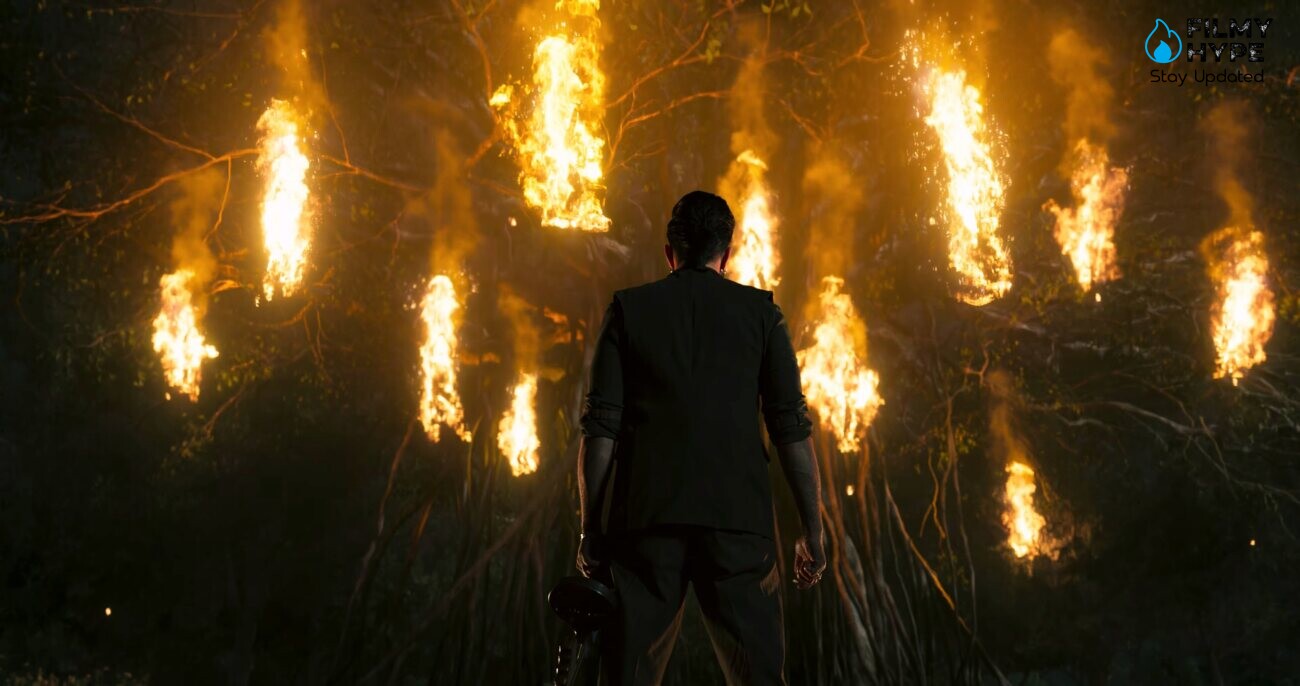
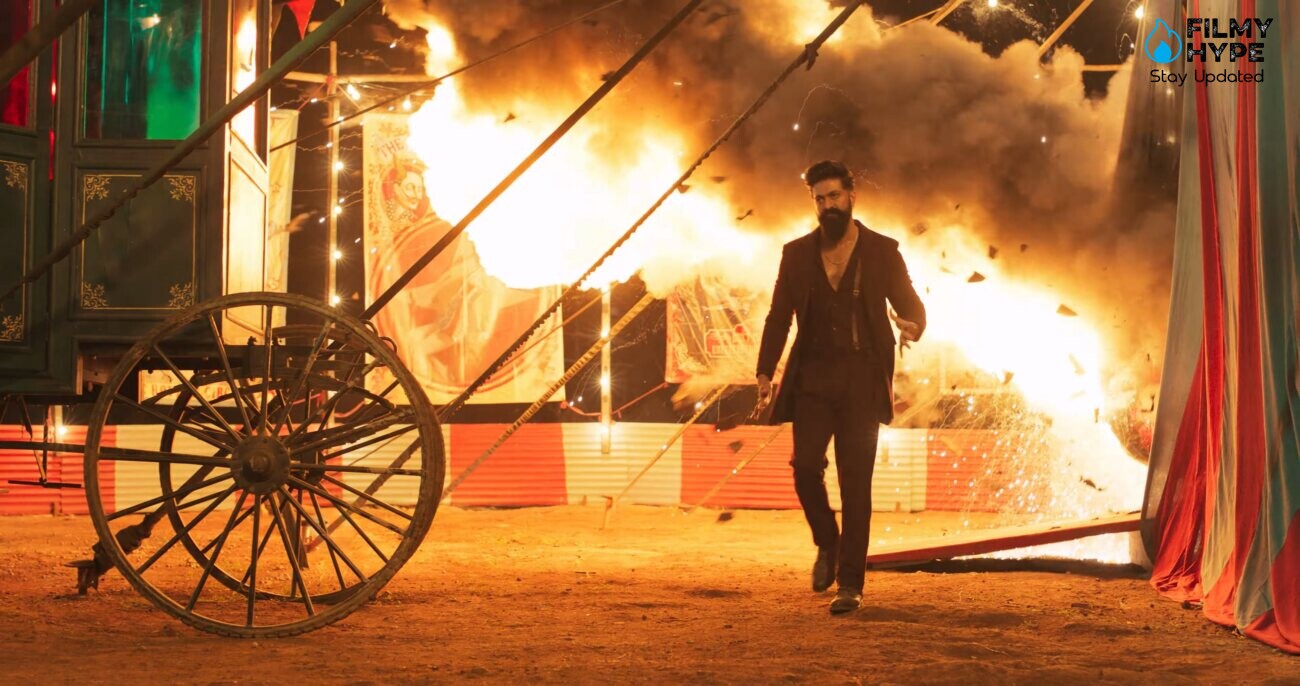
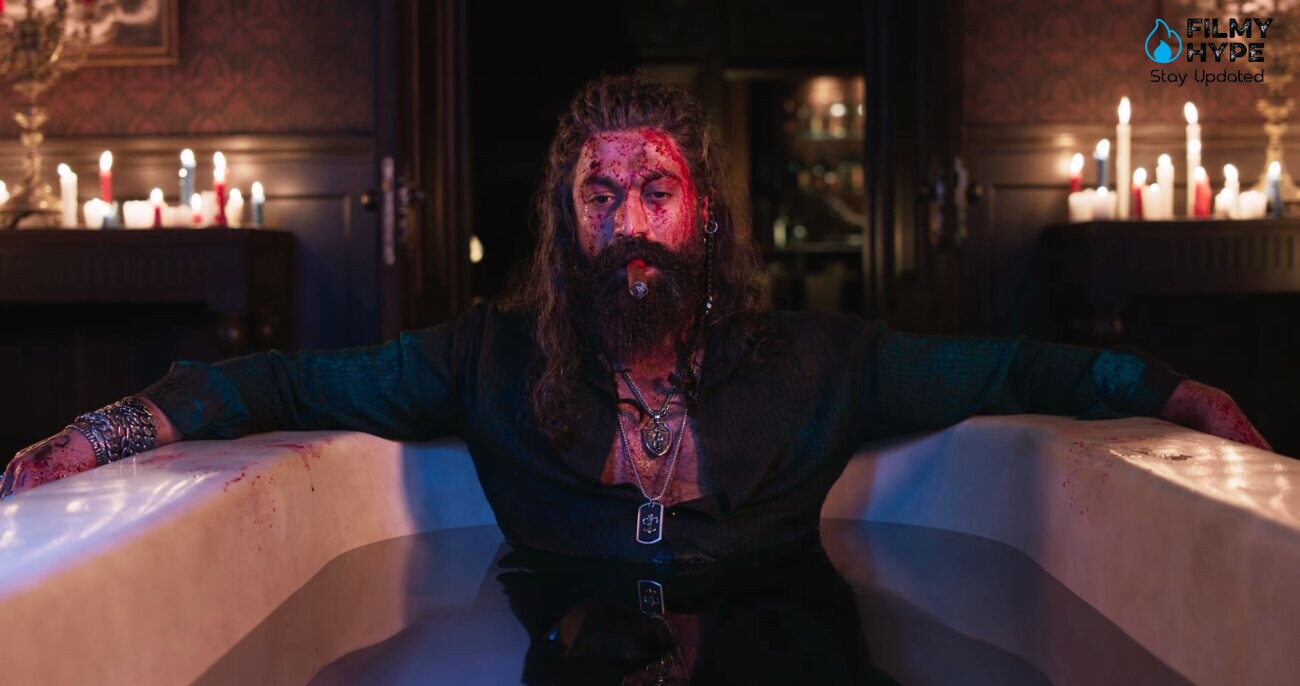
Rajeev Ravi’s cinematography is the first thing that grabs you about the trailer. The colors are saturated to the point of lushness—deep reds, golds, and the particular quality of light that comes from shooting on real locations in Goa. The circus appears as a recurring motif, a living presence woven through the footage. It’s an unusual choice for a crime epic, and it speaks to Mohandas’s sensibility. Her Moothon was a film that moved between the grime of Mumbai’s underbelly and the fluidity of Lakshadweep’s shores, always finding the poetry in the violence. Toxic looks like it’s operating in a similar register—a crime film that wants to be beautiful, that treats its brutality as something closer to ballet than to documentary.
The period setting helps. 1940s to 1970s Goa was a place of tremendous flux—Portuguese colonial rule giving way to Indian annexation, the hippie trail bringing foreigners and their appetites, the smuggling networks that turned the coastline into a highway for contraband. It’s a setting that’s been underutilized in Indian cinema, and the trailer suggests Mohandas is mining it for both visual texture and thematic resonance. The costumes, the architecture, the specific way that wealth and poverty coexisted in that time and place—all of it feels carefully constructed.
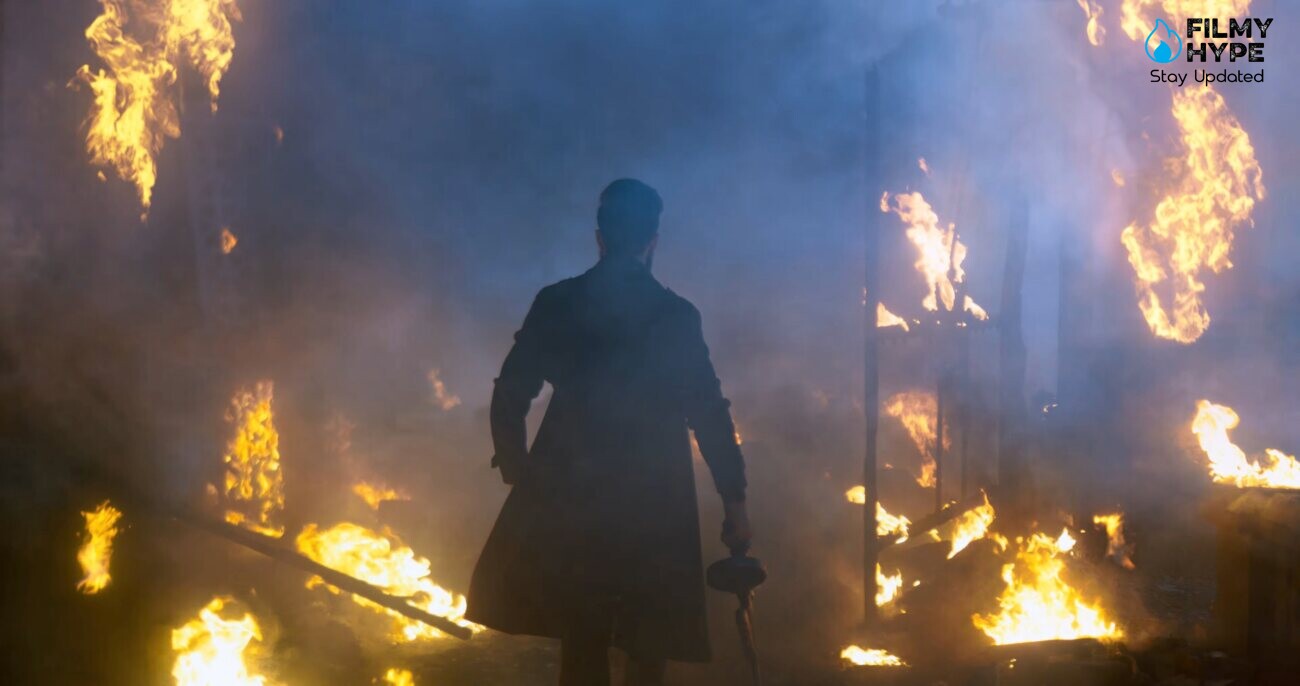
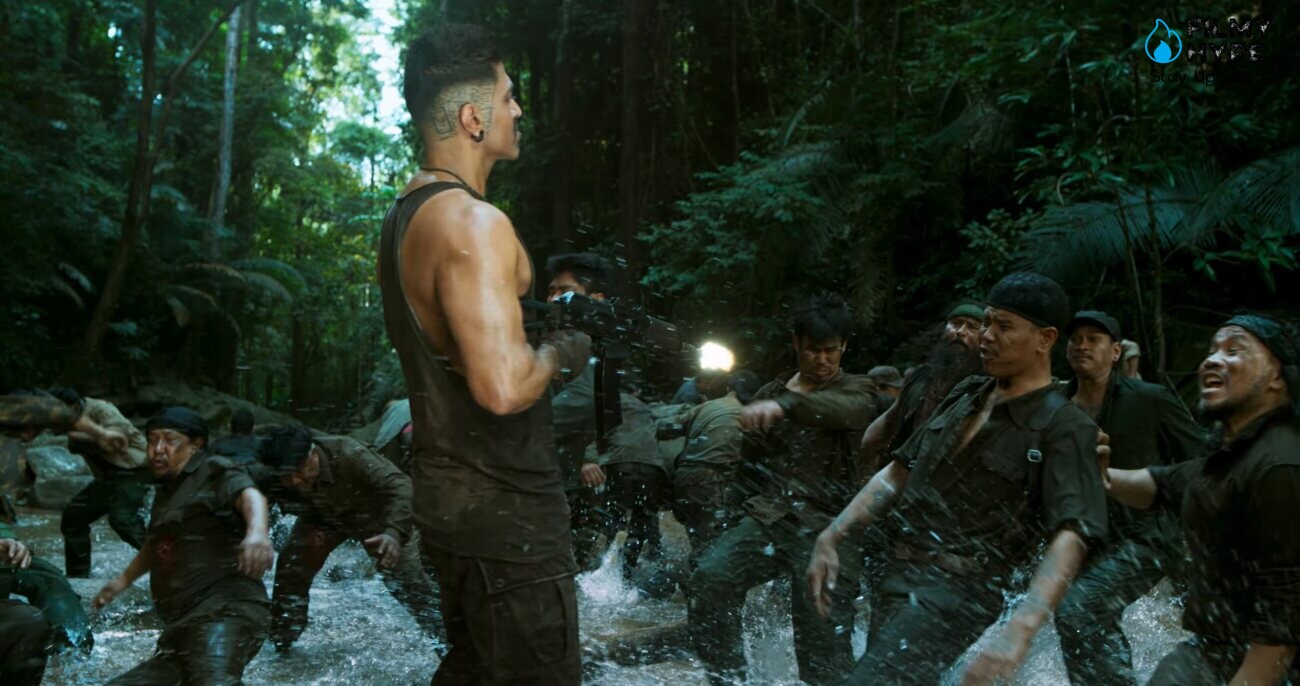
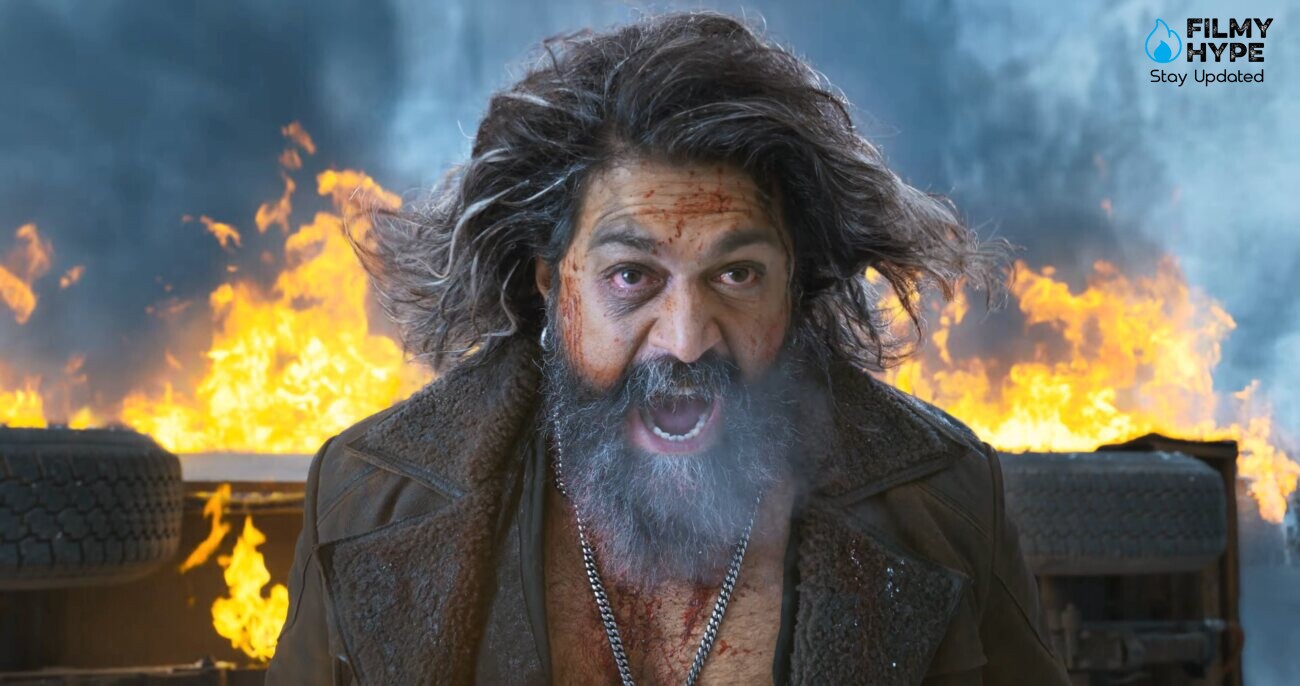
The background music, which has been a talking point since the film’s announcement, lives up to the hype. It’s percussive, insistent, building tension in ways that complement rather than overwhelm the images. The action sequences, however, are where the trailer shows its seams. Some of the VFX work in the climactic set pieces doesn’t quite land—the digital effects feel slightly disconnected from the physical performances, a problem that’s plagued Indian action cinema as budgets have increased and ambitions have outstripped the technology available to realize them.
The Performances
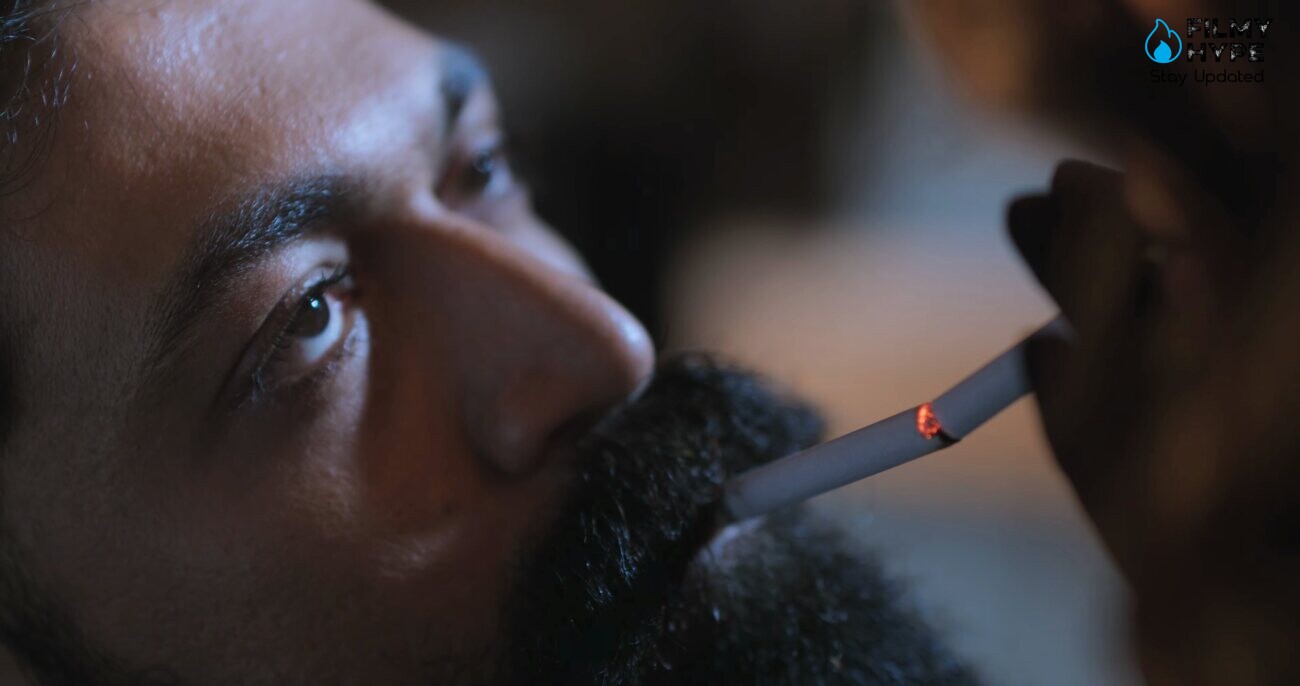
Yash is operating in the register he established with KGF—loud, physical, larger than life. His Raya is all broad gestures and intense stares, a performance built for the back row of a theater. Whether that works for the entirety of a two-and-a-half-hour film depends on the material around him. KGF succeeded partly because the world was scaled to match its hero’s intensity. Toxic, with its more intimate father-son conflict and its ensemble of female characters, may require something more modulated.
Kiara Advani gets some striking visuals—her screen presence is undeniable—but the dialogue she’s given in the trailer feels flat, functional rather than revealing. Huma Qureshi and Tara Sutaria both have moments that suggest their characters might be more interesting than the trailer has time to explore. Rukmini Vasanth, in a brief appearance, is the only performer who speaks in a normal register—her line readings are conversational, grounded, a sharp contrast to the operatic intensity around her. If her role is substantial, she might provide the human anchor that the film needs.
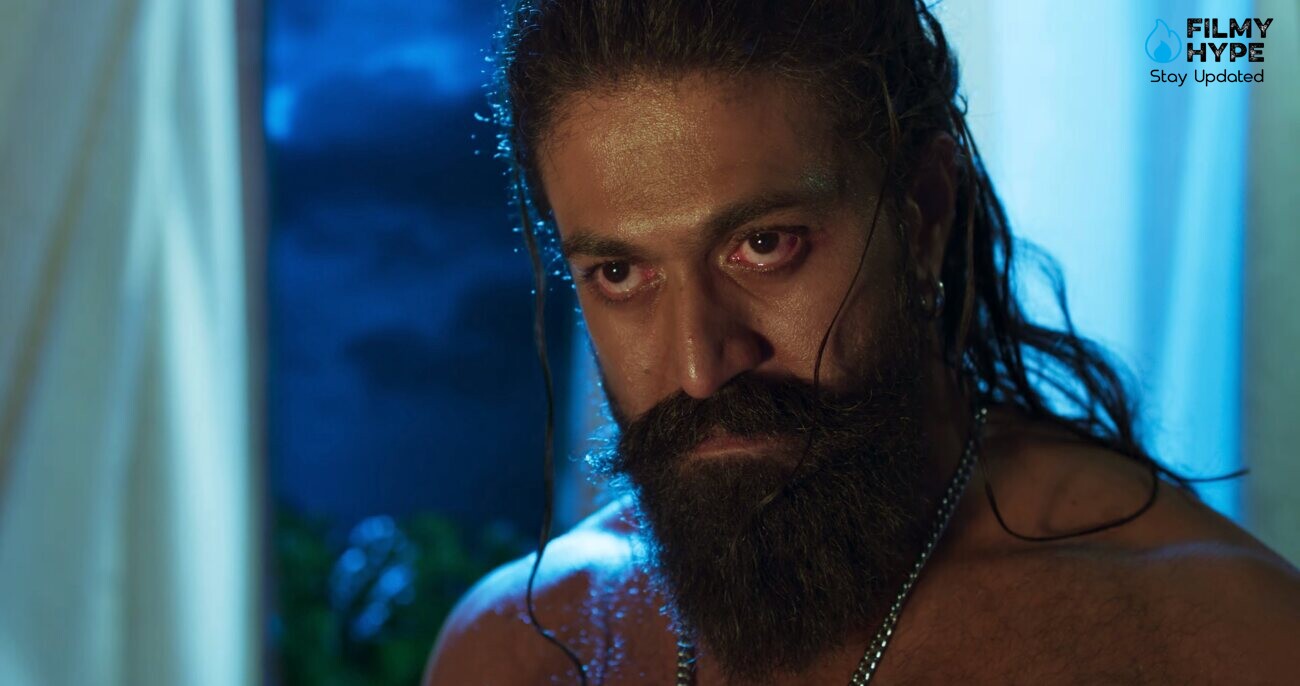
One exchange in particular seems designed to generate controversy. Raya stands naked in a corner of a room. Rukmini’s character says, “I expected a civilized meeting.” Raya responds, “Do I seem civilized to you?” The dialogue doesn’t reveal much about the plot. It does, however, seem calibrated to generate exactly the kind of pre-release buzz that films of this scale increasingly depend on. Whether it contributes anything to the story is a question the film itself will have to answer.
The Release Date
Toxic arrives in theaters on August 26, 2026. The film was shot in English and Kannada, with dubbing planned for Hindi, Telugu, Tamil, and Malayalam—a multi-language strategy that reflects Yash’s pan-Indian ambitions and the lessons learned from the KGF franchise’s remarkable cross-border success. KVN Productions and Monster Mind Creations are behind the project, which has been in development for years.
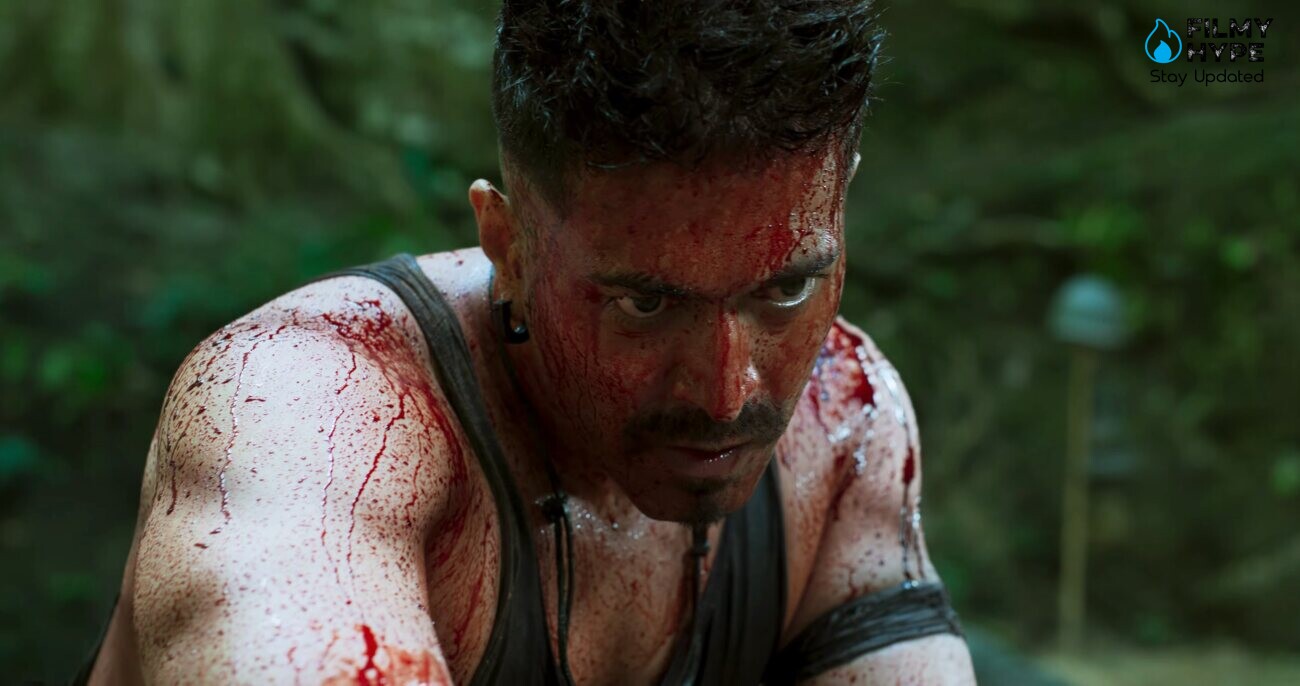
The censor board looms as a potential complication. The trailer is violent—more violent, in some ways, than KGF, which itself pushed the boundaries of what Indian cinema could show. The board has been increasingly aggressive about cuts in recent months, and Toxic, with its adult themes and its unflinching brutality, seems likely to face scrutiny. The overseas release should proceed without issue. The Indian release may be a different story.

















What the trailer ultimately promises is a film that knows exactly what it wants to be. Mohandas has taken the raw materials of a gangster epic—the rise, the fall, the violence, the betrayal—and filtered them through a sensibility that’s more interested in psychology than in body counts. The father-son conflict that drives the plot is as old as storytelling itself, but the treatment seems genuinely distinctive. This is a crime film that wants to be a fever dream, a power struggle rendered as an adult fairy tale. Whether it works will depend on whether Mohandas can sustain the balance between spectacle and substance, between Yash’s star power and the darker, stranger story she seems to want to tell. The trailer suggests she might. August 26 will tell us for sure.