


The promotional campaign for Na Hong-jin’s Hope Movie has been unusually restrained for a film of this scale. The Korean director, whose previous work includes the relentless horror of The Wailing, has been keeping his cards close. International audiences know the cast includes Michael Fassbender, Alicia Vikander, Taylor Russell, and Cameron Britton—names that would normally dominate a film’s marketing. But they’ve been almost absent from the posters, the trailers, the carefully controlled drip of pre-release imagery. The promotional focus has been squarely on the Korean leads: the police chief trying to hold his town together, the hunters tracking something they don’t understand, the residents of Hope Harbor whose lives are being dismantled by a threat they can’t name.
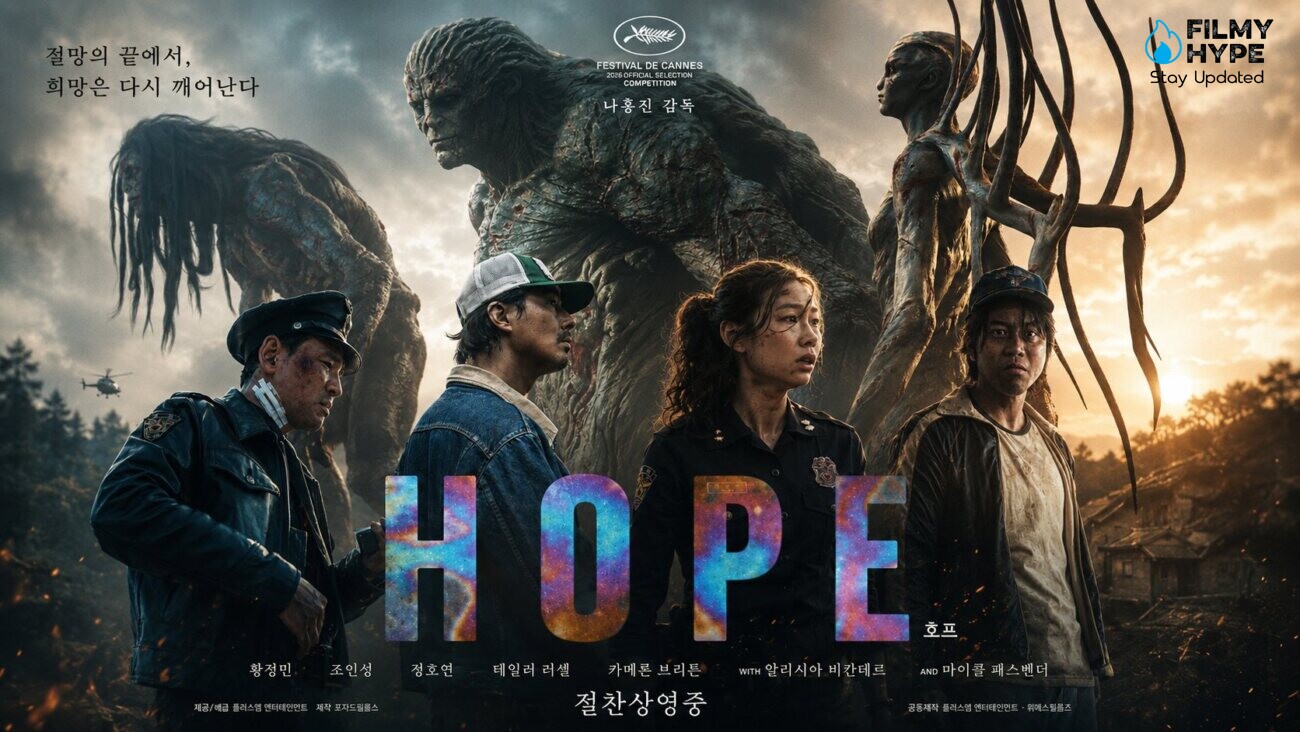
A new series of character posters released in South Korea may have just explained why. The posters show the Korean protagonists accompanied by disturbing, alien-looking creatures—tall, gaunt figures with elongated limbs and faces that seem to be in the process of becoming something else. And fans have been quick to point out that these creatures bear a notable resemblance to the international cast members who’ve been missing from the marketing.
The implication, if the theory holds, is that Fassbender, Vikander, Russell, and Britton aren’t playing the characters the audience expects. They’re playing the things that are hunting those characters. The international stars aren’t the heroes. They’re the threat.
The New Hope Movie Posters: The Theory
The evidence is visual and circumstantial, but it’s compelling. One of the creature designs, glimpsed in the new posters, has the sharp bone structure and intense stare that Fassbender has weaponized throughout his career—from Shame to 12 Years a Slave to his Magneto in the X-Men films. Another creature, more sinuous and unsettling, carries echoes of Vikander’s physicality, the way she holds herself with a stillness that can read as either vulnerability or menace depending on the context. Russell’s creature seems younger, more kinetic, her limbs arranged in ways that suggest a body still learning how to move. Britton, whose physical presence has been used to such unsettling effect in Mindhunter and The Umbrella Academy, appears to have been translated into something massive and wrong—a creature whose size is less impressive than the sense that it shouldn’t be able to move the way it does.
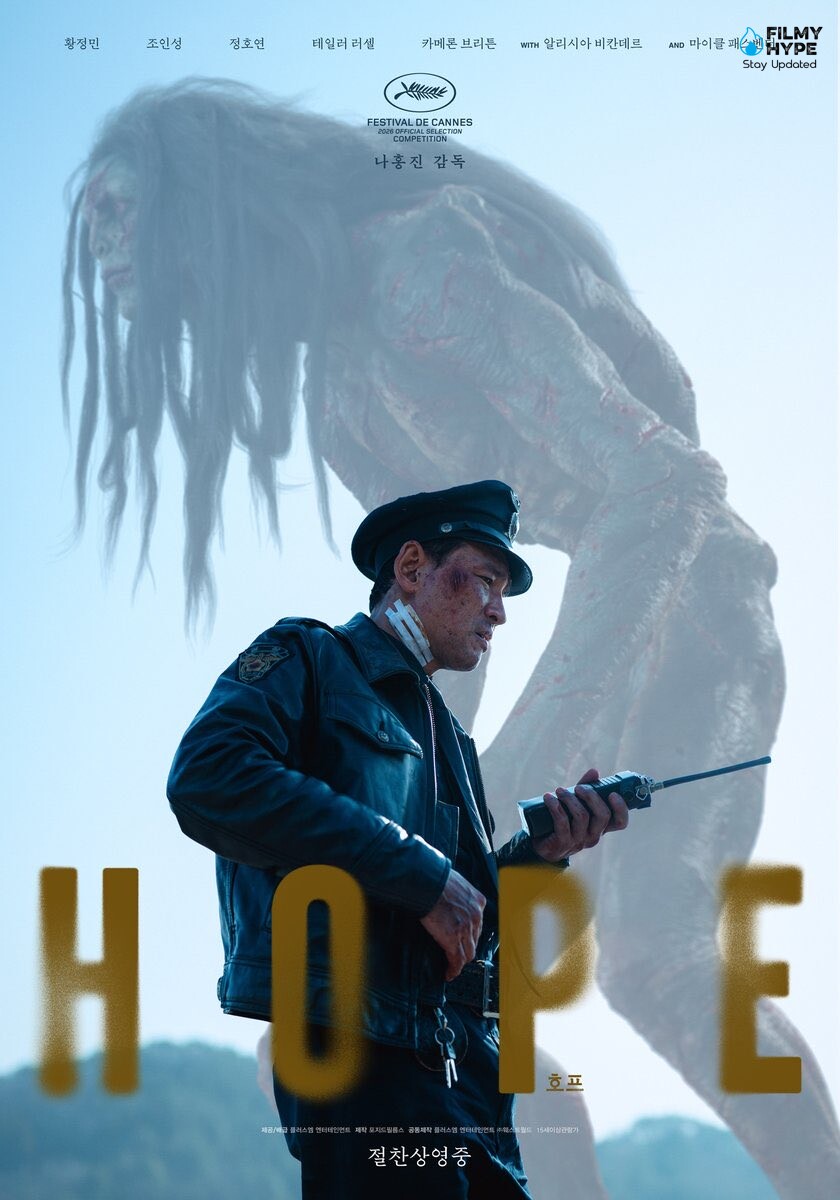
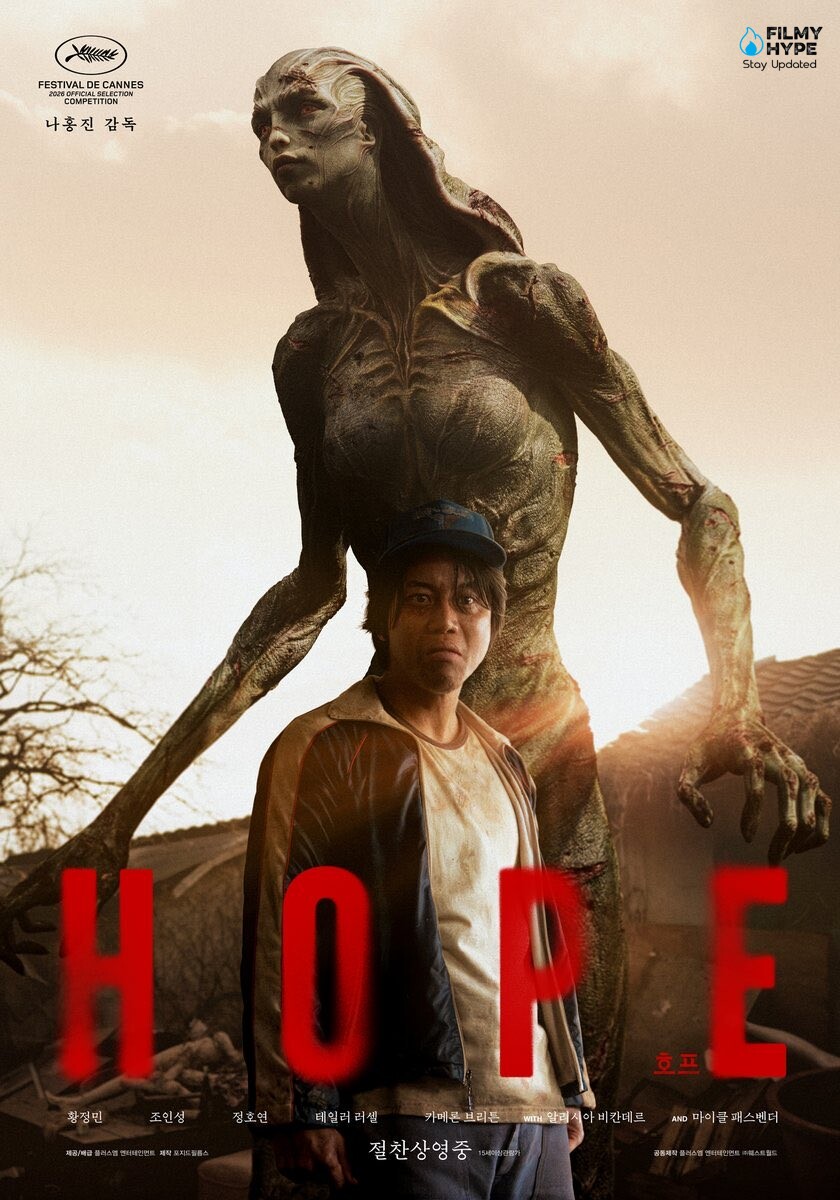
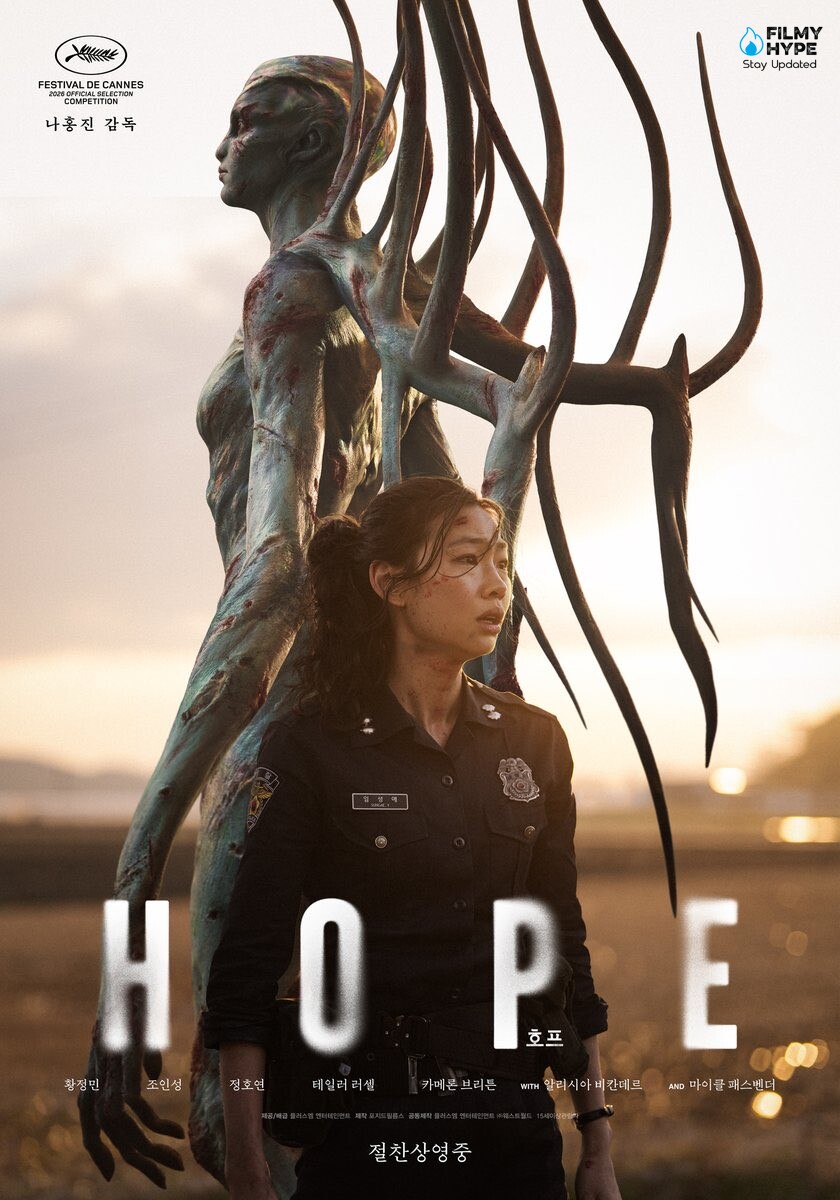
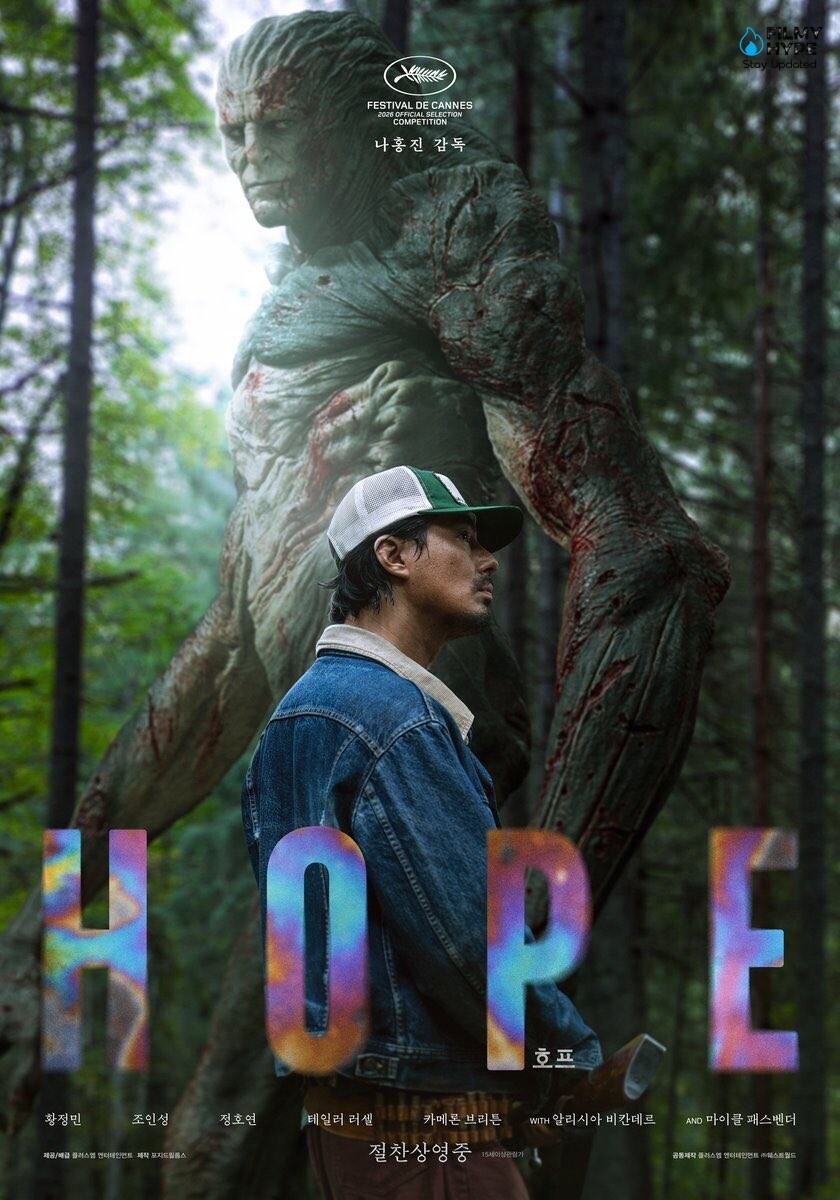
None of this is confirmed. The production has been tight-lipped about the nature of the international cast’s roles since the project was announced. But the deliberate withholding of those actors from the marketing, combined with the sudden appearance of creatures that look unsettlingly like them, suggests a strategy. Na Hong-jin is a filmmaker who understands that horror works best when the audience doesn’t know what they’re looking at. If Fassbender, Vikander, Russell, and Britton are indeed playing the creatures terrorizing Hope Harbor, the film has been hiding them in plain sight—using their recognizable faces as the basis for monster designs that the audience won’t fully understand until they’re already in the theater.
What the Film Is About
The official synopsis is deliberately vague. Hope is set in a remote coastal town in South Korea, where a series of brutal attacks has left the community reeling. A police chief, played by one of the Korean leads, is trying to maintain order while the body count rises. Hunters are tracking something in the surrounding wilderness. The investigation into the creature’s origin will, according to the synopsis, “reveal a much greater horror than they imagined.”
That language—”much greater horror”—is doing a lot of work. It suggests the creature itself is not the true threat, or at least not the only one. If the theory about the international cast is correct, the horror isn’t just that there are monsters attacking the town. It’s that the monsters are people—or were people, or are wearing the faces of people, or have been here longer than anyone realizes. Na Hong-jin’s The Wailing was built around a similar structure: a small-town mystery that kept expanding outward, each new revelation making the situation stranger and more terrifying rather than clearer. Hope looks to be operating in the same register.
The title itself is a provocation. “Hope” in a Na Hong-jin film is not likely to be a promise. It’s more likely an invocation, or a prayer, or a name for something that doesn’t actually exist in the world he’s built. The director has spoken in interviews about the film’s interest in the limits of human endurance—what people are capable of when Hope is all they have left, and what happens when even that is taken away.
The Director’s History
Na Hong-jin doesn’t make comfortable films. The Chaser (2008) was a serial killer thriller that refused to provide the catharsis the genre normally promises. The Yellow Sea (2010) was a crime epic that kept doubling back on itself, making its protagonist’s situation worse with every decision. The Wailing (2016) was the culmination of everything he’d been building toward: a horror film that lasted over two and a half hours and managed to sustain a sense of escalating dread across every minute of that runtime. It ended on a note of profound, almost cosmic despair—the kind of ending that doesn’t just kill characters but annihilates any sense that the universe they inhabit is governed by justice or mercy.
Hope is his first film in nearly a decade, and his first with a significant international cast. The decision to bring in actors like Fassbender and Vikander—performers known for their intensity, their willingness to go to dark places—suggests he’s not softening his approach for a wider audience. If anything, the international casting seems designed to allow him to work on a larger canvas while maintaining the specific, uncomfortable intimacy that has defined his previous films.
The Release Date
Hope premiered at Cannes, where it generated the kind of polarized, intense response that Na Hong-jin’s work tends to provoke. Some critics called it a masterpiece of sustained dread. Others found it impenetrable. The South Korean release was successful, and the film is now heading to the United States through NEON, the distributor that has become synonymous with ambitious, audience-challenging genre cinema. It will also screen at the Toronto International Film Festival, where it’s likely to be one of the most discussed titles in the lineup.
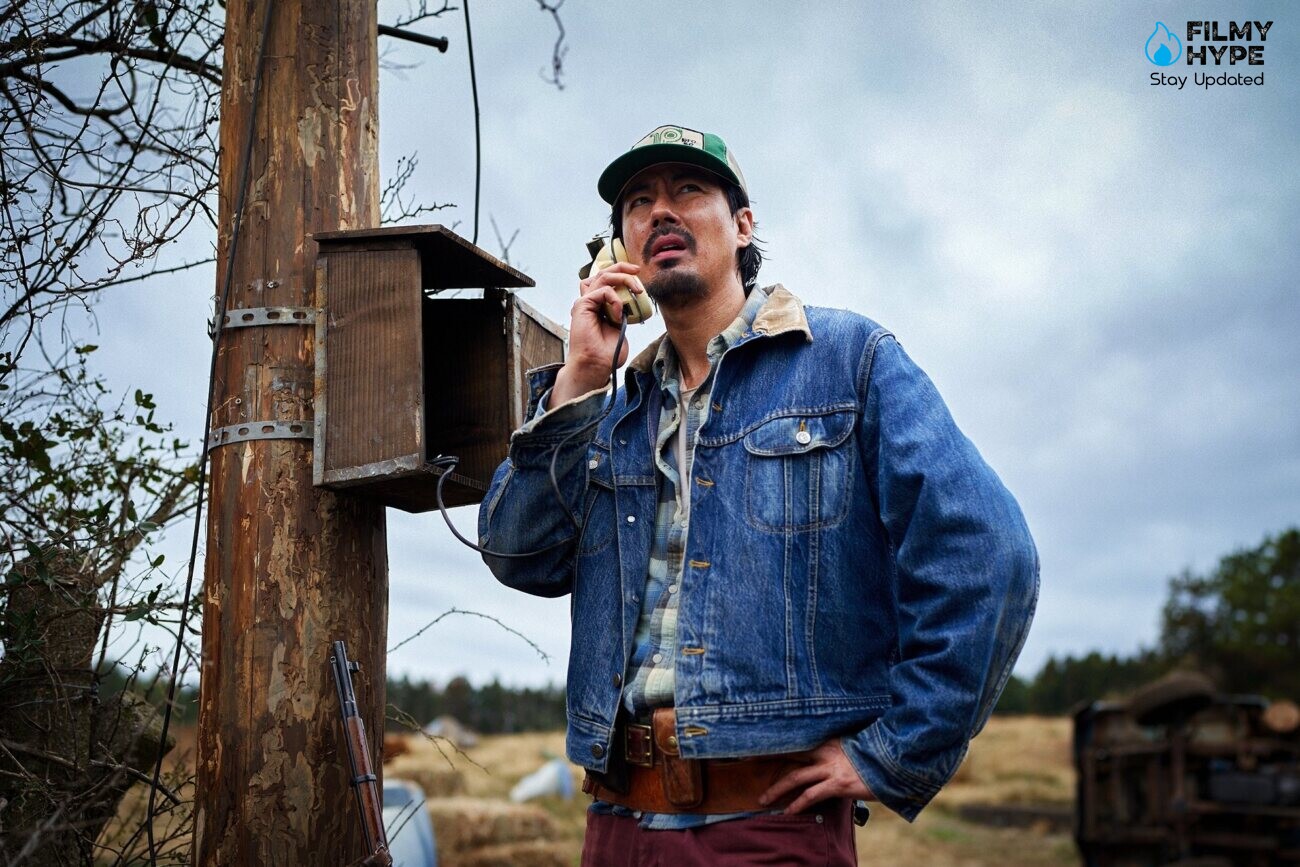

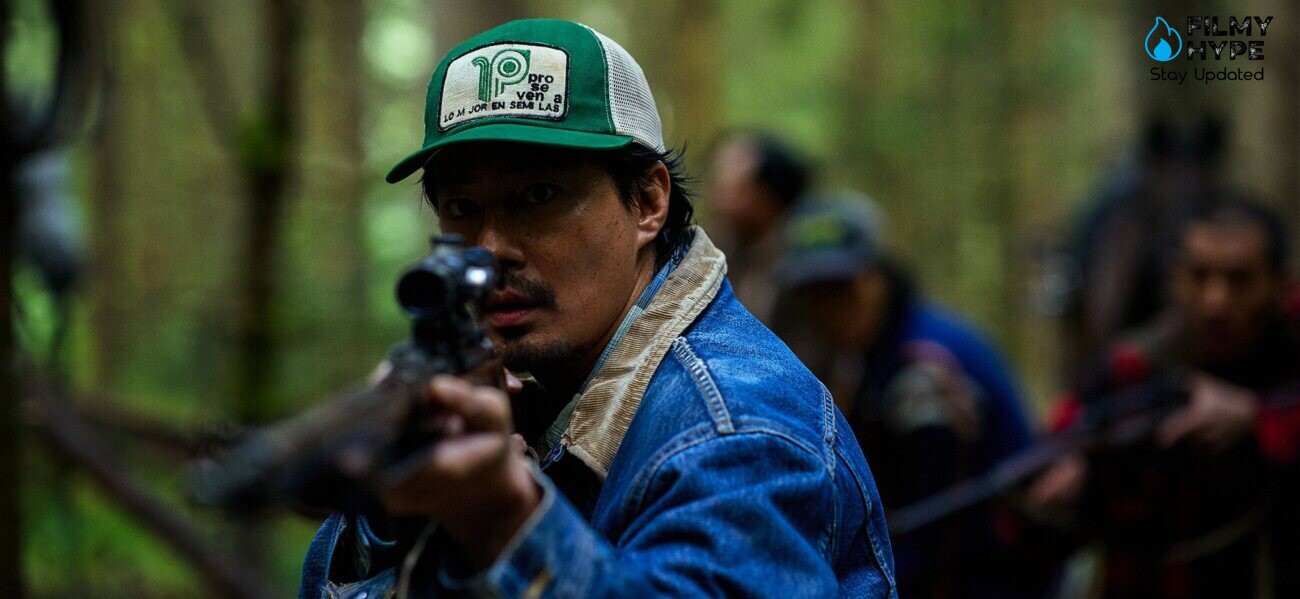
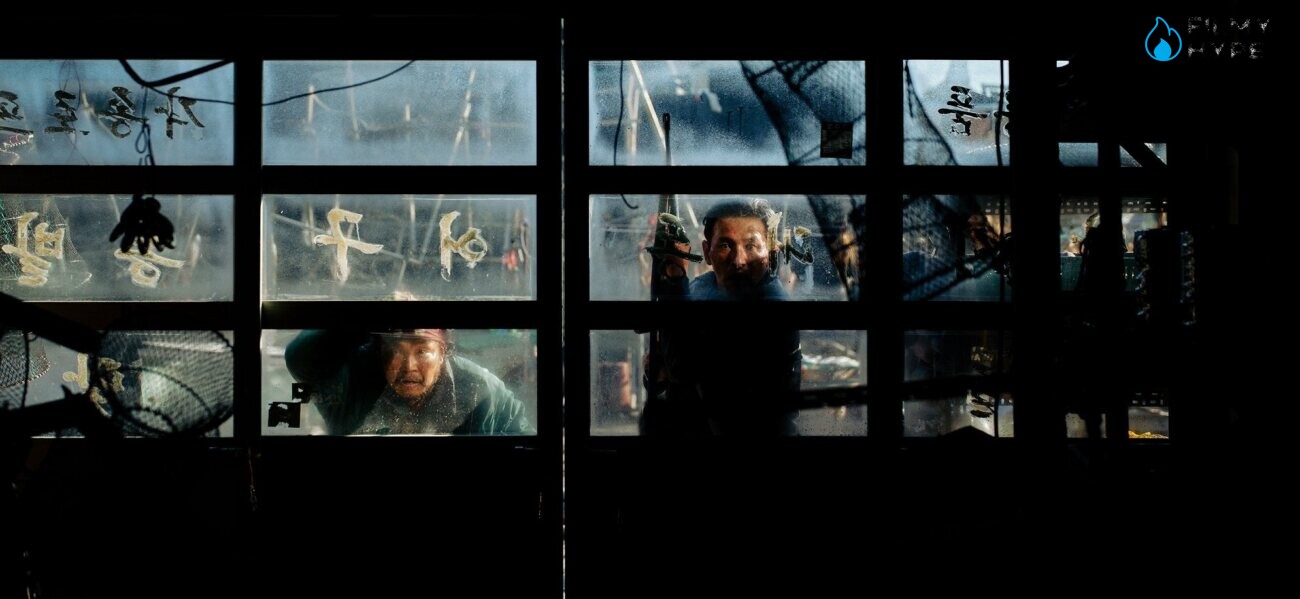

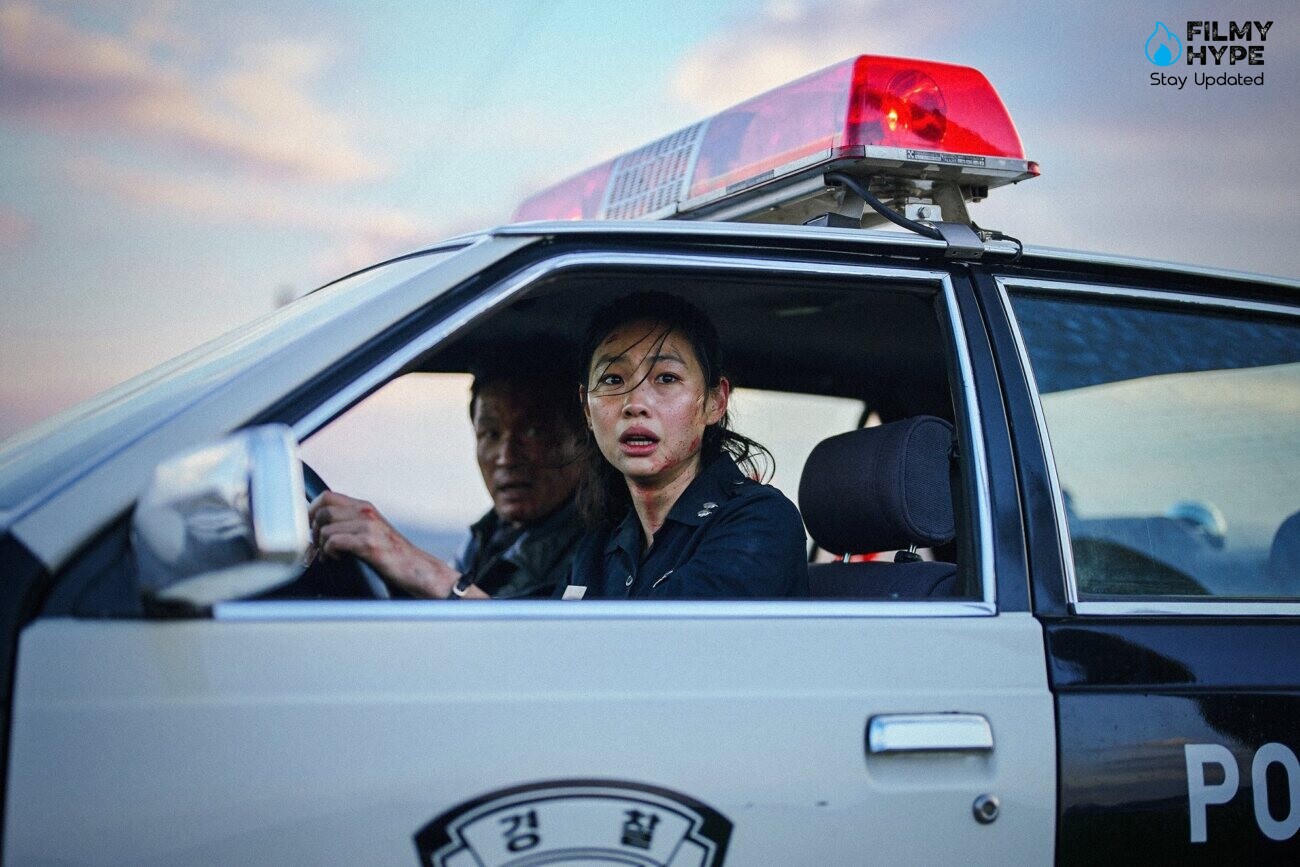
The U.S. release date is September 9. The marketing campaign, based on the new posters, seems to be shifting into a more overtly horror-focused register. The creatures are being shown more clearly. The threat is becoming visible. But the question of what Fassbender, Vikander, Russell, and Britton are actually doing in this film remains unanswered—at least officially. The posters are doing their work in the silence between official statements, inviting audiences to look closely and draw their own conclusions.
If the theory is correct, Hope is pulling off a rare trick: using its own marketing to tell a story that the film itself will eventually reveal. The international stars were always there. We just didn’t recognize them. The horror was hiding in plain sight, wearing famous faces, waiting for the moment when the audience would finally understand what they’d been looking at all along. That’s a hell of a way to sell a movie. It’s also, if Na Hong-jin’s previous work is any indication, exactly the kind of thing he’d do.