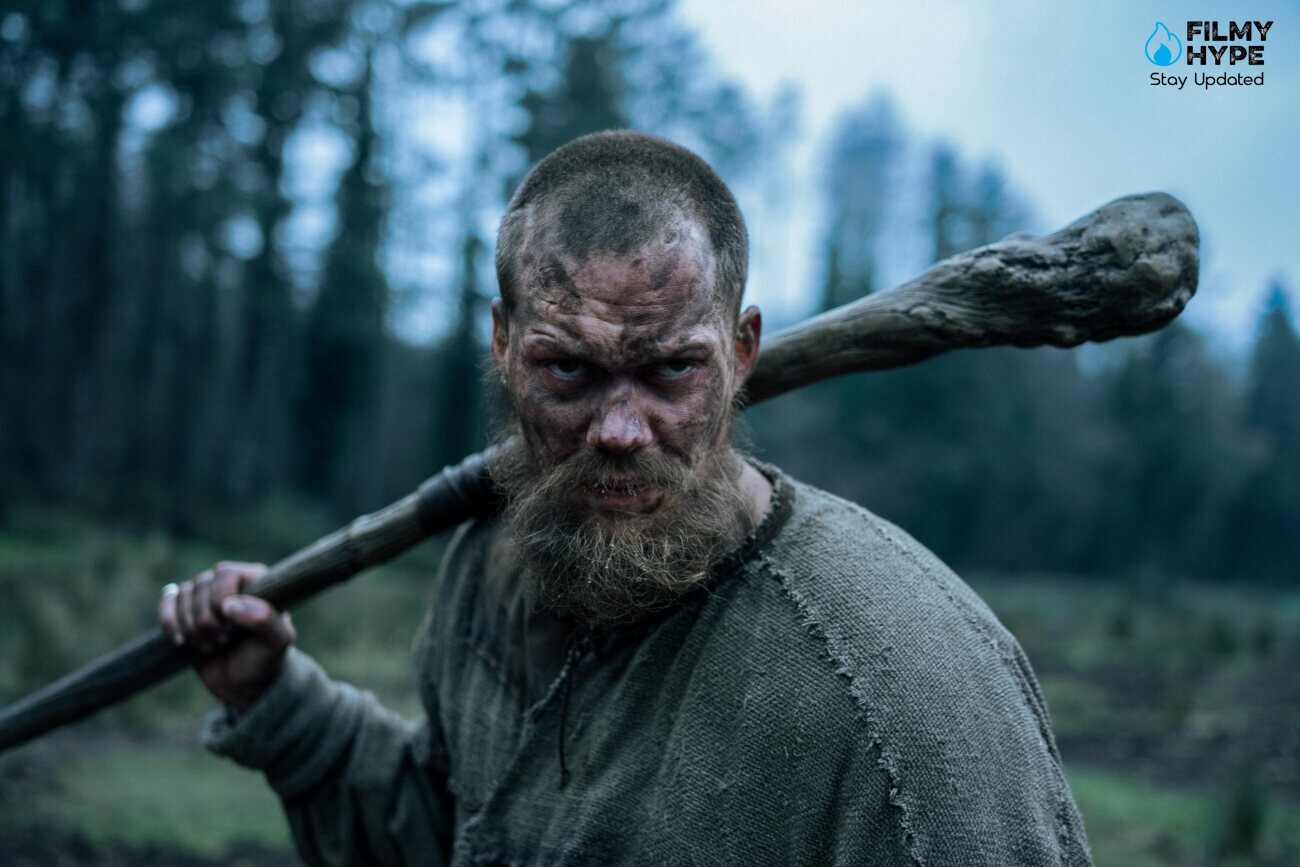
Michael Sarnoski’s The Death of Robin Hood is not the movie you think it is. If you walked in expecting the jaunty archer in green tights, stealing from the rich and giving to the poor, laughing his way through Sherwood Forest, you were in for a shock. Sarnoski, the filmmaker behind Pig and A Quiet Place: Day One, has made something stranger and sadder—a deconstruction of a myth that’s been told for eight hundred years, stripping away the romance to find the violence underneath. Hugh Jackman plays Robin as an aging, embittered mercenary, a man who admits he stole and killed out of greed and bloodlust rather than nobility. The film ends not with a heroic battle but with a quiet death in a sunlit priory room, and the meaning of that ending is the key to understanding everything Sarnoski is trying to say.
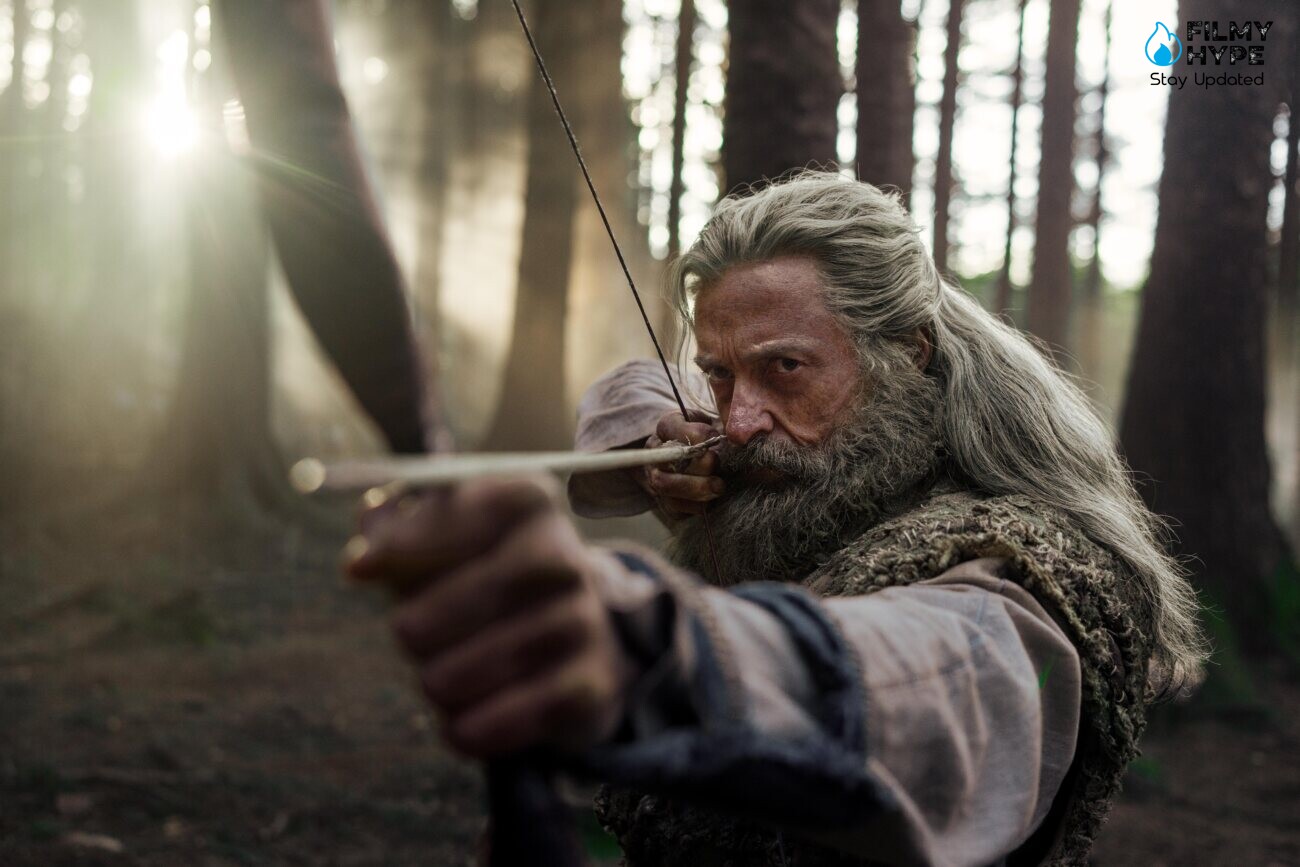
The Death of Robin Hood: How Robin Dies?
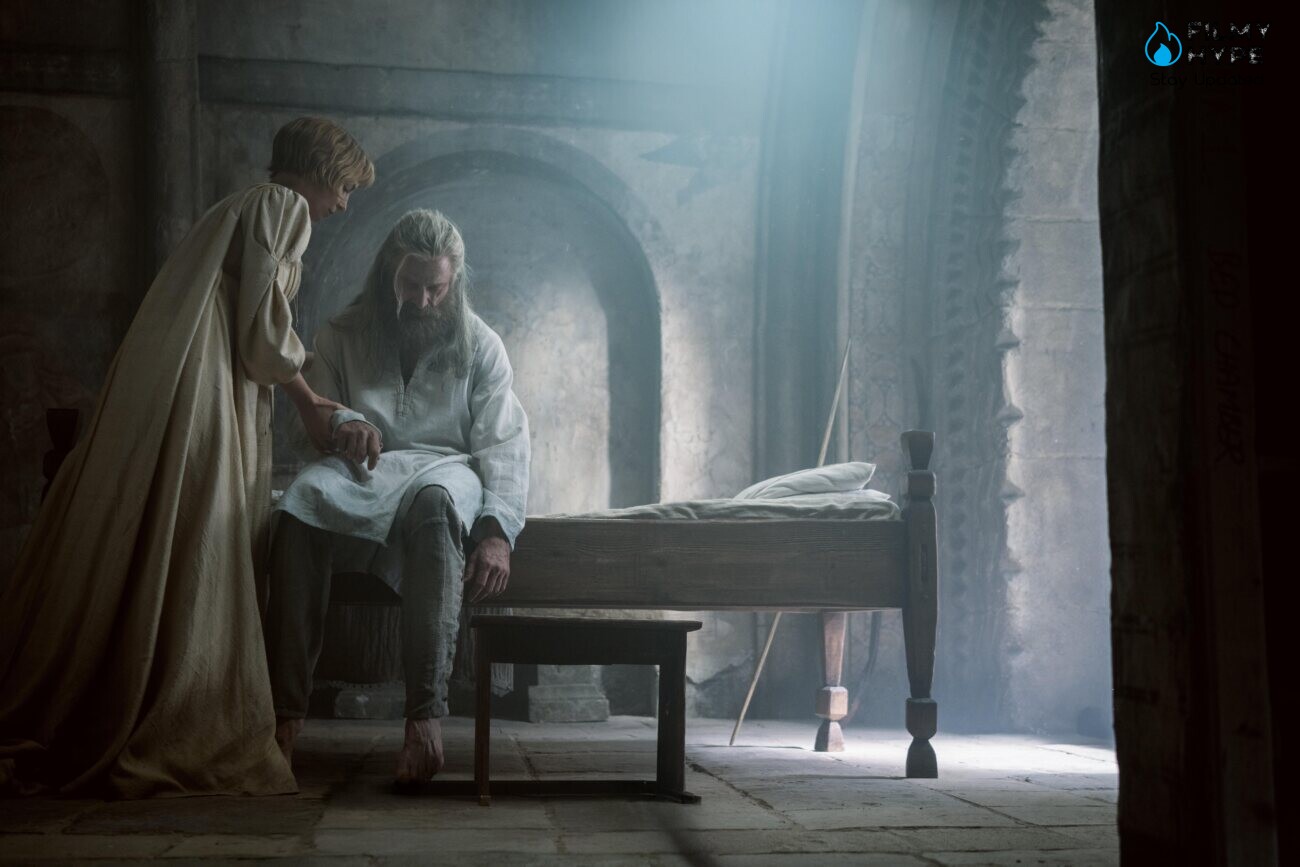
Robin’s death is not murder, and it’s not quite suicide. It’s something more complicated: a consensual death, arranged between two people who understand exactly what’s happening. After surviving a massacre at the farm of his former companion Little John, Robin is brought to the isolated priory of St. Clement, run by Sister Brigid, played with remarkable restraint by Jodie Comer. He’s treated with bloodletting, the medieval medical practice of draining “bad blood” to cure infection. It’s a brutal treatment for a brutal time.
The twist comes when Robin discovers the truth about Brigid’s past. He was responsible for the death of her husband and children, years ago, during his banditry days. His gang locked the doors of her house and burned it with her family inside. She survived. She built the priory. She became a healer. And now the man who destroyed her life is lying in her bed, asking her to save him.
The final bloodletting begins as an execution. Brigid has every reason to let him bleed. But Robin asks her to leave the wound open. He stops her from closing it. He wants to die—not because he’s given up, but because he understands that keeping him alive means prolonging a cycle of vengeance that will never end. New enemies will come for him. The priory will be threatened. Margaret, the orphaned girl he’s come to care for, will be in danger. The only way to protect the people he’s grown to love is to remove himself from the equation.
Brigid consents. She lets him bleed. And Robin dies peacefully in that sunlit room, his death transformed from an act of revenge into something approaching mercy.
The Leper’s Revelation
Throughout the second act, Robin develops a friendship with a leper at the priory, a man whose face is completely covered in bandages. The character, played unrecognizably by Murray Bartlett, becomes a kind of moral anchor for Robin—someone who treats him without fear or judgment, someone who seems to understand what it means to carry the weight of past sins.
On his deathbed, the leper reveals the truth. He’s Guy of Gisborne, Robin’s legendary archenemy. Years ago, Robin spared his life after cutting off his ear, making a cynical promise that “in another life” they’d be drinking partners. The priory, it turns out, is that other life. Guy forgives Robin. They’ve found peace together in this strange, isolated place.
But before he dies, Guy begs Robin never to reveal his true identity to Sister Brigid. The reason is devastating. Robin and his gang were the monsters who burned Brigid’s family alive. If she learns the truth about who Robin is, she’ll understand that she’s been healing the man who destroyed her life.
Why Robin Confesses
Robin’s conscience can’t take it. He’s spent the entire film trying to reckon with the weight of what he’s done, and the idea of living under a mask of lies—of letting Brigid care for him without knowing what he did to her—is unbearable. He finds her on the beach, looking at the ocean, and confesses everything.
Brigid’s reaction is horror, revulsion, the physical recoil of someone who’s just discovered she’s been standing next to a monster. But she doesn’t kill him. She doesn’t hand him over for revenge. Instead, she acknowledges something deeply uncomfortable: her entire spiritual journey, the founding of the priory, the healing work she’s dedicated her life to—all of it exists because Robin’s cruelty forced her to rise from the ashes. The terrible violence of the past became, in some strange cosmic sense, the foundation for all the good she’s done since. It’s not forgiveness. It’s something harder. It’s acceptance.
The Final Lie?
As Robin is dying, young Margaret enters the room. She’s traumatized, orphaned, and Robin knows she can’t witness the full horror of what’s happening. So he does something that seems to contradict everything the film has been arguing for. He lies to her.
He tells Margaret that her father, Little John, was a hero. That they stole from the rich to give to the poor. That her father loved her deeply. The minstrel songs Robin had spent the whole film dismissing as “lies upon lies” become, in his final moments, the story he chooses to give this girl. He helps her raise a bow and arrow he made for her, directs her to aim at the window, and tells her that releasing the arrow means letting go of the past. He dies the exact moment she releases the string and the arrow flies into the gray sky.
Why the Lie Matters
This is the film’s central thesis. Robin Hood has spent eight hundred years as a heroic figure, a symbol of resistance and justice. The truth, Sarnoski suggests, was always messier. Robin was a killer. His motives were selfish. His legend was built on blood.
But the legend matters. The lie matters. Because the story we tell about ourselves—the story we give to children, to future generations—shapes what they become. Robin knows the truth about himself. He’s confessed it. He’s dying in the full knowledge of what he’s done. But Margaret doesn’t need that truth. She needs a story she can live with, a version of her father that makes her feel loved rather than abandoned. The heroic lie isn’t a denial of the truth. It’s a gift.
Hugh Jackman described it this way: “He tells a complete lie about who he is and who he went to this young girl, to give her a story she can live with that makes her feel good and move on. And this idea that someone tells a lie, tells a story for the benefit of another person and also to ensure and allow themselves to die… Then he becomes heroic.”
What the Director Says
Sarnoski has spoken about the ending as an attempt to capture something quiet and transcendent. The final scene was eight pages long, shot in a single day in continuous takes. “The whole crew was crying while we were filming,” he said. He described the death as starting as an execution and turning into “a merciful death, an assisted suicide,” something that Robin and Brigid discover together. The sunlit room, the silence, the intimacy—it’s a deliberate contrast to the mud and violence of the film’s opening, which Sarnoski shot in expansive widescreen. When Robin arrives at the priory, the aspect ratio shifts, the frame narrowing to force the audience into the same claustrophobic intimacy the characters are experiencing.
The Questions?
Is the ending based on a true story? The film is a loose adaptation of an anonymous 17th-century ballad called Robin Hood’s Death, in which Robin also dies in bed after being bled excessively by a prioress who is his cousin. Sarnoski modernized the psychology, turning the prioress from a betrayer into a complicated figure of mercy.
Does Maid Marian appear? No. The film discards the romantic additions to the legend, focusing instead on the older, darker ballads. Robin explicitly says he never loved Maid Marian, that she doesn’t even exist in his story.
Why does the screen size change? The first act is shot in 2.39:1 widescreen, capturing the scale of battle and landscape. When Robin wakes in the priory, the frame narrows to 1.66:1, creating an intimate, almost claustrophobic environment that forces the audience to focus on faces and small gestures rather than spectacle.
Is there a post-credits scene? No. The film ends definitively, without a sequel hook or hidden scene.
What It All Means
The Death of Robin Hood is a film about the stories we tell to make sense of violence. Robin’s legend has always been a comfortable fiction—the idea that one man could steal from the rich and give to the poor without becoming a monster in the process. Sarnoski’s film insists on the uncomfortable truth: Robin was a murderer. His hands were never clean. The songs that made him immortal were built on the bodies of people he killed for selfish reasons.
But the film doesn’t end on that note of cynicism. It ends with Robin choosing to become the hero the legend says he was, if only for one girl, in one moment. He tells the lie. He gives her the story. And in doing so, he becomes something closer to the figure the songs described. Not because the lie was true, but because the lie was necessary. Some stories, Sarnoski suggests, are too important to be left to the truth. The legend needs the lie. And maybe, in the end, the lie becomes its own kind of truth.