

Ted Lasso Season 4 Review and Analysis
Cast: Jason Sudeikis, Hannah Waddingham, Juno Temple, Brett Goldstein, Tanya Reynolds
Director: Declan Lowney
Streaming Platform: Apple TV
Filmyhype.com Ratings: 4/5 (four stars)
On August 5th, while many are starting their long-awaited holidays, Home was released on Apple TV, the first episode out of ten (the other nine will be released one a week every Wednesday) of Ted Lasso Season 4, an unexpected but at the same time highly anticipated return, after more than three years, of the beloved series created by Bill Lawrence (Scrubs and Shrinking for example) and Jason Sudeikis, who plays the wonderful protagonist who gives the series its title. Among the millions of fans of what we believe is by far the best work of football fiction ever seen on screen, if you hadn’t guessed, we’re huge Ted Lasso fans. There was a lot of anticipation but also some concern surrounding Ted Lasso Season 4.

Precisely because, in theory, the series was supposed to end definitively after three seasons; the extraordinary success with audiences and critics, however, had led Sudeikis and Lawrence to leave the door open for Ted’s return to London, and in fact after a couple of years of reflection they had found the right inspiration: having Ted coach the Richmond women’s team, the project Keeley presented to Rebecca in the final scenes of Ted Lasso Season 3. So, what is this Ted Lasso Season 4 like? After previewing the first four episodes, our opinion is certainly positive, but before we explain ourselves better, here is the spoiler-free plot of the new season, of which we report the official trailer in Italian at the bottom, even if Ted Lasso is a series that we strongly recommend watching in the original language.
Ted Lasso Season 4 Review: The Story Plot
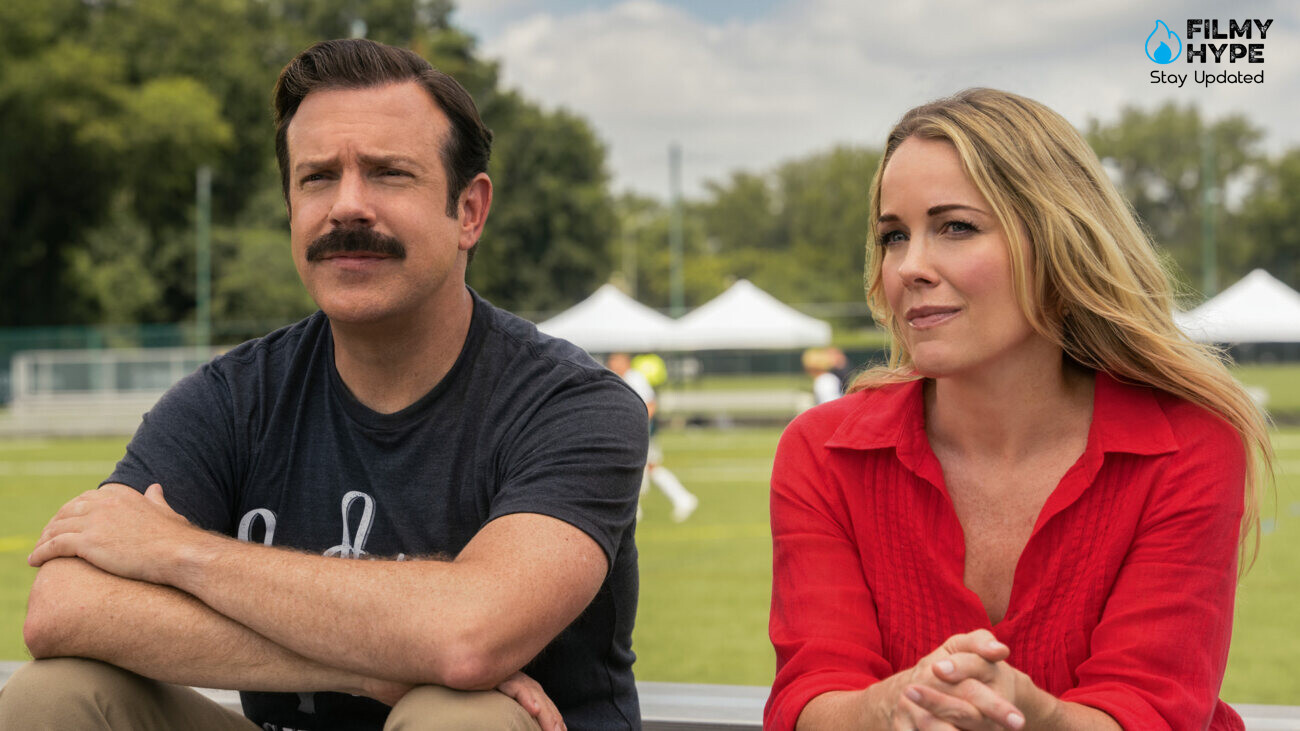
It’s been a few years since Ted left the Richmond boys after coming close to winning the Premier League, which then went to Guardiola’s usual City. The coach has returned to Kansas City, which, for those of us who don’t know, is not one city but two: the largest and most famous part (for barbecue and jazz, but also for the numerous fountains, quantitatively smaller only than those in Rome) is Kansas City in Missouri, while the smaller twin city is located across the state border from Kansas. Ted, however, does not teach geography but works as a clerk in a supermarket, a part-time job that allows him to spend a lot of time with his son Henry (the older Grant Feely replaced Gus Turner for script purposes), while with his ex-wife Michelle (Andrea Anders), the relationship is serenely friendly.
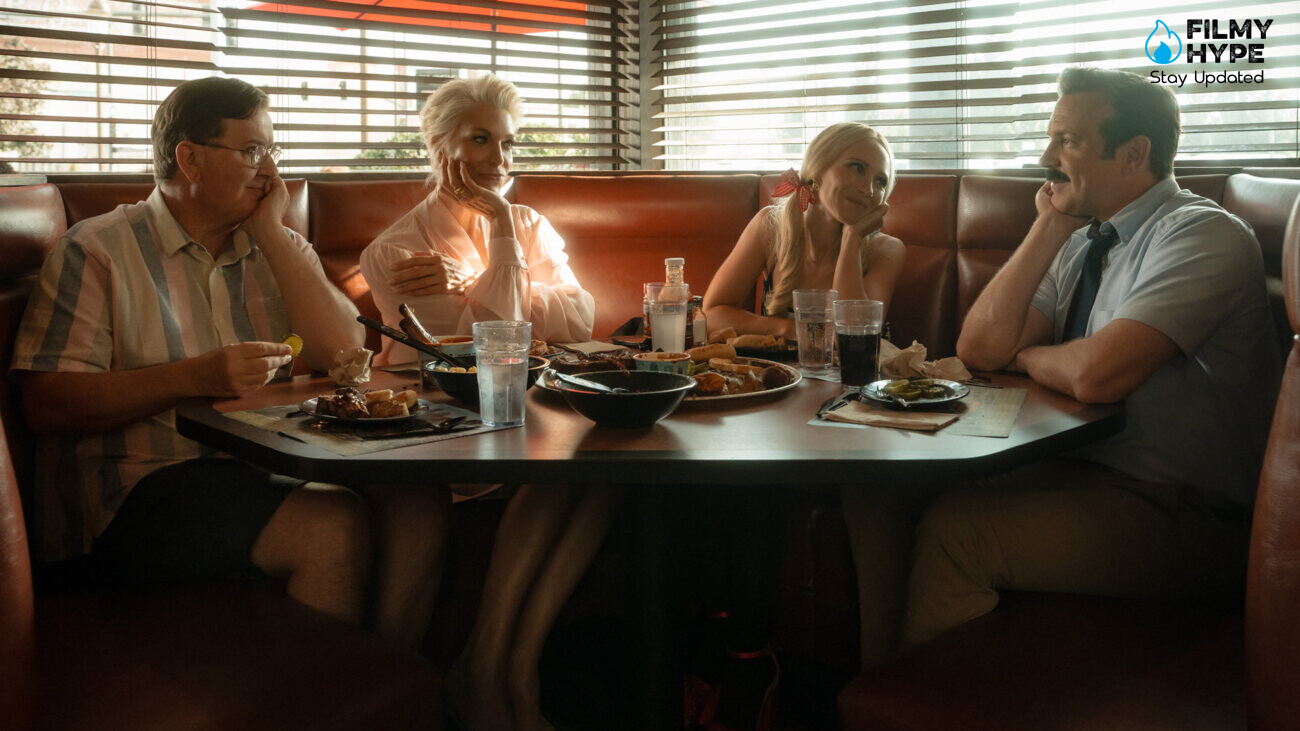
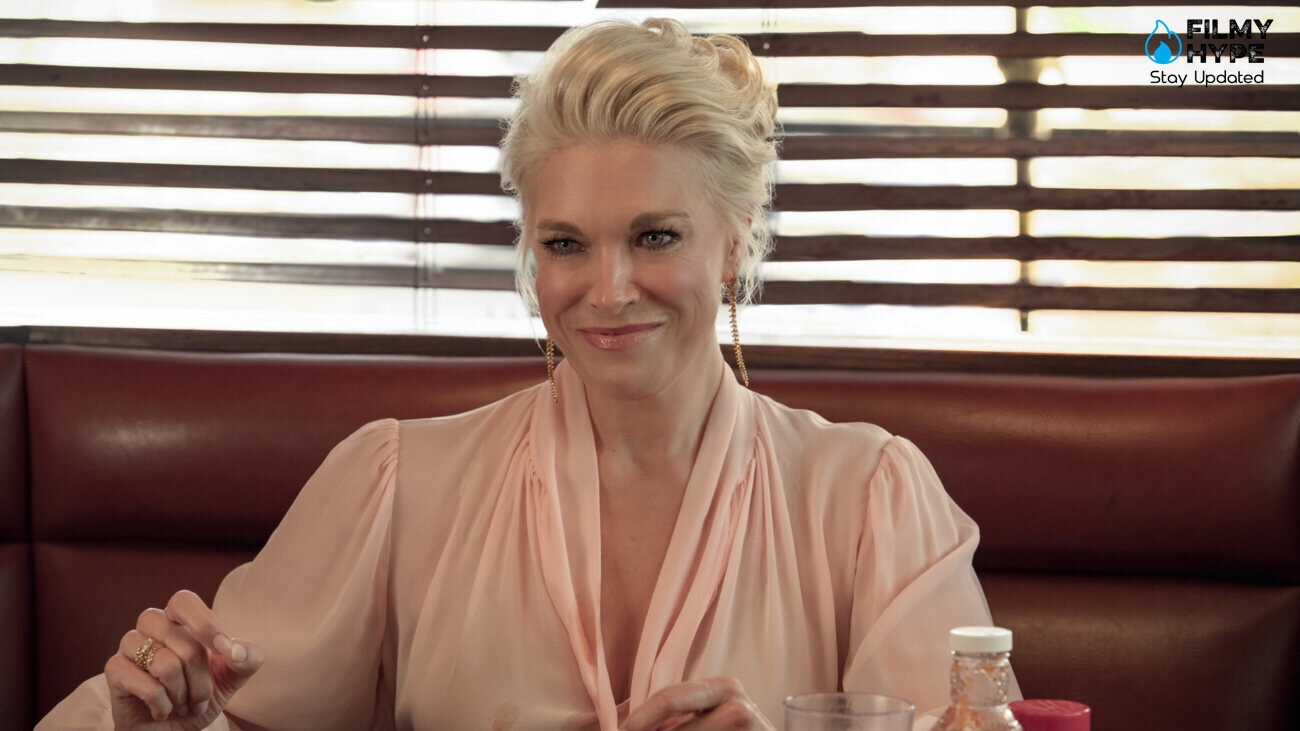
Ted’s buen retiro is interrupted, however, when Rebecca Welton (Hannah Waddingham), Leslie Higgins (Jeremy Swift), and Keeley fu***ng Jones (Juno Temple) arrive to visit him, and they propose that he return to London for a new adventure: coaching the newly formed Richmond women’s team that will face the second division championship. At first, Ted is recalcitrant: after all, he even stayed away from the bench of Henry’s “soccer” team. But it will be his beloved family who will give him the push to accept this new challenge with the same infectious enthusiasm as always.
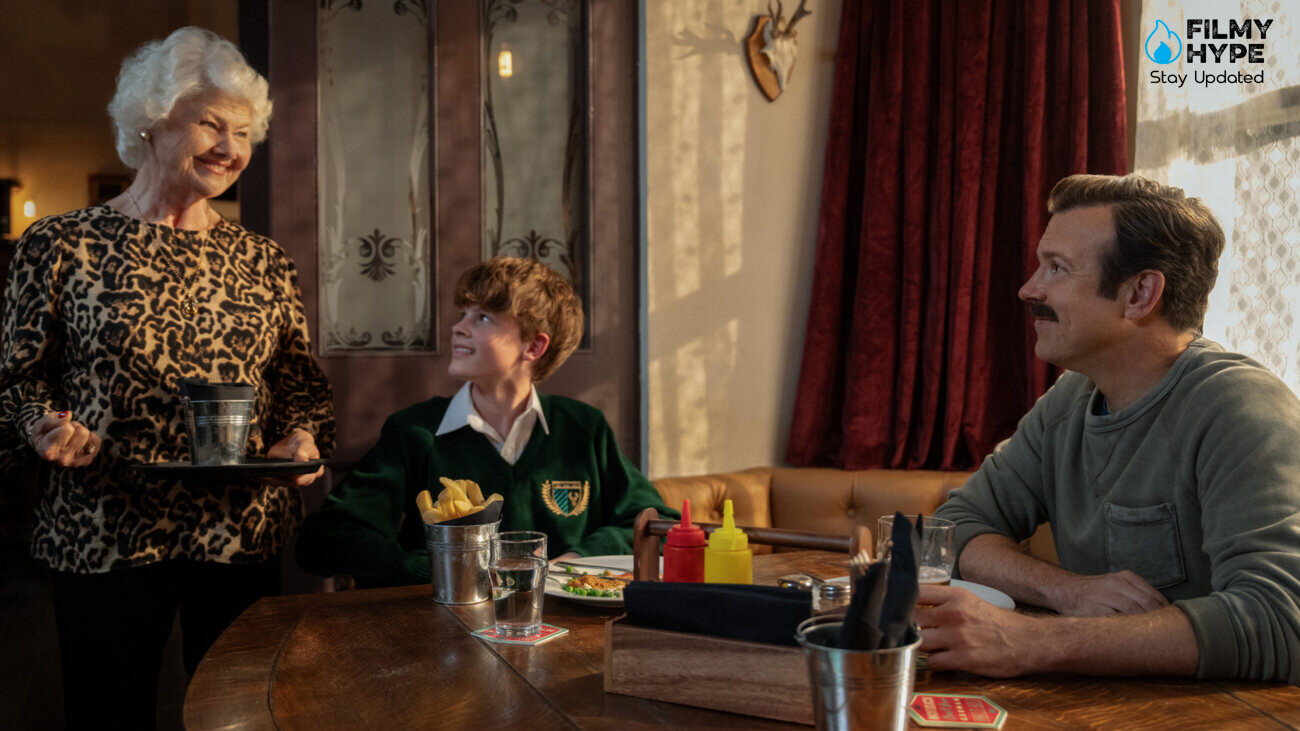
In London, dear Ted will find many friends, starting with coach Willis Beard (series co-developer Brendan Hunt) and coach Roy Kent (writer and executive producer Brett Goldstein), who together coach the men’s team that some of the boys from back then still play on (but Jamie and Nate, among others, are missing). And then there’s Mae (Annette Badland), the owner of the Crown and Anchor pub, with the trio of regulars Baz, Jeremy, and Paul; the fan who greets Ted with his middle finger, the bus driver who takes hallucinogens, and others we don’t spoil so as not to spoil the surprises.
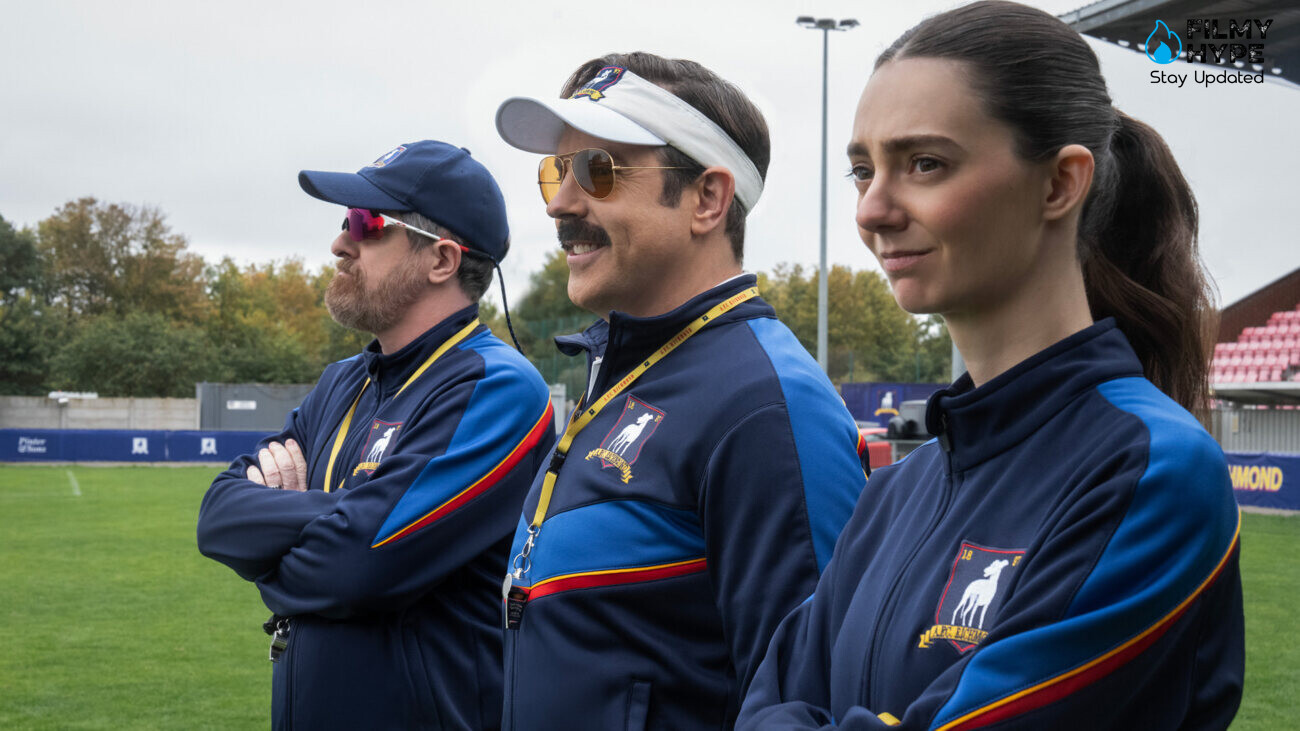
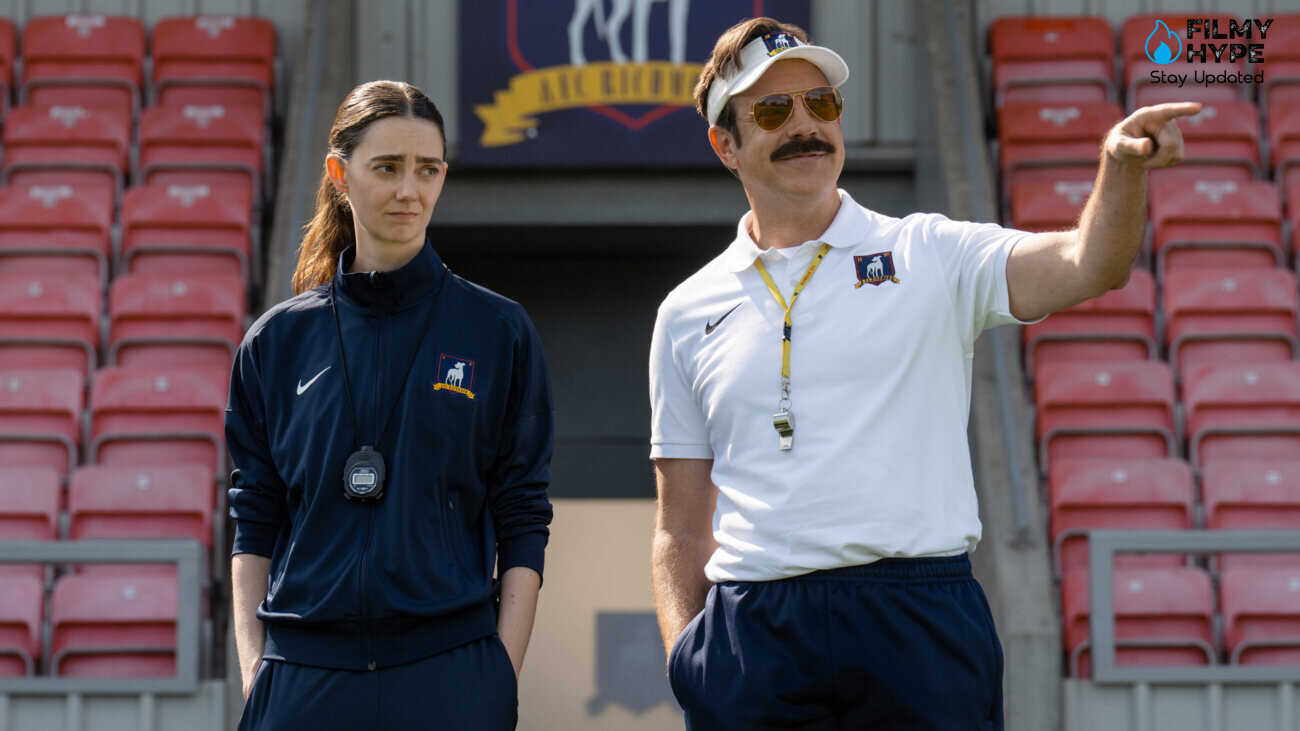
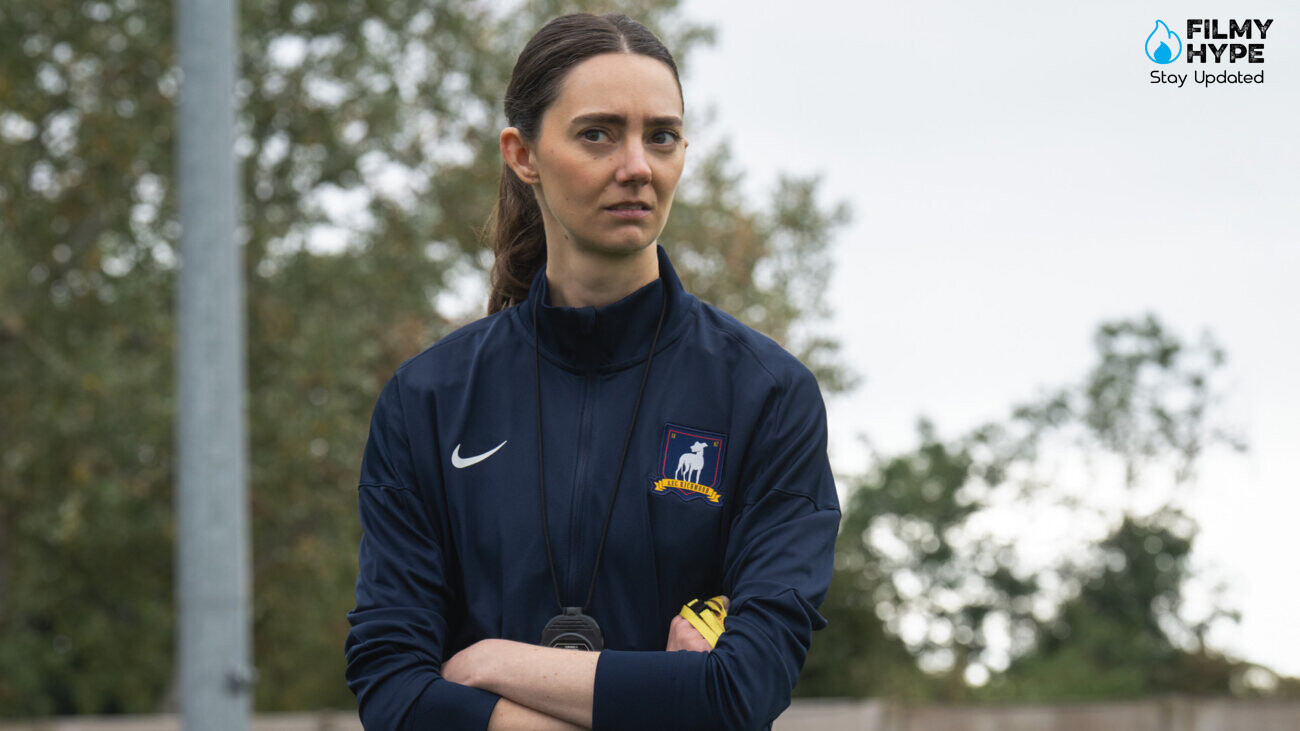
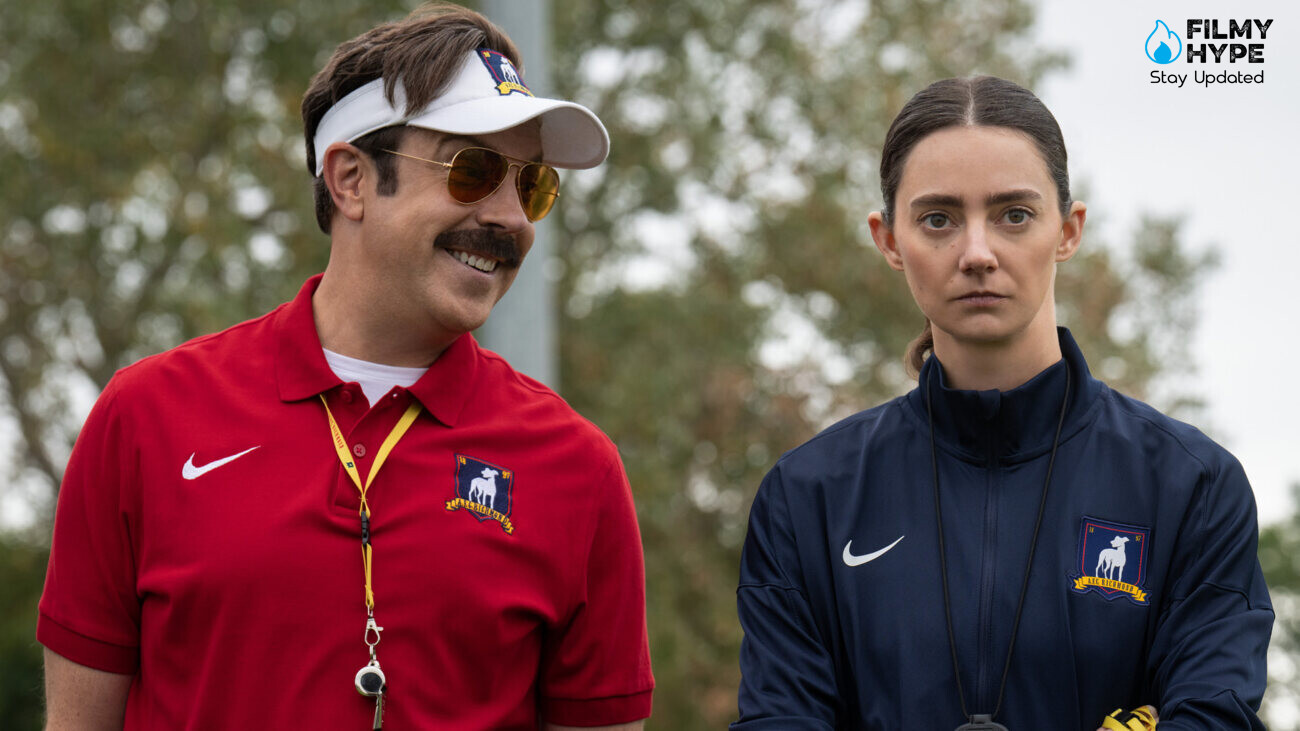
And of course, there will also be many new acquaintances, namely the Ladies Greyhound that Ted is called to coach together with Alice Chilton (Tanya Reynolds), the stern and introverted assistant coach who will surely be overwhelmed by Hurricane Ted. Thus begins a new football season; the team still has some gaps to fill, but undoubtedly, the arrival of Ted will bring a new burst of optimism and humor to better face the challenges on and off the pitch.
Ted Lasso Season 4 Review and Analysis
Many turned up their noses when news became official that Ted Lasso would be getting a fourth season. Because the story had reached the end, and in fact, according to most critics, the third season had already dropped in level compared to the first two. Given these doubts, as well as the unavailability of cast members such as Phil Dunster and Nick Mohammed, Bill Lawrence and Jason Sudeikis could easily have passed on a fourth season. Or, at the very least, postpone it for a decade or so, to show us a Jamie Tartt manager and a Nate the Great England manager, a bit as recently seen in another Bill Lawrence series that returned to the screen, Scrubs.
Instead, they preferred to surprise us again, with this women’s team. Which then, in addition to the final scene of Keeley and Rebecca in season 3, to be honest, the reference to women’s football was already present from the first episodes of the series, when Ted talked to that girl footballer named Shannon (and let’s not add anything else). In short, indeed, this series was originally supposed to end with the third season, and, indeed, making a fourth without Isaac McAdoo, Sam Obisanya, Zoreaux-Van Damme-Zorro, Colin Hughes, and the other guys isn’t exactly the best.
But if you make the effort of “believe”, to quote the famous team motto, in this return, you will only be able to experience the same emotions as always, that mixture of tears and laughter that warms the heart and soul at every episode and every challenge of the glorious Richmond Football Club. The photographic shift from the saturated colors of the American South to the more muted ones of West London is like a homecoming, and the episode title confirms this. A house of hilarious dialogue and complicated moments, of wins and losses and sometimes draws, always faithful to Lasso Way, sorry Richmond Way, to quote Trent Crimm’s book. We probably won’t know how he’ll end up on the pitch until the final day of the final episode, and maybe more seasons and more matches will come. Surely, though, the Richmond girls have found the best coach any sports person could dream of.
The big question is: really, after all, was a fourth season of Ted Lasso needed? There is not a single answer, in truth. Indeed, too little time has passed for a revival effect, but at the same time, enough has passed to be able to structure a new story that, by necessity, inherits a gigantic expectation, well mixed with the affection we feel towards one of the best male characters in modern seriality. Congenial, by the way, was the comparison Sudeikis made when discussing this fourth season: “The premise was: What if the Tin Man, the Cowardly Lion, and the Scarecrow went to Kansas to take Dorothy back to Oz?” With another question that, quietly, almost sideways, fills the episodes: has Ted returned to London to help his friends, his family, or himself?
This narrative space also takes up another concept addressed in previous seasons: jumping before watching. Relying on instinct, emotion, and fantasy. A jump that does not include superstructures. “You have to succeed where others fail,” Higgins says. Nothing more true: making a difference, innovating, and inventing. But how do you innovate a format like Ted Lasso‘s? Changing everything so as not to change anything: Season four, which begins with a hint of melancholy, could be a carbon copy of the first. A coach, some good jokes, and a team to save. Enough? Of course, I do.
Here, here comes the football played, the engine of history, together with the concept of “home”. Two ideas, those of Ted and Alice, meet and clash; two ways of living and understanding the camp. The iron rules opposed to pleasure itself, the one that brings technique closer to purity. So, evolving without overturning (and there’s no shortage of the usual, emphatic emotional breathing), but trying to reinvent itself once again, there’s a subtle reworking in the show’s most famous mantra: it’s no longer enough to believe it.
Being a soccer player is much more complicated than being a soccer player, and perhaps, after all, it’s become difficult to even “be” Ted Lasso. The doubts, the regrets, the old photos hanging on the wall that seem to speak. A poetic line, the evolving maturation of a good man facing an identity crisis: to jump or to crash? Shoot a penalty with your eyes closed and then hope for the roar of the stadium. It went the way it went. Win or lose, what difference does it make? And here’s a new interpretation: “Believe” becomes something even more universal and intimate. A kind of emotional pillow, the safe area to retreat to. Besides, if “football is life“, maybe “life is much more than playing football”.
One of the most curious about the fourth season is precisely the way it deals with the return of the protagonist. Ted Lasso had built all his story arc about personal sacrifice: a man who arrived in England almost by chance, capable of transforming a team into crisis through positivity and understanding, but also forced to confront his own fragilities. When we find him in the United States, however, Ted simply returned to his community, working in a supermarket, remembering the names of customers, helping younger colleagues, and continuing to spread that particular energy made of smiles, encouragement, and improbable sports metaphors. He did not turn his English experience into a tool for finding success.
It’s a perfectly consistent choice with the character, because Ted was never interested in prestige. His main motivation has always been the desire to improve the lives of the people around him. But if Ted had finally found his balance away from the football, what could convince him to come back? The series tries to answer re-engaging Richmond’s historic faces. Rebecca (Hannah Waddingham), Higgins (Jeremy Swift), and Keeley (Juno Temple) reach Ted in Kansas to propose that he lead the club’s women’s team, a relegated team in the lower divisions and in need of a new identity. Ted initially refuses, but the mother’s intervention and his family’s involvement change the fate of history. It’s a narrative passage that requires a certain suspension of disbelief. But Ted Lasso has never been a series interested in the absolute plausibility: his world has always been closer to a modern fable than to a realistic portrait of professional football.
The big news of the fourth season is the shift of attention towards female football. A choice that allows the series to address themes different from previous seasons and to put into discussion some of the elements that had defined success by Ted. Replicating the AFC’s path, Men’s Richmond was not available. The context is different, the difficulties are deeper and the problem does not only concern the player mentality, but also a system that historically has invested less in women’s sport. To represent this tension, Alice Chilton arrives, the new assistant coach played by Tanya Reynolds. The character is almost the opposite of Ted: rigid, severe, and apparently incapable of getting involved with emotions.
His anger also arises from the feeling of having been excluded from the possibility of leading the team, overtaken by a man chosen for the role of principal. The comparison between Alice and Ted thus becomes the heart of the first new part of the season. He continues to use his method based on listening and trust, trying to understand what lies hidden behind the problems of the players. But this time, the positivity is not always enough. The team has to deal with concrete obstacles: lack of resources, personal pressure, motherhood, injuries, and difficulties in reconciling private life and career sporty. It is precisely this element that gives the fourth season a potentially interesting direction: for the first time, Ted must address problems that cannot be solved with a single motivational speech.
Despite the change of scenery, the series remains deeply faithful to its own nature. Those who loved Ted Lasso will find all the elements that have made the show a global phenomenon: the reassuring humor, the brilliant colors, the precisely constructed emotional moments, and that constant belief that kindness can be a form of force. But this identity also represents the main limitation of the series. Ted Lasso never sought harsh realism or cynicism typical of many contemporary productions. His universe is deliberately idealized, populated by characters who often seem to belong more to a romantic comedy than to the real world of professional sport.
For some viewers, this characteristic is the reason for its success. For others, it can become a difficult element to accept, especially when the series addresses complex themes but places them within a narrative structure always very reassuring. Also, the return of dynamics already known demonstrates this desire for continuity. The tensions between Roy Kent and Keeley continue to take up space, as well as the relationship with Richmond’s historical figures. The fourth season, therefore, seems to want to change perspective without completely renouncing the certainties that built his audience.
Ted Lasso – Season 4 has the ambition to continue telling a worldview where people can improve through dialogue and trust. The transition to women’s football offers new narrative possibilities and introduces important themes, but the heart of the series remains the same: Ted Lasso is a story about the importance of relationships more than victories. Who returns to find that warm and positive atmosphere will not be disappointed. The series continues to be exactly what it has always been: a story bright, predictable, and deeply aware of one’s own nature. More of the same, and that’s okay.
Ted Lasso Season 4 Review: The Last Words
“Home” is a necessarily introductory first episode, more interested in planting seeds than in reaping immediate results. It doesn’t quite reach the emotional impact of the series’s most memorable moments, but it still manages to move at the end, thanks to the delicacy with which it recounts the relationship between family, work, and a sense of belonging. The inspiration of women’s football, and then the value of kindness, the poetry of doubt, and the sentimental side capable of alternating between best alternating smiles and tears. Ted Lasso‘s return shifts from the concept of “Home,” tying himself to a thread of melancholy capable of rewriting the value hidden behind the slogan Believe. What is most important, behind what could be a sort of alternative to the first season, however, remains the verb that distinguished the show: to excite.