

Sweet Magnolias Season 5 Ending Explained: After five seasons of margarita nights, small-town scandals, and more relationship ups and downs than anyone can count, Sweet Magnolias has quietly revealed what it’s actually about. It was never really a romance show dressed up with friendship bracelets. It was never just a soapy family drama set in a picturesque Southern town. The true heart of this series, and what the Season 5 finale brings into razor-sharp focus, is the long, messy, deeply personal journey of three women learning how to stop living for everyone else.
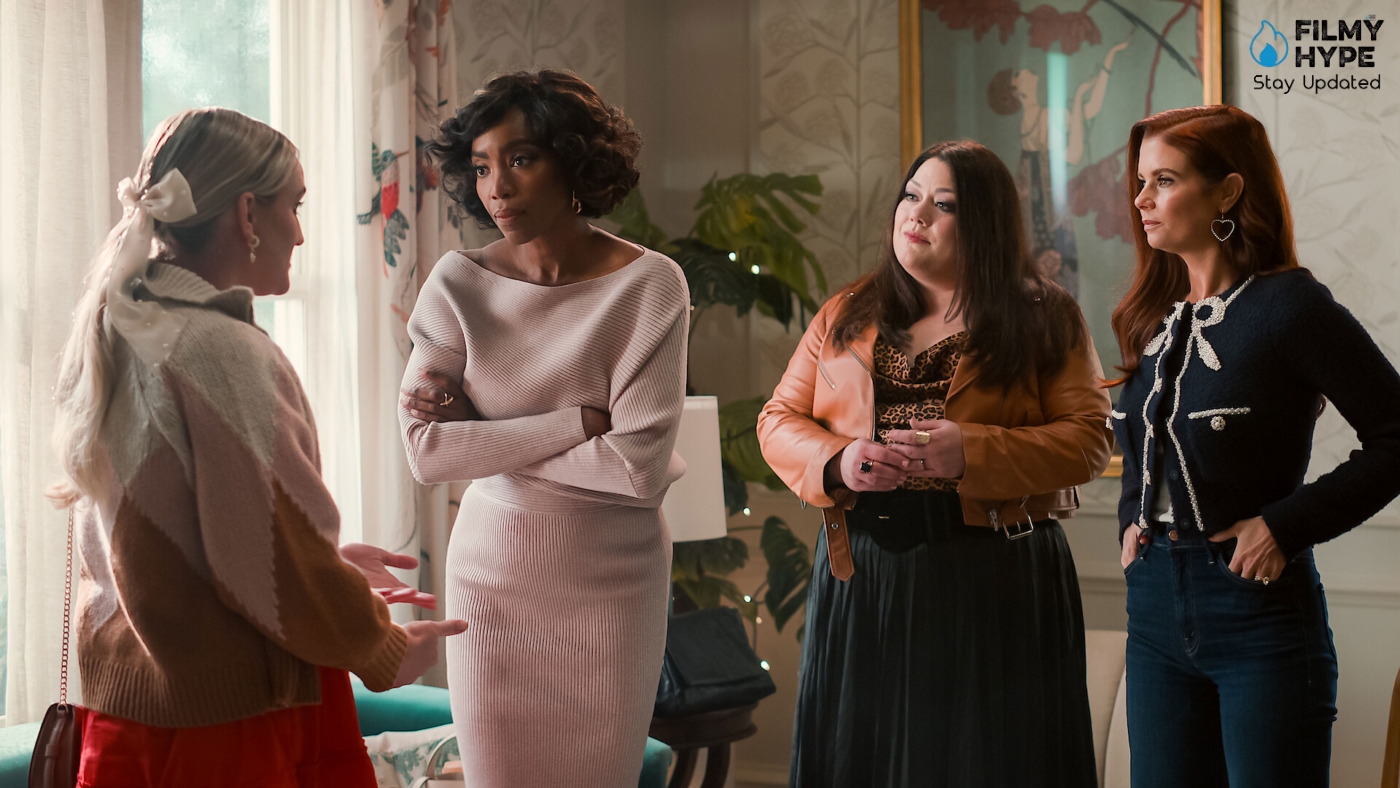
Sweet Magnolias Season 5 Ending Explained: Will Helen and Erik Get Married?
The finale is built around a wedding, and a genuinely earned one at that. Helen and Erik finally make it to the altar, and it’s the kind of moment fans have been waiting years to see. But if you look past the flowers and the vows, the episode is doing something far more substantial than tying up a romantic plot. It’s the moment Maddie, Helen, and Dana Sue each reach a turning point where the question stops being “What does everyone need from me?” and starts being “What do I actually want?”
This is why the ending lands differently than a typical season wrap-up. It’s not just about who ends up with whom. It’s about three women hitting walls, watching carefully built plans crumble, and discovering that the collapse isn’t a catastrophe. Sometimes it’s the only way to finally see clearly.
Helen’s Wedding Isn’t the End of a Love Story—It’s the End of a Long Fight with Herself
On the surface, the marriage of Helen Decatur and Erik Whitley is the big event the season has been building toward. After years of circling each other, breaking apart, finding their way back, and wrestling with more than a few personal demons, they finally commit. It feels like a victory lap for viewers who have been rooting for them since the beginning.
But the ceremony means something far more specific for Erik. Season 5 spends a lot of time unpacking what the Whitley family expected from him—that polished, controlled, emotionally buttoned-up way of moving through the world that he was raised to see as the only acceptable path. The so-called “Whitley way” isn’t just a family quirk. It’s the symbol of a life lived on someone else’s terms, constantly performing for an audience that will never be fully satisfied.
Erik only gets to this altar because he finally stops performing. He has to unlearn the idea that vulnerability is weakness and that love is something you earn by being perfect. His decision, alongside Helen’s, to become a foster parent drives this home beautifully. They aren’t just starting a family. They’re actively redefining what family even means, building it on their own values instead of inherited expectations.
So yes, the wedding is a happy ending. But it’s more accurate to call it a hard-won beginning. It’s the point where two people stop chasing a version of love they were told they should want and start building one they actually recognize.
Dana Sue’s House Burns Down, and Honestly, It Had to
If Helen gets the bridal glow, Dana Sue gets the wreckage. The fire that destroys her family home is as literal as metaphors get. That house held years of marriage, betrayal, attempted reconciliation, and a mountain of unspoken resentments. For a long time, the show has asked us to believe that Dana Sue and Ronnie could patch things up through sheer effort and shared history. The finale finally admits what has been simmering beneath the surface: effort isn’t the same thing as healing.
Dana Sue has spent so much energy trying to hold things together that she never stopped to ask if the structure was still worth saving. The tragedy forces her hand. When she decides to get her own apartment, it’s easy to read it as a separation or a step toward divorce. But the show frames it as something gentler and far more radical. She’s not slamming a door on Ronnie. She’s opening one for herself, maybe for the first time in her adult life.
This is one of the most mature choices a character has made across the entire series. Dana Sue isn’t running away in anger. She’s carving out a space where she can figure out who she is outside of being a wife, a mother, and a woman constantly managing everyone else’s emotions.
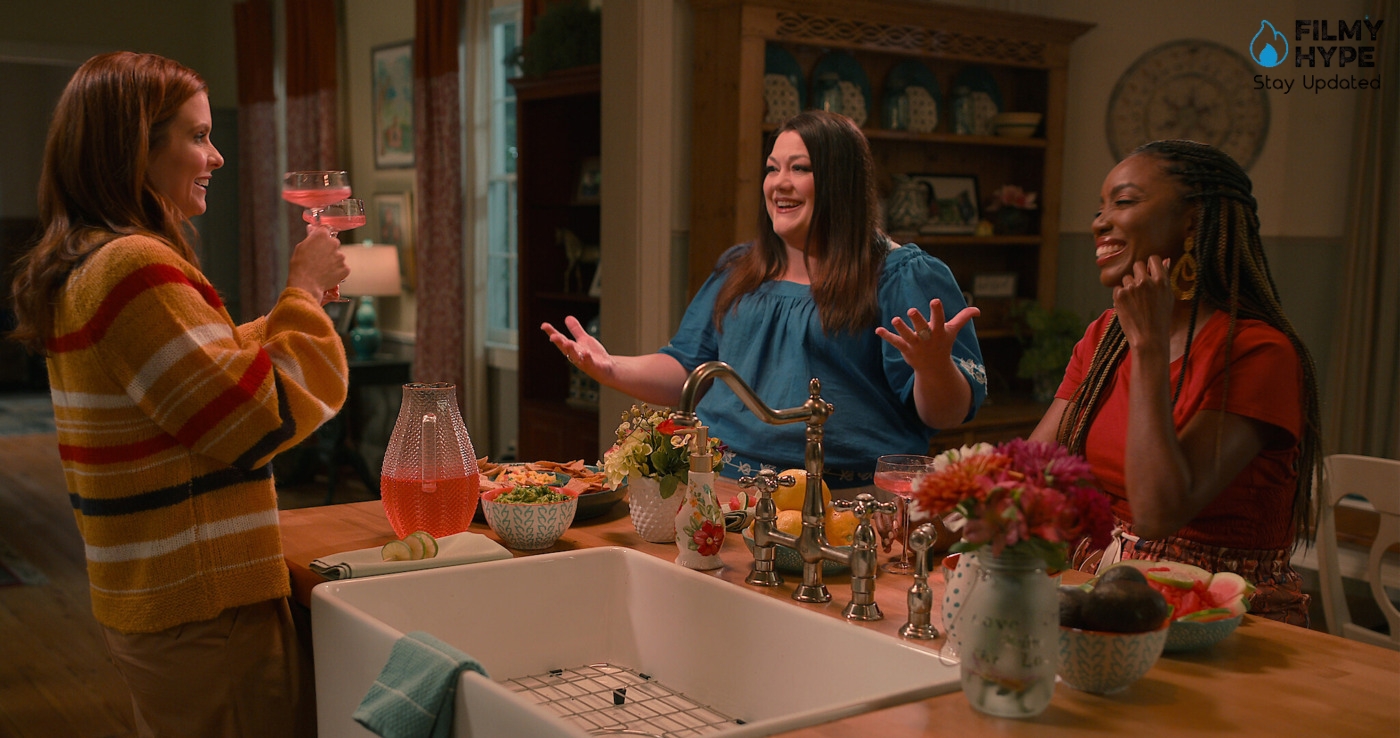
And then there’s Clark Bellson. The show wisely doesn’t position him as a simple romantic replacement. Clark’s arrival isn’t about a love triangle; it’s about contrast. He represents someone who actually listens, who pays attention, who doesn’t require Dana Sue to shrink or manage herself. Whether or not he becomes a partner, he serves as a quiet reminder of what a healthy dynamic can feel like. The finale leaves this door deliberately ajar, not as a cliffhanger, but as an acknowledgment that Dana Sue’s story is heading somewhere entirely new. She’s the character undergoing the most seismic shift, and the show gives her the space to feel that fully.
Maddie Gets Fired and Finally Wins
Maddie’s arc has always been tangled up in proving something. Proving she could rebuild after her first marriage fell apart. Proving she could be a good mother. Proving she could have a career that mattered. The move to New York looked like the natural endpoint of that ambition, the shiny reward for years of hard work. Instead, she gets blindsided and fired.
In a lesser show, this would launch a revenge plot. There’d be a rival to take down, a dramatic comeback, a triumphant return to the city that rejected her. Sweet Magnolias does something much truer to life. Maddie goes home to Serenity, starts working on new projects that actually excite her, and slowly realizes she’s happier than she was climbing the ladder in New York. When her former employer comes calling, waving the promise of a return to prestige, Maddie says no.
That “no” is the real payoff of her entire arc. Her self-worth is no longer a thing she needs to be validated by a title or a boss’s approval. She figures out that fulfillment can look completely different from what she pictured, and that changing direction isn’t the same as giving up. Maddie’s growth isn’t about clawing her way back to some imagined peak. It’s about realizing she can build something meaningful on her own terms, surrounded by people she actually wants to be with.
Of the three protagonists, her journey might be the most quietly universal. Life rarely follows the script we write for it. Maddie’s decision to stop chasing a version of success that no longer fits is the kind of quiet victory that doesn’t get enough screen time on television.
Common Language Is the Real Promise of What Comes Next
The project that ties all three women together in the finale is Common Language. On paper, it’s a shared physical space: Dana Sue’s educational kitchen, Maddie’s bookstore, and Helen’s art market all living under one roof. It’s a smart business move and a natural evolution for three women who have spent years building separate dreams.
But the name itself tells you what it really means. Common Language is the physical embodiment of everything the show has been trying to say for five seasons. After years of chasing individual goals, often struggling in isolation even when they were supposedly leaning on each other, the Magnolias arrive at a truth that feels earned: their real strength is what they build together.
The timing matters. This project doesn’t emerge when all three are thriving. It’s born when each of them is in the middle of redefining who she is. Helen is stepping into a new kind of marriage. Dana Sue is learning to live on her own. Maddie is walking away from the career path she thought she needed. Common Language becomes the anchor in the middle of all that uncertainty, a shared ground where they can keep growing without drifting apart.
It also functions as a gentle setup for whatever comes next. If a sixth season happens, this space is a natural hub for new characters, new conflicts, and new stories. It’s a new town square, a place where the community can gather and where the show can keep exploring the dynamics that made it work in the first place.
The Season Ends on a Simple, Radical Idea
If you step back and look at where each woman lands, a common thread emerges that has nothing to do with romance or career success. Helen insists on a marriage built on authenticity rather than performance. Dana Sue claims a space of her own, one she has never allowed herself to have. Maddie refuses to measure her worth by someone else’s yardstick.
Each of them makes a choice that puts her own needs at the center, not as a selfish act, but as a necessary act of self-recognition. That’s the real weight of this finale. Sweet Magnolias didn’t just spend five seasons telling a story about three women chasing happiness. It told a story about three women slowly, painfully learning what they actually deserve.
The wedding, the fire, the career pivot—they aren’t separate plot points. They’re different expressions of the same process. After all those years of pouring into everyone else, the Magnolias finally figure out that the next chapter isn’t about finding something missing. It’s about valuing who they’ve already become. And that awareness, quiet as it is, makes this finale one of the most grounded and satisfying the show has ever delivered.