

Ride or Die Season 1 Review and Ratings
Cast: Octavia Spencer, Hannah Waddingham, Bill Nighy, Ed Skrein, Sylvia Hoeks, Calam Lynch, Savannah Steyn, Jamie Parker
Director: Peyton Reed
Streaming Platform: Prime Video
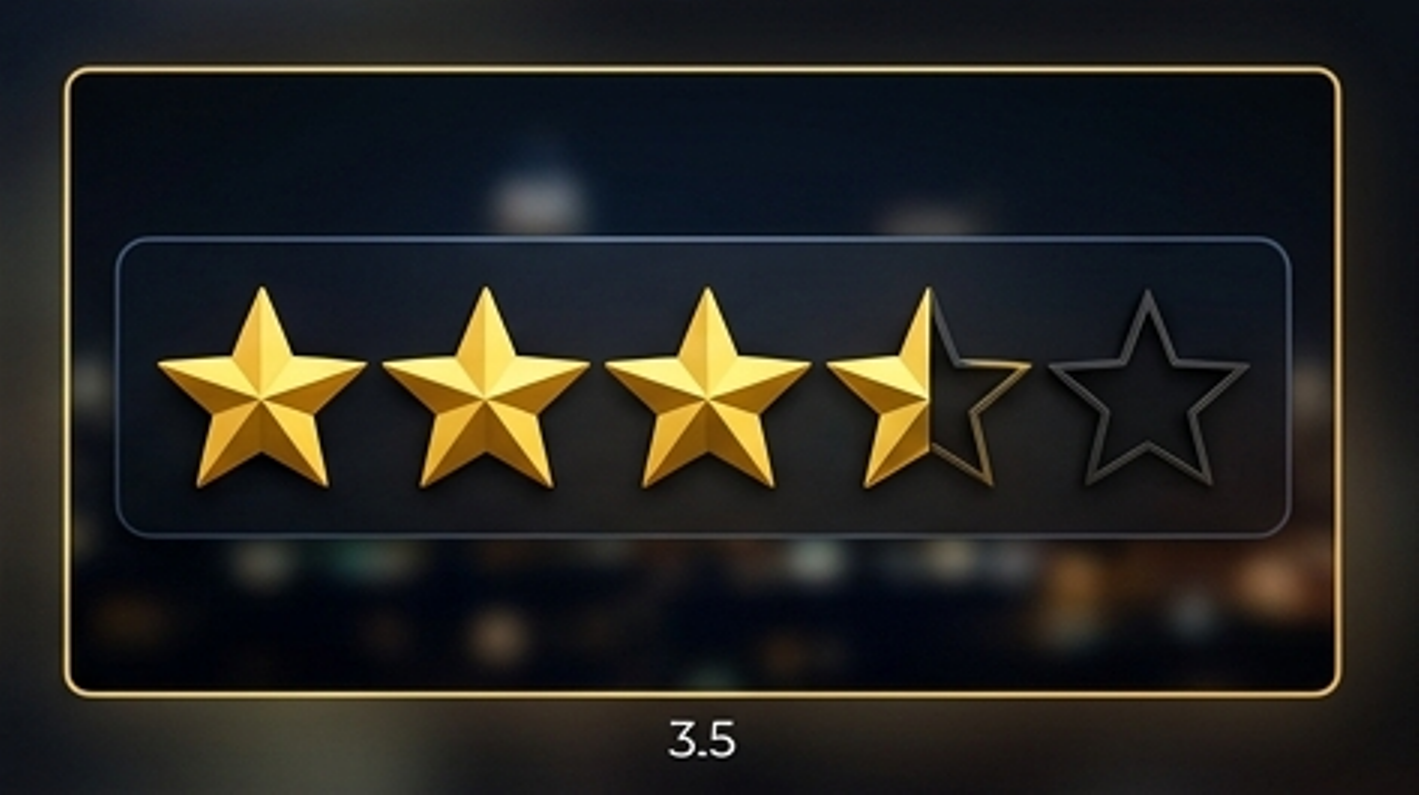
Filmyhype.com Ratings: 3.5/5 (three and a half stars)
On July 15th, all 8 episodes that make up Ride or Die, an Anglo-American comedy-action TV series created by Tessa Coates and starring Octavia Spencer (Truth Be Told, Self-Made, Spirited) and Hannah Waddingham (the wonderful Rebecca Welton by Ted Lasso). If you’re already a fan of Spencer and/or Waddingham, we are fans of both. The reasons to watch this series are more than enough. But if you’re on the fence, and especially if you like TV series starring strong women who have no intention of waiting for Prince Charming to find life satisfaction, Ride or Die is a must-see series. If you’re in a hurry, we’ll refer you to the trailer at the bottom of this review. Otherwise, follow us in summarizing the plot and analyzing Ride or Die. The series, created by Tessa Coates, tells the story of Debbie Claybourne, played by Octavia Spencer, and Judith Burton, played by Hannah Waddingham, best friends for over twenty years, who believe they know each other well.
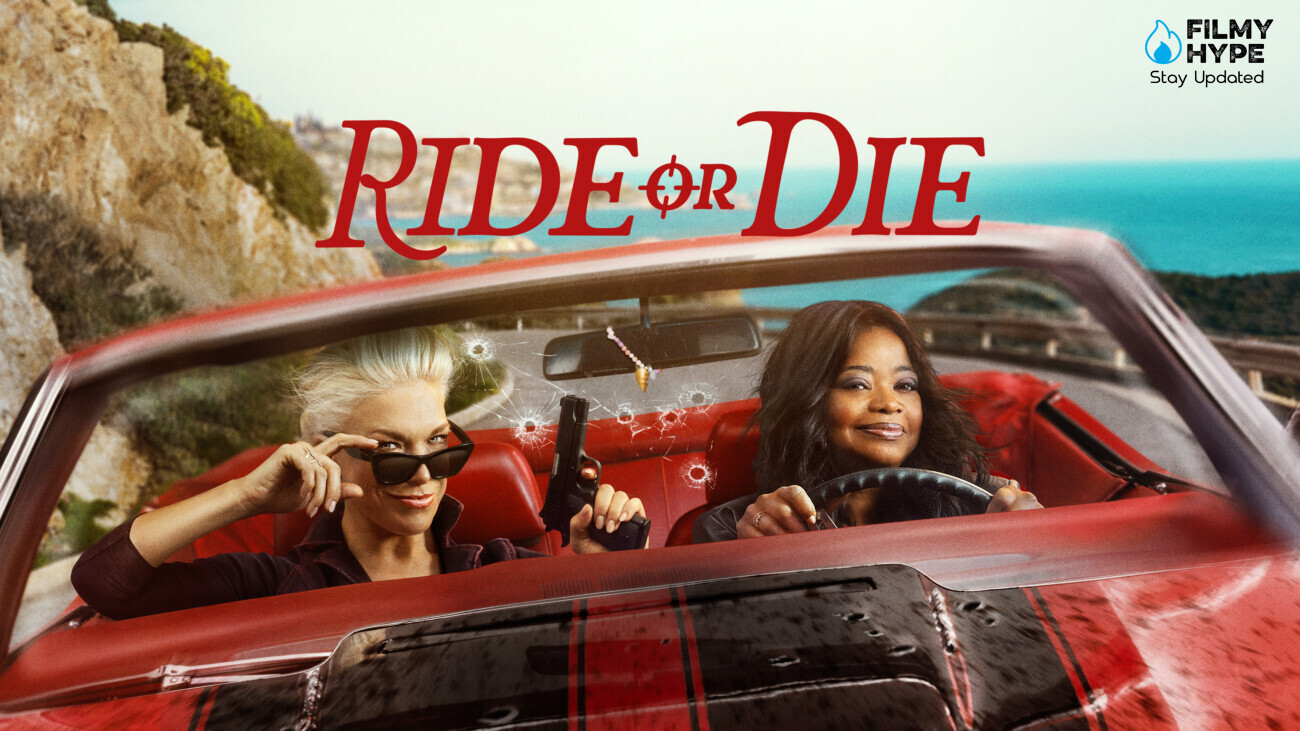
Debbie’s shocking discovery comes when a target of Judith’s crosses paths with an event Debbie is attending with her husband, David, forcing Judith to reveal her true identity, that of a professional assassin known in the community by the codename Whiptail. From that moment on, the two friends find themselves involved in a frantic escape around Europe, hunted by criminals, intelligence agencies, and enemies of Judith’s past. The series, created by Tessa Coates, tells the story of Debbie Claybourne, played by Octavia Spencer, and Judith Burton, played by Hannah Waddingham, best friends for over twenty years, who believe they know each other well. Debbie’s shocking discovery comes when a target of Judith’s crosses paths with an event Debbie is attending with her husband, David, forcing Judith to reveal her true identity, that of a professional assassin known in the community by the codename Whiptail. From that moment on, the two friends find themselves involved in a frantic escape around Europe, hunted by criminals, intelligence agencies, and enemies of Judith’s past.
Ride or Die Season 1 Review: The Story Plot
Judith (Waddingham), aka Whiptail, is an English professional assassin. For nearly thirty years, he has worked for a secret, private agency based in London, on whose behalf he travels the world killing war criminals and various bad guys. Throughout her career, she has been a professional killer and attentive to the agency’s strict rules, but for a few years now, she has indulged in “artistic” tendencies that seriously jeopardize her every mission. Debbie (Spencer) is American, but has lived in London since, shortly after graduating from Yale, she met David (Jamie Parker), with whom she fell in love, married and had two children, and for which she sacrificed her career as a lawyer to support him and help him in every way in his rise in politics which led to his being elected MP, with the hope of becoming Her Majesty’s Prime Minister.
Judith and Debbie have been best friends for twenty years. They vacation together, they even have a book club (even though Debbie never reads the assigned books), but there’s one small detail: Debbie believes Judith is a forensic accountant, and she has no idea of her true profession. One evening, however, their destinies meet at a high-society party: Judith goes because her new job, on which her future at the agency depends, is to kill Billy Donovan (Ed Skrein), a stooge and notorious money launderer, as well as the party organizer on behalf of his front charity; Debbie goes there to accompany her husband, who is busy making himself seen in high society just as his green transport bill threatens to founder in parliament.

Too bad that, as the limo takes them to the party, David casually tells Debbie that he has contacted a law firm to initiate divorce proceedings. The news that shocks Debbie, who is also asked by her almost ex-husband not to make a scene in public, and then she turns to alcohol and gets drunk. Meanwhile, Judith, aka Whiptail, springs into action, but soon after discovers that someone else has gone to the party with bloody intentions, and in fact, in a room, Judith finds several lifeless bodies, including David himself, who, in his hands, holds a note with a message addressed to Whiptail himself.
From that very moment, Judith and Debbie’s lives changed forever. The lies come out, the past comes knocking on the door again, and the two friends are forced to embark on an escape that will take them from England around Europe to try not to get killed and find Billy at the same time before being stopped by Interpol and Detective Jacques Boucher (Jacky Ido). And while the agency’s Director (Bill Nighy) has no intention of helping his favorite killer, an unexpected helping hand to the two runaway friends will come only from “Secretary”-Director of Operations Sam (Calam Lynch) and “Shoemakers”-Falsaries Mrs. Williams (Cathy Tyson) and daughter Queenie (Savannah Steyn). But the greatest danger comes from an old acquaintance, Ana (Sylvia Hoeks), codenamed Redback.
Ride or Die Season 1 Review and Analysis
Ride or Die is not a series whose originality will make you fall off the couch; that must be said. Just as it must be recognized that there are some empty passages and some scenes in which the logic falters a lot (“Oh no, we are trapped, as soon as we leave here he will necessarily see us” “Don’t worry, I have an idea so as not to let us find out: I leave here and steal his car without him seeing me so you can escape”). And yet, it’s a series that, despite the themes, despite the tension, is particularly relaxing to watch. Not because there are any surprises and twists, far from it. But because the spy story is immersed in a larger story that is easy to identify with. The journey through enchanting corners of Europe, but also the journey to discover oneself and one’s neighbor, indeed one’s neighbor, is perfectly the main reason to devour episode after episode of Ride or Die.

Friendship and love, work and rules, the profound sadness of adolescence, and the loss of adulthood: behind brilliant dialogue, hilarious scenes, and jolting moments (kudos to Waddingham, especially for the action scenes she’s involved in) are universal themes that speak to the audience but also a little about the audience. The two protagonists, in the end, are two different women in every way, who do not want to accept pre-established roles for themselves and who have no qualms about fighting for each other but not even telling each other to their faces what they think of each other. Ride or Die is therefore a feminist series in its own way, and if you like these series, know that, this year, on Prime Video, only the sacred House of the Spirits staged a female-led story that convinced us more than Ride or Die.
In my opinion, the absolute strength of the series is precisely the chemistry between the two protagonists. Octavia Spencer and Hannah Waddingham build a believable and never forced friendship, capable of withstanding both the comedic and dramatic moments, also thanks to a writing that dedicates just the right amount of space to the secondary characters without ever making them seem like a pure side dish. Waddingham in particular is fully convincing as the action hero, delivering a mix of physicality and irony that makes Judith one of the most successful female characters seen in this genre recently, while Spencer proves adept at balancing comedy and vulnerability, giving depth to a Debbie who would otherwise risk being relegated to the role of mere comic relief.
The main problem with the series is the writing of the actual plot. Ride or Die follows rather predictable paths for the spy action comedy genre, without bringing any major innovations compared to similar titles already seen in recent years, and the action tension, very strong in the double pilot episode directed by Peyton Reed, is no longer matched with the same intensity in the rest of the season. Even the tonal register, which in the final episodes veers towards a melodrama that is not always well-calibrated compared to the light tones of the first part, struggles at times to remain consistent with the light-hearted spirit that the series seemed to want to embrace from the beginning.
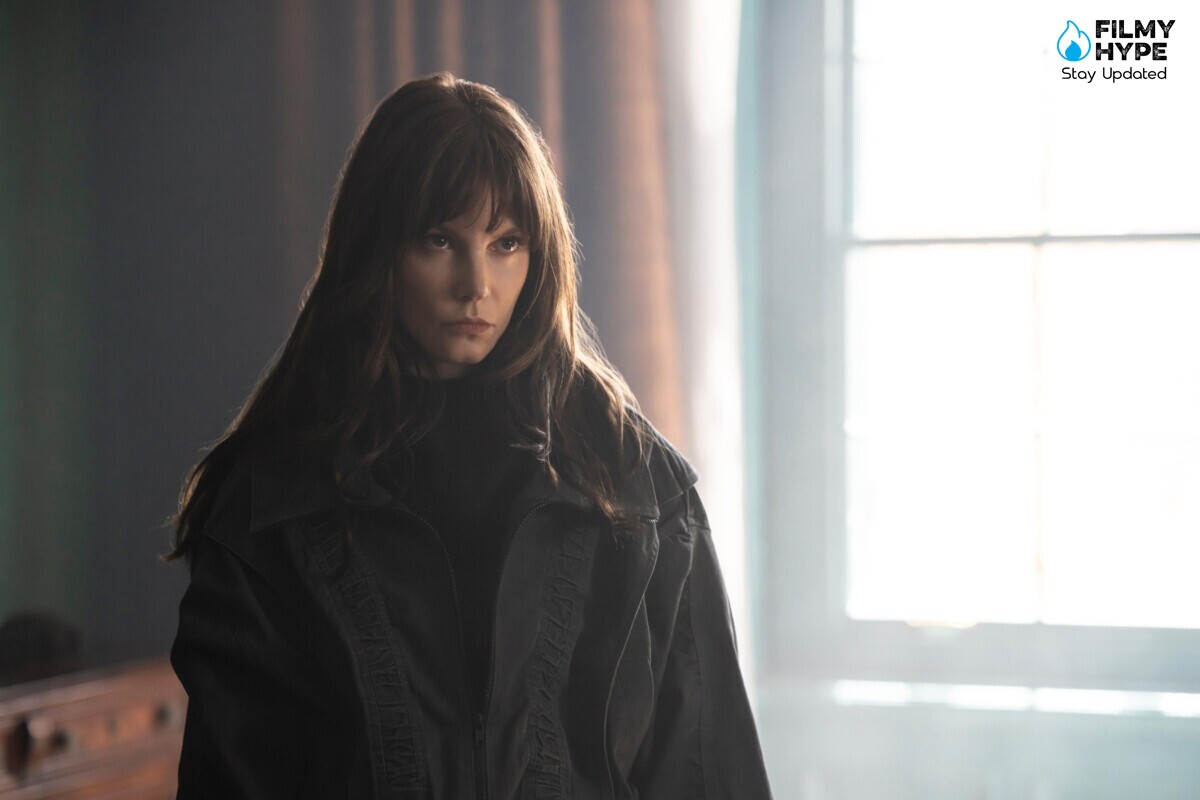
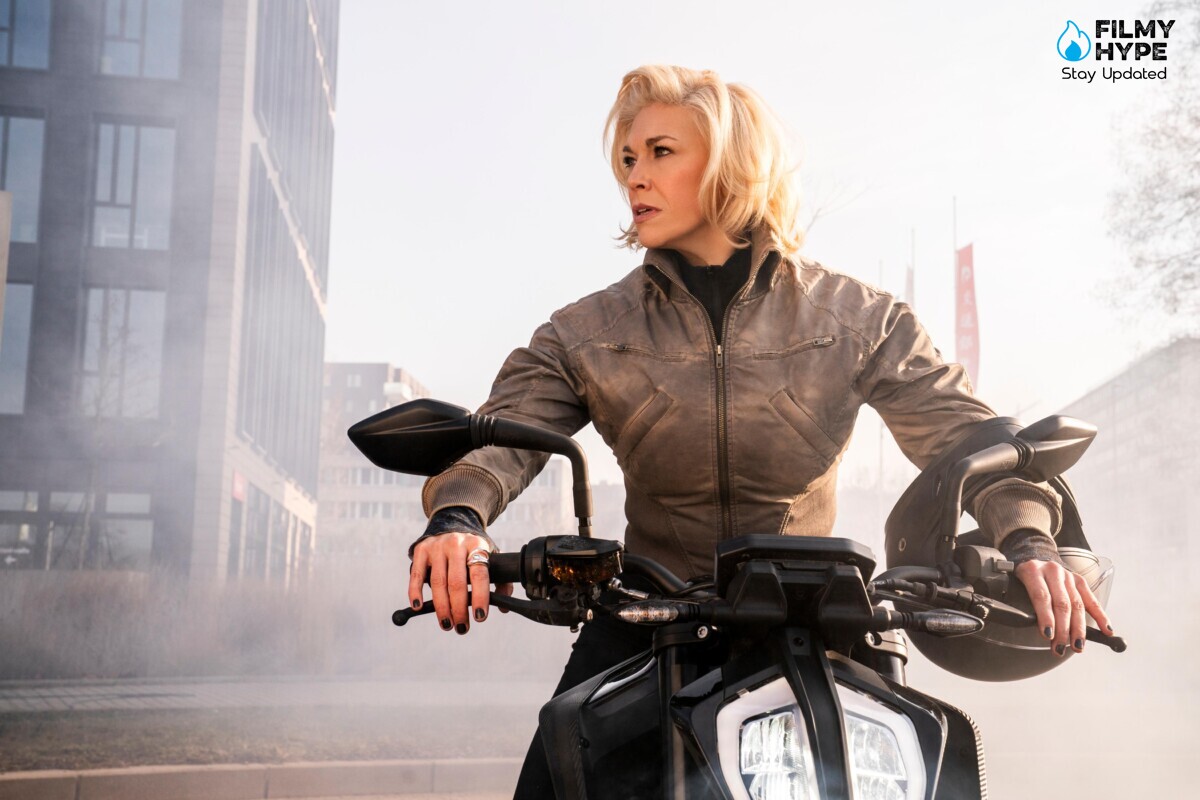
Let’s start with the obvious. Hannah Waddingham as an action star is a revelation that should surprise exactly no one who watched her command the screen in Ted Lasso. She’s tall, she’s physically imposing, and she carries herself with the kind of coiled intensity that makes you believe she could absolutely ruin someone’s day without breaking a sweat. But what makes her performance work isn’t the action. It’s the way she lets Judith’s exhaustion show through the cracks. This is a woman who has been killing people for a living for a very long time, and it has cost her everything she might have been. Waddingham plays her not as a glamorous superspy but as someone who is very, very tired, and who has built an elaborate fiction around her friendship with Debbie because that friendship is the only real thing she has.
Octavia Spencer, meanwhile, does what Octavia Spencer always does. She grounds the material. She takes a character who could easily have been the comic relief—the normal person dragged into extraordinary circumstances—and gives her weight and intelligence and a slow-burning fury that feels earned. Debbie isn’t just shocked by the violence. She’s angry. She’s been lied to, not just about Judith’s job but about the entire shape of their relationship. Every memory, every conversation, every book club meeting is suddenly suspect. Spencer plays that betrayal with a precision that makes you feel it.
The scenes where the two of them just talk are the best thing about the show. They talk about Debbie’s marriage, about the career she gave up, about the way she’s been slowly erasing herself to support a husband who doesn’t see her. They talk about Judith’s refusal to let anyone get close, her fear of real intimacy, her conviction that she’s too damaged for love. These conversations have the texture of a real friendship—the shorthand, the gentle pushing, the way you can tell someone a hard truth because you’ve earned the right. When Ride or Die trusts its leads to carry the emotional weight, it’s genuinely compelling.
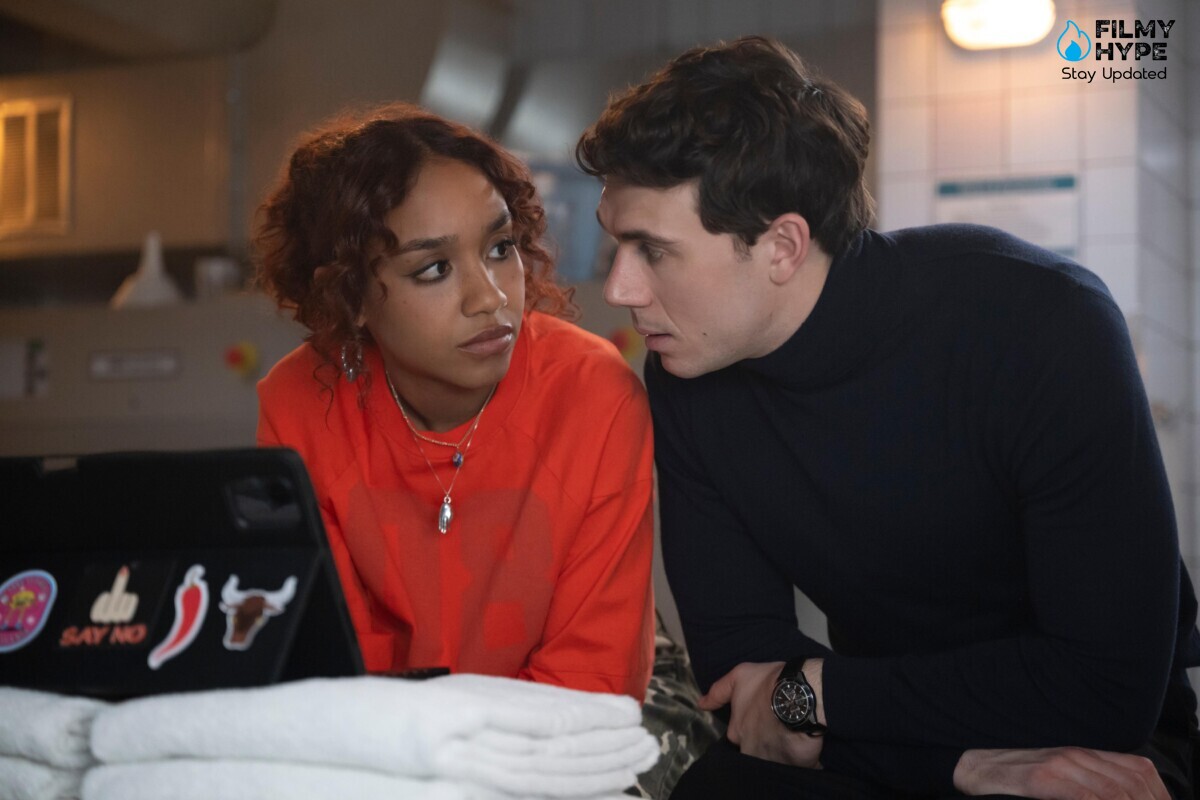
The problem starts around Episode 3. The show introduces a new antagonist, a psychotic killer played by Sylvia Hoeks, who is pursuing Judith and Debbie across Europe. That’s fine. A chase structure works for this kind of story. But then it keeps introducing more elements. Law enforcement subplots. The Albanian mob. Side characters who show up for an episode and vanish. Each new addition pulls focus away from the central relationship, and the central relationship is the only reason the show exists.
By the middle of the season, Ride or Die feels like it’s juggling too many balls. Some of them are interesting—Sam and Queenie, the Agency’s tech phenom played by Savannah Steyn, develop a parallel storyline that’s engaging on its own terms. But the main narrative gets bogged down in convoluted detours that don’t add enough to justify the screen time they consume. The show keeps forgetting that we’re here for Judith and Debbie, not for the intricacies of international crime syndicates.
The tonal confusion doesn’t help. Ride or Die is billed as an action comedy, but the comedy is sporadic and often feels at odds with the material. There are funny moments—Ed Skrein shows up as one of Judith’s targets and injects some genuine eccentric energy into the proceedings—but the show isn’t consistently funny enough to wear the comedy label. It works better as a drama with occasional levity, and you get the sense the writers knew that but the marketing department didn’t.
The good news is that the season course-corrects in its final stretch. A major subplot wraps up messily in the penultimate episode, and suddenly the show remembers what it’s actually about. The finale, titled “The Song of Deborah,” strips away a lot of the accumulated clutter and returns to the friendship. Debbie has to make decisions about her life—her marriage, her future, her sense of self—that have been building all season. Judith has to confront the possibility that the Agency will never let her go, and that her friendship with Debbie has put them both in a danger she can’t just shoot her way out of.
The resolution isn’t neat. It can’t be. These are two women who have spent decades building a relationship on a foundation that turned out to be partly a lie. The show doesn’t pretend that revelation can be shrugged off. But it also doesn’t pretend that the friendship was fake. The love was real. The support was real. The book club snacks were real. What Judith and Debbie meant to each other over the years hasn’t been erased by the truth. It just has to be renegotiated.
Ride or Die Season 1 Review: The Last Words
Ride or Die is an action comedy that thrives almost exclusively on the chemistry between Octavia Spencer and Hannah Waddingham, capable of making even a rather predictable plot enjoyable thanks to a natural understanding and a good balance between action and irony. Ride or Die remains an enjoyable and increasingly entertaining watch, capable of functioning precisely thanks to the charisma of its main actors, even when the script doesn’t live up to their chemistry. Ride or Die is a show with a great idea, two fantastic leads, and a frustrating inability to get out of its own way. When it’s working—when Waddingham and Spencer are bouncing off each other, when the show is digging into the complexities of long-term female friendship, when it’s letting its stars be dramatic instead of forcing comedy beats that don’t land—it’s genuinely good. When it’s piling on subplots and losing focus, it’s a reminder that sometimes less really is more.