

Most Awarded LGBT+ Films in History: I’ve been thinking a lot lately about what makes a film truly award-worthy. Not just the performances or the cinematography or the score, though those matters. But the thing underneath all of that. The thing that makes you sit in the dark after the credits roll and feel like something has shifted in your understanding of other people, or of yourself.
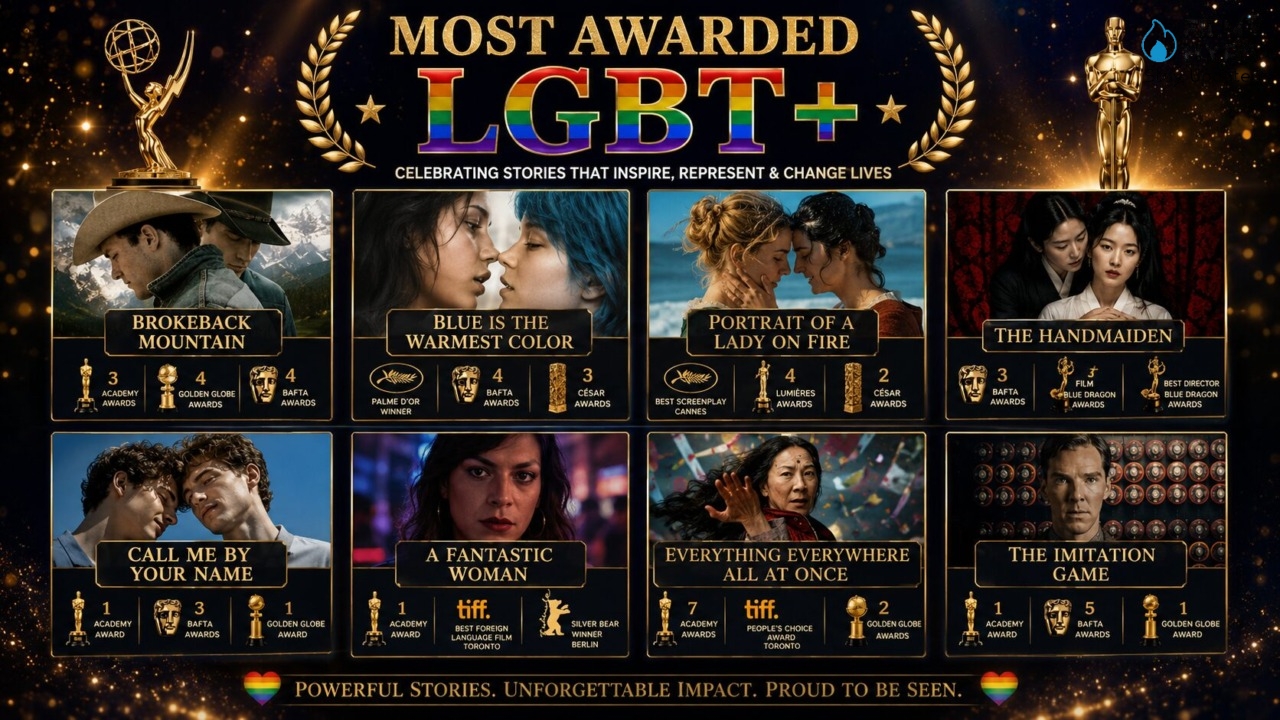
LGBT+ cinema has been doing this for decades, often without the recognition it deserved. But when these films do break through—when they win Palme d’Ors and Oscars and become the movies everyone can’t stop discussing—it’s usually because they’ve tapped into something universal. Desire. Loneliness. The search for identity. The terror of being truly seen. These aren’t niche experiences. They’re human experiences, and the films on this list prove that over and over again.
Most Awarded LGBT+ Films in History: The LGBT+ Films They Changed How We See Love on Screen?
Some of these movies are recent. Some are already classics. All of them cleaned up at major awards ceremonies for a reason.
Talk about the best themed movies LGTB+ it is not putting them in a ghetto, but highlighting and giving visibility to a series of stories, characters, and problems that rarely make it to the mainstream cinema. Whether they were wide blockbusters or unknown independent gems, these films showed that on the big screen, there could be something more than usual, more than heterosexual romances and stories focused on cisgender people, more than traditional sexual-affective models and outdated social stereotypes. In the films we review on this list, there is a variety, from dramas to comedies, from adult problems to adolescent self-discovery, from the great capitals to the most remote places between the mountains.
Brokeback Mountain
Let’s start with the one that probably came to mind before you even clicked on this article. Ang Lee’s Brokeback Mountain won three Oscars and became a cultural lightning rod in 2005, but what’s easy to forget now is how radical it felt at the time. Two classic American cowboys, played with devastating restraint by Heath Ledger and Jake Gyllenhaal, fall into a love they don’t have words for and can’t acknowledge publicly. They marry women. They build separate lives. And then they keep returning to each other, year after year, on a mountain that becomes the only place they’re allowed to be honest.

The film isn’t just about forbidden love. It’s about the slow, grinding cost of denying who you are. Ledger’s Ennis is a man so clenched against his own feelings that he can barely speak, and his performance is one of the great portraits of repressed grief ever put on screen. The Academy noticed. The culture noticed. And the conversation around LGBT+ cinema shifted permanently.
Blue Is the Warmest Color
This one made history at Cannes. Blue Is the Warmest Color won the Palme d’Or in 2013, and the jury took the unusual step of awarding the prize not just to director Abdellatif Kechiche but also to the two lead actresses, Adèle Exarchopoulos and Léa Seydoux. The film follows Adèle, a teenager whose life is quietly upended when she meets Emma, an older art student with blue hair and a magnetic confidence. What starts as a chance encounter at a bar becomes a consuming, passionate relationship that the film documents with almost unnerving intimacy.
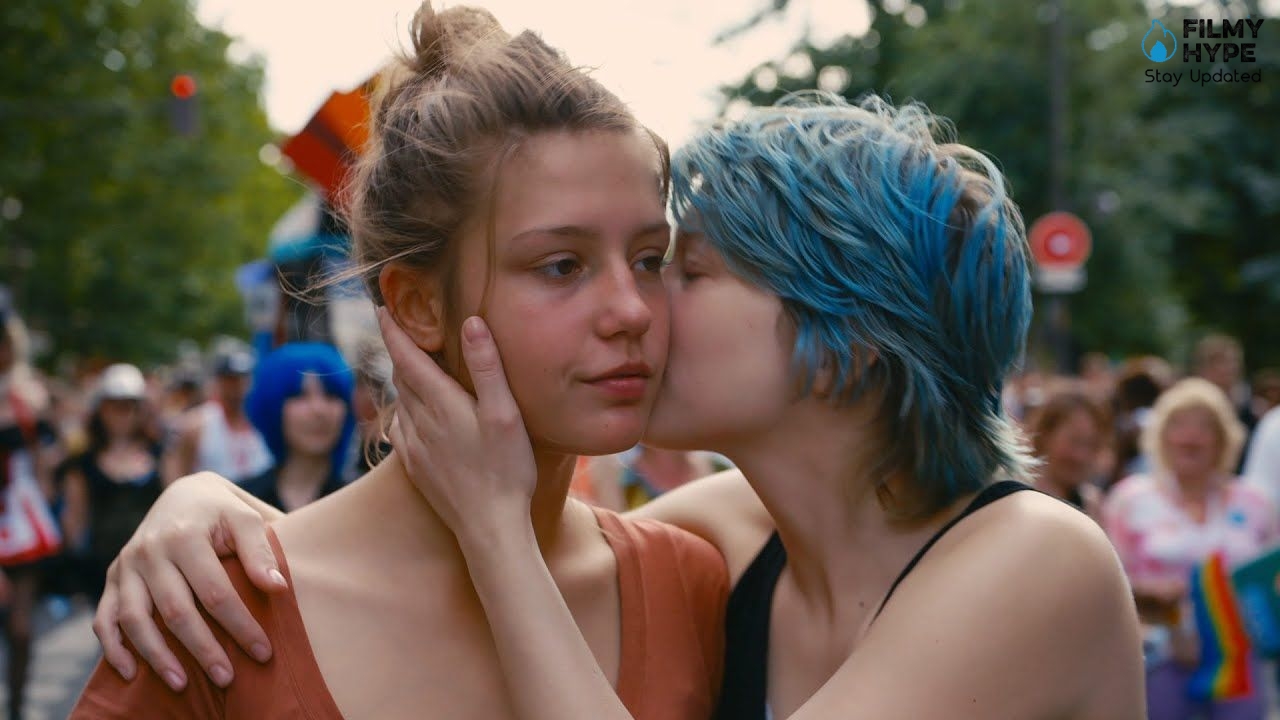
It’s a movie about first love in all its intensity and eventual unraveling. The relationship doesn’t last. The reasons it falls apart are painfully ordinary—different ambitions, different worlds, the slow accumulation of small resentments—and that’s what makes the ending so crushing. It’s not society that destroys them. It’s just life, and the way love can burn so brightly that it burns itself out.
The film was controversial for its explicit scenes and for behind-the-scenes reports about the difficult production. But as a piece of cinema, it remains a landmark. The Palme d’Or doesn’t lie.
Portrait of a Lady on Fire
If Blue Is the Warmest Color is a film about love’s explosion, Portrait of a Lady on Fire is about love’s quiet, sustained burn. Céline Sciamma’s film received 155 nominations across various award bodies and won a staggering number of them, and watching it, you understand why. It’s one of the most visually perfect films of the last decade, every frame composed like a painting from the era it depicts.

The story is deceptively simple. Marianne, a painter, is hired to create a wedding portrait of Héloïse, a young woman who is about to be married off against her will. The catch is that Héloïse refuses to sit for a portrait, so Marianne must observe her in secret and paint from memory. As the two women spend time together on an isolated coastal estate, the professional assignment becomes something far more personal.
What makes the film extraordinary is how Sciamma handles the gaze. The act of looking, of being seen, of allowing yourself to be captured by someone else—these become the film’s central preoccupations. The love story unfolds not in grand declarations but in stolen glances and the crackling tension of two people who know their time is running out. The wedding is coming. The world outside the estate hasn’t changed. And the film’s final shot, a long, unbroken close-up of a face reacting to music, is one of the most emotionally devastating endings I’ve ever seen.
The Handmaiden
Park Chan-wook’s The Handmaiden won 72 awards and picked up over 100 nominations, and honestly, it should have won more. This is a film that defies easy categorization. It’s a period piece. It’s a psychological thriller. It’s a heist movie. It’s a love story. It’s all of these things at once, woven together with the kind of precision that makes you want to watch it again the moment it ends.
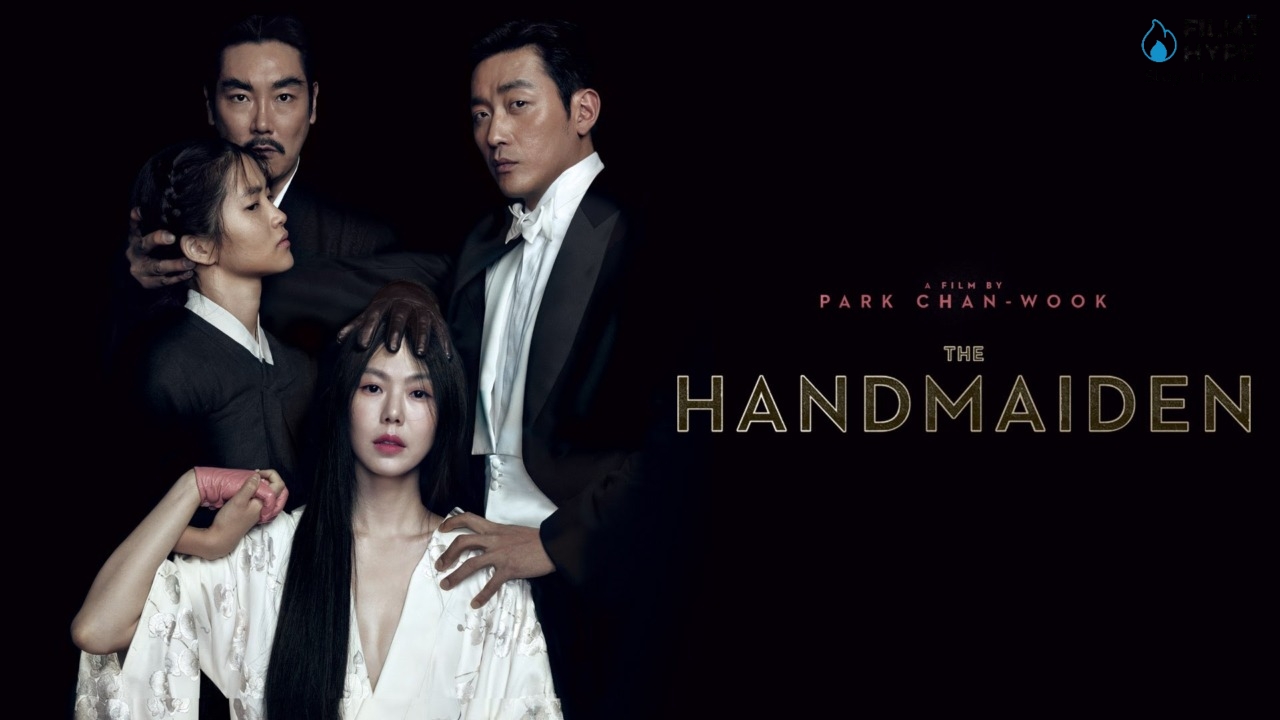
Based loosely on Sarah Waters’ novel Fingersmith, the film transplants the action to Japanese-occupied Korea and follows Sook-hee, a young pickpocket hired to work as a handmaiden to Lady Hideko, a wealthy Japanese heiress. The plan is for Sook-hee to help a con man seduce Hideko, steal her fortune, and have her committed to an asylum. But Sook-hee and Hideko fall in love instead, and from that point forward, the film becomes a dizzying series of betrayals, reversals, and revelations that I wouldn’t dream of spoiling.
Visually, it’s sumptuous. Emotionally, it’s a roller coaster that somehow sticks the landing. And thematically, it’s a story about women helping each other escape the cages men have built for them, which is a message that transcends any specific identity category.
Call Me by Your Name
Luca Guadagnino’s sun-drenched adaptation of André Aciman’s novel won an Oscar for James Ivory’s screenplay and turned Timothée Chalamet into a global star almost overnight. But the awards are almost beside the point. Call Me by Your Name is one of those films that people carry with them, that they return to, that becomes a touchstone for a particular kind of summer sadness.
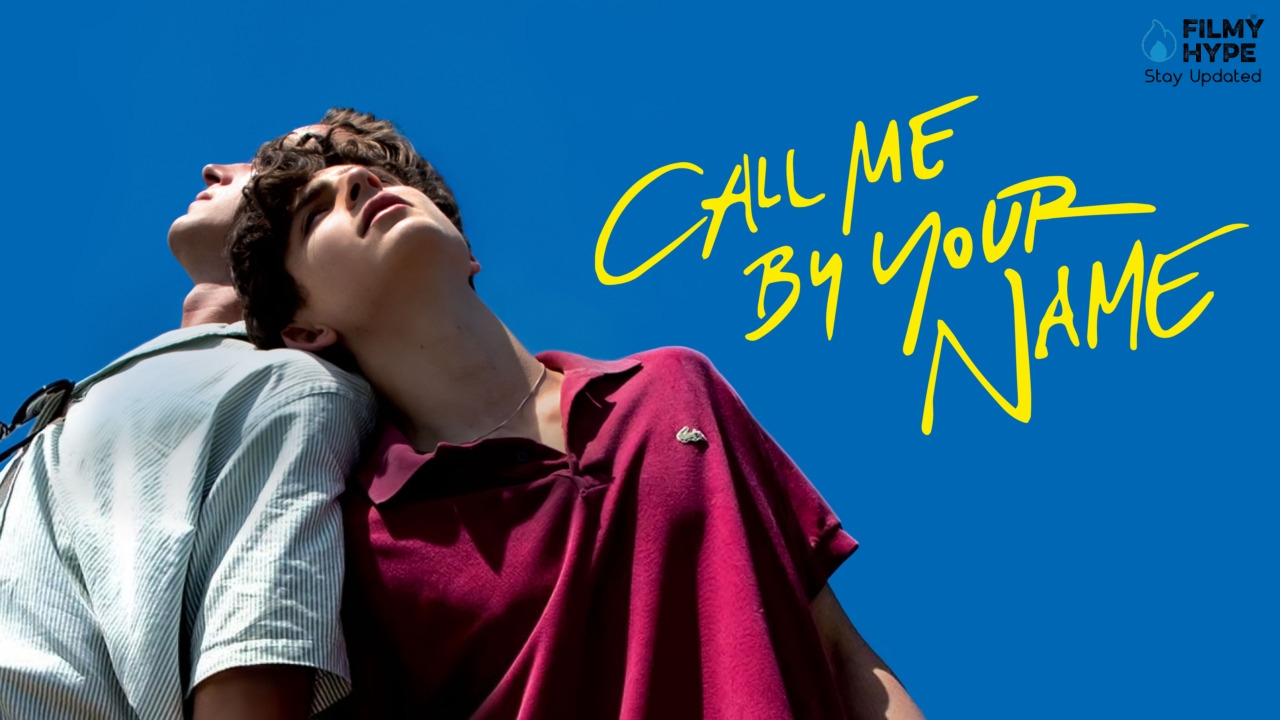
Set over a few languid weeks in northern Italy in 1983, the film follows Elio, a precocious teenager whose father hosts a visiting graduate student each summer. This year, it’s Oliver, played by Armie Hammer, with a breezy American confidence that Elio finds both infuriating and irresistible. Their relationship unfolds slowly, awkwardly, and then all at once, and the film captures something essential about the way desire can feel like an illness when you’re young and don’t know what to do with it.
The speech Elio’s father gives near the end—about not numbing yourself to pain, about letting yourself feel the full weight of a loss because that’s the only proof you had something real—is one of the most quoted monologues in recent cinema for good reason. It reframes the entire film. It’s not a warning against heartbreak. It’s an argument for it.
A Fantastic Woman
Sebastián Lelio’s film won the Oscar for Best International Feature and introduced much of the world to Daniela Vega, a trans actress whose performance anchors every frame. Vega plays Marina, a trans woman working as a waitress and nightclub singer in Santiago. Her life isn’t easy, but it’s hers, and she’s built something stable out of it. Then her older boyfriend dies suddenly after a night they spent together, and everything falls apart.

The film follows Marina as she navigates the aftermath: the police suspicion, the hostility of her boyfriend’s family, the bureaucratic cruelty of a world that refuses to recognize her identity or her grief. Vega plays Marina with a quiet dignity that makes the indignities she suffers almost unbearable to watch. But the film isn’t just a catalog of suffering. It’s a portrait of resilience, of a woman who keeps getting back up no matter how many times the world tries to knock her down.
Everything Everywhere All at Once
It won seven Oscars, including Best Picture, which makes it one of the most awarded films in history, period. The fact that it also happens to center on a Chinese-American immigrant family and features a lesbian relationship as a key emotional throughline is part of what makes it so remarkable. This isn’t an “LGBT+ film” in the narrow sense. It’s a maximalist sci-fi action comedy about multiverses and bagels and hot dog fingers that also contains one of the most tender depictions of a mother accepting her queer daughter ever put on screen.
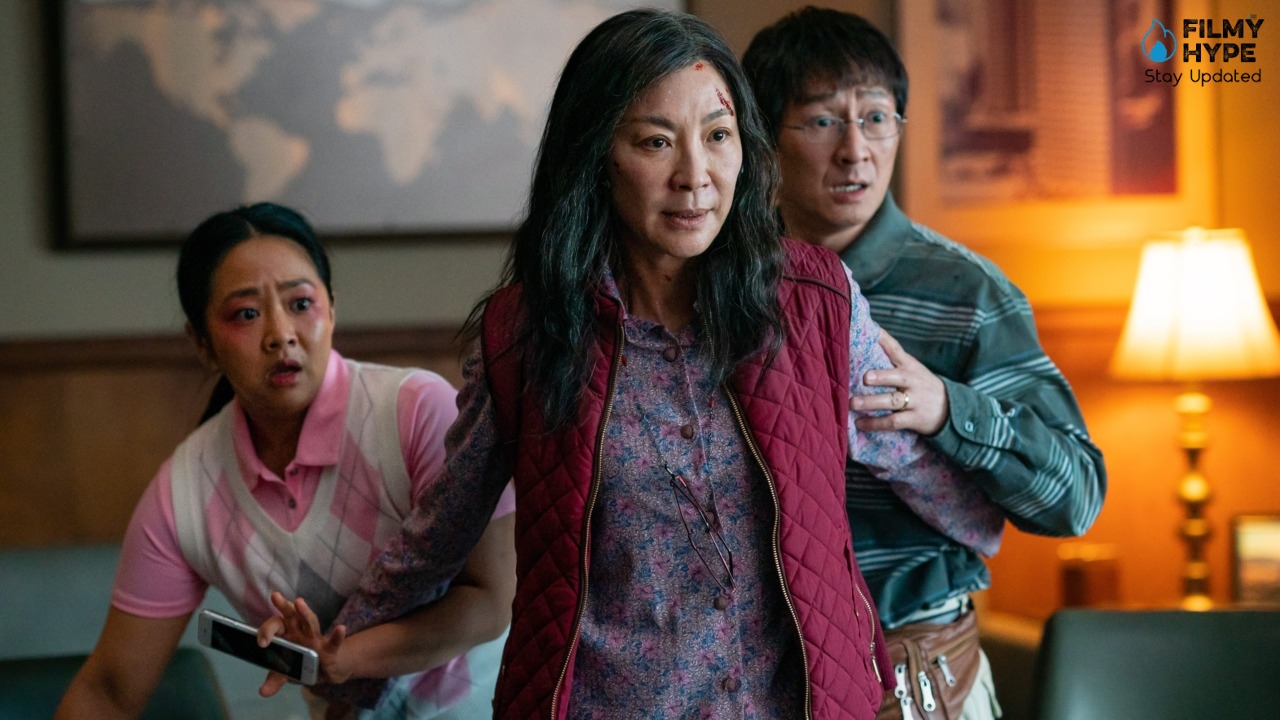
Michelle Yeoh plays Evelyn, a laundromat owner whose life is a cascade of disappointments. When she’s pulled into a multiversal war, she has to confront every version of herself she could have been—and, along the way, find a way to connect with her daughter Joy, whose own journey through the multiverse has left her feeling as if nothing matters. The film is chaotic and silly and deeply, genuinely moving, and the fact that it swept the Oscars is proof that audiences are hungry for stories that reflect the full complexity of the world we actually live in.
The Imitation Game
This one is a different kind of story. Morten Tyldum’s film about Alan Turing, the mathematician who helped crack the Nazi Enigma code, won an Oscar for its screenplay and earned Benedict Cumberbatch a nomination for his portrayal of a man whose brilliance was only matched by the cruelty of the society he served. Turing was gay at a time when being gay was a crime in Britain, and the film doesn’t shy away from the consequences of that.
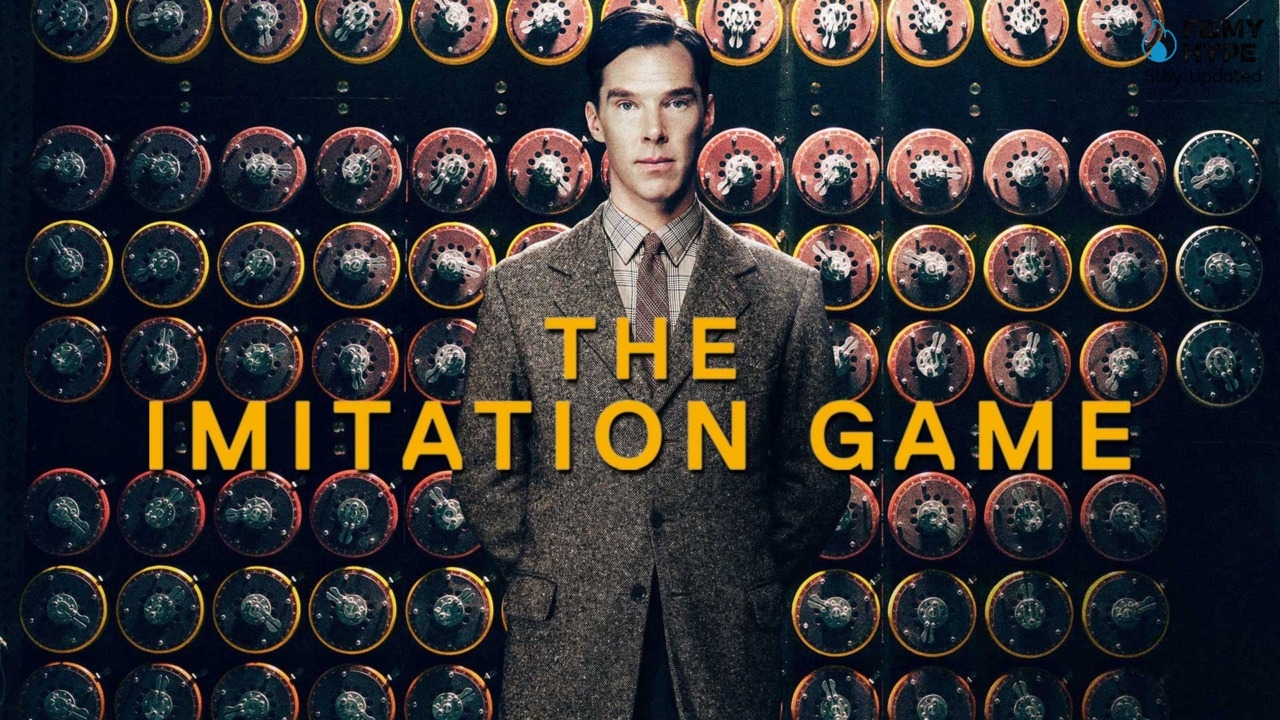
After the war, after everything he did to help the Allies win, he was prosecuted for gross indecency and chemically castrated. He died a few years later, an apparent suicide.
The film is a reminder that awards and recognition can come too late. Turing was pardoned posthumously in 2013, nearly sixty years after his death. The film, and the attention it brought, played a role in that reckoning.
Why These Films Matter
What connects all of these movies isn’t just that they won trophies. It’s that they took stories that had historically been marginalized—stories about desire between women, between men, about trans identity, about the experience of being something other than what society expects—and proved that these stories aren’t niche. They’re universal. They win awards because they’re good, and they’re good because the emotions at their core are things everyone understands. Longing. Fear. Joy. Loss. The terror of being seen. The relief of being accepted.
Some of these films were controversial when they came out. Some still are. But that’s part of why they matter. Art that makes people uncomfortable is often art that’s telling a truth that hasn’t been told enough. These films told those truths, and the awards they collected along the way are just the most visible proof of something that was already there: audiences, critics, and voters recognizing that love, in all its forms, makes for great cinema.