

House of the Dragon Season 3 Episode 7 Review and Ratings
Cast: Matt Smith, Emma D’Arcy, Sonoya Mizuno, Bethany Antonia, Harry Collett, Abubakar Salim, Clinton Liberty, Olivia Cooke, Tom Glynn-Carney, Phia Saban, Fabien Frankel, Matthew Needham, James Norton, Benjamin Evan Ainsworth, Freddie Fox, Kurt Egyiawan
Director: Nina Lopez-Corrado
Streaming Platform: HBO
Filmyhype.com Ratings: 4.5/5 (four and a half stars)
On August 2, House of the Dragon Season 3 Episode 7, the penultimate episode, is released. The third season of the acclaimed Game of Thrones prequel series features members of the infamous House of the Dragon. House of the Dragon has accustomed us to penultimate episodes that can make their mark, and The Dragon in Winter is no exception. The seventh episode of the third season, however, is also the most incoherent and inconsistent the series has ever produced: when it works, it borders on magic, when it makes mistakes, it leaves you speechless. A chapter that sets the stage for the grand finale, suspended between an unforgettable triumph and more than one misstep.

Despite the praise in the review of episode 3×06 of House of the Dragon, this series is playing with the patience of the audience. But we saw how a calmer pace still paid off: the turnaround of Criston Cole, Corlys Velaryon, and an increasingly isolated Daemon lit the fuse of a clash that, at this point in the season, can no longer be postponed. Meanwhile, the circle between Harrenhal and Tumbleton tightens, and the showdown between Rhaenyra and his enemies now seems imminent. But despite the general discontent among viewers regarding the pacing, with one episode to go until the end of the third season, House of the Dragon chooses to hold back a little longer.
House of the Dragon Season 3 Episode 7 Review: Story Plot
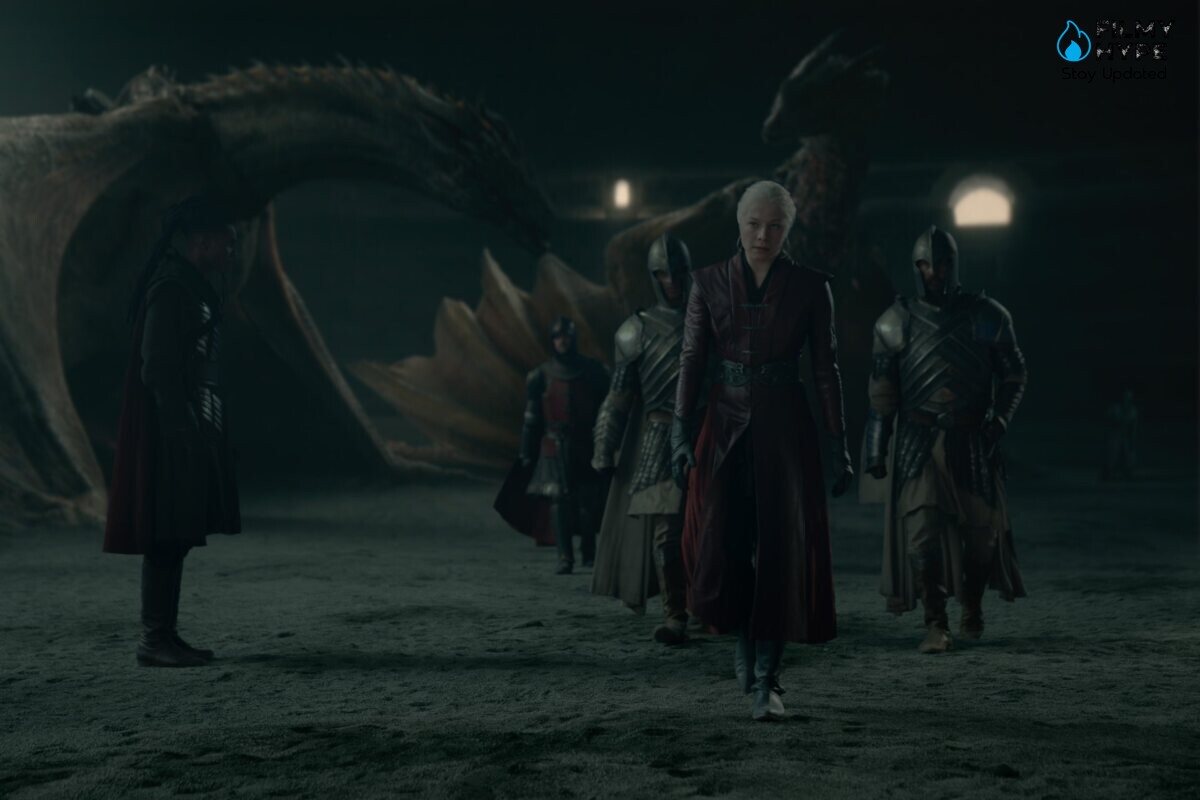
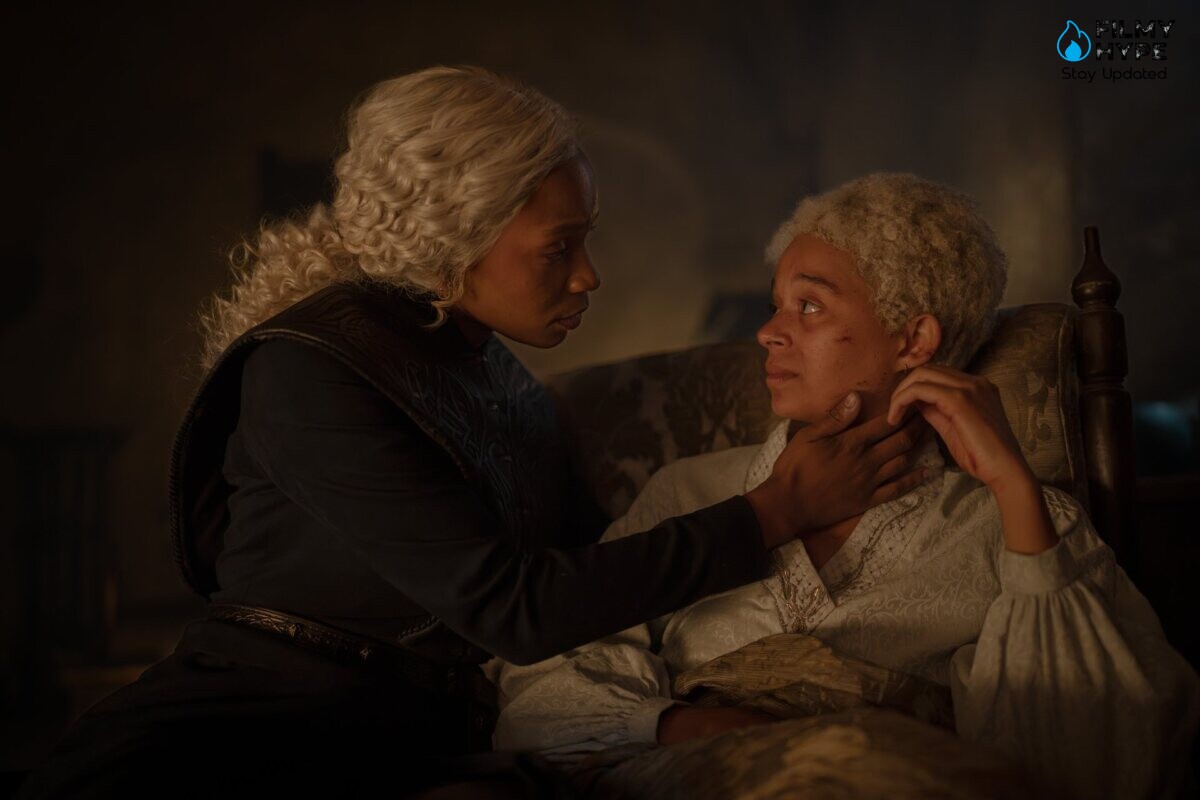
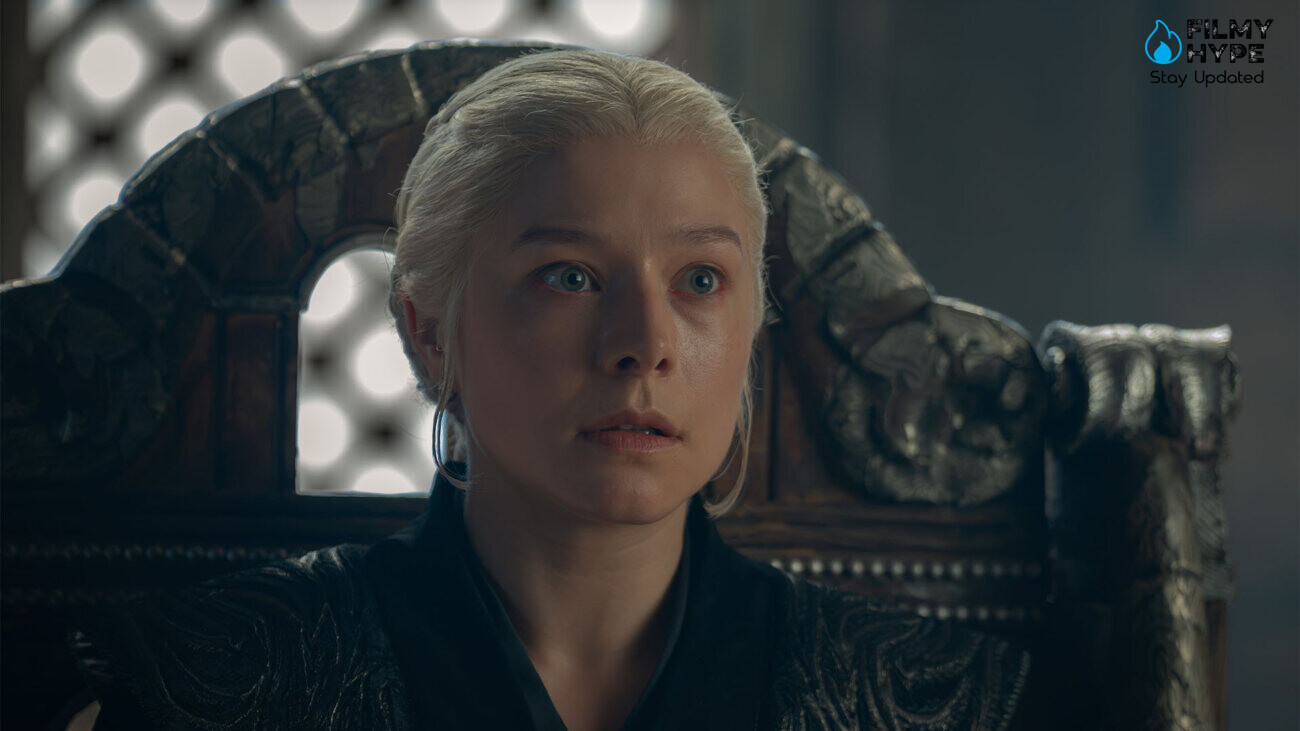
Rhaenyra (Emma D’Arcy) falters at the visions of Helaena (Phia Saban), which the queen struggles to bear. It is an impatience that says a lot about a nuisance in which one can read the concerns of a ruler increasingly unsure of her own judgment, with a growing distrust of the prophecy of Aegon the Conqueror. Rhaenyra continues to be the best character to analyze the season with.
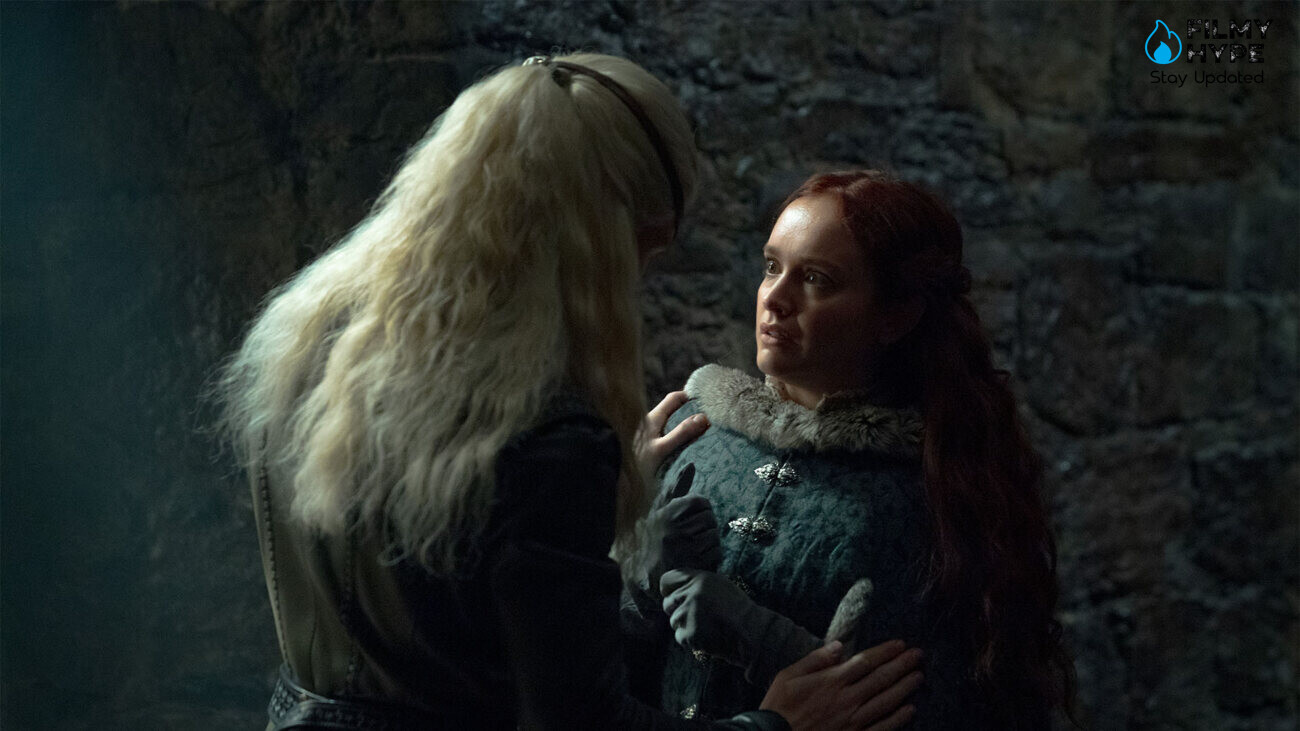
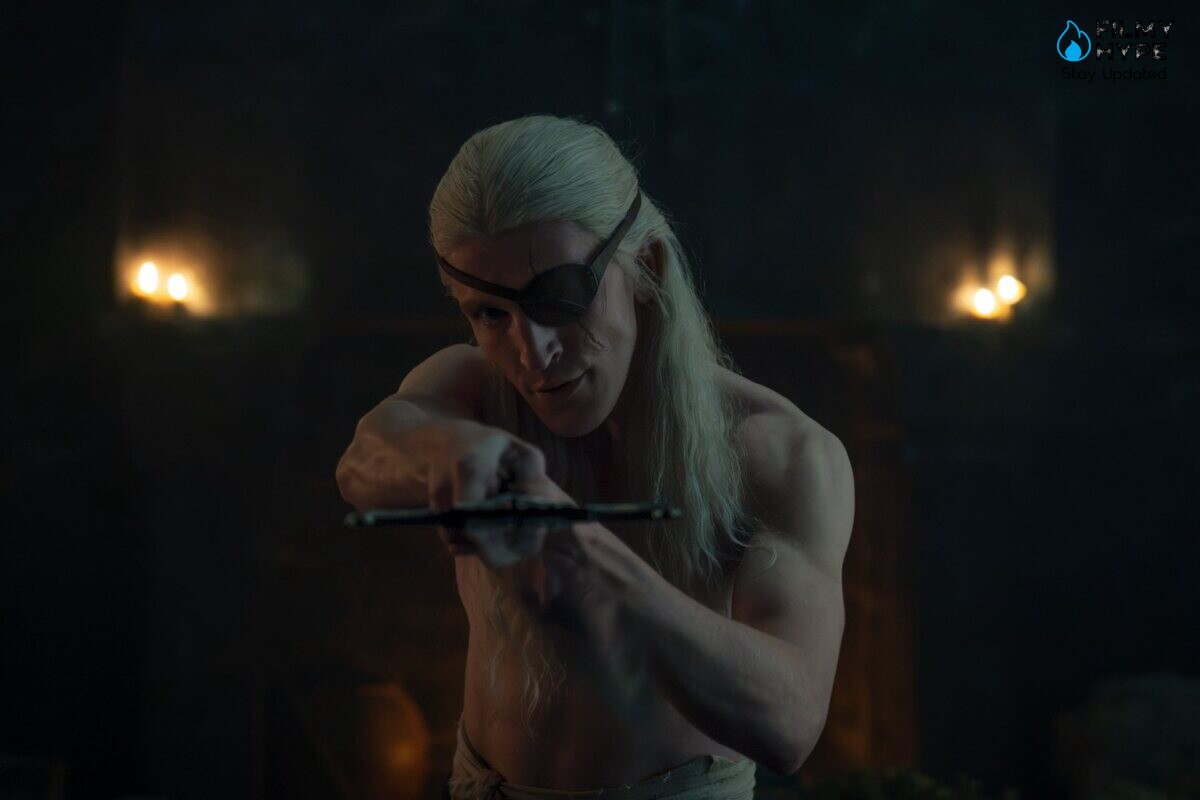
In Harrenhal, Aemond (Ewan Mitchell) finally gives in to the call of Alys Rivers (Gayle Rankin) – and he does so just as his mother, Alicent (Olivia Cooke), comes looking for him. It is the most interesting comparison of the episode: on one side, the “real” mother, on the other, the maternal figure that Aemond seeks, the one who indulges him instead of judging him (also thanks to the temptation offered by the darkness that hovers over the healer). A silent conflict, but one that weighs on every glance exchanged between the two.
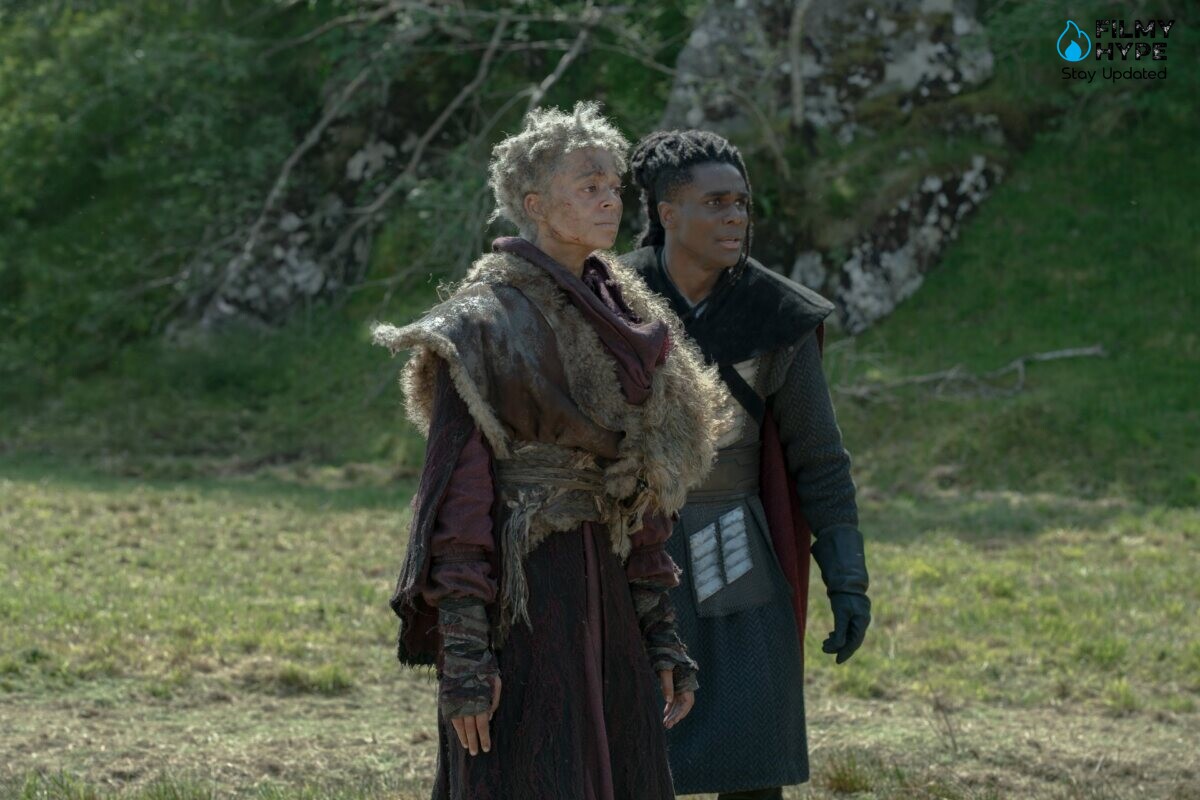
As was easy to expect, this new episode confirms that the situation in King’s Landing is anything but calm, with old shenanigans that will be exposed and new arrivals ready to disrupt the lives of members of Rhaenyra’s court. First of all, that of Rhaena (Phoebe Campbell), who, after being spotted by Addam (Clinton Liberty) and her sister Baela (Bethany Antonia), is entangled in a secret affair with her uncle Alyn, is taken to the Palace as a prisoner. She is blamed for being the main architect of Jace’s death, killed during the naval battle that kicked off this third season. A discovery that will send into crisis the relationship between the Queen and the Prince Consort, Daemon Targaryen (Matt Smith), now more distant than ever.
The situation is no better in Harrenhal. Aemond (Ewan Mitchell) continues to wait in vain for Vaghar’s return. With him, the mysterious Alys (Gayle Rankin). Just when he least expects it, the prince receives a visit from his mother, Alicent (Olivia Cooke), who managed to escape from King’s Landing after the restrictions put in place by Rhaenyra. An unexpected event that further increases the Prince’s doubts, who is increasingly uncertain about the Dowager Queen’s loyalty. Who, in the meantime, learns of his son’s affair with the woman who, now, seems to have effectively become the new lady of Harrenhal.
House of the Dragon Season 3 Episode 7 Review and Analysis
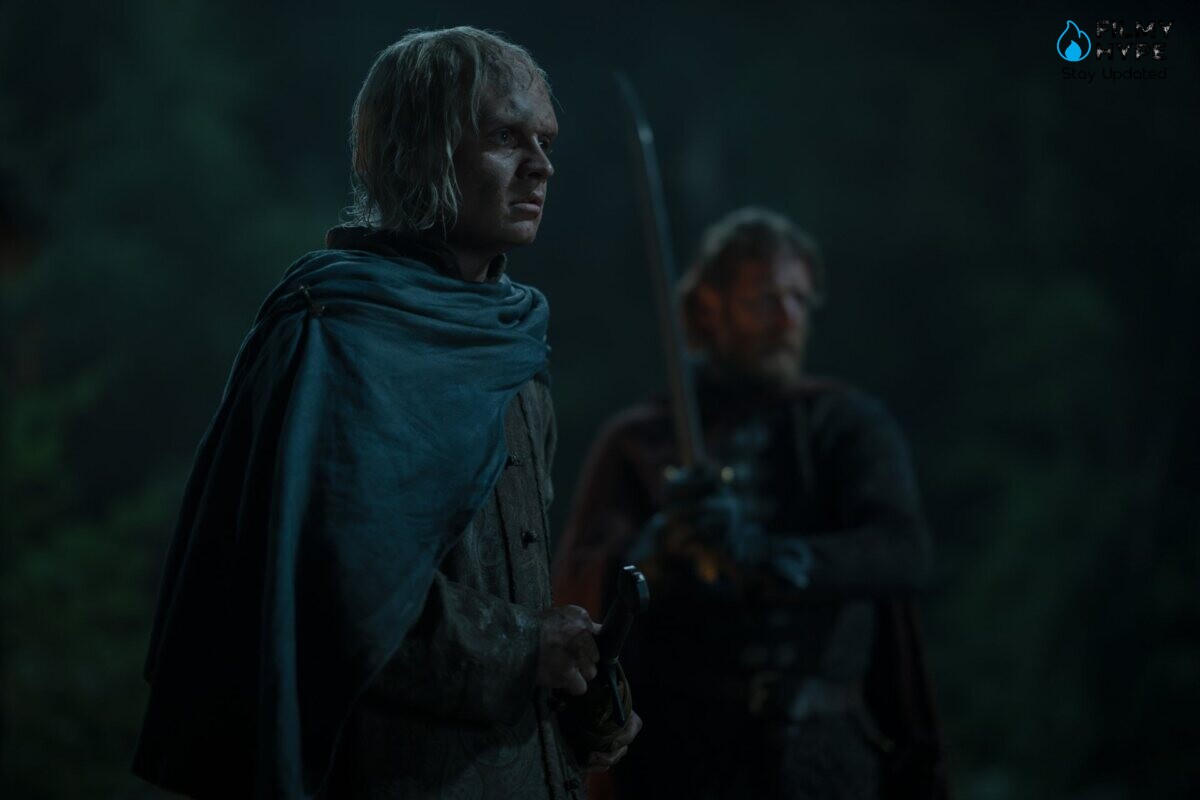
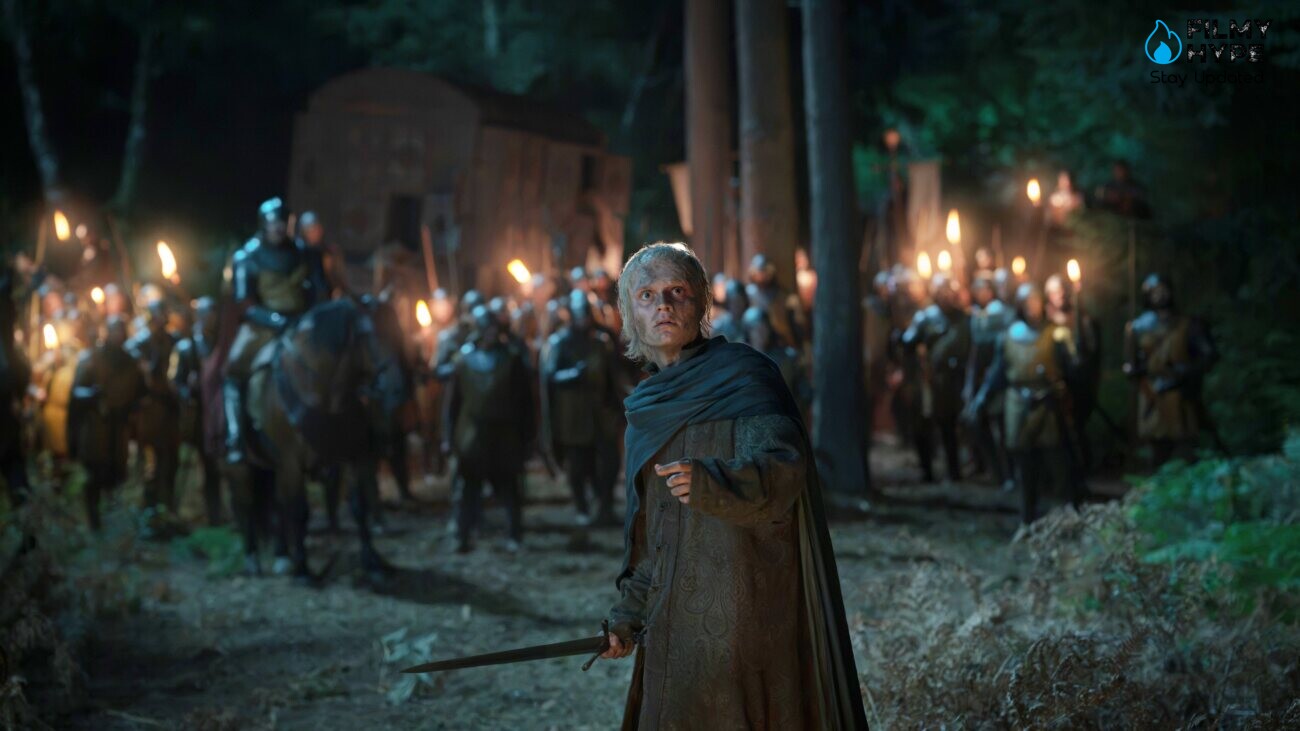
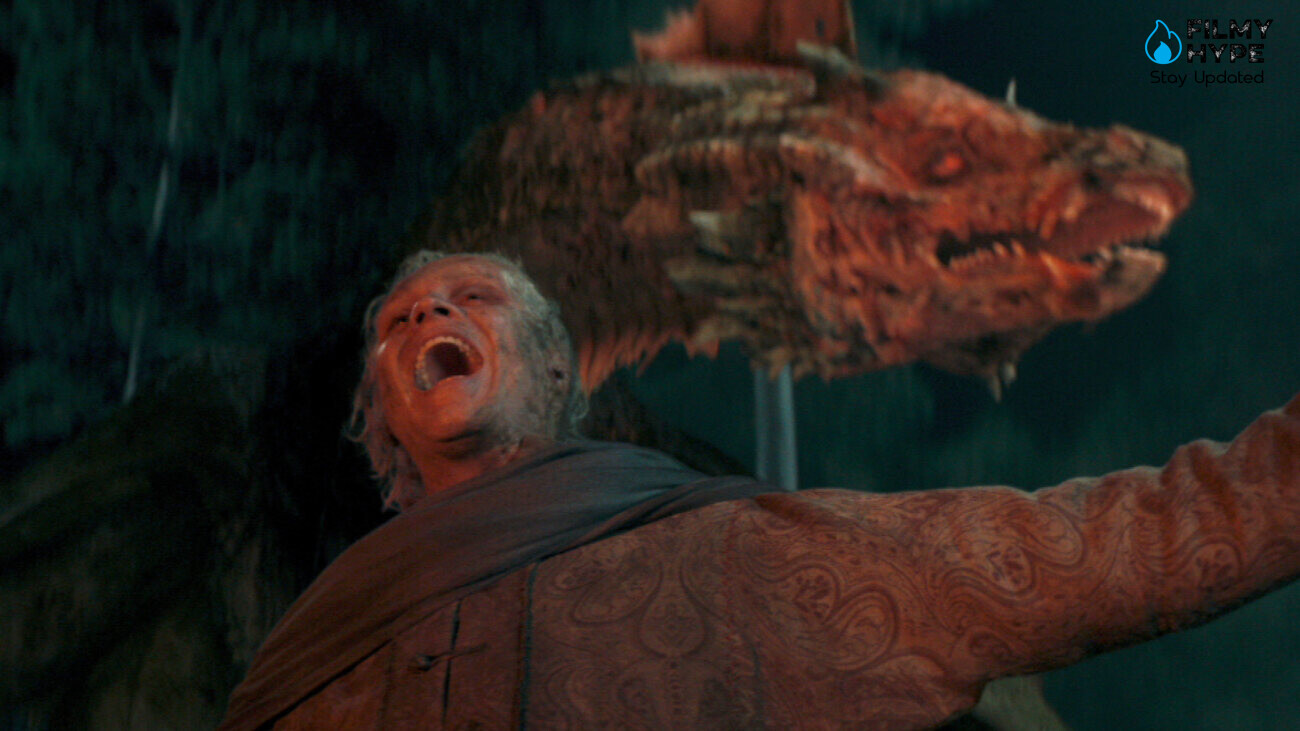
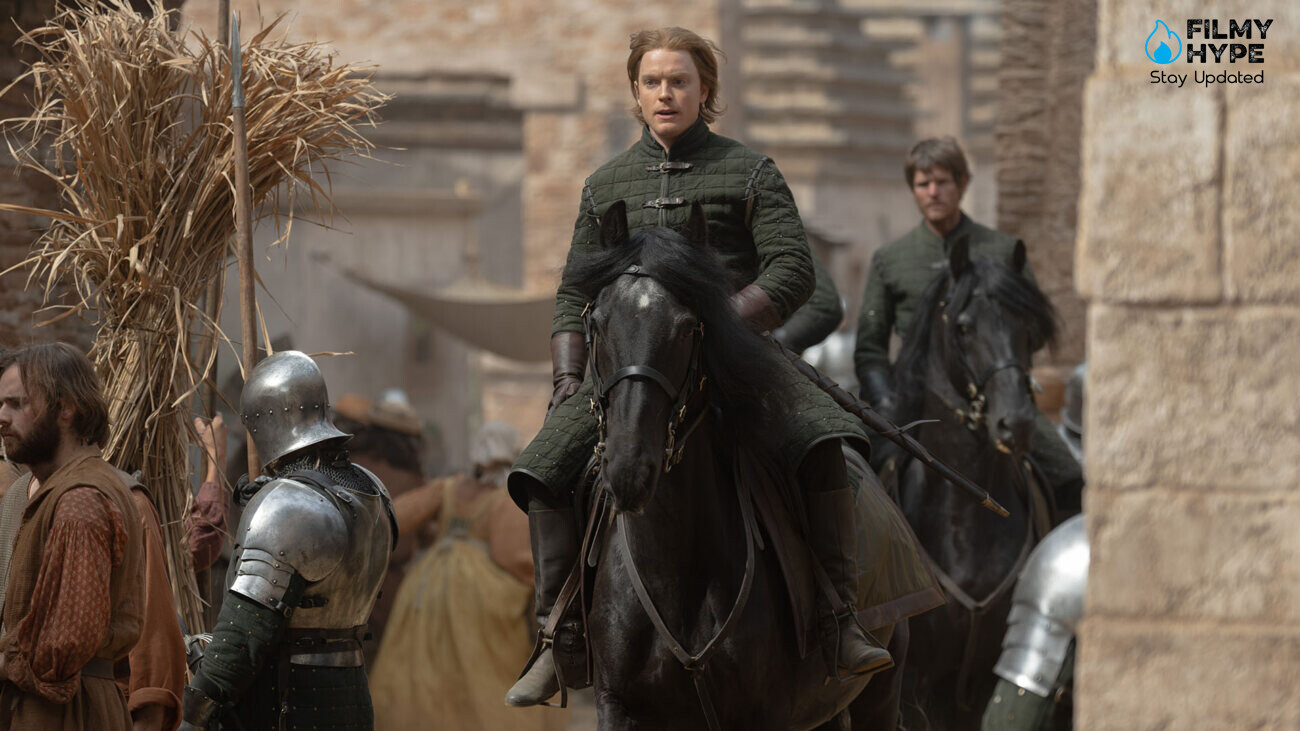
Let’s start with the best, because the best scene of the episode is also one of the most beautiful in the entire series. Fleeing Ruin Rock along with Larys Strong and Tyland Lannister, Aegon finds himself hunted by the army loyal to Rhaenyra and with no way out. Determined not to die with an arrow in his back and to be remembered by history, he bids farewell to his allies and chooses to face the end head-on, with a moving farewell from Larys, who promises to immortalize him in the tale and song. And when the enemies surround him, Aegon takes up his sword and delivers a magnificent speech, proclaiming himself the only true king, while behind him emerges from the trees Sunfyre, his dragon, thought to be done for and yet alive, as disfigured as he is but still fearsome. Tom Glynn-Carney is simply extraordinary, and the sequence has the same strength as certain epic Game of Thrones rematches. A moment that, alone, is worth the entire episode.
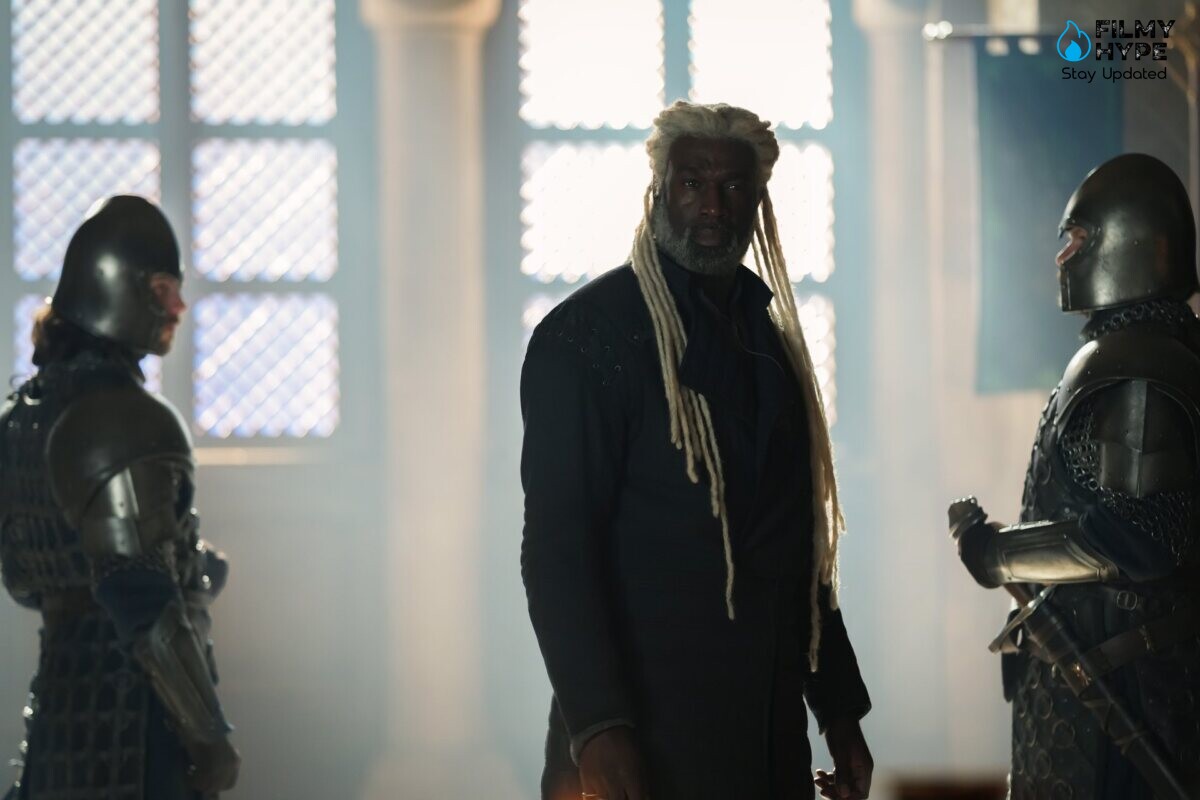
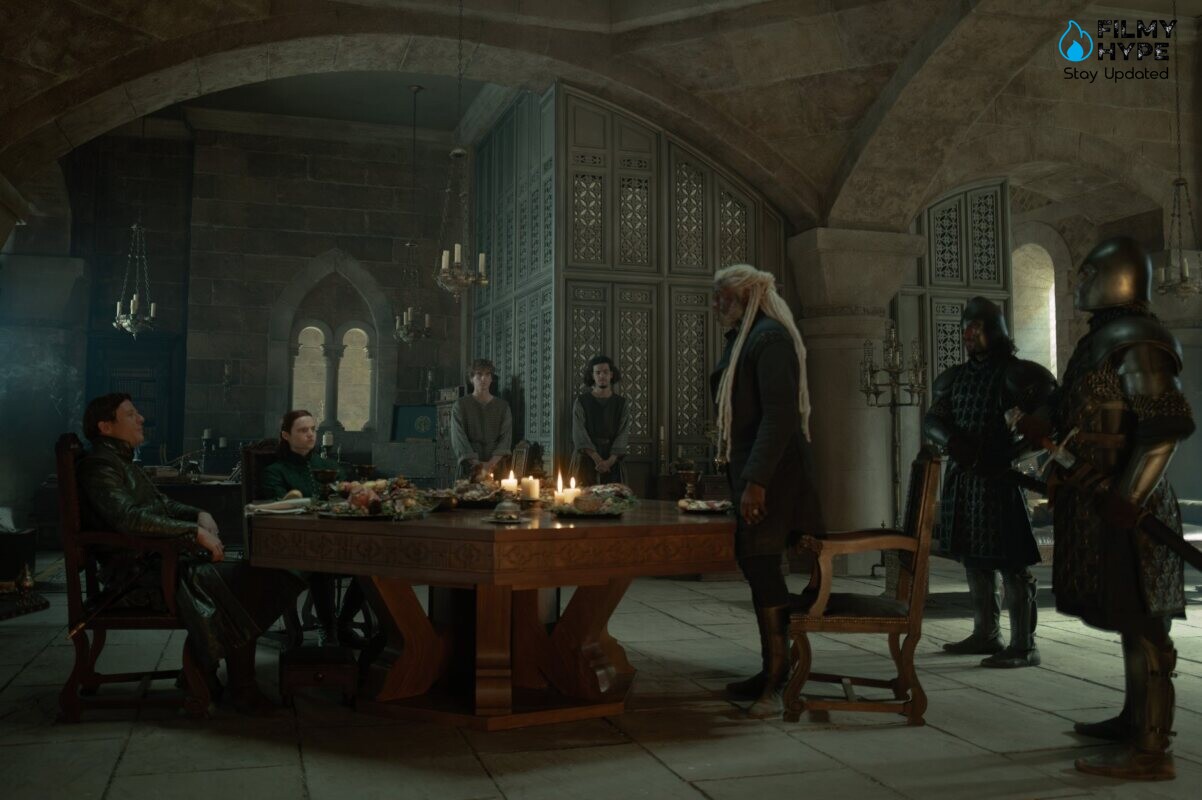
These are choices that radically change the fate of some characters, compared to the book. As with the kidnapping of Corlys Velaryon (Steve Toussaint) at the hands of Ormund (James Norton). As in the last episode, we continue to rotate on the key centers of the season. But the Hightowers are wary of a move that seems to be driven more by character anger than actual strategy. And this doubt makes Ormund a loose cannon for enemies as well as for his allies.
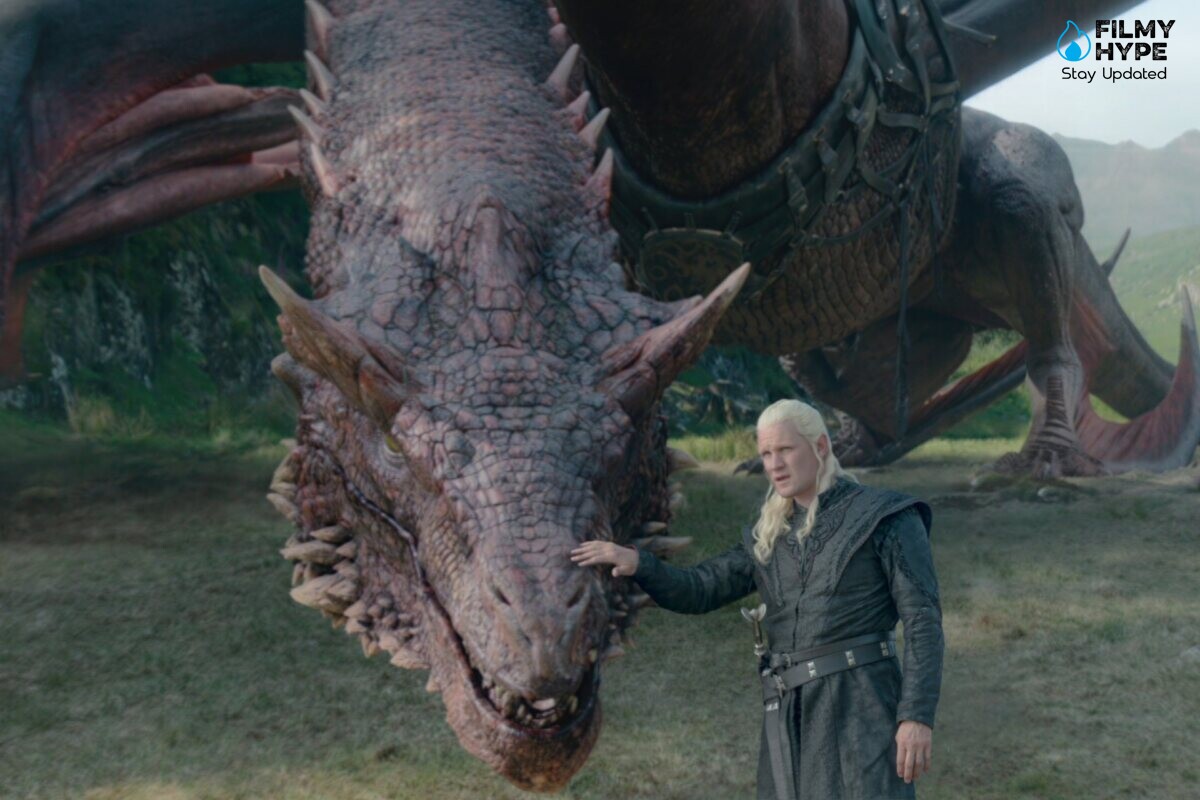
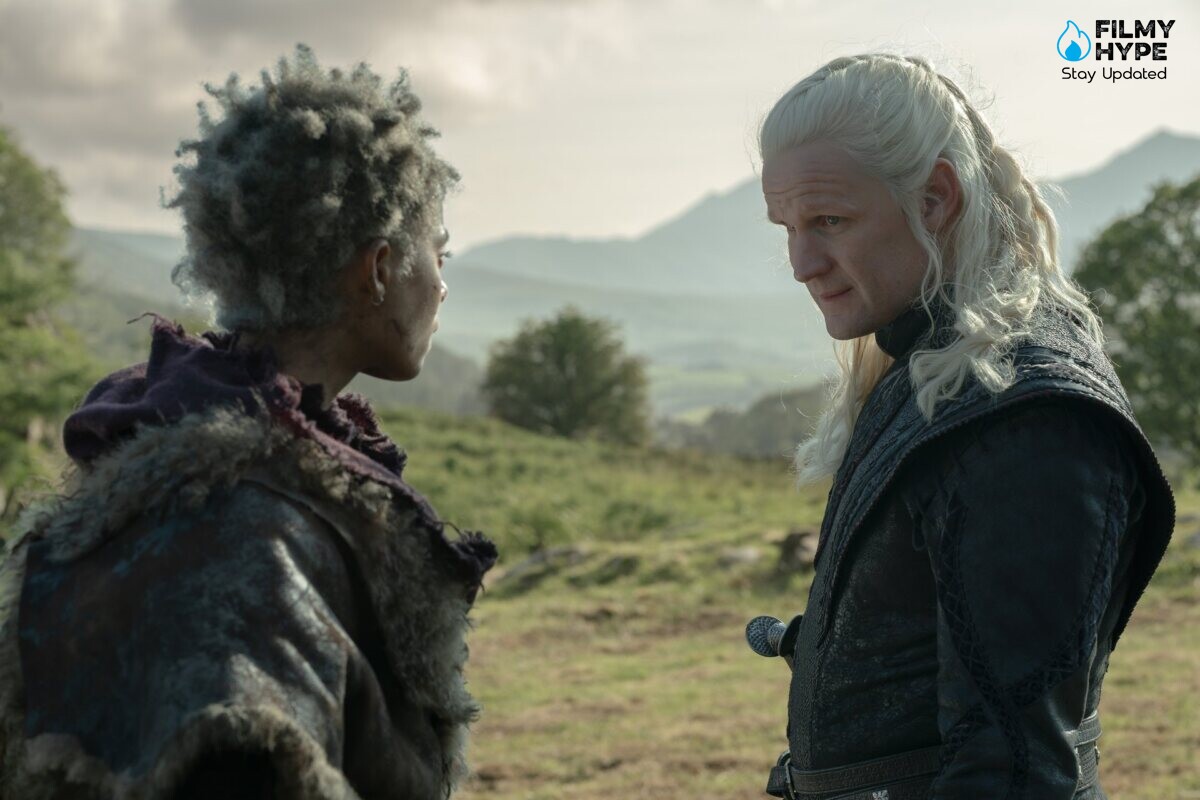
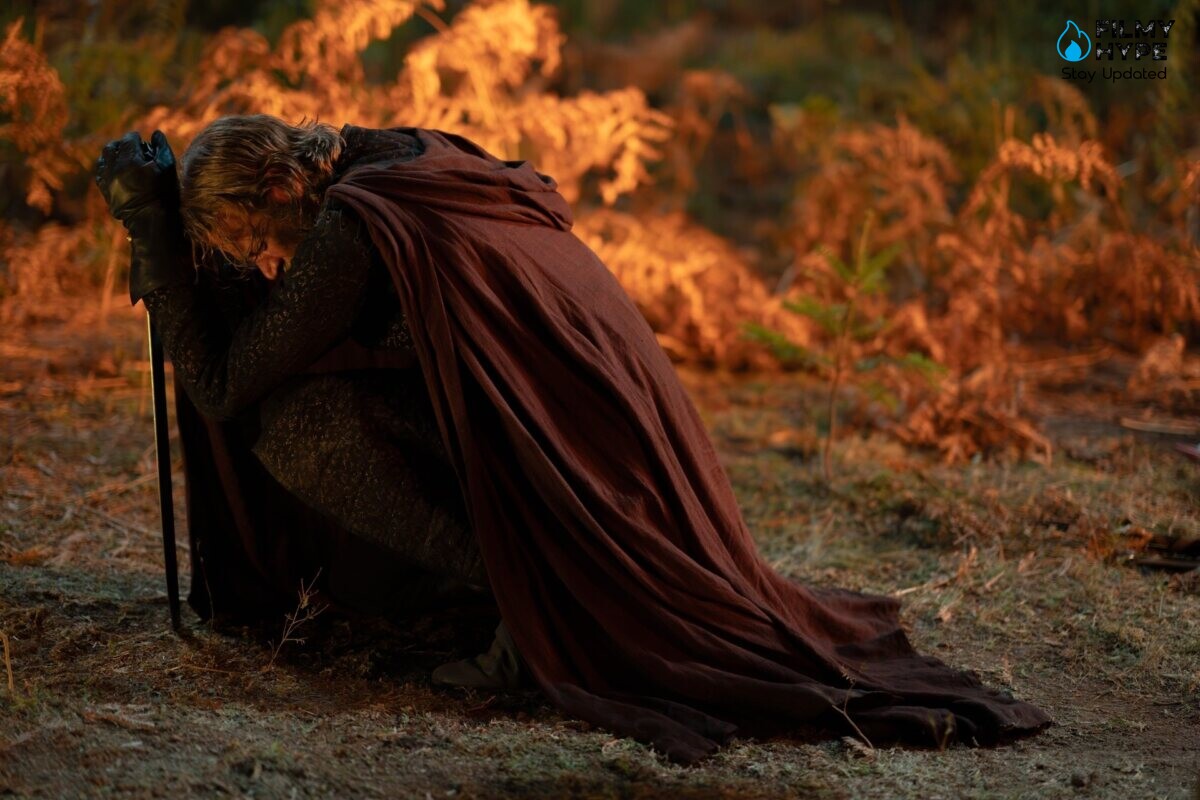
Daemon (Matt Smith), increasingly isolated, shows a new side when his daughter Rhaena’s (Phoebe Campbell) escape ends. It’s a rare moment for Matt Smith’s character: he stops responding to the warrior’s anger and gives in to the fear of a father. Perhaps a bit too sudden a change considering the road so far, but Smith excels at portraying a great vulnerability.
After the Battle of Gullet in the first episode of this season, we were worried that the writers had cut the dragons’ budget (in a series in which they also later star), but fortunately, the heart of the episode is dragon-centric, and the special effects repay the viewers’ patience. Meanwhile, faced with the advance of Maidenpool’s army, Aegon (Tom Glynn-Carney) chooses for once not to flee – a decision that weighs doubly because it comes accompanied by the support of an important ally, which could overturn the balance of potentially decisive alliances.
And between visions of death and battles looming on the horizon, the episode ends with the hint that the final season will spare none of the fronts opened so far. House of the Dragon thus continues an attempt at redemption after an up-and-down part of the season, demonstrating that the patience asked of the audience was really building something. Despite still a restrained pace, with just one episode to go, this narrative choice is strategic: now the question is no longer when the showdown will come, but how much it will cost each of its protagonists.
We can’t deny that it’s an episode that falls a little short of our expectations. But it is also true that it is clearly the springboard for the grand finale. After all, we know this well: as we approach the end, slowing down is almost a must. As well as bringing the various subplots to turning points, like here. Don’t get us wrong: even in this seventh and penultimate episode, we have rediscovered that mix of politics and raw violence that characterized the last episode. Which, above all, is the real strength of the stories born from George RR Martin’s novels. And the numerous scenes featuring dragons help raise tension and hold the attention of viewers who would otherwise risk getting lost in a perhaps a little too intricate set of plots.
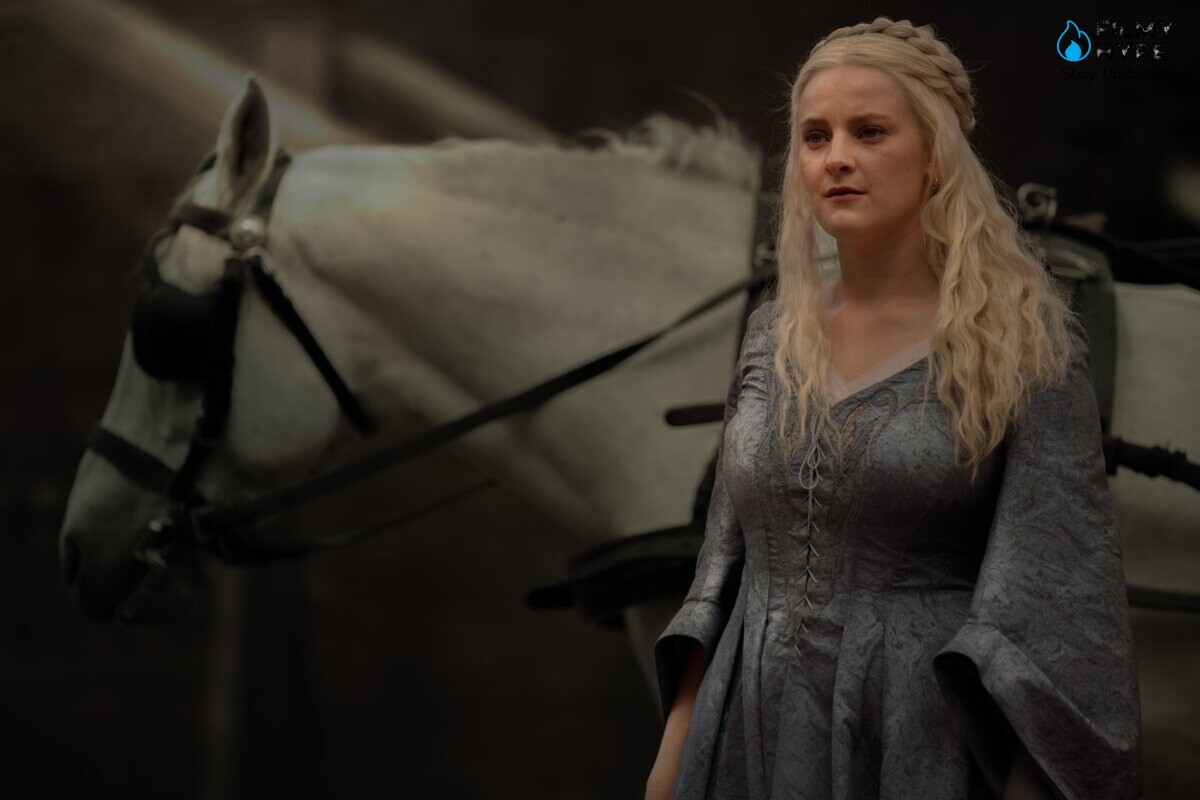
Helaena’s narrative line, played by a splendid Phia Saban, was also very successful. The episode opens with a peaceful dream of his, soon interrupted by waking up and a confrontation with Rhaenyra that has the tone of an interrogation. The increasingly paranoid queen presses her to confirm what she wants to hear about her fate, and Helaena retreats, observing that dragons change one person, and Rhaenyra commands six. Later, three more premonitory dreams, including a chilly vision evoking the threat of the White Walkers, open up disturbing scenarios about the future of the saga.
And here we are at the Achilles heel of the episode. Harrenhal‘s plot continues to obsessively dwell on Aemond’s maternal complex, once again playing, disturbingly, on the incestuous motif, and flattening two of the series’ most fascinating characters into a single trait. Alicent arrives at the castle escorted by a Knight of the Royal Guard, who was actually sent to kill her son, but Aemond eliminates him within seconds. A tense family lunch with Alys Rivers ensues, before Alicent decides to poison her son with berries, but not before snatching his confession that he tried to kill Aegon on purpose. Beyond the excellent performances of Olivia Cooke and Ewan Mitchell, it is a narrative line that runs in circles, recycles a previously seen ending, and seems to only serve to drive Alicent away from King’s Landing. A real waste.
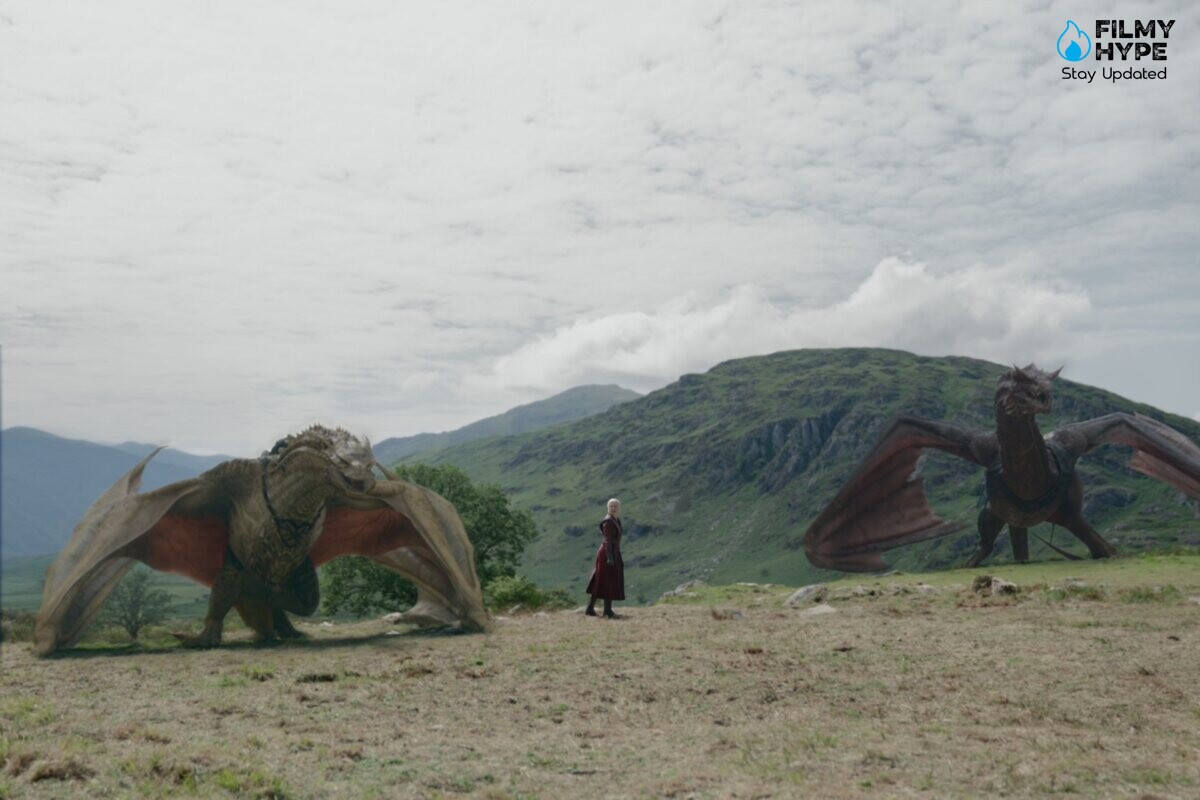
The biggest disappointment, however, comes from the key sequence. The story of Rhaena and the wild dragon Sheepstealer, which has been overshadowed since the premiere, culminates in a battle between four dragons that, on paper, should be spectacular and instead feels strangely inert. After a good moment when Daemon finally shows himself as a father, the aerial battle turns into a flood of unconvincing digital effects, far removed from the cure seen in the past. The problem isn’t just technical: the sequence is an invention of the series, poorly prepared by an overly neglected narrative arc, and closes Rhaena’s story in a way that risks compromising future developments.
Interesting, however, is the way the episode continues to chronicle Rhaenyra’s moral decline. The icy clarification with Daemon marks a deep rift in the couple, while the relationship with Mysaria, who here becomes explicit by reconnecting with the kiss of the second season, exposes her to the manipulations of her advisor. The writing effectively portrays a wounded but not blind Rhaenyra, aware of being manipulated yet unable to escape it, as she slowly crumbles, dragging everyone around her with her.
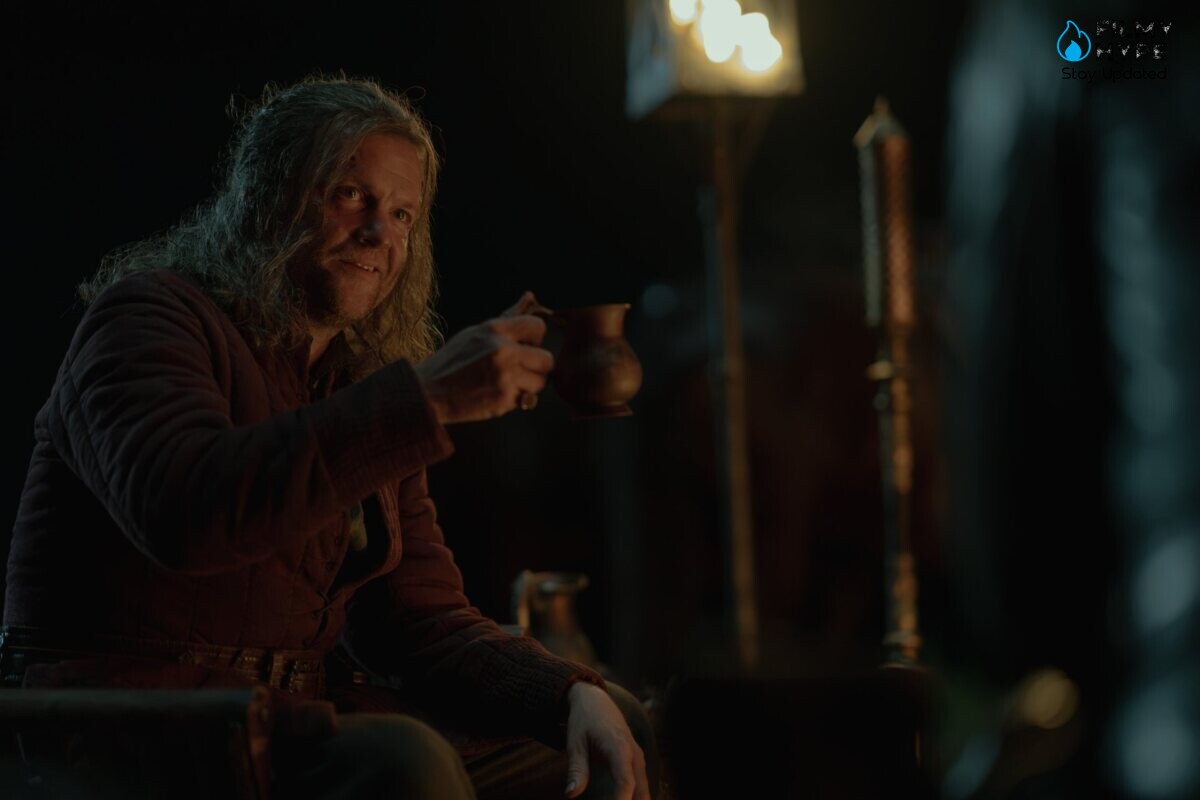
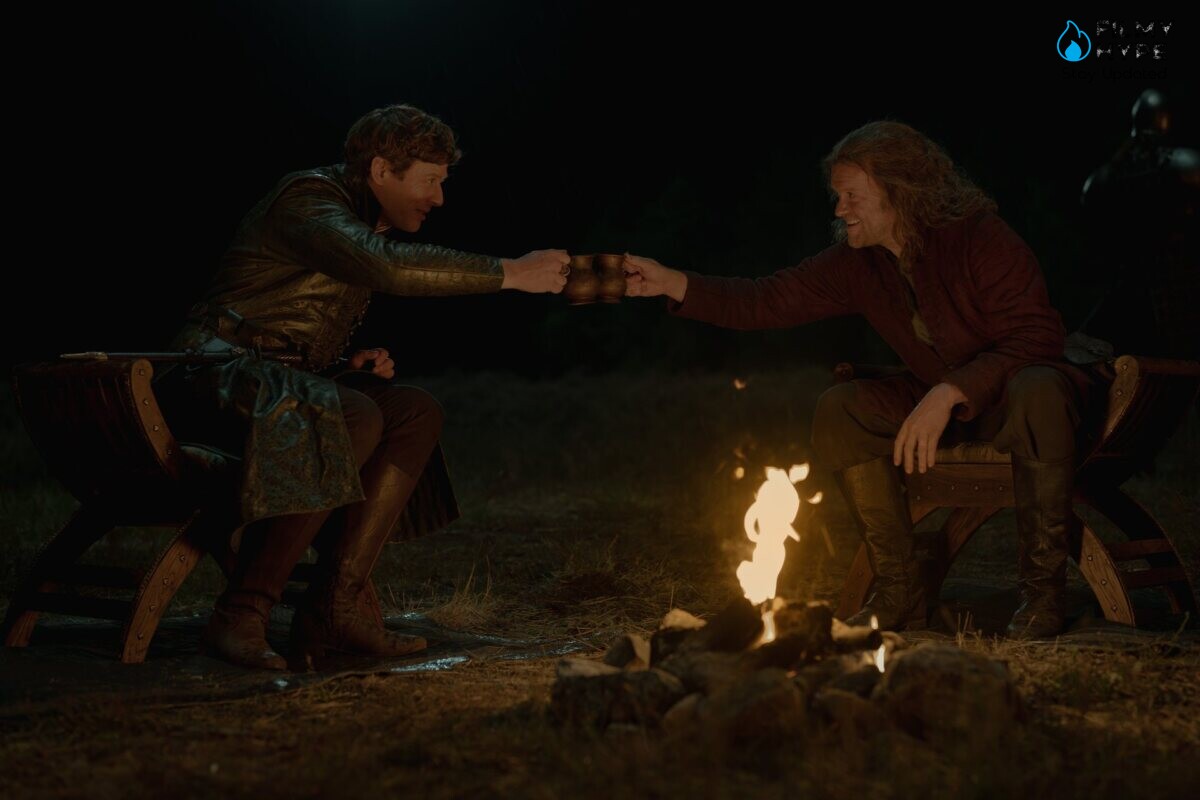
The finale relaunches in a big way ahead of the last episode. Ormund Hightower, played by newcomer James Norton, the keeper of a secret plan, enters Tumbleton, where the battle looms. After letting it be believed that his weapon is the prisoner Corlys Velaryon, whose finger he cuts off, the real ace is discovered up his sleeve: the seduction of Ulf the White, the dragon knight of humble origins, humiliated all season by Rhaenyra and Daemon. All it takes is some excellent mead, some flattery, and the promise of Driftmark to push him towards betrayal—a great cliffhanger, with an unexpectedly creepy Tom Bennett.
House of the Dragon Season 3 Episode 7 Review: The Last Words
The Dragon in Winter is perhaps the most bizarre penultimate episode in the entire Game of Thrones franchise. It alternates very high peaks, such as the triumph of Aegon and Sunfyre or the turning point of Ulf, with clear falls, such as the clash of dragons and the entire interlude of Harrenhal. The result is a decidedly mixed vision, entertaining and frustrating to almost the same extent, but still leaving all the pieces in the right place for a finale that promises to be explosive.