


Coyote vs. Acme is a lot more than just another Looney Tunes comedy. The film takes the decades-old rivalry between Wile E. Coyote and Road Runner and reframes it into something genuinely emotional and sharply satirical, using a legal battle against ACME to talk about corporate power, accountability, and what it actually takes to fight a system built to ignore you. At the center of it all is Wile E. Coyote, seeking compensation after yet another ACME product backfires spectacularly against him.
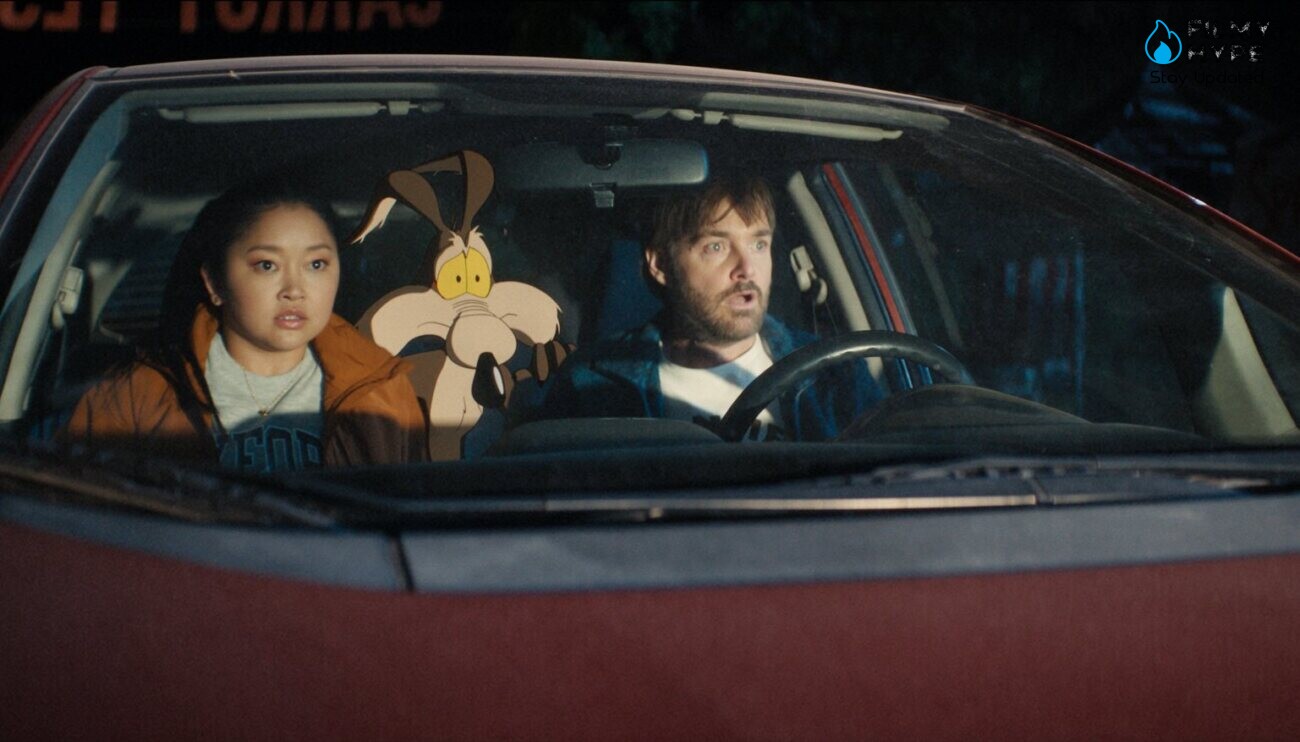
To pursue that case, Coyote turns to Kevin Avery, a struggling lawyer who initially treats it as nothing more than another paycheck. But the deeper Kevin digs into the story, the more disturbing it becomes: the accidents caused by ACME’s products might not be accidents at all. Underneath the absurd, cartoonish comedy sits a genuine conspiracy — one where Looney Tunes characters are being used as test subjects for products ultimately intended for human use.
Coyote vs. Acme Ending Explained: Wile E. Coyote Loses the Lawsuit — And That’s Exactly the Point
The film’s most pivotal moment is also the one that could easily read as its most frustrating: Wile E. Coyote loses his case against ACME. Despite everything Kevin and his colleague Paige manage to put together, the evidence isn’t enough to push the government into launching an immediate federal investigation into the corporation. Even Road Runner’s testimony, and Foghorn Leghorn’s outright confession about the experiments being run on cartoon characters, aren’t enough to secure a courtroom win.
But losing in court doesn’t mean the story itself ends in defeat. That distinction is really the whole thesis of the film.
Kevin, skeptical at the start, ends up genuinely believing in his client after watching Coyote’s sheer persistence — the same character who keeps attempting to cross a canyon no matter how many times it ends in disaster, and who simply keeps trying anyway. That seemingly absurd stubbornness is exactly what convinces Kevin there’s something much bigger behind this case than a single ridiculous lawsuit.
The message underneath all of it is simple, but it lands: failure doesn’t automatically mean you’ve lost. A single battle can end badly and still lay the groundwork for winning the next one. Wile E. doesn’t get the compensation he originally wanted — but he does manage to expose a system that had been operating completely unchecked until now.
What Was ACME’s Real Plan?
The film reveals that ACME products were never simply poorly designed inventions. They worked exactly how the company wanted. ACME used animated characters as experimental subjects because they can survive accidents that would kill anyone. Explosives, rockets, traps, and other devices were used to check their failures and find new applications before marketing products intended for humans.
Why Does Roadrunner Help the Coyote?
One of the most important and emotional revelations of the ending comes during the trial, when Roadrunner declares in favor of Wile E. For decades we have seen the Coyote obsessively chasing the bird with the intention of catching it, but Roadrunner has never really considered Wile E. his enemy. For him, his chases are a kind of game, and consider the Coyote your friend.
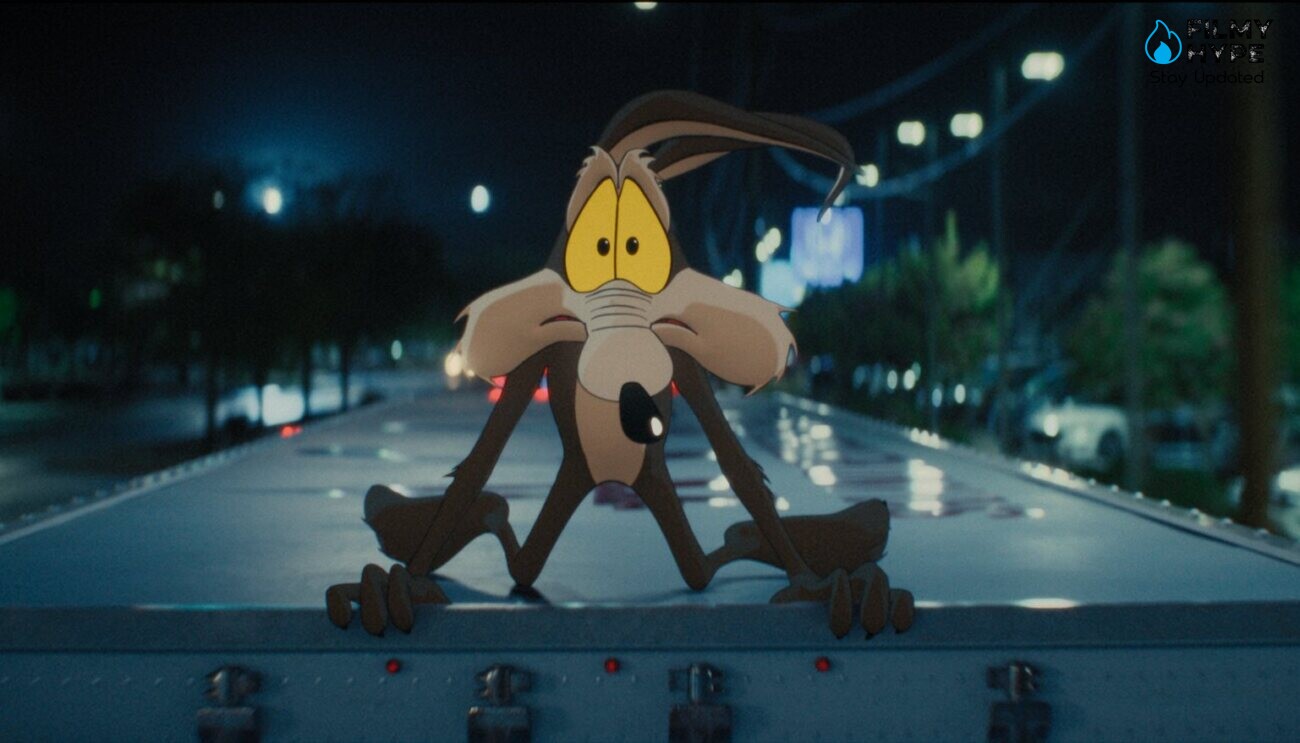
The confession deeply surprises Wile E., because it completely changes the meaning of their relationship. It also explains why Roadrunner has never limited himself to abandoning the desert or definitively eliminating his pursuer: he enjoys that dynamic as much as Coyote himself. The film thus becomes one of the most famous rivalries of Looney Tunes in a strange friendship built during years of persecution.
What About Foghorn Leghorn and Buddy?
Although the first trial does not end as Coyote expected, public revelations begin to change perceptions about ACME. Kevin and his allies also manage to humiliate Foghorn and Buddy by using one of the traps created to capture Roadrunner against them, leaving them locked up. But the real blow against ACME comes later. Other animated characters, upon seeing what happened with Wile E., understand that they have also suffered damage deliberately caused by the company’s products. They then decide to hire Kevin to present a class action lawsuit. It is no longer just the Coyote against a gigantic corporation.
Now it’s everyone.
The Real ACME Conspiracy: The Products Were Never Actually Broken
For most of the film, you might assume ACME’s products are simply badly engineered — that’s been the explanation propping up the classic gag for decades. Wile E. buys some seemingly foolproof device, uses it against Road Runner, and inevitably ends up the victim of his own scheme. Coyote vs. Acme completely flips that premise on its head.
ACME’s tools work exactly as they were designed to. Their real purpose was never to actually help Wile E. Coyote — it was to use cartoon characters as experimental test subjects. Their unusual physical resilience makes them ideal for testing potentially dangerous products, letting the corporation identify problems and eventually develop applications intended for the human market later on.
This is the film’s most overtly political turn. ACME becomes a stand-in for an economic system where profit justifies nearly anything, including treating powerless individuals as disposable tools. Anyone who stumbles onto the truth gets neutralized — some locked away in psychiatric institutions, others disappearing in ways that are darkly absurd even by the film’s own standards.
The idea works because it takes one of the most iconic Looney Tunes gags to its logical extreme. For the first time, Wile E. Coyote constantly getting crushed, blown up, or sent flying off a cliff isn’t just a punchline — it’s the direct consequence of a system deliberately engineered to hurt him.
Road Runner Never Actually Hated Wile E. Coyote
The film’s most genuinely moving twist involves the relationship between Coyote and Road Runner themselves. For more than seventy years, the two have been framed as natural enemies — a predator endlessly chasing prey that always manages to escape.
The film introduces a revelation that retroactively reframes basically every classic short featuring the pair: Road Runner never actually hated Wile E. Coyote.
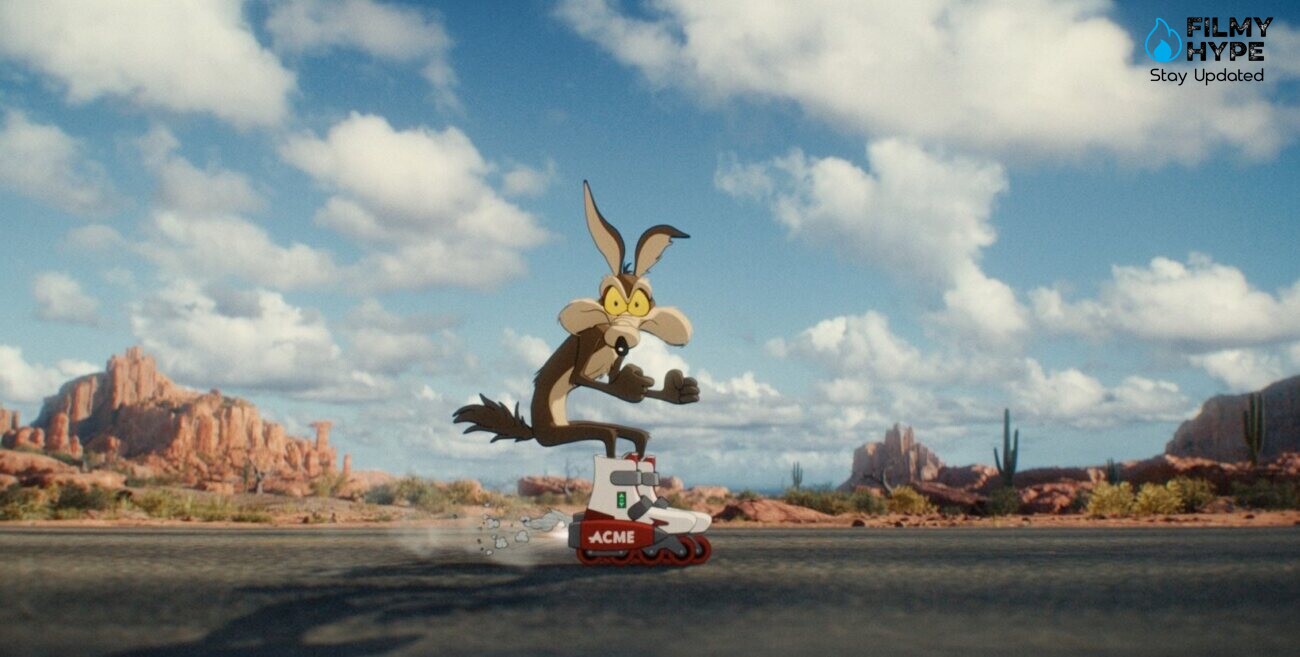
During the trial, Road Runner testifies on Coyote’s behalf and reveals that he’s always considered him a friend. From his perspective, those endless desert chases were never a war between hunter and hunted — they were a kind of shared game between the two of them.
It’s a simple idea, but it lands with real emotional weight. Road Runner never kept running because he was terrified or forced into it — he kept coming back because the desert was their shared space. Wile E. had always interpreted their dynamic as a hunt; Road Runner had experienced the same thing as friendship.
Coyote is visibly shaken by the revelation. And later, when the two end up chasing each other again after everything that’s happened, the scene reads completely differently than it would have before. It’s no longer a predator desperately trying to catch his prey — it’s two friends simply picking their game back up.
The Real Turning Point: The Little Guys Team Up
The actual turning point of the film comes after the courtroom defeat. The rest of the Looney Tunes characters, impressed by what Kevin’s uncovered, decide to bring him a class action lawsuit against ACME. That single shift is what turns Wile E.’s individual loss into a collective win.
Part of what doomed the original case was that Wile E. was essentially the only one bringing a complaint against the corporation. Once the other characters unite behind the same cause, everything changes. ACME is no longer dealing with one lone, easily dismissed individual — it’s facing an entire community.
Public pressure builds, and the government finally opens a real investigation into the corporation, eventually leading to the arrest of Foghorn Leghorn and Buddy, both central figures in overseeing the experiments. It’s an ending that stays fully consistent with the film’s larger point: the most vulnerable people are easy to ignore individually, but together, they’re capable of putting even the most powerful systems on trial.
A Meaning That Runs Even Deeper, Given the Film’s Own History
There’s a genuinely fitting layer of meta-commentary hiding in all of this, tied to the film’s own real-world production history. Coyote vs. Acme itself nearly got shelved entirely, pulled by Warner Bros. as part of a tax write-off decision before ever reaching theaters. It was ultimately fan pushback and the persistence of the people who made it that helped keep the film from disappearing for good, eventually leading to its acquisition by another studio and its theatrical release.
In that sense, the story behind Coyote vs. Acme ends up mirroring the story it actually tells. Wile E. Coyote represents the small, powerless individual standing in front of something enormously bigger than himself. He doesn’t get what he wants immediately, but he refuses to stop fighting — and that stubbornness is what eventually gets other people to recognize a problem nobody wanted to acknowledge before, creating the conditions for a real, collective response. The revelation about his friendship with Road Runner points in the same direction: the differences between the powerless matter far less than what they’re capable of building together.
That’s ultimately why the ending of Coyote vs. Acme isn’t really a story about Wile E. Coyote winning. It’s a story about his refusal to give up. He never gets the money he was originally after, he never catches Road Runner, and he doesn’t take down ACME single-handedly. But he still manages to change the rules of the game entirely.
For once, Wile E. Coyote isn’t the character destined to lose. He’s simply the one who kept running long enough to force everyone else to finally look at what was actually happening.
Does ACME End Up Defeated?
Yes, although not thanks to Wile E’s original judgment.
The class action lawsuit causes a radical change in the situation. The testimony of numerous figures makes it impossible to continue presenting the Coyote case as an isolated claim; public opinion begins to turn against ACME.
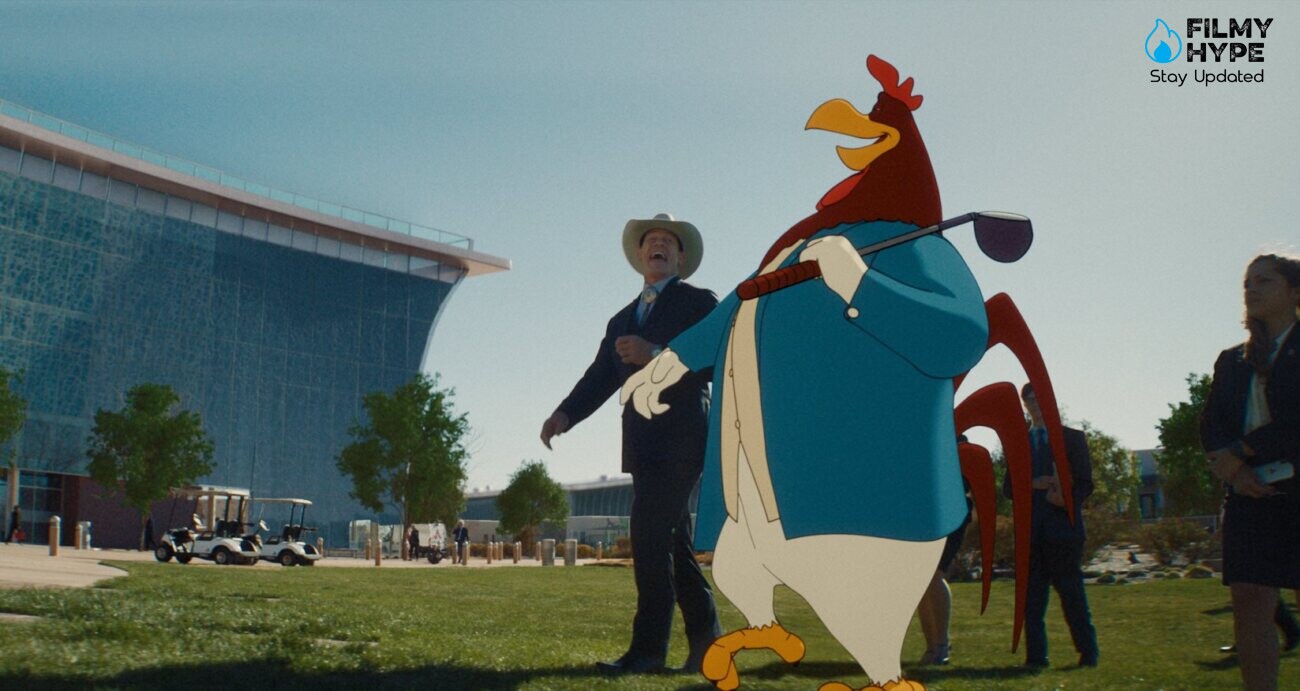
The authorities end up investigating the company, and Foghorn Leghorn and Buddy are eventually arrested.
That is why Coyote’s initial judicial defeat ends up being, in reality, the first step towards the fall of ACME.
Wile E. doesn’t get exactly what he was looking for, but it makes it possible for all victims to take on the company together.
What Happens to Coyote and Roadrunner in the End?
After everything that happened, it might seem that the revelation that Roadrunner considers Coyote his friend will definitely change their relationship.
But the movie maintains the classic spirit of the characters.
Wile E. chases Roadrunner again.
The difference is that now we know the relationship from another perspective. For Correcaminos, it was never a real war, but a kind of endless game between two characters who have been needing each other all their lives.
The Coyote doesn’t stop trying either.
He may have lost his mind and still not captured Roadrunner, but that has never been enough to stop him.
What Does the End of Coyote vs. Acme Mean?
The ending revolves around a very simple idea: losing a battle does not mean losing the war. Wile E. Coyote constantly fails, but never quits. That quality, which for decades was simply part of the cartoon joke, becomes a virtue here.
Their individual lawsuit fails, but serves to uncover ACME’s conspiracy. When other characters join him, what seemed impossible begins to change. The film thus transforms a story about a Coyote trying to get his money back into a satire on large corporations capable of sacrificing those they consider expendable while making profits. Coyote doesn’t win alone, but he gets everyone else to win with him. And the revelation about Roadrunner completes that idea. After a lifetime of chasing each other, they both discover that they were never really on opposite sides. The outcome keeps their eternal pursuit intact, but now we know that behind it there is something unexpectedly affectionate: the Coyote will continue trying to catch him, and Roadrunner will continue to escape because, deep down, neither of them wants the game to end.