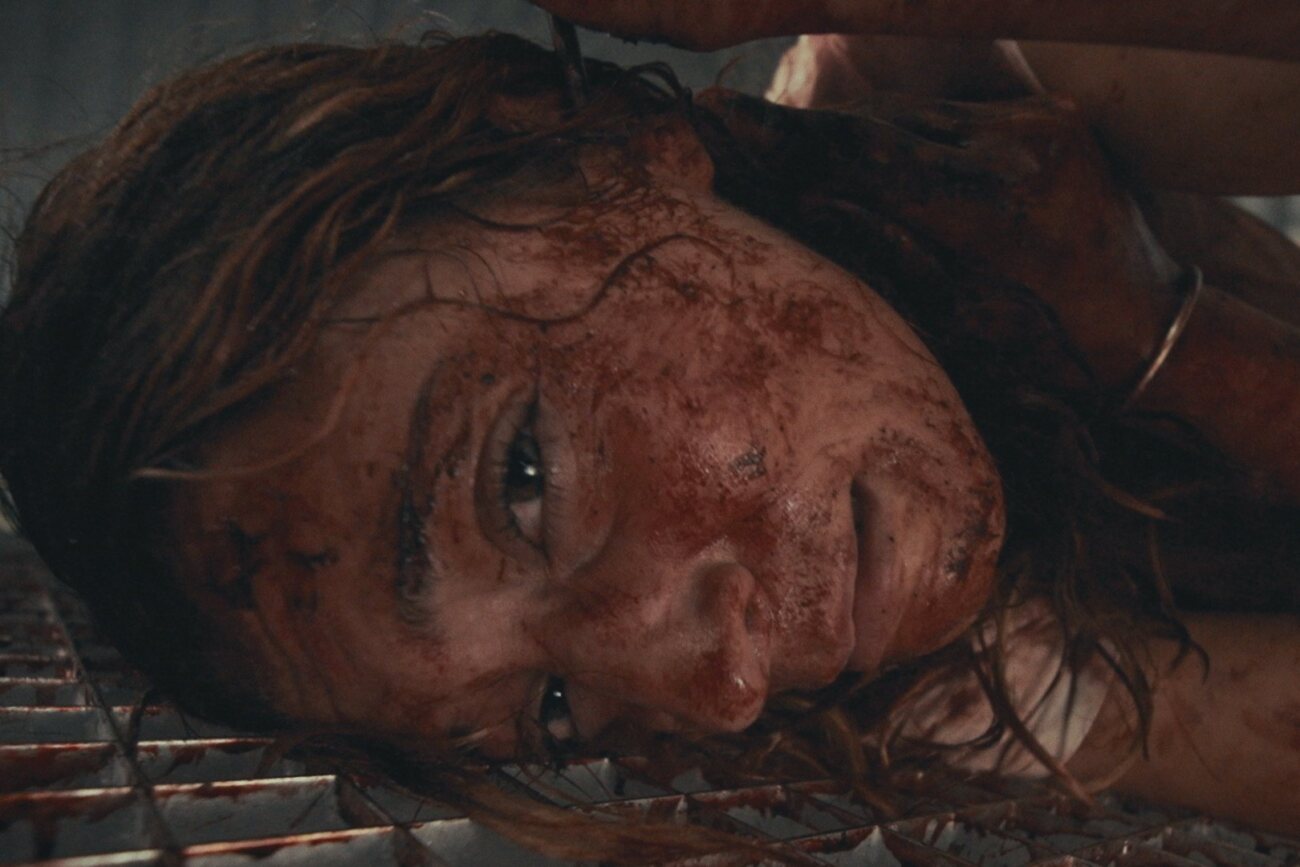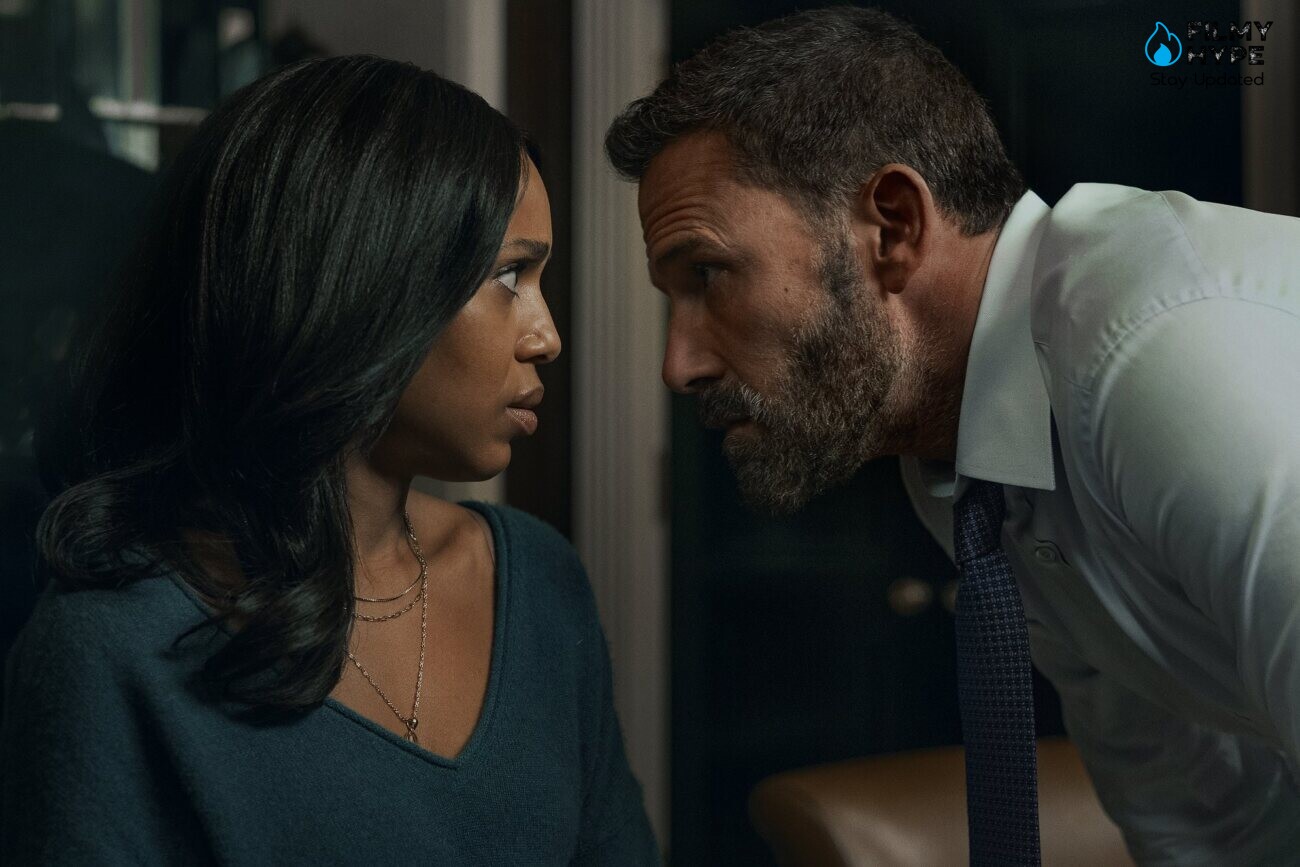
Carrie White’s story seemed to have an inevitable fate. In the novel published by Stephen King in 1974 and in the famous film adaptation directed by Brian De Palma in 1976, the girl with telekinetic powers ends up dying after unleashing a massacre during the school dance. The new Carrie series, created by Mike Flanagan for Prime Video, retains many of the elements that made this story famous but chooses to profoundly alter its conclusion, transforming a seemingly definitive tragedy into the beginning of a much larger story. Over the course of the eight episodes, the series follows Carrie (Summer H. Howell) as she tries to adjust to school life after growing up under the obsessive control of her mother Margaret (Samantha Sloyan).
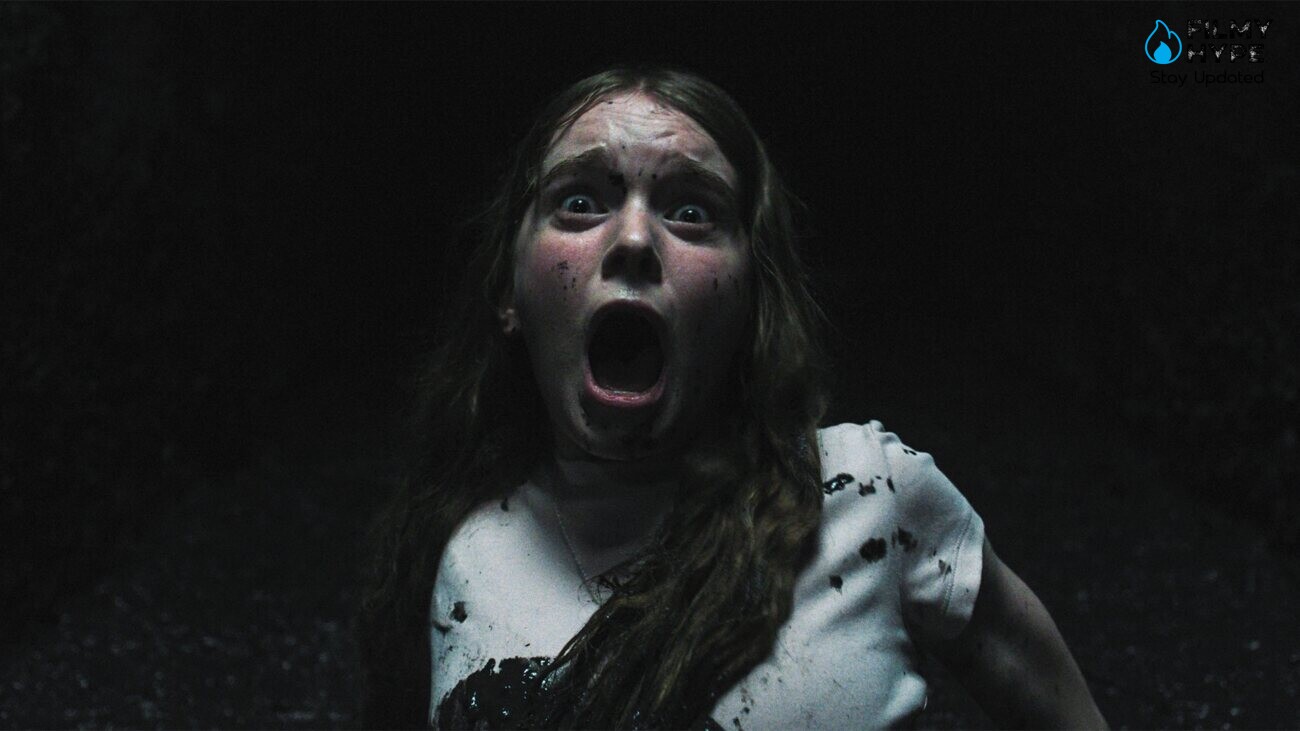
The psychological abuse she suffered at home, the bullying of her classmates, and the discovery of her powers gradually lead to the events of the dance, but Flanagan also introduces completely new characters and mysteries, starting with Emaline, the girl who seems to be the protagonist’s only true friend. The finale reveals the nature of this relationship, clarifies who some of the mysterious figures who observed Carrie throughout the season are, and introduces an organization of people with supernatural abilities. To understand the meaning of the conclusion, it is therefore necessary to reconstruct the events of the night of the ball and distinguish what the series explicitly reveals from the questions left open for a possible sequel.
Carrie Season 1 Ending Explained: What Happens During the Prom?
The school dance represents the moment when all the tensions accumulated during the season precipitate. After spending most of her life in isolation imposed by her mother, Carrie finally gets the chance to participate in a normal experience for a girl her age. Tommy Ross’s invitation and the possibility of being accepted by her classmates allow her to imagine, at least for a few hours, a life different from the one she knew. Chris Hargensen and Billy Nolan, however, have prepared a revenge destined to transform that evening into a public humiliation. When Carrie is crowned prom queen, a bucket of pig’s blood is spilled on her in front of the other students. The gesture triggers his reaction, but in Flanagan’s version, the massacre takes on different characteristics than in previous adaptations.
Carrie loses control of the situation as her telekinetic powers wreak increasing havoc. The chaos involves students, teachers, and school staff, causing numerous casualties. Among them is Tommy Ross, whose death makes the episode even more tragic because the boy had helped offer Carrie one of the few moments of happiness in her life. Principal Grayle also dies during the destruction, while the fate of teacher Desjardin appears less clearly defined.
The most important news, however, concerns Emaline, who intervenes during the massacre and proposes that Carrie take control. This element introduces an ambiguity absent from the more traditional depiction of the massacre: the devastation cannot be attributed automatically and entirely to Carrie‘s conscious will, because the series suggests the direct involvement of another person with psychic abilities. The distinction becomes crucial to understanding the protagonist’s journey, even if it does not mean that Carrie is completely unrelated to the violence of the night.
Why Does Carrie Kill Chris and Billy, and Who Survives the Massacre?
After managing to escape the dance, Chris and Billy try to get away from the devastation they helped wreak. During their escape, they meet Carrie on the road, and Billy tries to hit her with his car. Chris intervenes at the steering wheel, causing the vehicle to go off the road, but the accident prevents the two from escaping the girl.
Carrie catches up with them while they are still inside the car. Billy continues to taunt her, while Chris tries to gain her forgiveness, but the protagonist uses her own powers to kill both of them. Unlike during part of the school massacre, in this sequence Carrie acts directly against the two men responsible for the humiliation she suffered, making it clear that anger and the desire for revenge have now taken a central role in her decisions.
The series also confirms the survival of some characters, including Sue Snell and Tina. Sue, in particular, retains an important role because her testimony helps reconstruct events and suggests that other people involved in the manifestation of supernatural powers were present that night. The overall toll of the tragedy is devastating, however: the destruction extends beyond the gym and also involves Chamberlain, leaving the community deeply scarred.
Who Is Emaline Really and Why Only Carrie Can See Her?
Emaline, played by Thalia Dudek, is one of the main additions introduced by Flanagan compared to the original novel. For much of the season, the girl appears to be a fictional friend of Carrie‘s, since the other characters are unable to see her and her presence appears to be linked above all to the protagonist’s moments of greater isolation. The ending, however, makes it clear that Emaline is a real person, endowed with a supernatural ability that allows her to project her consciousness from a distance. The one Carrie met during the season was therefore not a figure created by her mind but an astral projection through which Emaline could communicate with her and accompany her in the discovery of her powers.
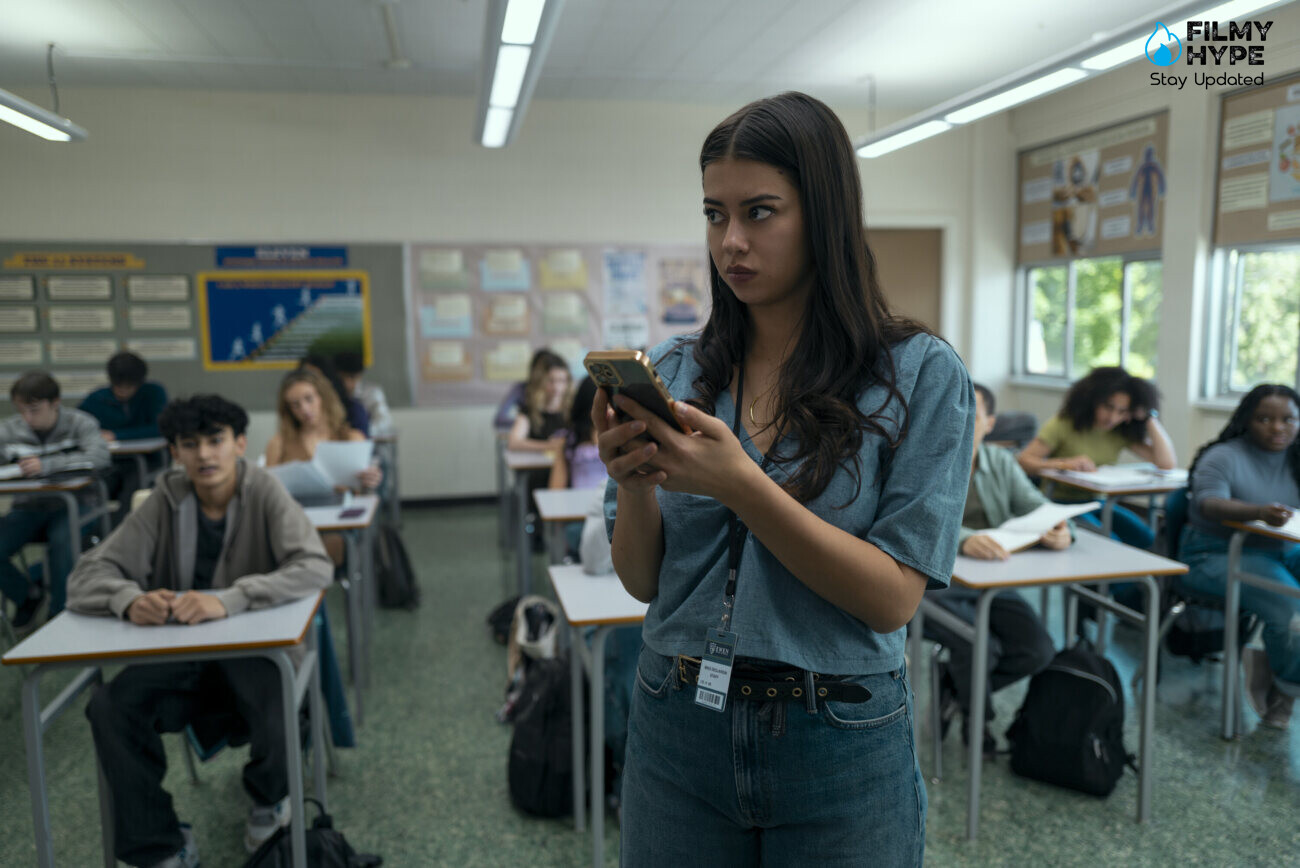
The revelation retroactively changes the meaning of several earlier scenes. Emaline is not simply a representation of Carrie‘s need for friendship but a girl who possesses similar abilities to hers and who seems to know much more than she initially told. His familiarity with the supernatural world also explains why he is able to guide Carrie in using telekinesis. Emaline’s involvement during the dance, however, leaves an important question open. The girl suggests intervening when Carrie is overwhelmed by the situation and appears to be directly contributing to the devastation, but the series doesn’t fully clarify how much she acted to protect her and how much was driven by other motivations. Her behavior can be interpreted as an attempt to save a friend in danger, but the information provided at the end does not yet allow her intentions to be considered completely transparent.
Why Margaret White Tries to Kill Carrie and How She Dies?
After killing Chris and Billy, Carrie walks through a Chamberlain ravaged by fire and destruction. Emaline continues to accompany her, but when the protagonist returns fully aware of what has happened, she decides to reach her mother’s house. Despite the abuse she suffered, Carrie still seeks refuge in the only family figure she has ever known, showing how difficult it is for her to escape the bond of dependence Margaret has built over the years.
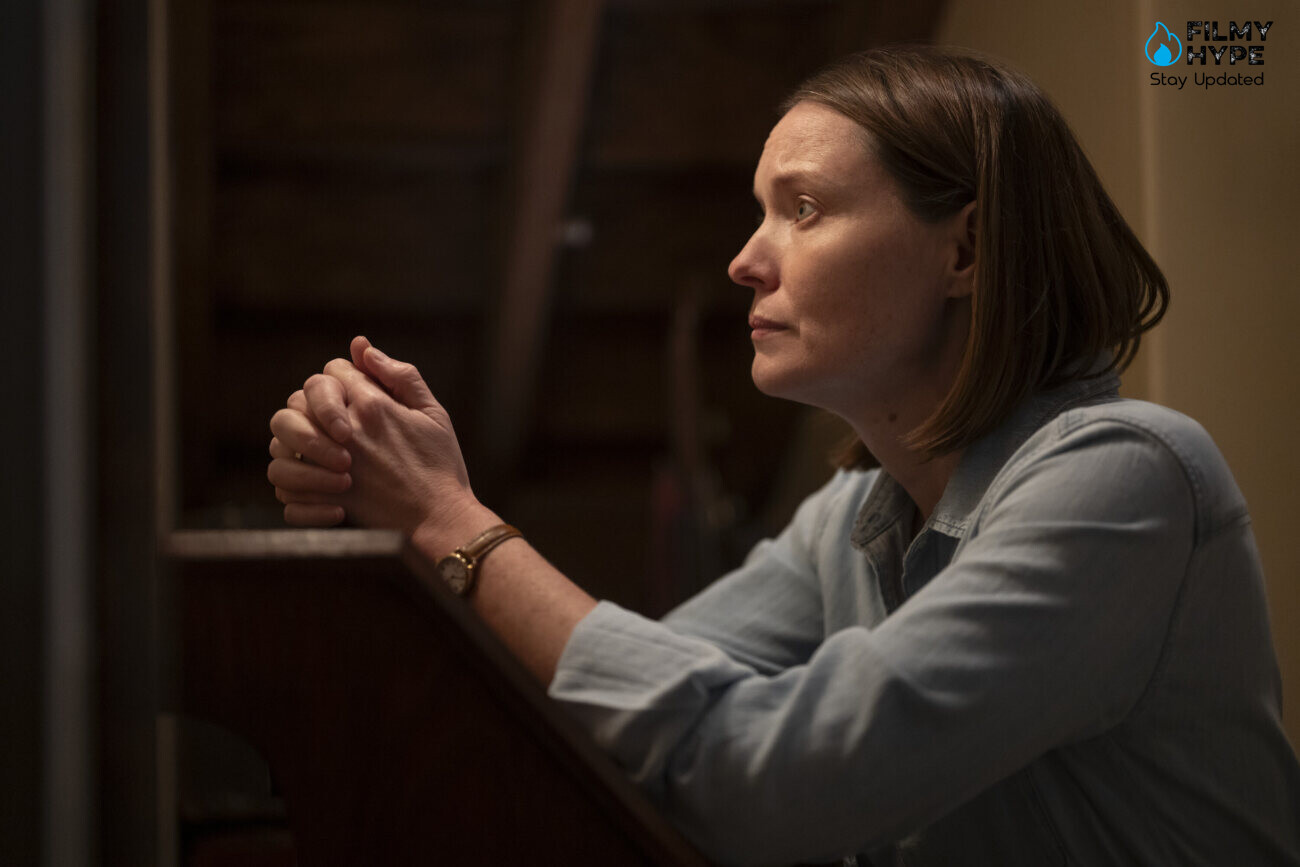
The mother’s reception initially seems different from what one might expect. Margaret hugs Carrie, helps wash her of her blood, and listens to the story of what happened during the dance. When the daughter admits that many people have died, however, fear and religious fanaticism prevail again. Margaret again interprets the girl’s powers as something demonic and attempts to kill her while she prays, using a large knitting needle.
Carrie manages to defend herself and injures her mother before causing the house around them both to collapse. The sequence follows the epilogue of previous versions of the story but introduces a key revelation: Margaret survives the rubble because she herself possesses telekinetic abilities. The woman is able to support part of the structure of the house without touching it, demonstrating that Carrie‘s powers are not an isolated anomaly within the family.
Margaret’s real death occurs later, during a conversation with the mysterious woman played by Kate Siegel. After asking her a few questions about Carrie and Emaline, the interviewer uses her powers to progressively slow Margaret’s heartbeat until it kills her. The other women who collaborate with her are then tasked with arranging the body so that death can be attributed to heart failure.
The change from the novel is particularly significant because in King’s story it is Carrie who causes her mother’s death by stopping her heart with her own powers. Flanagan thus retains one of the most recognizable elements of the original epilogue but attributes it to another character, linking Margaret’s death to the new supernatural organization introduced by the series.
Did Margaret White Have the Same Powers As Carrie?
The revelation of Margaret’s powers profoundly changes the meaning of the relationship between mother and daughter. During the interview following the house collapse, Margaret recounts having demonstrated telekinetic abilities as early as childhood, confirming that her experience with the supernatural predates Carrie‘s by many years. The woman’s behavior thus takes on an additional dimension. Throughout the season, Margaret has tried to suppress her daughter’s powers through religion, fear, and punishment, but the ending reveals that she too possesses what she considers a manifestation of evil.
Her religious obsession can therefore also be read as an attempt to deny a part of herself, as well as a tool through which to exercise control over Carrie. The theme of the inheritance of powers was already present in Stephen King’s novel, which suggests genetic origins for telekinesis and refers to previous manifestations of the same abilities in Carrie‘s family. The series makes this connection much more explicit through Margaret, introducing a contradiction that helps explain the character’s fanaticism without justifying her violence.
Who Are the Mysterious Women, and Why Do They Interview Survivors?
One of the most important narrative elements of the finale concerns the true identities of the people who, from the first episode, collect the testimonies of the survivors of the massacre. The structure of the series initially suggests that the interviews are part of a documentary or investigation intended to reconstruct Chamberlain’s events. In the last episode, however, it emerges that behind those conversations lies a group of individuals with psychic abilities. The woman played by Kate Siegel, supported by Caitlin and other collaborators, is especially interested in people who possess powers similar to Carrie‘s. Interviews then become a tool for gathering information, identifying other individuals with supernatural abilities, and checking what witnesses remember about the massacre.
During the interview with Sue Snell, for example, the interviewer uses her powers to influence her memories. Sue had noticed the presence of some mysterious figures during the dance and realized that Carrie wasn’t the only person involved in the supernatural events, but the woman tries to convince her to doubt what she saw. The organization therefore does not limit itself to observing people with powers, but actively intervenes to prevent their existence from being discovered.
Mysterious women were also present during the massacre. When Amanda, played by Katee Sackhoff, tries to kill Carrie, some of them intervene to stop her. Amanda belongs to a different reality, hostile to people with supernatural abilities, and had previously tried to convince Margaret to eliminate her daughter. The series therefore suggests the existence of opposing groups, some intent on protecting or controlling these people and others convinced that they must be eliminated. However, it is not clear what the ultimate goal of the organization led by the woman played by Siegel is. The fact that her collaborators helped save Carrie does not automatically allow them to be considered allies of the protagonist, especially after Margaret’s assassination and the manipulation of Sue’s memories.
Why Emaline Takes Carrie Away and Where They’re Headed?
The finale shows Carrie surviving the house collapse thanks to the intervention of Emaline, who this time physically appears in front of her. The girl no longer simply communicates through astral projection, but reaches Carrie and helps her get away from Chamberlain. When the protagonist wakes up in the car, Emaline explains that she is taking her to a safe place, where she can meet other people like them. Carrie thus finds herself for the first time faced with the concrete possibility of living away from her mother and the community that persecuted her. The exact destination, however, is not revealed, and the series does not show the group to which Emaline appears to belong.
The ending also leaves open the nature of the relationship between Emaline and the other women with powers. During the interview with Margaret, the mysterious organization shows that it knows Emaline West and identifies her as a person capable of astral projection, but seems to consider her dangerous. This suggests that the girl is not part of the same group and that there may be conflicting interests around Carrie. The protagonist, who has spent much of her life looking for someone willing to accept her, may then find herself back in a situation where other people want to decide for her. However, there is not enough evidence to establish whether Emaline really wants to protect her or whether she intends to use her powers for other purposes. The series concludes their escape without resolving this ambiguity.
The Connection to The Shining and The Dark Tower by Stephen King?
The introduction of other people with supernatural abilities allows Flanagan to connect Carrie to the broader mythology of Stephen King’s novels. One of the most obvious clues is the use of the English term “shine”, associated with psychic powers and already central to The Shining and Doctor Sleep. In King’s narrative world, shimmer encompasses various forms of supernatural perception and influence, from telepathy to the ability to see distant events or communicate through the mind. Carrie and Emaline’s abilities are not identical to Danny Torrance’s, but the terminology used by the series suggests that they may belong to a broader category of psychic phenomena.
The connection also takes particular interest in light of the statements of Mike Flanagan, who has been working on an adaptation of The Dark Tower for some time. Interviewed by TV Insider, the director explained that he found the connections between King’s different stories particularly fascinating and stated that he also imagined Carrie as part of one of the levels of the Tower universe. This does not mean that the series confirmed a crossover with The Dark Tower, The Institute or The Arsonist. At the moment, the most recognizable explicit reference concerns shimmer, while the other possible connections remain as yet unannounced interpretations or future developments. Flanagan’s words, however, indicate a desire to place Carrie‘s story in a more extended supernatural context than that of previous adaptations.
The Differences Between the Series Finale, the Novel, and the 1976 Film?
The decision to let Carrie survive is the most obvious change introduced by the series, but it is not the only one. In Stephen King’s novel, after causing the massacre at the ball and the destruction of much of Chamberlain, Carrie returns home and confronts Margaret. Her mother seriously wounds her with a knife, while the girl reacts by using her powers to stop her heart. Carrie later manages to walk away, but dies from injuries sustained after a final encounter with Sue Snell. The film directed by Brian De Palma in 1976 changes some details of this conclusion, while maintaining its tragic character. Carrie kills Margaret by throwing several sharp objects at her, before causing the house to collapse, in which she also loses her life. The cinematic epilogue also adds Sue’s famous nightmare, as she imagines a hand emerging from Carrie‘s grave.
Flanagan’s version retains the massacre, the deaths of Chris and Billy, and the mother-daughter clash, but changes the responsibilities and consequences of events. Emaline’s intervention introduces another supernatural presence during the massacre; Margaret initially survives the collapse thanks to her powers and is subsequently murdered by a mysterious organization, while Carrie manages to escape the city. The series thus transforms a story that, in the most famous versions, ended with the death of the protagonist into a tale that leaves open the possibility of following her life after the tragedy. It’s not the first adaptation ever to keep Carrie alive, as the 2002 TV movie also chose a different epilogue, but Flanagan develops this decision by introducing an entire supernatural world that could become the center of new stories.
Why Mike Flanagan Decided to Keep Carrie Alive?
The choice to change the protagonist’s fate does not arise exclusively from the desire to prepare a second season. In an interview with Inverse, Flanagan explained that Carrie‘s survival had been decided early in development and that the conclusion had to work even if the eight episodes remained the only story dedicated to this version of the character. The director has stated that he wants to offer Summer H’s Carrie. Howell the possibility of entering a larger world, rather than ending its existence with Chamberlain’s destruction. The change also reflects the increased space the series devotes to the protagonist, her need to build relationships, and the gradual discovery of her autonomy.
This doesn’t make the ending completely reassuring. Carrie survived, but she witnessed the deaths of numerous people and directly committed acts of violence that will inevitably continue to be part of her story. Furthermore, his new freedom depends at least initially on Emaline, a figure whose intentions he does not yet fully know. Flanagan discussed the possibility of developing a three-season story arc, but also made it clear that the future of the series has not yet been defined. The conclusion was therefore constructed to leave room for further development without necessarily requiring follow-up to acquire meaning.
The Meaning of Carrie’s Ending and What Might Happen in Season Two?
The most important difference between Flanagan’s ending and Stephen King’s is how the protagonist’s fate is dealt with. In the novel, Carrie is a girl who suffers violence and humiliation until her pain becomes a destructive force, ending up being annihilated by the same tragedy she caused. His death concludes a story in which community cruelty and maternal fanaticism have contributed to making any prospect of emancipation impossible. The series maintains this tragic dimension, but decides not to definitively identify Carrie with the massacre. The girl discovered her own powers, used them for revenge, and contributed to irreparable devastation, but her life does not end along with that of the people who persecuted her. Surviving means she still has the opportunity to understand what happened and decide how to use her abilities.
At the same time, the ending introduces a new form of vulnerability. After growing up under Margaret’s control, Carrie relies on Emaline and heads to an unknown community, while other people with powers seem interested in tracking her down. The ability to free herself from her mother’s influence therefore does not guarantee that the protagonist has already gained real independence, especially in a world where her abilities can make her valuable or dangerous in the eyes of rival organizations.
A possible second season could delve deeper into these very aspects, clarifying the identity of Emaline’s group, the goals of the women who questioned the survivors, and why Carrie represents such an important figure. For now, however, these remain narrative possibilities and not confirmed anticipations. The conclusion chosen by Flanagan therefore changes Carrie‘s overall meaning without erasing its most painful component. The protagonist does not get a traditional happy ending, because Chamberlain’s destruction and the deaths of those involved remain irreversible consequences. However, she gets something that the 1976 novel and film had denied her: the possibility of existing outside the tragedy that bears her name and of discovering whether, far from her mother and her persecutors, she is truly capable of building a different life for herself.