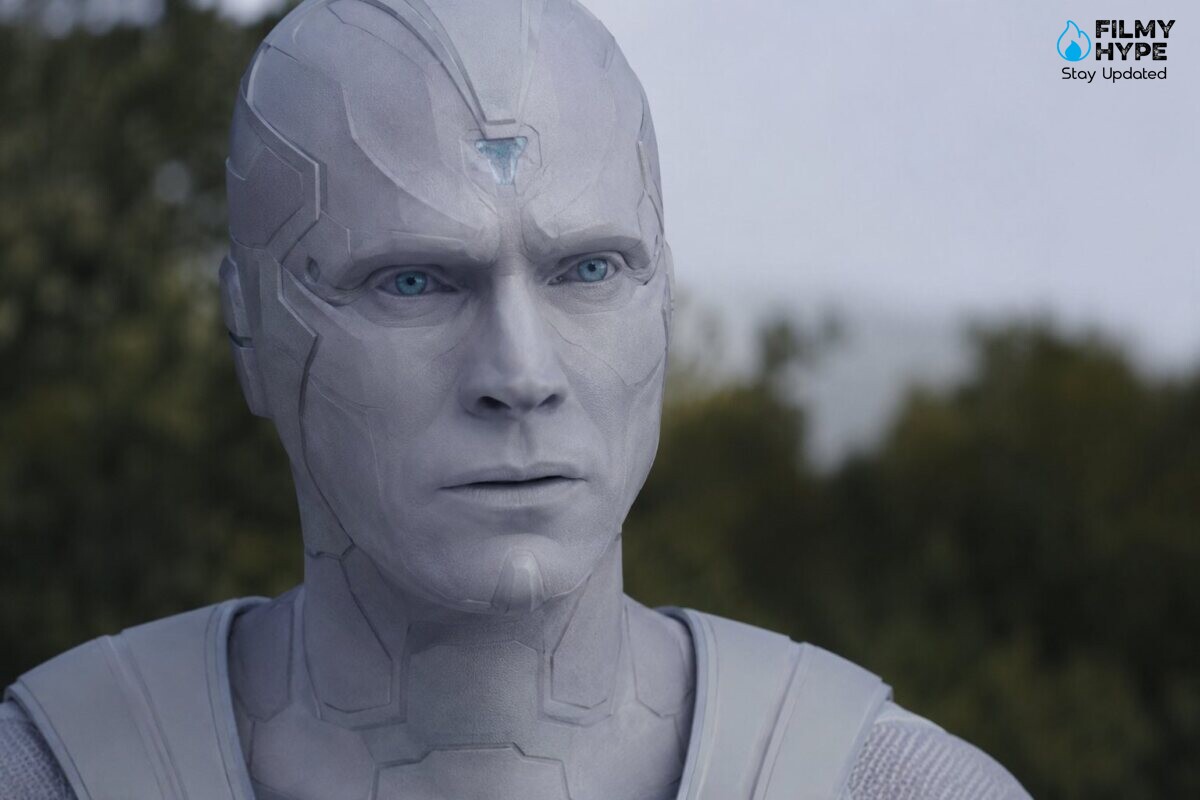
VisionQuest Release Date: The news out of San Diego Comic-Con should have been straightforward. Marvel Studios took the stage, confirmed a release date for VisionQuest, and gave fans something concrete to look forward to. Paul Bettany is returning as the synthezoid trying to piece together an identity after everything that’s happened to him. The series will explore Tommy Maximoff, Speed, completing the twin narrative that began with Billy’s introduction in Agatha All Along.
That should have been the headline. A release date. A returning star. A story that ties up threads from one of the most acclaimed things Marvel has ever made. Instead, the conversation has been completely swallowed by something Kevin Feige said during the panel. Two words, casually dropped into a larger discussion about the interconnected narrative that began with WandaVision. “Wanda Trilogy.” The phrase has done something rare in the current Marvel landscape. It’s united fans in a single, focused reaction. And that reaction is not happy.
VisionQuest Finally Has a Release Date: What Feige Actually Said
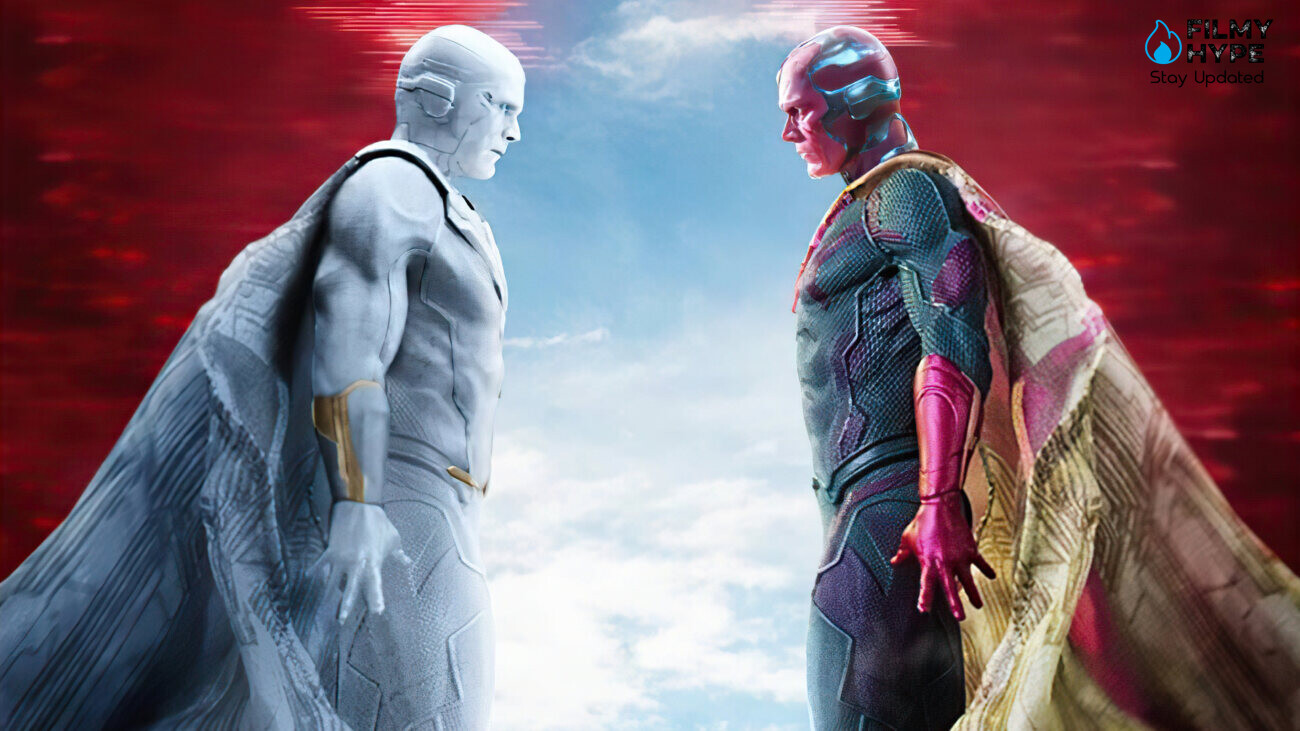
Let’s establish the context. Marvel has been building an interconnected narrative arc across three Disney+ series. It started with WandaVision in 2021, the show that changed how people talked about Marvel’s television ambitions. It continued with Agatha All Along, which brought Billy Maximoff, Wiccan, into the fold. And it will conclude with VisionQuest, which Paul Bettany has described as a deeply personal exploration of who Vision is now, after being rebuilt, after losing Wanda, after everything.
During the SDCC panel, Feige referred to this three-show sequence as the “Wanda Trilogy.” The term was clearly meant to signal coherence, a narrative throughline connecting these projects into something greater than the sum of their parts. A family story. About loss. About the impossible process of moving on from someone who defined your entire existence.
The problem is that Wanda Maximoff has appeared in exactly one of these three shows. She was the co-lead of WandaVision. She was absent from Agatha All Along, referenced only as the person whose death sent ripples through everyone she left behind. And by all available accounts, she is not expected to appear in VisionQuest. Elizabeth Olsen has not been announced as part of the cast. No set photos have emerged. No credible leaks have suggested a surprise cameo. The “Wanda Trilogy,” as currently constituted, features Wanda in a single installment.
Why Fans Are Calling This a Farewell
The immediate read on social media, particularly on X and in Marvel fan communities, is that Feige’s phrasing signals a conclusion. If VisionQuest is the third part of a Wanda trilogy, and Wanda isn’t in it, then the implication is that her story is already over. Doctor Strange in the Multiverse of Madness ended with her apparent death, a collapse of the Darkhold-corrupted temple on Mount Wundagore, and a flash of red light that could mean anything or nothing. The ambiguity was clearly intentional. Marvel has walked back apparent deaths before, and Wanda is far too popular, far too central to too many potential stories, to write off without a definitive statement.
But Feige calling this a trilogy and placing the final chapter in a show she doesn’t appear in feels, to many fans, like that definitive statement. It feels like Marvel is closing the book. Not with a funeral scene or a heroic sacrifice that leaves no room for doubt, but with a narrative structure that simply moves past her. Her sons will carry on. Her husband, or the closest thing to a husband a synthezoid can be, will find his own path forward. Wanda will be the ghost that haunts the story, not the character who gets to live it.
The reaction has been visceral. The phrase “Wanda Trilogy” started trending within hours of the panel. Fans pointed out the obvious inconsistency. A trilogy about a character who’s only present for the first installment isn’t a trilogy about that character. It’s a story about the aftermath of her absence. That’s a valid story to tell. Grief narratives matter. But naming it after her while excluding her feels like a deliberate erasure.
The Demand for a Solo Film
The “Wanda Trilogy” controversy has reignited something that’s been simmering in the Marvel fandom for years. The demand for a solo Scarlet Witch film.
Wanda Maximoff is one of the most popular characters in the entire MCU. WandaVision was a cultural phenomenon, not just a ratings success. The Halloween costume. The memes. The song that charted on Billboard. The show won Emmys. It launched a thousand think pieces about grief and television and the stories we tell ourselves to survive. Elizabeth Olsen’s performance was universally acclaimed, moving from sitcom pastiche to genuine emotional devastation without ever losing the thread of who Wanda was underneath the fantasy. She made the character feel real, even when reality itself was bending around her.
Doctor Strange in the Multiverse of Madness complicated the narrative. The film turned Wanda into a villain, driven by grief and corrupted by the Darkhold, willing to tear apart the multiverse to find a version of her children who still existed. It was a controversial choice. Some fans felt it was a natural, tragic extension of where WandaVision left her. Others felt it undid the nuanced work of the series, flattening a complex woman into a monster for a movie that wasn’t even hers. Either way, the film ended with her apparent death, and there has been no official word on her return since.
The demand for a solo film isn’t just about wanting more Wanda. It’s about wanting a version of her story that she gets to own. WandaVision was about her, but it was also about Vision, about the town, about Agatha, about SWORD. Multiverse of Madness was Doctor Strange’s movie, and she was the antagonist. A solo Scarlet Witch film would, for the first time, put her at the center of her own narrative without sharing the spotlight. It would give her a redemption arc that she controls, rather than one that happens to her. It would let Elizabeth Olsen do what she does best without being confined to someone else’s story structure.
Marvel has not announced such a film. There are no credible rumors of one in development. The lack of movement on this front, combined with Feige’s “Wanda Trilogy” comment, is what’s fueling the pessimism.
What the Trilogy Actually Means
There’s a less catastrophic reading of Feige’s words that’s worth considering. “Wanda’s Trilogy” might not refer to three stories about Wanda. It might refer to three stories that exist because of Wanda. The narrative arc that begins with her creation of the Hex and ends with whatever happens in VisionQuest is a story about the consequences of her choices. Billy exists because of her. Tommy exists because of her. Vision’s current identity crisis, his attempt to understand who he is after being dismantled and rebuilt and forced to confront a version of himself that had no memory of her, exists because of her. Even Agatha’s journey, from antagonist to reluctant mentor to whatever she’s becoming, was set in motion by Wanda’s actions in Westview.
That’s a trilogy of consequence. The protagonist of the first chapter becomes the absent center of the two that follow. Her presence is felt everywhere, even if she never appears. That’s a legitimate narrative structure, and it respects the character’s impact without requiring her to be physically present. It also leaves the door open. If Wanda’s death on Mount Wundagore was real, then these stories are about the people she left behind learning to live without her. If her death was ambiguous, as the red flash of light suggested, then these stories are building toward something. A reunion. A reckoning. A moment when the threads tie back together.
Feige didn’t say Wanda was gone forever. He called this a trilogy. Trilogies have endings, but the Marvel universe has never been limited by what happens in a single story arc. Characters who appeared to die in one film have returned in another. Contracts get renegotiated. Stories evolve. The fact that VisionQuest is the end of this particular narrative doesn’t mean it’s the end of Wanda Maximoff’s presence in the MCU. It means this chapter is closing. What comes next is unwritten.
The Fan Response Isn’t Going Away
None of this nuance has calmed the initial reaction, and that reaction matters. Marvel has been navigating a difficult period. Some projects have underperformed. Some have been received with indifference. Fan enthusiasm isn’t an infinite resource, and the intense loyalty Wanda Maximoff commands is something any studio would be wise to protect rather than dismiss.
The demand for a Scarlet Witch solo film isn’t going to disappear just because VisionQuest is premiering. If anything, the confirmation that this television arc is concluding will intensify the calls for what comes next. Fans don’t want Wanda’s story to end with her as a villain, crushed by a mountain, remembered only in the grief of the people she loved. They want her to come back. They want her to heal. They want Elizabeth Olsen to get the showcase she deserves.
VisionQuest: The Release Date of the Series?
Until October 14, 2026, that’s where things stand. VisionQuest will arrive. Tommy will be introduced. Vision will continue its journey. Billy will presumably factor into whatever’s happening with the Young Avengers setup Marvel has been slowly assembling. And Wanda will hover over all of it, a question mark dressed in red, waiting for someone to decide that her story isn’t finished yet. Whether Marvel makes that decision remains to be seen. The fans have made theirs abundantly clear.