Percy Jackson and the Olympians Season 3 Review: A Dark and Mature Chapter That Raises the Stakes!
Percy Jackson and the Olympians Season 3 Review and Ratings
Cast: Walker Scobell, Leah Jeffries, Aryan Simhadri, Tamara Smart, Andra Day
Directed by: James Bobin
Streaming Platform: Disney+
Filmyhype.com Ratings: 4/5 (four stars)
Lucca, late October. The panel dedicated to Percy Jackson and the Olympians Season 3 was a great surprise, not only for the availability and sympathy that the cast showed on stage, but also, above all, for the audience: the room literally exploded every time one of the cast members appeared on screen during the previewed clips, or when they were given the floor to answer questions. It was a surprise, but it underscores one point: the Disney+ adaptation is doing a great job, with a growth path that leads us to a third season on the platform from November 20th for eight episodes and four weeks, in which the series definitively becomes great. The result is a story that acquires larger dimensions and decidedly darker hues, accompanying his young protagonists towards a maturity that involves as much their choices as the challenges they face.
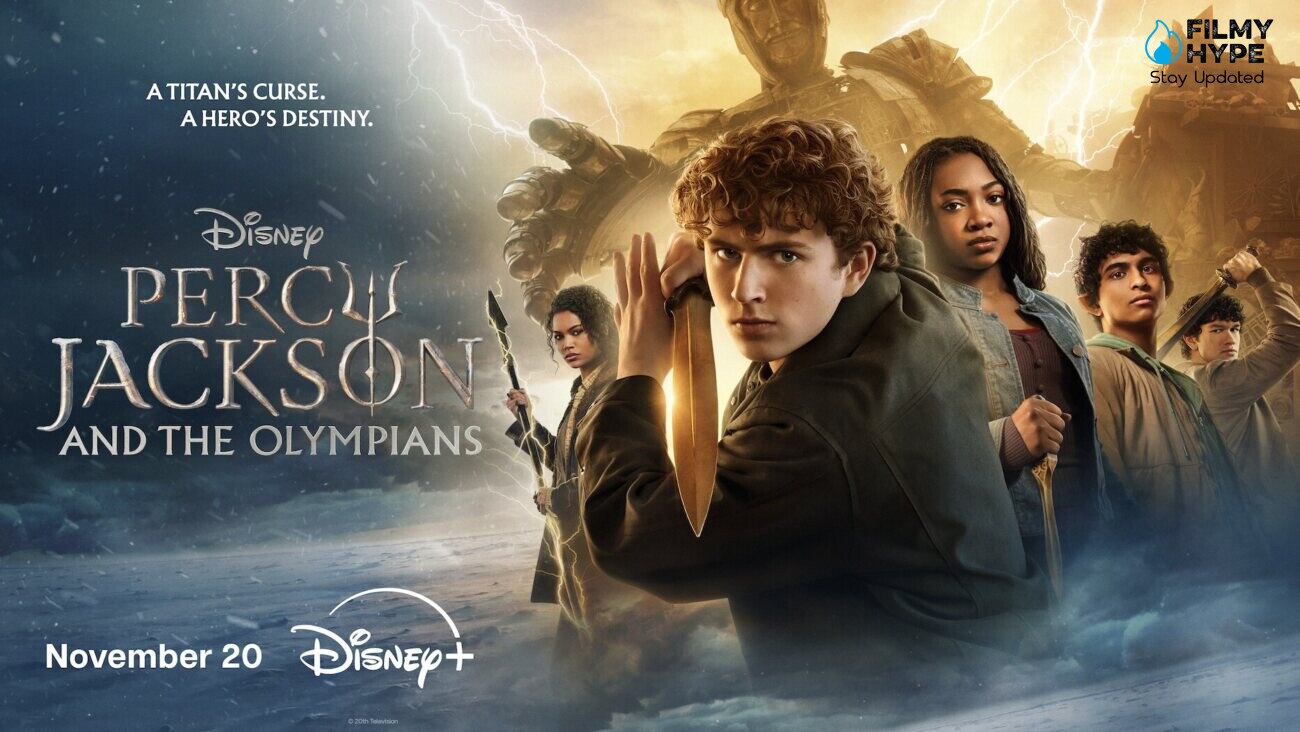
And the moment is important for readers of Rick Riordan’s saga, because the adaptation of Percy Jackson‘s third book, The Curse of the Titan, was long overdue, having remained unreleased for the screen until now, after the old films stopped working on the second novel. The right story for the leap in maturity we mentioned, embracing dark and melancholic tones, while the stakes for Olympus have never been higher. Is there really a need for yet another remake? This is the question that the constant reboots and sequels of beloved works are increasingly pushing us to ask ourselves. However, unlike other well-known franchises where the re-release seems forced, in this case the TV series still seems to be a winning idea, if only because the films had stopped at the events of the second book and, in fact, this is a world premiere for The Curse of the Titan.
Percy Jackson and the Olympians Season 3 Review: The Story Plot
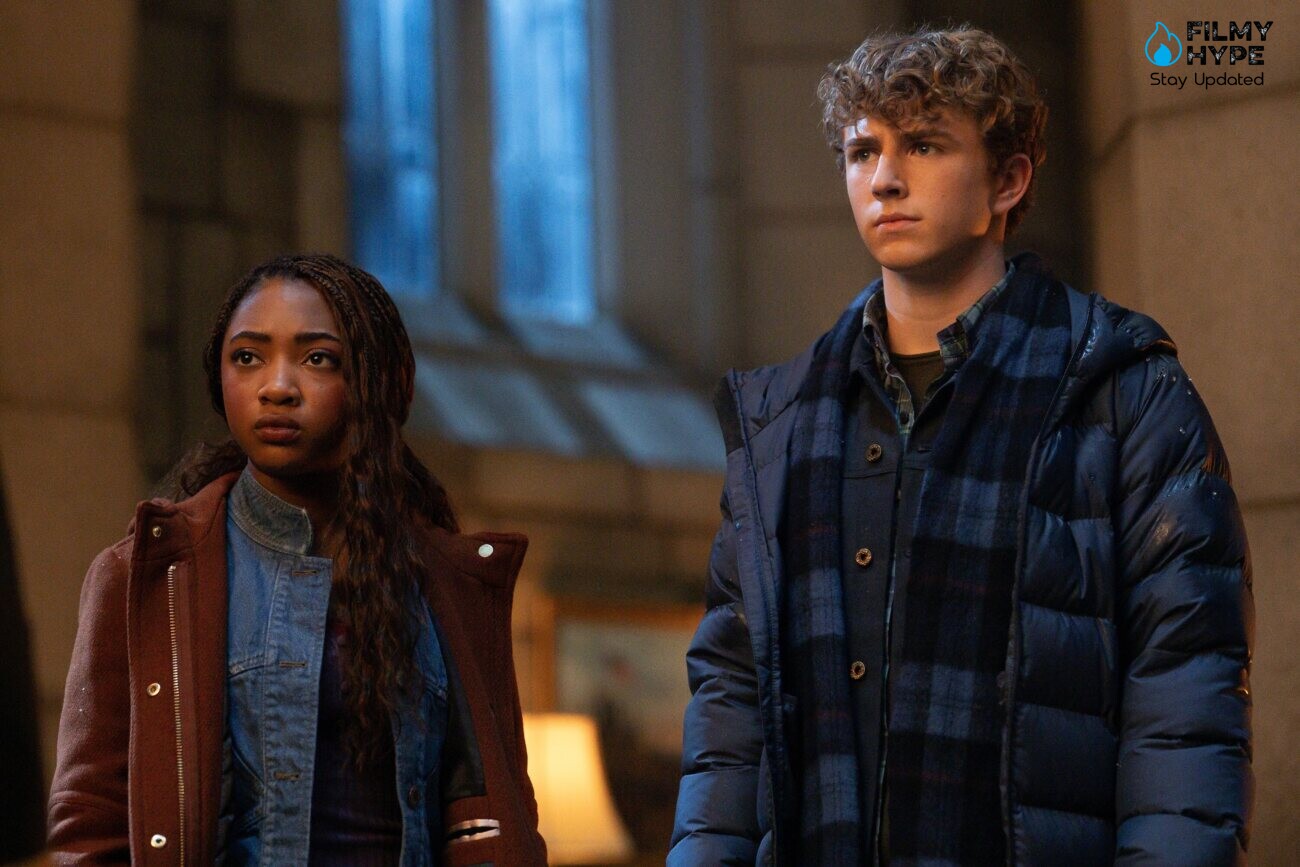
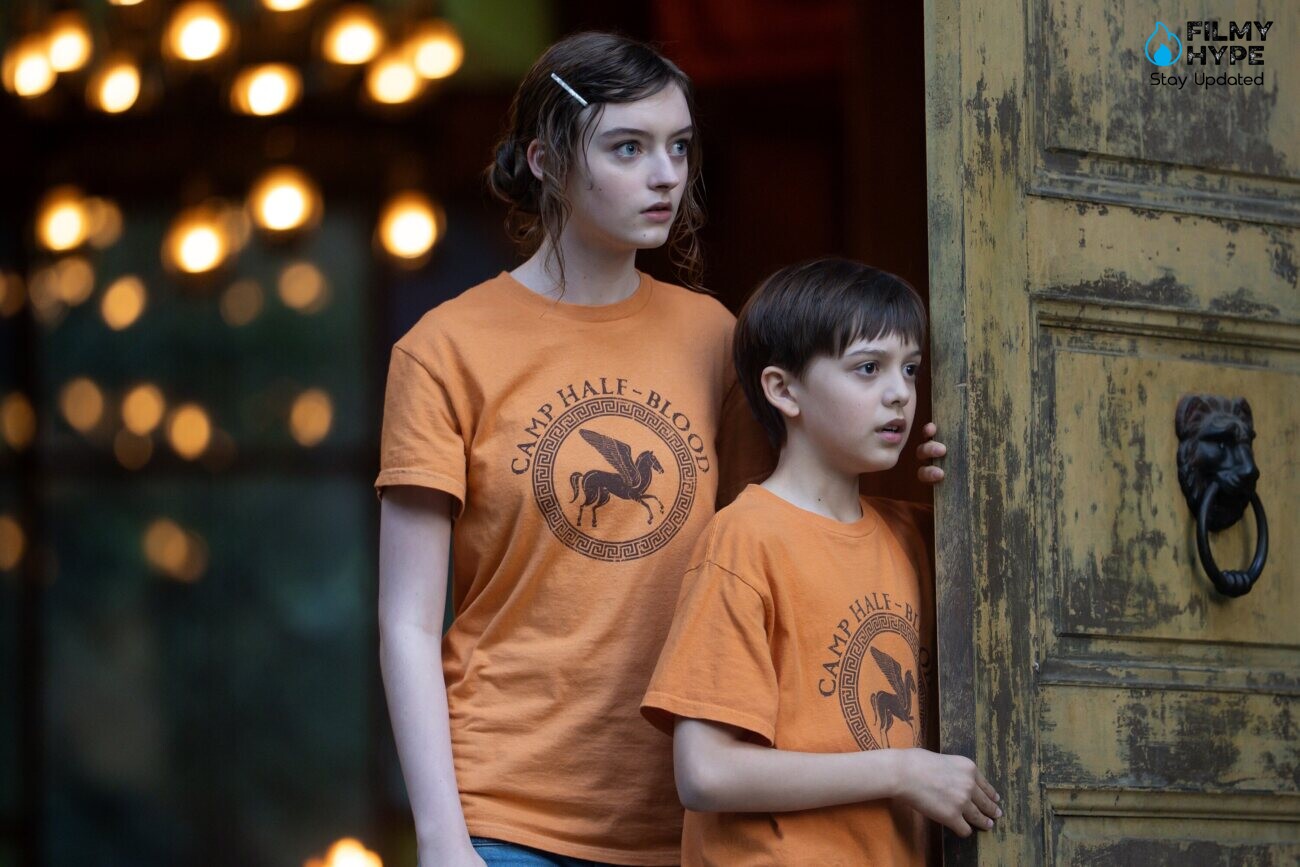
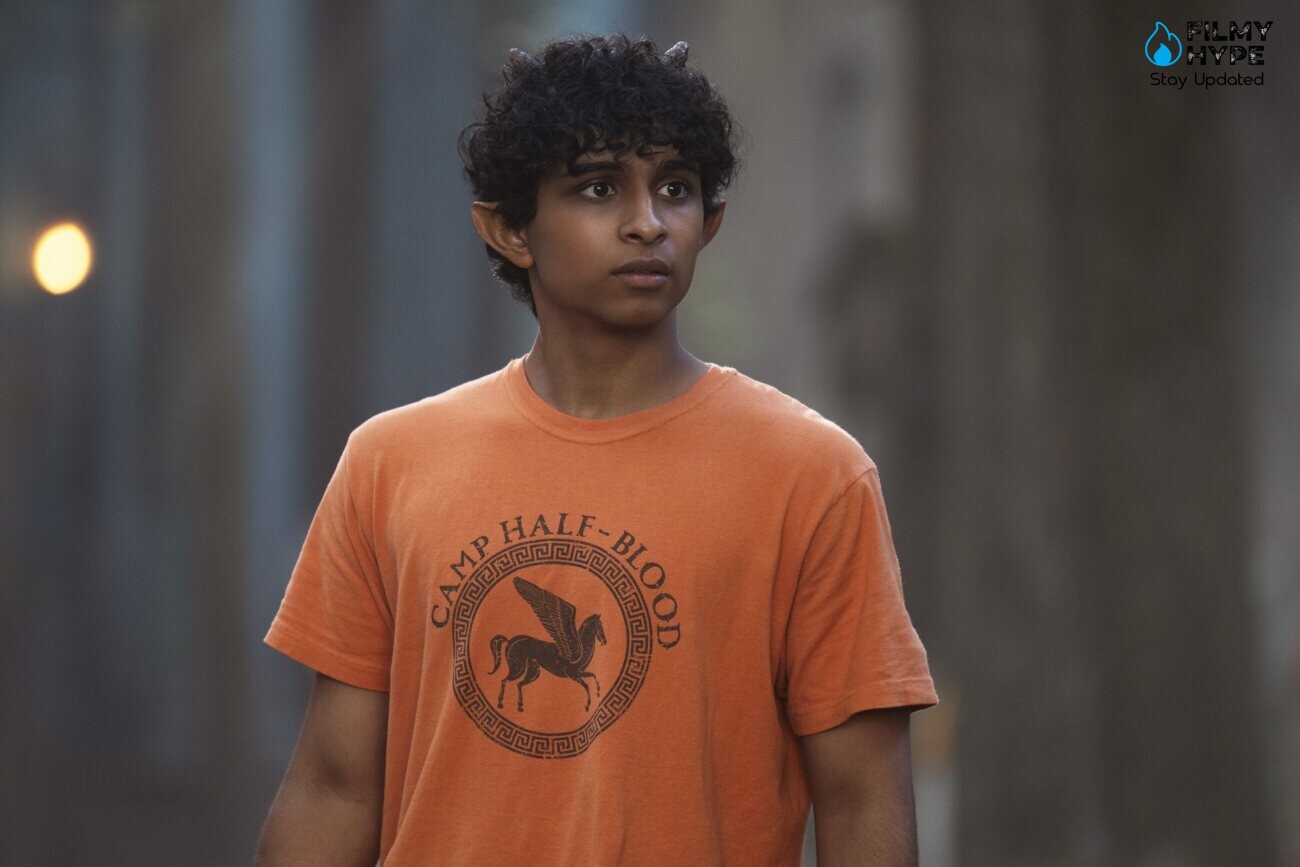
The storyline picks up six months after the season two finale, which ended with Thalia’s return. As the long-distance challenge against Luke and Cronus continues, Percy (Walker Scobell) and inseparable friends Grover (Aryan Simhadri) and Annabeth (Leah Sava Jeffries) involve Zeus’ daughter, still reluctant to trust the deities, on a rescue mission. The attempt to rescue two half-blood brothers, however, does not go as hoped and gives rise to yet another mission for Poseidon’s son.
It goes without saying that Percy Jackson‘s strength continues to be the enormous material made available by Greek mythology, which is impossible not to be fascinated by, which is skillfully exploited by Riordan and then brought back to the screen by the series, which maintains a certain fidelity to the book. In this new season, deities like Poseidon (Percy’s father), Athena (Annabeth’s mother), Zeus, Ares, and Hermes, seen in previous seasons, are joined by Olympus’s two most famous brothers: Artemis and Apollo, a duo that already portends the arrival of something big. The TV series offers, as always, a modern and youthful version of the two deities, who will play a primary role in the continuation of the story.
Percy Jackson and the Olympians Season 3 Review and Analysis
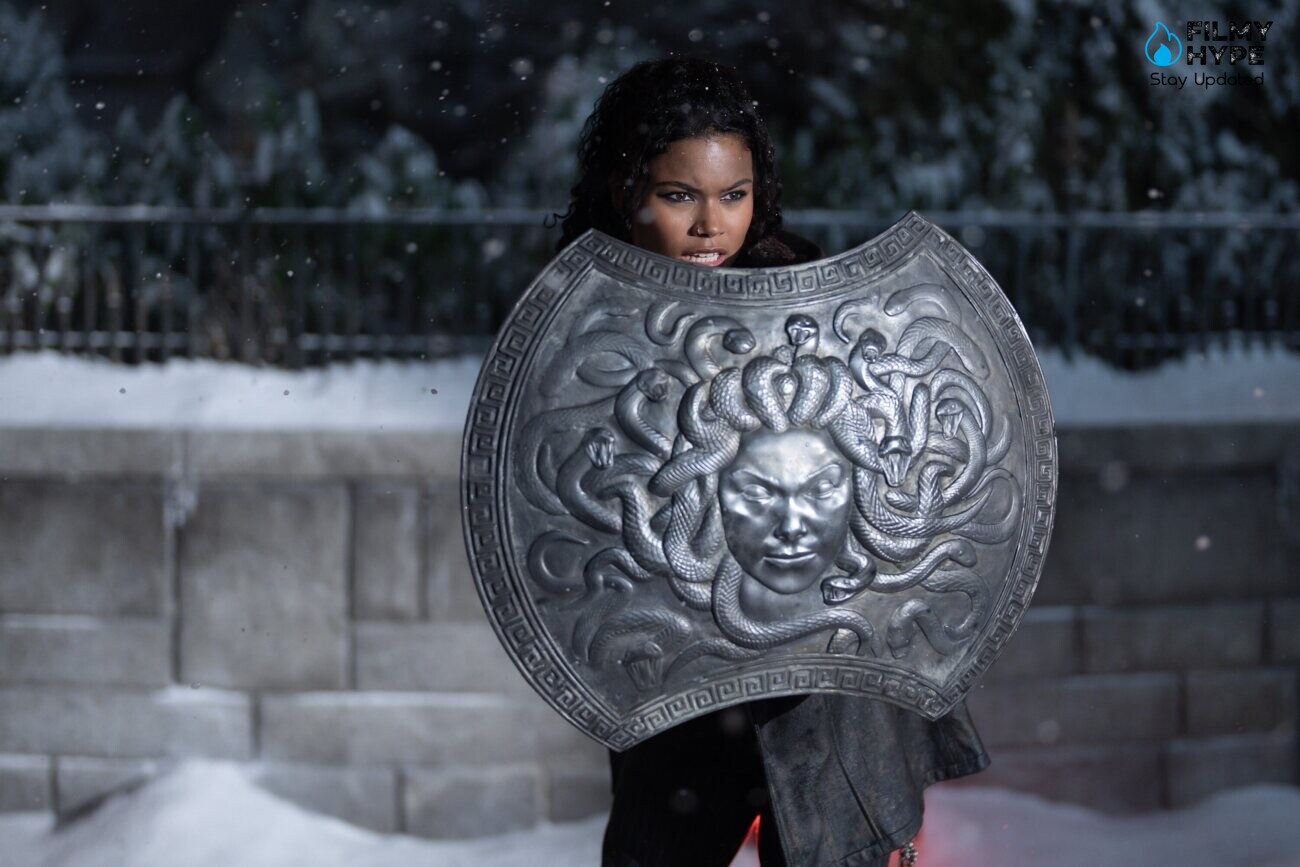
It was supposed to be a turning point, and it was. The series was called upon to test its maturity and to make a clear change of tone towards darker atmospheres, and already from the first two episodes there is a different climate and a sense of urgency compared to the past, in line with the increasingly pressing threat looming over the protagonist. Thanks to the young actors, who are increasingly comfortable in their parts, and to a leap compared to previous seasons in terms of product quality, which is increasingly refined in every aspect, starting with more successful and higher-quality special effects. The feeling is that of a significantly greater investment from the point of view of the budget and the general care of the series, which gives a measure of how much the production company is focusing on this project.
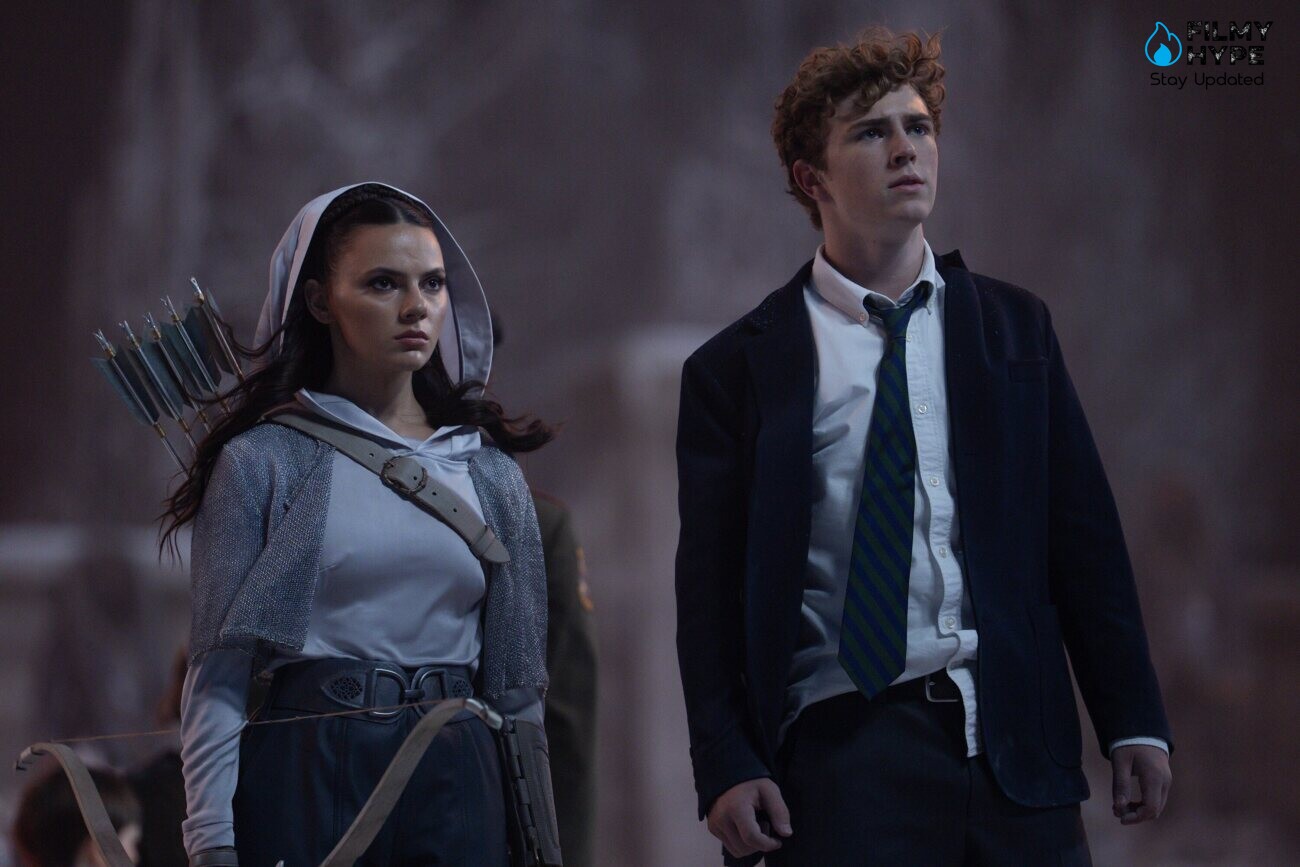
While maintaining its adolescent focus and underlying simplicity (those expecting elaborate and complicated plots or psychological insights will always find the flaws already highlighted in the past in the Percy Jackson universe), the series aims to be transversal and has been constantly growing up to this point. The excessively childish approach remains in some places, and there are still some problems in terms of dialogue and clashes, which often seem to be resolved too hastily, but the desired growth seems to have materialized. The challenge now will be to surprise an audience that has been accustomed to the dynamics of the series for several seasons, including deities, missions to be completed on behalf of the gods, oracles, and the need to save Olympus.
Bringing The Curse of the Titan to the screen for the first time meant confronting the central turning point of the entire saga: that classic “middle chapter” in which the innocence of childhood definitively leaves room for the burden and consequences of adult choices. Compared to the first two series of episodes, the third season does a particularly intelligent and functional job of adapting, overcoming the structural limitations of the written page: Rick Riordan’s novels are in fact narrated strictly from Percy’s point of view, while the television series uses its worldbuilding to explore what happens outside the protagonist’s field of action.
The most successful example is the space given to Charlie Bushnell’s Luke: despite his fierce loyalty to Cronus, the character lets all the conflict surrounding his undying affection for his “family he has acquired” emerge just as the girl is held prisoner by Atlas, a ruthless general of the Titans. To breathe in these psychological nuances, some of the novel’s side adventures are sacrificed during the scripting phase, but it’s a choice that doesn’t betray the spirit of the original work: the series avoids a sterile “copy and paste” page by page, keeping the most iconic sequences intact but bending any variations to the deepening of human connections, without ever descending into gratuitous drama.
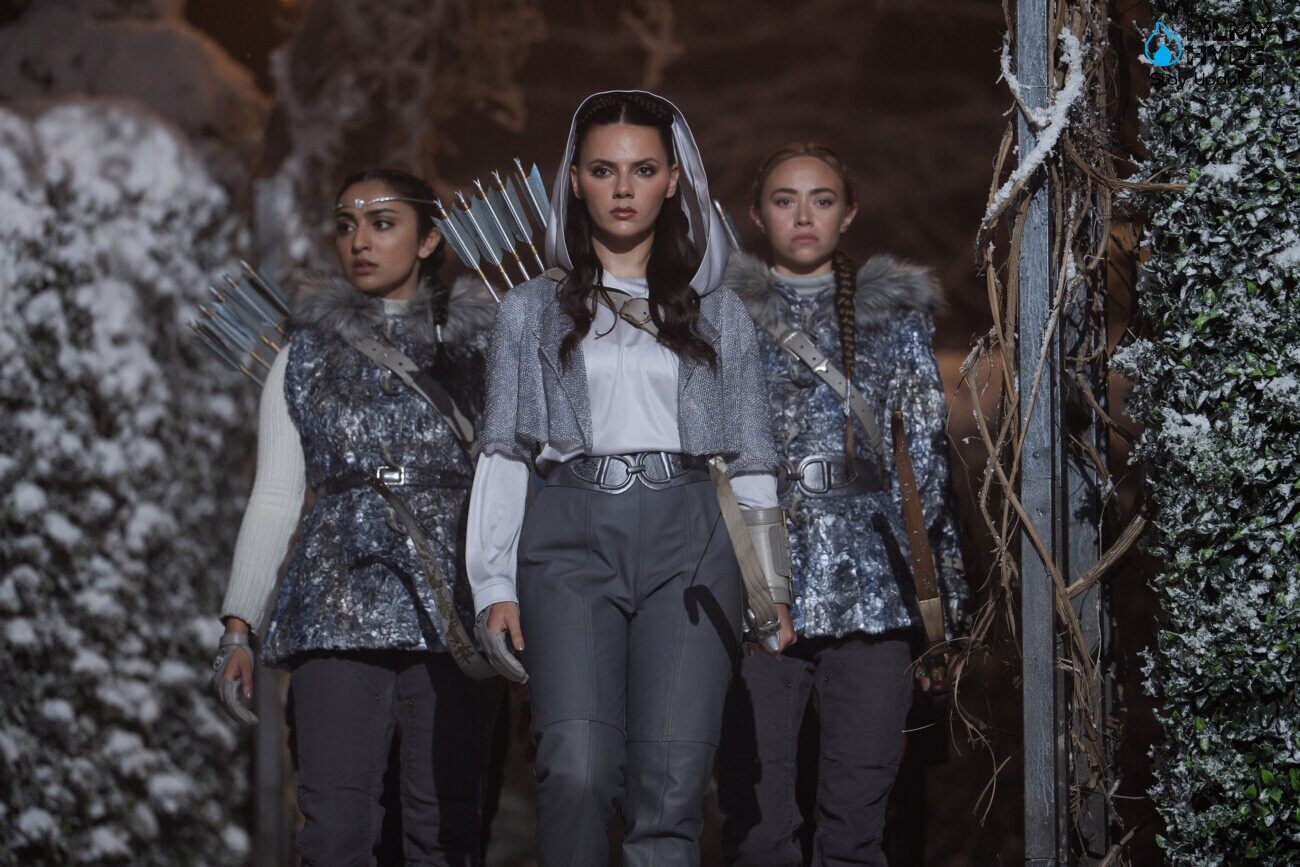
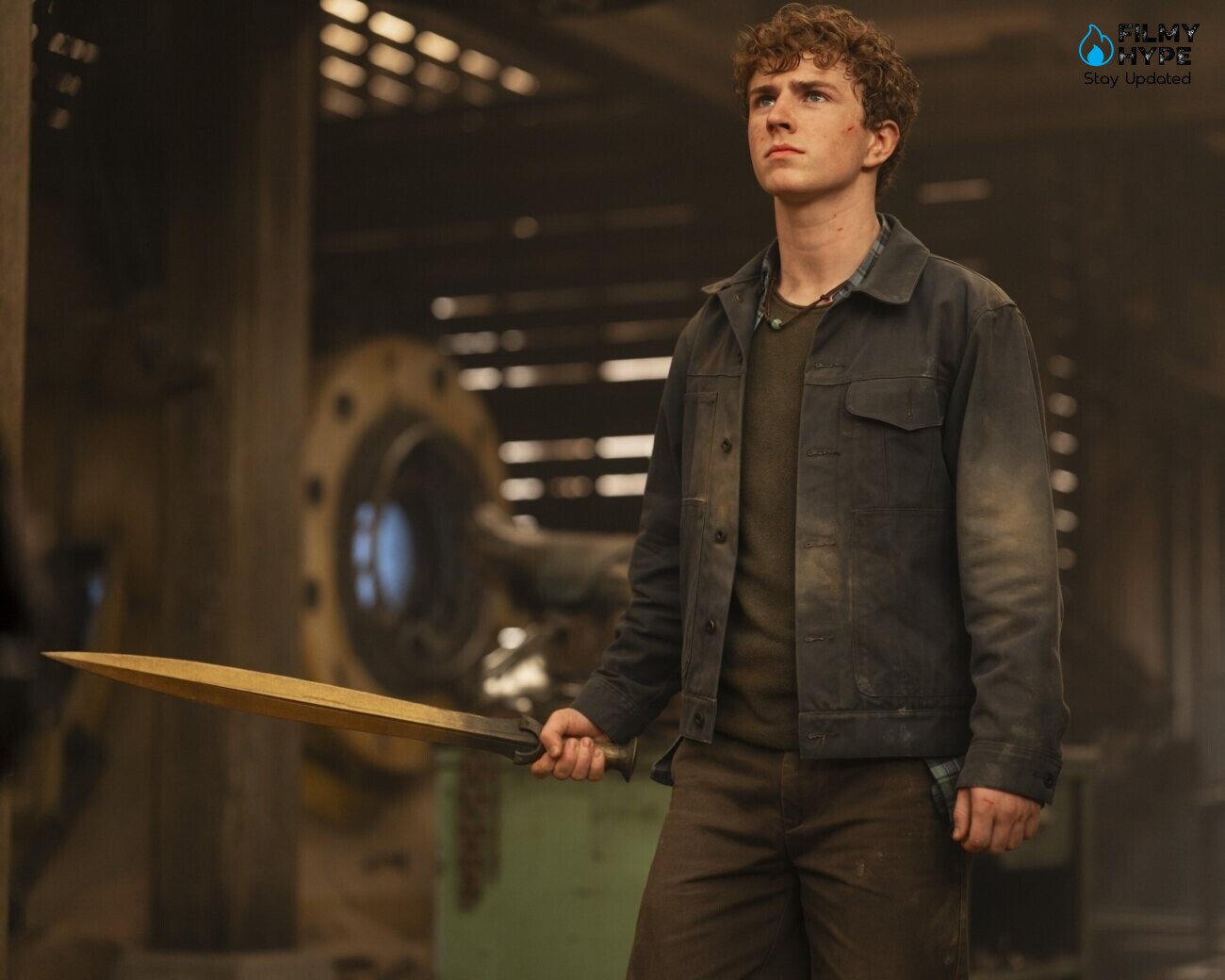
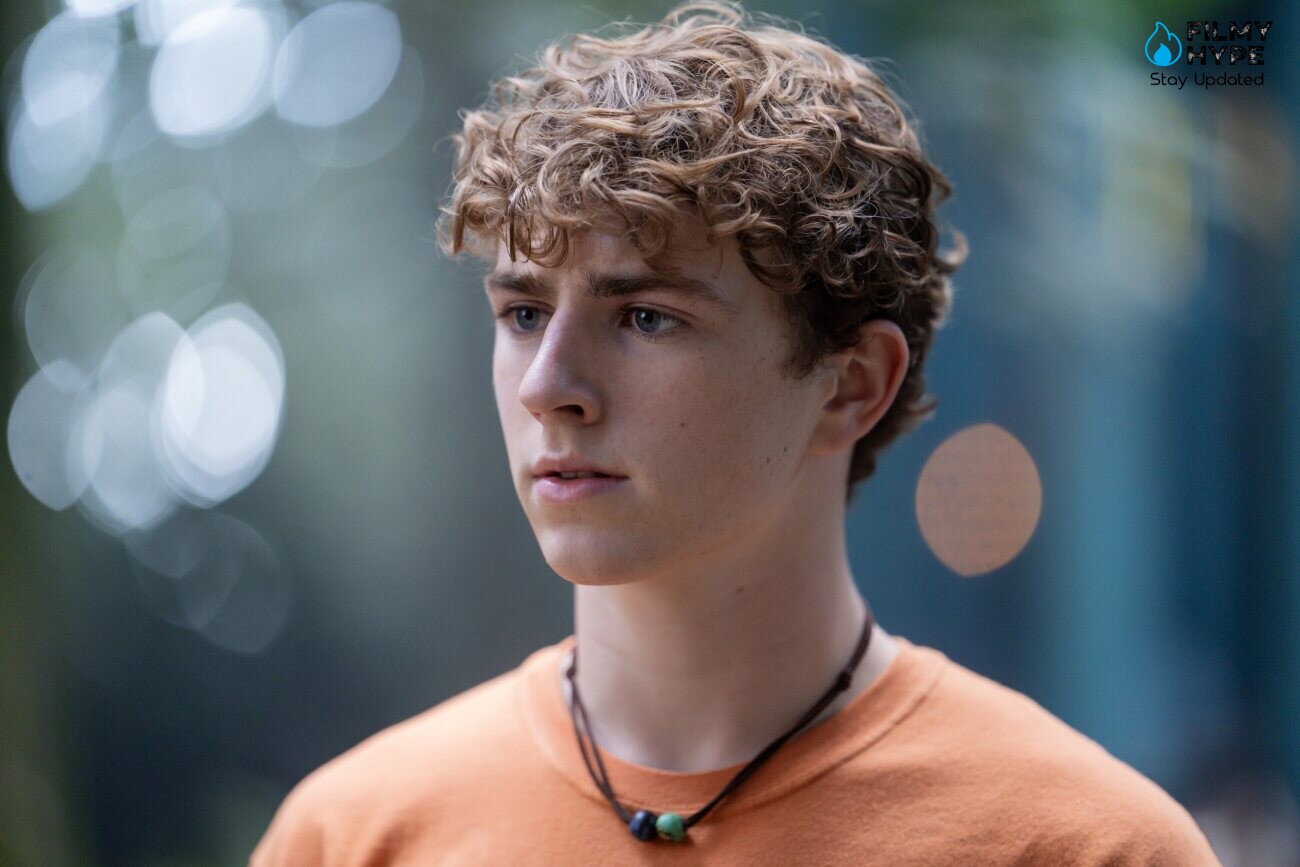
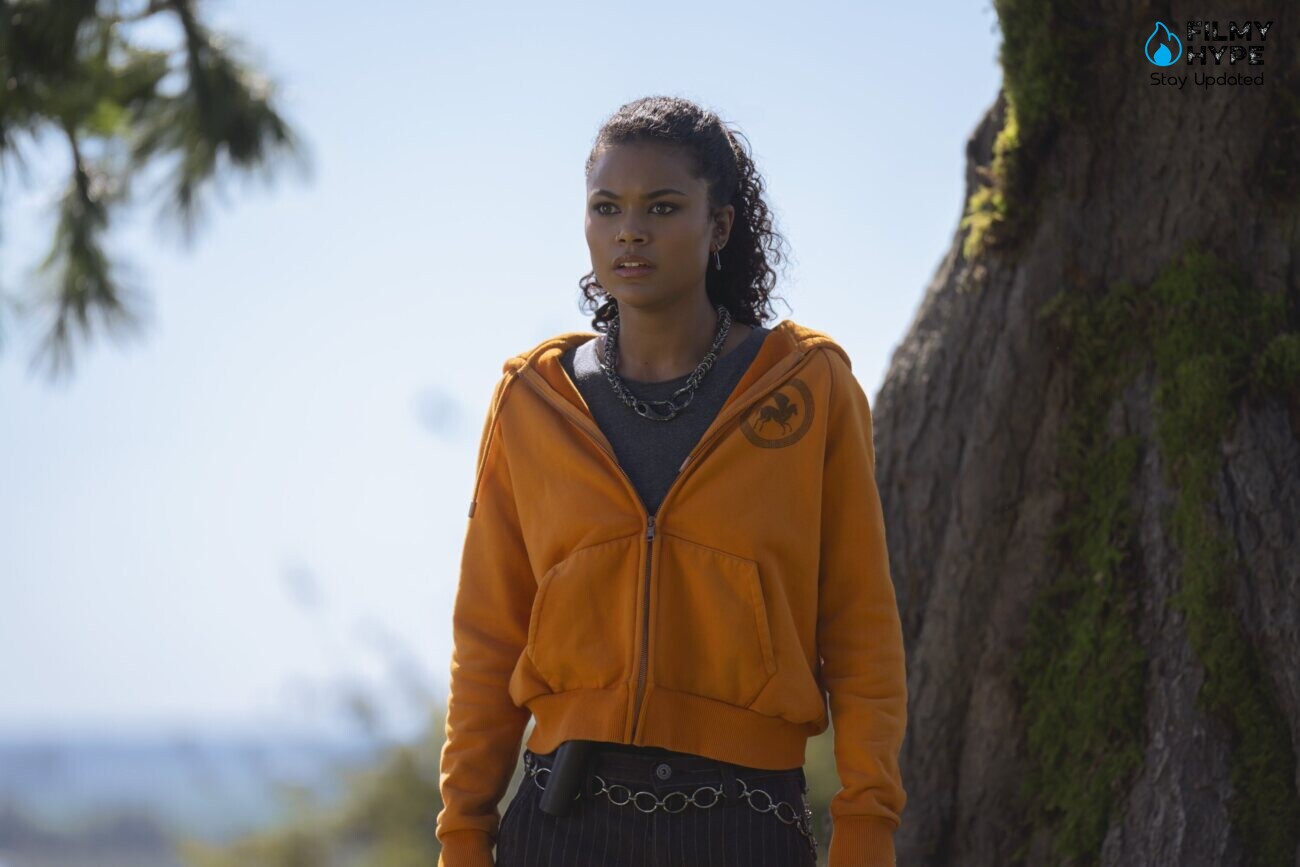
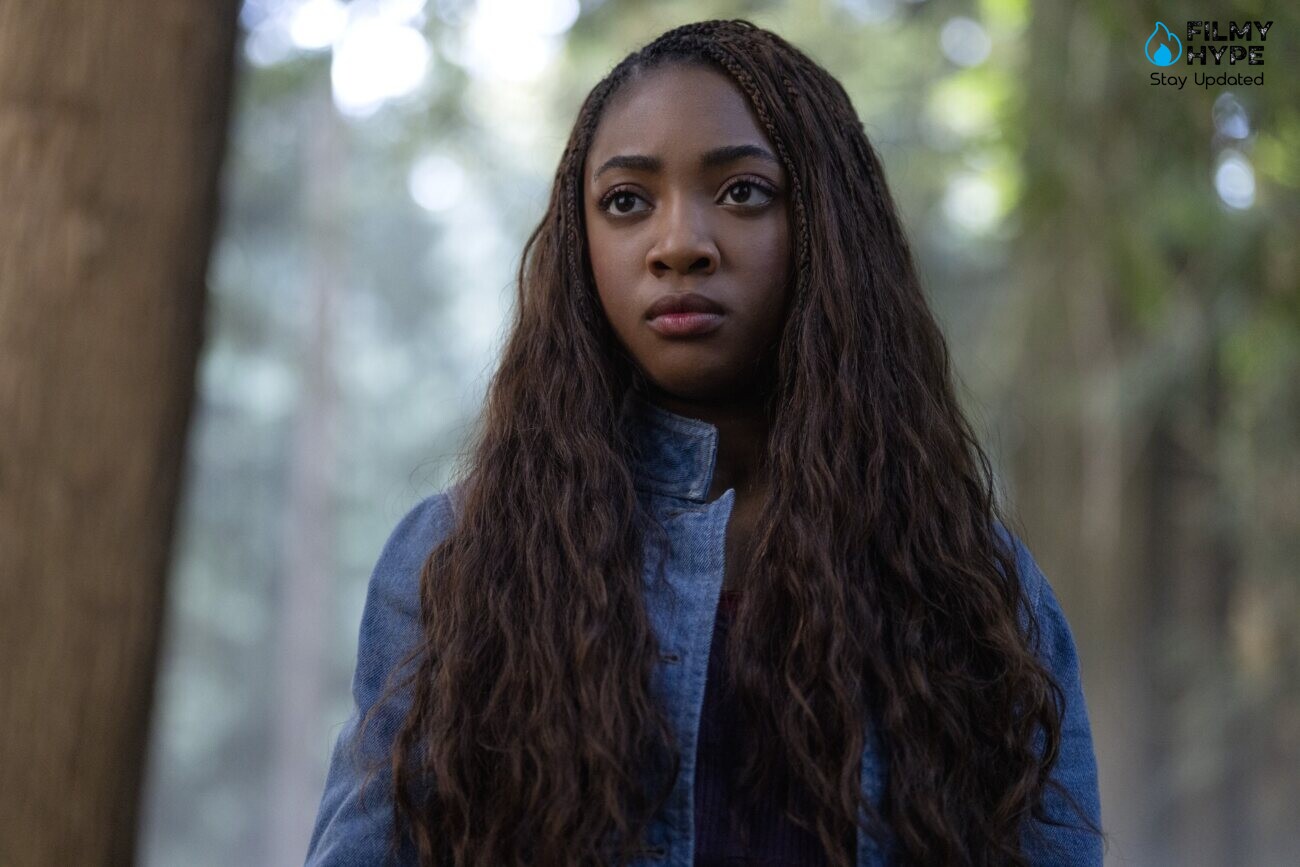
That visceral enthusiasm that welcomed the protagonists into the theater and which we told you about at the beginning is fully justified by the growth of a cast that is now perfectly comfortable in the shoes of its characters. Forced to carry the weight of the enterprise without Annabeth’s strategic compass, Walker Scobell makes a clear leap in interpretive quality, sensitively conveying the nuances of a Percy trying to remain calm and mature as a leader despite the emotional storm. Balancing her impulsiveness is Tamara Smart as Thalia Grace: bound by the weight of the Great Prophecy and an equally conflicted relationship with the gods, Percy and Thalia function as two sides of the same stubborn medal.
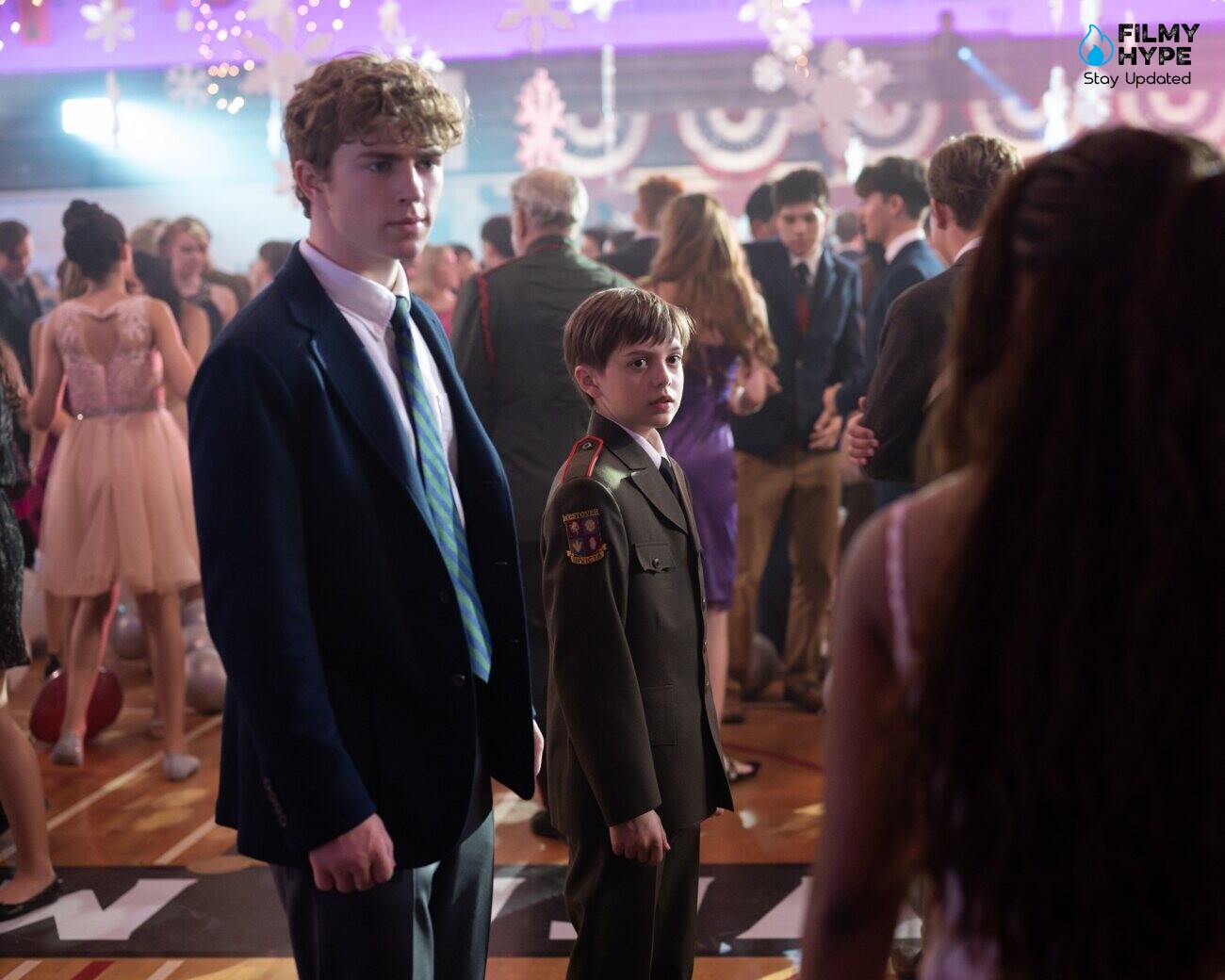
Smart enters the historical group with surprising naturalness, giving the impression of having been part of it since the first episode. The friction between his priorities, Percy’s, and Zoë Nightshade’s rigid vision makes the expedition dynamics constantly tense and unpredictable. Among the recruits, however, the one who steals the show is, above all, Levi Chrisopulos in the role of Nico di Angelo: next to his sister Bianca, who has the face of Olive Abercrombie, the young interpreter captures the childlike amazement of those who discover the mythological world for the first time and, at the same time, the terror of losing the only remaining affection. A dualism closely reminiscent of Percy in the first season after the kidnapping of his mother, Sally, capable of suddenly veering towards a dark solemnity that lays a solid foundation for the character’s future.
And the work of translating for the screen seemed effective to us. Aside from the only 4 episodes out of 8 that we were able to preview, the entire technical and visual sector does the same, which grows together with the protagonists of the story: the third book required a darker and more mature approach and the staging behaves accordingly by highlighting in the best way both the most intimate moments dedicated to the characters and those that require an extra march on the visual and epic level: with these new episodes, Percy Jackson and the Olympians does not hold back and gives a more pressing pace, more solid and powerful action sequences, and a new energy and a series that can continue to grow alongside its passionate viewers.

One of the most successful elements of Percy Jackson and the Olympians Season 3 is the path of its characters. Walker Scobell, Leah Sava Jeffries, and Aryan Simhadri continue to represent the emotional heart of the series, confirming a harmony that has consolidated during the seasons. Their interpretations accompany the evolution of Percy, Annabeth, and Grover, making the passage from boys catapulted into a world credible and extraordinary to young heroes increasingly aware of their own role. The growth of the protagonists is reflected in the way they approach their respective missions. The relationships gain greater depth, responsibilities become more difficult to manage, and individual choices begin to have consequences that exceed the personal dimension.
Percy, in particular, must deal with the burden of affection and loyalty, understanding how much the fate of his friends is tied to his own. The relationship with Annabeth also still takes on major importance: his absence becomes the emotional engine of a journey that tests the protagonist’s determination. Maturation also concerns the overall tone of the narrative. Characters start to perceive with greater lucidity the complexity of the world in which they live, a universe in which the gods have interests and behaviors that are far from simple to understand. Mythology progressively loses that dimension of absolute wonder that had characterized Percy’s early discoveries, allowing even its contradictions and its shadowy areas.
The presence of new characters further contributes to making this interesting evolution. The series is enriched with fascinating figures and new personalities capable of changing the balance of the story. Casting deities is also a particularly convincing choice: the interpreters involved manage to give identity to characters who carry with them an already imaginary, very recognizable. The expansion of the narrative universe inevitably leads to a greater commitment on the production level. Season 3 must shape an increasingly populated world, in which fantastic creatures, mythological settings and divine manifestations coexist with the daily events of the protagonists. From this point of view, the series continues to demonstrate remarkable solidity.
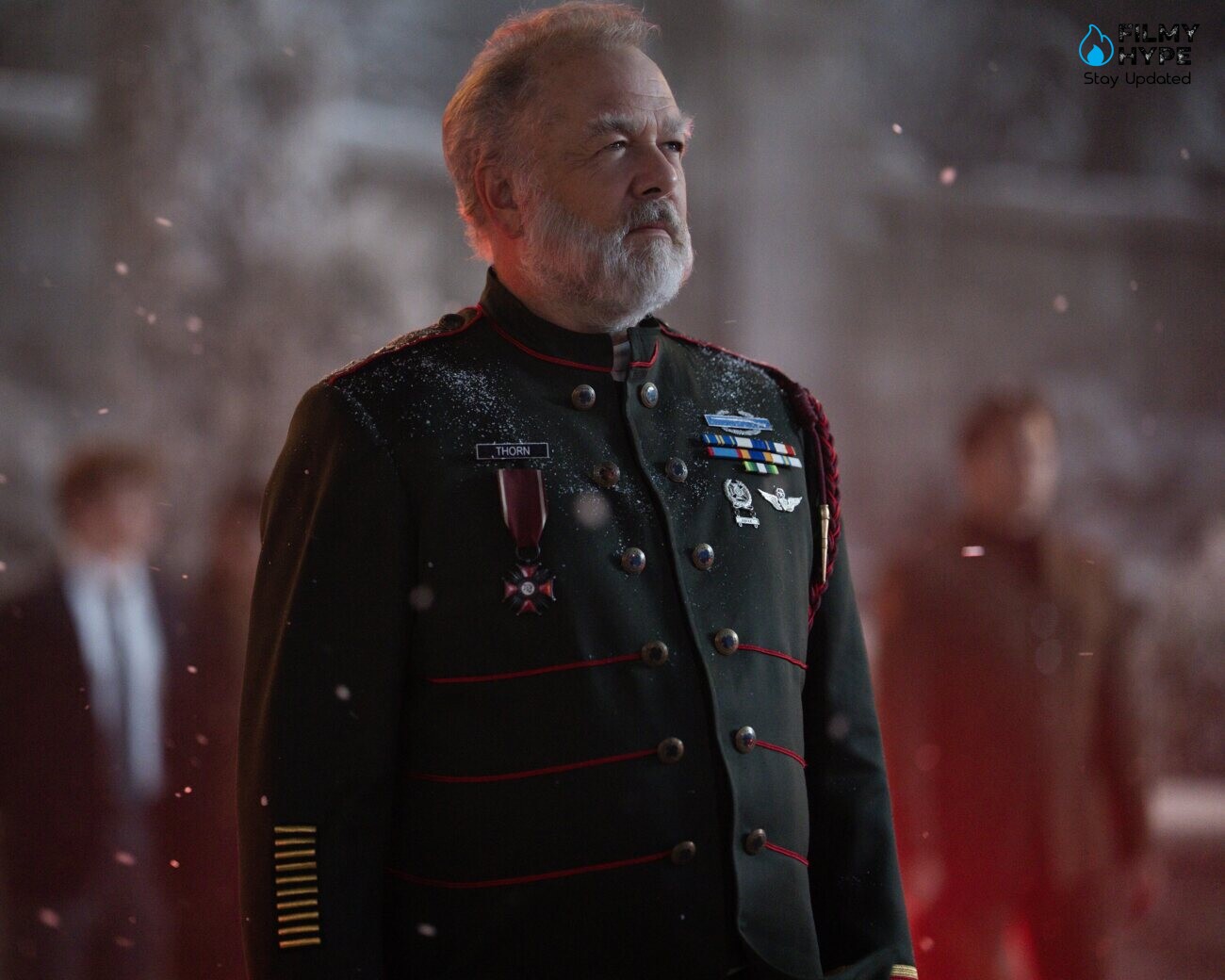
The visual effects represent one of its strengths. The VFX so integrate with practical effects effectively, contributing to building a fantastic universe that maintains its own visual credibility. Creatures and supernatural elements find space within recognizable settings, avoiding the spectacular component ending up pushing away the spectator from human events. It is an important achievement for a production that must continually find a meeting point between fidelity to the imagination of novels and the possibilities of television language. The visual component also accompanies the change of atmosphere. The universe of the series appears increasingly vast and threatening, while the new divine figures contribute to strengthening the perception of a world in which the balances are fragile.
Fantasy for children thus finds a more complex dimension, capable of alternating wonder and tension without losing accessibility. The work on special effects supports this ambition, creating the new challenges that await Percy and his companions. To fully understand the value of this new chapter must be considered the relationship with previous seasons. The first had served as a long introduction, introducing Percy, the Half-Blood Camp, and the rules of a universe in which Greek mythology continues to influence the present. The second had instead left the narrative open, preparing the ground for a destined adventure to develop further.
The third season is inserted precisely in this continuity, forming with the previous one a sort of narrative diptych. The two sides talk to each other and allow one to perceive the evolution of history more clearly. This choice returns value even to the least solution-able steps of the previous chapter, which now find a more specific place within an overall design. It is a significant aspect for a series that must deal with a literary saga composed of numerous chapters and characters. The possibility of building a progressive story allows to give space to relationships, to consequences of the choices and the maturation of the protagonists. Percy’s story thus takes on a broader dimension, while the progressive darkening of events marks an interesting distance compared to the initial atmosphere. The growth of the ideal audience of the series finds a counterpart in the growth of its characters, called to confront increasingly more complex challenges.
In the third season, Percy Jackson and the Olympians confirms a particularly successful entertainment product for young audiences. The series has found its own identity and can finally count on a narrative universe sufficiently articulated to support increasingly complex adventures. The merit also goes to the continuity of the group of young interpreters, who accompany the growth of the characters with conviction and allow the viewer to maintain an emotional bond with them. The change in tone represents an important step. This third season indulges in darker, more challenging conflicts and greater attention to the consequences of choices, without renouncing irony and sense of wonder that characterize the imagination of Percy Jackson.
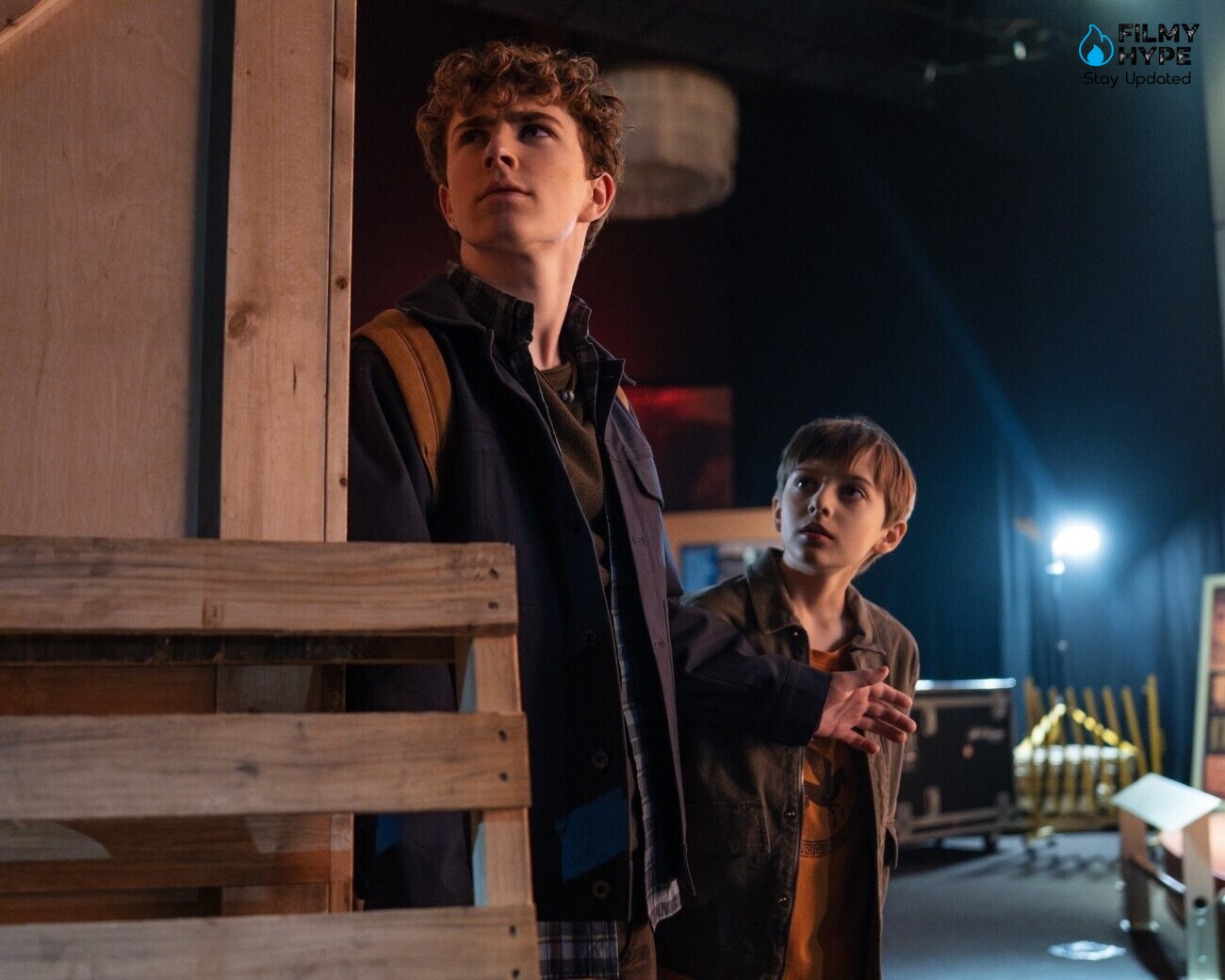
The series seems to have found the right balance to accompany its protagonists towards a new phase, in which becoming heroes also means learning to live with one’s fears and a destiny that does not always leave room for individual decisions. The production created by Rick Riordan and Jonathan E. Steinberg demonstrates that he understands the potential of a story that can grow together with its audience. The world from saving expands, responsibilities increase, and threats become more and more concrete. The third season therefore represents a solid confirmation for Disney+, as well as an important step in the evolution of the television saga: a fantasy that retains its vocation for entertainment and finds in the maturation of its characters the main reason to continue to follow its adventures.
Percy Jackson and the Olympians Season 3: The Last Words
At the halfway point of the saga, Percy Jackson and the Olympians Season 3 demonstrates that it has understood the most important lesson of any great coming-of-age story: growing up comes at a price, and the innocence of childhood must sooner or later give way to the harshness of adult choices. While maintaining a soul accessible to a cross-section of audiences, the Disney+ series raises the bar for action scenes, from the clash with the Nemean Lion at the Air and Space Museum to the battle against the metal giant in the junkyard of the gods, and holds its own without awe against far more renowned television giants like House of the Dragon and The Rings of Power. Armed with writing that knows when to stay true to The Curse of the Titan and when to expand the characters’ perspectives, this third installment cements the series’ place among the best fantasy productions of the decade and makes the adaptation of the last two novels, The Battle of the Labyrinth and The Final Showdown, even more urgent.