

The Terminal List Season 2 Review and Ratings
Cast: Chris Pratt, Tom Hopper, Constance Wu
Directors: Paul Cameron, Carl Seaton, Tucker Gates, Ray Mendoza, Ben Wheatley, Marcos Siega, Kate Dennis
Streaming Platform: Prime Video
Filmyhype.com Ratings: 2.5/5 (two and a half stars)
On October 21st, the 8 episodes that make up The Terminal List Season 2 were released on Prime Video, the second season of the series created by David DiGilio and based on the novels of former Navy SEAL sniper Jack Carr, featuring former Navy SEAL captain James Reece, played by Chris Pratt. In 2022, the first season of The Terminal List stunned us with its, shall we say, “punchiness,” to use a term that harks back to one of Reece’s ferocious executions. But even then, we had made it clear that this series had to remain perfect (from the Latin “perfectus,” meaning complete, accomplished), as it was, resisting the temptation to carry on a closed story just to accommodate its success. And today, after watching the entire second season, we can only confirm our words at the time. Before we explain further, here is the spoiler-free summary of the plot.
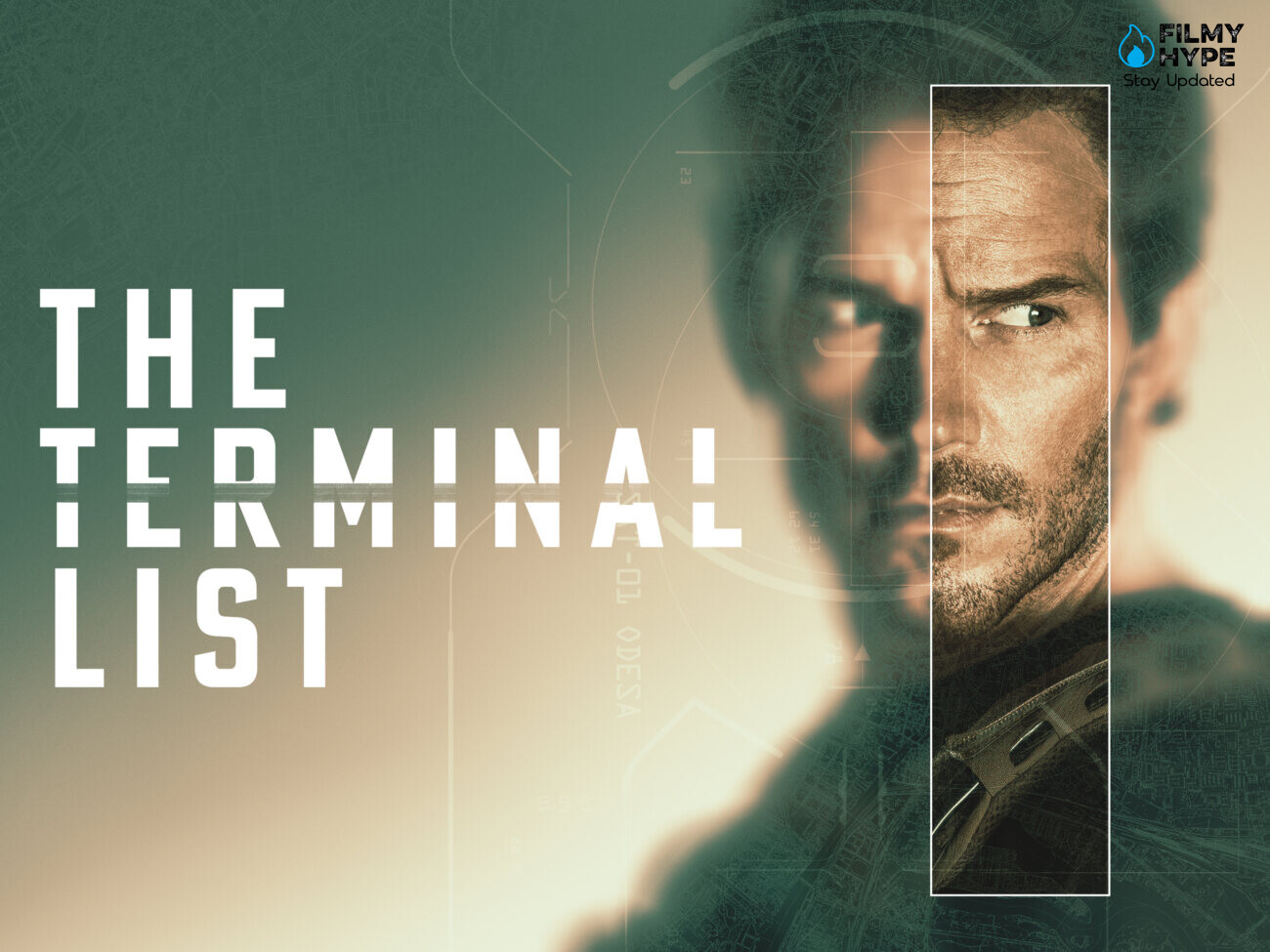
Eight episodes that retrace the adventures of the former Navy SEAL, this time engaged in an international conspiracy involving terrorism, arms trafficking, and the secret services. A return that aims to considerably broaden the scope of the series but which also ends up sacrificing its most interesting element: the protagonist’s personal torment. Based on True Believer, the second novel in Jack Carr’s saga, the season finds Reece adrift in the Indian Ocean after avenging the deaths of his family and comrades. Still haunted by memories, hallucinations, and a brain tumor, he seeks refuge in Mozambique until the CIA offers him a deal: a presidential pardon in exchange for his help tracking down a former ally apparently involved in a new terrorist organization.
The Terminal List Season 2 Review: The Story Plot
After completing the list of those responsible for the deaths of his wife and daughter with the killing of his alleged friend Ben Edwards (a Taylor Kitsch returning as a guest star), Reece had set sail for Mozambique with the help of his real friend Raife Hastings (Tom Hopper). But the trail of blood he left behind didn’t just open Pandora’s box of Capstone’s deadly Marine experiments: the suicide of Defense Secretary Hartley, believed unrelated to the affair, put Reece at the top of America’s most wanted list.
So, as he reaches the African shores, only journalist Katie Buranek (Constance Wu) defends his honor. Meanwhile, however, the world is riddled with violence and conflict: Al Qaeda has a new leader who is an expert in communication but also in massacres and has recruited former ally Mo Farooq (Dar Salim), and Russia and Ukraine face each other in a war that seems both close and far from over (but it is not the real war in Ukraine, plus a comfortable American version). In an indecipherable chaos, the CIA then decides to find Reece no longer to put him in the dock but to get him back in action on the side of the good guys. As long as you understand who the good guys are and who the bad guys are.
The Terminal List Season 2 Review and Analysis
The first season of this thriller series was, we repeat, simply perfect: a Navy SEAL who survived an ambush exterminates those responsible for the deaths of his comrades and his family. Having completed his revenge, he sets sail towards the horizon with a tumor in his brain that may be mortal, but who knows: a sweet and bitter conclusion that, out of satisfaction, was comparable to masterpieces such as The Wings of Liberty or The Dead Poets Society. At that point, we could understand, and indeed appreciated, the prequel Black Wolf (from which the characters Hopper, Salim, and many others come) to explain the story of the traitorous friend, but what was the need to ruin such a tragically epic and decisive ending to create a second season?
The first season had a simple and brutal narrative goal: a man devastated by grief systematically eliminated those responsible for his own tragedy. The relationship between revenge, trauma, and violence was the emotional driving force behind each episode, even when the writing indulged in gender stereotypes. The second season replaces that structure with a much more complex, but paradoxically less engaging, geopolitical conspiracy. The terrorist attack in London, clandestine operations, arms trafficking, and ambiguous international alliances multiply subplots without giving them as much depth.

The inclusion of the Russian-Ukrainian conflict gives the story an appearance of topicality, but the geopolitical complexity remains substantially subordinated to the needs of the thriller. The characters are divided into reliable allies, predictable traitors, and suspicious institutional figures, according to dynamics already explored countless times by American action cinema. The problem is not so much the improbability of events but the lack of genuine moral ambiguity: the series evokes the contradictions of the US military apparatus but continues to present its protagonists as fundamentally just warriors, authorized to resort to any means as long as the enemy is sufficiently dangerous.
On a technical level, The Terminal List Season 2 has considerable resources. Action sequences range from clashes in the African savannah to European counter-terrorism operations, including close-quarters combat, sniper battles, and helicopter assaults. The involvement of special forces veterans, including Ray Mendoza, a former Warfare co-regent, contributes to the precision of military procedures, weapons deployment, and operational tactics. The violence is physical, brutal, and sometimes particularly explicit, far from John Wick’s almost superhuman choreography.
Yet, technical expertise does not necessarily coincide with cinematic effectiveness. Shootings are numerous and well-orchestrated but often lack emotional involvement commensurate with their spectacularity. When opponents become interchangeable targets, and the protagonist seems essentially invulnerable, even the most elaborate fights end up looking alike. The confrontation with Reacher is inevitable: both Prime Video productions celebrate physically dominant protagonists, but the series with Alan Ritchson knows how to alternate brutality with greater irony. The Terminal List, on the other hand, takes every situation terribly seriously, depriving itself of those tonal contrasts that could make its dramatic moments more incisive.
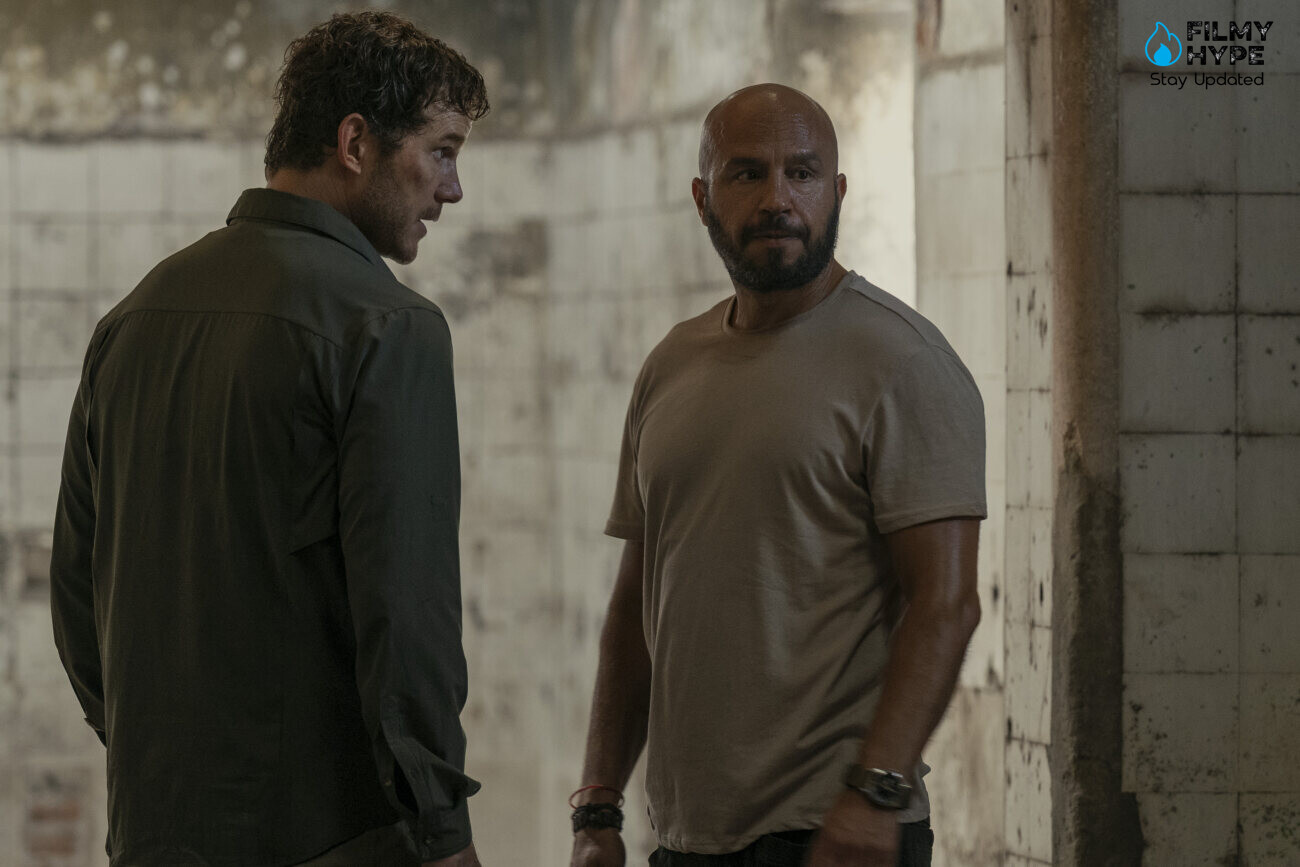
Chris Pratt tackles Reece with a deliberately restrained performance of silence, grim looks and physical tension. A choice consistent with the character’s trauma, but which in the long run accentuates his monotony. The actor seems forced to give up the very charisma and spontaneity that distinguish him, often reducing the protagonist to an expression of permanent suffering. The supporting characters work better, especially Raife Hastings, played by a convincing Tom Hopper, and Katie Buranek, to whom Constance Wu restores determination and autonomy. Gabriel Luna also offers a more human and multifaceted presence as Freddy Strain, while Luke Hemsworth plays the ambiguous agent Jules Landry.
But the multiplication of protagonists also highlights a structural limitation: the different narrative lines proceed separately for a long time, delaying Reece’s entry into the main conspiracy. The first episodes dwell on his isolation and his search for redemption, while the decisive developments are concentrated in the final part, producing a discontinuous rhythm. Furthermore, the numerous connections with the prequel The Terminal List: Black Wolf makes the vision less autonomous than it should be: characters and relationships acquire meaning, especially for those already familiar with the spin-off.
The Terminal List Season 2 Review: The Last Words
The Terminal List Season 2 remains a technically solid action product, capable of satisfying those seeking military operations, plots, and uncompromising violence. But the ambition to build an ever-larger narrative universe seems to have weakened what made James Reece’s story interesting. In place of a man who fought against his own pain, we find above all a soldier engaged in yet another impossible mission. And eight shooting incidents aren’t enough to make up that difference. For goodness sake, the new adventure is also enjoyable, all things considered. But it has become, no more and no less, an action thriller series like so many others. With various intertwined stories, shootings, twists, betrayals, chases, and other twists and attacks to foil. A less self-deprecating and darker Reacher, in essence. Which may even be successful and get renewed for a third season, but which we personally don’t approve of. How we wouldn’t approve of a sequel to The Shawshank Redemption.