


Avengers: Endgame is back in theaters with the subtitle Encore, and while the re-release offers some cosmetic upgrades—brighter colors, IMAX presentation, and Infinity Vision certification—the real reason to return is the handful of new scenes appended to the film. These aren’t deleted scenes or alternate takes. They’re connective tissue, designed to bridge the gap between the conclusion of the Infinity Saga and the looming threat of Avengers: Doomsday, arriving in December.
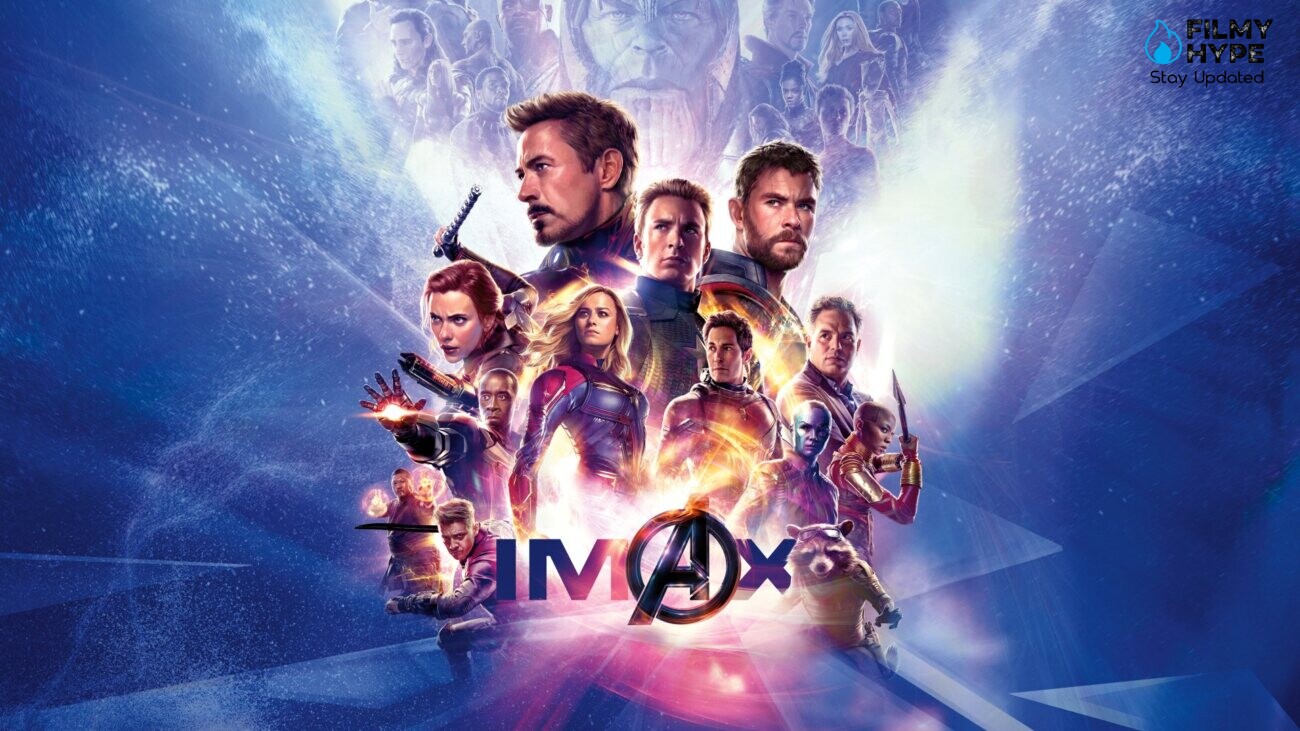
The question many viewers are asking is simple: does it make sense to sit through a three-hour film you’ve already seen for a few extra seconds of footage? The answer depends entirely on how invested you are in the Multiverse Saga’s larger architecture. For casual fans, these scenes are interesting curiosities. For those who’ve been tracking every thread since Loki, they’re essential pieces of a puzzle that’s finally coming together.
Avengers: Endgame Encore: The New Ending Loki Visits Steve Rogers
The original ending of Endgame was, by any measure, perfect. Steve Rogers returns the Infinity Stones to their proper timelines, then chooses to stay in the past with Peggy Carter. They dance. They kiss. The credits roll. It was a conclusion that honored the character’s journey while giving him the happy ending he’d earned.
Encore changes that.
The credits don’t roll immediately. Instead, someone knocks on the door of Steve and Peggy’s home. Steve hides—an odd choice for a man who’s supposedly living openly in the past—while Peggy answers. A stranger off-screen says, “No, but I can help you.” When he enters, it’s Loki, played by Tom Hiddleston, dressed as a TVA agent.
Steve emerges. They exchange a worried look. Cut to black.
The implications are significant. This scene appears to confirm a long-standing fan theory: Steve’s decision to stay in the past created a branch timeline that damaged the multiverse. By living a life he wasn’t supposed to live, he introduced an anomaly that the TVA—or what remains of it—has to address. Loki, now the God of Stories after the events of his series, has taken it upon himself to intervene.
The question is whether this scene takes place during Loki Season 2 or after the series finale. The distinction matters. If it’s after, Loki is operating with the full knowledge and power he gained as the guardian of the Multiverse. If it’s during, the timeline is murkier. Either way, the scene suggests that Steve and Peggy will need to relocate to a safer reality—possibly the one occupied by the Fantastic Four, a universe that’s been positioned as a refuge from multiversal collapse.
The First Post-Credits Scene: Bruce Banner and Doctor Doom
The first post-credits scene feels like it belongs in a different movie—and according to some reports, it may have been originally intended for Spider-Man: Brand New Day. It shows Bruce Banner, played by Mark Ruffalo, recording a video diary from what appears to be a secure facility. He’s bearded, exhausted, and clearly traumatized.
Banner describes being locked up after his first involuntary transformation into the Hulk in ten years. He references events from Spider-Man: Brand New Day, where he transformed and caused significant damage before being stopped by Spider-Man—though the telepathic influence of Jean Grey was apparently behind it. Banner is conducting experiments, trying to understand what happened.
Then the image flickers. A green glow illuminates the room. Banner addresses a figure off-screen: “What do you want?” The response comes in a voice that’s unmistakably Robert Downey Jr., but reshaped and distorted: “Dr. Banner, I came to get you.”
It’s Doctor Doom.
The camera falls. We hear sounds of a struggle. The Hulk roars. Then the camera turns back on, showing a smoking green rune or glyph on the floor.
The implications are enormous. First, Mark Ruffalo will definitely return in Avengers: Doomsday or Secret Wars. Second, Doom is kidnapping people. The glitch effect when he arrives mirrors a similar effect from the Spider-Man: Brand New Day post-credits scene, suggesting Doom may have taken Spider-Man as well. The pattern is clear: Doom is assembling something, and he’s collecting powerful individuals to do it.
The Second Post-Credits Scene: The Multiverse Collapses
The second post-credits scene returns to the Time Variance Authority headquarters, the setting of much of Loki. We see Mobius, played by Owen Wilson, and OB, played by Ke Huy Quan, monitoring a crisis. Universes are disappearing before their eyes. Two are firing missiles at each other. More are vanishing at an accelerating rate.
OB delivers the line that defines the scene: “The Multiverse is collapsing.”
This is the first on-screen confirmation of the Incursions—events first mentioned in Doctor Strange in the Multiverse of Madness, where two parallel universes collide and destroy each other. The scene shows specific Earths being erased: Earth-400083 (Ang Lee’s Hulk from 2003), Earth-15866 (Josh Trank’s Fantastic Four from 2015), and Earth-82111 (the universe of What If…? where Peggy Carter becomes Captain Carter). Earth-10005, the Fox X-Men universe, is shown destroying Earth-1127.
The scene confirms that the TVA will play a major role in Doomsday and that the Multiverse is in a state of terminal decay. The incursions aren’t a distant threat. They’re happening now.
The Final Scene: The Armor Maker
The very last post-credits scene mirrors the original Endgame stinger—the hammer clinks that evoked Tony Stark building his first suit in Iron Man. This time, we see Doom forging his mask, then a close-up of the character wearing it under his hood.
It’s a disturbing parallel. Tony Stark built armor to protect the world. Doom builds armor to control it. The visual echo suggests that the two characters—both played by Robert Downey Jr.—are mirror images, two sides of the same coin. Whether that’s a simple tribute or something more sinister remains to be seen.
What It All Means
The Encore scenes serve three purposes. First, they establish the Multiverse’s collapse as an active, accelerating crisis. Second, they confirm Doom’s role as a collector—someone who’s gathering powerful individuals for purposes that remain unclear. Third, they bridge the gap between the TVA’s storyline in Loki and the theatrical films, ensuring that the connective tissue between Marvel’s television and film divisions remains intact.
For fans who’ve been following the Multiverse Saga closely, these scenes are validation. The threads are finally being pulled together. For casual viewers, they’re a reminder that the story isn’t over—and that the next chapter is going to be very different from what came before.
The question of whether it’s worth sitting through Endgame again for a few extra minutes is a personal one. But for those who care about where this story is heading, the answer is probably yes. The Multiverse is collapsing. Doom is making moves. And somewhere, Steve Rogers is about to discover that even a perfect ending comes with a cost.