
The East Palace Series Review and Ratings
Cast: Nam Joo-hyuk, Roh Yoon-seo, Cho Seung-woo, Park Su-yeon, Jang Young-nam, Chloe Park, Liz Burnette
Director: Jung Kyu Choi
Streaming Platform: Netflix
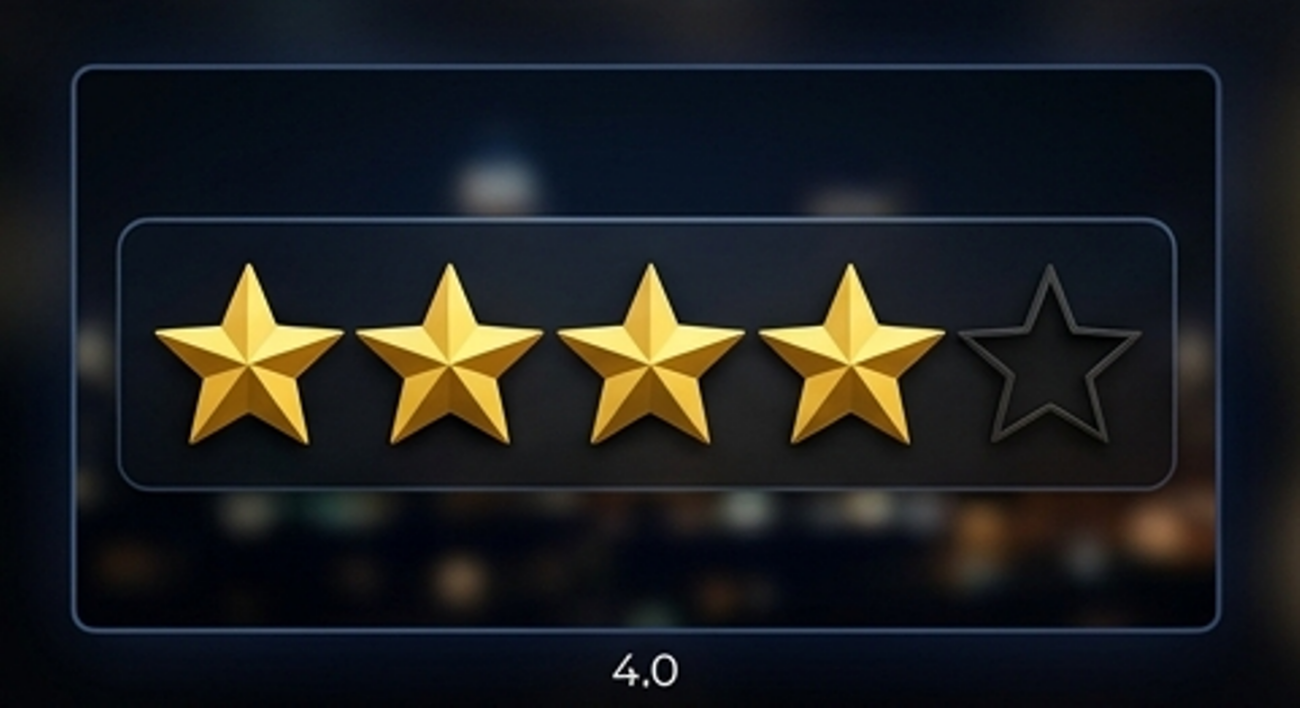
Filmyhype.com Ratings: 4/5 (four stars)
The East Palace, the new Korean series that arrived on Netflix on July 17 with all eight episodes, takes the viewer into a ghost-infested Korean royal palace, blending court intrigue and supernatural horror in a way that, it must be said right away, works better in the eyes than in the mind. Korean historical drama is a genre that continues to reinvent itself with surprising ease. Dynastic intrigue, power struggles, impossible love affairs, and palace plots represent a familiar structure, yet flexible enough to accommodate ever-new elements. The East Palace builds on this tradition and infuses it with supernatural horror, Korean folklore, and dark fantasy, building a visually sumptuous and narratively compelling series.
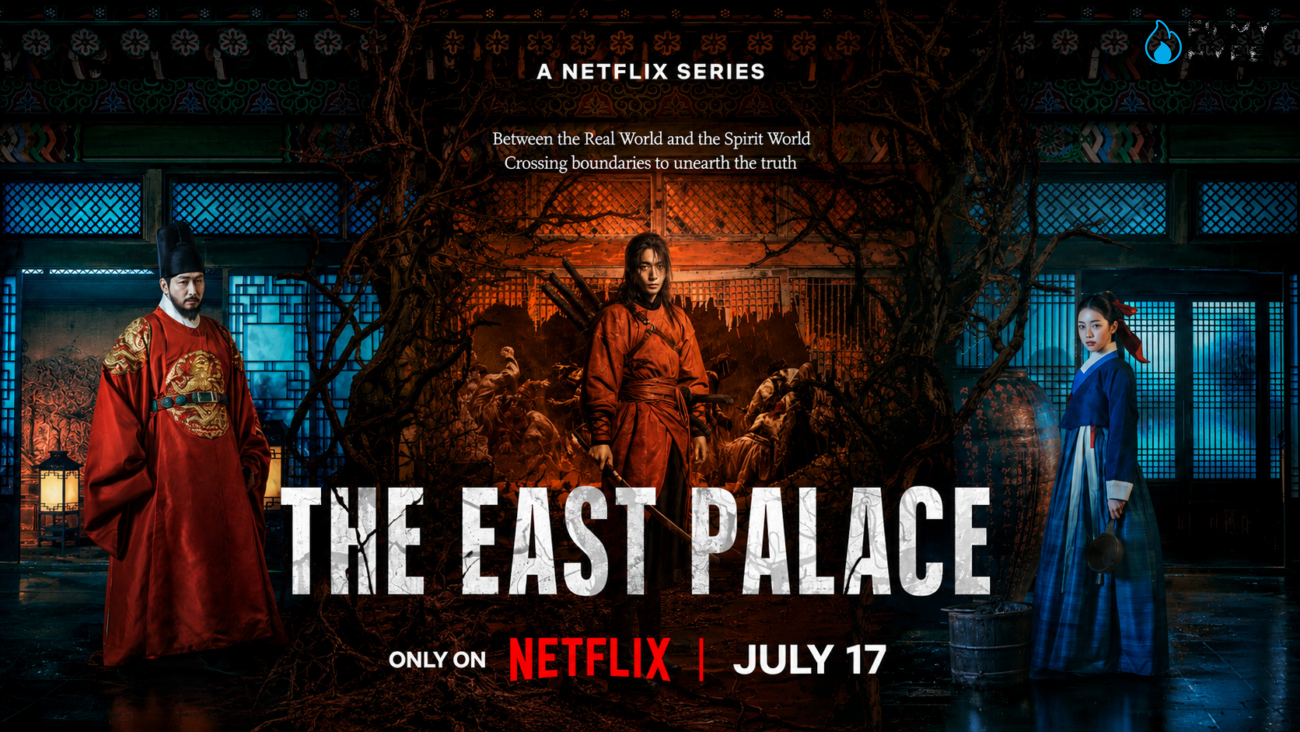
The result is one of Netflix’s most ambitious K-dramas of 2026, backed by top-notch production, a well-orchestrated mystery, and three leads capable of handling both the most spectacular and the most intimate sequences. The series takes a few episodes to perfectly focus on all its elements, but once the first phase is over, it becomes an increasingly intense story, in which the presences that haunt the palace are only the most obvious manifestation of guilt, trauma, and secrets that the royal family has tried too long to hide.
The East Palace Series Review: The Story Plot
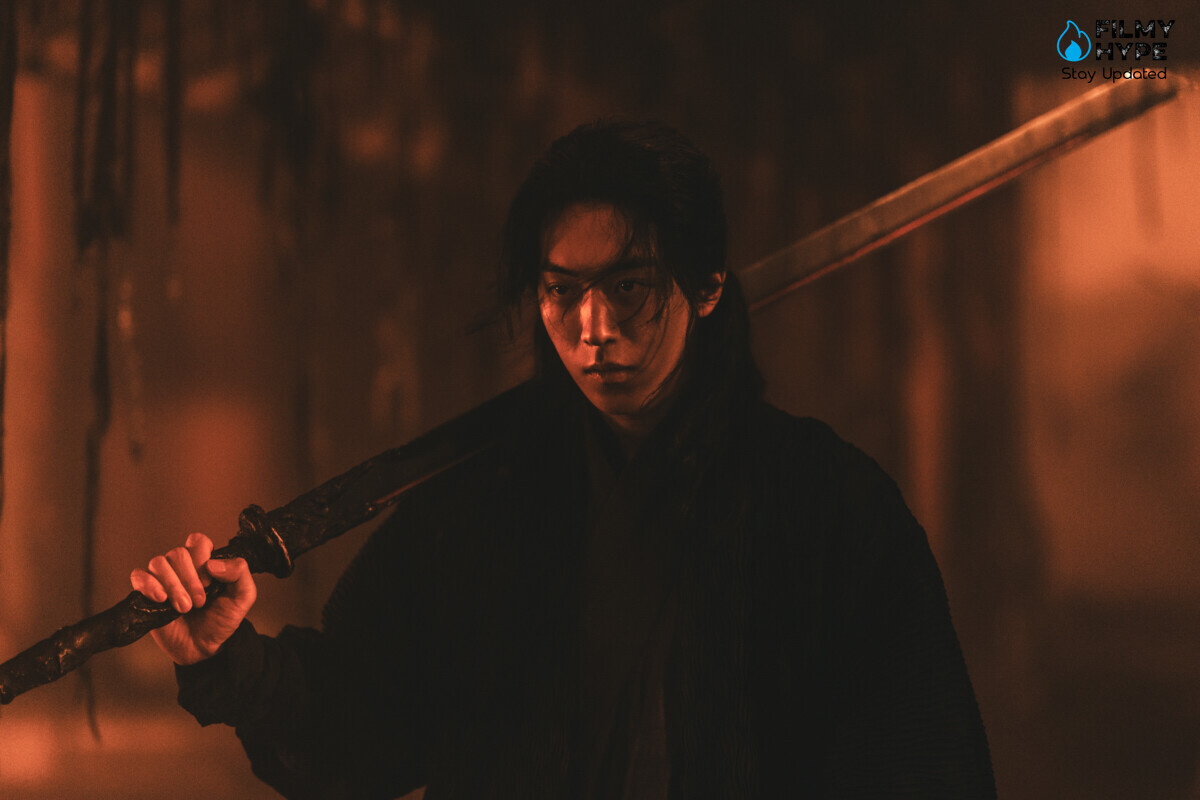
Something is killing the sovereign’s heirs. After losing nearly all of his children under unexplained circumstances, the King decides to turn to Gu-cheon, a man capable of seeing spirits and traversing the Gwi Kingdom, a hellish dimension inhabited by souls trapped between the worlds of the living and the dead. Gu-cheon is not, however, a hero eager to put his abilities at the service of the Crown. His sensitivity to the supernatural stems from a traumatic experience he had in childhood, and each passage into the spirit world causes him physical and mental pain that he tries to stifle through alcohol and isolation.
The King, however, leaves him little choice: if he does not discover the origin of the curse and save the last remaining heir, he will be executed. Joining him is Saeng-gang, a noblewoman capable of hearing the voices of the dead and determined to enter the palace for reasons she does not immediately reveal. As the two begin to investigate, each discovery leads to another part of the real story that someone would have preferred to erase. The question is not only what spirit is haunting the family, but what injustice has generated such powerful anger that it has crossed the line between life and death.
The East Palace Series Review and Analysis
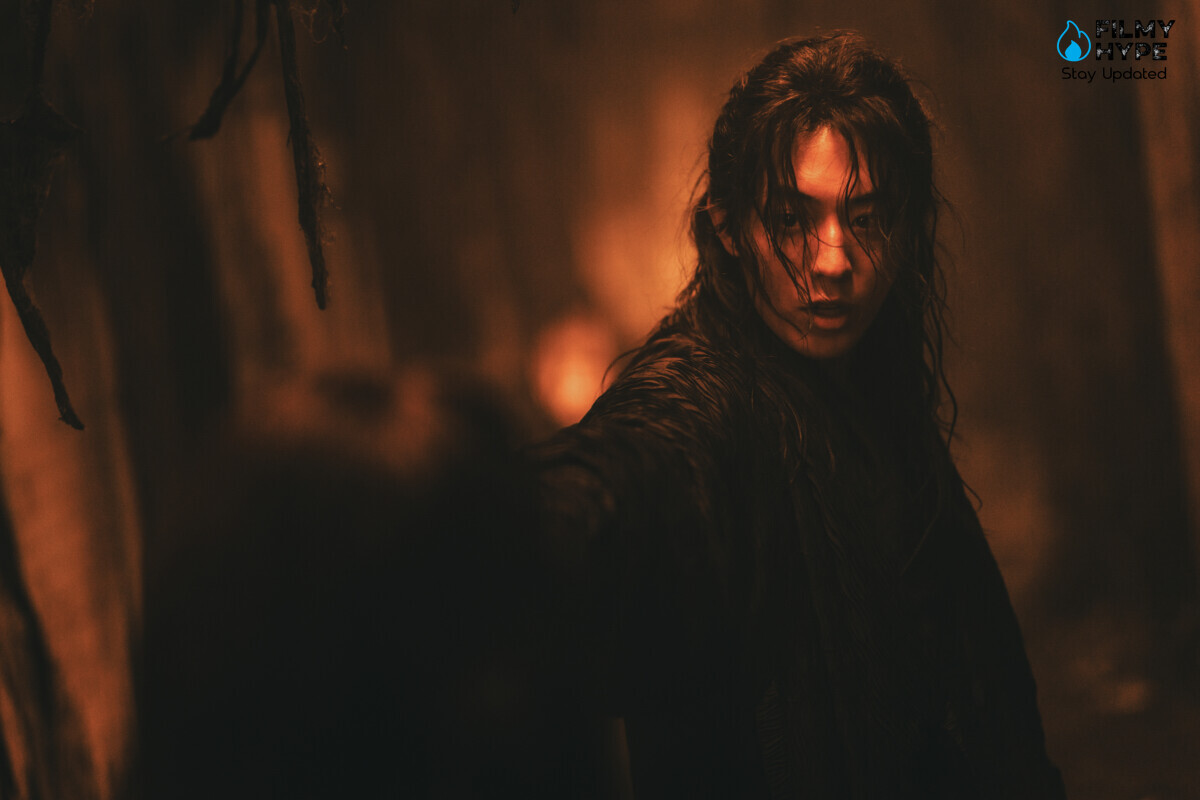
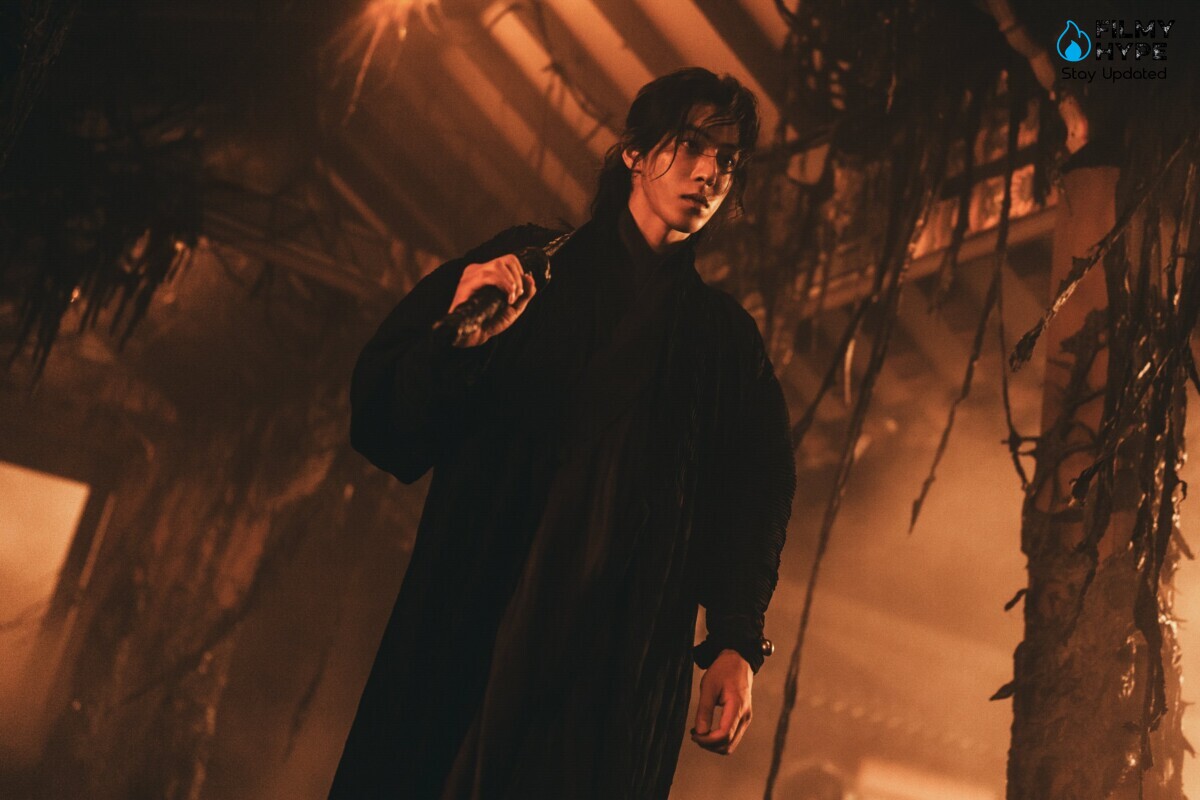
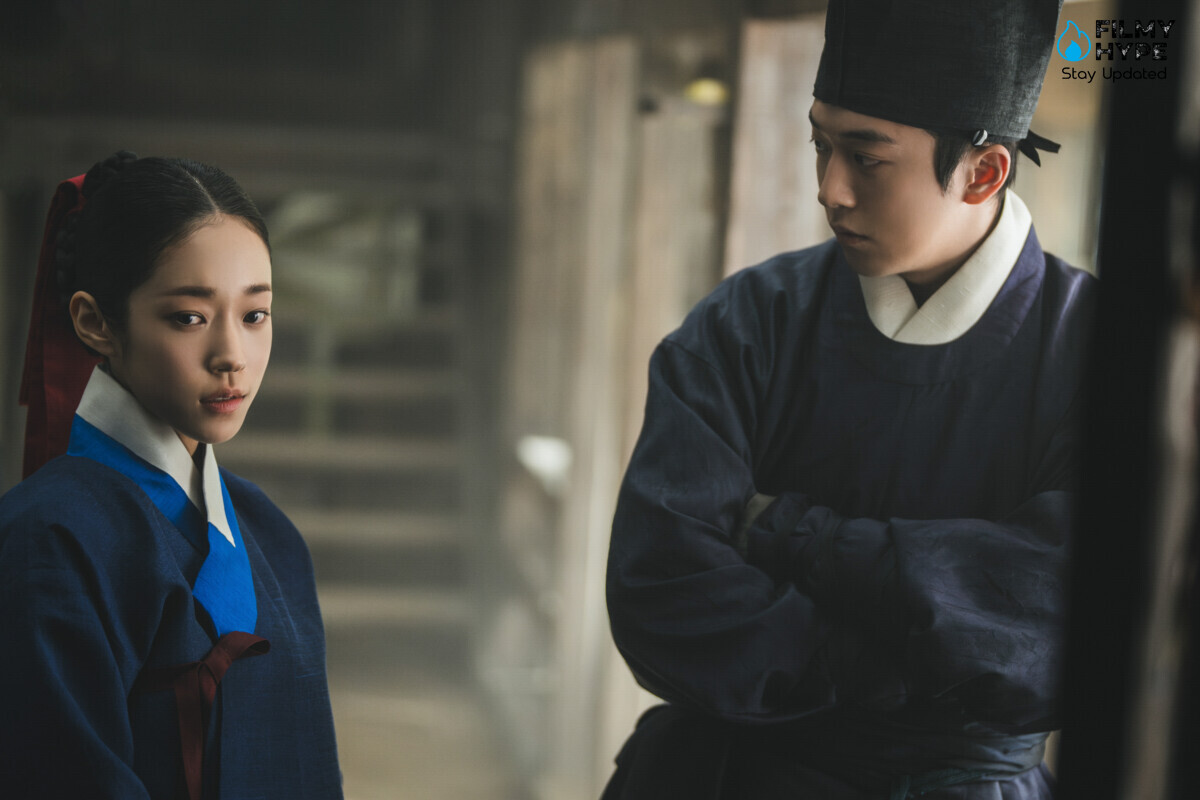
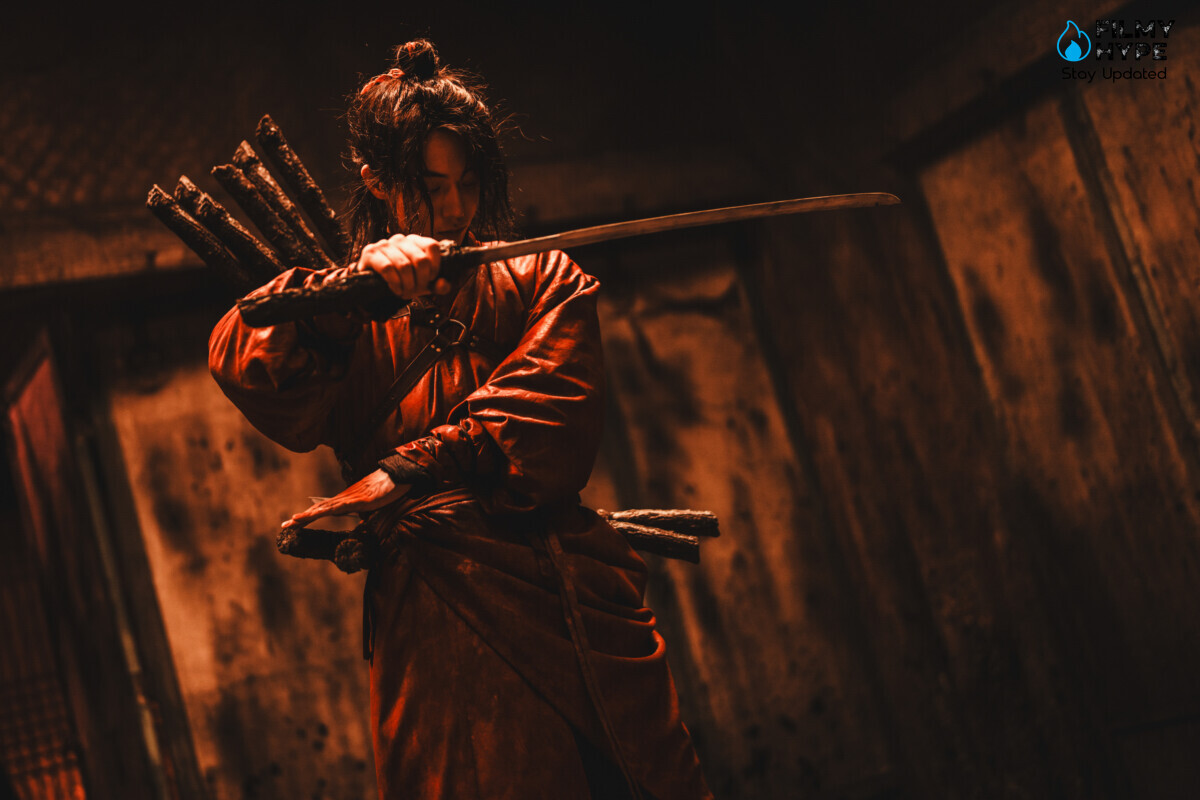
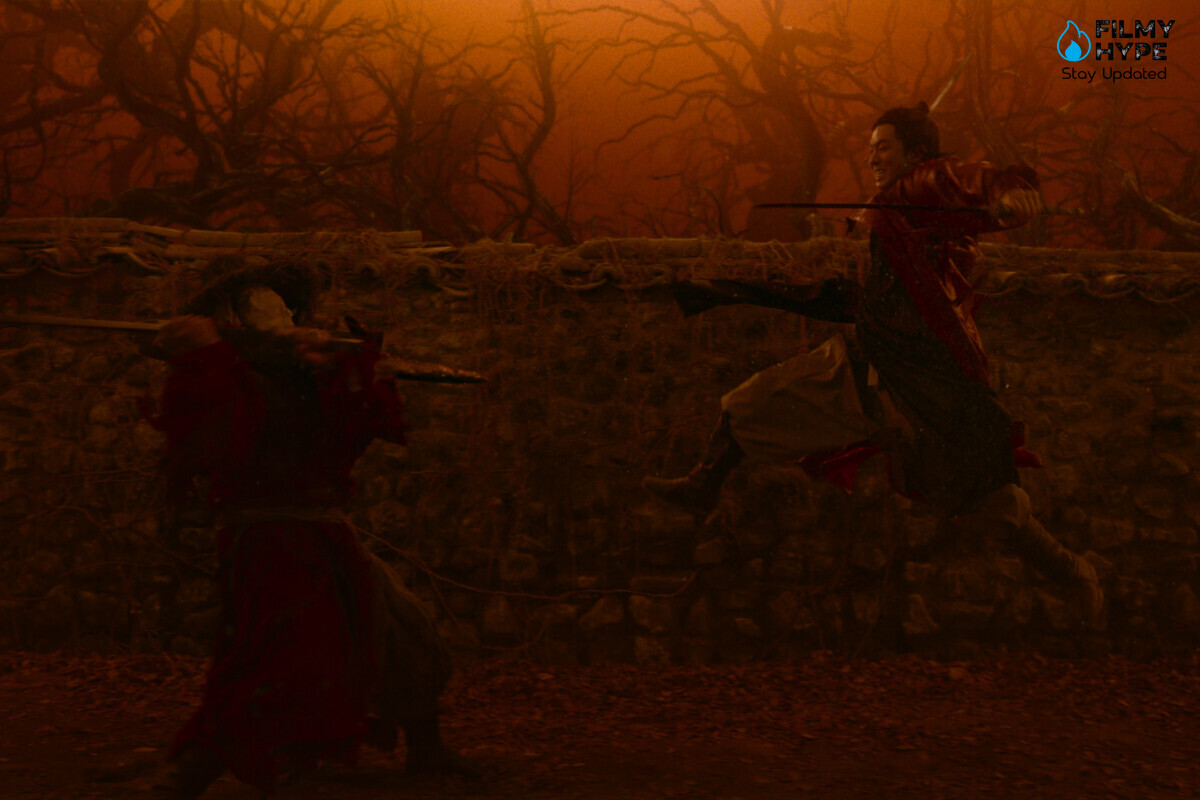
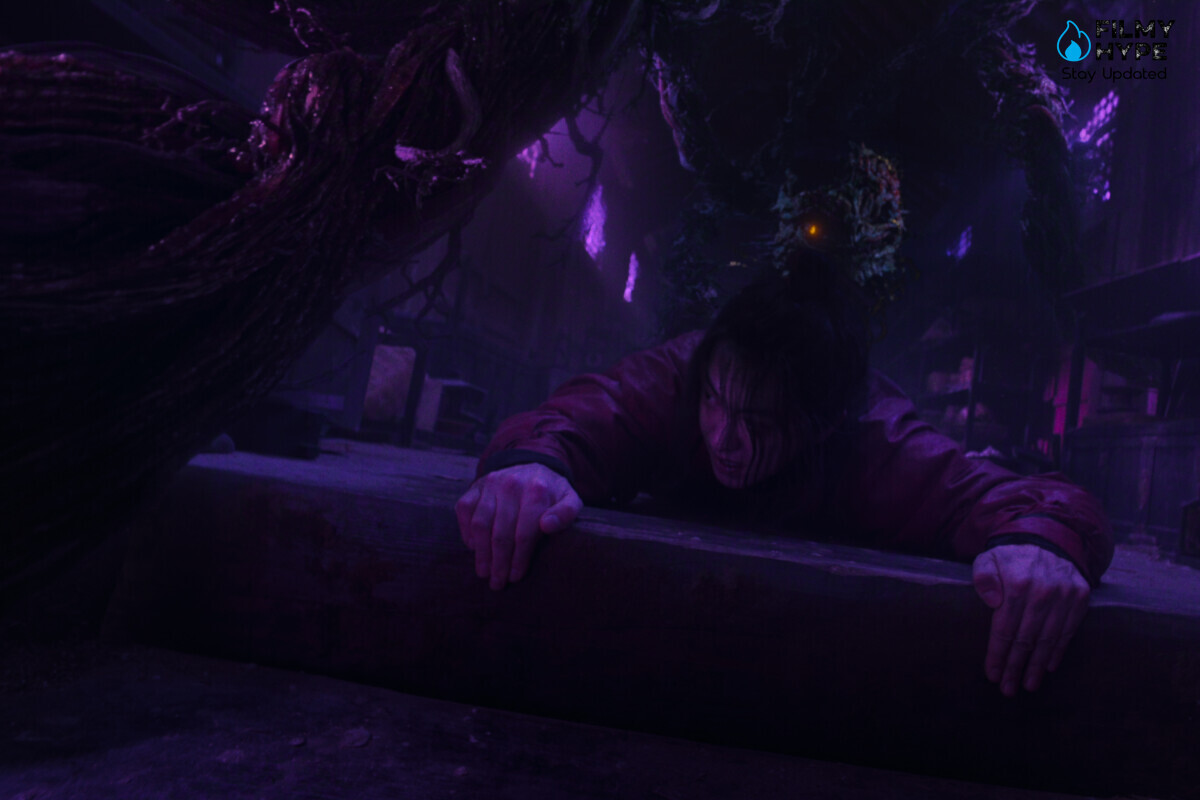
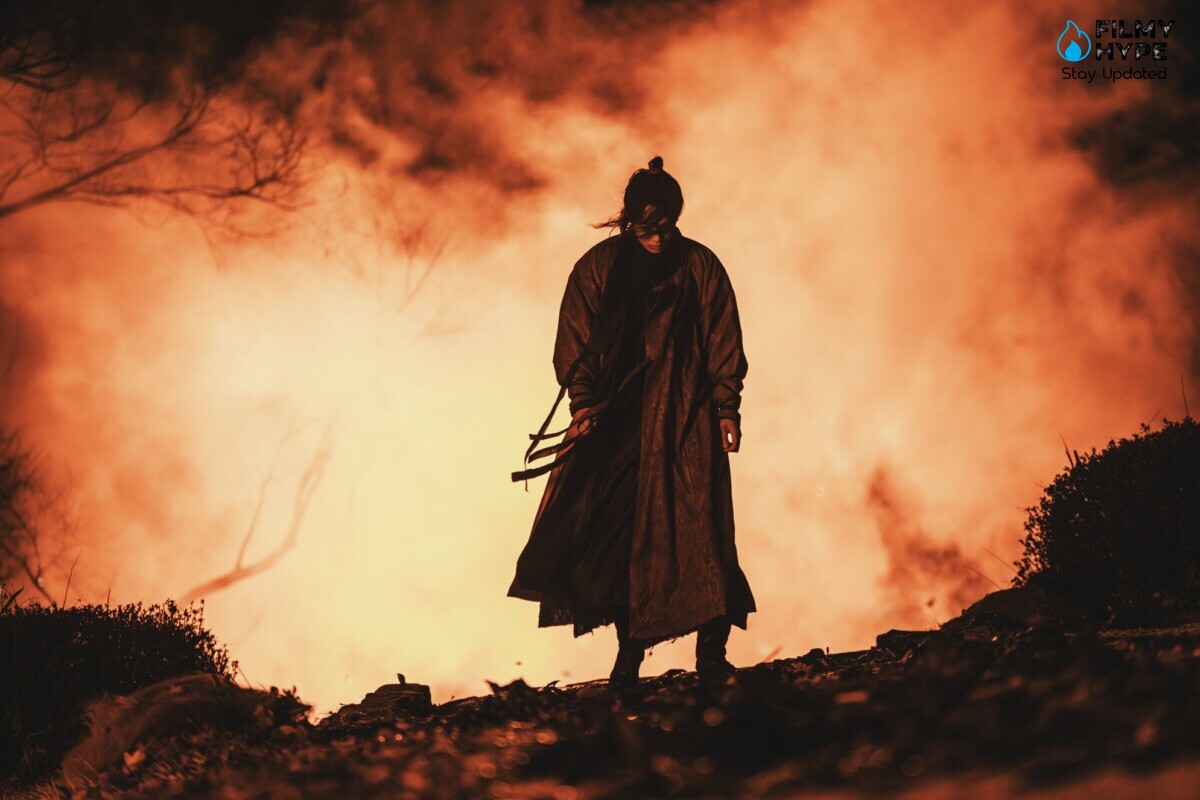
The East Palace works especially when it weaves the investigation into traditional Korean myths and beliefs. Spirits are not just monsters to be eliminated, but souls unable to leave the earthly world because they are consumed by resentment, pain, or the desire for revenge. Gu-cheon can try to reach them through words, but when the dialogue fails, he must address them directly in the Gwi Kingdom. This parallel dimension is constructed as a warped, hellish version of the real world, dominated by red hues, impossible spaces, and creatures that retain traces of the suffering experienced before death. The contrast with the bright and orderly rooms of the palace makes the dual nature of the story immediately visible: on the one hand, the elegant surface of power, on the other, everything that power has repressed and buried.
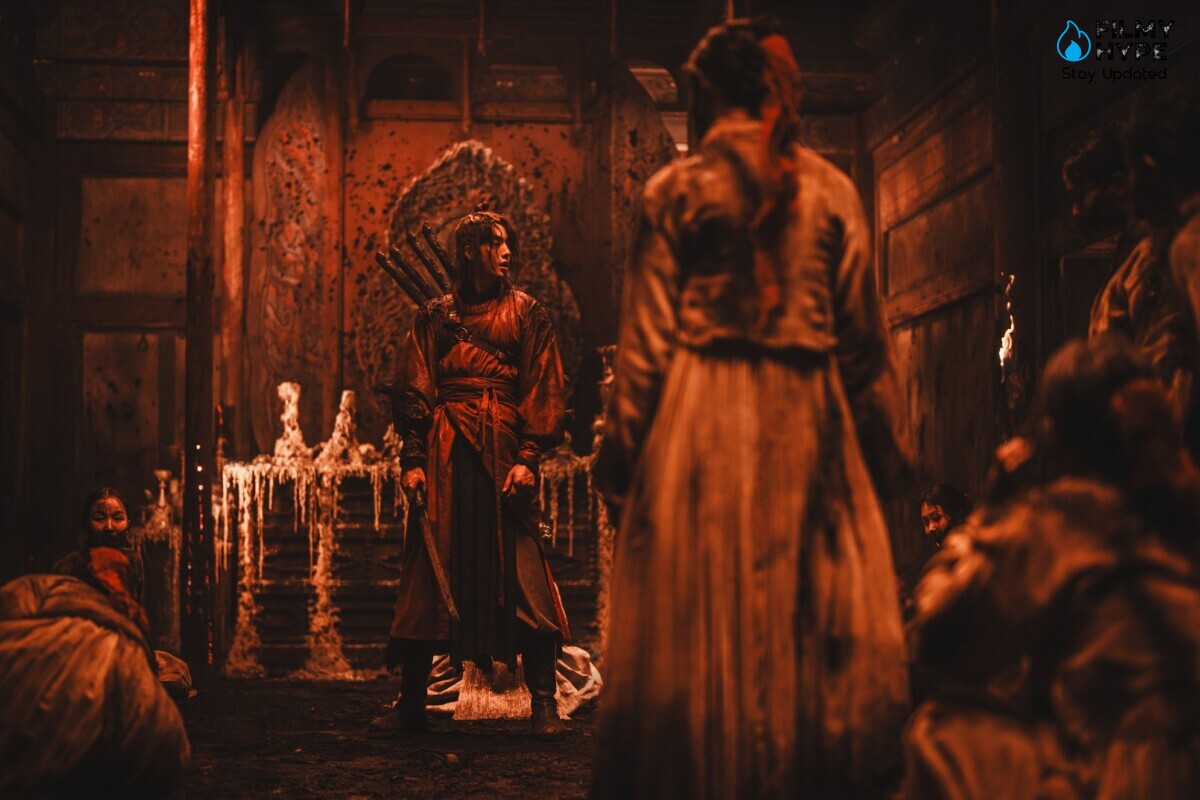
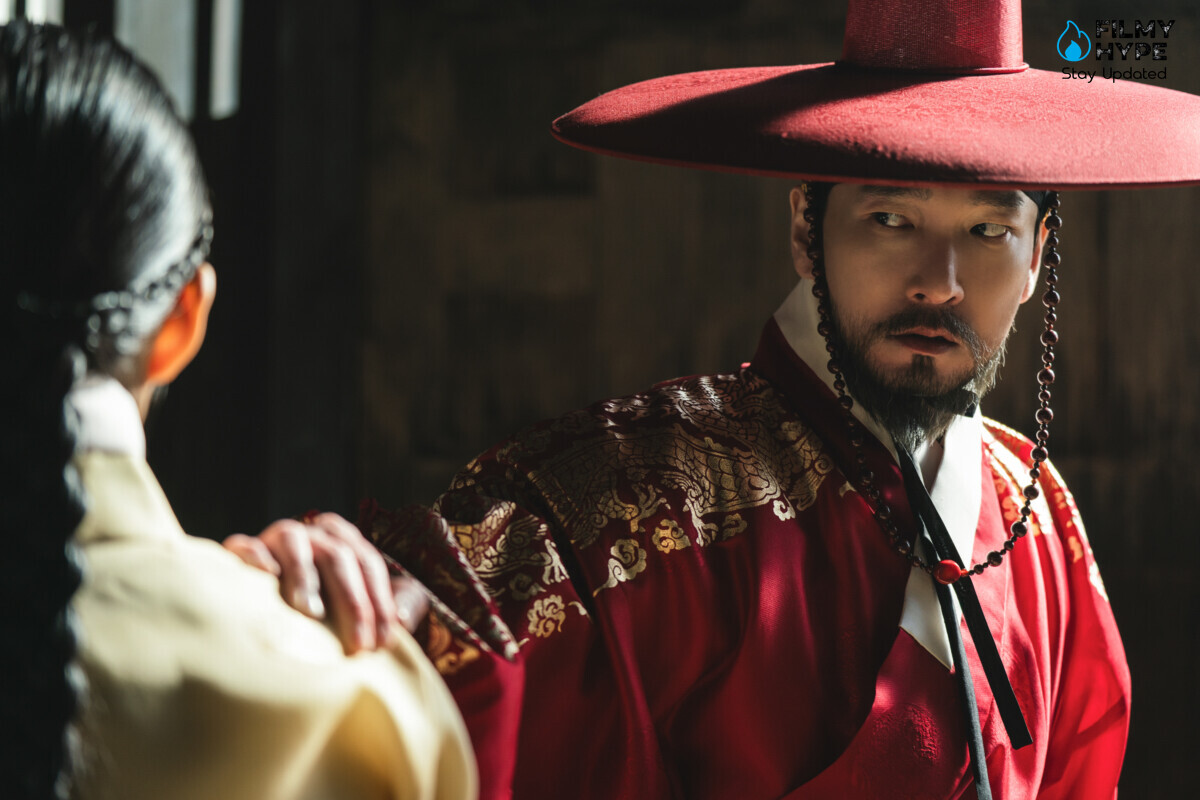
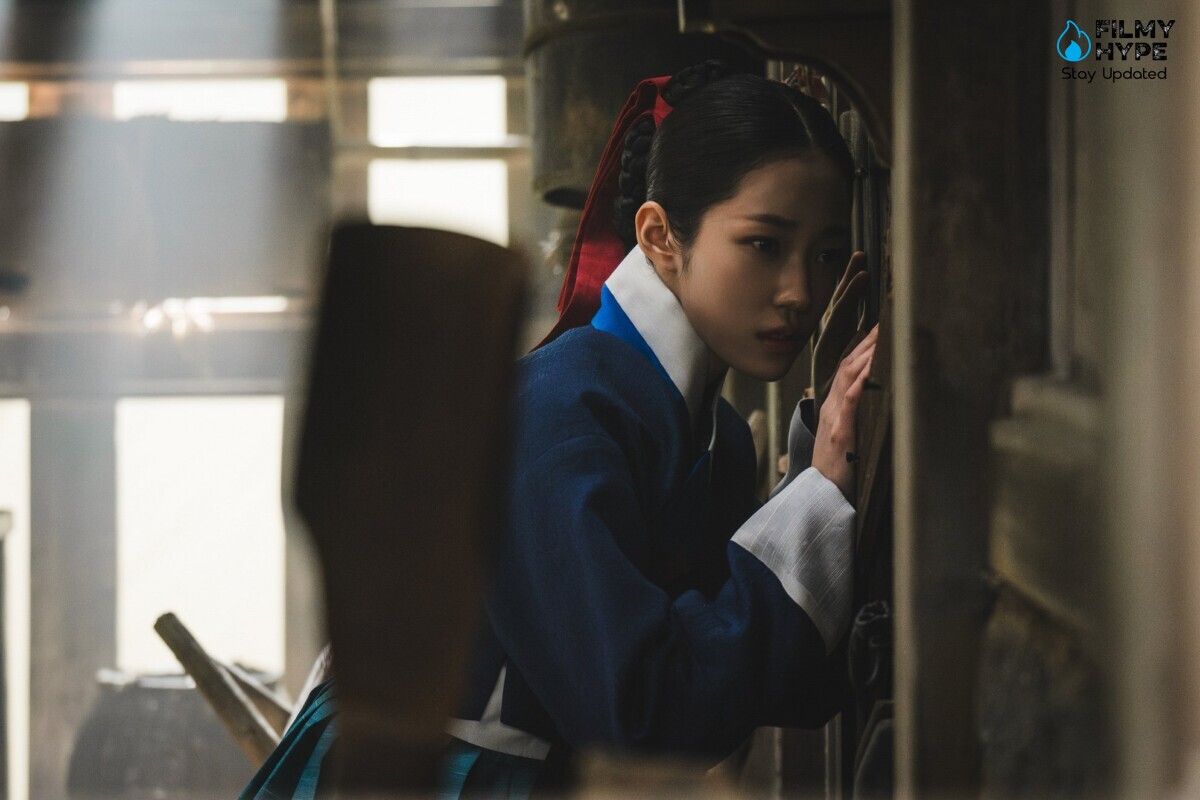
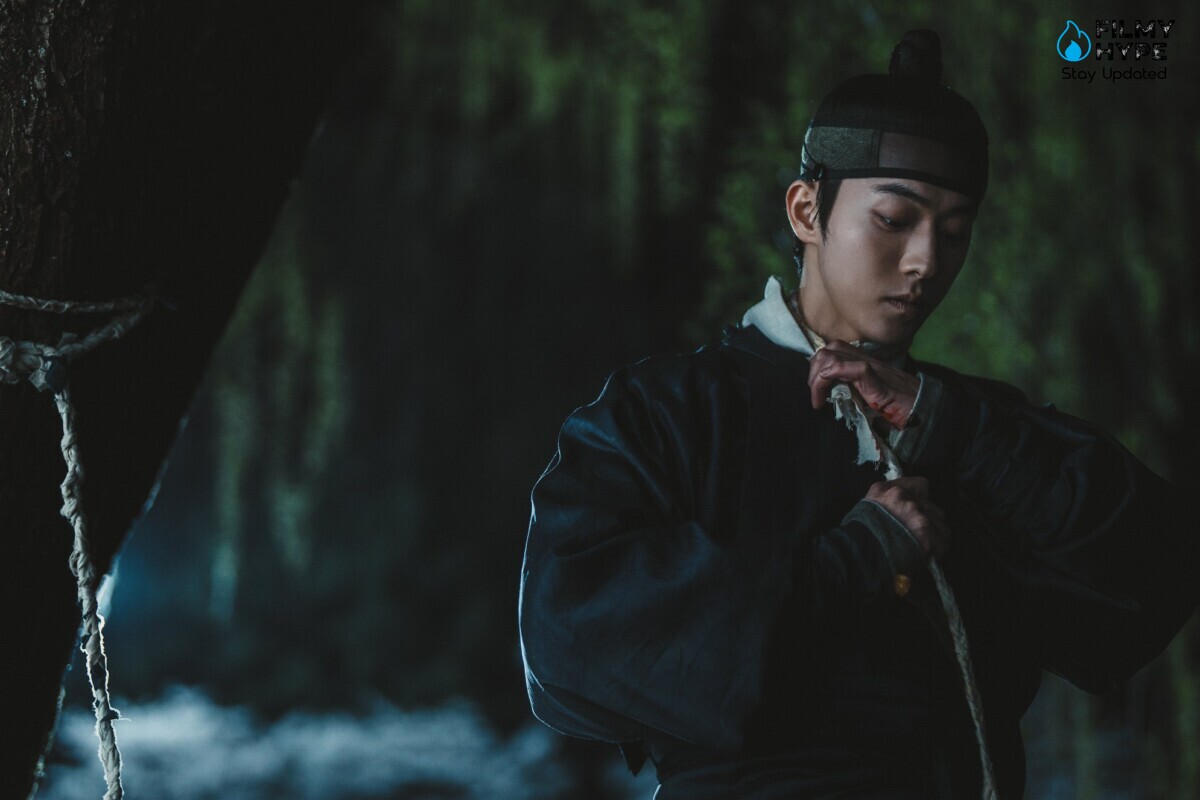
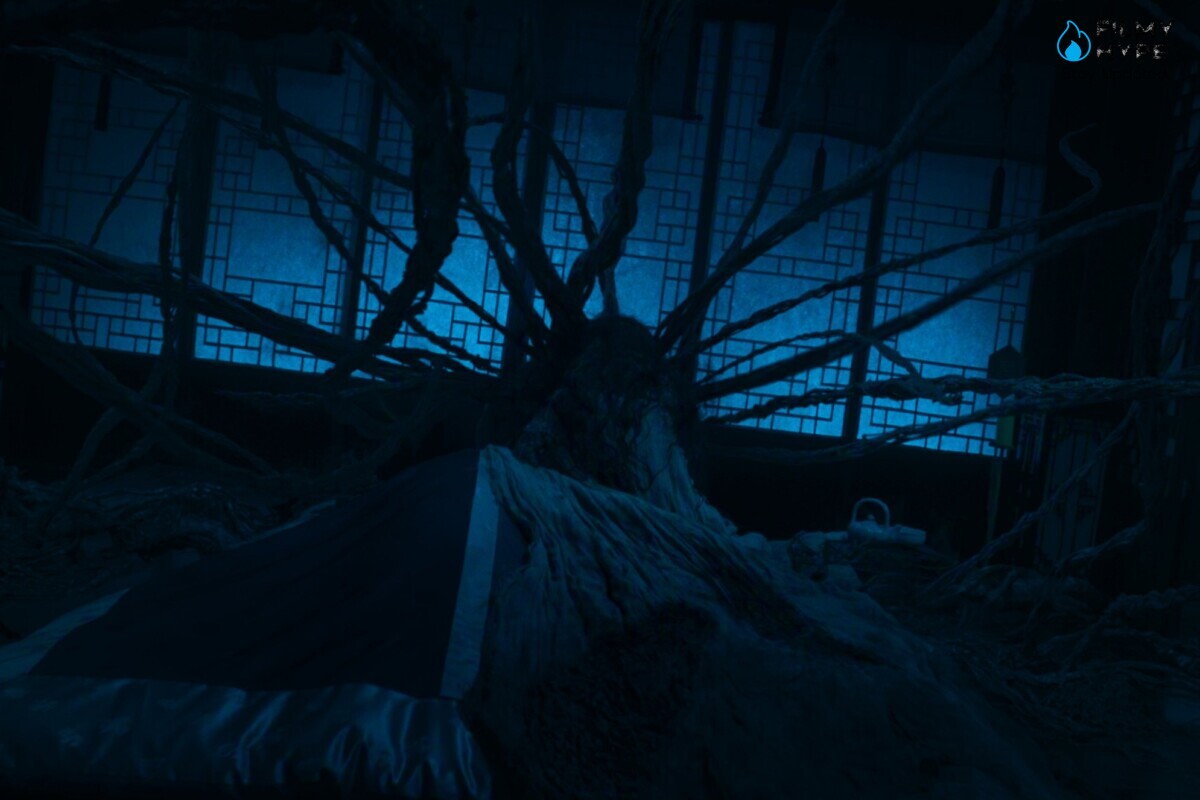
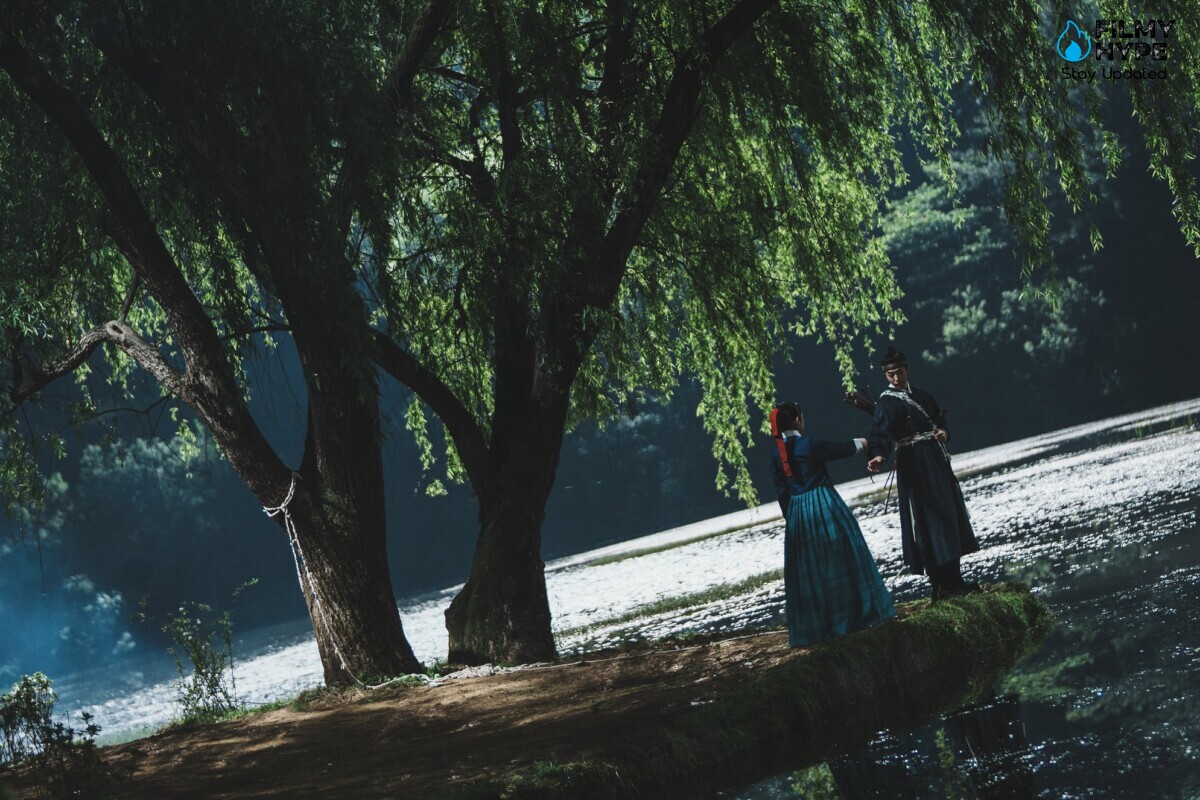
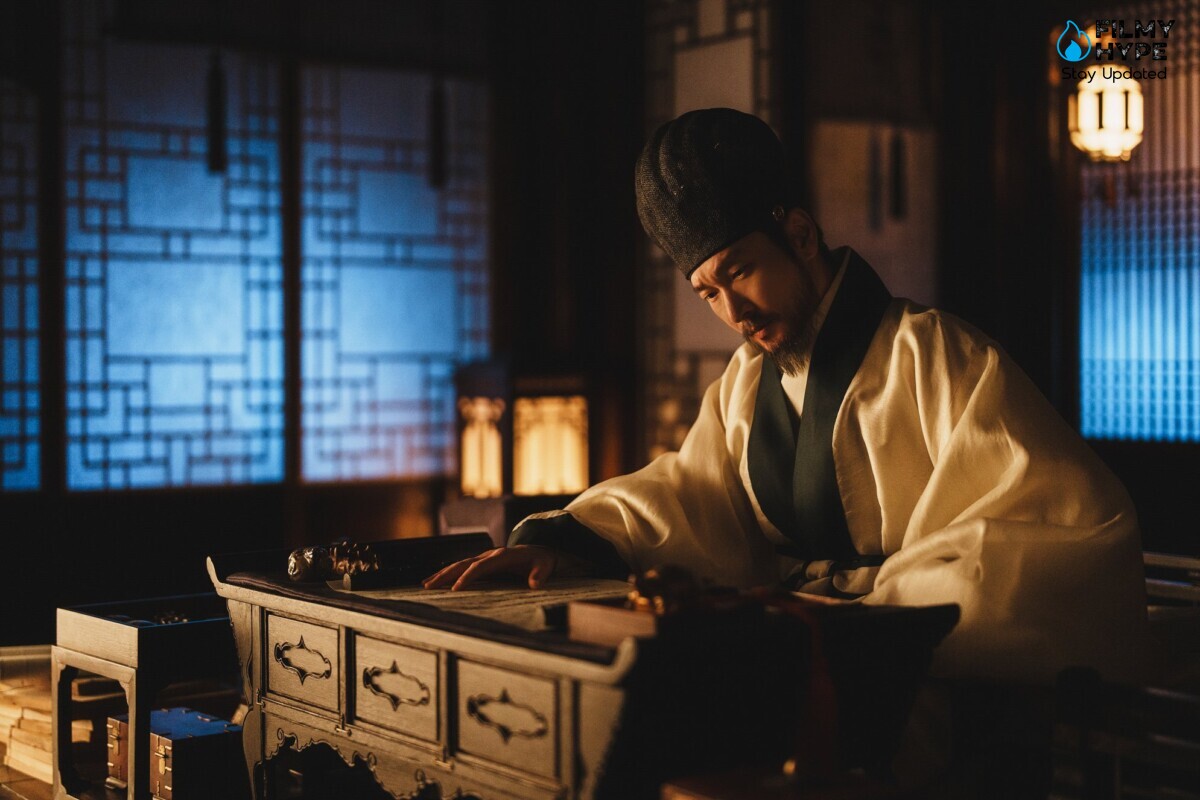
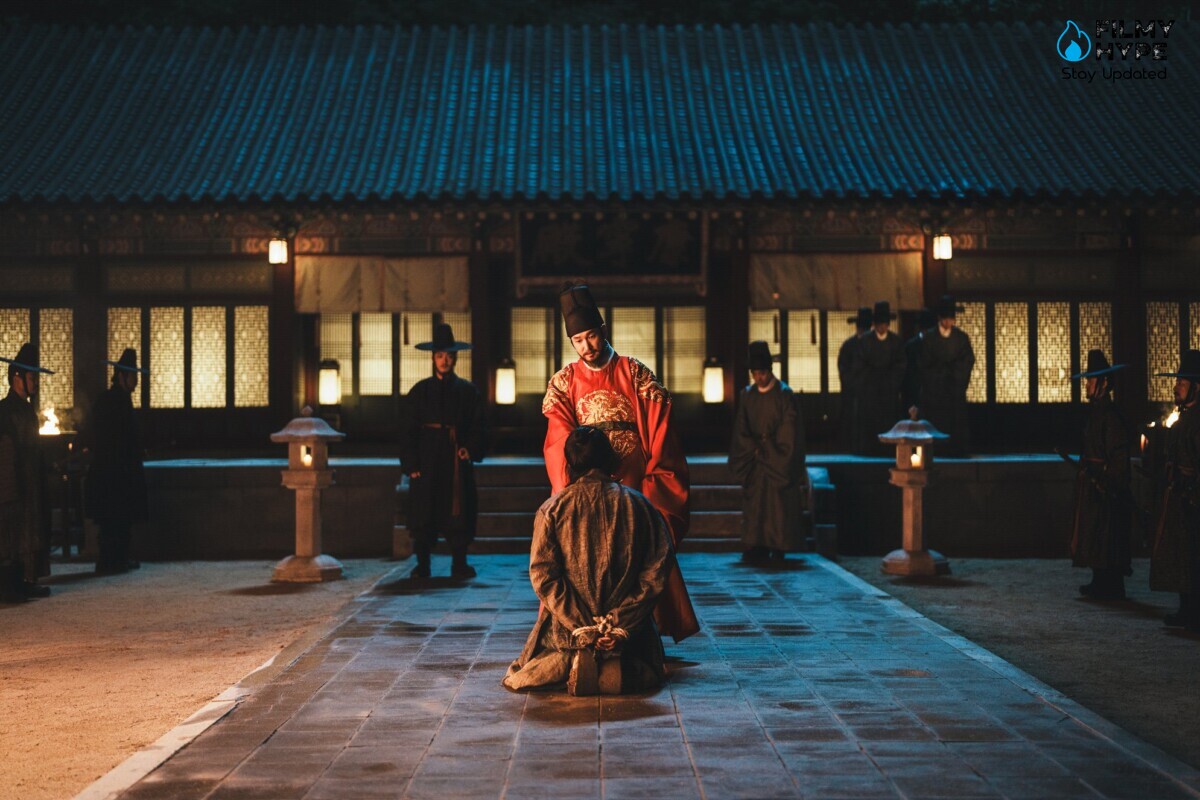
The series also pays great attention to the different categories of spirits, their characteristics, and the relationship between Yin and Yang energies. Explanations are progressively inserted into conversations between the protagonists, almost always avoiding turning worldbuilding into a long lesson. Some dialogues are still more explanatory than necessary, but the complexity of the narrative universe makes this clarity often useful. Visually, The East Palace is one of the most curated Korean productions seen recently on Netflix. The sets, costumes, and natural settings convey all the magnificence of the historical drama, while the photography uses light, shadow, and color to progressively transform the palace into a suffocating place.
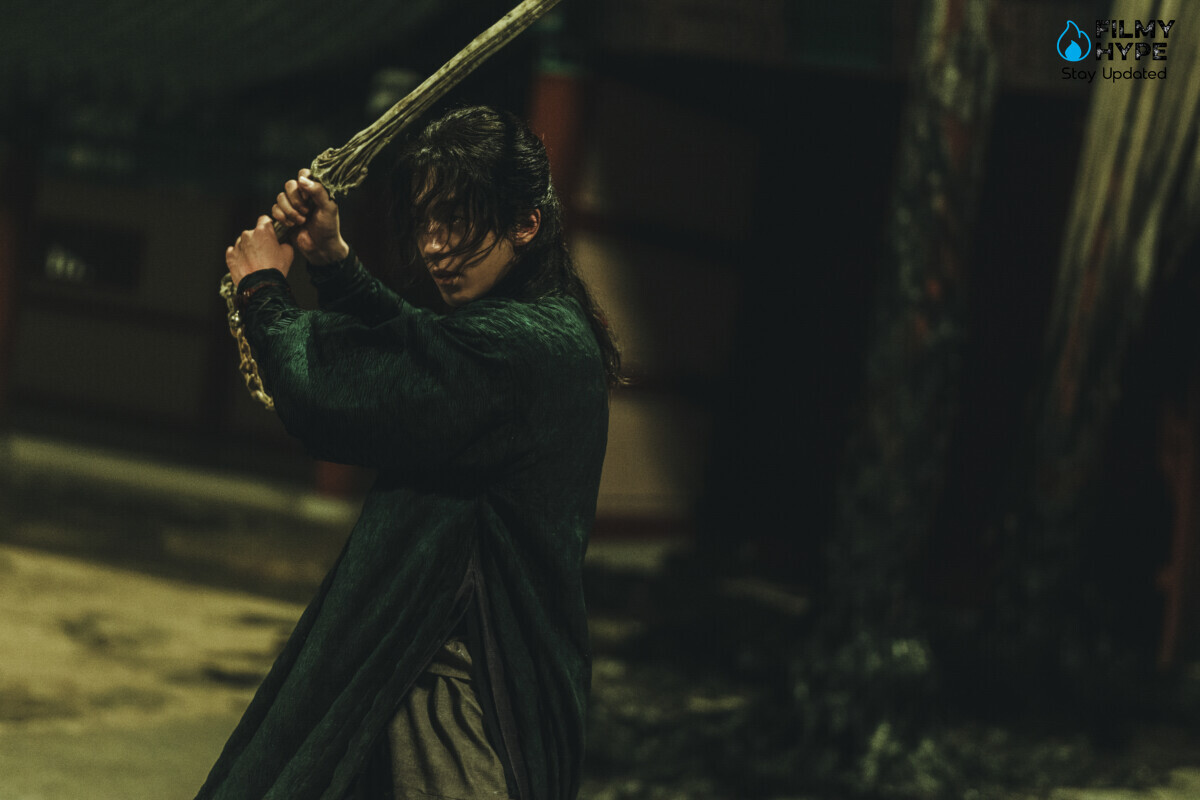
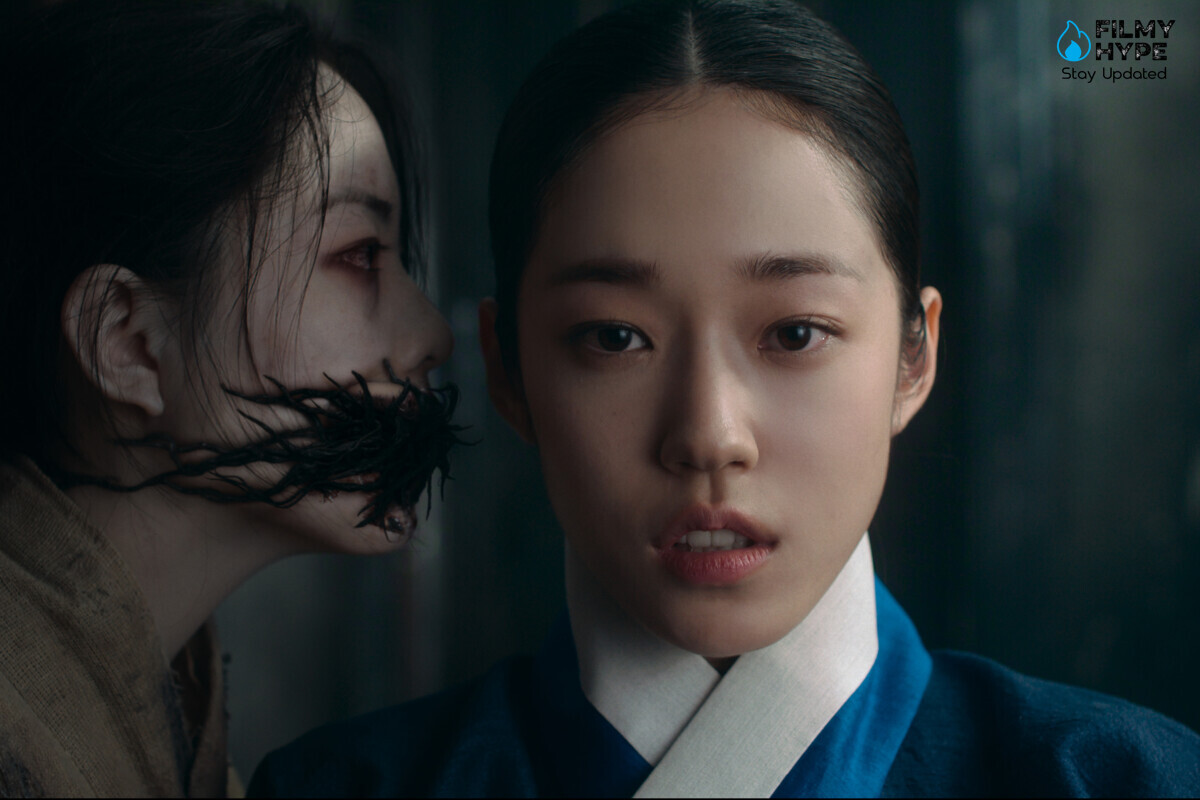
The Gwi Kingdom and the creatures that inhabit it inevitably depend on digital effects, but the quality generally remains very high. Each spirit has a distinct appearance, often related to how it died or the pain that kept it on Earth. The horror component, therefore, thrives not only on sudden apparitions but on grotesque and disturbing images capable of remaining imprinted. The action scenes are also constructed with great precision. Combat mixes martial arts, traditional weapons, and supernatural powers without losing readability, at least when the lighting doesn’t get overly dark. Some sequences set at night sacrifice some of the choreographic details, but do not compromise the overall strength of the show.
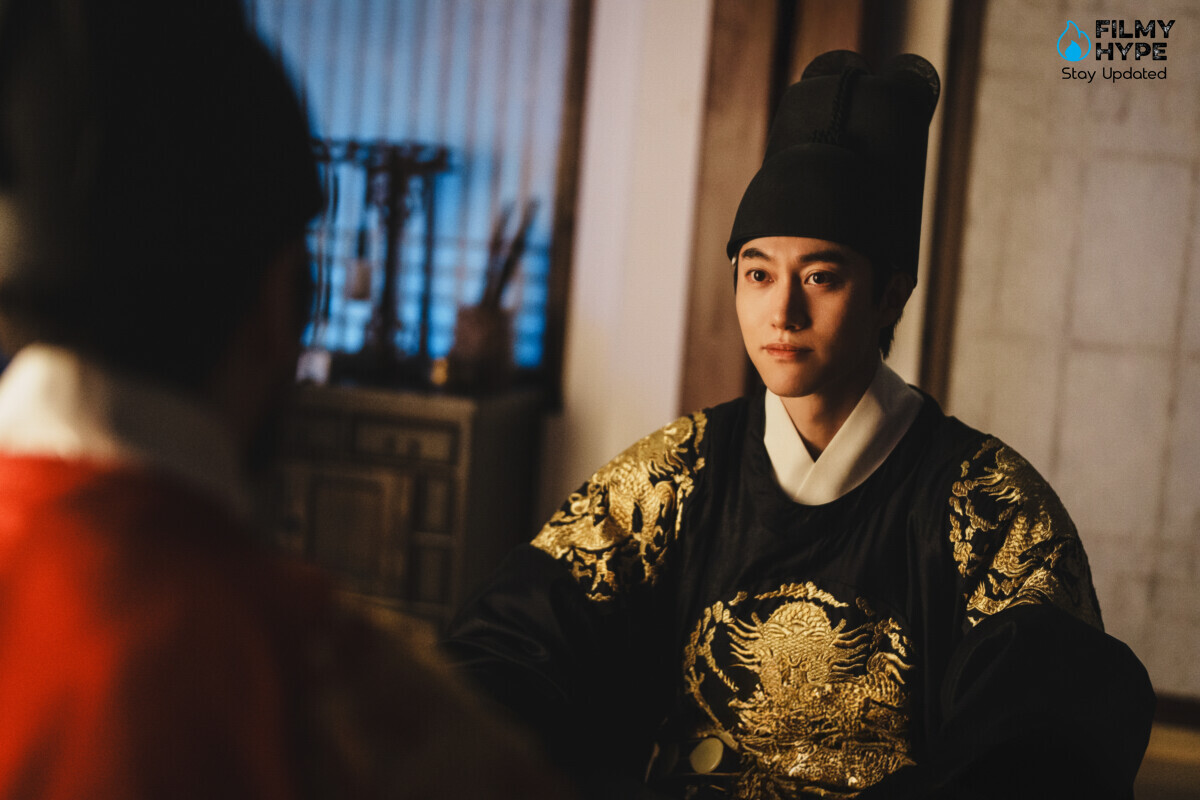
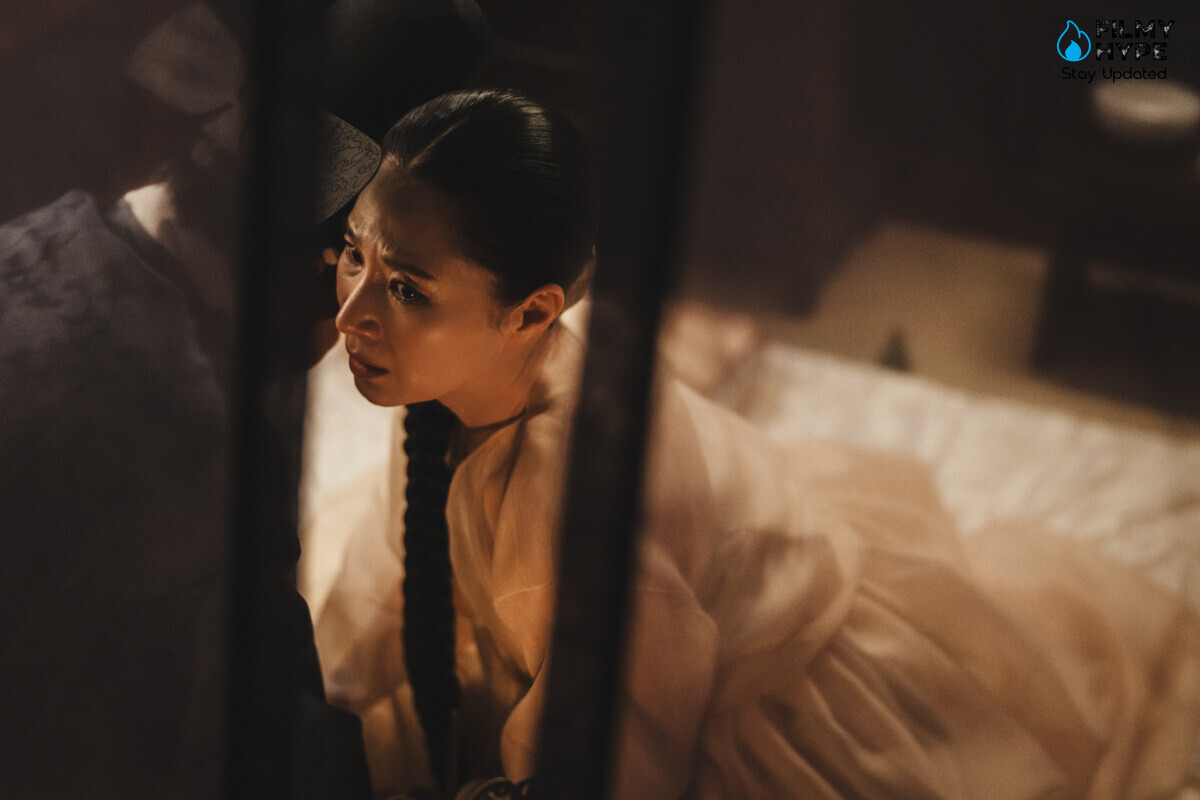
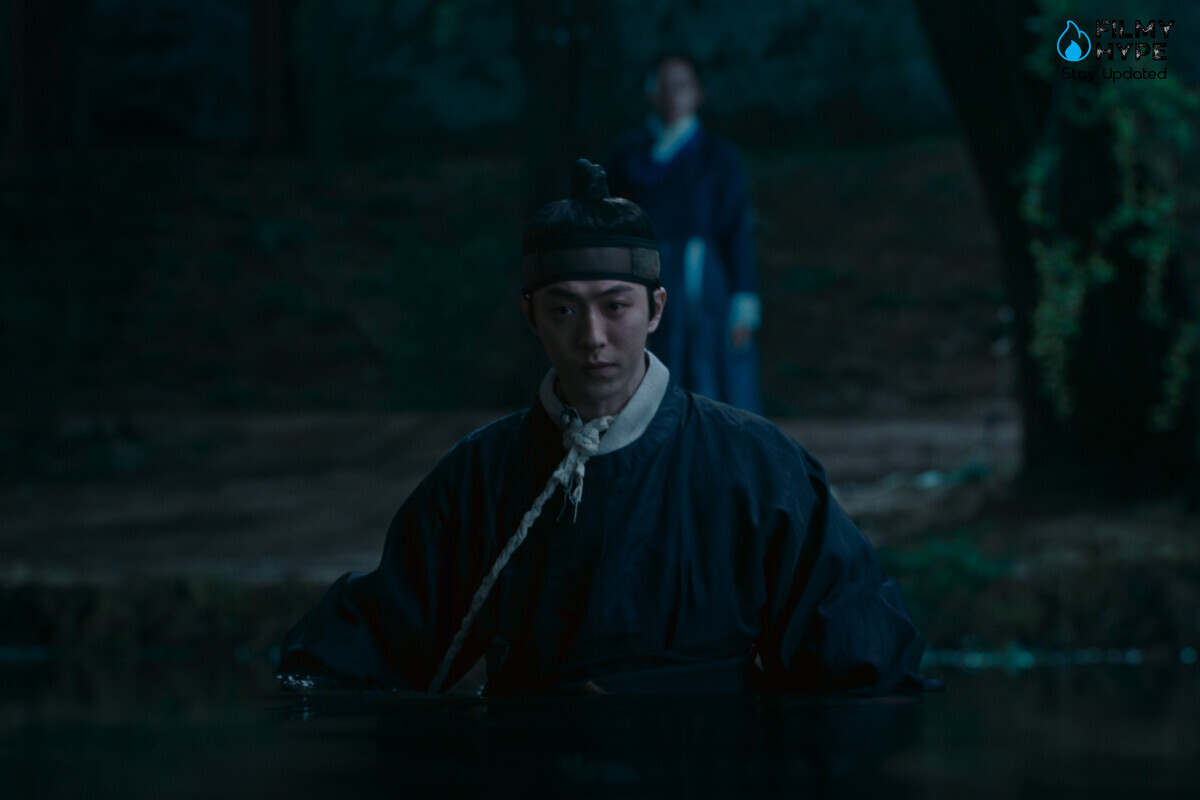
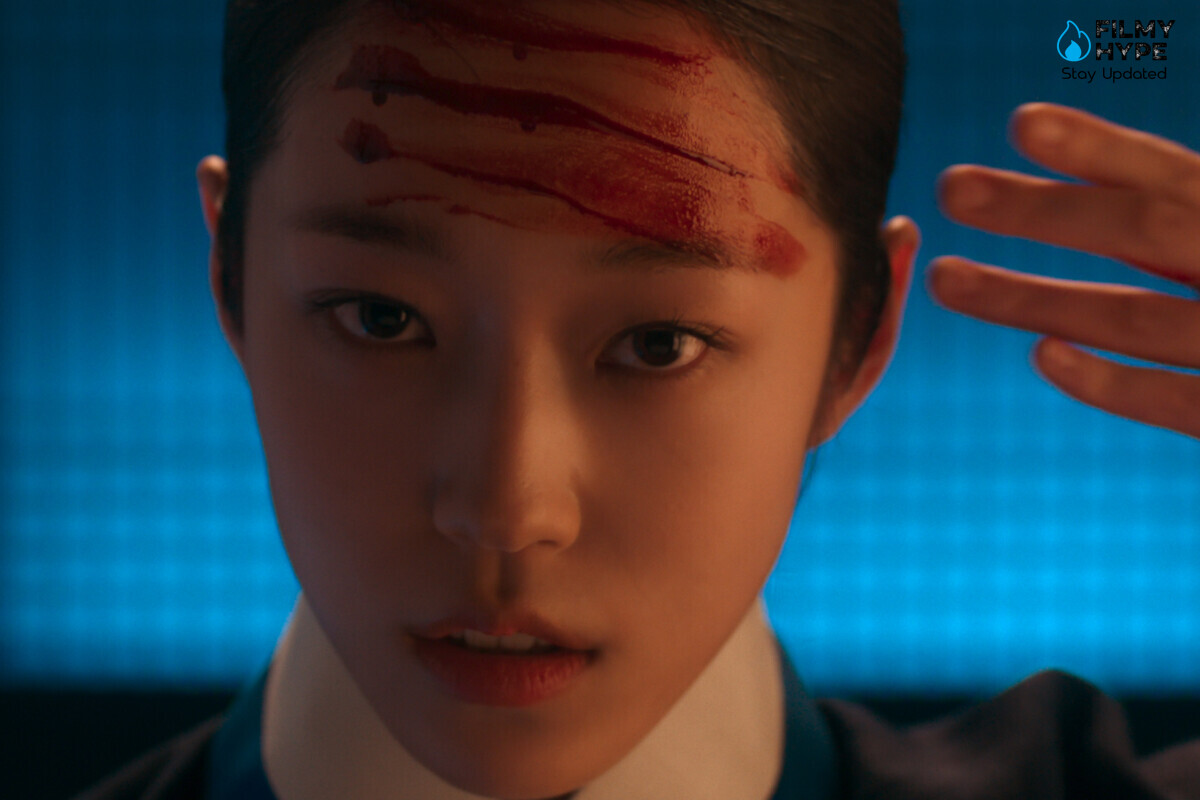
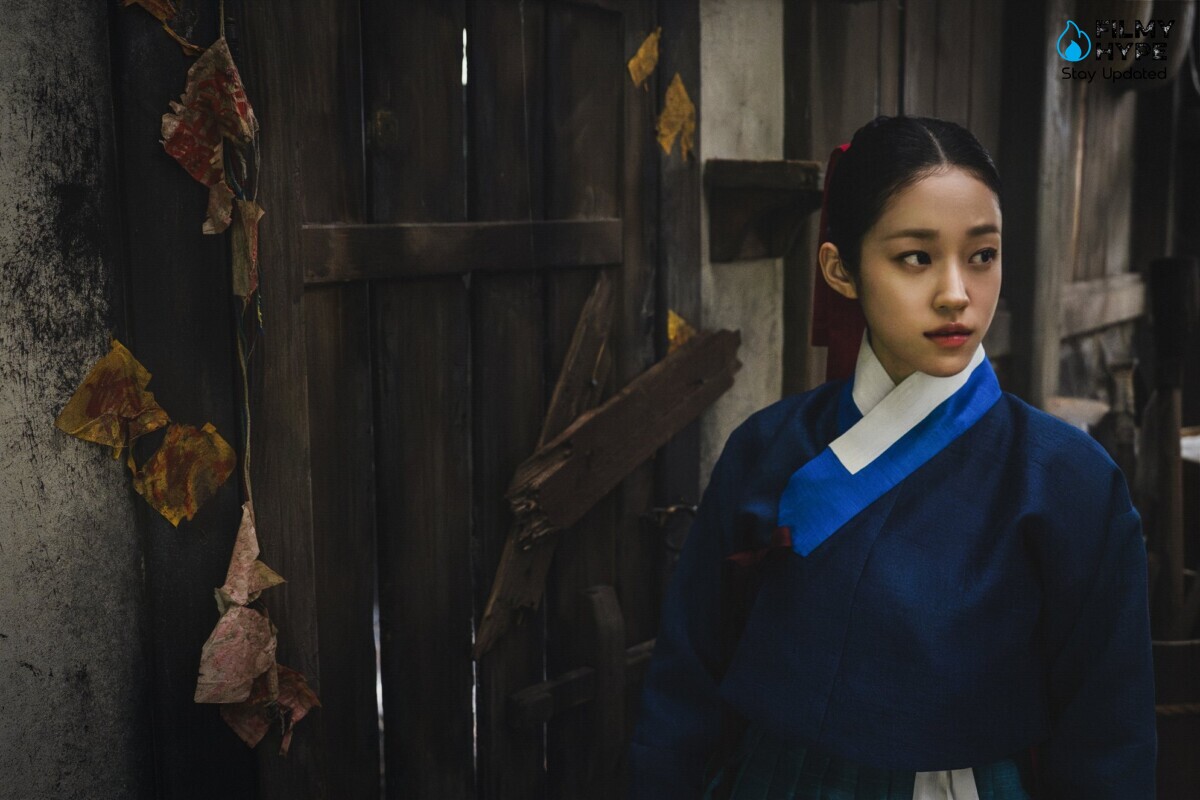
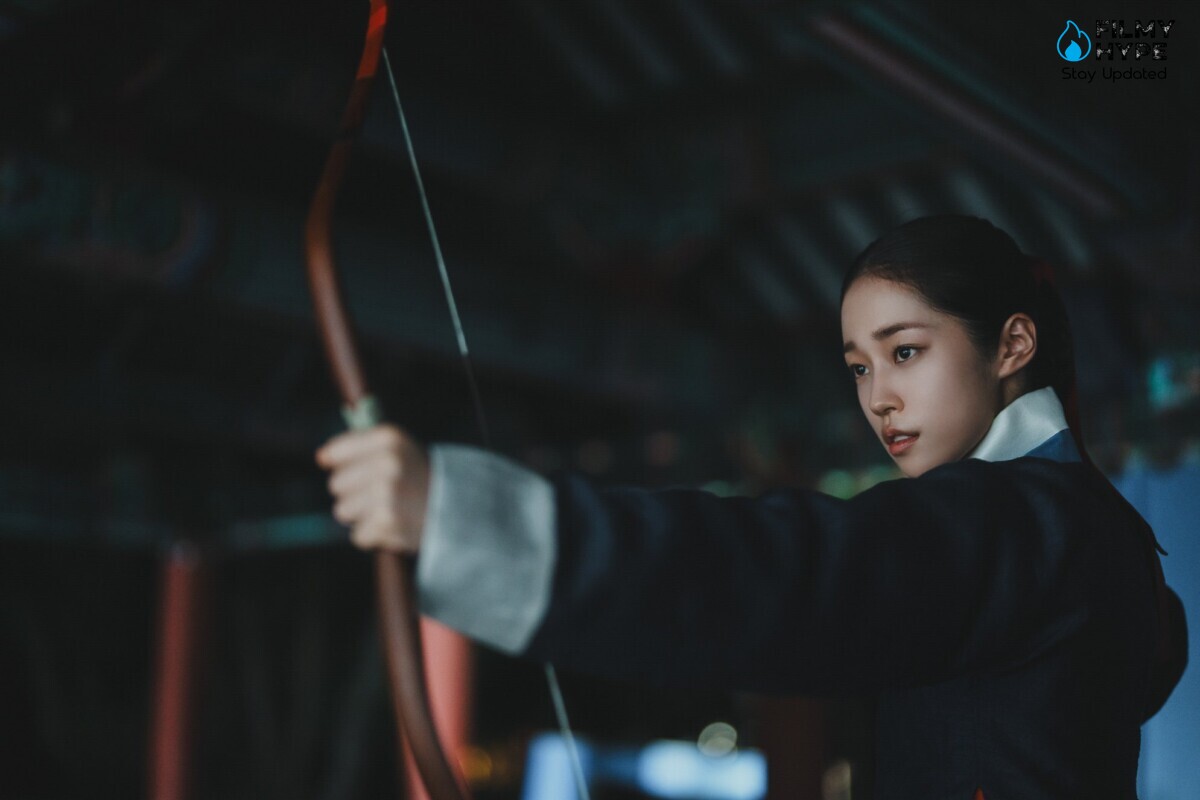
Nam Joo-hyuk’s return to television series was one of the most anticipated elements of the production, and the actor manages to give Gu-cheon a very effective combination of tiredness, sarcasm, and repressed pain. The character faces the supernatural with the disillusioned attitude of those who no longer consider anything they see exceptional, but behind his apparent indifference, a sense of guilt gradually emerges that has never really been overcome. Roh Yoon-seo is the real revelation of the series, however. Saeng-gang is determined, pragmatic, and capable of defending herself, but her strength does not erase the fragility generated by trauma. The actress manages to make every transformation believable, showing how the control she displays in front of others is above all a protection against a pain that continually risks overwhelming her.
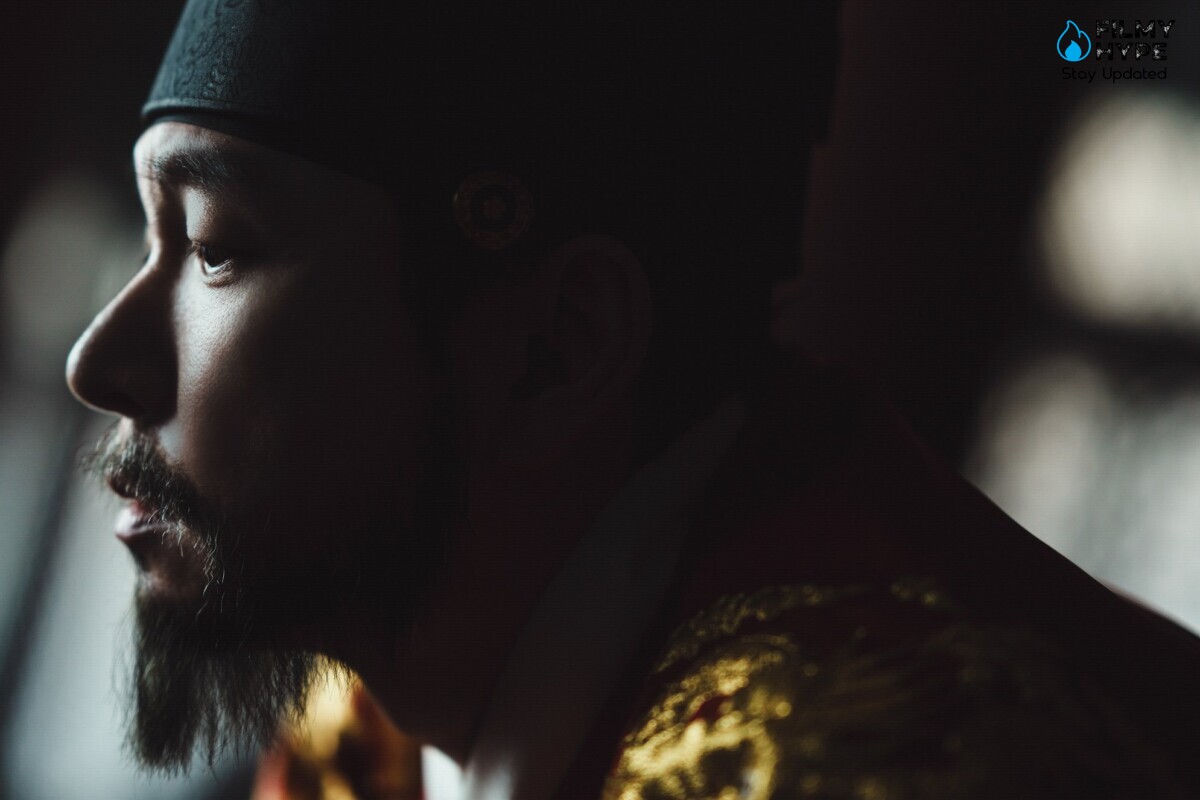
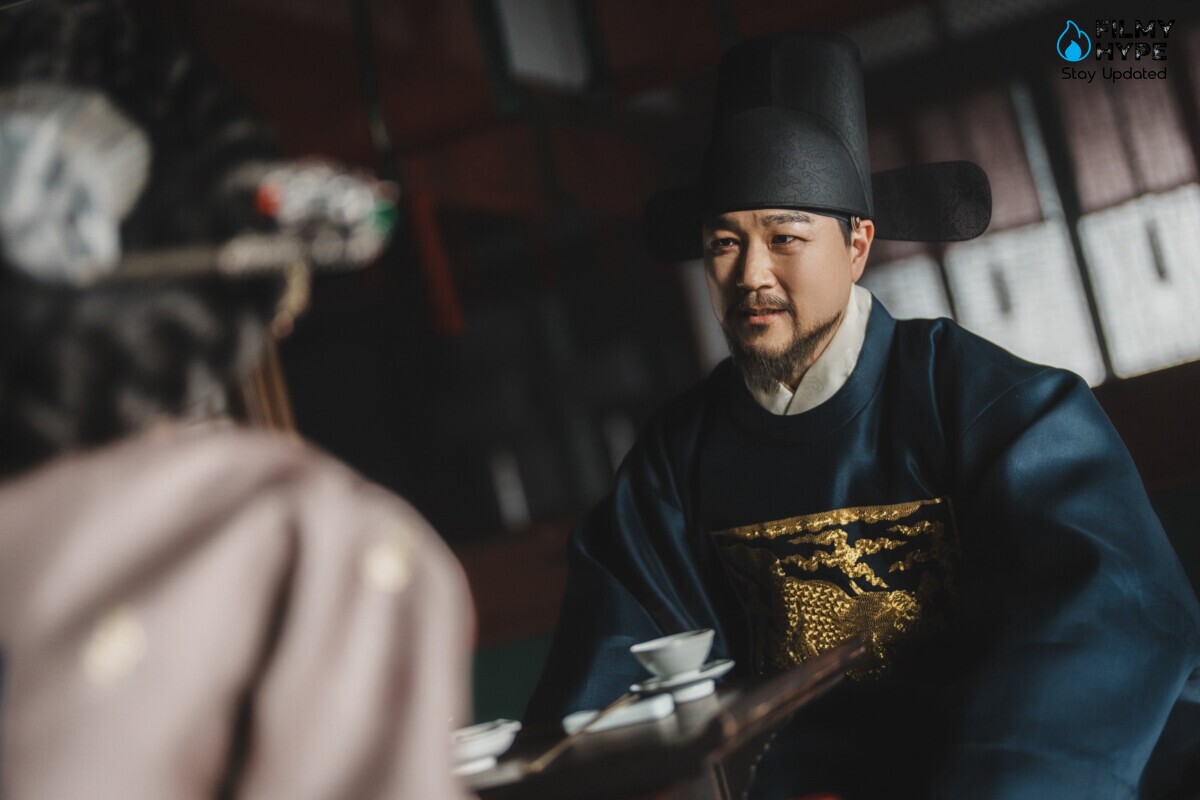
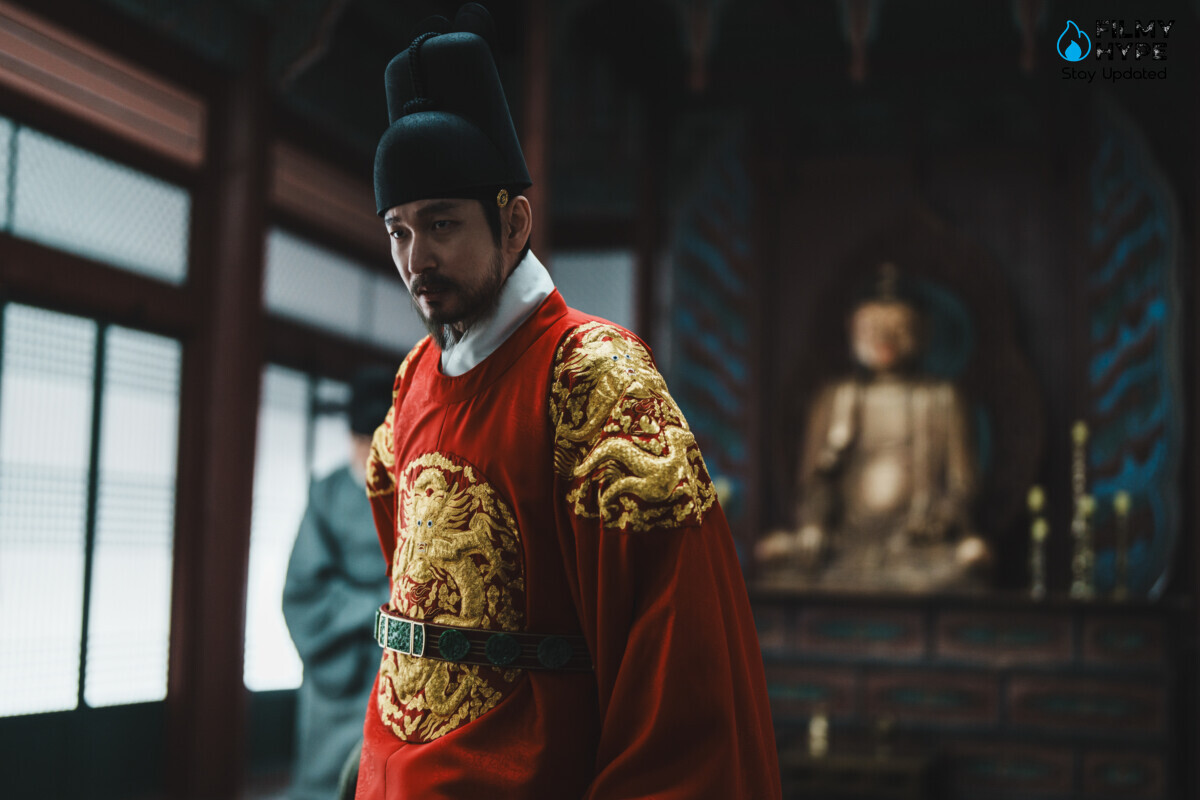
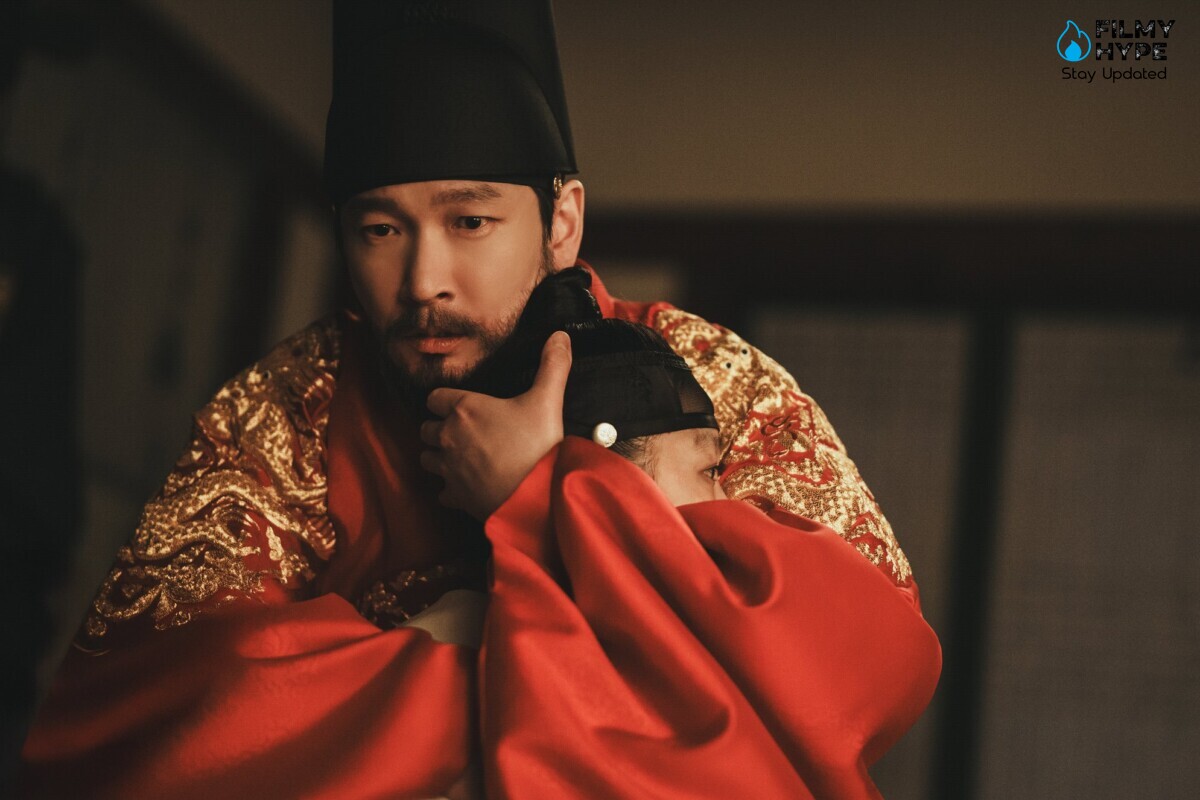
The relationship between Gu-cheon and Saeng-gang grows gradually. The series doesn’t immediately force the romantic component and prefers to first build a true alliance, based on the awareness that only they can fully understand what it means to live with the voices and presences of the dead. Their differences make them complementary: he can see and fight spirits, she can listen to them and understand their suffering. Both thus end up protecting the other, without one being reduced to the simple support of the protagonist. In a series filled with supernatural creatures, perhaps the most difficult character to decipher remains Cho Seung-woo’s King. The ruler can appear affectionate, menacing, ironic, or ruthless within a single scene, without any of these nuances appearing false.
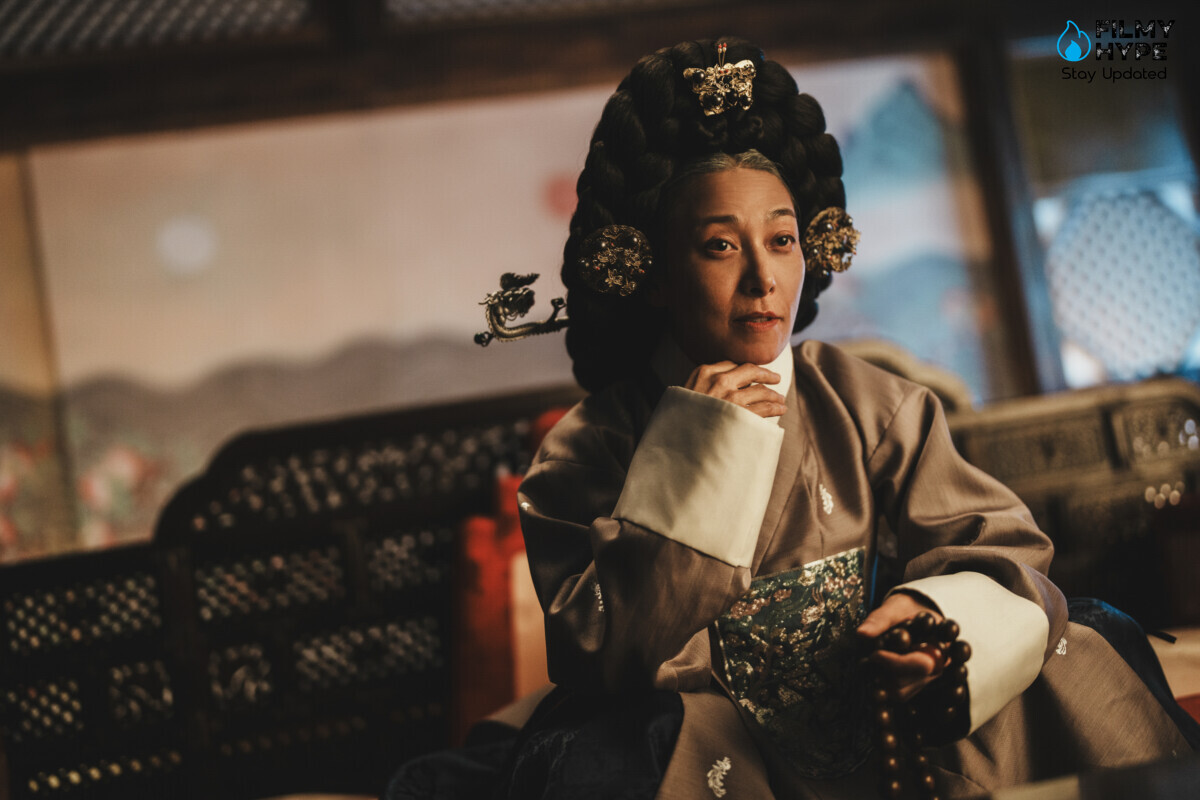
His despair over the fate of his children lives with the instinct to retain power at any cost. Even in moments when he seems to show genuine vulnerability, it remains impossible to forget that he rules through fear and that he knows far more secrets than he is willing to confess. Cho Seung-woo supports these contradictions with extraordinary precision, making every appearance tense. The political dimension of the series also works very well, avoiding becoming a simple sidebar to supernatural investigations. The contrasts between the King, the Queen Mother, and other court figures show how the curse is inseparable from the history of the palace. Power struggles and ghosts end up feeding off each other because any violence that goes unpunished creates new consequences.
The first part of The East Palace must introduce numerous characters, rules, and conflicts, but still manages to quickly establish the stakes. The pace is not frenetic because the series prefers to build the mystery by accumulation, letting each revelation change what we thought we knew. It is especially from the middle of the season that the story accelerates decisively. Alliances change, secrets begin to connect, and the distinction between victims and perpetrators becomes increasingly blurred. Narrative twists work because they are not only used to surprise, but also impact the relationships between characters and reopen wounds that seemed buried.
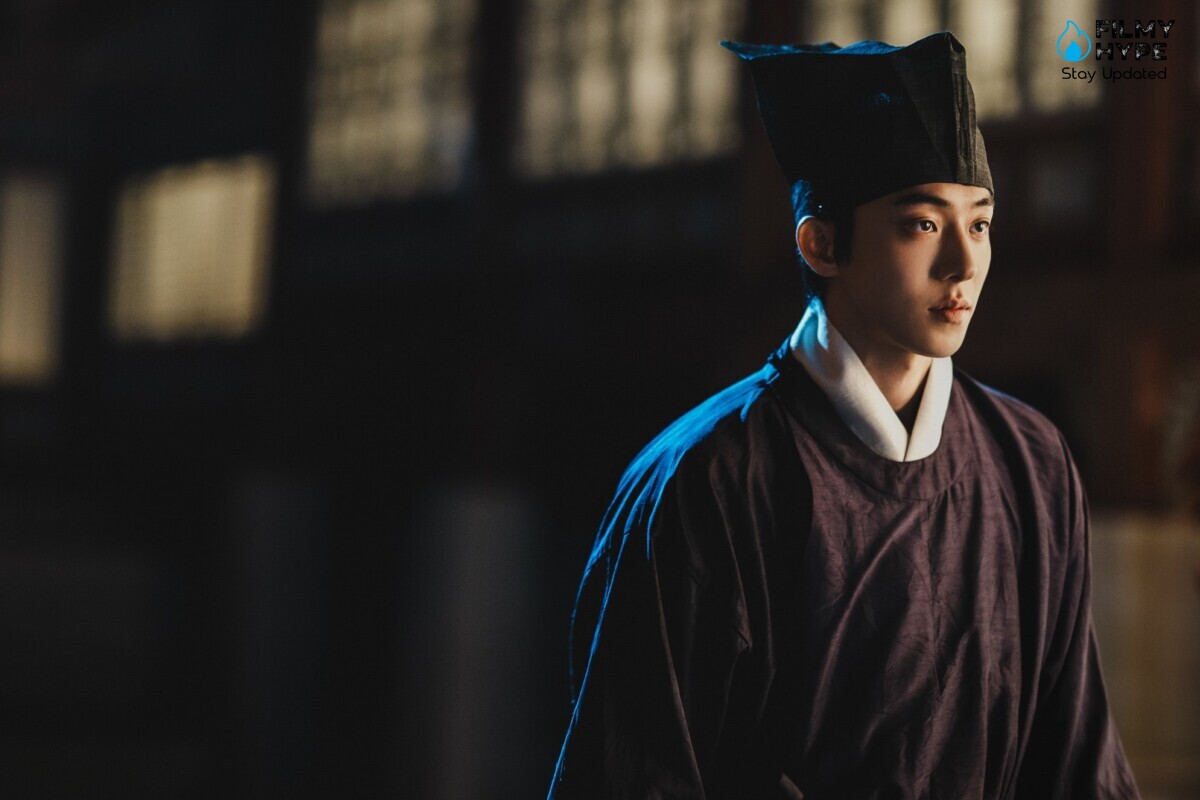
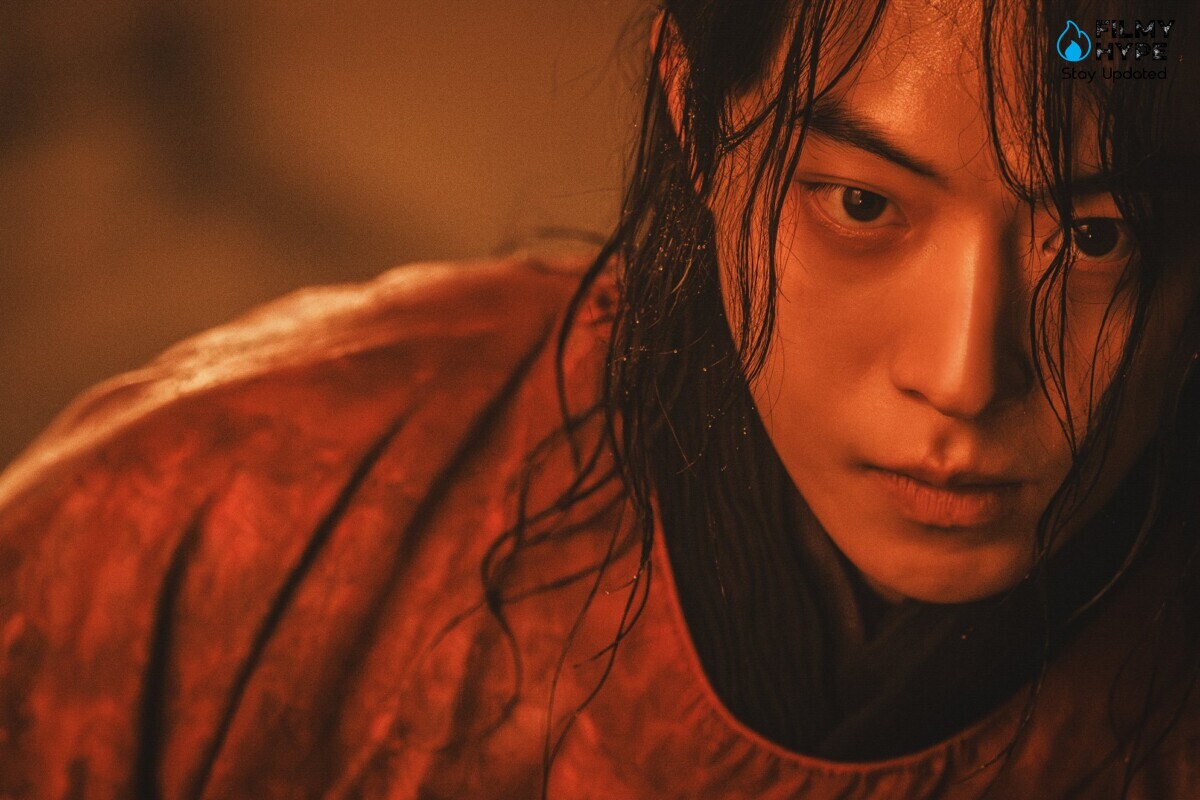
Some passages resort to too direct explanations, while some modern musical choices are not very harmonious with the historical atmosphere. However, these are marginal limits within a series capable of maintaining control over a significant number of elements without sacrificing emotional involvement. The East Palace combines the allure of historical drama, the uneasiness of horror, and the complexity of political fantasy in a tale that finds its strength in both the monsters and the characters. The magnificence of the production immediately draws attention, but it is the weight of trauma, broken family bonds, and the consequences of injustice that make the series truly engaging.
Nam Joo-hyuk returns with a role that showcases both his charisma and melancholy, Roh Yoon-seo delivers one of the best performances of his career, and Cho Seung-woo dominates every scene with a presence that’s hard to match. Their quality allows the series not to get lost in its own visual spectacle and to continually remind us that behind each ghost lies a story that someone has tried to erase. It is not without minor flaws, including sometimes overly explanatory dialogue, excessively dark scenes, and some questionable musical choices. Overall, however, The East Palace is an elegant, dark, and surprisingly emotional historical fantasy, capable of transforming the intrigues of the royal court into a story of guilt, revenge, and grief that even crosses the line of death.
In my opinion, the first great merit of this series is the quality with which it was shot. Each scene appears to be meticulously crafted down to the smallest detail, from the costumes to the palace’s architecture, through the visual effects used to bring the spirit world to life, which is clearly distinguished from the real world by consistently recognizable choices of color and light. Even the fight scenes, choreographed with great care, convey a sense of spectacularity rare to find in a television production. On the acting front, those who already know Nam Joo-hyuk will find him in a more mature version than the roles for which he became famous, capable of naturally conveying the melancholy of a character marked since childhood by the loss of his mother. However, it is Roh Yoon-seo, as Saeng-gang, who convinces me even more.
Her character never merely acts as a sidekick to the male protagonist, but pursues her own independent path, making her own decisions and saving the situation as much as she is saved herself, an unexpected balance for a story set in a historical era when women usually had very little room for action. The most obvious limitation of the series, however, concerns the construction of the plot, often more interested in multiplying mysteries and new rules on the functioning of the spirit world than in explaining them clearly to the viewer. Some fundamental concepts for understanding the story, such as the difference between the different categories of ghosts that populate the story, are introduced with a rush that risks confusing the viewer, especially in the first episodes. Even the overall originality of the premise, a cursed palace and two supernatural investigators called upon to solve the mystery, does not stray too far from formulas already seen in other Korean productions of a similar genre.
The East Palace Series Review: The Last Words
The East Palace combines court intrigue, Korean folklore, and supernatural horror in a visually spectacular series, backed by an excellent cast and an increasingly engaging mystery. However, it remains a series capable of entertaining, thanks above all to its staging and the quality of the cast, even for those who are not regular fans of the Korean fantasy horror genre. The East Palace is a Korean horror fantasy series that impresses with its visual quality and two very convincing main performances, while remaining on a plot that is not always clear and unoriginal in its underlying structure. A visual achievement of the highest level, including costumes, sets, and special effects.