


Who Is Ormund Hightower? For two seasons, House of the Dragon has been dominated by the kind of power that announces itself with fire. Aemond Targaryen on Vhagar, the largest dragon in the world, turning battles into spectacles of destruction. Daemon cutting through enemies with the kind of ruthless precision that makes for legendary stories. Even Rhaenyra, more cautious than her rivals, has been defined by her dragons—Syrax, and the new riders she’s been gathering to her cause. The Dance of the Dragons, as the name suggests, has been a war fought in the sky.
Who Is Ormund Hightower? The Strategist Who Just Changed the War
But in Episode 3 of Season 3, a different kind of threat enters the story. He doesn’t ride a dragon. He doesn’t wear flashy armor or make grand speeches. He walks into Rhaenyra’s court with a fake prince and a false surrender, and by the time anyone realizes what’s happened, he’s already taken a town that changes the entire strategic map of the war.
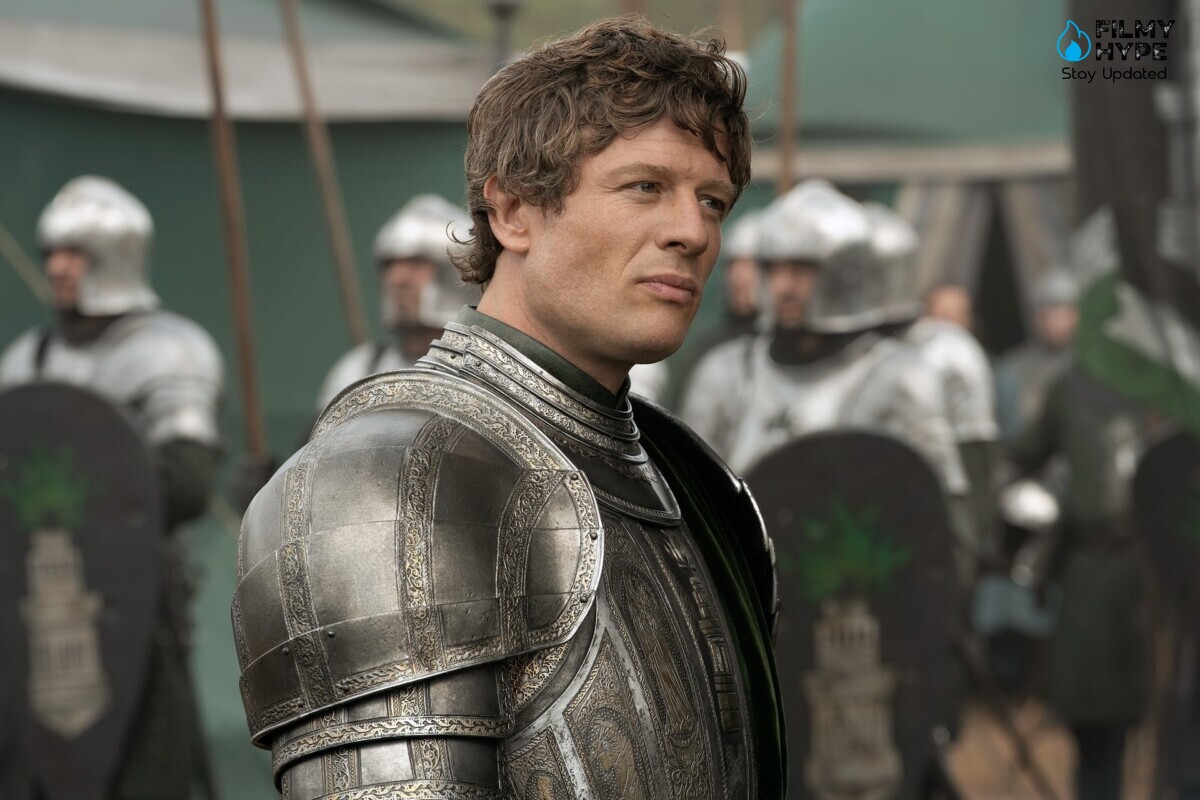
His name is Ormund Hightower. Played by James Norton with a quiet, watchful stillness that makes every scene he’s in feel slightly dangerous, he’s the kind of character George R.R. Martin has always understood better than almost anyone. The real power in Westeros doesn’t always come from the biggest sword or the largest dragon. Sometimes it comes from the person who knows exactly what his enemy wants to believe, and gives it to them.
The Fake Daeron and the Surrender That Wasn’t
The centerpiece of Ormund’s introduction is a deception so audacious it almost feels like magic. Rhaenyra believes she’s been handed a decisive victory. Alicent Hightower’s youngest son, Daeron, has been delivered to her as a hostage. The Greens are surrendering. The Hightowers, one of the most powerful families in the realm, are accepting terms without resistance. A silver-haired teenager stands before the court, separated from his dragon Tessarion, looking every bit the defeated prince.
Except he’s not Daeron. He’s an imposter. A stand-in. A lie dressed up in Valyrian features, sold to a queen who desperately needed to believe she was winning.
The real Daeron Targaryen is miles away, marching with Ormund toward Tumbleton, a town whose strategic importance will become clear very soon. By the time Rhaenyra realizes she’s been ruling over an illusion, the trap has already closed. Days have passed. The Greens have moved. And Ormund Hightower has demonstrated exactly the kind of war he intends to fight.
Why the Deception Worked
Ormund’s brilliance isn’t the lie itself. It’s his understanding of exactly who he’s lying to. The fake Daeron ploy succeeds because it targets Rhaenyra’s most vulnerable point: her need to feel in control.
Episode 3 is structured around this anxiety. Rhaenyra has finally taken King’s Landing. She sits on the Iron Throne. And from the moment she does, her life becomes a relentless parade of problems that can’t be solved with dragonfire. Advisors demand answers. Nobles jockey for position. The Grand Septon refuses to anoint her because he doubts the gods have chosen a woman. Corlys Velaryon, her most essential ally, pushes back when she refuses to legitimize Alyn and Addam of Hull. The smallfolk need food, the administrators need guidance, and every hour brings a new crisis that has nothing to do with the war and everything to do with the grinding, unglamorous work of governance.
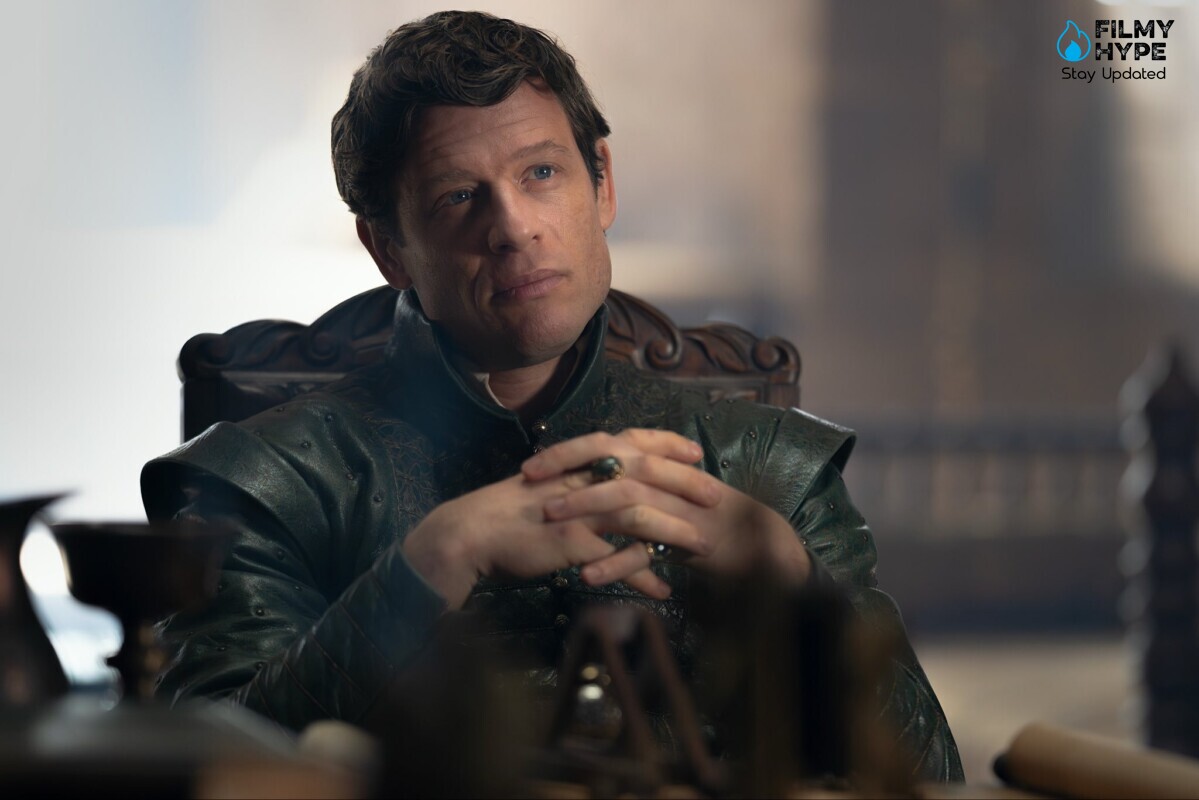
Rhaenyra is drowning in the weight of the crown. Ormund sees this. He understands that a queen who is barely keeping her head above water will grab onto anything that looks like solid ground. A surrender. A hostage. A chance to feel like the war is finally tilting in her favor. He gives her exactly what she wants to see, and she takes it.
This is the tradition of Martin’s great strategists. Tywin Lannister won wars before the first sword was drawn. Varys destabilized kingdoms with whispers. Petyr Baelish understood that a well-placed lie could kill more effectively than an army. Ormund Hightower belongs in that company. He doesn’t need to impress anyone. He needs his opponent to draw the wrong conclusions, and he’s patient enough to wait until she does.
What Ormund Changes About the Green Council
Until now, the Greens’ military strategy has been synonymous with Aemond. He rides Vhagar. He burns what needs burning. He believes, with the absolute certainty of a young man who has never been truly defeated, that fear is strategy enough. His approach is simple: show up with the biggest dragon, and let the destruction speak for itself.
Ormund represents something the Green Council has been missing: a strategist who thinks beyond the next battle. Aemond can take a castle. He can incinerate an army. But he can’t manage territory, maintain supply lines, or conduct the kind of intelligence operations that win wars over months and years rather than hours. He’s a weapon. Ormund is the person who knows where to point it.
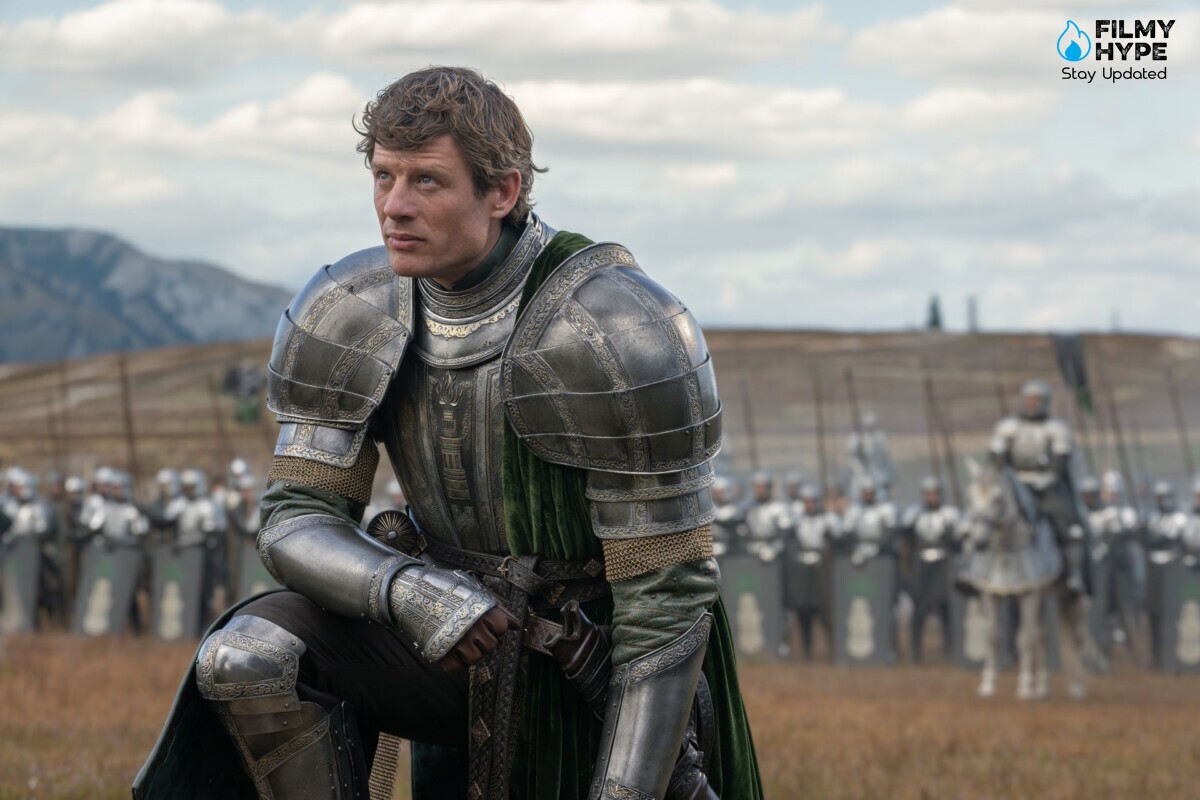
The capture of Tumbleton is the proof. On the surface, it’s just a town. But Tumbleton sits at a crucial logistical crossroads. Whoever controls it controls trade routes, troop movements, and the flow of supplies through a significant chunk of southern Westeros. It’s a gateway, and Ormund just opened it. The war is no longer being measured solely by the size of the dragons involved. It’s being measured by who holds which pieces of the map, and Ormund just shifted the board.
The Kind of Enemy the Blacks Don’t Know How to Fight
The Blacks have learned how to face Aemond. They know he’s coming. They know what Vhagar looks like on the horizon. They can plan around the fury, even if they can’t always stop it. But Ormund is something they don’t have a template for.
He speaks little. He observes much. Even in the scene where he swears allegiance, there’s a discomfort that’s hard to pin down—something too meticulous about the surrender, too much willingness to obey. Martin taught readers long ago that easy surrenders usually conceal ambushes, and Ormund’s entire presence radiates that lesson. He’s not interested in glory. He’s interested in outcomes. He doesn’t need to be feared the way Aemond is feared. He just needs to be underestimated.
The fake Daeron plot is a perfect example of how he operates. It’s not a military victory in the conventional sense. It’s an information victory. He made Rhaenyra believe something that wasn’t true, and that belief shaped her decisions for days—days he used to reposition his forces and seize Tumbleton. The battle wasn’t won with dragons. It was won by understanding what his enemy needed to believe and handing it to her wrapped in a bow.
What the Books Tell Us About Where This Is Going
If the series follows the trajectory laid out in Fire & Blood, Ormund Hightower is only getting started. His name becomes linked to some of the most decisive and brutal episodes of the war, particularly at Tumbleton, a town destined to become synonymous with betrayal, opportunism, and destruction. The First Battle of Tumbleton is a catastrophe. The Second Battle of Tumbleton is even worse. And Ormund is at the center of both.
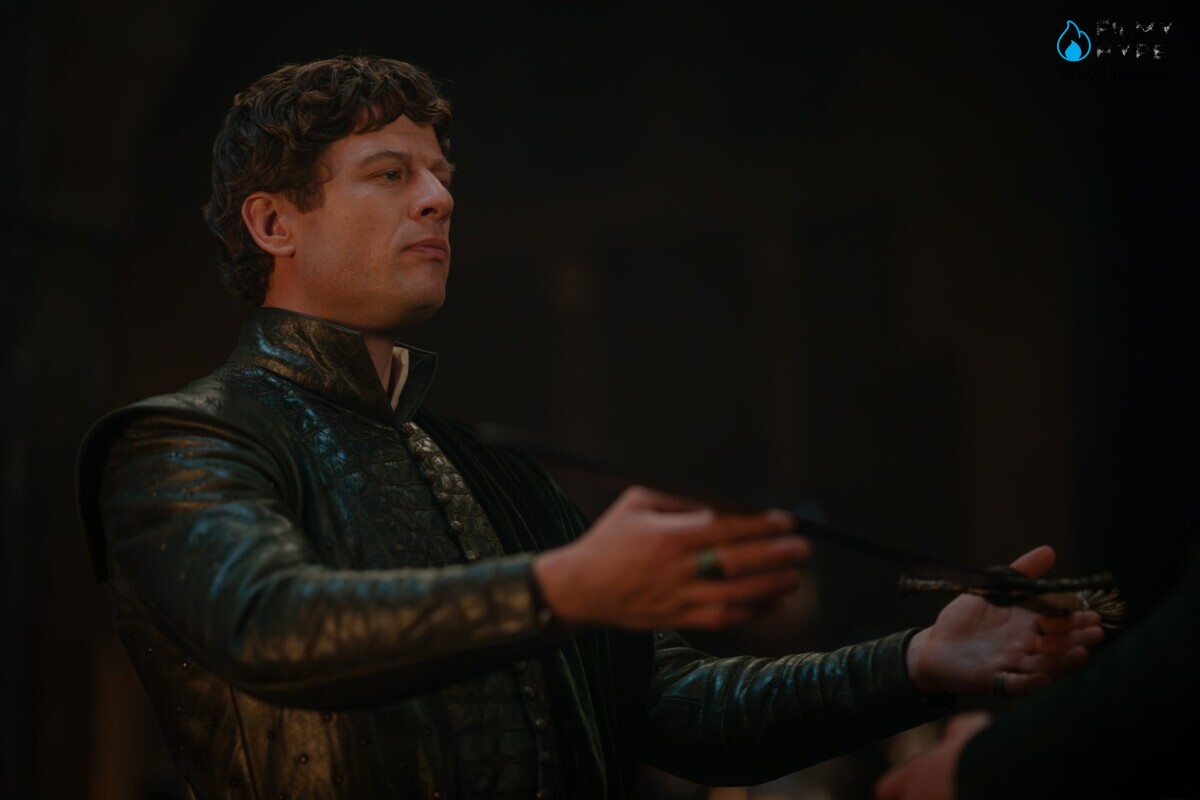
The show may deviate from the book—it’s done so before—but Episode 3 leaves a clear impression regardless of how closely the adaptation follows the source material. The Green Council no longer depends solely on Aemond’s fury. It has someone who thinks. Someone who plans. Someone who understands that the most dangerous thing you can do to an enemy isn’t burn their castles. It makes them believe they’ve already won.
Dragons rule the skies. But wars, real wars, the ones that drag on for years and reshape the map of the world, are usually decided long before anyone looks up. Ormund Hightower is the man looking at the ground while everyone else is watching the clouds. And that makes him more dangerous than anyone the Blacks have faced yet.