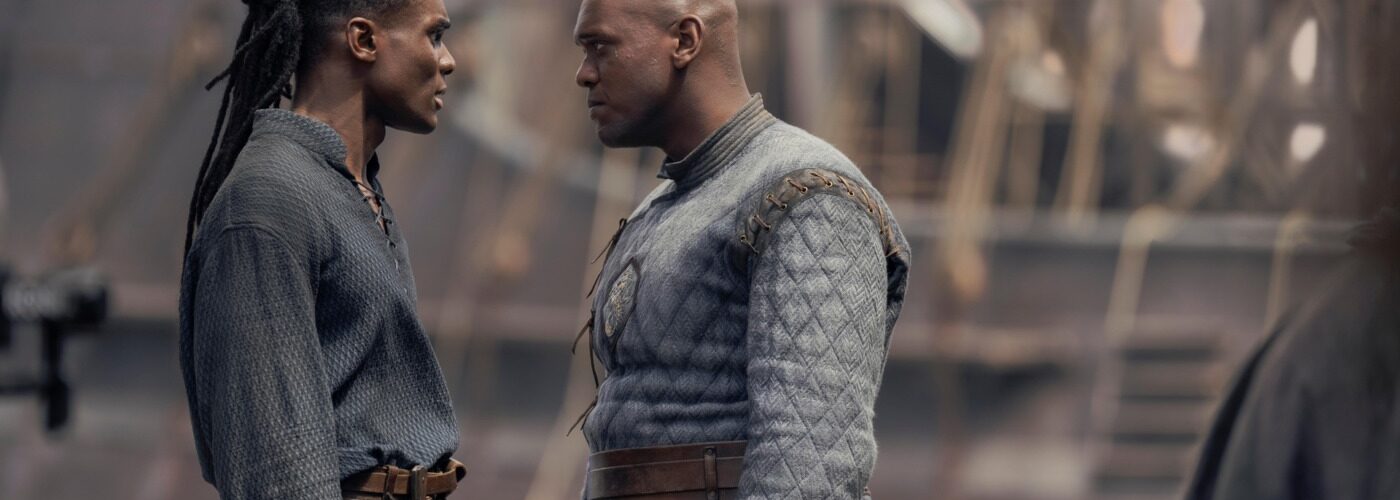
One of the quieter but more fascinating developments in House of the Dragon Season 2 is the emergence of Addam and Alyn of Hull. They arrive on the edges of the story, two brothers working the docks of Driftmark, their parentage an open secret that nobody quite speaks aloud. But by the time the season reaches its later episodes, their paths have diverged in a way that tells us something important about both characters—and about how the show is choosing to adapt George R.R. Martin’s material.
Salt and Sea vs. Fire and Blood: The Two Very Different Paths of Addam and Alyn of Hull?
Addam claims Seasmoke. He becomes a dragonrider, bonded to the creature that once belonged to Laenor Velaryon, and in doing so, he steps into a new identity. He’s no longer just a shipwright’s son from Hull. He’s a player in the Dance of the Dragons. Alyn, meanwhile, is offered the same opportunity. Corlys Velaryon, who can no longer pretend he’s not their father, suggests Alyn could try to claim a dragon of his own. Alyn refuses. His words are simple and definitive: “I am salt and sea.”
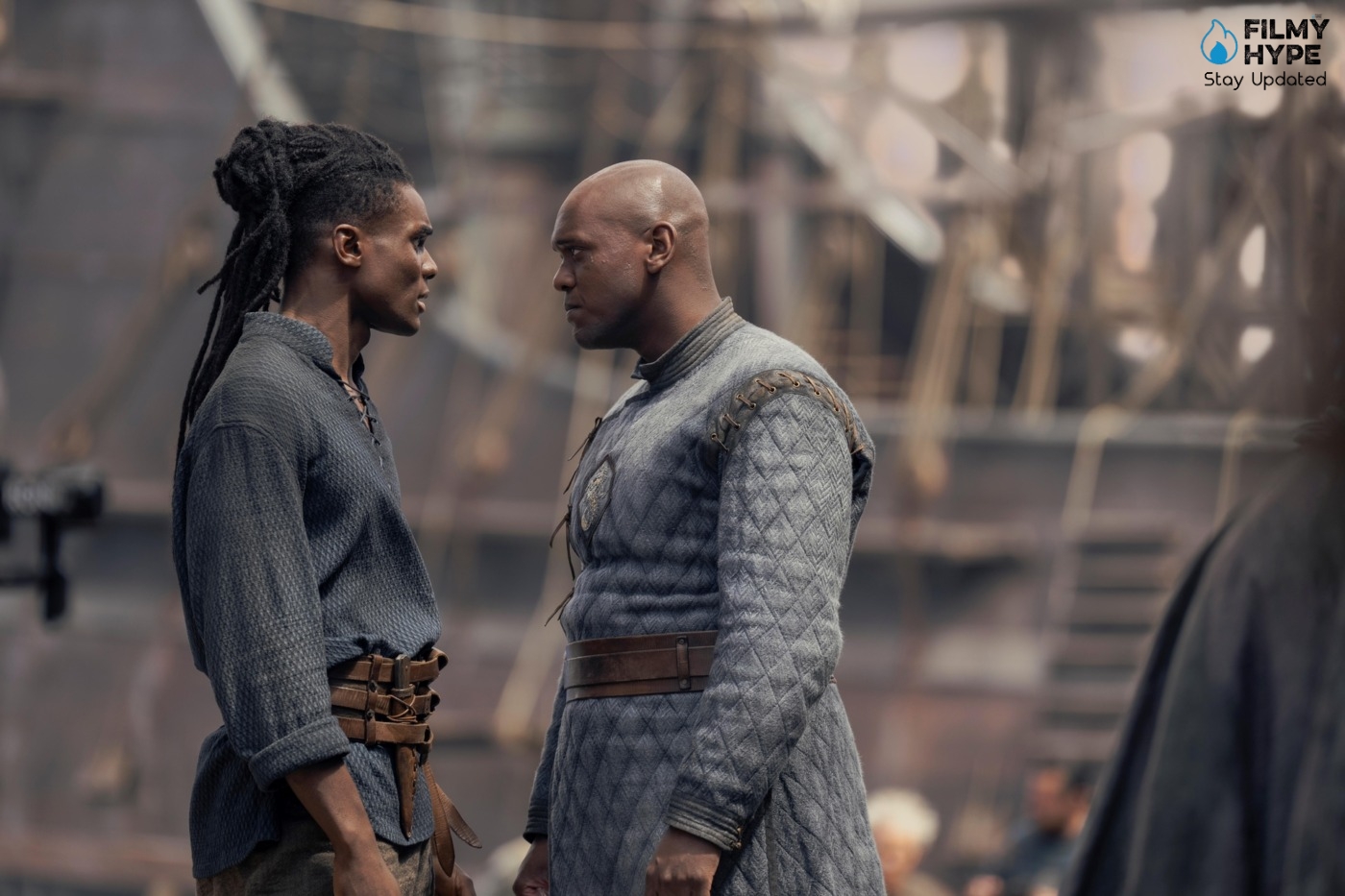
Addam and Alyn of Hull (Image Credit: HBO)
That single line is doing a lot of work. It’s a declaration of identity, a rejection of the Targaryen obsession with dragons and blood and legacy, and a quiet insistence that some people are defined by the lives they’ve already built rather than the power that could be handed to them. It’s also a significant departure from the book.
What Happens in the Show?
Addam’s claiming of Seasmoke is handled differently in the series than in Fire & Blood. In the show, Addam doesn’t seek out the dragon. He doesn’t answer a call or volunteer for a dangerous trial. Seasmoke chooses him. The dragon corners him, chases him, and in that terrifying, involuntary encounter, a bond is formed. It’s not ambition that makes Addam a rider. It’s something closer to fate, or perhaps Seasmoke sensing the Velaryon blood in him—the connection to Laenor that the dragon still carries.
Addam emerges from the experience transformed. He’s found a purpose, a sense of belonging that his life as a bastard shipwright’s son never gave him. He presents himself to Rhaenyra, and just like that, the Blacks have another rider.
Corlys, watching all of this, turns to Alyn. The implication is clear. If Addam could bond with a dragon, maybe Alyn could too. There are still unclaimed dragons on Dragonstone. The Cannibal and Grey Ghost remain wild and available, even after Ulf the White takes Silverwing and Hugh Hammer claims Vermithor. Rhaena is off in the Vale, soon to make her own attempt on Sheepstealer. The pool of dragons is shrinking, but it’s not empty yet.
Alyn says no. He doesn’t even try.
Why Alyn Refuses
The show has been careful to establish Alyn’s relationship to his own identity. He shaves his silver hair, hiding the most visible marker of his Valyrian blood. He’s built his life on the ships, in the salt and the labor and the rhythms of the sea. His parentage, when it’s acknowledged at all, feels like a burden rather than a gift. Corlys is his father, yes, but Corlys is also a man who kept him at arm’s length his whole life, who never publicly claimed him, who let him grow up as a bastard while the legitimate Velaryons lived in privilege.
Claiming a dragon would mean stepping into that world. It would mean announcing, in the most public way possible, that he carries the blood of Old Valyria. There would be no more hiding, no more shaving his head in quiet moments, no more pretending he’s just another sailor. The dragon would out him.
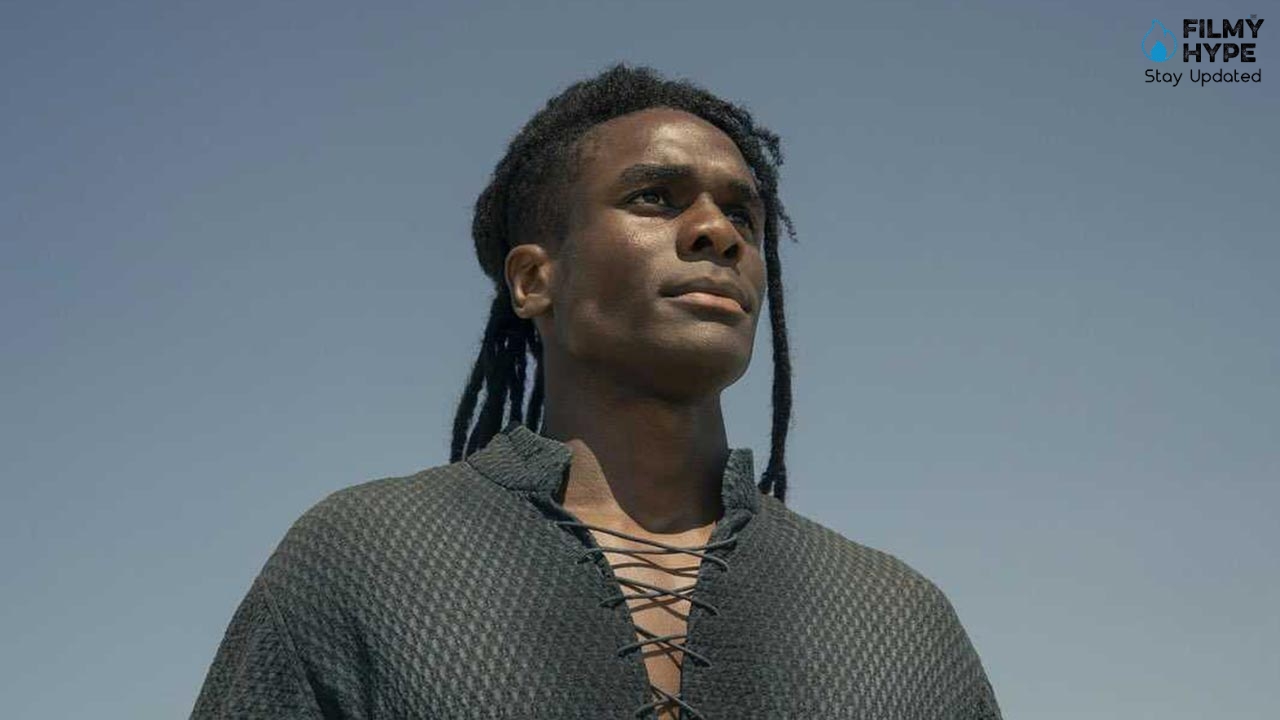
Addam Hull (Image Credit: HBO)
And beyond the practical concerns, Alyn simply doesn’t want it. The show gives him a moment of genuine clarity on this point. He’s not driven by the hunger that defines so many of the other dragonseeds. He’s not chasing glory or power or a seat at the table. He knows who he is. He’s salt and sea. The ships are his purpose. The water is where he belongs. A dragon wouldn’t complete him. It would pull him away from the life he’s chosen.
How does the Book Handles It Differently?
In Fire & Blood, both brothers answer Rhaenyra’s call for dragonseeds during the Red Sowing. Addam successfully bonds with Seasmoke, just as he does in the show, but the circumstances are different. In the book, it’s a deliberate act. He goes to Dragonstone with the other hopefuls and makes his attempt. The show’s version, with Seasmoke initiating the bond, changes the meaning of the moment. It makes Addam less ambitious and more chosen, a vessel for the dragon’s will rather than a man seizing power.
Alyn’s story in the book is even more divergent. He doesn’t refuse the call. He answers it. He tries to find Grey Ghost, a wild dragon that has never been claimed, and fails to locate it. Then he attempts to bond with Sheepstealer instead. It goes badly. He enters the dragon’s lair, his cloak catches fire, and he’s badly burned and scarred before escaping with his life. He survives, but the attempt leaves a permanent mark on him.
The show has chosen a completely different path. Alyn doesn’t get burned. He doesn’t even attempt. His refusal is quiet and firm, a character beat rather than a physical ordeal. It’s a change that serves the adaptation well, because it gives Alyn a distinct identity from his brother. Addam is the one who reaches for the sky. Alyn is the one who stays rooted in the sea.
What This Means for the Rest of the Season?
With Addam now bonded to Seasmoke and Alyn firmly on the ships, their roles in the war are set. Addam will fight. He’ll become a battle-tested rider, one of the Blacks’ growing arsenal of dragonriders alongside Rhaenyra on Syrax, Daemon on Caraxes, Jacaerys on Vermax, Baela on Moondancer, Ulf on Silverwing, and Hugh on Vermithor. The roster is filling out. The dragons are being claimed. The stage is being set for the war’s most devastating confrontations.
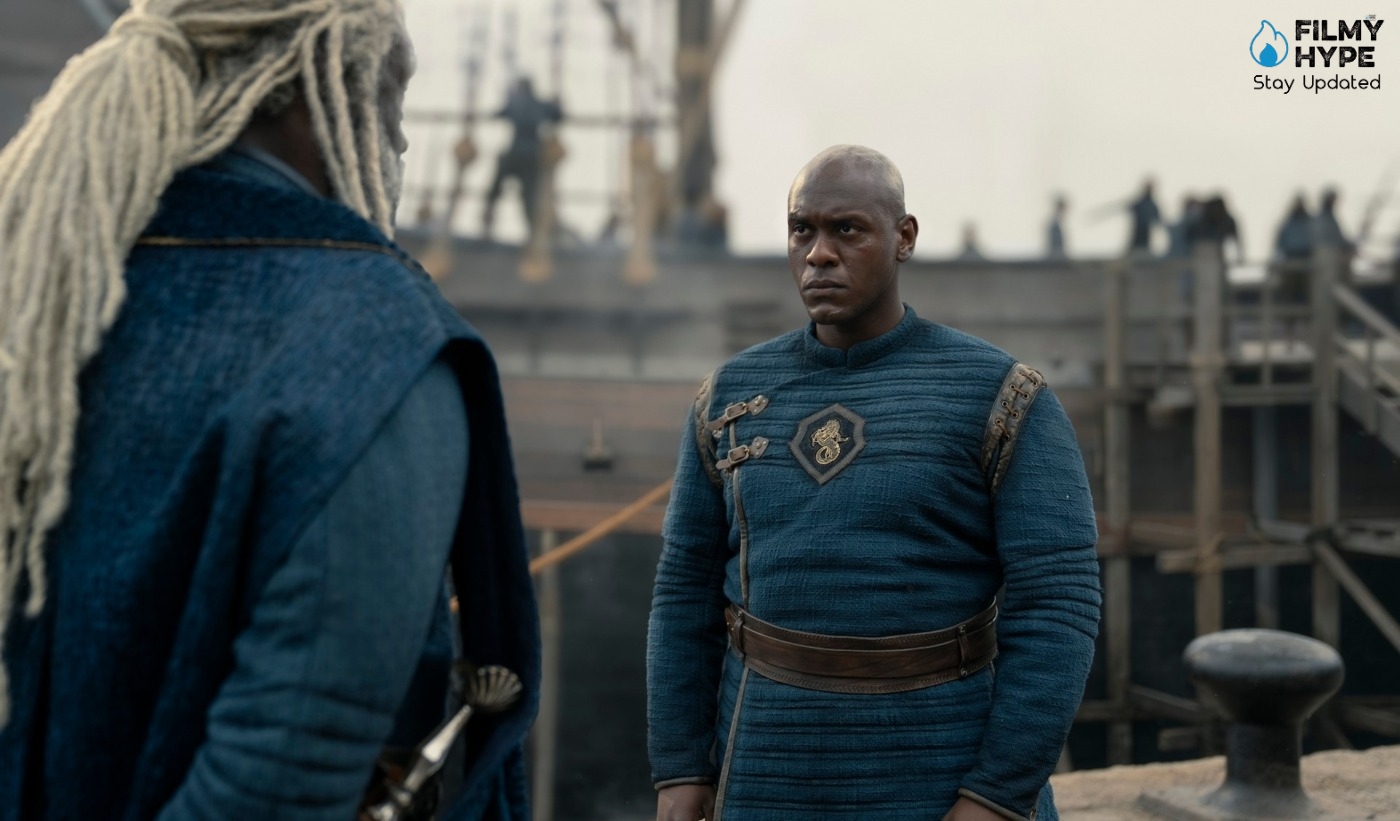
Alyn Hull (Image Credit: HBO)
Alyn will lead the Velaryon fleet. He’ll serve as his father’s right hand on the water while Corlys performs his duties as Hand of the Queen. His story will likely remain grounded in the relationship with his brother and his father, in the tension between what he could claim and what he’s chosen instead.
It’s a quieter arc, but a meaningful one. In a story so often defined by characters reaching for more—more power, more glory, more dragons—Alyn of Hull stands out precisely because he’s not reaching. He knows who he is. He knows where he belongs. And sometimes, the bravest thing a person can do is refuse the destiny that blood and lineage try to impose on them. Salt and sea, he said. And he meant it.