


Across its ten episodes, Mousetrap keeps circling back to one deceptively simple question: who is the real Moon-jae? At first, the answer seems obvious. Our protagonist knows exactly who he is, while some stranger wearing his face steals his documents, his home, his relationships, even his fingerprints. But once Seo Yu-min, Min-Yeung, Uncle Han Hui-su, Park’s backstory, and Moon-jae’s own altered memories enter the picture, that certainty falls apart completely.
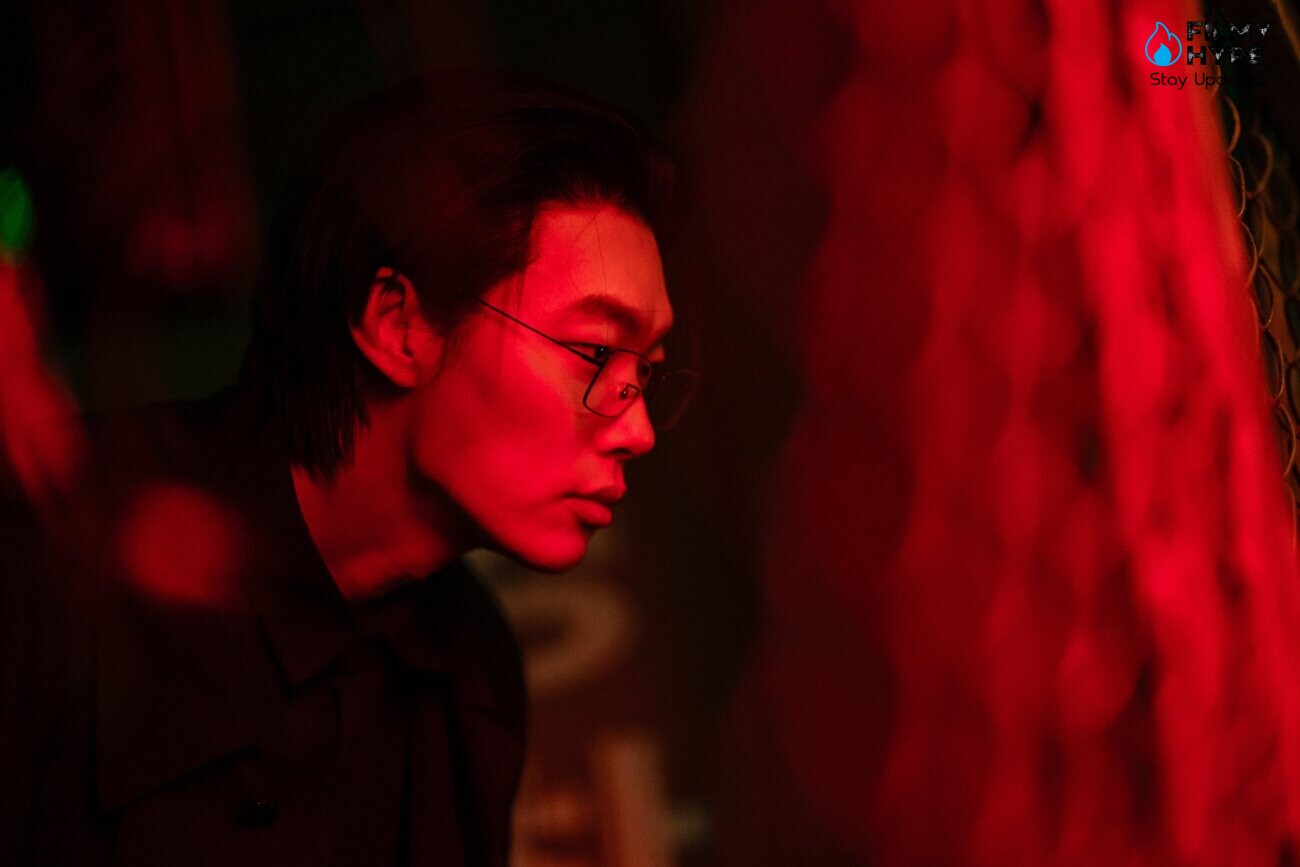
The finale does resolve most of the central mystery — but it does so by flipping the entire premise on its head. Our protagonist really is Moon-jae. Mousetrap really is Seo Yu-min. The identity theft really happened. The problem is that Moon-jae isn’t the innocent victim the show spent most of its runtime convincing us he was. Before Seo Yu-min ever stole his face, it turns out Moon-jae had already stolen something from him — his writing, his novel, and in a broader sense, the entire life he wanted for himself.
Mousetrap Netflix Ending Explained: Who Is Mousetrap, and Why Does He Have Moon-jae’s Face?
The show unpacks this puzzle gradually between episodes four and ten. The man who looks identical to Moon-jae is initially referred to simply as “the other Moon-jae,” until Son Su-hyeon reveals the name he actually knows him by: Mousetrap.
Su-hyeon had crossed paths with him three years earlier and understood early on that this man was building something elaborate. Mousetrap doesn’t improvise — he studies Moon-jae obsessively, monitors his phone, tracks his movements, alters his official records, and manipulates the people around him like pieces on a board, going as far as kidnapping Su-hyeon’s daughter, Da-eun, to force his cooperation.
The full answer finally lands later: Mousetrap is Seo Yu-min. Years earlier, Yu-min was a close friend of Moon-jae’s and was romantically involved with Min-Yeung. At some point, he contacted a criminal network specializing in helping people disappear and construct entirely new identities. During Myeong-su’s interrogation, the key detail surfaces — Yu-min used that exact system to fake his own death, substituting a body in his place so that, officially, Seo Yu-min died. That’s why Moon-jae and No-ja are even able to find his grave.
But that grave doesn’t prove Seo Yu-min actually died. It only proves he died on paper. And once your old identity is erased on paper, you’re free to build a new one. That new identity is Moon-jae.
How Does Seo Yu-min Fully Take Over Moon-jae’s Identity?
This isn’t a matter of simply looking alike. Yu-min engineers something far more elaborate — systematically altering personal records, official documents, and biometric data until Moon-jae discovers his own fingerprints no longer match his identity on file. When he tries to get answers, the system insists he requested the changes himself.
The apartment stops being officially his. His phone doesn’t recognize him. Old acquaintances insist they’ve been seeing him regularly — just not the him standing in front of them. Every piece of proof a person normally relies on to say “I am me” gets steadily transferred over to Yu-min instead.
Then Yu-min takes the final, decisive step: he doesn’t just erase Moon-jae — he starts publicly living as him. He goes to the police claiming to be the actual victim of a man who had surgery to resemble him. Han Ji-hye, Moon-jae’s editorial director, recognizes him as the real Moon-jae. Even the handwriting checks out. Mousetrap publicly unveils a new novel and steps fully into the identity of the writer the real Moon-jae has always claimed to be.
That’s the entire mechanism of the trap: Yu-min constructs a version of reality where, the moment the real Moon-jae tries telling the truth, he’s the one who ends up looking like the impostor.
Why Does Seo Yu-min Want Revenge on Moon-jae?
The real answer comes in the finale’s extended confrontation between the two men.
For most of the series, we only get Moon-jae’s version of events — that Yu-min was jealous of him, his writing talent, and especially his relationship with Min-Yeung. The ending completely inverts that story.
According to Yu-min, it was actually Moon-jae who was consumed by jealousy. Min-Yeung was Yu-min’s girlfriend, and Moon-jae wanted her for himself. At the same time, he envied his friend’s literary talent. But Moon-jae didn’t stop at simply feeling jealous — he acted on it. He posted something devastating about Min-Yeung on social media, sending her into a depressive spiral that left her barely able to leave the house. Then he stole a set of notebooks from Yu-min — notebooks containing Yu-min’s own writing.
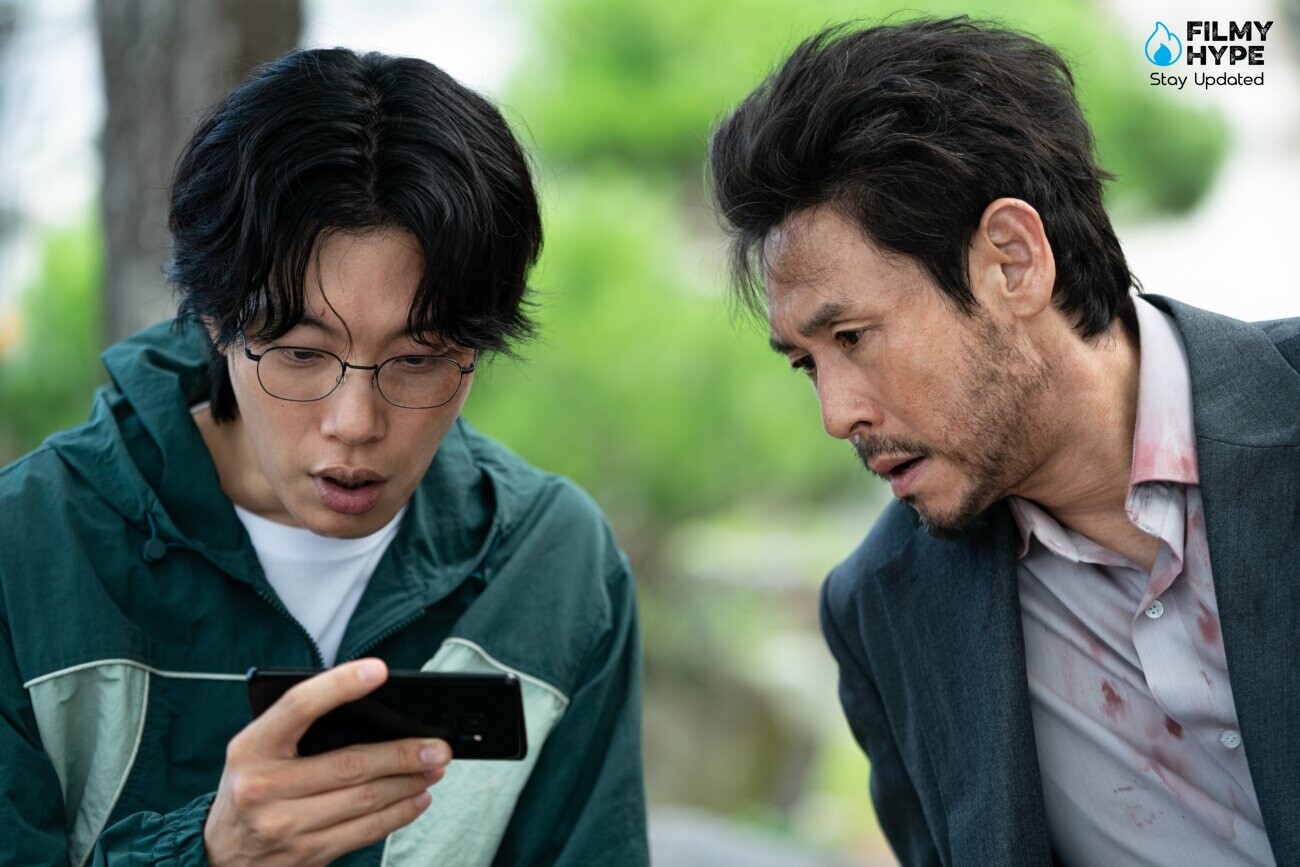
When Yu-min finally decided to publish that work himself, he discovered it had already been published — under Moon-jae’s pseudonym. Moon-jae had stolen his novel outright.
The next detail involves a description of self-harm. When Yu-min returns home afterward, he finds Min-Yeung after she’s cut her wrists. He spends that night reading the book Moon-jae stole from him, and from that point forward, begins planning his revenge.
Seo Yu-min’s identity theft, in other words, is a punishment deliberately built to mirror what he believes was done to him: Moon-jae took his life away from him, so Yu-min sets out to take Moon-jae’s life in return.
Is Moon-jae Actually Innocent?
No — and this is arguably the series’ biggest reveal.
For most of the show, Moon-jae is convinced he’s purely a victim, and in some very real sense, he is — hunted, framed, stripped of his identity, and repeatedly pushed toward death or arrest. But none of that erases what he did before any of it started.
During the final confrontation with Yu-min, Moon-jae’s memories start returning in full, and he realizes the version of events he’s always believed was false, or at least badly distorted. He was the one who envied Yu-min. He was jealous of his talent, and of his relationship with Min-Yeung. He stole the notebooks. He wrote the post. He took the novel as his own.
The material also connects this memory distortion to Moon-jae’s long-standing dependence on medication, which has been actively altering his perception and recollection of the past throughout the series.
Because of all this, the ending refuses to cleanly split its characters into victim and villain. Yu-min becomes a persecutor who builds an enormous, brutal campaign of revenge involving kidnapping, staged deaths, criminal networks, and innocent bystanders. But Moon-jae had already destroyed a real piece of Yu-min’s life well before any of that began. Neither man is innocent, and neither is solely to blame.
What Actually Happened to Min-Yeung?
This section includes further discussion of self-harm and an unresolved detail involving her death. Min-Yeung sits at the emotional center of Yu-min’s revenge, and she’s also the character the show leaves the most unresolved. We know she was close to Yu-min and that Moon-jae had feelings for her. In the finale, Yu-min explains that Moon-jae’s social media post triggered her depression, and that he found her after she’d cut her wrists upon returning home the night he discovered the stolen novel.
Earlier episodes, however, introduce another thread through the police investigation. Min-Yeung is tied to a girl identified by a leg tattoo, and Park discovers her body was cremated unusually quickly. Later, police recover footage showing her drowning, with the person responsible appearing to have Moon-jae’s face.
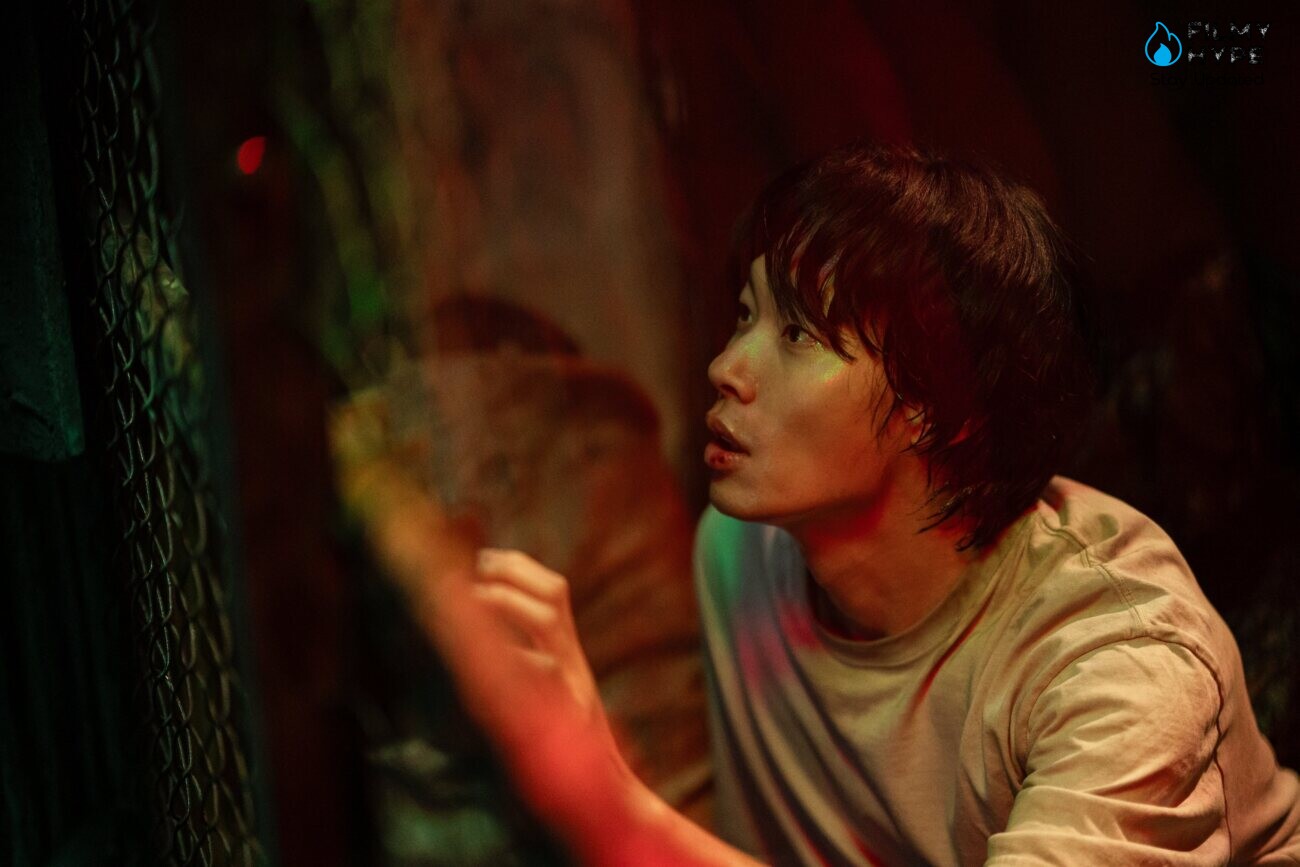
The material as presented doesn’t fully reconcile these two accounts — the suicide attempt described by Yu-min, and the separate evidence pointing to a drowning death. There’s also a further complication: Yu-min, now wearing Moon-jae’s face, gets implicated in his girlfriend’s death and uses documents connected to her to tie Moon-jae to the criminal network as well.
What can be said with confidence is that Min-Yeung functions as both the emotional origin point of Yu-min’s revenge and one of the pieces he uses to frame Moon-jae within the larger identity-theft conspiracy. The precise sequence of what actually happened to her, though, isn’t fully spelled out.
Why Does Mousetrap Involve Gangsters and Unidentified Bodies?
The criminal organization running through the show isn’t a side plot — it’s the mechanism that makes everything else possible. This network specializes in swapping identities, using the bodies of homeless individuals, erasing people from official records, and reassigning their data to someone else entirely. The first body pulled from the Han River, along with the other unidentifiable bodies that keep surfacing, exist specifically to establish how this system operates.
Myeong-su confirms the mechanics directly, telling Park that her own death was similarly faked using the body of a homeless man. Yu-min recognizes the potential in that system and uses it to officially kill himself — and once he’s dead on paper, he’s free to become someone else entirely. That someone else is Moon-jae.
But Mousetrap does something even smarter than simply exploiting the network — he deliberately compromises the very organization that made his transformation possible, leaving behind enough documents, bodies, and connections to eventually lead police straight to the gang, regardless of what happens to him personally. That’s why, once he reveals his true identity to them, the organization realizes it’s trapped. If Yu-min continues his plan, they’re exposed. If they kill him to stop him, they’re still exposed. Mousetrap has effectively turned his own criminal enablers into hostages of his revenge plot.
Why Does Son Su-hyeon Help Mousetrap?
Su-hyeon initially reads like the story’s biggest betrayer — he’s the one managing large portions of Moon-jae’s life, quietly transferring assets into his own name and enabling much of what happens. It later becomes clear that he’s a victim too.
Yu-min kidnapped his daughter, Da-eun, and the threat behind Su-hyeon’s cooperation is straightforward: follow every order exactly, or she dies. That’s why he shadows No-ja, monitors Moon-jae, and does everything Mousetrap demands of him.
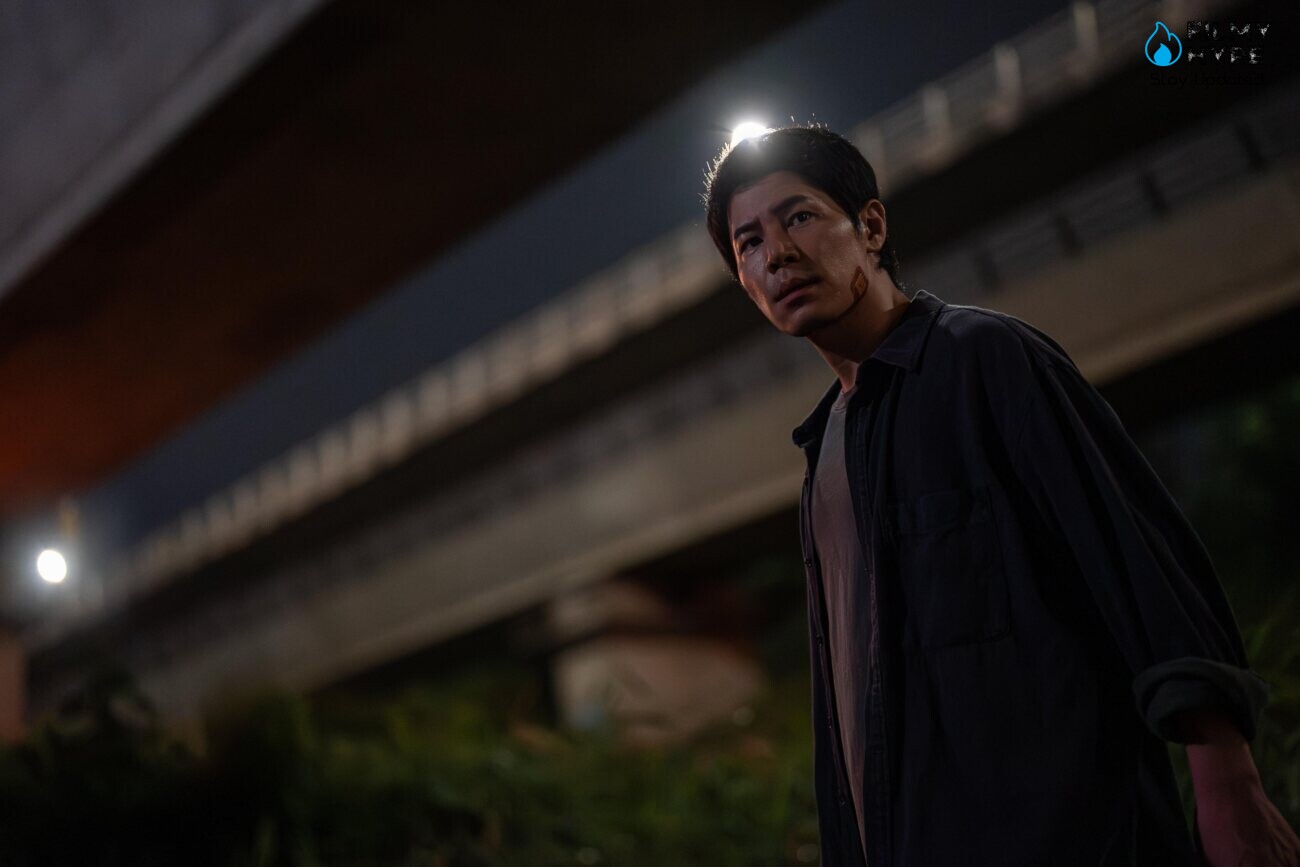
When he’s finally cornered on a bridge, Su-hyeon chooses to reveal part of the truth — Mousetrap‘s real name, the kidnapping, and one final, loaded sentence for Moon-jae: that according to his own persecutor, Moon-jae should already know exactly why this is happening to him. Immediately after saying that, Su-hyeon jumps.
That line foreshadows the heart of the entire ending — Moon-jae genuinely does know the origin of this revenge. He just can’t access it correctly anymore.
Why Does Park Think He Might Be Moon-jae?
Park’s own identity questions come from a different place than Yu-min’s scheme entirely. An orphan who grew up moving through various institutions and foster families under multiple names, Park starts wondering whether he himself might have once been named Moon-jae once Han Hui-su enters the picture and fragmented memories of a childhood playground begin surfacing.
Certain details seem to support that theory — Park recognizes elements of a childhood home, like a specific mirror, and instinctively calls Han Hui-su “uncle” without being told to.
The finale resolves this directly: Park and Moon-jae are brothers, separated at a young age following a family tragedy, with Han Hui-su serving as their shared maternal uncle. That’s why the memories seemed to overlap so precisely. Park isn’t a fake Moon-jae, and he isn’t Mousetrap either — he simply belongs to the same family and carries fragments of a childhood he shared with his brother.
What Do Han Hui-su, the Playground, and the Dinosaurs Actually Mean?
The recurring playground visions exist to gradually surface a childhood that both brothers have lost access to. At one point, Moon-jae sees a child turn into a newborn baby and say, “I am Moon-jae.” When Han Hui-su briefly regains lucidity elsewhere in the story, he says Moon-jae’s name and explains he’s been searching for him everywhere. A flashback then shows him searching for a hidden child among a set of giant plastic dinosaurs at that same playground. Later, Park recognizes the location too, and the ending confirms Han Hui-su really is his uncle.
The playground turns out to be an actual place from their shared childhood — not a prophetic vision, and not part of Mousetrap‘s scheme at all. It’s simply a memory, fragmented by trauma and years of separation.
Why Isn’t Moon-jae in the School Records?
This is one of the show’s more effective ways of destabilizing the audience’s own certainty. When Park checks old school logs, he finds Seo Yu-min’s name — but not Moon-jae’s. For a moment, it raises a genuinely unsettling possibility: if Moon-jae doesn’t even appear in the records of a school he claims to have attended, maybe he isn’t really Moon-jae at all.
The ending shifts that question away from a simple bureaucratic explanation and ties it instead into the show’s larger themes. Moon-jae’s history is defined by unstable identity, incomplete memory, and a fractured family — and we learn he’s spent much of his life trying on identities he considered better than his own. The material provided doesn’t specify exactly how or why his name was removed from that particular school record, so it’s worth resisting the urge to force a tidy bureaucratic explanation the story itself never actually gives. What the detail is really doing is challenging the assumption that an official document is automatically more trustworthy than memory — a question the entire series keeps circling back to, given how easily official identity can be manipulated.
Why Does Moon-jae Keep Taking On Other People’s Identities?
After Yu-min’s death, Moon-jae stops taking his medication and starts remembering more of his past clearly. What he discovers is that this pattern didn’t begin with Mousetrap at all — throughout his life, he’s repeatedly assumed, imitated, or coveted identities he saw as better than his own.
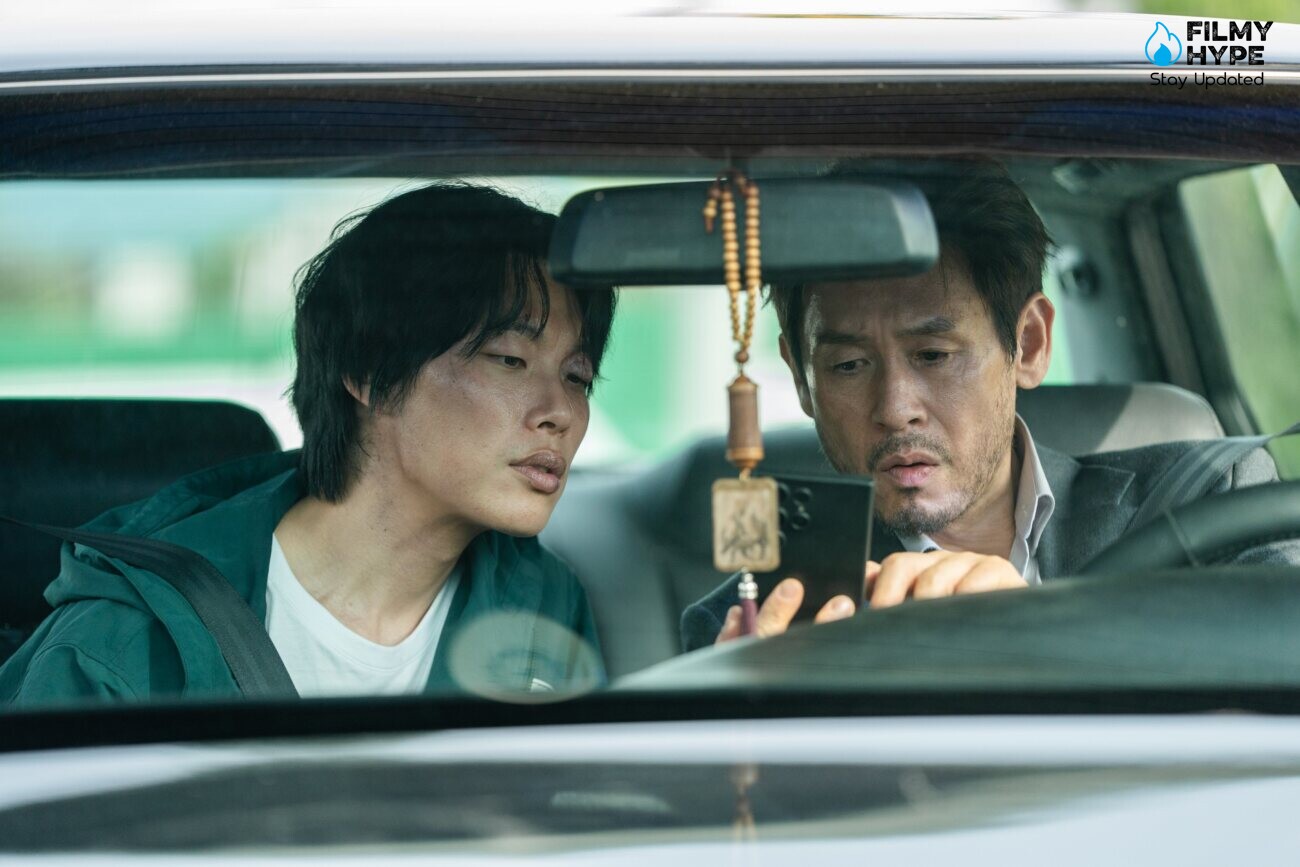
The root of it traces back to his mother, who constantly told him he needed to become a better version of Moon-jae than he’d been the day before. That message ends up warping his entire relationship with his own sense of self. Moon-jae isn’t simply trying to improve — he’s continually chasing some other version of himself, seeing something more desirable in the people around him and trying to claim it as his own. That’s exactly the pattern that played out with Yu-min: first he wanted Min-Yeung, then he wanted his talent, and eventually he took his notebooks and his novel outright.
It’s here that the show’s themes around stolen identity take on a second layer. Yu-min literally steals Moon-jae’s identity. But Moon-jae had already symbolically stolen Yu-min’s, years earlier.
Is Moon-jae Actually a Writer?
No — and it might be the last major reveal the show has in store.
For ten episodes, we know Moon-jae as a novelist. His apartment is full of books and manuscripts, complete with a dedicated workspace. His public identity is built entirely around his writing career. Han Ji-hye is his editorial director. Even Mousetrap, to fully replace him, has to convincingly become the writer Moon-jae is known as.
When it seems like everything is finally over, Moon-jae returns to his penthouse and tries to write. He can’t. At first he assumes it’s trauma, anxiety, or lingering paranoia. The real explanation is worse: Moon-jae was never actually the writer. Seo Yu-min was. His entire career was built on the novel he stole from his former friend. What Moon-jae had always considered the most authentic part of his own identity turns out to have been taken from someone else entirely.
It’s the story’s final act of replacement — except this time, Mousetrap didn’t do it. Moon-jae did it to himself, years before any of this began.
Why Does Seo Yu-min Say “This Story Will Never End”?
Eventually, Moon-jae and Yu-min end up in a direct physical confrontation. By this point, the conflict between them can’t be resolved through confessions, books, or recovered memory anymore. The two fight, Moon-jae survives, and Yu-min falls into the water.
Before he dies, though, he tells Moon-jae the story will never truly end. It’s not simply a threat. Yu-min understands that even with him gone, Moon-jae can never go back to being the person he was at the start of the series. He now knows he stole the novel. He knows what he did to Min-Yeung. He knows his memories were altered. He knows his entire career was never really his. And above all, he knows he’s spent his whole life trying to become someone other than himself.
Seo Yu-min can die. But the version of Mousetrap he planted inside Moon-jae’s mind stays behind.
Why Does Moon-jae Still See His Double at the End?
After Yu-min’s death, the story seems to offer Moon-jae a real chance at a fresh start. He meets Park. He has dinner with No-ja. No-ja returns to his own family. Moon-jae meets with Han Ji-hye and has to decide what to do with the unpublished novel Yu-min left behind.
Then he goes back to the penthouse. And the scene plays almost as a direct echo of the series premiere. Moon-jae isolates himself from the world all over again, growing increasingly paranoid, sensing threats — rats — closing in around him. As the publication of the new book approaches, he becomes convinced those pages might finally expose everything.
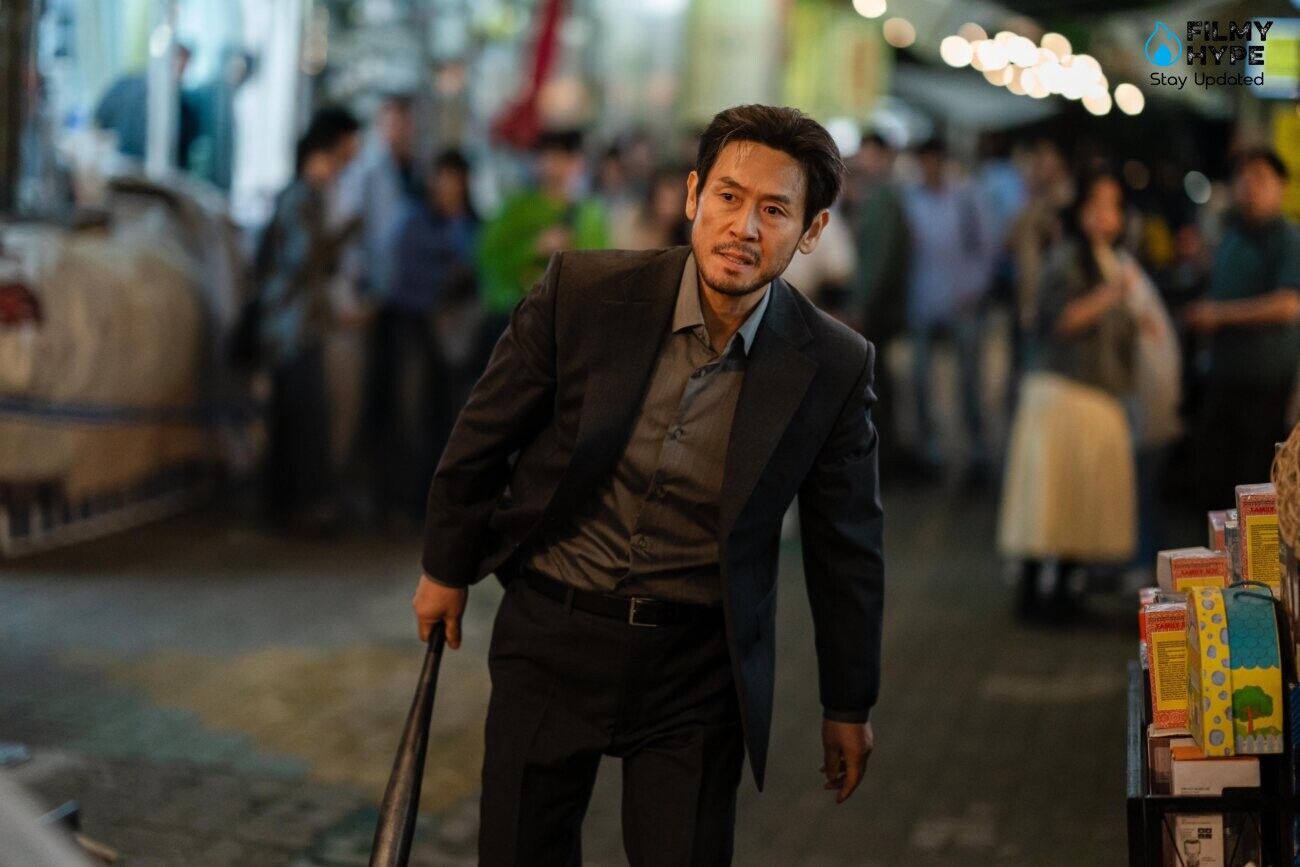
Then someone rings the doorbell. He checks the peephole and sees no one. He looks out the window and thinks he sees his double standing below. But Seo Yu-min is dead.
The scene suggests Moon-jae doesn’t actually need Mousetrap to be alive anymore to keep being haunted by him. His ability to separate reality from fear and memory is breaking down all over again. And the doorbell keeps ringing — because this time, there’s also a genuine threat: a gang member has arrived to settle the score.
The ending layers two things on top of each other one final time: paranoia on one side, real danger on the other. And Moon-jae can no longer fully tell which is which.
What Does the Ending Actually Mean?
The solution to the mystery was never “Seo Yu-min was Mousetrap.” That’s just the thriller mechanics resolving themselves. The real resolution is about Moon-jae himself.
For the whole series, we search alongside him for some proof that he’s the real Moon-jae — a document, a fingerprint, a memory, an uncle, anything capable of definitively confirming his claim to his own identity. What the ending ultimately reveals is that the question itself was framed wrong from the start.
Moon-jae is Moon-jae. But not everything he’s spent the series calling “Moon-jae” actually belongs to him. His writing career belongs to a stolen talent. The version of the past where Yu-min was the jealous one was a distorted reconstruction. Part of his entire existence was built by wanting, and then taking, pieces of other people’s lives.
Seo Yu-min ultimately returns that exact violence in the most extreme way imaginable: he becomes him. Which is why the two men function as mirror images of each other. Moon-jae looks at Yu-min and sees someone who stole his life. Yu-min looks at Moon-jae and sees the same thing, just pointed in the other direction. The difference is only in method — Mousetrap used surgery, criminal networks, forged documents, and manipulated bodies. Moon-jae used jealousy, plagiarism, denial, and self-deception.
In the end, one of them dies. The other survives — but without any real certainty about what, if anything, he actually has left. He no longer has Mousetrap to blame. He’s no longer sure he’s really a writer. He no longer has the comforting version of his own past to fall back on. And when he looks out the window, convinced he’s seeing his double again, Mousetrap ends exactly where it began: with Moon-jae trapped.
Except this time, the trap wasn’t built by Seo Yu-min. It’s inside him.