


Peter Berg has spent his career telling stories about American courage under pressure. From Friday Night Lights to Lone Survivor to Deepwater Horizon, his films share a common DNA: they’re about ordinary people facing extraordinary circumstances, about sacrifice and survival and the specific texture of male bonding forged in crisis. His next film, The Mosquito Bowl, might be the most improbable story he’s ever tackled—and now it has a release date.
The film will open in U.S. theaters on October 30 before making its Netflix premiere on November 25. The theatrical run will include select AMC locations, marking one of the few notable partnerships between Netflix and AMC since the release of KPop Demon Hunters. It’s a strategic move that positions the film for awards consideration while ensuring it reaches the widest possible audience through streaming.
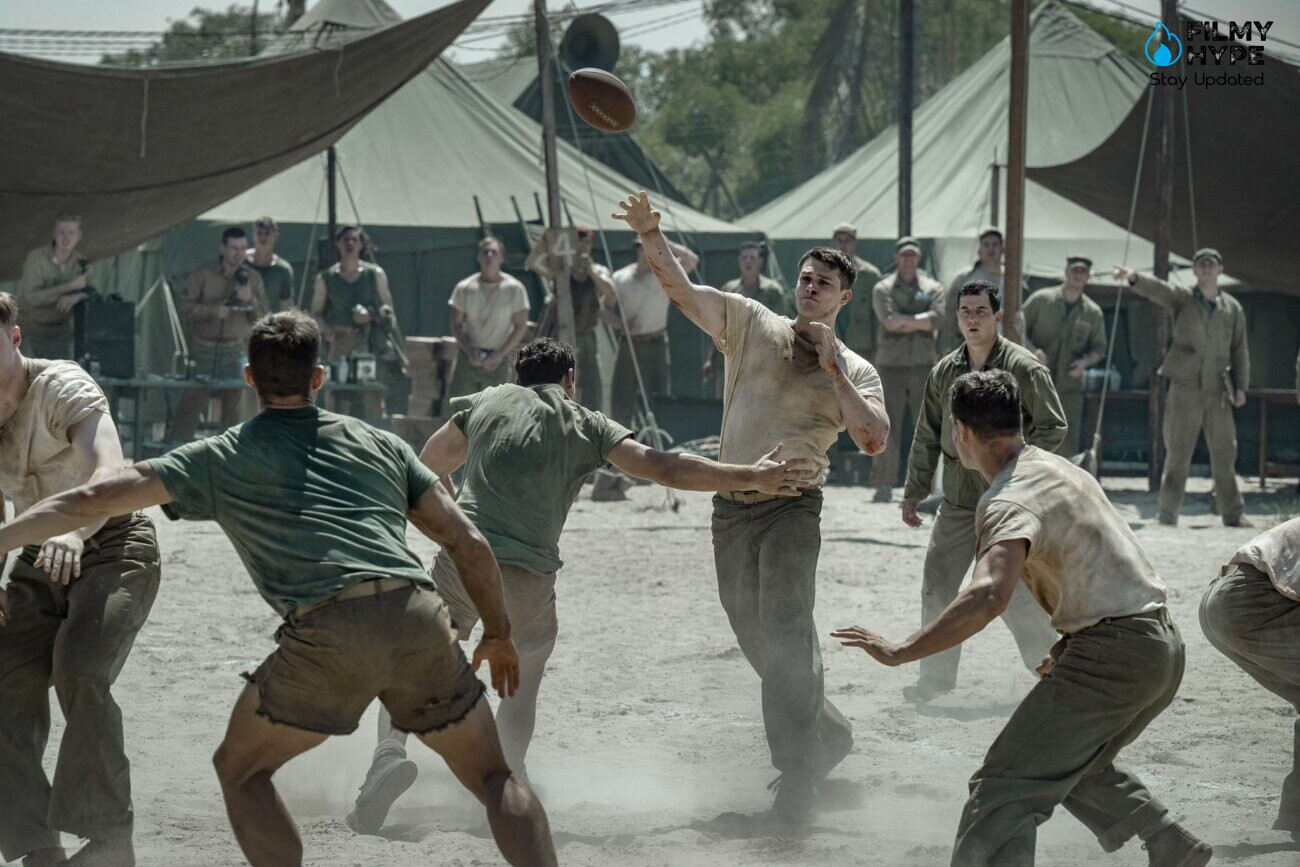
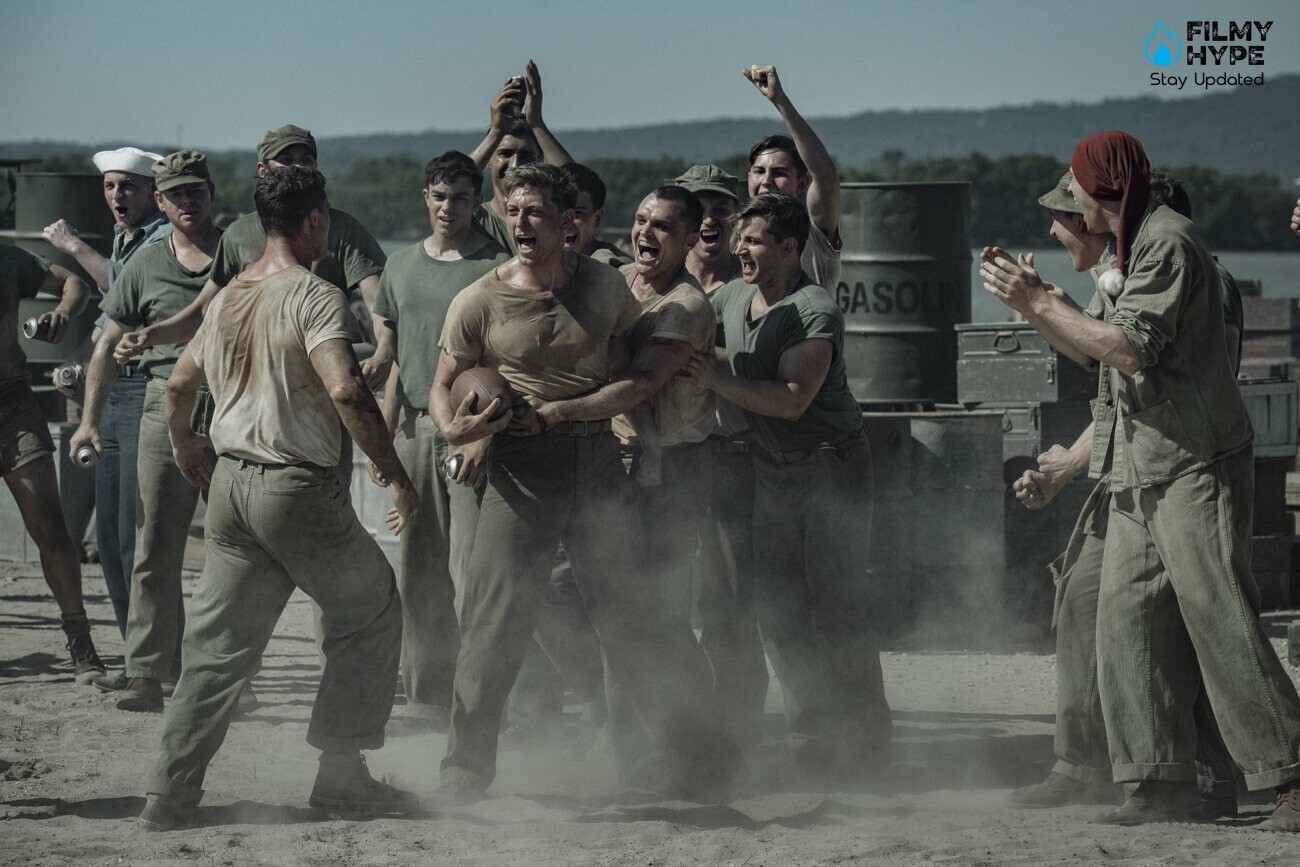
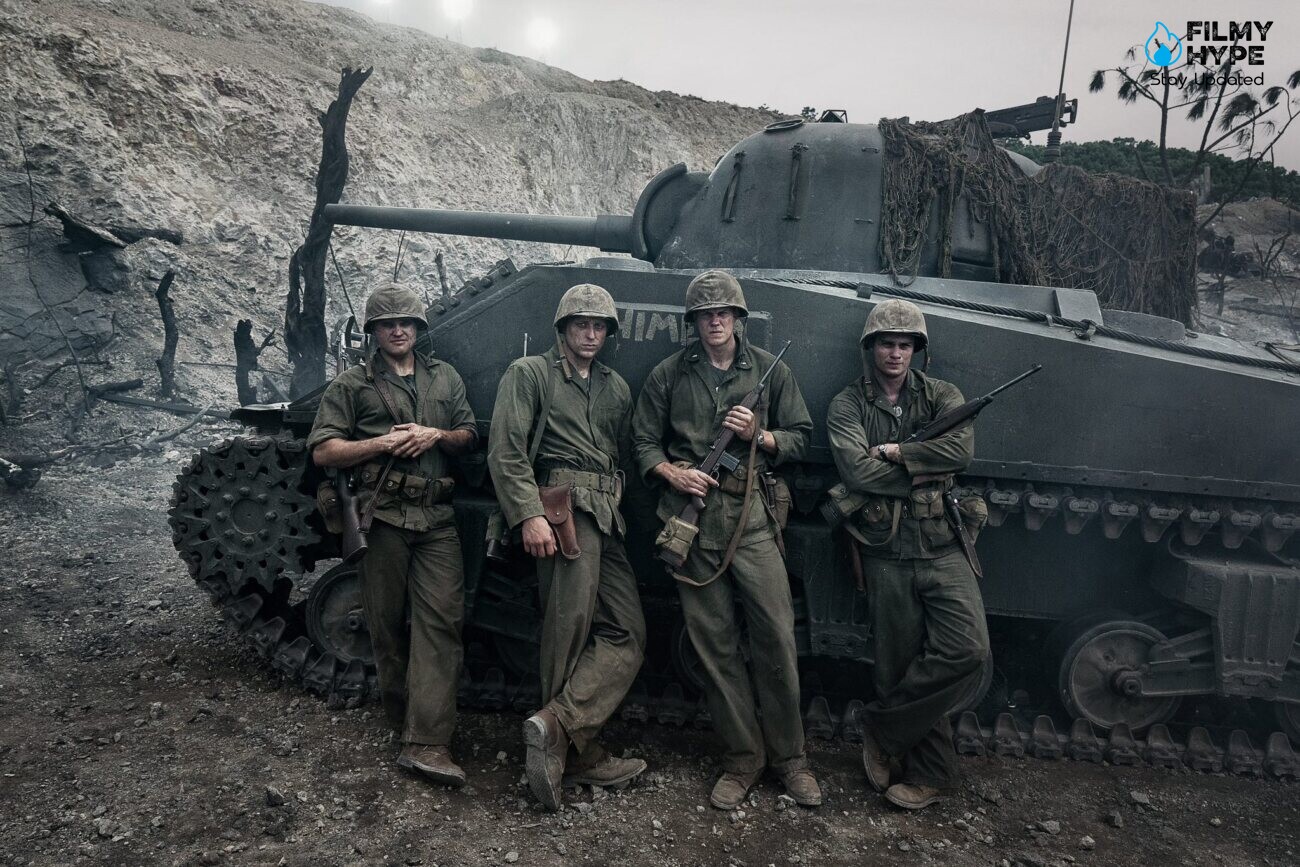
Based on Buzz Bissinger’s bestselling book The Mosquito Bowl: A Game of Life and Death in World War II, the story follows four of America’s top college football stars who set aside their fame to enlist in the Marines after Pearl Harbor. As they prepare for the brutal invasion of Okinawa, they play in a legendary football game featuring some of the greatest players in college history—a game that, for many of them, would be the last they ever played.
The Mosquito Bowl: The Cast
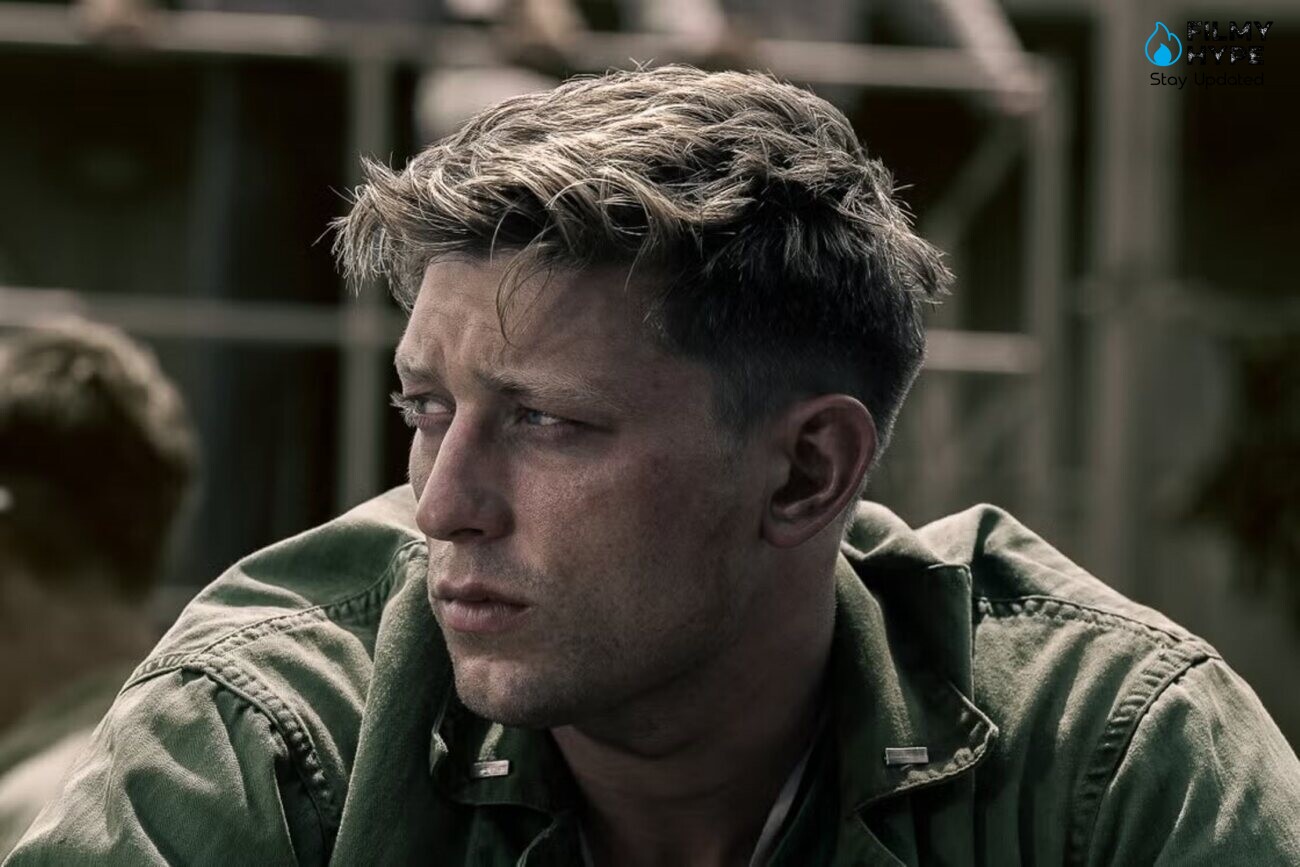
Nicholas Galitzine leads the ensemble as John McLaughry, one of the four central players. Galitzine has been building a reputation for playing young men caught between duty and desire, and the role seems tailored to his strengths.
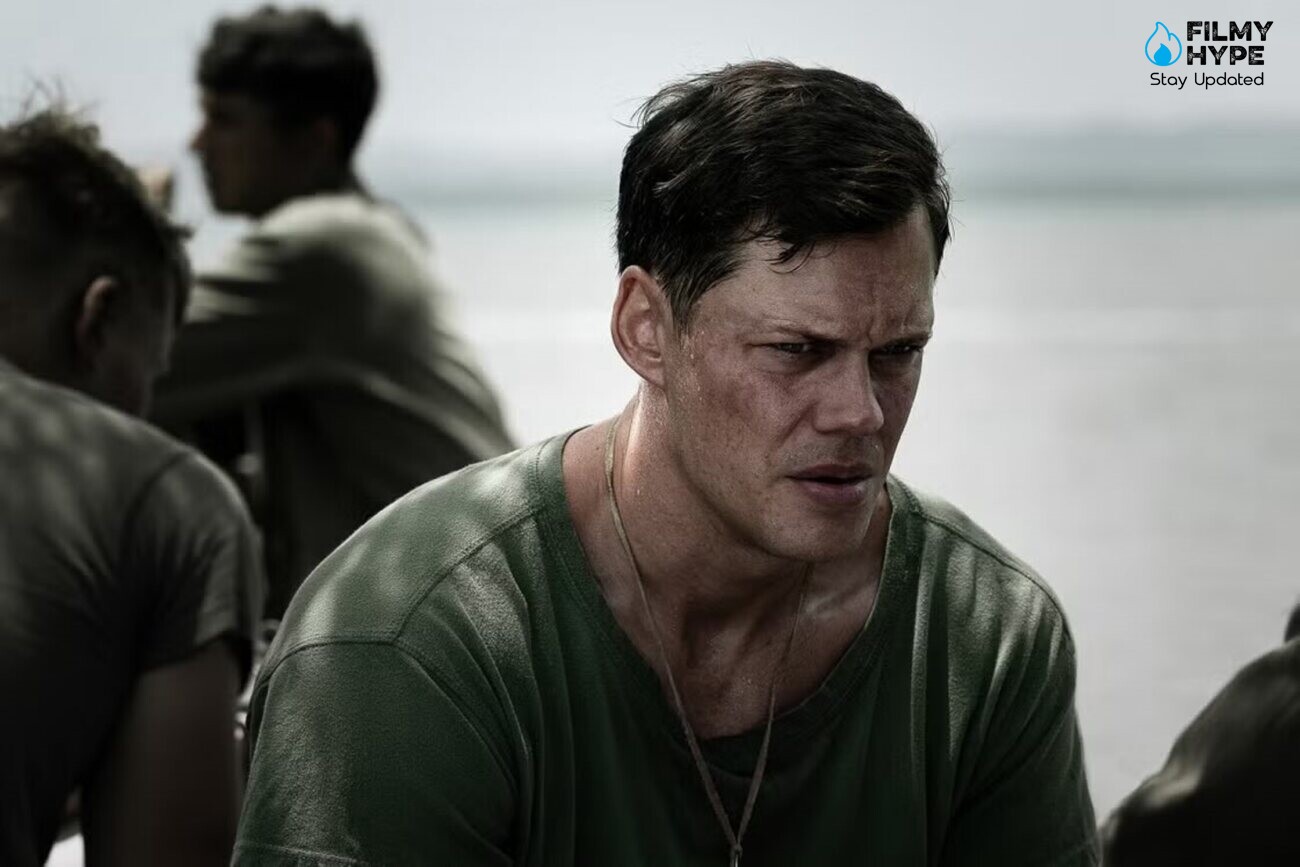
Bill Skarsgård plays Bob Baumann, continuing his evolution away from the horror roles that made him famous. Ray Nicholson, son of Jack, plays Tony Butkovich—a casting choice that brings its own weight given the elder Nicholson’s history with military dramas. Tom Francis plays David Schreiner, rounding out the quartet of players at the story’s center.
Berg himself appears on screen as General Buckner, the commander whose decisions shaped the Okinawa campaign. It’s a small role, but it signals his investment in the material—this isn’t a director who’s just calling the shots from behind the camera.
The supporting cast includes Brent Comer, Dominic Bogart, Jack Ingram, Ella Newton, Lola Bond, Stacy Clausen, and Billy Smith. The film’s USO sequences feature Blake Erickson as Bob Hope, Claudia Ware as Frances Langford, and Steven Sammut as Jerry Colonna. Sports personality Pat McAfee appears as a drill instructor, a casting choice that suggests Berg is drawing on authentic football culture even in the margins.
The Creative Team
The screenplay was written by Berg and Mark L. Smith, whose credits include The Revenant and Twisters. That combination of sensibilities—Berg’s documentary realism, Smith’s gift for survival narratives—suggests a film that will balance the football sequences with the brutal realities of combat.
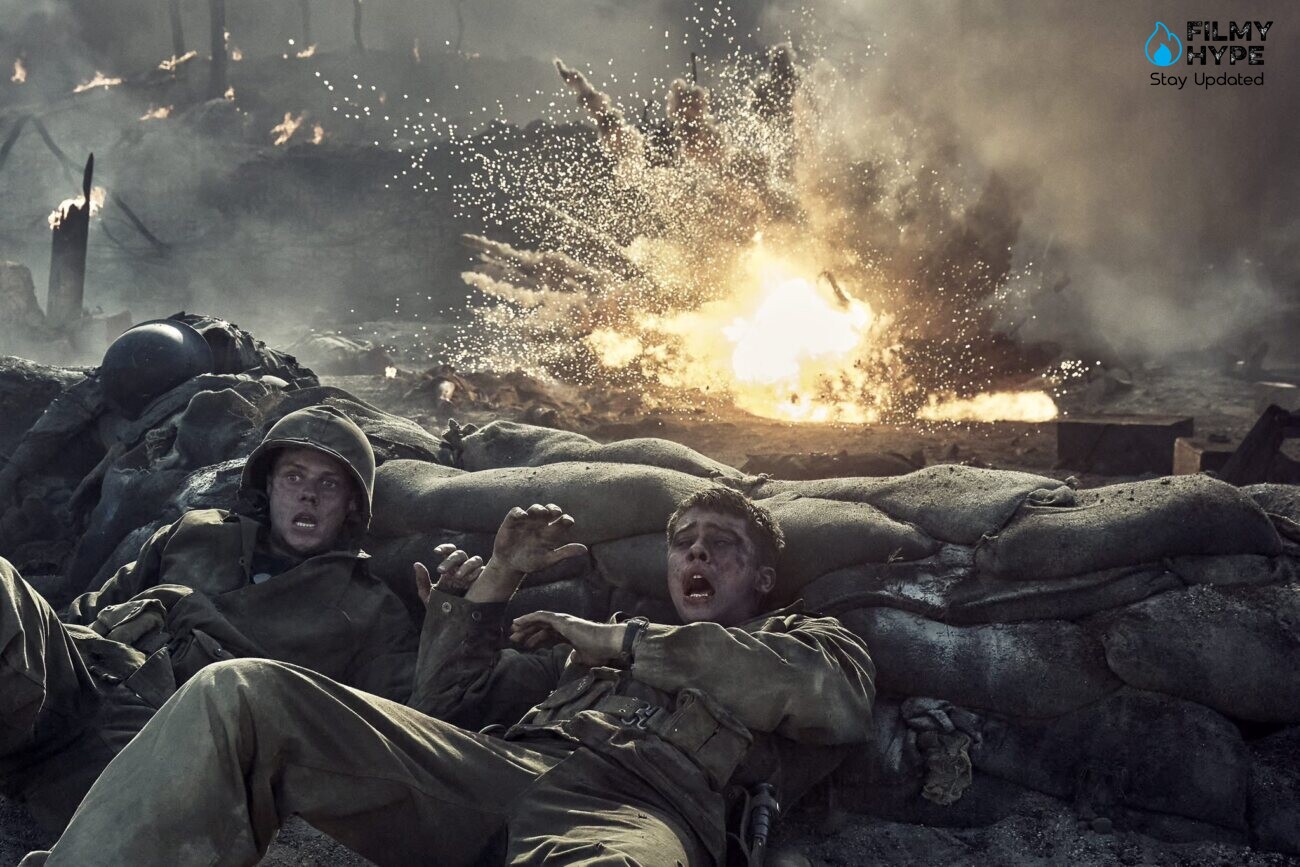


Cinematographer Jacques Jouffret, who’s worked with Berg on multiple projects, brings his eye for grounded action. Editors Jon Otazua and Garret Donnelly will shape the material. And the sound design is being handled by Wylie Stateman, a nine-time Academy Award nominee whose credits include Lone Survivor, Once Upon a Time in… Hollywood, and Inglourious Basterds. The sound of war—the gunfire, the explosions, the specific terror of being under fire—is as important to this story as any performance.
The score comes from Explosions in the Sky, reuniting Berg with the band that gave Friday Night Lights its aching, unforgettable pulse. That reunion is significant. The music in Friday Night Lights did more than accompany the story—it defined the emotional register of the entire project. Bringing the band back for The Mosquito Bowl suggests Berg is aiming for the same kind of emotional resonance.
The Story’s Significance
Bissinger’s book tells a story that sounds almost too improbable to be true. Young men at the peak of their athletic careers, famous across the country, choose to give it all up to fight in a war. They play one final game together before shipping out to the Pacific. Many of them don’t come back.
The Mosquito Bowl itself was a real event—a game played in 1944 on Guadalcanal, featuring some of the greatest college football players of the era. It was meant to boost morale, to give the troops something to cheer for, to remind them of home. For many of the players, it was the last football game they’d ever play.
Berg has described the film as building toward a central question: when is the moment a man changes during war? It’s the kind of question that defined American Sniper and The Deer Hunter—films about how combat reshapes identity, how the person who goes to war isn’t the same person who comes back.
The Awards Ambition
The October theatrical release positions The Mosquito Bowl squarely in awards season territory. The film arrives as fall festivals are heating up, and every year seems to produce at least one movie that speaks directly to Middle America—the way American Sniper and The Blind Side once did. This film carries the same ambition.
Early word suggests Nicholson and Francis are standouts, and that the craftsmanship—Jouffret’s cinematography, Stateman’s sound design—is exceptional. Berg has been making this kind of film for years, and he’s developed a reputation as one of Hollywood’s most reliable chroniclers of American courage. Deepwater Horizon, Lone Survivor, and Patriots Day all demonstrated his ability to turn real-life tragedy into compelling cinema.
The Larger Context
The Mosquito Bowl arrives at a moment when questions about American identity, sacrifice, and what we owe to the people who serve are as charged as ever. The film doesn’t need to preach to matter. It just needs to tell the story of young men who gave up everything and played one last game before facing an uncertain future.
The “greatest generation” narrative has been told many times, but Bissinger’s book found a new angle: the intersection of football and war, the way athletics shaped the character of the men who fought. The game becomes a metaphor for everything they’re about to lose—the innocence, the camaraderie, the simple joy of competition.
October 30. The theaters. Then Netflix on November 25. The story of The Mosquito Bowl is coming to screens, and it’s bringing the weight of history with it. Some games matter more than others. This one was played for keeps. The question Berg’s film asks is what those men were really playing for—and what they found when the whistle blew for the last time.