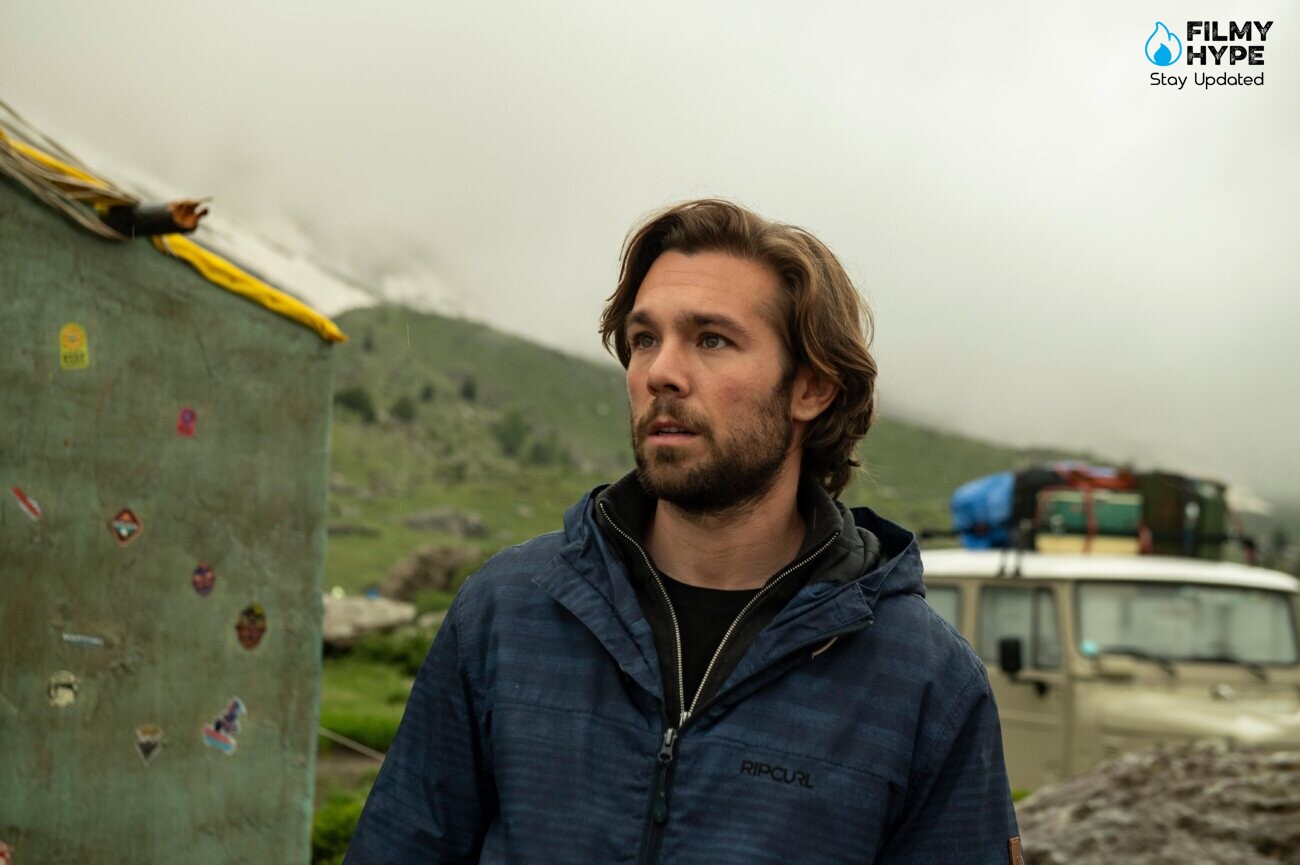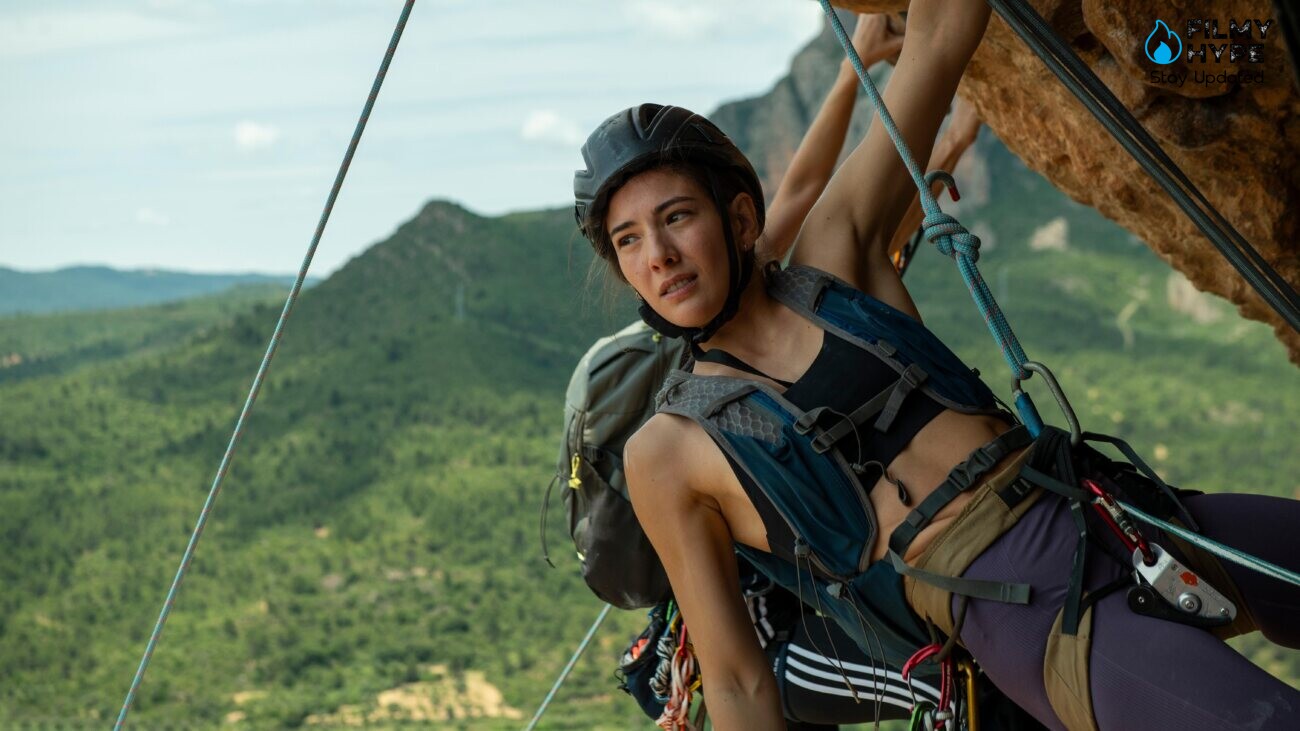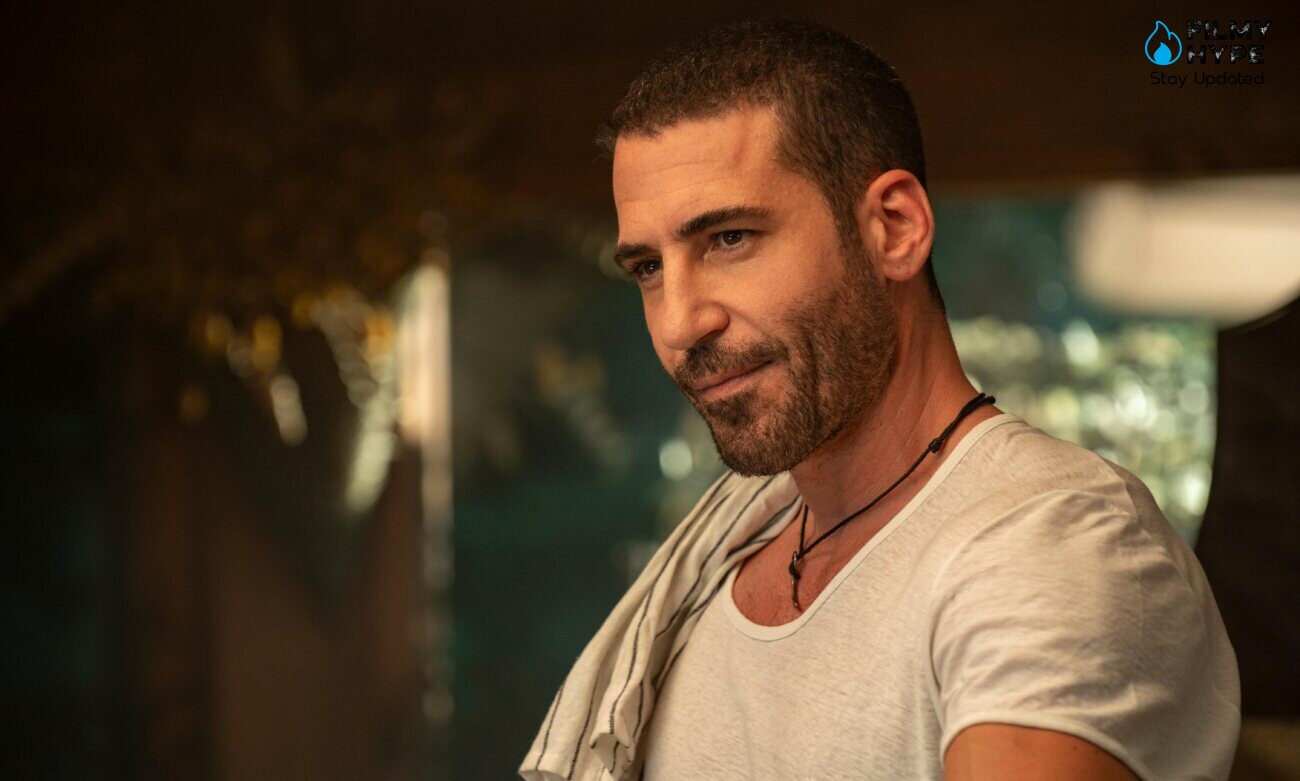


There’s a moment in To the Max (original title: La Fiera) where the boundary between cinema and reality dissolves completely. The film, which tells the story of Carlos Suárez and his friends—a group of Spanish BASE jumpers united by an almost spiritual devotion to the mountain—ends with real footage of Carlos making the jump he’d spent years dreaming about. The Nameless Tower in Pakistan, a peak in the Karakoram range that had never been BASE jumped before. He did it. He became the first person in history to leap from that mountain and survive. The footage is grainy, real, triumphant. And then the closing titles arrive, and everything changes.
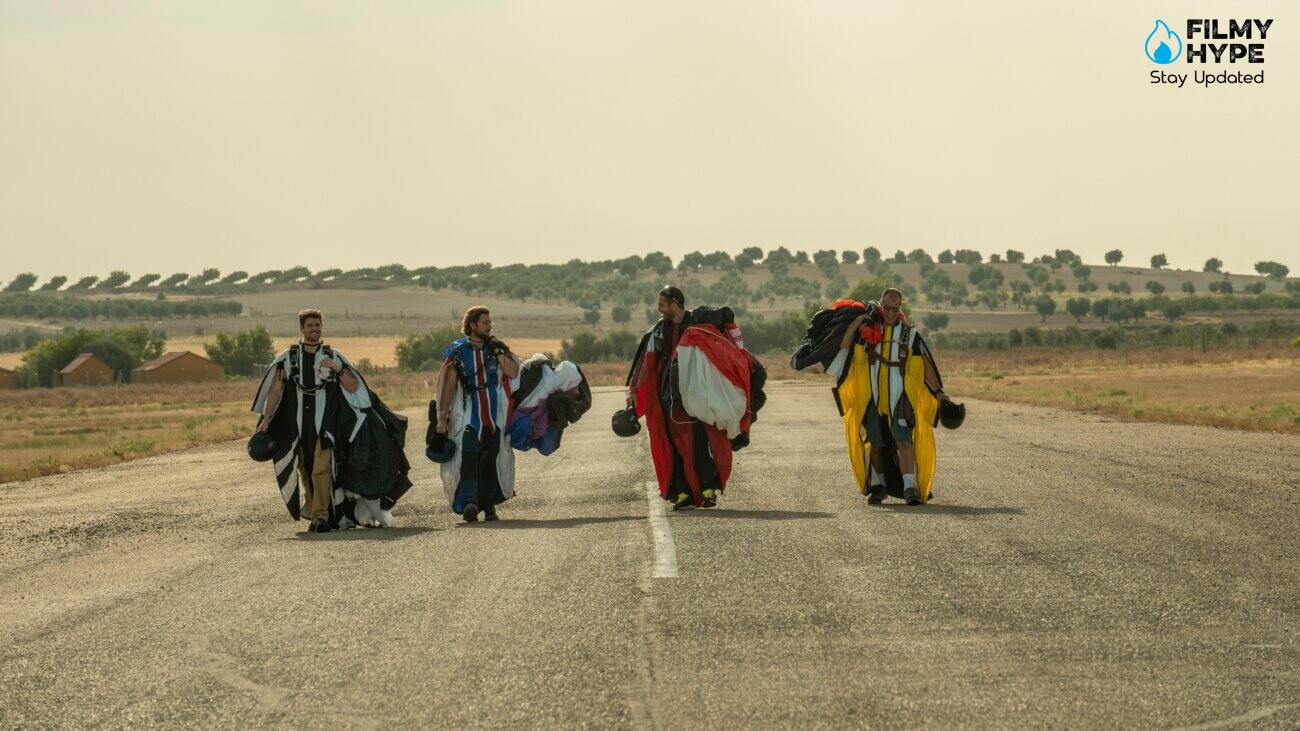
To the Max (La Fiera) Ending Explained: What Happened to Carlos and How He Really Died
Carlos Suárez died on April 1, 2025, while collaborating on the production of this film. He wasn’t acting in a recreation. He was serving as a consultant and specialist, helping to tell the story of his fallen friends. During preliminary filming in La Villa de Don Fadrique, in the province of Toledo, he participated in a collective wingsuit jump from a hot air balloon. His parachute failed to open. He was 52 years old.
The film was conceived as a tribute to three friends who died pursuing the same passion. It became, before anyone could stop it, a eulogy for four.
The Story
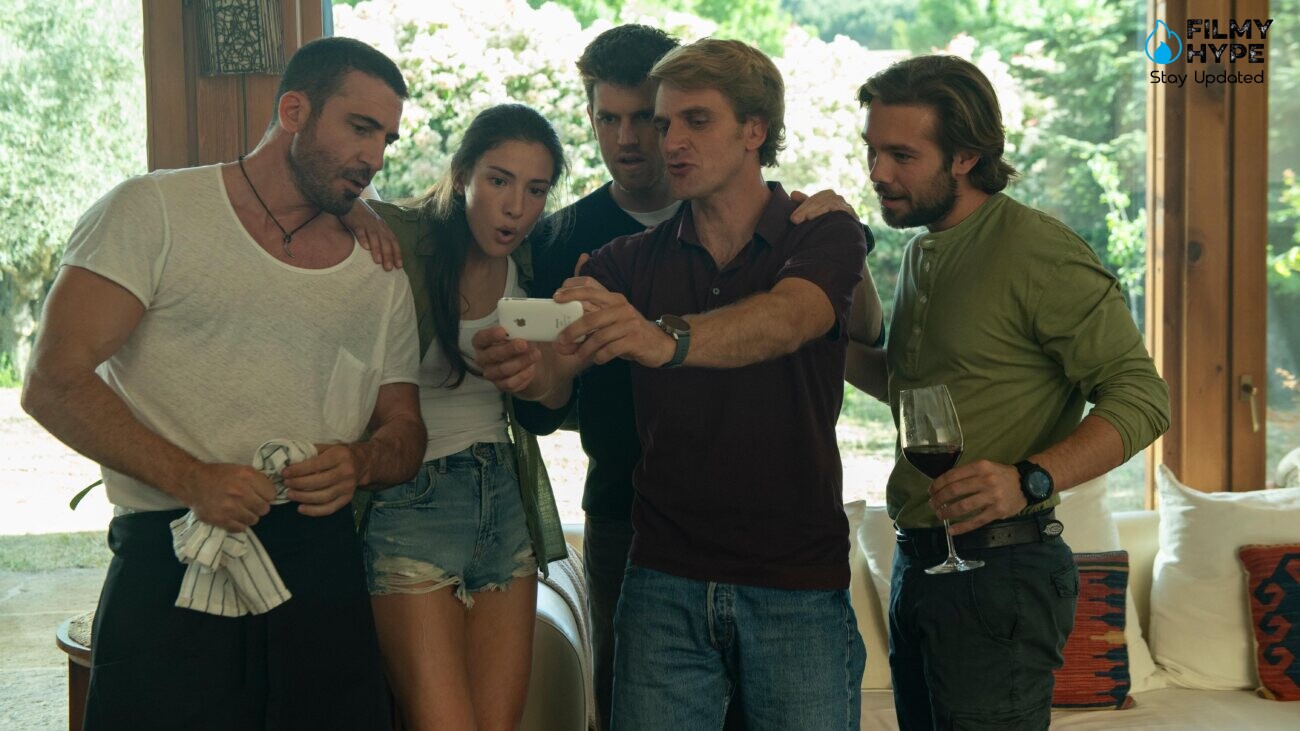
To the Max follows Carlos Suárez and his core group of friends: Armando del Rey, Manolo Chana, Álvaro Bultó, and Darío Barrio. They’re united by an extreme approach to the mountains and to BASE jumping, the sport of leaping from fixed objects—cliffs, antennas, bridges, buildings—and deploying a parachute at the last possible moment. Their great shared dream is to travel to Pakistan and jump from the Nameless Tower, one of the most iconic and intimidating peaks in the world.
The path toward that dream is marked by loss. Manolo dies in 2010. Álvaro dies in 2013 during a wingsuit jump in the Swiss Alps. Darío dies in 2014 during a BASE jump at the Festival Internacional del Aire El Yelmo. Each death chips away at the group’s foundation. What started as a search for adrenaline and transcendence becomes something darker: a question about how much you’re willing to lose for the thing that makes you feel alive.
Carlos and Armando are the last two survivors of the original nucleus. They respond to the losses in opposite ways. Armando quits. Carlos keeps going.
Why Armando Stops
Darío’s death is the breaking point for Armando. He’d already watched Álvaro die, already carried that weight through the years that followed. Losing Darío makes something clear to him: the odds are not in his favor. The sport he loves is going to keep taking people until there’s no one left to remember them.
Armando chooses a different life. He builds a future with Iris, focusing on the family restaurant, Corral de la Morería. The film shows the restaurant eventually earning a Michelin star, a detail that matters. Armando’s decision to stop jumping isn’t framed as defeat or cowardice. It’s a different kind of achievement. He found another way to feel alive.
Carlos makes the opposite choice. And the film respects that too.
What “The Fair” Means
The title of the film is slippery. “To the Max” suggests pushing to the limit, but the original concept the film explores is more nuanced. The “fair” isn’t a concrete enemy. It’s a drive. It’s the part of a person that keeps asking for one more jump, one more risk, one more moment of feeling like you’re flying. It’s the thing that makes BASE jumpers step off a cliff even after watching their friends die.
The film doesn’t moralize about this. It doesn’t tell you whether these men were brave or reckless, whether they were living more fully than the rest of us or simply throwing their lives away. It holds both possibilities in tension. The experience of flying is real. The bodies piling up are real too. The film lets the contradiction stand.
The Real Deaths
Four of the five friends portrayed in To the Max are now dead. Manolo in 2010. Álvaro in 2013. Darío in 2014. And Carlos in 2025, during the making of the film itself.
Armando del Rey is the sole survivor.
The timing of Carlos’s death haunts every frame of the movie. When the project was conceived, he and Armando were the last two members of the group still alive. They wanted to make To the Max as a tribute to the friends they’d lost. They wanted to tell the story of what it meant to live that way, to chase that feeling, to accept the risk that came with it.
Then Carlos died doing the very thing the film is about. The tribute became an obituary.
How Carlos Died
The details are stark. Carlos was participating in a recording session linked to the film. He joined other specialists in a wingsuit jump from a hot air balloon. Something went wrong during the descent. The main parachute didn’t deploy correctly. The reserve system couldn’t save him. He hit the ground.
The other jumpers realized he hadn’t returned and began searching. He was found dead.
The production team faced an impossible decision after the accident. Producer Fernando Bovaira explained that, after discussions with the families, they decided to continue. The film would still honor Manolo, Álvaro, and Darío—but it would also become a tribute to Carlos. The closing titles acknowledge what happened. The movie that was supposed to be about surviving loss became a document of how the loss kept going.
The Nameless Tower
Carlos did make the jump. The film’s climax shows real footage of him leaping from the Nameless Tower, fulfilling the dream that had driven so much of the story. He was the first BASE jumper to do it. It was an achievement that validated everything he’d believed about risk and reward, about pushing past fear to find something transcendent on the other side.
But the film doesn’t end there. It can’t. The achievement is real, but so is what came after. Carlos kept jumping for the rest of his life. The passion that took him to Pakistan didn’t stop once the dream was achieved. It kept going until it killed him.
What the Ending Means
To the Max ends with a question it can’t answer: how much are you willing to risk for something you can’t imagine living without? Carlos’s answer was everything. Armando’s answer was different. Neither man is presented as wrong.
The film’s final titles transform the experience of watching it. Everything you’ve seen—the jumps, the deaths, the arguments about whether the risk is worth it—takes on new weight when you know that the main character died making the movie. The story was supposed to be about survival. It became about how survival isn’t guaranteed, how the choices that define us can also destroy us.
Armando, interviewed before the film’s release, said he didn’t know if he would jump again after losing Carlos. He’s the last one left, the keeper of memories that are increasingly difficult for outsiders to understand. The film gives him the final word, in a sense. His survival isn’t a triumph. It’s a burden. He’s the one who has to keep living with the stories of four friends who shared something extraordinary and paid for it with their lives.
The film doesn’t offer a moral. It doesn’t conclude that BASE jumping is worth it or that it’s foolish. It just shows you what it costs. The four men who died were not suicidal. They were not reckless in the way the word is usually used. They were people who found something in the mountains that they couldn’t find anywhere else, and they made a choice to keep pursuing it even as the world tried to tell them to stop.
To the Max is a tribute to that choice. It’s also a warning about what it can cost. The two things can coexist. That’s what makes the ending so devastating—and so honest.