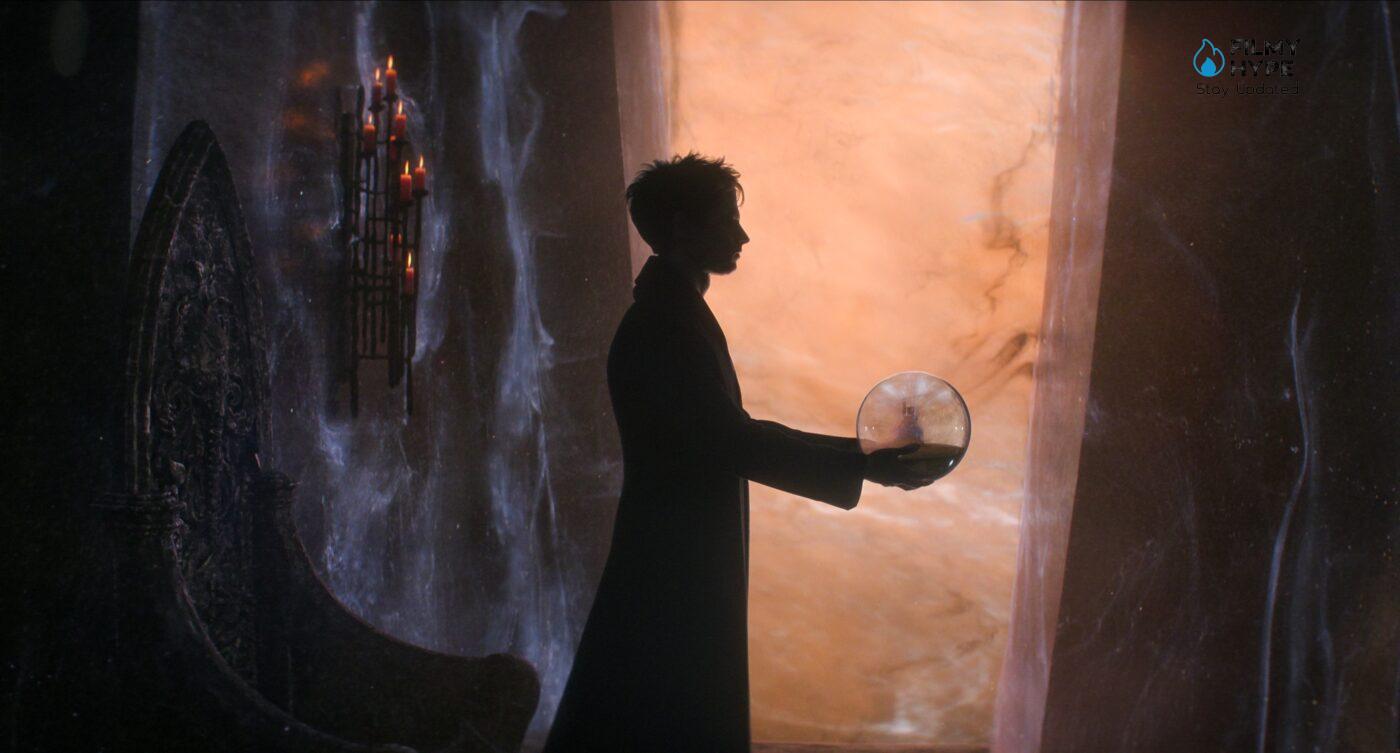
The Sandman Season 2 Volume 1 Review: Slow Start But the Quality of This Series is Undeniable!
The Sandman Season 2 Volume 1 Review: We have been waiting for this moment for three years, and The Sandman Season 2 Volume 1 has finally arrived. The Sandman, one of the most ambitious fantasy series ever, returned to Netflix with the first six episodes of its second and final season, available from July 3rd. After creating, in 2022, real magic on the small screen telling the story of the Dream King taken from DC Comics, considered one of the best literary sagas ever, the series with Tom Sturridge in the role of Morpheus is ready to conquer everyone once again. It is a story made of mythology, magic, legends, made of religion, fantasy, and reality, but above all of great depth of thought, immense cultural references, and a story so powerful that it overwhelms us and makes us want it to never end. Everything, however, has an end, even the most beautiful things. But was the second season of The Sandman able to replicate the excellence of its first chapter?
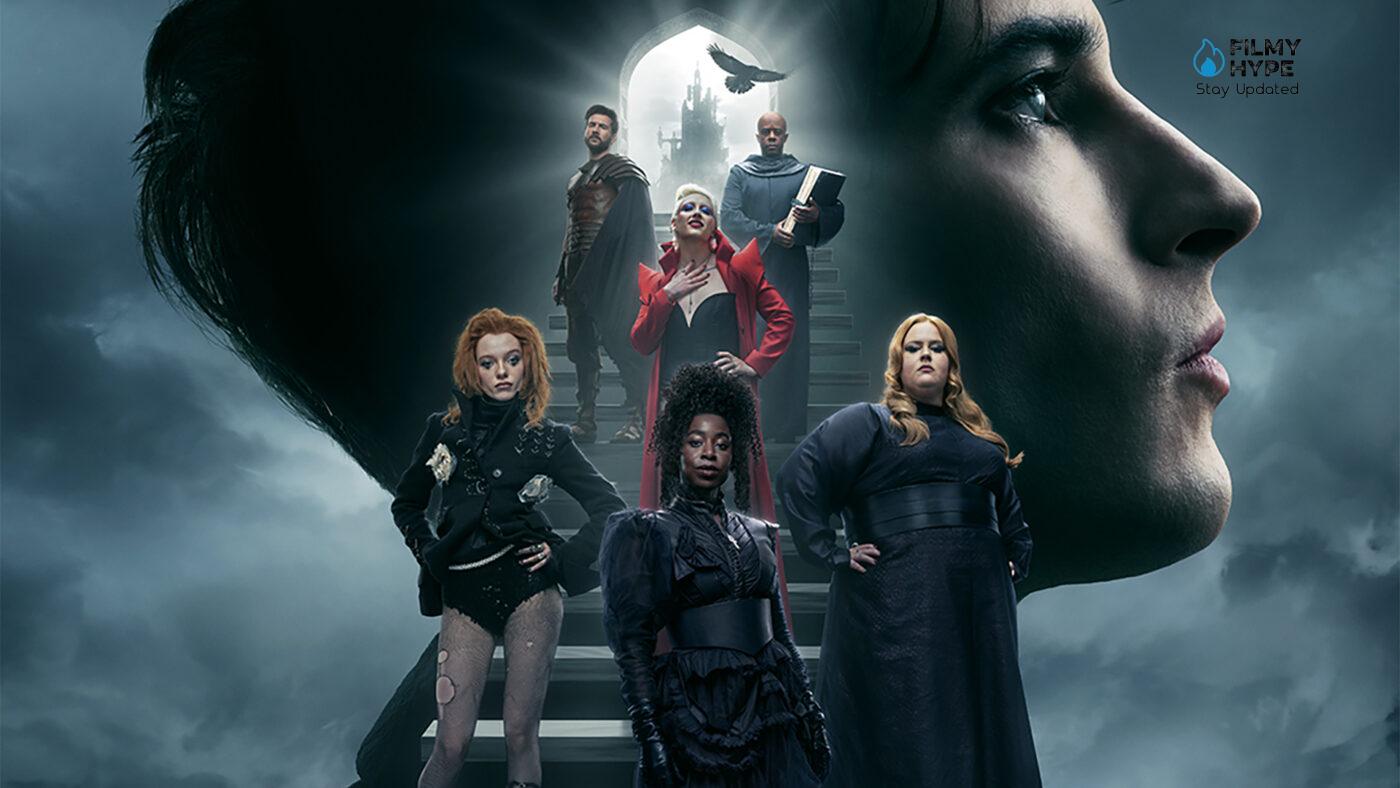
The Sandman returns to Netflix with six new episodes, representing only the first part of its second – and final – season. The announcement of the early conclusion left a bad taste in the mouths of many fans, especially considering how much time and effort it took to bring the adaptation of Neil Gaiman’s iconic comic to life. Yet, this return fails to fully capitalize on the potential of the series. At times fascinating and at times frustrating, this season reflects the profound contradictions of its protagonist: powerful but passive, charismatic but distant, Morpheus guides the viewer on a journey that oscillates between enchantment and boredom. The second season of Sandman it will be made up of three parts: the first volume, which consists of six episodes, will be released today, July 3; the next five or volume two on July 24 and the 31st we will have the final outcome, titled The High Cost of Living (The high cost of living) and based on one of the most moving and poetic stories in the collection. Twelve in total.
The Sandman Season 2 Volume 1 Review: The Story Plot
These first six episodes cover the following stories from the comic book work of the same name: Season of Mists, A Midsummer Night’s Dream, and The Song of Orpheus. These three are part of the microplot of the search for Destruction. Earlier this season, the Eternals reunite at the behest of Destiny, making it known to viewers that one of the brothers, Destruction, has long since left his kingdom and his duties without ever returning. The desire to find it and have answers is the mechanism that carries forward the events of each episode, making this part of the second season extremely fluid, compared to the first season, where there was a clear gap between the stories told. In fact, at the end of the sixth episode, a trailer shows us what we will see next, confirming that the next episodes will be directly linked to the sixth episode.
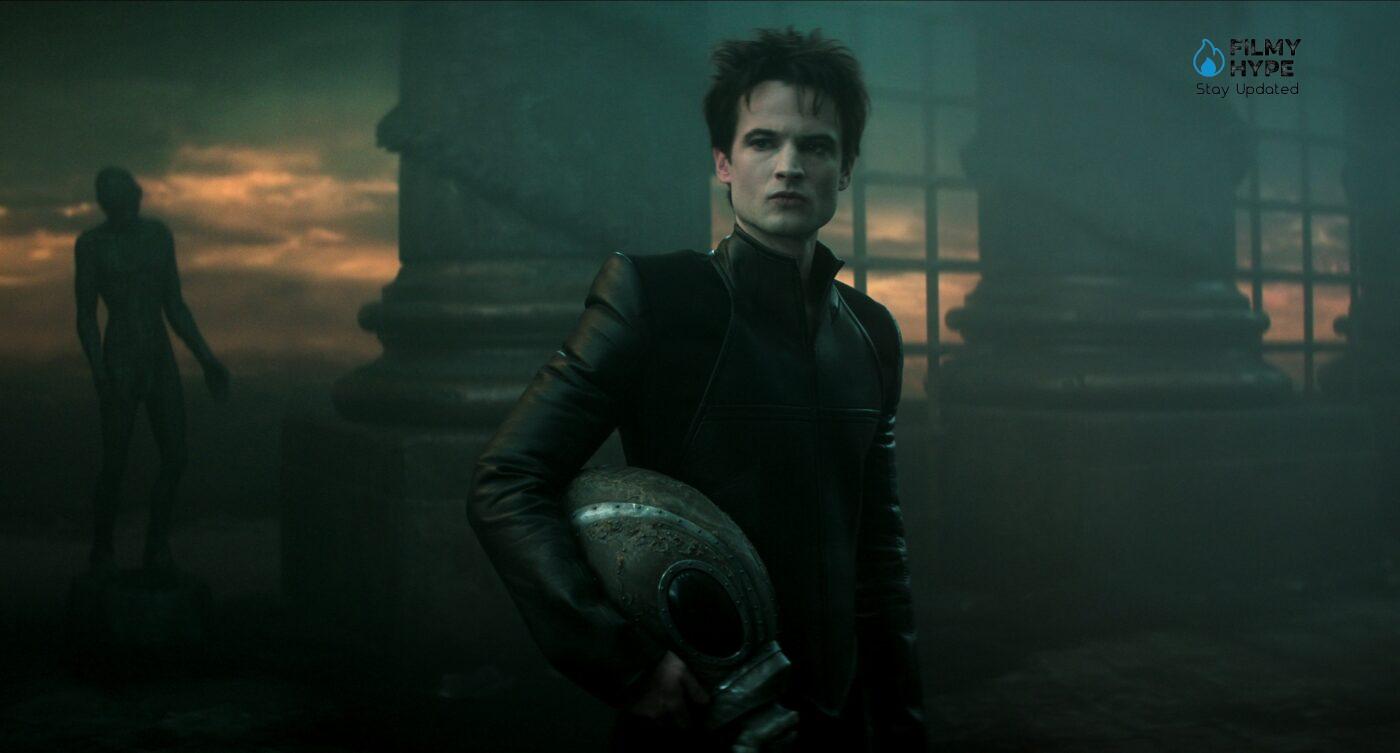
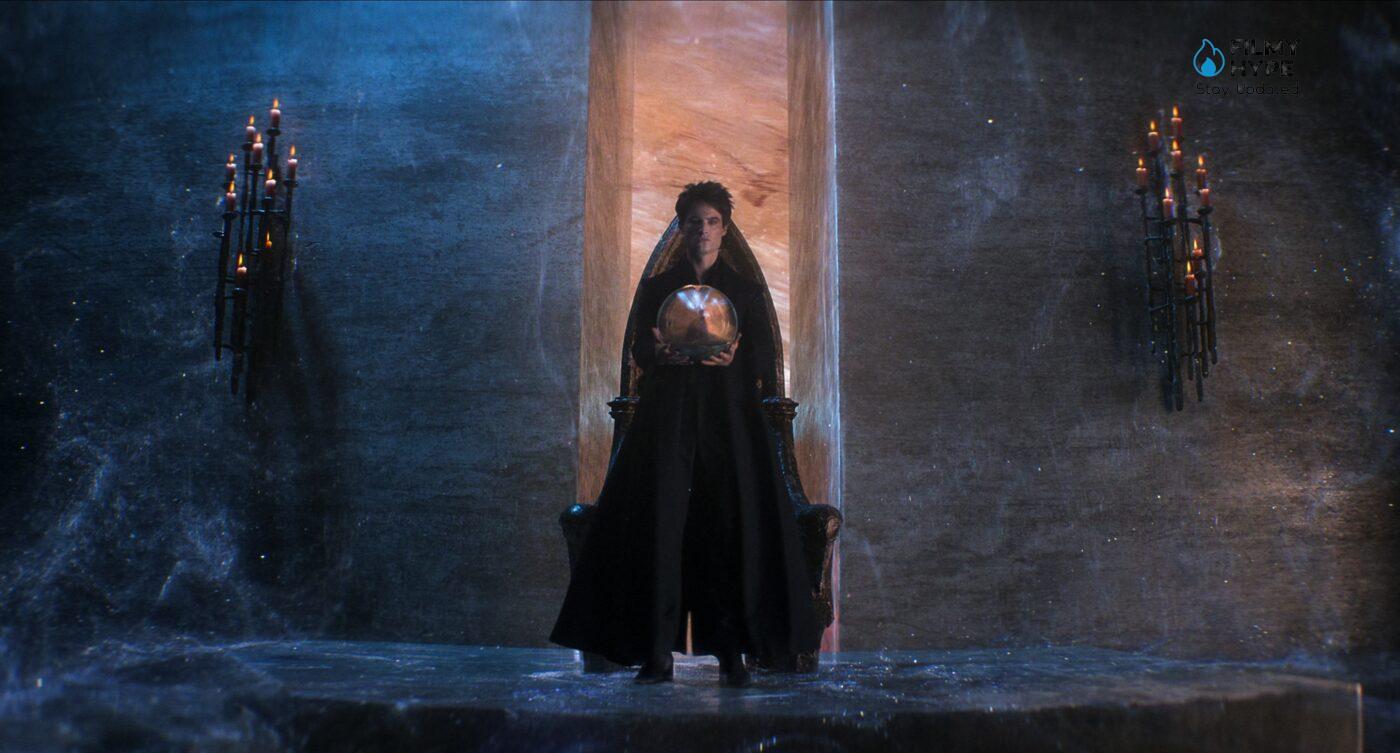
But, as usual before delving deeper, let’s try to reconnect the threads of the story: Dream (a perfect Tom Sturridge) has finally settled his kingdom once and for all, but immediately a new emergency is on the horizon. Destiny (Adrian Lester) calls together all the Eternals to warn them of a possible lurking catastrophe, all while Dream finally decides to right a serious wrong he has committed and return to the Underworld to free a person he loves. A clear and clear continuation of the first season, in short, ended with the promise from Lucifer (Gwendoline Christie (also sensational to say the least) to take revenge on Morpheus.
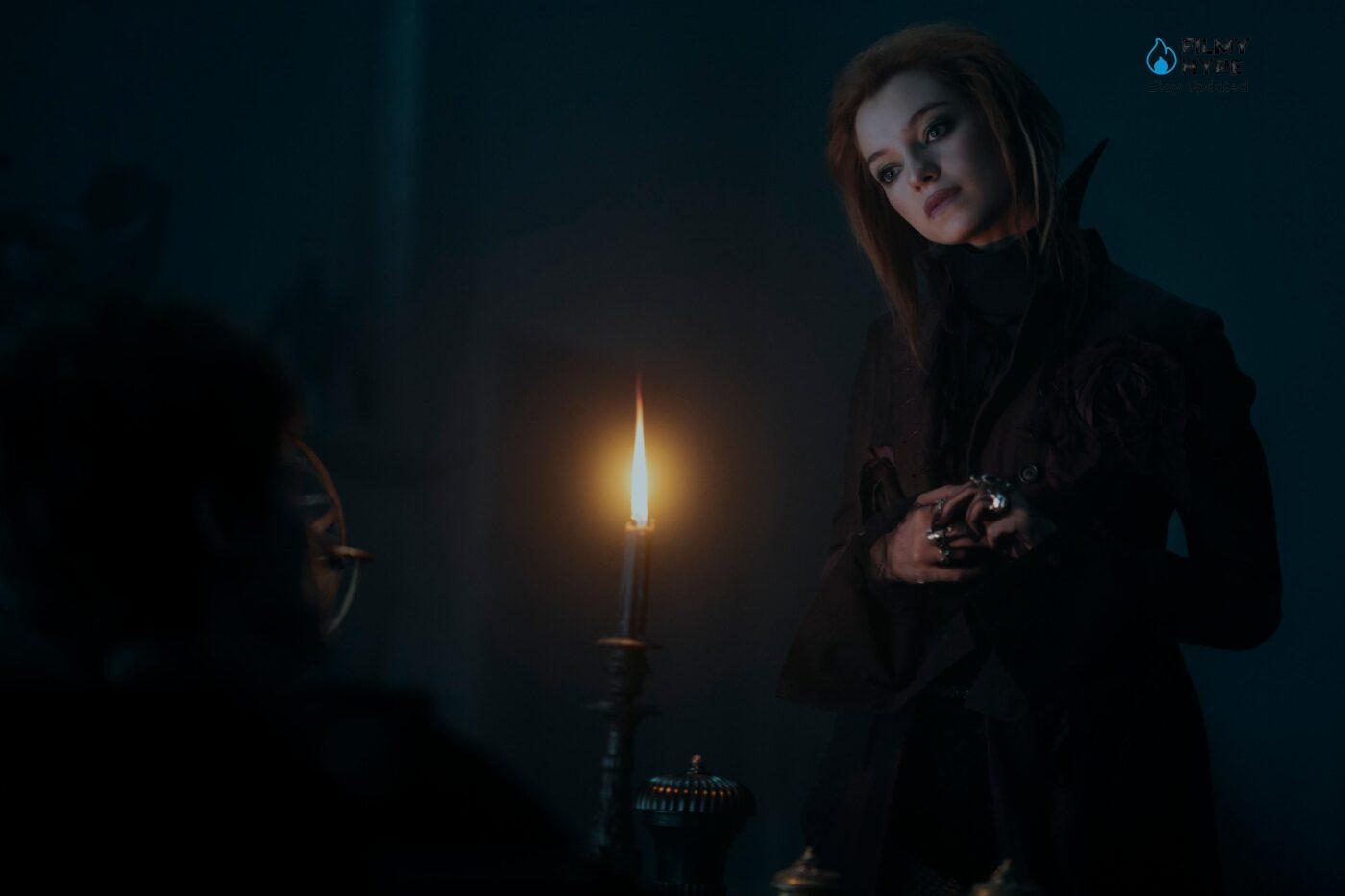
And, despite the somewhat catastrophic aura that now hovers over this project, we can state with detached serenity that the charm, tone, and solemnity typical of The Sandman are still present today, and they still represent the cornerstone of Netflix production. Even when certain conflicts and exchanges could quickly lapse into empty spectacularization, the series never falls into the trap and continues to possess its identity, for better or for worse. Is the pace always fluctuating at times? The aesthetics, the dialogues, and in general, the ideological depth of the whole do more than necessary to compensate. In addition to the fact, already mentioned, that I am admiring some truly amazing interpretations and, in addition to Sturridge and Christie, we could not fail to mention Mason Alexander Park’s Desire, magnetic in every expression and exchange of words.
The Sandman Season 2 Volume 1 Review and Analysis
Many new characters arrive in this second season of The Sandman. Some interesting, some less so. Perhaps too much focus has been placed on the quantity rather than on the quality of the protagonists, and it must be admitted that the lack of some old faces from the first season, such as Corinthian, makes itself felt. There are many references to Greek mythology with the staging of some of the most iconic myths of all time, but The Sandman Season 2 Volume 1, at least in this first part, has some flaws and aims to be more aesthetically beautiful than engaging from the point of view of content, of action, of emotional transport. The Sandman Season 2 Volume 1 is a growing season. The further we go in the vision, the more it attracts, and even if there are some small defects, such scenographic beauty, the special effects, and the level of the work from which it is based make us forgive everything, even a plot that has not yet taken flight.
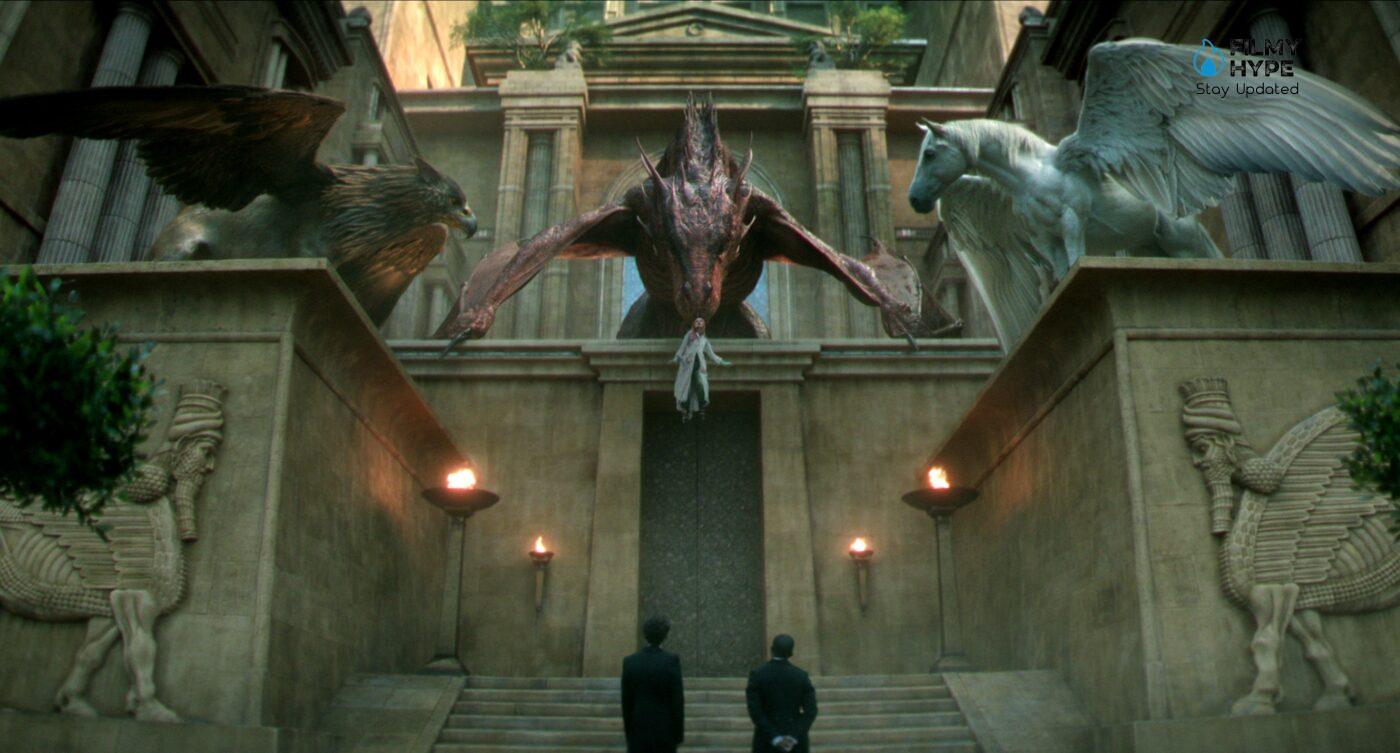
Watching the first part of The Sandman Season 2 Volume 1 is a bit like reading a novel and getting stuck on the descriptive pages. They are static, a little slow, but necessary to prepare the audience for the action that is about to come. So enjoy this prelude calmly, savoring the slowness of the description, because soon the time will come to attend a series finale that we are sure will not disappoint us. The first narrative arc, set partly in Hell, represents the most engaging moment of the season. After freeing Nada, Morpheus finds himself, against his will, heir to the infernal kingdom, following the renunciation of an exhausted Lucifer (a tired and fascinating Gwendoline Christie, perfect in the role). Here, the series dares more: mythological creatures, demons, Norse Deities, and Fae compete for the dominion of the afterlife in a visionary fresco that powerfully combines fantasy and religious elements. Too bad that this momentum is soon suffocated by a narrative that slows down abruptly, as if the series truly fears the conflict that it builds.
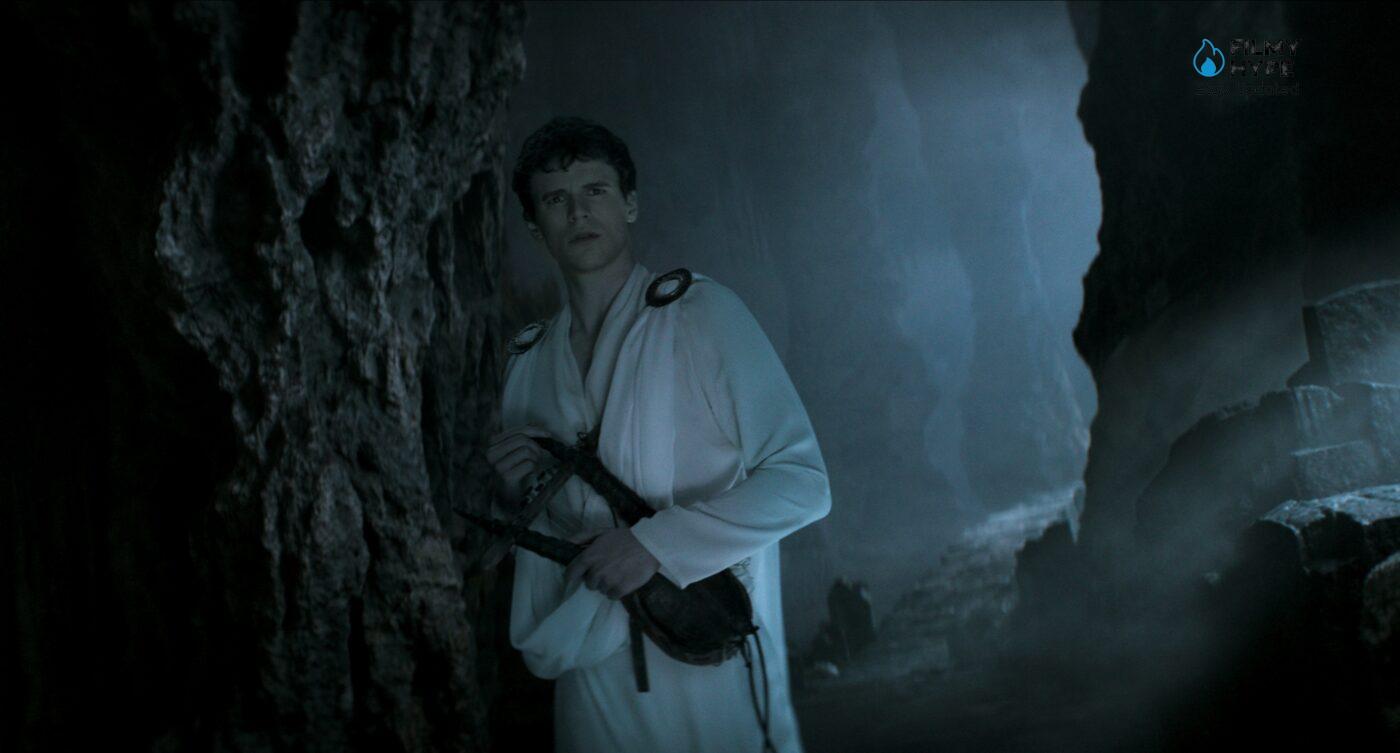
The second strand focuses more on the relationships between Endless people, the metaphysical entities that embody concepts such as Death, Desire, Despair, and Delirium. The arrival of the tender and unsettling Delirium (Esmé Creed-Miles) adds a breath of unpredictability to an otherwise tense and cerebral family dynamic. However, deepening the bonds between siblings often boils down to reflective monologues and didactic symbolism. Subplots related to Orpheus and the Eurydice myth, for example, fail to generate true empathy, reducing a potential cathartic moment to an aesthetically curated but emotionally sterile sequence. The series does not hide its poetic ambition, but often falls into the trap of pomposity.
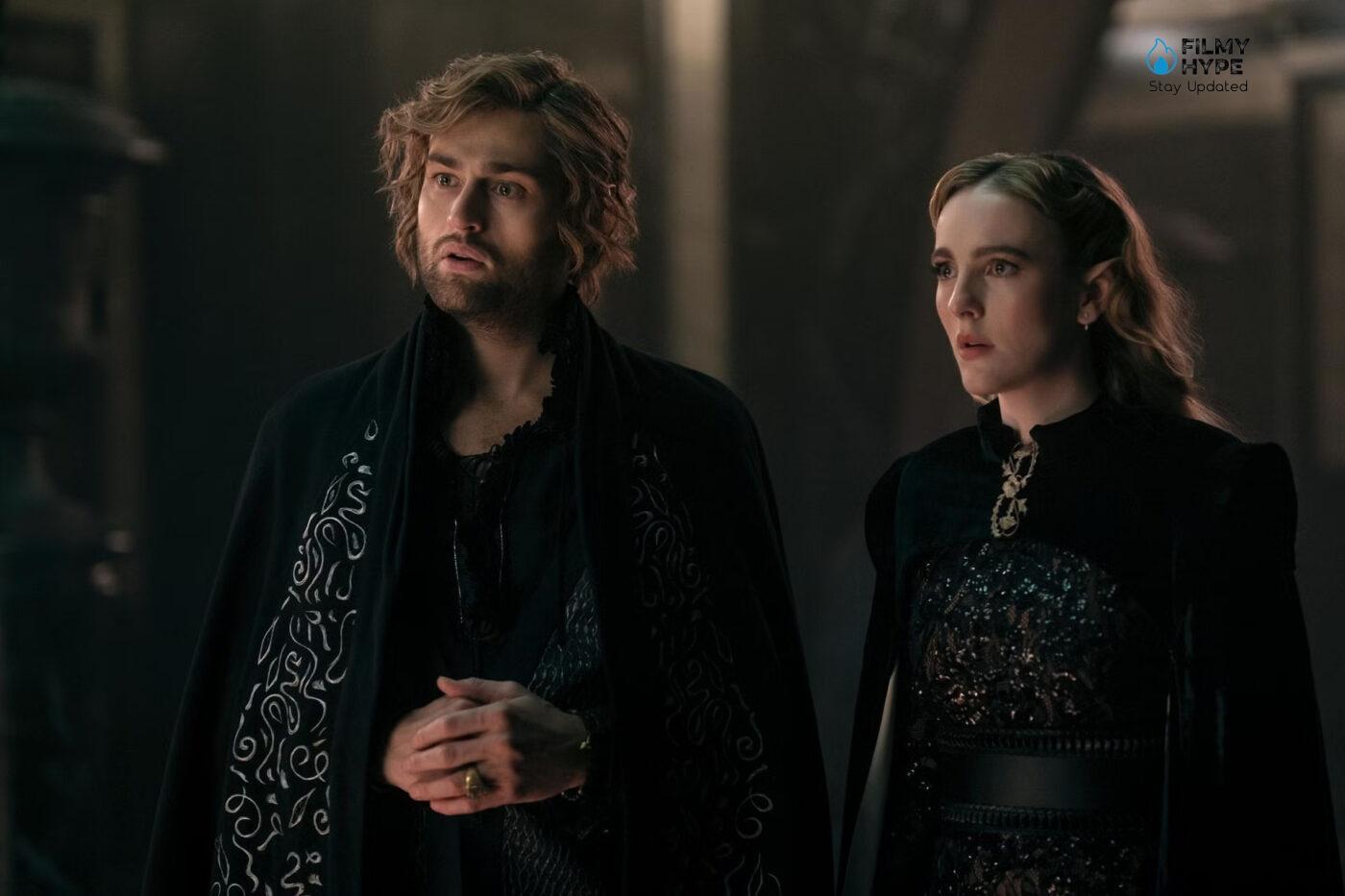
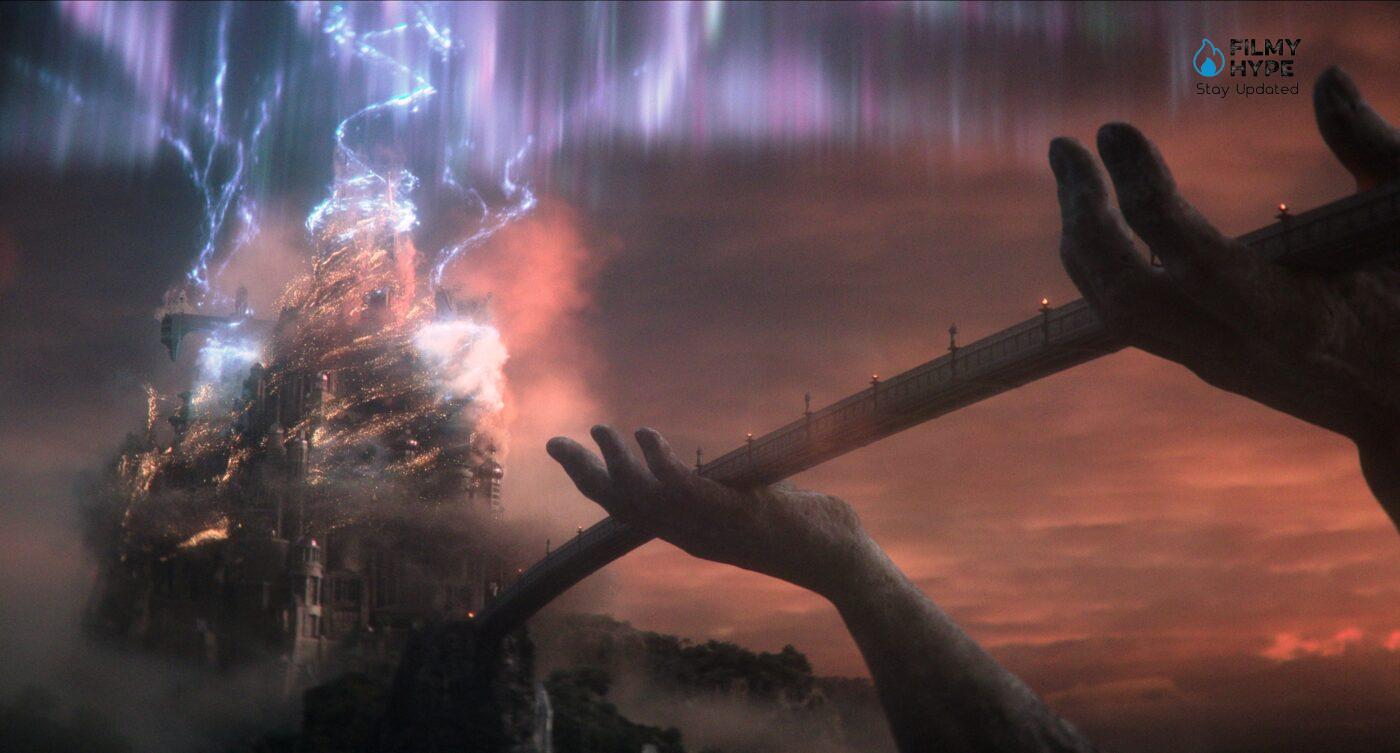
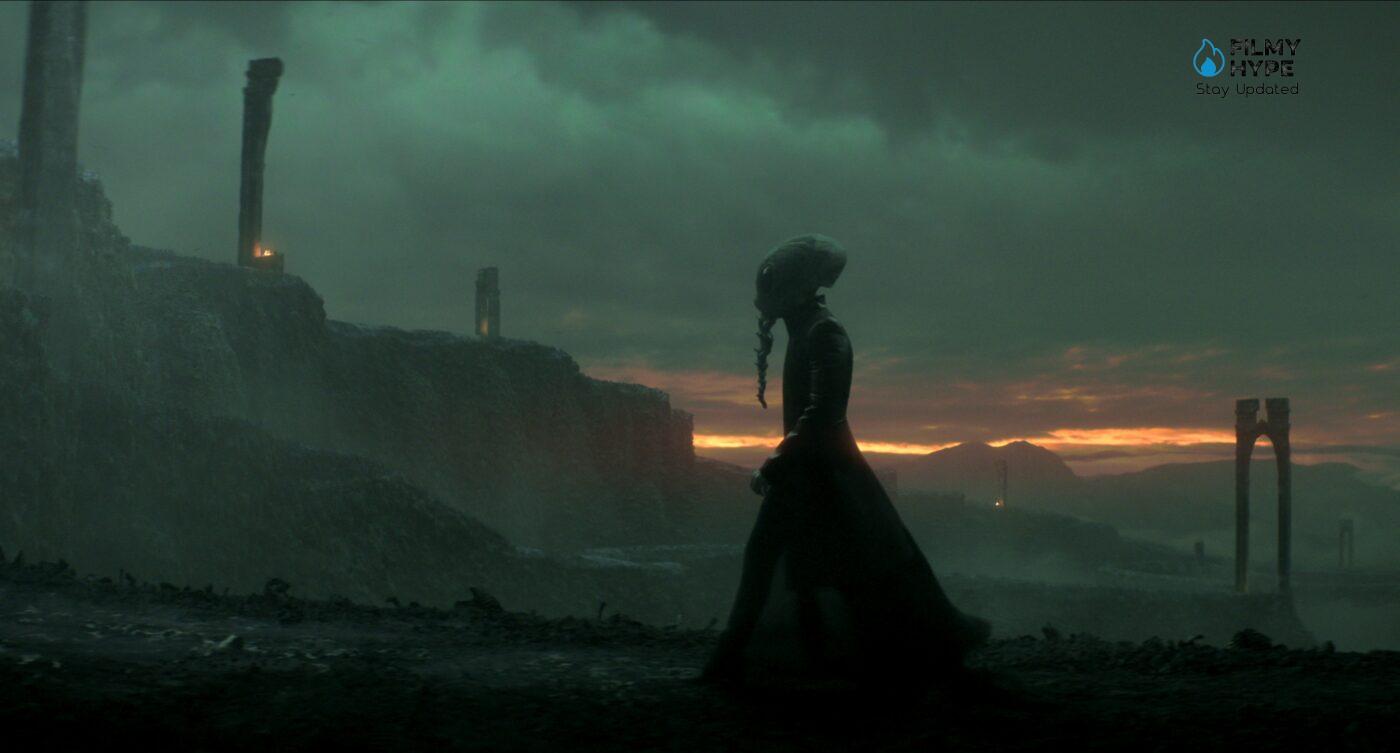
Jokes that would like to seem profound – “Hell is heaven’s reflection” or “Tales and dreams are the shadow truths that will endure” – resonate like Tumblr bulletin board aphorisms, rather than existential revelations. Even when it deals with relevant topics, such as gender identity or free will, it does so in a direct and didactic way, renouncing subtlety. And if even a comic talent like Steve Coogan, called to dub a talking dog, can’t bring a smile to his face, then something in the writing definitely needs to be revised. No one can deny that The Sandman is visually spectacular. The photography, sets, and costumes build a coherent and fascinating dreamlike universe, in which each episode is a small moving Gothic painting. However, this well-groomed aesthetic often ends up crushing the narrative, as if the image were enough to make up for the lack of emotion and rhythm. Despite some brilliant gimmicks – such as the variety of creatures that take turns at the court of Hell – the season tends to contemplate itself, rather than tell something.
Knowing that this is the last season ever gives each scene a valedictory flavor. The series seems aware of its destiny, and for this reason, it allows itself a more intimate and melancholic look. Every encounter with a new character, every dialogue between brothers, every battle (internal or external) seems burdened by an underlying question: “What’s the point of all this?”. The Sandman thus embraces an elegiac tone that can move the most loyal fans, but which risks being an end in itself for the less involved spectators. Speaking of characters, these are well written and in-depth: the creator of the comic, Neil Gaiman, is seen to have taken part in the production. The relationship between the Eternal brothers can be perceived even with just a few looks or a couple of jokes. The most in-depth one this season is Delirio, masterfully interpreted by Esme Creed-Miles, together, obviously, with Sogno, whose interpretation, thanks to Tom Sturridge, let us see sides we had never seen before.
At times, however, the scars of turbulent production show themselves, and it is impossible not to notice them. They manifest themselves in two ways: first of all, a very flat and superficial characterization of almost all new entries, far from the charisma and peculiarity with which the first season introduced its pawns. And it’s a shame, since the potential of some characters was truly unlimited, and we could have had iconic figures in our hands, which in reality appear weakened and dull. They are always very recognisable, but it is quite clear that they operate at half their capabilities or less due to a lack of time.
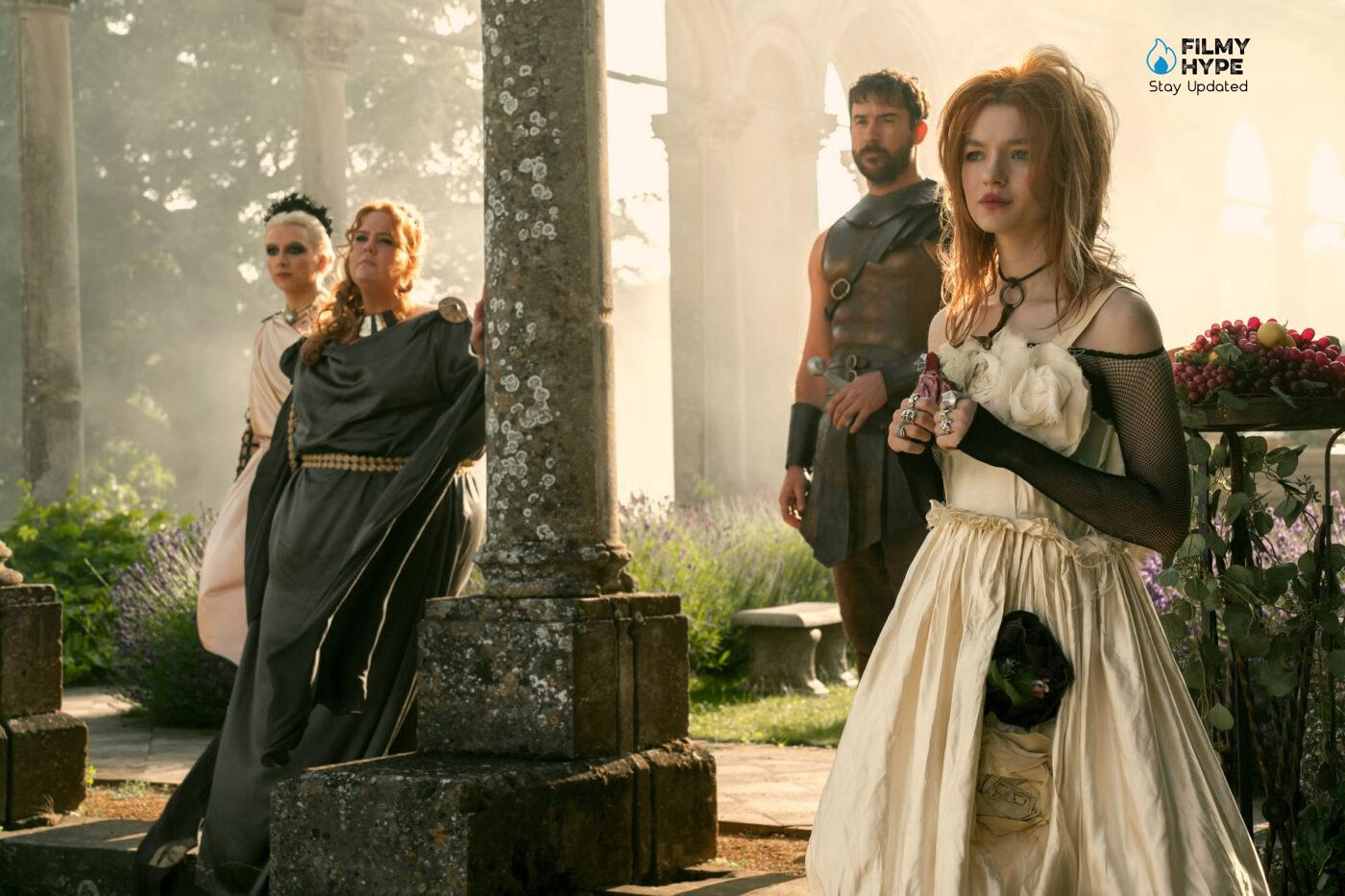
The other undeniable problem of this first volume is the overly linear and repetitive staging of some large sequences, which cannot be as impactful as they should be. Without giving any spoilers, there is, for example, an immense table with countless characters trying to get something from Dream, a fantastic opportunity to create suspense and insert almost subtle political games. Now, we’re not saying that at all. The Sandman had to suddenly turn into Game of Thrones, but take some ideas, yes, instead of proposing an infinite succession of conversations and answers that are all identical. We could and should have done better, and unfortunately, this is not unique in this first volume; on the contrary. The feeling it leaves is bittersweet to the extent that it enters many gardens and navigates through different eras, making it sometimes difficult to follow the main narrative thread, but we already knew that we would find a postmodern festival of historical, literary, mythological and folkloric references, so he won’t catch anyone new.
After all, it was always a pretext to unite past, present, and future, with its pantheon of Eternals that reign over humans: Dream, Despair, Desire, Destruction, Delirium, Destiny, and Death. Whoever liked the first season will like the second. Whoever was at the limit will come out definitively, because they take everything one step further. What stories will you be able to see at the beginning of the second season? Some loose episodes like the one A Summer Night’s Dream, in which you will see Shakespeare himself, or that of The Song of Orpheus, in addition to taking a walk through the French Revolution. The two widest arches serve as background for Fog season and Short lives: the first about Morpheus’ old love, Nada, and how Morpheus goes into hell to search for her (with Lucifer’s surprising renunciation of reigning over Hell and “brown” giving up his key). The second, about how he joins the unstable Delirium to find his brother Destruction with the high cost that this entails for him, to the extent that this will lead him to reap the animosity of the Furies (and that they had already taken care of to predict what was about to be unleashed).
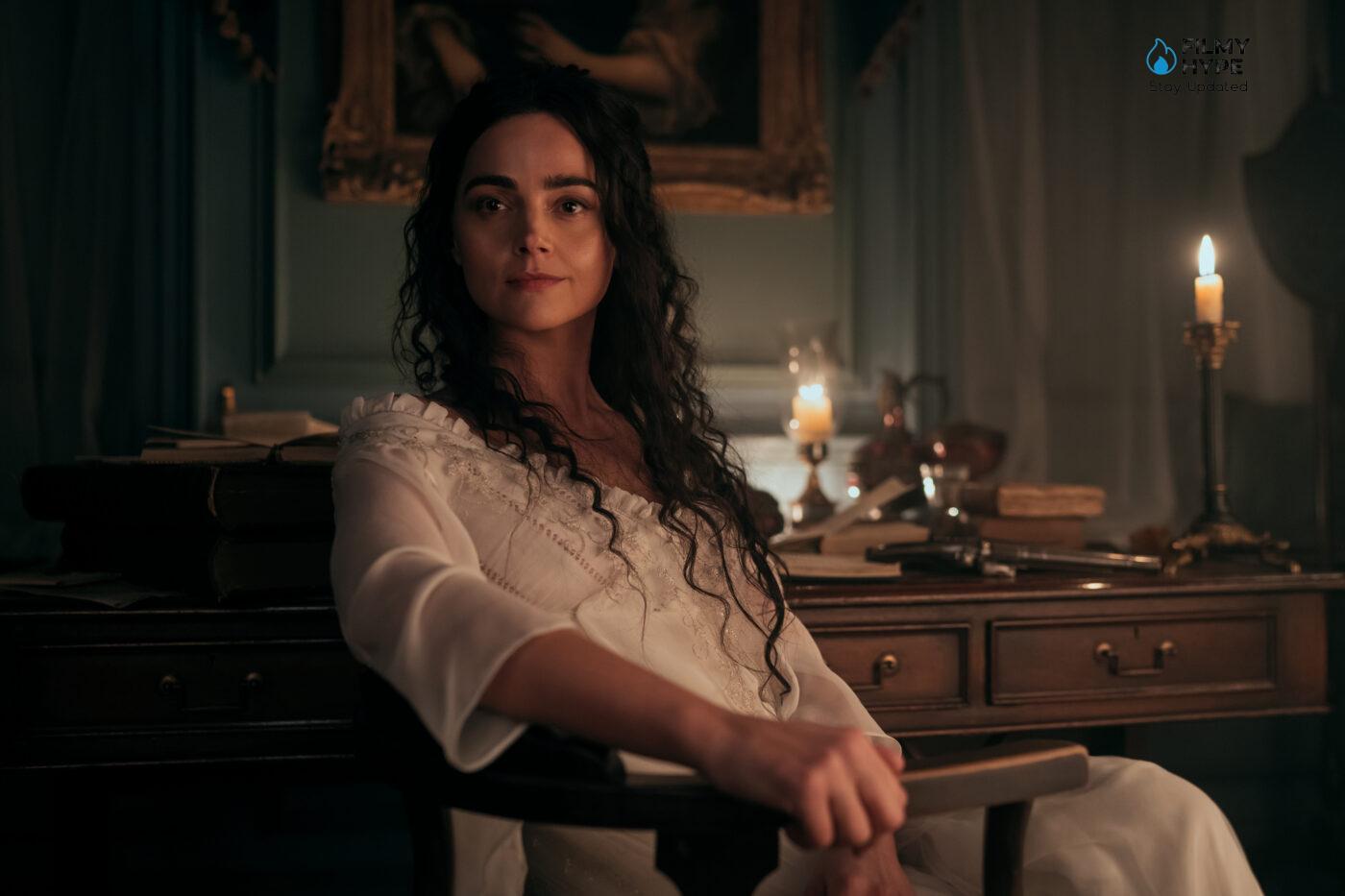
As is evident, we have a lot of new characters and therefore signings that come to enrich the already choral cast of the series, led again by an undaunted person Tom Sturridge in the main role, though Kirby Howell-Baptiste he knows how to steal the spotlight like Death in some of the high moments of the stories they tell us. How well written it is, and what a luxury actress. The commitment to an ambitious production design is maintained so that we do not leave its dark, disturbing and adult fantasy tone (with some singing CGI that sneaks in but is quickly forgiven) and we also find a soundtrack according to the challenge, even when it comes to giving voice to the unfortunate Orpheus, son of Morpheus. And up to here we can read, we will have to wait until the end of the month to find out if, as expected, Sandman will further raise the level of quality and depth to take a final double corkscrew jump to set the bar high. The loyal viewers who were so disappointed with the cancellation announcement deserve no less, and, regardless of personal considerations, neither does the base material. Just that it lives up to The Dream of a Thousand Cats, which was released with an extra episode of the first season and a double character along with Calliope, we already rubbed our hands eager to enjoy it.
The Sandman Season 2 Volume 1 Review: The Last Words
The second season of The Sandman is visually sumptuous and mythologically rich, but gets lost in a labyrinth of symbolism, high-sounding dialogue, and inconsistent rhythm. An elegant farewell, but one that rarely excites me. Sandman confirms itself as a small masterpiece, an excellent transposition of Gaiman’s comics. Visually flawless, it transports the viewer into a real daydream, exploring the characters in a more tragic plot, making it difficult to wait for the second part. On the one hand, it is a clear and natural continuation of the first season, for better or for worse: the atmosphere, the details, the solemnity, the tone, the ideological power of often very abstract dialogues, the impeccable ability to never degenerate into empty spectacularization; everything is still present, and everything is still the cornerstone of production. On the other hand, however, there are obvious and classic scars of a troubled production path, such as the superficiality and flatness of many new entries, which, due to a lack of time, are unable to pierce the screen. Or the overly linear, repetitive staging of some big sequences, which in doing so are unable to express the majesty of what is theoretically happening on screen. Magic gone? No, she’s still here, but she seems a little dimmed.
Cast: Tom Sturridge, Gwendoline Christie, Kirby Howell-Baptiste, Mason Alexander Park, Esmé Creed-Miles
Director: Jamie Childs, Mairzee Almas
Streaming Platform: Netflix
Filmyhype.com Ratings: 4/5 (four stars)