
Stranger Things Season 5 Vol. 2 Review: A Massive Show Struggling to Find Its Final Form
Stranger Things Season 5 Vol. 2 Review: With the release of episodes 5, 6, and 7 – Shock Jock, Escape from Camazotz, The Bridge, Stranger Things officially enters its most delicate phase. Volume 2 of the fifth and final season is not just a new block of episodes, but the true central body of the finale: the one that must hold together what has been built over almost ten years and prepare the ground for the final, definitive act. Released during the holidays, these episodes come at an ideal time not only to be devoured but also to be watched more carefully. And this is precisely where Stranger Things most clearly shows both its spectacular strength and its structural limitations. Managing a 12-hour series finale is no easy feat. Especially since, if you constantly press on the accelerator, you risk everything slowing down eventually (do you know what Einstein said?). You need to know how to play with the brake and accelerator to maintain a pace that still manages to give some thrills and always keep your attention alive, adding elements of interest and suspense to the narrative that are not sterile jump scares.
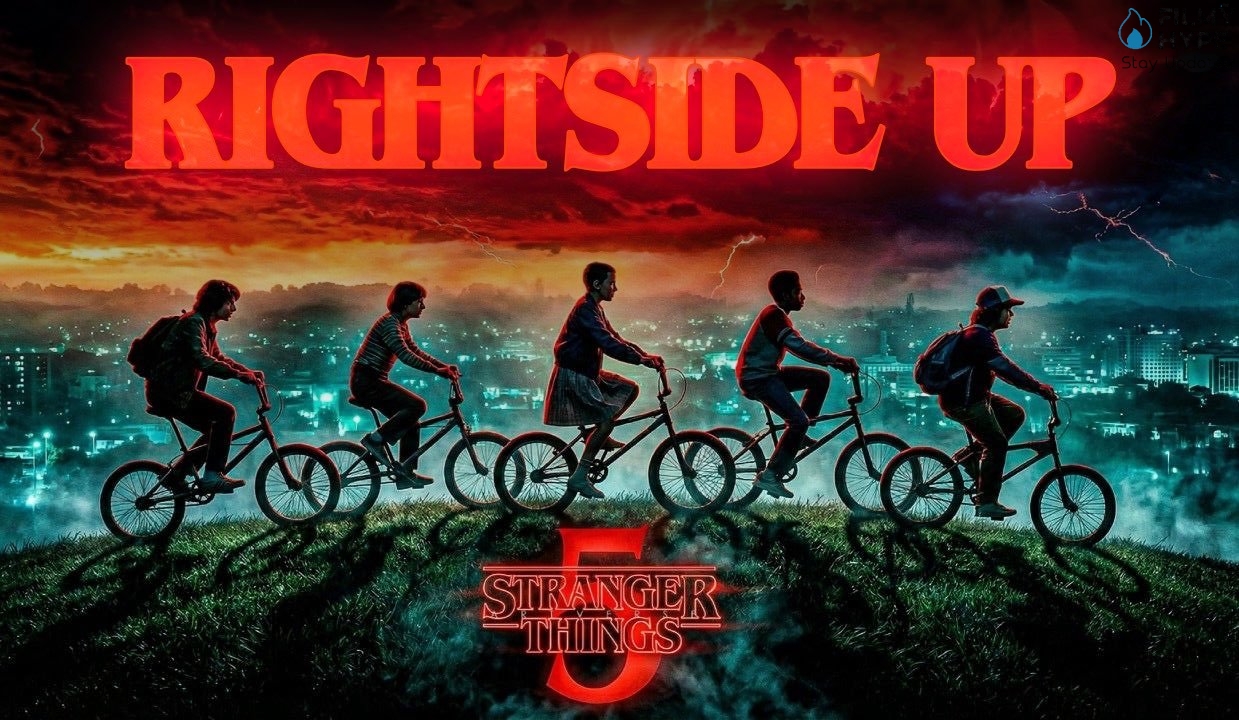
In our plans to late November/early December, there was that at Christmas we would go to sleep not too much after the end of lunch with relatives, taking advantage of the glycemic peak and indigestion to sink into sleep with the alarm set at 2 in the morning. Instead, in the end, we stayed awake, unable to turn a blind eye while waiting for the episodes to come out 5, 6, and 7 by Stranger Things 5, the “semi-final”, released on Boxing Day night (Italian time), of this series, which has kept us glued and subscribed to Netflix for about ten years. In the four weeks that led to the release of these three episodes that precede the grand finale, we read and saw so many theories that we basically went around the Upside Down a couple of times. We considered every hypothesis, the death of each character, and the preparations for the most incredible endings. We reflected on the chosen adjectives by Finn Wolfhard and Caleb McLaughlin to describe these three episodes on the Jimmy Fallon show. We feared the worst when, again at Fallon, the Duffer Brothers staged the new episodes with puppets and dropped under Steve’s.
Stranger Things Season 5 Vol. 2 Review: The Story Plot
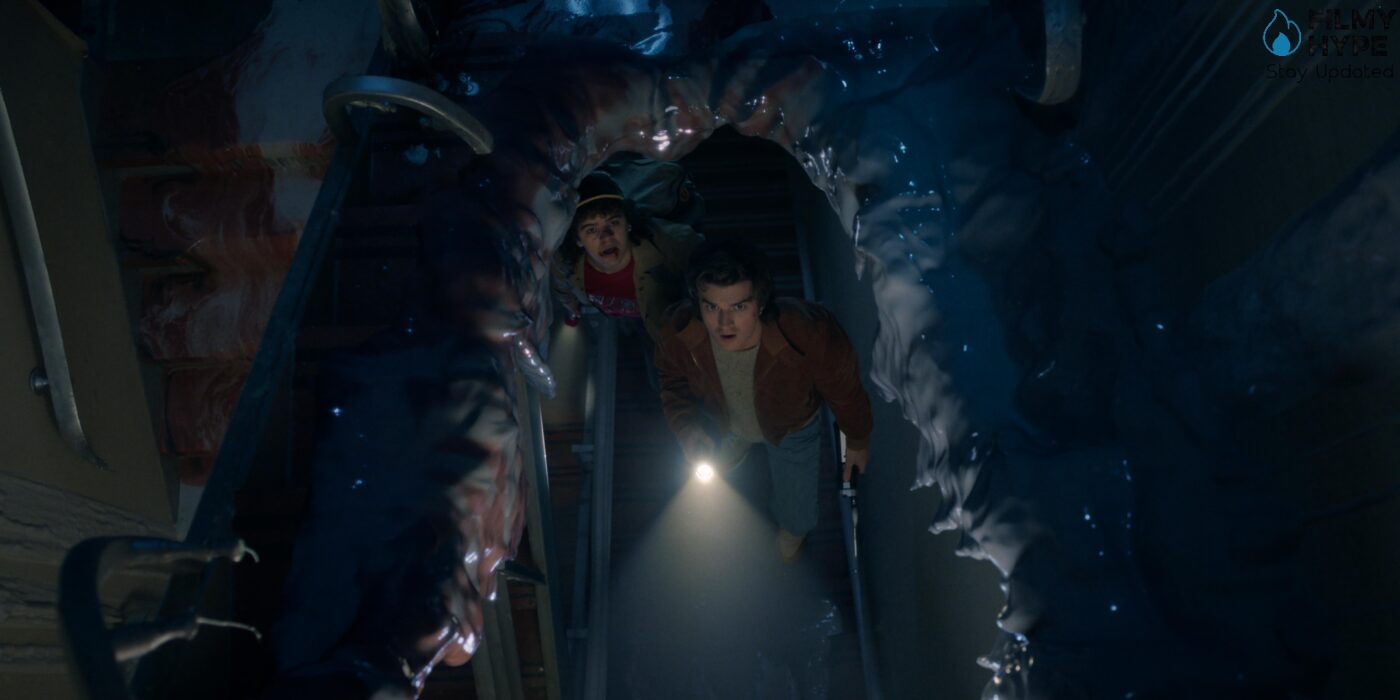
Volume 2 restarts without hesitation from the ending of the first block, immediately catapulting the characters and the viewer into a phase in which everything should converge towards the conclusion. Instead, the feeling is often the opposite: the story continues to expand. Narrative lines intertwine between Hawkins, the Upside Down, and a series of mental spaces that make the story increasingly abstract. This is where the series finally chooses to explain what the Upside Down is and how its connection to Vecna really works, but it does so by prioritizing the word over the action. More than dazzling revelations, long reconstructions arrive that clarify the logical steps but struggle to generate real tension.
Stranger Things Season 5 Vol. 2 Review and Analysis
That said, Stranger Things remains a spectacular machine when it decides to be. The action sequences in Volume 2 are energetic, visually ambitious, and built to hit the audience as usual. The direction openly plays with excess, the editing accelerates, and the music pushes emotions without fear of being over the top. It’s the most recognizable and still irresistible side of the series: the one that justifies the wait and makes each episode a real event. Even when the plot seems cumbersome, the showbiz sense manages to keep attention high. The problem is what happens between these moments. Volume 2 suffers from overly explanatory writing, which entrusts the dialogue with the task of clarifying every step, every decision. Characters stop to explain what they are doing or what they are about to do, often taking away the urgency of a situation that should be desperate.
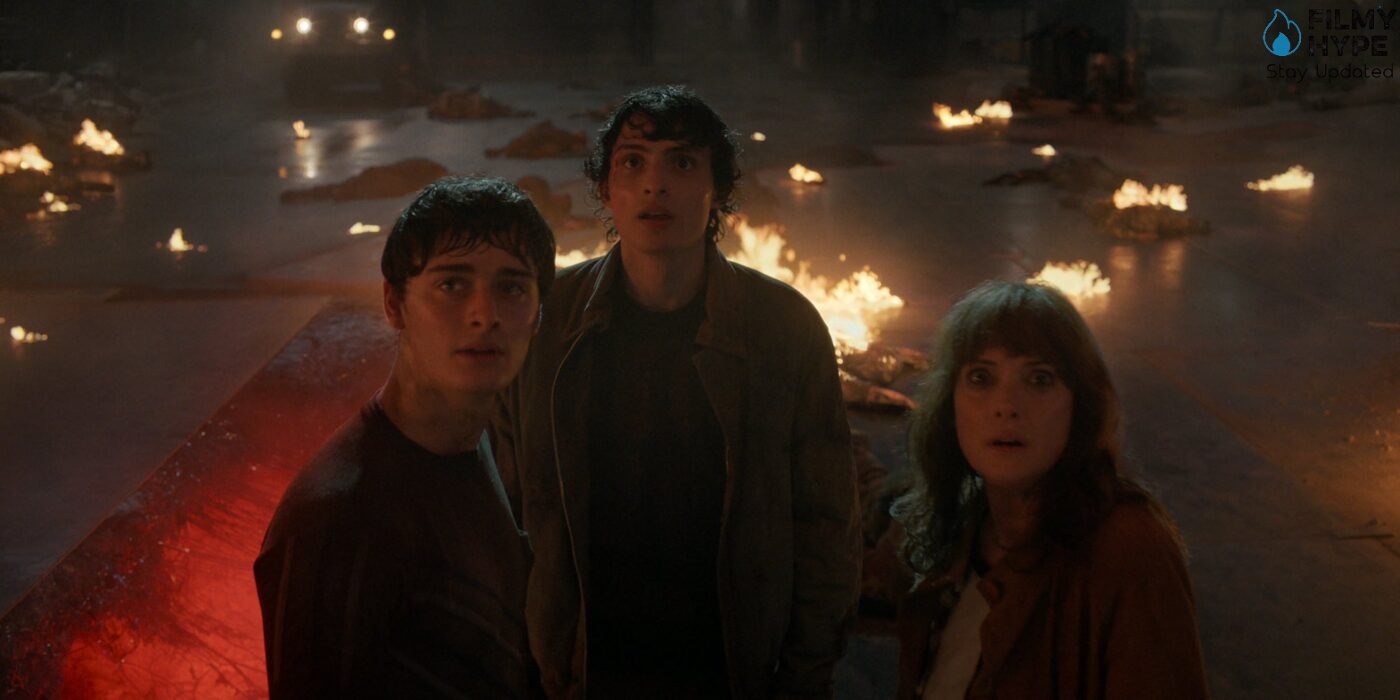
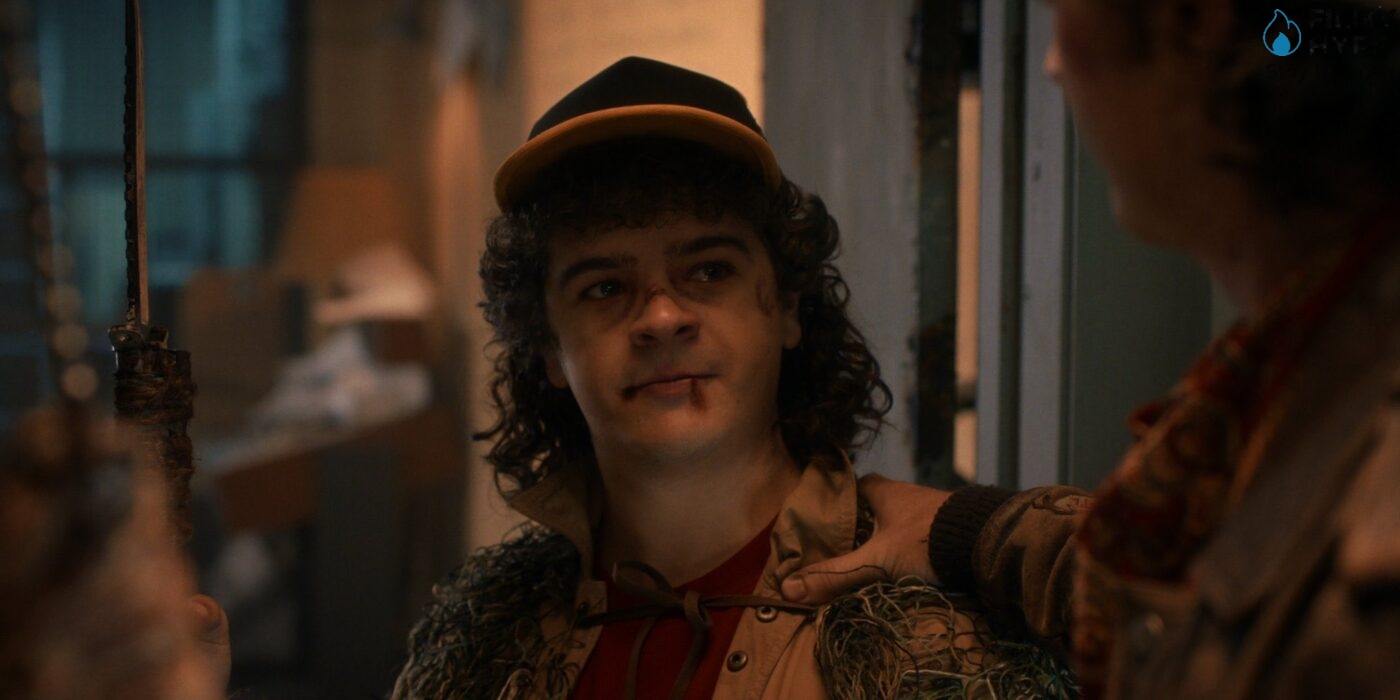
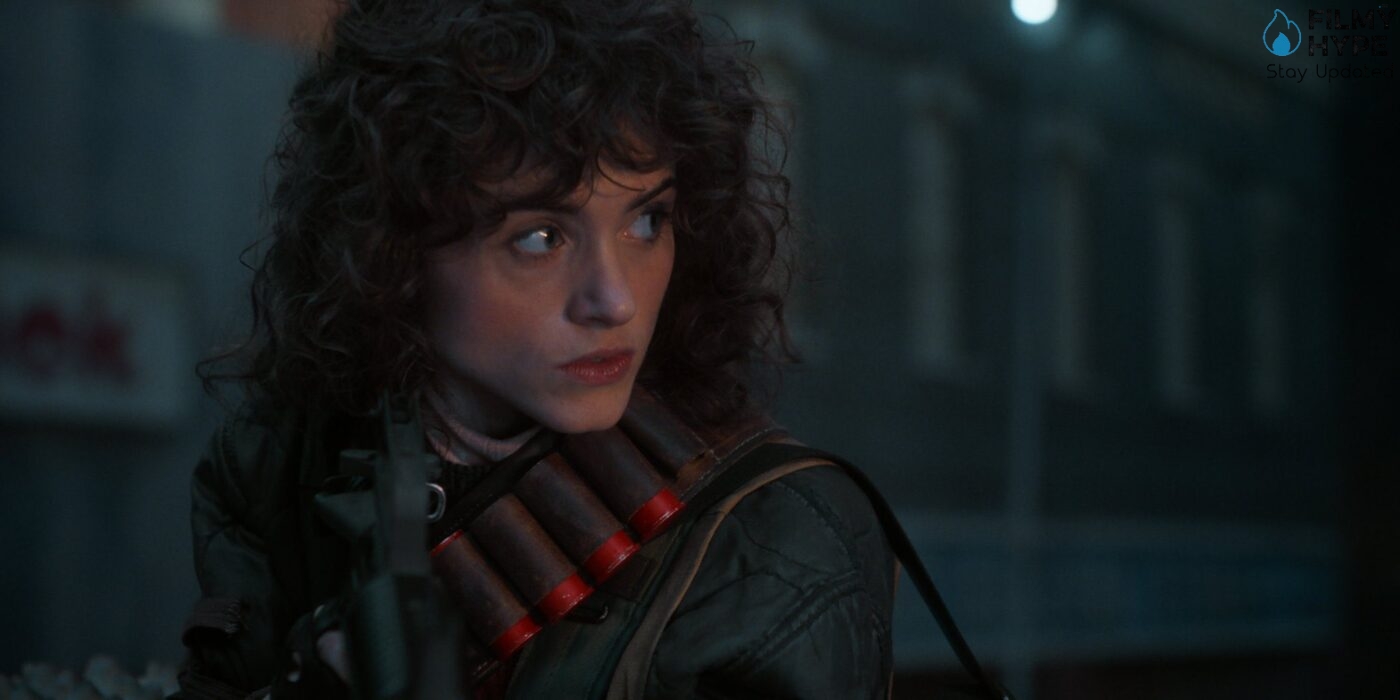
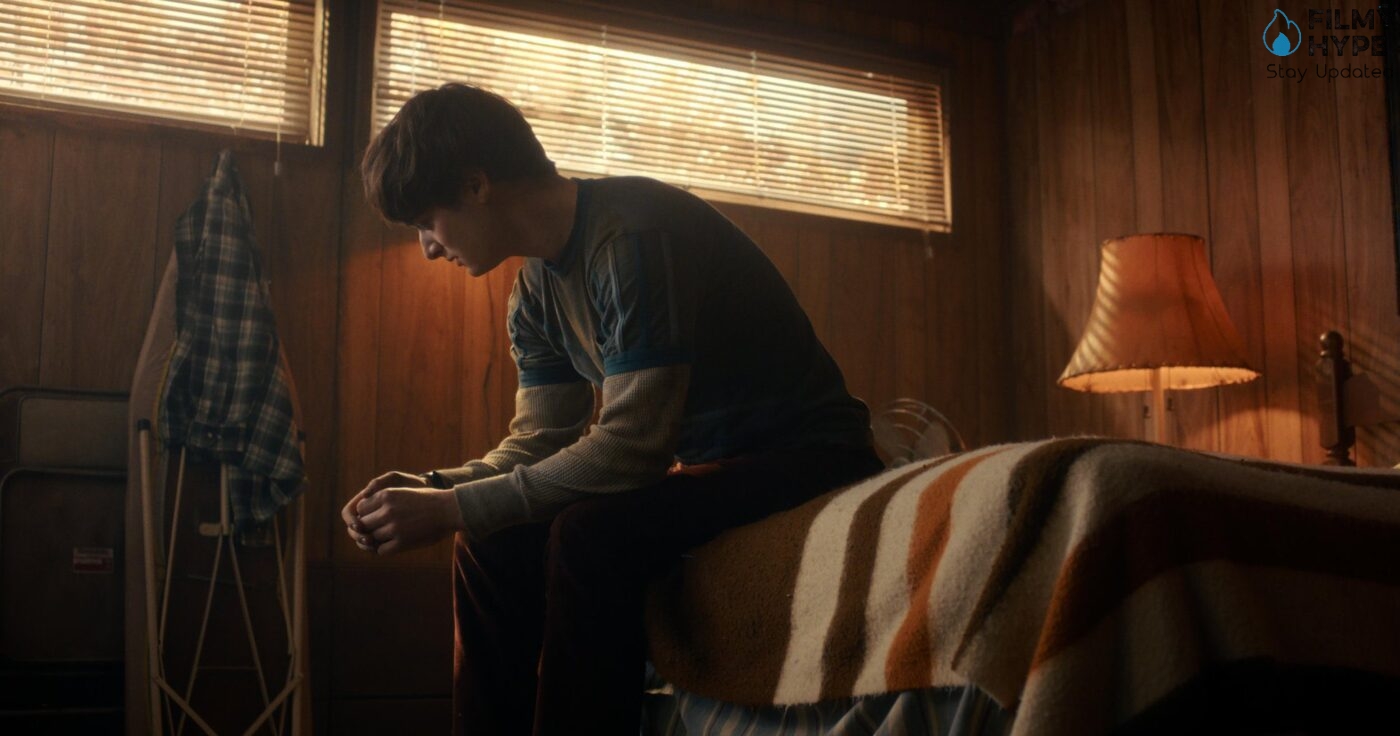
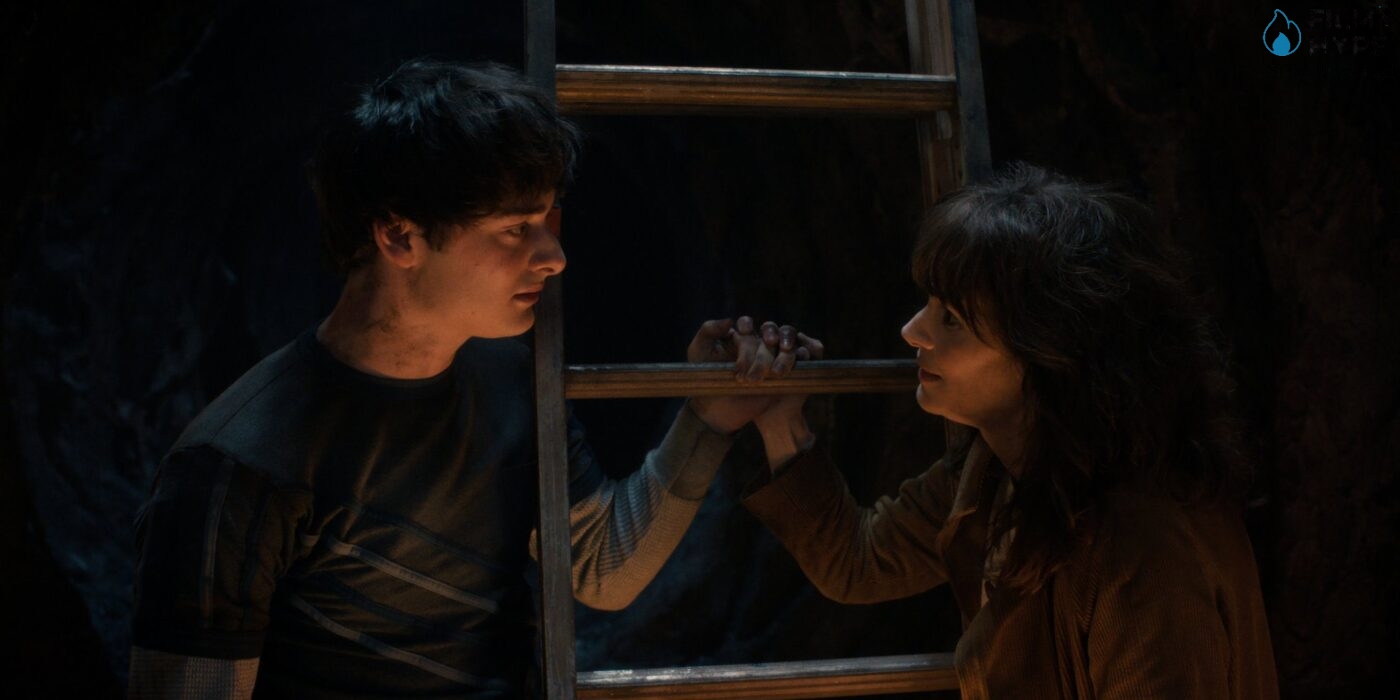
It’s a choice that makes the series more accessible, but here it ends up slowing down the pace and weighing down episodes that are already very long. The feeling is that Stranger Things no longer fully trusts its images and prefers to reiterate concepts that might emerge on their own. Compensating for these limitations is once again the work of the cast: some characters manage to emerge strongly despite discontinuous writing. Dustin remains the most solid emotional center of the series, capable of giving weight to pain and fear without ever forcing his hand. Robin and Nancy find moments of true definition, while Will, although often brought back into a position of passive suffering, still manages to make his mark thanks to the intensity of his interpretation. On the contrary, other historical figures remain surprisingly marginal, a sign of charity that, at this point, struggles to be fully managed.
Volume 2 highlights a now structural limitation of the series: the difficulty in narrowing down the field. Instead of simplifying for the finale, Stranger Things continues to pile up situations, characters, and explanations. This makes the story imposing, but also tiring. There is a lack of moments of real pause, smaller scenes capable of letting the story breathe and giving greater emotional weight to events. The feeling is that the series is trying to do everything, simultaneously, giving up the simplicity that made the first seasons memorable. Surely with this sleepless night, we averted the risk of spoilers; in fact, we put ourselves in a position of strength with friends who calmly went to sleep, postponing the viewing to more appropriate times, but who now tremble with every message we send.
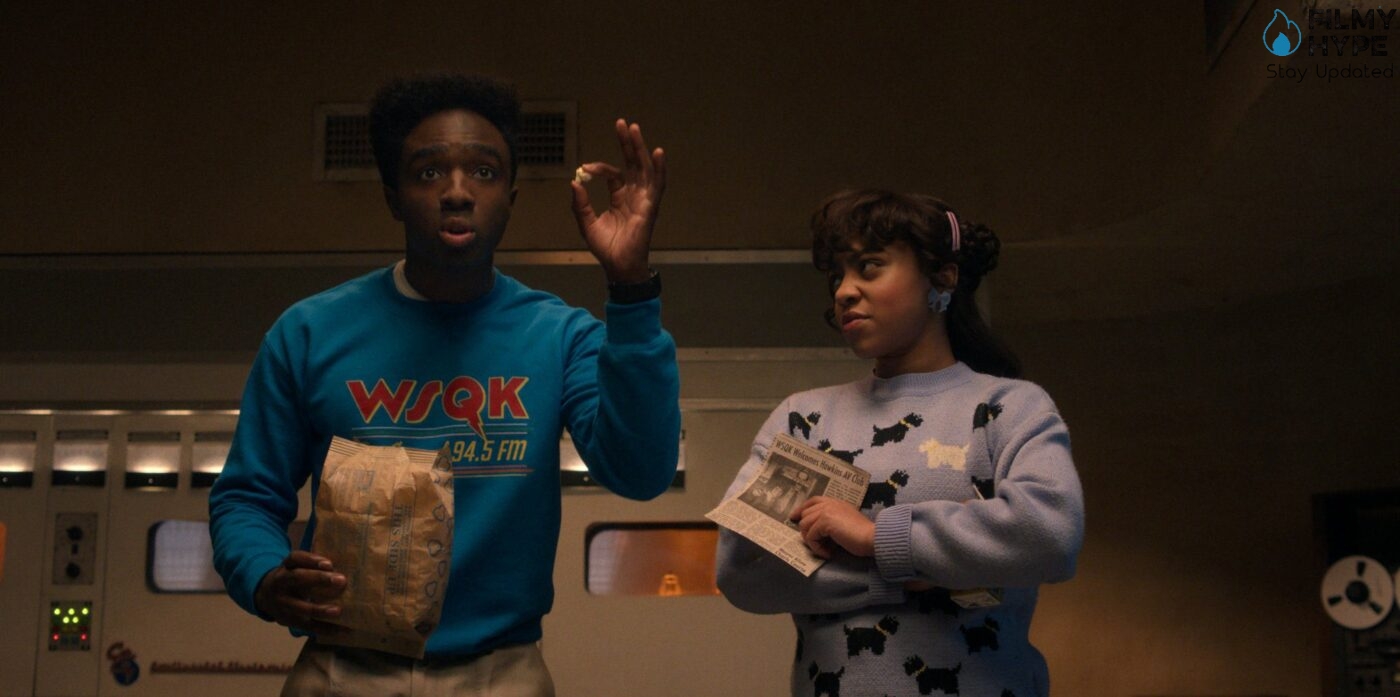
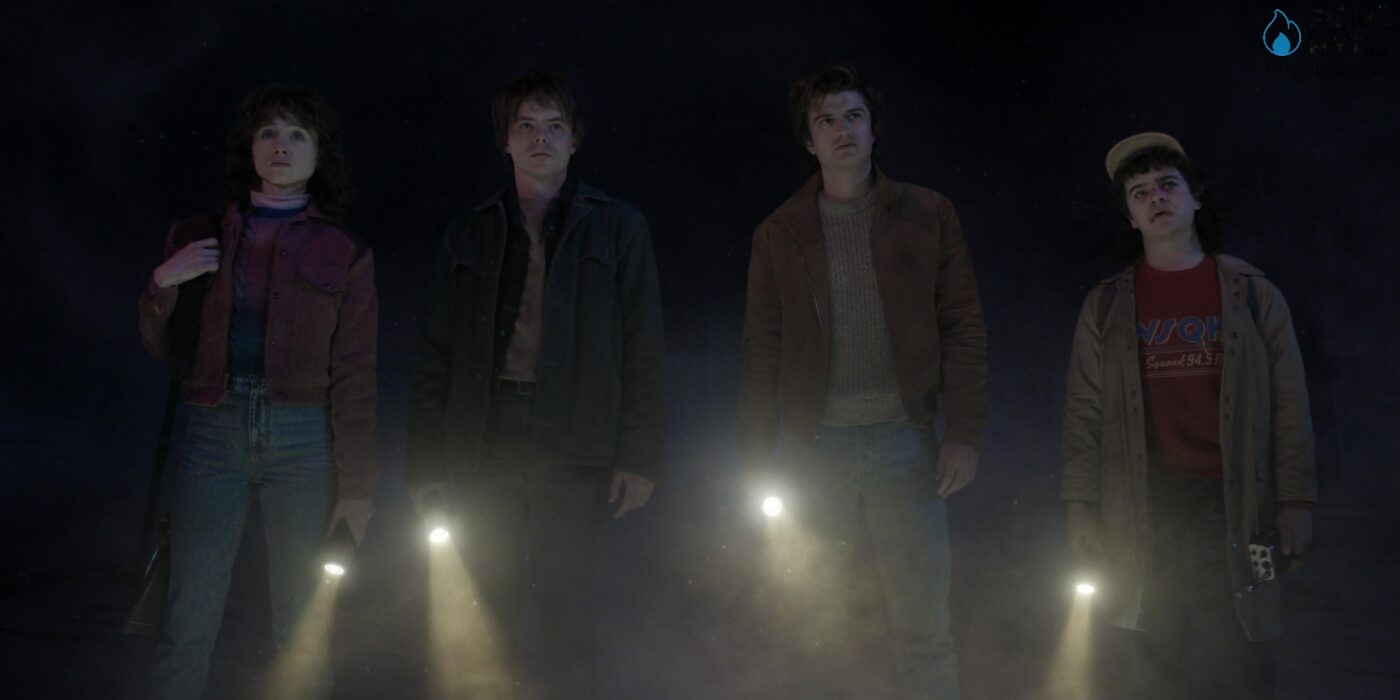
But, other than that, we can’t say whether it was really worth it. We had been “promised” shocking episodes, moments of intense emotion, tears in rivers, and incredible revelations that would answer questions we have been asking ourselves for years. Instead, sorry to say, this “semi-final” has somewhat disappointed our expectations. Because, essentially, not much happened. Of course, we witnessed the return of Max, who, thanks to Holly, escaped from her Camatzoz and reunited with her friends and her beloved Lucas. There was the reconciliation of Dustin and Steve, the friendly breakup between Jonathan and Nancy, who did not marry, and the involvement of Vicky and the professor. Clark, Dustin’s discovery (widely anticipated by everyone who had noticed Clark’s lecture to Erica’s class on wormholes) that the Upside Down is a bridge between Hawkins and Dimension X (renamed The Abyss D&D-style), Karen Wheeler’s saving intervention, Will’s coming out, the reunion of everyone after hours in which the battlefronts had become so many (Max-Holly, Hopper-11-8, Will-Vecna, Dustin-Steve, Nancy-Jonathan, Erica-Mr. Clark-Murray, and so on).
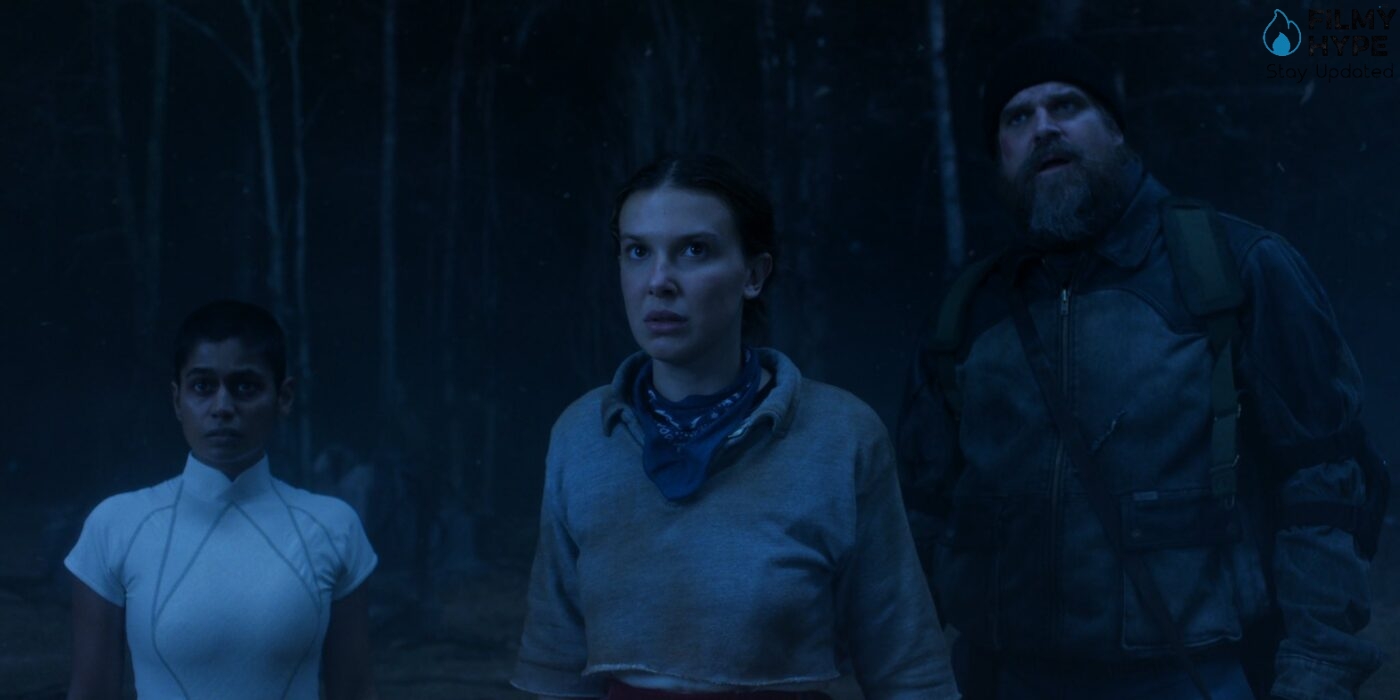
In short, as they say in these cases, all the pieces have been arranged for the final battle, and the last scene of episode 7, Il Ponte, leaves us with a bad feeling for the next six days waiting for the last episode to arrive at 2:00 on New Year’s Eve. Although we can’t believe Holly, Derek, and their friends are the sacrificial victims of this final season. Not like that, at least. But perhaps, if, as many speculated, he would do 11 with 8 to solve everything, when in fact they are “just” two kamikazes – we could go back in time, we would think twice before giving up a night’s sleep for these three episodes in which, in the end, not much happened. And now, dear Duffers, give us an ending worthy of you, and of us. And that’s kind of what happens to these three episodes in the middle of the huge Stranger Things finale. After the first four episodes (here the review), here come three more that amplify, lengthen, and perhaps stretch the farewell of this incredible series that, like it or not, has made small screen history.
Our heroes are always torn between upside down, the real world, and worlds created by Vecna’s mind, all focused not only on finding an escape but also on confronting their inner demons and breaking through the unresolved walls of their lives, as well as accepting the loss of their friends and heroes. In the midst of all this, there is sacrifice for the common good, love of life, and wormholes. Not much stuff, right? Yet the Duffers know some tricks, and they manage to jump from one group to another without losing the thread of the narrative and always managing to keep everything together, between quotes from great classics such as Nightmare, “Frankenstein”, and even the key passage from Titanic (with an alternative ending). Not to mention, of course, Alien, to which the hive containing the young victims of Vecna is continually referred.
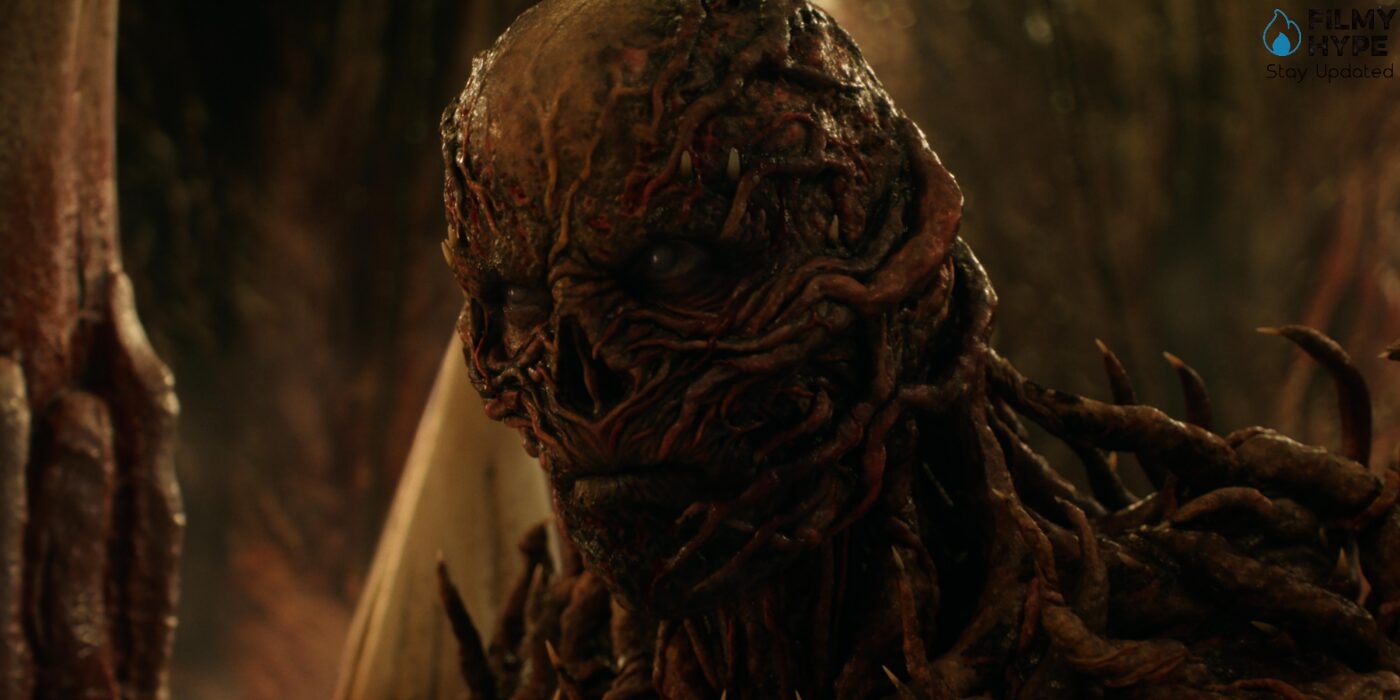
At the center of everything always remains Will, who becomes increasingly aware of his own powers, but they are still not enough to stop Vecna altogether. But friendship is always the real driving force of the series, and it will therefore be the sense of unity between the various protagonists that will unite them in mutual aid and guide them towards a final episode that promises to be something memorable. So, we can forgive a few too many light lapses and stretching, but in the end the center holds, and the scaffolding doesn’t collapse, because just as friendship holds the group of friends together, there is something more solid than humans amidst inhuman, than good amidst evil. And then Stranger Things is more than just a horror series. Among the monsters and the bestiary, he has always talked about us, and it will be difficult to tear himself away. At least a little.
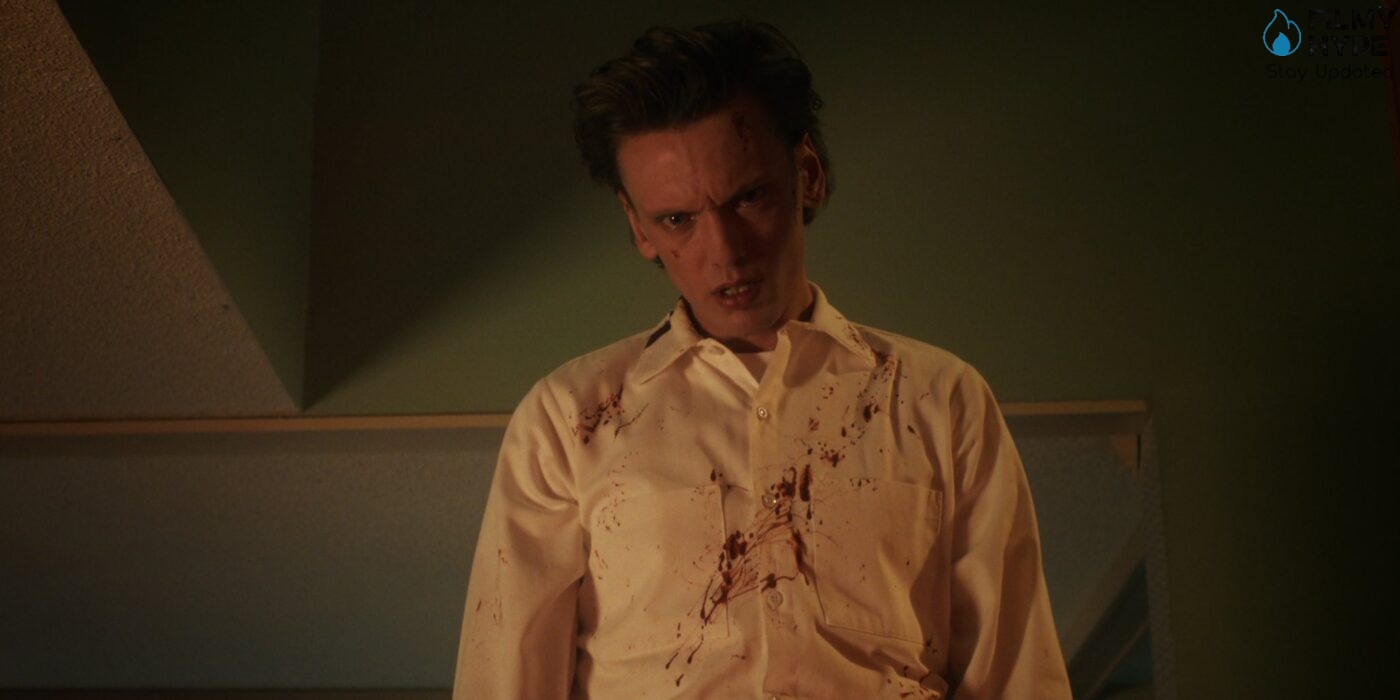
Friends don’t lie. Friends don’t lie. It’s the mantra we carved into the heart with the naivety of a child way back in 2016. Yet, even in Hawkins, the children grew up: they fought, they clashed with their fears, with trauma, and with the courage to see beyond. All the characters clung to a choral nature that has always been the exoskeleton of this TV series. In season one, when Eleven asks Mike what a friend is, the answer is simple: he’s someone you’d do anything for. It’s a bond. A bond that, over the seasons of Stranger Things, evolves. It follows its own story arc, as a character in its own right. It’s like a tree made of roots that branch out in different directions but always lean toward the center. Thus, the characters of the chorality of Stranger Things face themselves and others: like magnets that at times repel each other, but continue to gravitate around an inexplicable force, which goes beyond science and physics. An emotional gravitational field, made up of autonomous elements that exist only because they belong to the same system. That bond that, once again, becomes an anchor and life preserver.
When floating between seasons, no matter how much you can swim in different directions, gravitation always brings you back to unity. A union that has gone through silences and unsaid left in mid-air: like lies that lack the courage to be such. Silences that become prisons, bars built with their own hands. Because silence distances. This Vecna knows this well. In Volume 2, we take another step forward before the race, like Max in front of his freedom portal, as Kate Bush presses the pace, and the pace accelerates. Silences become confessions. The armor melts, and fear changes shape: it is no longer the one that leads to loneliness, that of Vecna. It is fear that leads to awareness, to the overhang into which it is necessary to dive headfirst, hoping that the parachute will work. So we get closer to the ending of episode seven, with the chorality reuniting.
If Volume 1 revolved around self-acceptance, Volume 2 moves towards the need to be accepted by those we love. The mirror will never give us back an authentic reflection until we dare to lower our mask and face the fear of rejection. In this fifth season, Stranger Things becomes a story of acceptance and trust: trust in others and self-confidence. A narrative turning point that also and above all unfolds in the relationship between Joyce and Will, and Hopper and Eleven. The greatest declaration of love you can make to a loved one is the one that leads us to say, “I’m letting you go because I trust you.” The difference – at the bottom – is all here: the core of Stranger Things. He is aware of his own frailties, just as Eddie was aware of his imperfection. They are aware that they are human, and that doesn’t change things: it makes them possible. Vecna, on the other hand, uses fear to push towards loneliness. A solitude in which it is deeply reflected, because he was born and raised there. Diversity, for him, was never a sign of specialty, but a reason for repudiation. Yet he, too, was human; he was a child. He, too, was afraid of the world, and for this reason, he came to despise it.
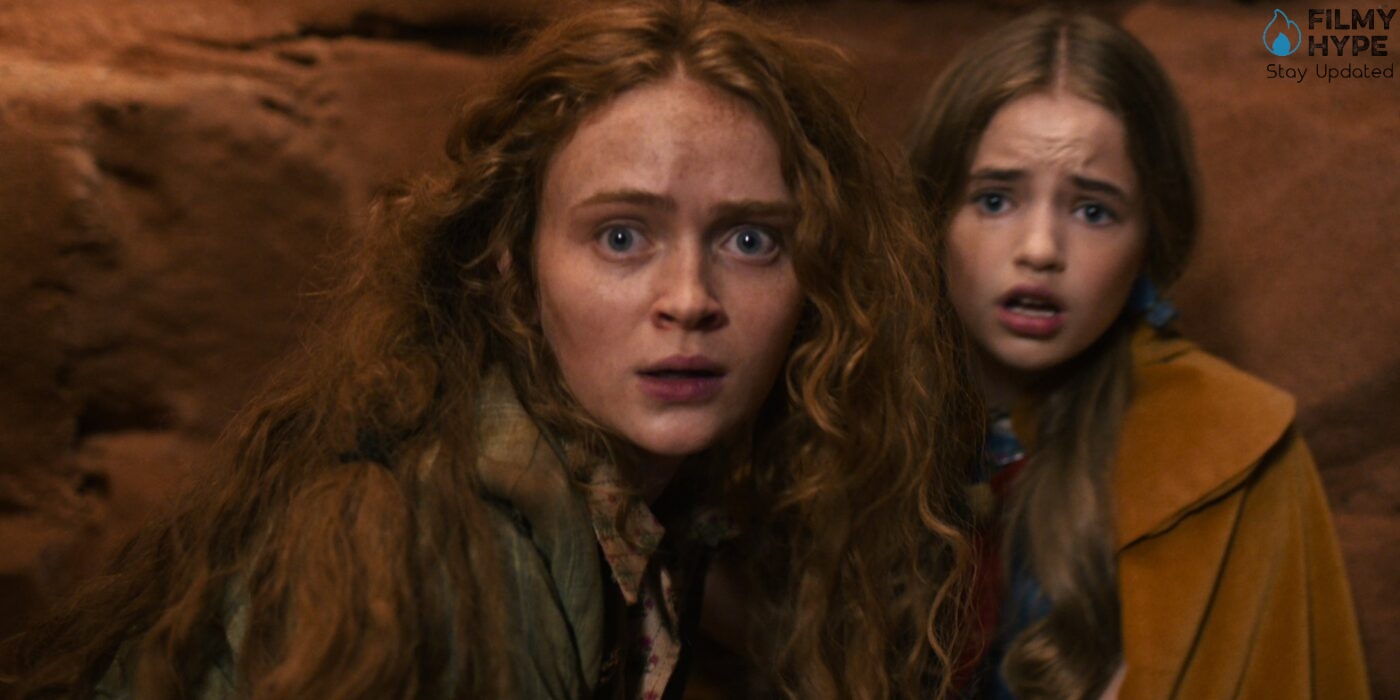
The closer we get to the end, the more we understand his screams for help. A blind vengeance that is nothing but a forceful response to his solitary prison, in which the echo of himself hurts as a distant memory. In his mind, he gets lost, as a human being can get lost in hopelessness. As long as there is no one to turn on the light, solitude can be more cacophonous than a hundred vinyl records spinning in unison. While Steve, Eleven, Mike, Will, and the others open up to confession because, peering into the abyss, they are no longer afraid, he continues to lie to others and to himself. Friends don’t lie. But he has no friends. He has always been betrayed and repudiated, and now he wants to restore the same wound to the world, until everything is as he desires. Until diversity becomes normal. To bring the sea to that fish out of water that ended up in the desert.
This is why the alarm bell rings loud in our minds when we hear Kali’s words. She’s alone too, looked upon with suspicion by Eleven’s friends and, to some extent, by us too. Kali, he did not know the power of the bond. He does not know that the anchor of friendship can turn on the light even in the darkest rooms, free from the darkest prisons, without ever letting go. He doesn’t know that, even when everything seems over, no one will ever press the button stop as Kate Bush continues to scroll across the tape. His loneliness became revenge, a thirst that never really subsided. No one turned on her light, no one played her song, no one shook her hand when not even touch could sense. Kali is closer to Vecna than she is to Eleven. This worries us; it disturbs us. Because we, on the other hand, are still clinging to that waterfall-shaped dream, with the rainbow greeting the day and the moon drawing the night.
Stranger Things Season 5 Vol. 2 Review: The Last Words
Volume 2 of season five is where Stranger Things most clearly shows its structural limitations. The series remains spectacular, visually powerful, and supported by a still very effective cast, but suffers from a narrative that struggles to simplify. Explanations multiply, the pace slows at key moments, and emotional urgency is often diluted. It’s not a weak block of episodes, but it’s clearly a transitional chapter, living more on the ending than on its own strength. Engagement remains high, narrative precision less so. We are here eating our hands and wiping away tears as everything falls apart, as universes branch out and friends embrace. We’re here, but it’s like we’re part of that embrace too. And, in the meantime, let’s wait. We can’t wait, we shiver, we paw the ground. We wait like Max in front of the chasm that leads her back to herself, like Lucas shaking her hand, like Mrs. Wheeler reminding us that in Stranger Things, there are no secondary characters. Everyone shines. But now we are really one step away from the end. The real one.
Cast: Winona Ryder, David Harbour, Finn Wolfhard, Millie Bobby Brown, Gaten Matarazzo, Caleb McLaughlin, Noah Schnapp, Sadie Sink, Natalia Dyer, Charlie Heaton, Joe Keery, Maya Hawke, Priah Ferguson, Brett Gelman, Cara Buono, and Jamie Campbell Bower
Created By: Matt Duffer and Ross Duffer
Streaming Platform: Netflix
Filmyhype.com Ratings: 3.5/5 (three and a half stars)








3 Comments