

Lucky Series Review and Ratings
Cast: Anya Taylor-Joy, Annette Bening, Timothy Olyphant, Aunjanue Ellis-Taylor
Director: Jonathan van Tulleken, Jet Wilkinson, Greg Yaitanes
Streaming Platform: Apple TV
Filmyhype.com Ratings: 4/5 (four stars)
Some thrillers focus entirely on mystery, and others prefer never to allow a moment’s respite. Lucky, the new Apple TV miniseries based on Marissa Stapley’s bestseller of the same name, definitely belongs in the second category. From the first minutes he sets in motion a non-stop escape made up of chases, scams, shootouts, and constant twists, building a story that proceeds at a rapid pace without ever losing sight of its protagonist. Lucky, the crime/action miniseries created by Jonathan Tropper, is available for streaming on Apple TV. Tropper has already created the concluded fantasy series See on Apple and the renewed comedy crime series Your Friends and Neighbors for the third season together with Cassie Papas, screenwriter of some episodes of Silo, among other things.

Lucky is based on the 2021 novel of the same name (in Italian they added the subtitle “La ladra”, to avoid any misunderstandings) by Marissa Stapley, made famous by the “book club” of Reese Witherspoon, producer of this series with her Hello Sunshine (with which she recently also produced the negligible prequel series Elle for Prime Video). The protagonist is Anya Taylor-Joy, the Anglo-American actress who launched into global stardom with another limited series, the very famous Netflix Queen of Chess, and recently also appeared on Apple in the thriller film The Gorge. Of course, Apple TV doesn’t have the numbers and visibility of Netflix, and Lucky is a very different series from The Queen’s Gambit, but it must be said that once again, Taylor-Joy creates a brilliant and complicated character who will inexorably win the affection of the audience. So here’s Lucky‘s plot and analysis (and cast). For those in a hurry, at the bottom of the review, we report the official trailer in Italian.
Lucky Series Review: The Story Plot
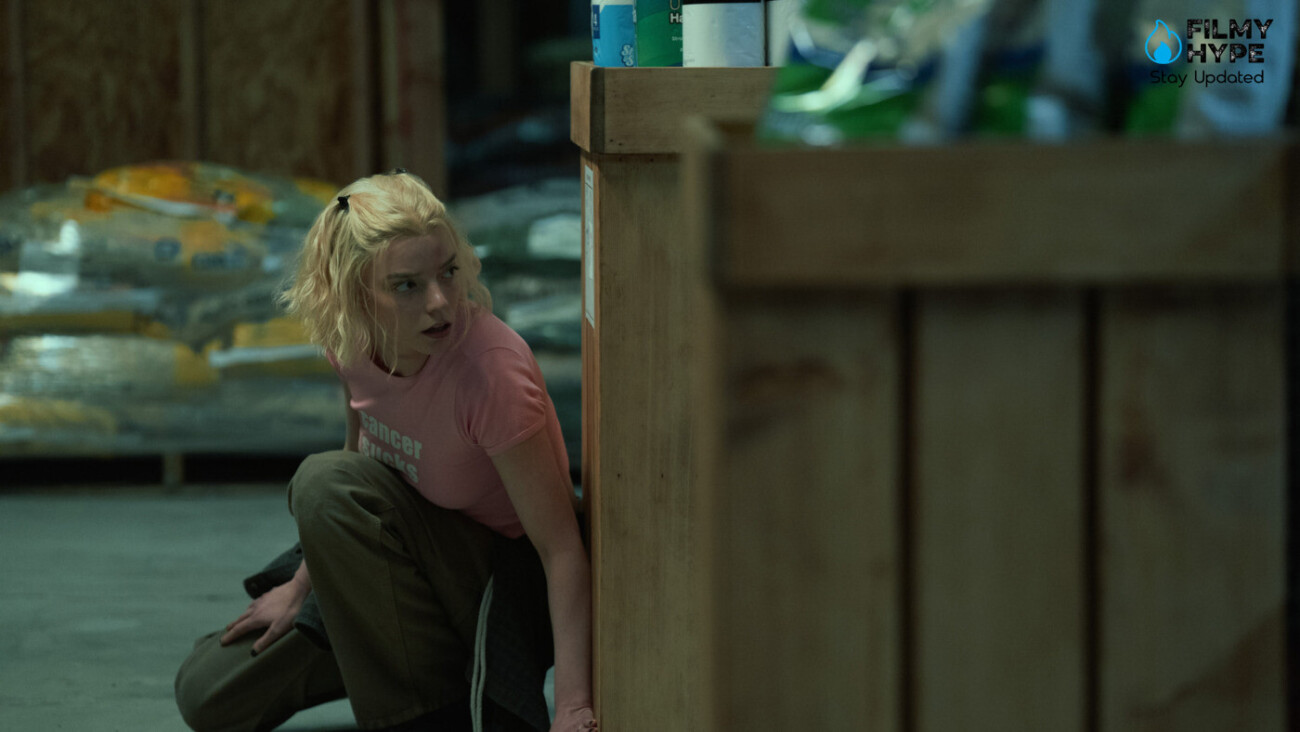
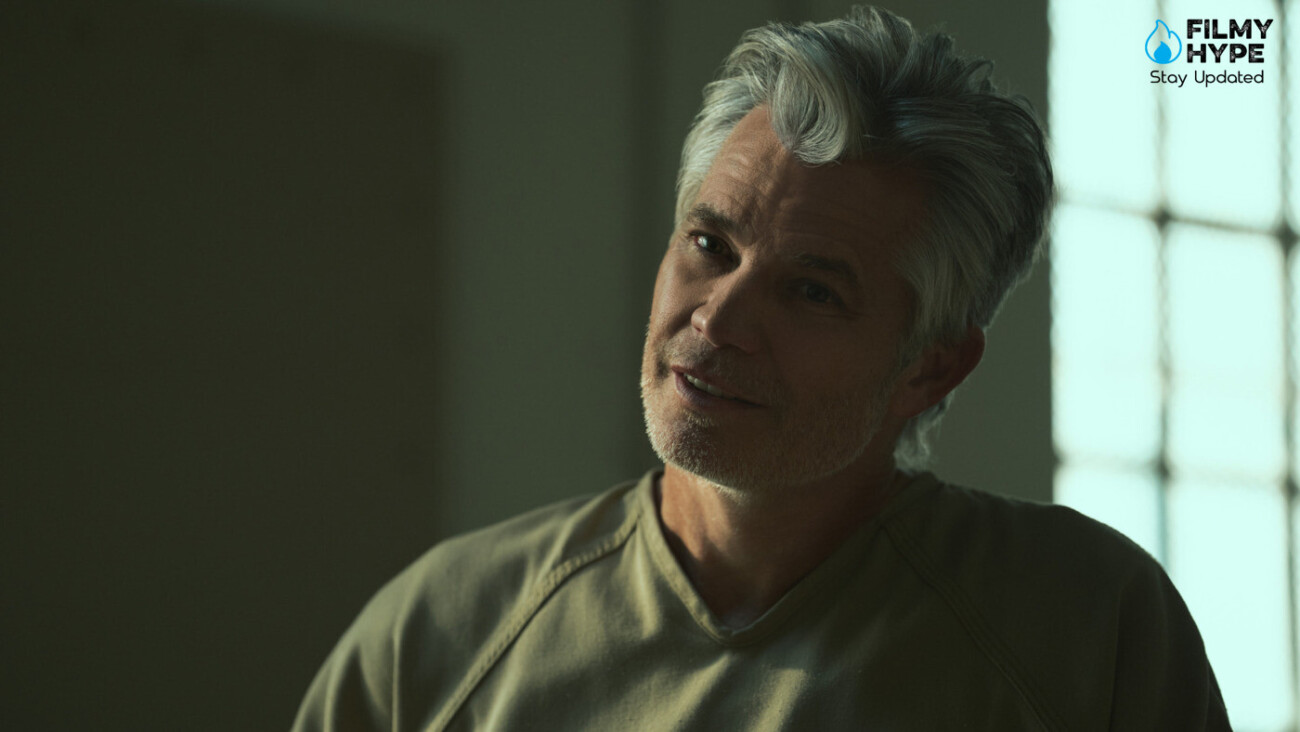
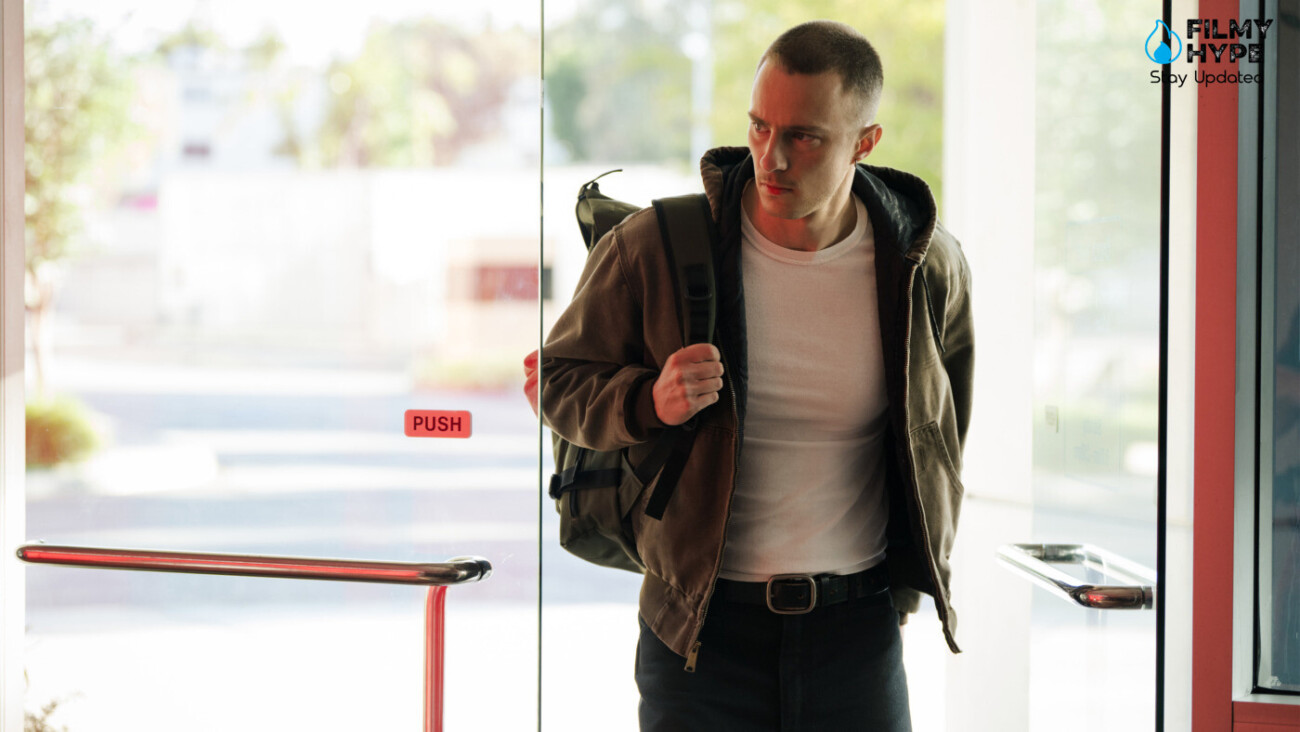
Lucky is short for Luciana Armstrong (Taylor-Joy), whom we meet in the first scene while running away from an FBI agent. Before we find out how that chase ends, however, we go back to the day before, when Lucky celebrates the success of a million-dollar theft with her husband, Cary (Drew Starkey). Which will therefore somehow have an unfortunate outcome. After all, “reading the room”, “making them dance,” and “no shortcuts” are the rules that Lucky had to learn from an early age to (suprav)live with her father, John (Timothy Oliphant), an old-fashioned con artist, who is now in prison.
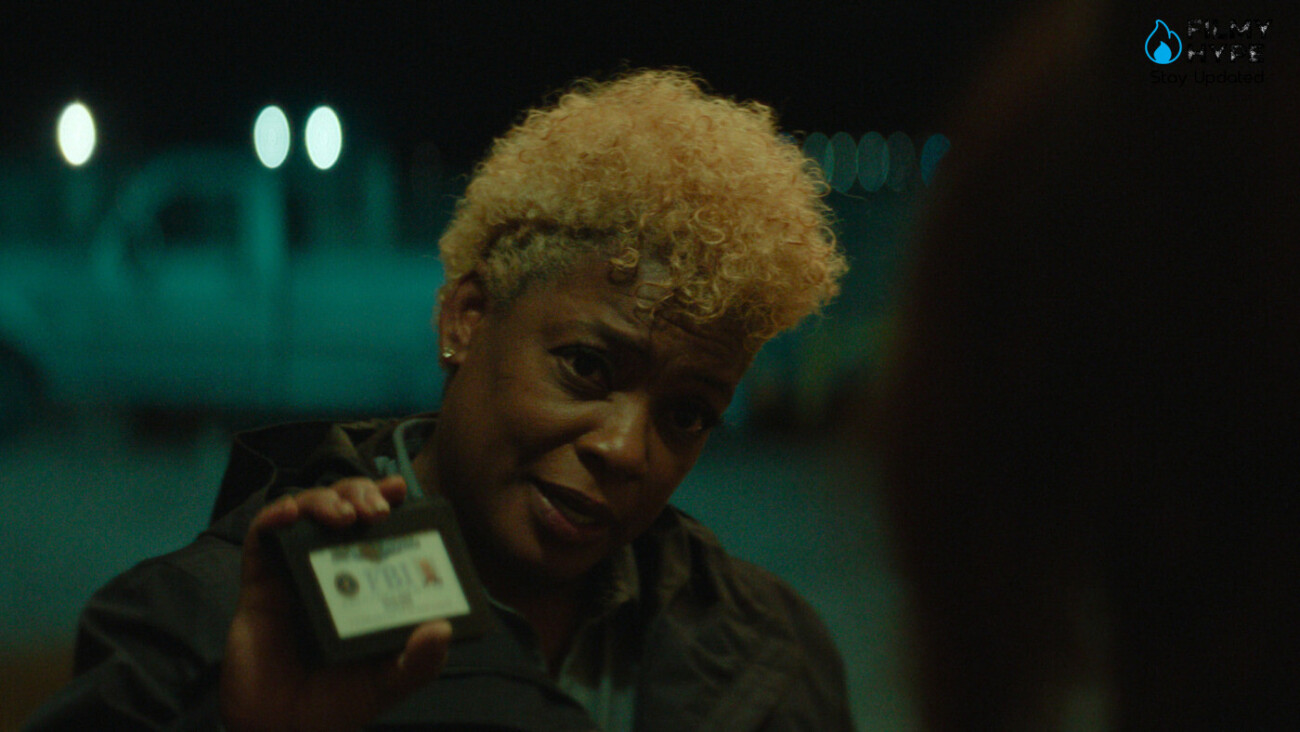
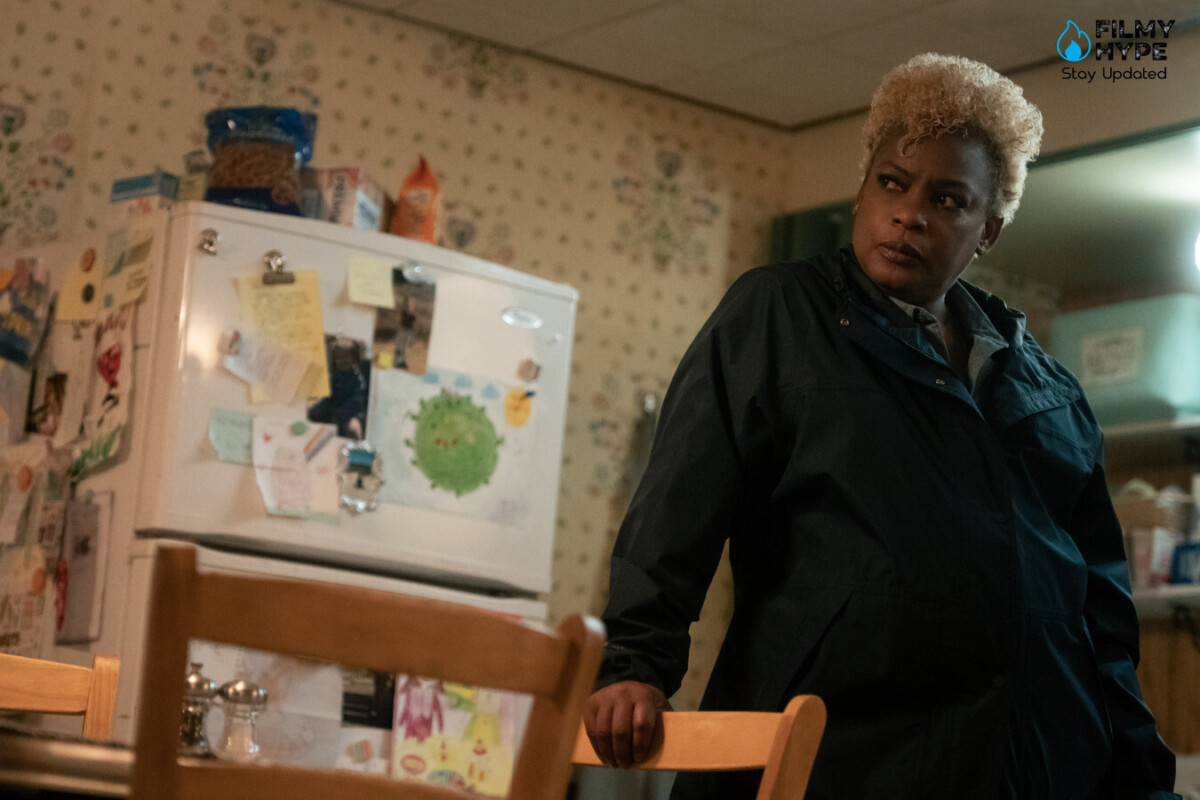
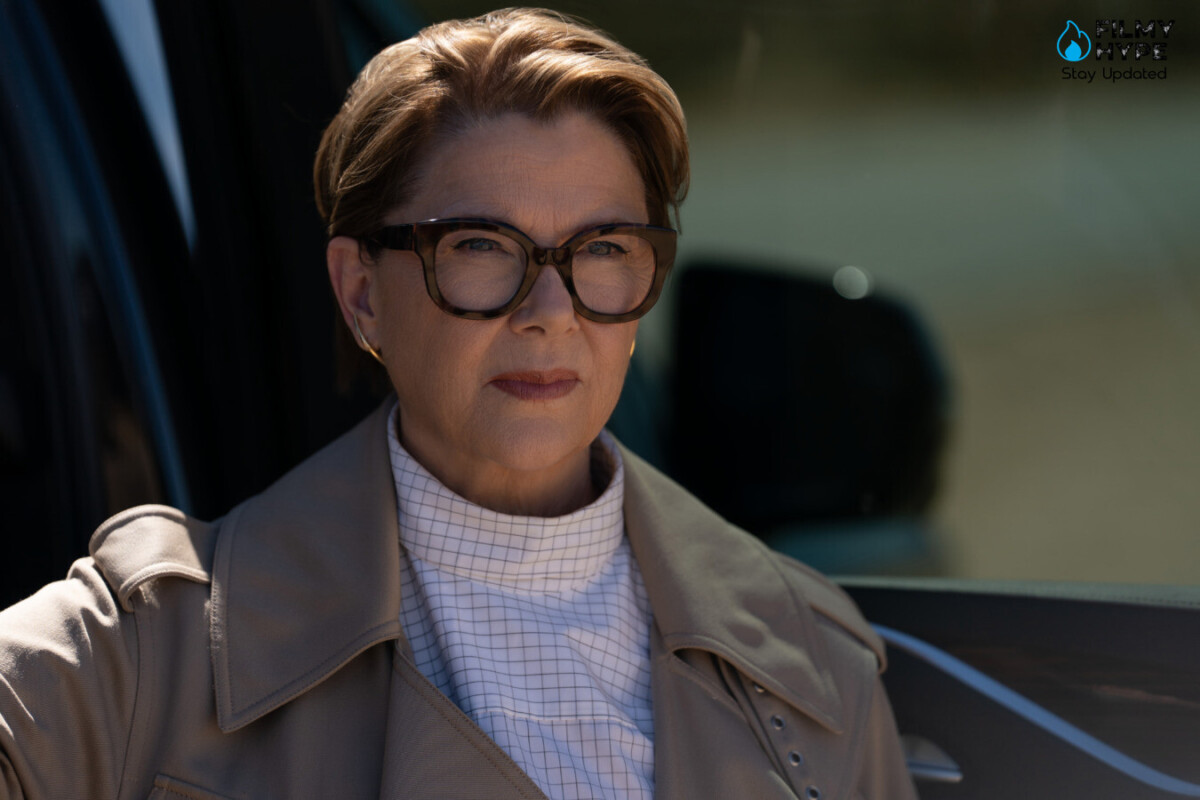
So when things don’t go as he hoped, Lucky immediately realizes that he must once again put his father’s teachings into practice to escape the FBI, especially the cunning agent Rand (Aunjanue Ellis-Taylor), but also to avoid getting caught by the powerful criminal Priscilla (Annette Bening) and her superior Whittaker (William Fichtner), who want the money stolen by Lucky and Cary at all costs. Between twists and turns and genius, between Nevada and California, Lucky then becomes a target that continues to elude everyone. But until when?
Lucky Series Review and Analysis
Taylor-Joy and Bening deliver stunning performances, and Oliphant, Ellis-Taylor, and Fichtner are also perfect in their respective parts. In short, the cast is approved. The cinematography, soundtrack, and screenplay were also promoted with flying colors, despite some consistency issues in the series finale that we obviously don’t spoil. Also, because, in fact, the best aspect of Lucky is the frenetic pace with which twists, twists, and surprises follow one another in abundance, so much so that more than once we found ourselves checking how many episodes were left until the finale, when the situation seems to be moving towards a solution that is instead postponed again and again.

If anything, it is precisely in the very high and constant tension that lies what can be called Lucky‘s “defect”. Because, unlike other occasions where we have reported the opposite, this IS NOT a series suitable for binge watching. The mass of events and information displayed on the screen needs to settle before diving into the next chase, the next shootout, the deception that follows. So, for once, welcome the weekly release for a miniseries that everyone (or at least Apple TV subscribers) should slowly enjoy this summer 2026.
If the series works so well, it’s mostly thanks to Anya Taylor-Joy. Lucky is practically always on stage, and the actress easily supports the weight of the entire narrative, moving naturally from vulnerability to coldness, from desperation to irony. Each episode forces her to reinvent herself, change her identity, manipulate everyone she meets, and constantly improvise to stay alive. He is a character constantly on the move, but who also hides profound fragilities linked to his childhood and his toxic relationship with his father, John, played by an excellent Timothy Olyphant. The series also devotes a lot of space to flashbacks, which chronicle Lucky‘s childhood and show how she was raised to consider the scam not a crime, but a way of life. It is precisely these moments that give emotional depth to a story that would otherwise risk living solely on adrenaline.
Jonathan Tropper builds an extremely dynamic narrative, with each episode introducing new obstacles and new alliances without ever feeling like it’s artificially stretching the story. Chases, escapes, shootouts, and constant shifts in perspective always keep the tension high, but Lucky also finds time to stop when needed. Some episodes deliberately slow down to delve deeper into the supporting characters, particularly the relationship between Lucky and his father or that with the ruthless Priscilla, played by Annette Bening, probably the best antagonist of the series. On the technical level, Apple also confirms the high standards of its productions. The direction enhances each setting, the chases are spectacular without being excessive, and the cinematography gives the series a cinematic identity that distinguishes it from most television thrillers.
Not everything works perfectly, though. Some of the twists are quite predictable, and several supporting characters would have deserved more development. At times, the series also tries to address deeper themes, such as the burden of family inheritance or the possibility of truly changing one’s nature, without, however, delving as deeply into them as it could. However, some limitations have relatively little impact on the overall experience. Lucky knows exactly what he wants to be: a sleek, fast-paced, and spectacular thriller that puts fun first without sacrificing building a complex and believable protagonist. In the end, above all, there remains the feeling of having witnessed a continuous race that rarely loses momentum. And with a performer like Anya Taylor-Joy taking center stage, it’s hard to ask for much more.
From the very first (booming) sequences, a game of cat and mouse is triggered between the protagonist and the two (apparent) enemies: on one side, the criminal boss, on the other, the FBI agent who has been following her circle for some time. Much of the success rests on the shoulders of the former Queen of Chess prodigy, who holds the stage well (as she has demonstrated on other occasions), and her interaction with acting veterans such as Annette Bening and Timothy Olyphant.
Despite the genre’s typical direction, including details and close-ups, syncopated editing, a rock-flavored soundtrack, ad hoc twists, and numerous dramatic action scenes interspersed with moments that are more thoughtful and mental than physical, the product, while high-quality, doesn’t bring much new to the genre but ends up in the same hackneyed patterns. It is not enough that the series is produced by Reese Witherspoon, who had already selected the novel for his Book Club and by his Hello Sunshine. Taylor-Joy’s charm and the slap faces of Olyphant and William Fichtner aren’t enough.
Where the show is interesting, however, is in the sociological aspect of the story, first on paper and then on screen. The series asks (and asks): are you born a scammer or do you become one? Thieves once, thieves forever? How much are we the product of the family and socio-cultural context in which we grew up, and how much free will do we have over our life choices and building the person we want to be? As often happens in crime thrillers, the relationships between characters will turn out to be much more personal and familiar than they initially seem; this is because greater emotional involvement helps a story reach the viewer’s heart more directly, complicating relationships, despite a bare-bones action film. The serial does not limit itself to the pinnacle of tension but digs deeper, investigating human relationships and their consequences.
Thus emerges the other, more interesting theme conveyed by Lucky: the relationship between parents (often inadequate, especially in criminal contexts) and children (who find themselves having to act like adults). As a result, the young protagonists face the genetic legacy we carry within and behind us, and how much that vicious cycle of flaws (rather than merits) can be broken. How much can we change the course of what we have in our DNA? Does money make us freer, or, once we finally have it in our grasp, do we become slaves to capitalism like everyone else?
The opening is the most successful segment. Lucky traverses casinos, service corridors, parking lots, and crowded areas, changing her appearance and behavior, using every environment to confuse those chasing her. Jonathan van Tulleken’s direction accompanies the movement with energy, transforming the escape into a continuous game of disguises, diversions, and sudden insights. Anya Taylor-Joy is perfectly at home as a woman who has to reinvent herself at every turn. His face registers fear, calculation, and control in the space of a few seconds, while his body always remains ready to snap. In these moments, Lucky really seems to have found her own tone: a fast-paced, elegant, and slightly ironic thriller, built around the protagonist’s ability to become whoever she serves.
The problem emerges soon after. Once the pilot’s thrust is overcome, the narrative begins to slowly move the same pawns. Information bounces between the FBI and criminals, suspicions are repeated, and the initial urgency leaves room for a more predictable progression. After the Queen’s Gambit, Taylor-Joy returns to television as a leading man with a role built on transformation. Lucky changes clothes, hair, tone of voice, and attitude depending on the interlocutor, but behind these identities remains a woman who can no longer distinguish what she wants from what she has been taught.
The actress makes this rift believable. Her Lucky looks confident when she has to fool someone, and much more fragile when she can’t control the situation. Even in the less plausible passages, Taylor-Joy keeps the character alive through continuous physical tension. The script, however, forces her above all to react. Lucky escapes from the police, avoids hitmen, seeks out Cary, and responds to his father’s manipulations. We know exactly what he wants to escape from, but much less what life he is trying to head towards. The series tries to turn this void into a moral dilemma. Is Lucky merely the product of the education he received, or is he fully responsible for his own actions? Can he really abandon an identity founded on lies? These are interesting questions, but they are often made explicit in dialogue instead of emerging naturally from the character’s choices.
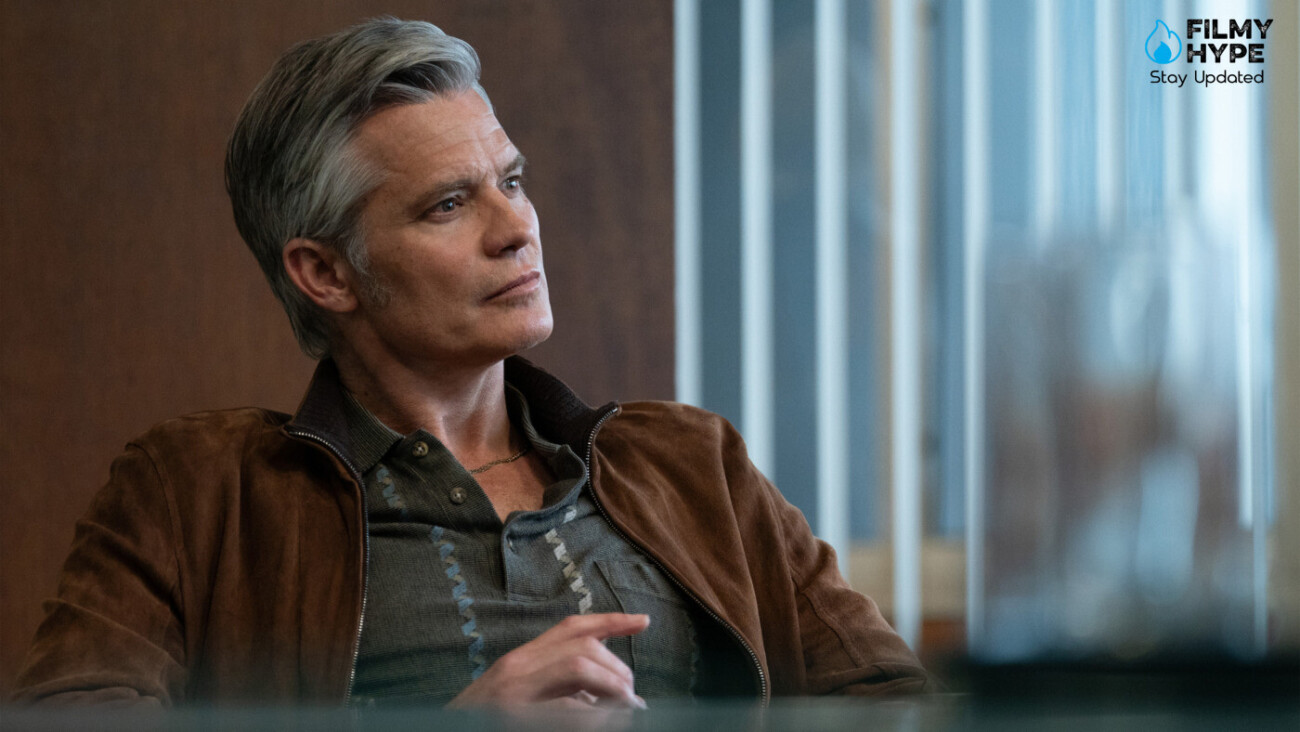
The best parts often belong to Lucky and John’s relationship. Timothy Olyphant plays the con man with his usual laid-back charm, but lets a subtle form of violence surface beneath every smile. John claims he prepared his daughter for an unjust world. From her perspective, teaching her to lie and manipulate meant protecting her. The series understands, however, that her affection is inseparable from selfishness: she turned Lucky into an accomplice because he was unable to imagine an existence for her other than his own. Olyphant makes John pleasant without absolving him. He is seductive, funny, and dangerous precisely because he believes the justifications he has built for himself. The tension between love, addiction, and resentment gives the series its strongest emotional core, although flashbacks sometimes end up reiterating what the present has already made evident.
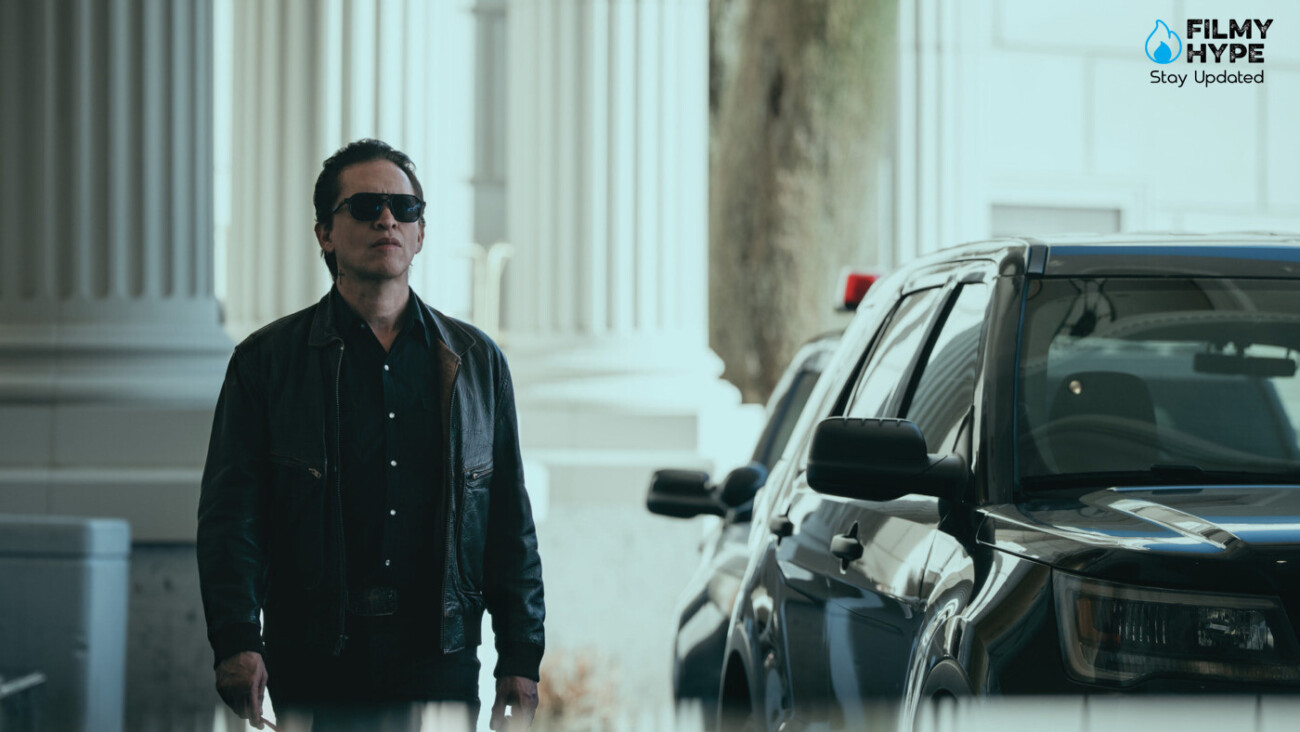
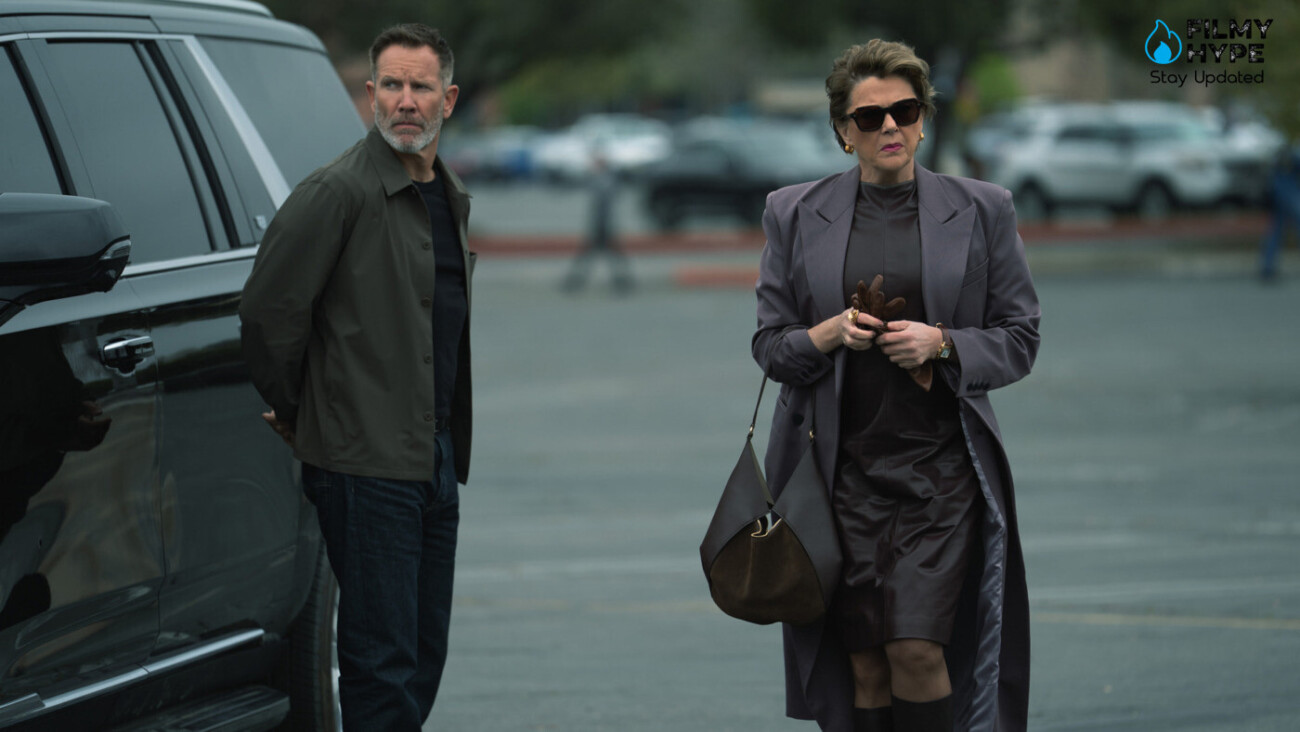
Annette Bening confronts Priscilla with a mixture of authority, ferocity, and desperation. The character can go from threat to vulnerability in seconds, especially when in front of Whittaker. Bening suggests a past and emotional hierarchy that the script leaves almost entirely off-screen. The reference to Risky Habits, where the actress played another con artist immersed in toxic family relationships, is inevitable. The comparison, however, penalizes Lucky: Stephen Frears’ film truly inhabited the gray areas of its protagonists, while here moral complexity is more often declared than dramatized. Aunjanue Ellis-Taylor brings intensity to Agent Billie Rand, but must work on a figure defined almost exclusively by an obsession with the case. Clifton Collins Jr. makes effective use of Dutch’s silent presence, while William Fichtner brings his repertoire of controlled threats to a written boss without much surprise.
Drew Starkey is the most penalized. Cary is supposed to be the emotional center of the mystery, but it long remains a collection of doubts and narrative functions. The question of her possible betrayal loses strength because her relationship with Lucky isn’t built enough before it’s tested. The main limitation of the miniseries is not the slowness itself, but the relationship between duration and substance. Lucky has an escape, a missing suitcase, an uncertain marriage, and some compromised family relationships. Enough material for a compact thriller, much less to sustain seven episodes without repeating itself. Each episode contains at least one effective moment, including chases, shootouts, disguises, and daring escapes. However, between one successful sequence and another, the story continually returns to the same knots: Lucky can’t trust Cary, John continues to manipulate her, Billie can’t give up the case, and Priscilla wants to regain money and control.
The longer running time doesn’t really delve into the characters, but it does make their limitations more visible. Reduced to a hundred-minute film, the story would likely have gained pressure, malice, and precision. Expanded into a miniseries, it hangs between an action thriller and a family drama without fully developing either genre. Final turns are also affected by this structure. The path to the conclusion is professionally constructed, but many steps are easy to anticipate, especially since the series has had too much time to show all possible directions. The adaptation moves radically away from Marissa Stapley’s book. In the novel, Lucky has a winning lottery ticket that he cannot cash out without exposing himself to the authorities, while the search for his biological mother plays a central role.
The series eliminates both elements and replaces the heart of the story with theft from a criminal organization. It’s a legitimate choice, but surprising: the jackpot paradox itself could have distinguished Lucky from the many thrillers built around a suitcase of money contested by cops and gangsters. Jonathan Tropper prefers to focus on the family legacy of crime, territory already explored with greater ambiguity in Banshee and, to some extent, in Your Friends & Neighbors. Here, however, the intention to give moral weight to the story often comes into conflict with its lighter and more spectacular soul.
Lucky Series Review: The Last Words
Lucky is a fast-paced and spectacular thriller, supported by a great Anya Taylor-Joy and a top-notch cast. Despite some predictable twists and underdeveloped supporting characters, the miniseries works thanks to its pacing and its protagonist. Lucky confirms itself as one of the most solid and compelling miniseries of summer 2026. Jonathan Tropper and Cassie Pappas create an adaptation that not only chases the twists and turns of the crime genre but also delves deeply into the fragility and trauma of its protagonists. Anya Taylor-Joy delivers a magnetic, multifaceted performance, moving effortlessly between physical action and psychological manipulation, supported by a graceful Timothy Olyphant. If you’re looking for a tense, emotionally vibrant thriller backed by a chilling soundtrack, Apple TV‘s new bet is a must-see.