

A Long Winter (2026): Andrew Haigh doesn’t make films that announce themselves loudly. His work has always been defined by restraint—by the things characters don’t say, the emotions they can’t articulate, the quiet moments that accumulate until they become overwhelming. All of Us Strangers, his last feature, was a ghost story that functioned as a meditation on grief and loneliness. 45 Years was a marriage drama told through glances and silences. Weekend was a love story that unfolded over forty-eight hours and felt like a lifetime.
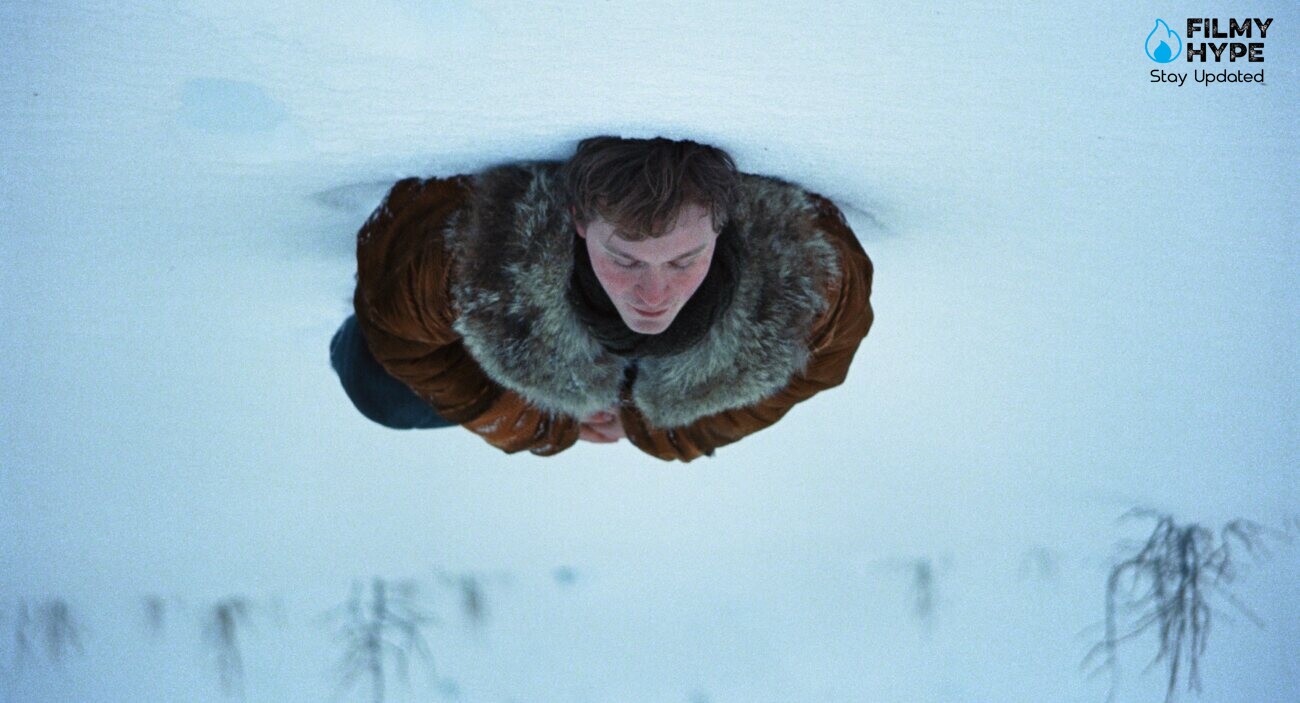
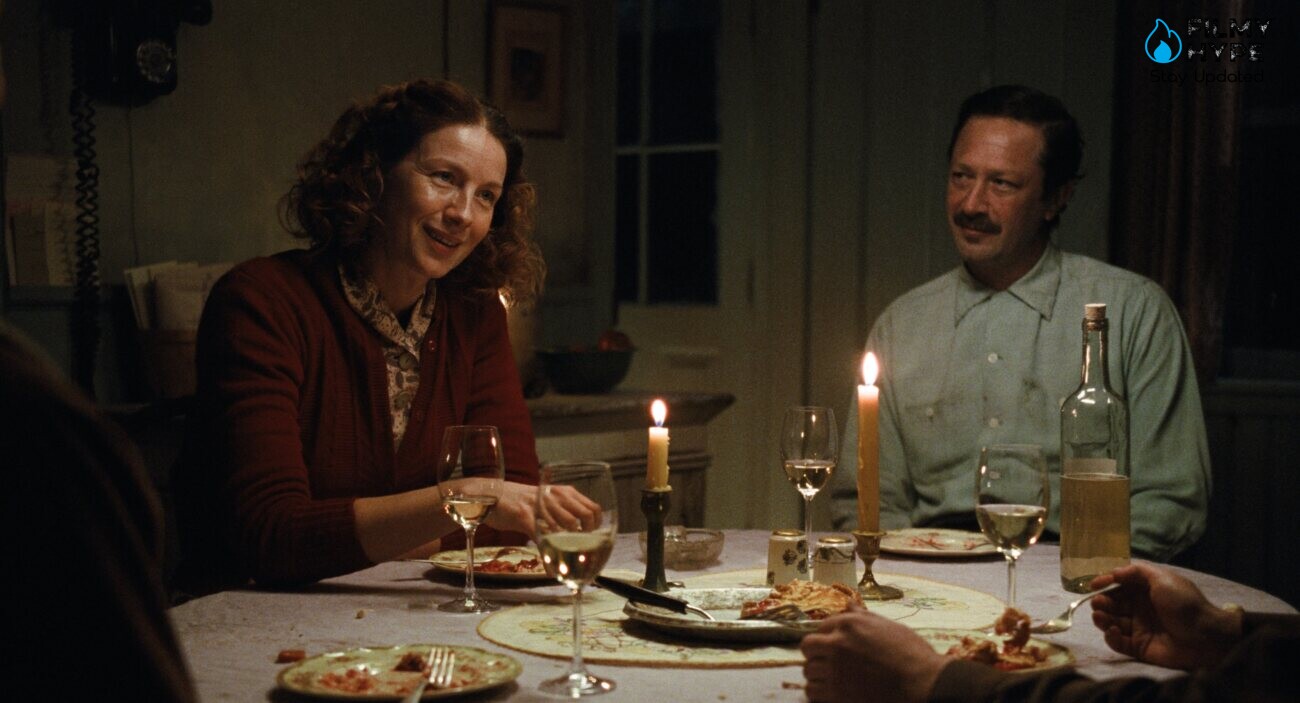
Now Haigh is heading into different territory: the mountains of Alberta, Canada, in late autumn, as a family prepares for the long winter ahead. A Long Winter, his adaptation of Colm Tóibín’s short story of the same name, has just released its first images, and the film is confirmed to premiere this fall at both the New York Film Festival and the Toronto International Film Festival. MUBI, the global distributor and streaming service, is behind the project, which was co-financed by MUBI and Film4.
A Long Winter (2026): The Story
The premise is deceptively simple. Set in the Canadian Rockies as autumn gives way to winter, the film follows a family bracing for the harsh season that’s approaching. Tóibín’s story is characteristically spare—a portrait of rural life, of the specific kind of endurance required to survive in a place where nature doesn’t negotiate. Haigh, who wrote the screenplay in addition to directing, has a gift for finding the emotional weight in seemingly small domestic moments. His adaptation will presumably expand on the source material while preserving its essential restraint.
The location is a character in itself. Filming took place in Alberta, and the first images suggest a landscape that’s both beautiful and indifferent—mountains that don’t care about the people living in their shadow, a sky that’s already turning the color of coming snow. The cinematography is by André Turpin, whose work on Mommy and Incendies demonstrated a gift for making landscape feel like an emotional state.
The Cast
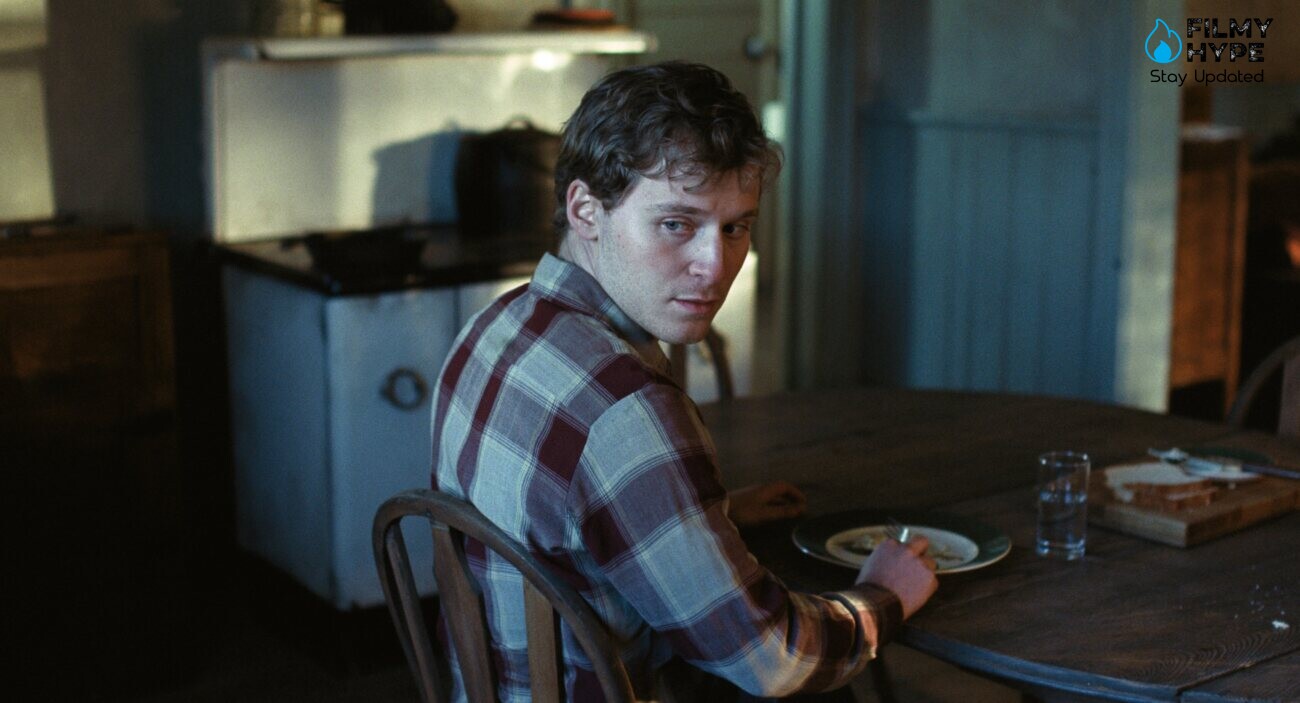
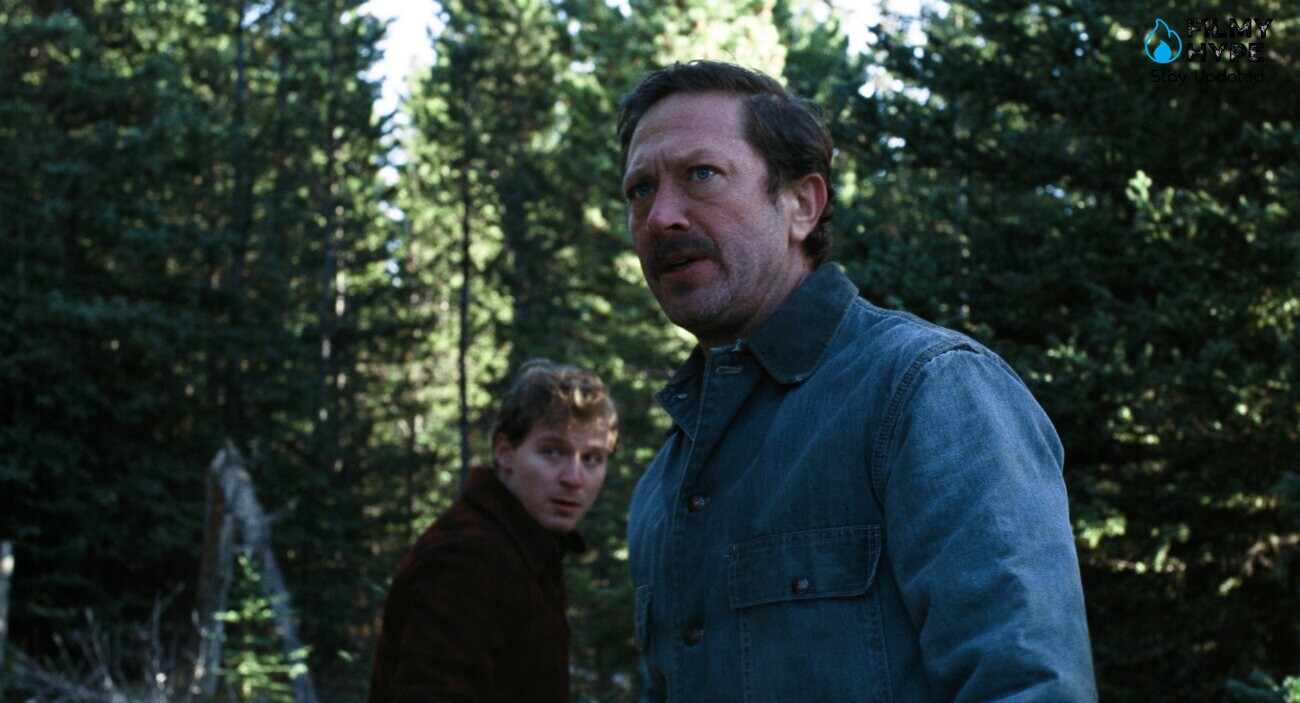
Fred Hechinger, who’s been building a career with roles in Thelma and Gladiator II, leads the ensemble. Hechinger has a particular quality—something watchful and slightly wounded—that should serve him well in a Haigh film. Ebon Moss-Bachrach, fresh from The Bear and about to enter the MCU with Fantastic Four: The Beginnings, brings his characteristic intensity. Caitríona Balfe, known to millions from Outlander and whose performance in Belfast was one of that film’s quiet strengths, adds emotional grounding. Kit Connor, who’s been winning audiences over in Heartstopper and Warfare, continues his transition to more adult material. D’Pharaoh Woon-A-Tai, from Reservation Dogs, rounds out the core cast.
The supporting ensemble includes Manuel Garcia-Rulfo, David Furr, and Martin Freeman. Freeman’s presence is particularly interesting—he’s an actor who can shift between warmth and steeliness without warning, and Haigh knows how to use that kind of range.
The Production
The technical team is stacked. Turpin’s cinematography aside, the film features production design by Emmanuel Fréchette, whose work on The North Water demonstrated an ability to create environments that feel both period-accurate and emotionally charged. Editor Jonathan Alberts, who cut All of Us Strangers, brings continuity from Haigh’s previous project. That’s not incidental. Alberts understands Haigh’s rhythms—the long takes, the pregnant pauses, the way a scene can shift meaning with a single cut.
The producers include Tristan Goligher for The Bureau, Chad Oakes and Mike Frislev for Nomadic Pictures, and Michael Elliott. The project was developed by MUBI, which has been expanding its footprint as both distributor and production company. This is the kind of film MUBI has built its reputation on: auteur-driven, formally ambitious, positioned for festival success before a theatrical run.
Where Haigh Is Coming From
All of Us Strangers was a breakthrough moment for Haigh in terms of international recognition. The film earned six BAFTA nominations, including Best Director and Best Adapted Screenplay. It won Best Film and six other awards at the British Independent Film Awards. The Los Angeles Film Critics Association gave Haigh Best Screenplay. The Guardian and EMPIRE both named it among the best films of 2024.
That success followed a career that had been building steadily for two decades. Weekend established him as a major voice in queer cinema. 45 Years earned Charlotte Rampling an Oscar nomination. Lean on Pete proved he could handle American material. And in television, he’s been equally accomplished—executive producing, writing, and directing HBO’s Looking, and helming the BBC/AMC miniseries The North Water with Colin Farrell.
A Long Winter represents something of a departure. Tóibín’s story is about family, survival, and the specific textures of rural life—not the urban settings or queer narratives that have defined much of Haigh’s previous work. But the themes are consistent: the ways people fail to communicate, the weight of unspoken things, the difficulty of connecting across the distances that separate us even when we’re standing in the same room.
What Comes Next
The festival premiere at both Toronto and New York is a strong signal. These are the two most important fall festivals for prestige cinema, and a slot at both suggests confidence from the distribution team. MUBI hasn’t announced a theatrical release date yet, but the pattern for films of this profile is clear: festival premiere, limited theatrical run, then streaming availability on MUBI’s platform.
Haigh has also been keeping busy. He’s attached to direct Universal’s adaptation of Walter Isaacson’s Leonardo da Vinci, which is a significant step up in scale. And he’s developing a series about American artist Keith Haring for television, based on Brad Gooch’s biography. But A Long Winter is the project that’s arriving first, and the first images suggest something special: a filmmaker at the height of his powers, working with a cast that can handle his particular brand of emotional precision.
The long winter is coming. The family is preparing. And audiences, if the festival response matches the anticipation, will be talking about this one for a long time.