


A Toxic Love Story Netflix Ending Explained: There’s a moment toward the end of Netflix’s A Toxic Love Story where the whole case just crumbles. Not dramatically. Not with a courtroom outburst or a last-minute confession caught on tape. It crumbles quietly, through paperwork and IP addresses and the slow, methodical work of people who finally started asking the right questions. Michelle Hadley had already spent 88 days in jail by the time anyone seriously considered the possibility that she might be telling the truth. Eighty-eight days. That number sits in your stomach like a stone.
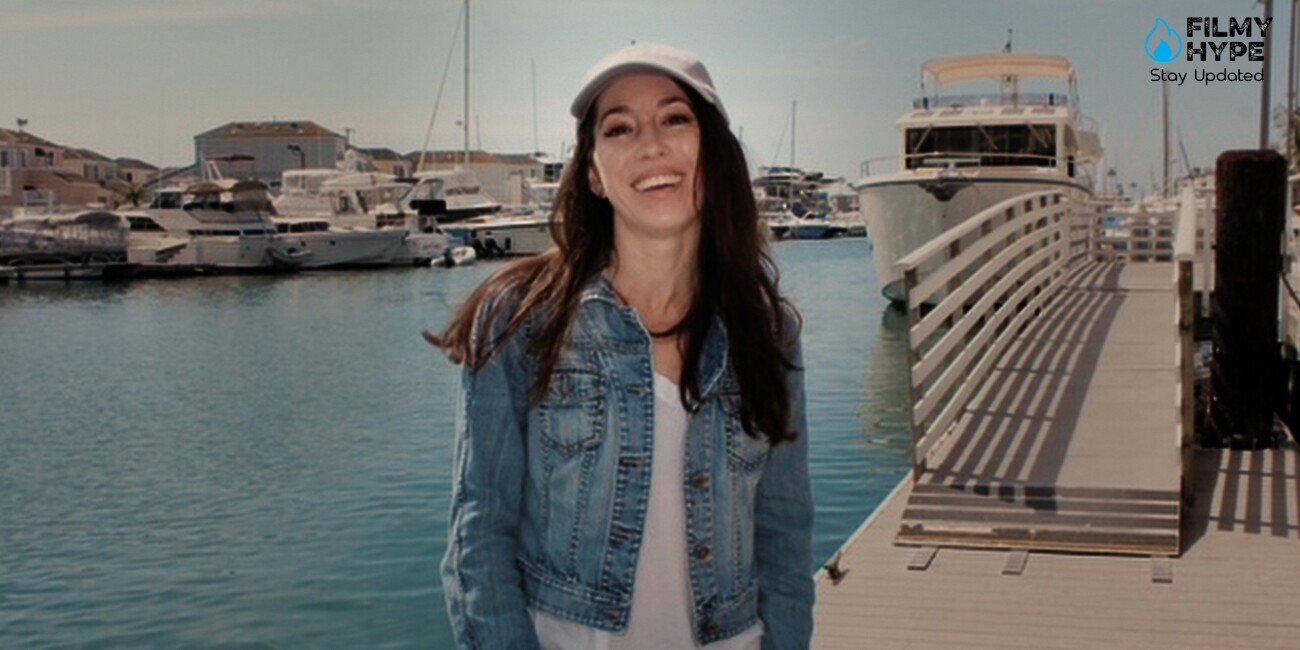
A Toxic Love Story Netflix Ending Explained: What Happened to Michelle Hadley, Ian, and Angela Diaz?
The documentary presents the case in a way that mirrors how it unfolded in real life. At first, the narrative seems clear. Angela Diaz is being terrorized. Threatening emails. Strangers showed up at her door after responding to disturbing online ads. She tells the police she knows exactly who’s behind it. Michelle Hadley, her husband Ian’s ex-girlfriend. The motive makes sense on the surface. Michelle and Ian had a property dispute over an apartment they bought together. A bitter ex, a new wife, a legal fight over money. The story practically writes itself.
Except it wasn’t true. None of it. And what the documentary reveals in its final act isn’t just a miscarriage of justice. It’s a portrait of how easily the system accepts a story that fits its assumptions, and how much damage gets done before anyone stops to check.
The House of Cards Starts to Shake
The turning point is almost absurd in its simplicity. The threatening messages kept coming while Michelle was in jail. She had no access to phones, no access to computers, no way to send anything to anyone. And yet the emails continued. The ads stayed up. The harassment didn’t stop.
This should have been the moment everything collapsed immediately. It’s the kind of detail that, in retrospect, feels impossible to ignore. Someone is supposedly running an elaborate cyberstalking campaign from a prison cell without any devices. The logic doesn’t hold for five seconds. But the investigation had already locked onto Michelle as the culprit, and once that kind of momentum builds, it takes more than a glaring contradiction to slow it down.
What finally broke the case open was the technical evidence? Investigators traced the digital activity to equipment and connections linked to Ian and Angela’s home. The IP addresses. The devices. The timestamps. The trail didn’t lead to a jealous ex. It led right back to the victim and her husband.
Angela’s Confession and What It Revealed
Angela Diaz eventually admitted to fabricating the threats and the ads. She pleaded guilty in 2017 and received a five-year sentence. On paper, that’s the resolution. The villain confesses. Justice prevails. The innocent woman goes free.
But the documentary doesn’t let the story end there, and that’s what makes it genuinely unsettling. Angela’s confession wasn’t the result of a crisis of conscience. It was the result of evidence closing in. And even after she admitted what she’d done, the full scope of the conspiracy wasn’t yet clear.

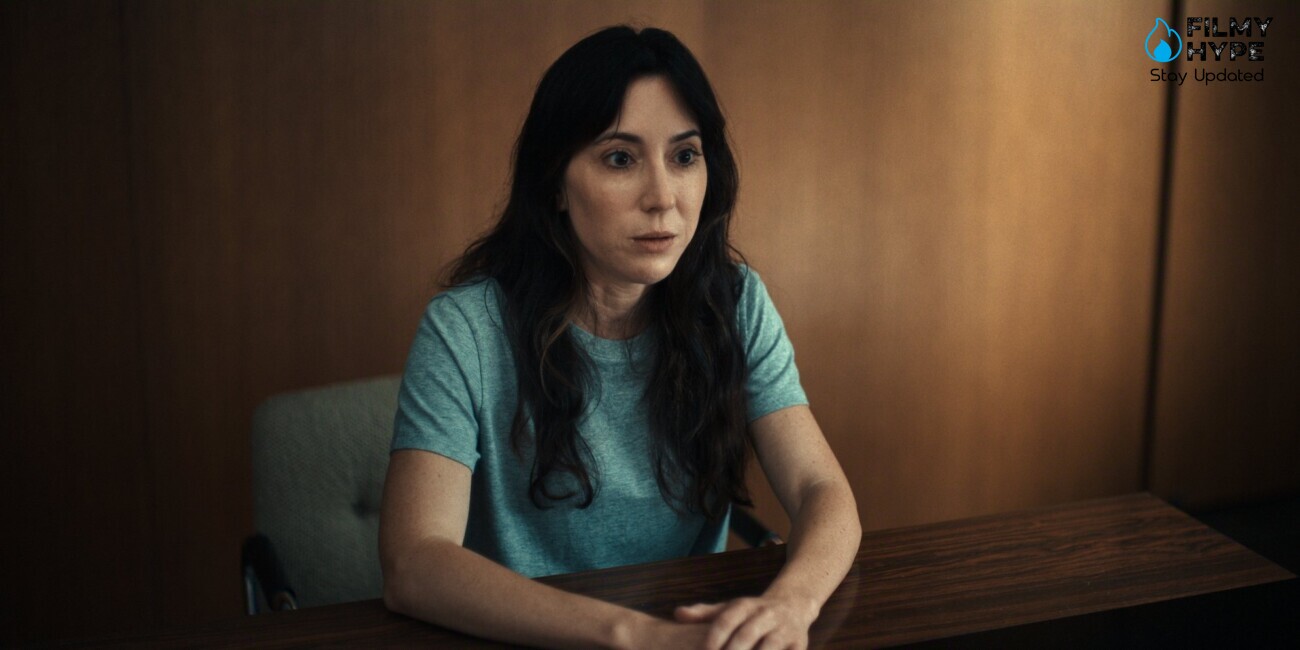
What the documentary makes horrifyingly plain is that Angela’s plan served multiple purposes. It wasn’t just about hurting Michelle, though that was clearly part of it. By positioning herself as the victim of a deranged stalker, Angela also tightened her control over Ian. She became the wounded party, the woman who needed protection. She displaced Michelle not just from a property dispute but from any legitimate place in the narrative. Michelle wasn’t an ex with a valid legal claim. She was a dangerous, unstable threat. Angela got to be the hero of her own story while systematically destroying someone else’s life.
The Other Shoe Drops
For a while, Ian Diaz maintained that he had been deceived, too. He was the grieving husband, fooled by a manipulative wife, horrified to learn what she’d done. It’s a convenient position, and for a time, it seemed to work.
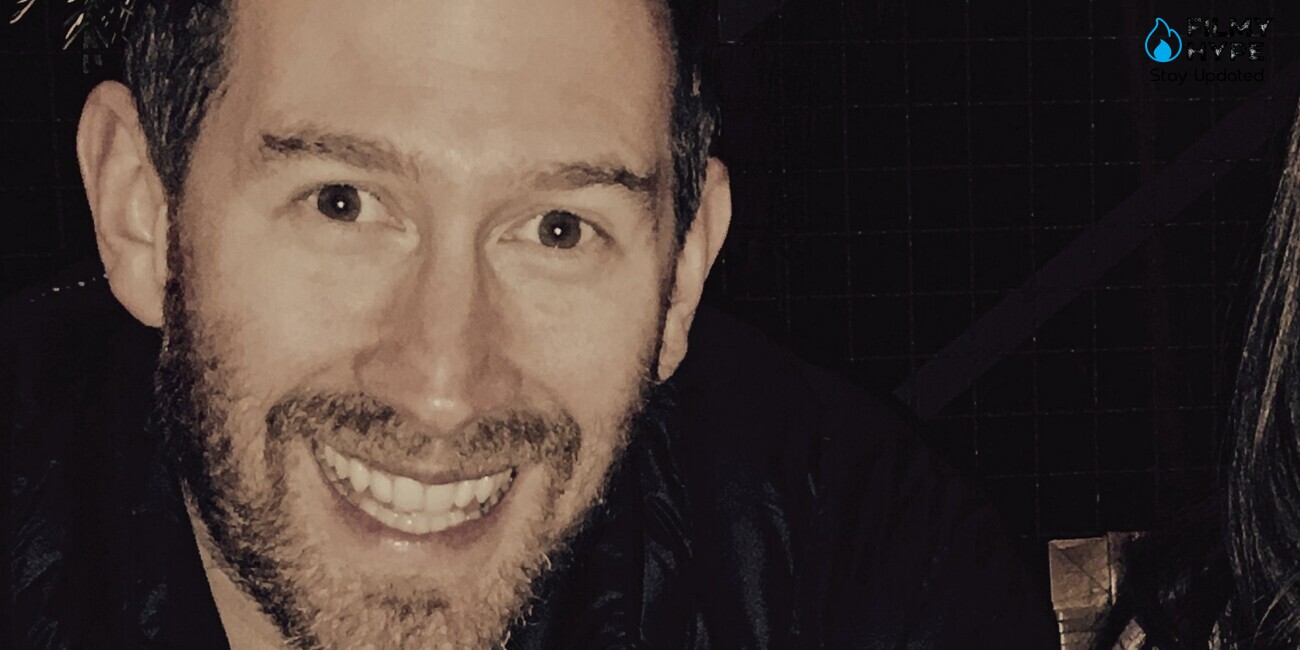
Then the federal investigation dug deeper. The counterfeit emails. The digital traces. The patterns that couldn’t be explained away by a single bad actor. What emerged was evidence that Ian hadn’t been a passive victim of Angela’s scheme. He had been a participant. The conspiracy to frame Michelle involved both of them, working together to destroy a woman whose only crime was having once been in a relationship with him.
Ian Diaz was a deputy with the United States Marshals Service. He was a law enforcement officer. He understood investigations. He understood evidence. He understood exactly what he was doing when he helped construct a false case against Michelle. In 2023, he was convicted on charges including cyberstalking, conspiracy, and perjury. He received a sentence of more than ten years and was removed from his position. The man who helped send an innocent woman to jail finally went to jail himself.
Why Michelle Was the Perfect Target
This is the part of the documentary that’s hardest to sit with. Michelle didn’t fit the profile of an innocent victim because she didn’t fit the profile of anything the system was prepared to see. She was the ex-girlfriend. She was involved in a property dispute. She had a history with Ian that could be twisted into a motive. When Angela pointed a finger at her, it confirmed what investigators already expected to find.
The case against Michelle was built on a foundation of assumptions. Ex-girlfriends get bitter. Property disputes get ugly. Women sometimes go crazy after breakups. These aren’t facts. They’re stereotypes. But they have power. They shape what investigators look for and what they ignore. The emails continued while Michelle was incarcerated, and for a while, nobody treated that as the obvious proof of innocence it should have been. The story was already written. The facts were just details to be arranged around it.
The documentary’s title, A Toxic Love Story, works on multiple levels. It describes the relationship between Ian and Angela, which was genuinely toxic in ways that go far beyond ordinary dysfunction. But it also describes the relationship between the justice system and the narratives it finds easiest to believe. The love story between prosecutors and their assumptions. The romance of a tidy motive and a clear villain.
What the Ending Actually Means
Michelle Hadley was exonerated. The charges were dropped. She walked free. Angela went to prison. Ian went to prison. Justice, in the narrowest sense, was eventually served.
But the documentary doesn’t let you walk away feeling satisfied, because 88 days in jail doesn’t disappear just because your name gets cleared. The public exposure doesn’t vanish. The trauma of being accused of crimes you didn’t commit, of having your life dissected and distorted, of knowing that the system designed to protect the innocent was actively working to destroy you. None of that gets reversed by a corrected verdict.
The final meaning of the documentary isn’t really about who wrote which email or which IP address connected to which device. Those are the mechanics of the crime. The meaning is in how easily a false story became the official story. How quickly Michelle was slotted into the role of crazy ex-girlfriend. How long did it take for anyone to notice that the evidence didn’t add up? How much damage was done in the meantime?
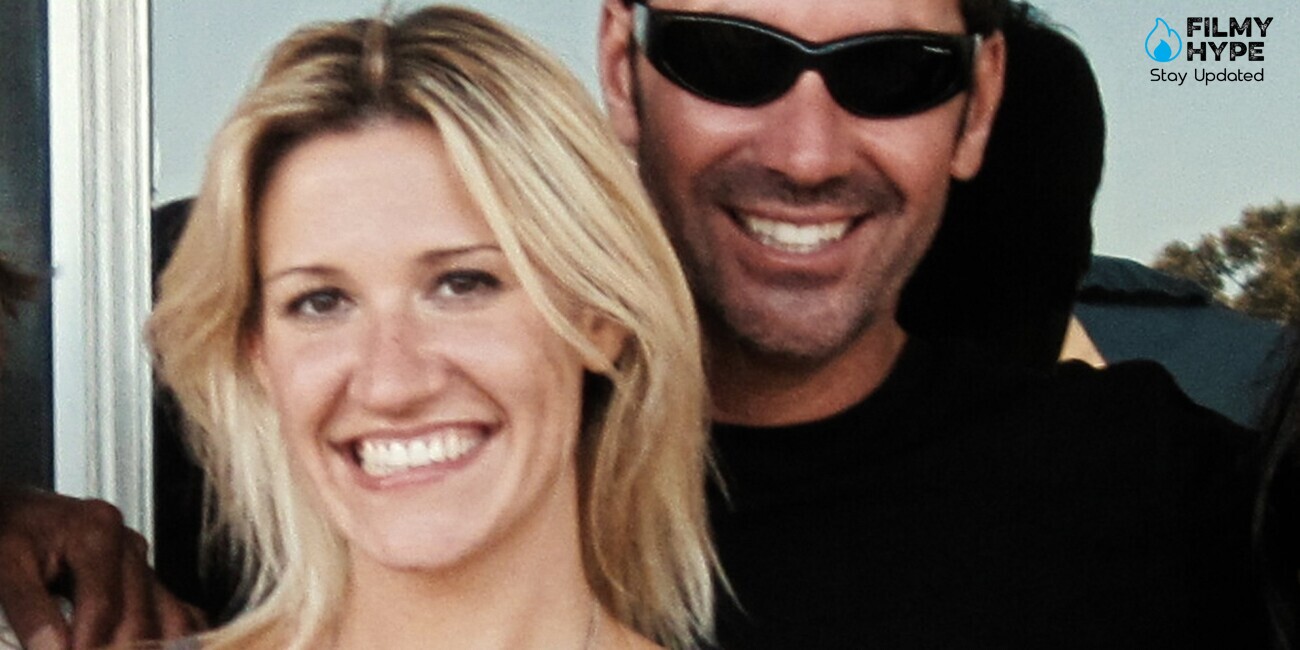
The documentary closes with the uncomfortable recognition that this isn’t an anomaly. The system works the way it worked in Michelle’s case all the time. It gravitates toward simple narratives. It trusts accusers who seem credible. It treats convenient stories as true until overwhelming force proves them false. Michelle’s case had a relatively rare outcome. The guilty parties were caught. The truth came out. But the documentary leaves you wondering how many cases don’t get that ending. How many people are sitting in jail right now because their story didn’t fit what anyone wanted to believe?
A Toxic Love Story ends with the facts restored and the criminals punished. But the feeling it leaves behind isn’t triumph. It’s a cold, creeping awareness of how fragile the truth is, and how much depends on whether someone, somewhere, is willing to look at the evidence and ask the question that should have been asked from the beginning. What if the story is wrong? What if the victim isn’t the victim? What if we’ve had it backwards the whole time? Michelle Hadley got those questions answered eventually. The documentary makes it impossible to forget how close she came to never getting answers at all.