


The Blade Runner universe has always been about waiting. Ridley Scott’s original 1982 film took years to find its audience, dismissed by critics and ignored by theatergoers before slowly crystallizing into one of the most influential pieces of science fiction ever made. Denis Villeneuve’s Blade Runner 2049 arrived thirty-five years later, a sequel that seemed almost impossible to pull off, and then did pull it off—a film that honored its predecessor while carving out its own territory. Now, with Blade Runner 2099, Prime Video is taking the saga somewhere neither film could go: deep into the aftermath of a revolution that humanity lost.
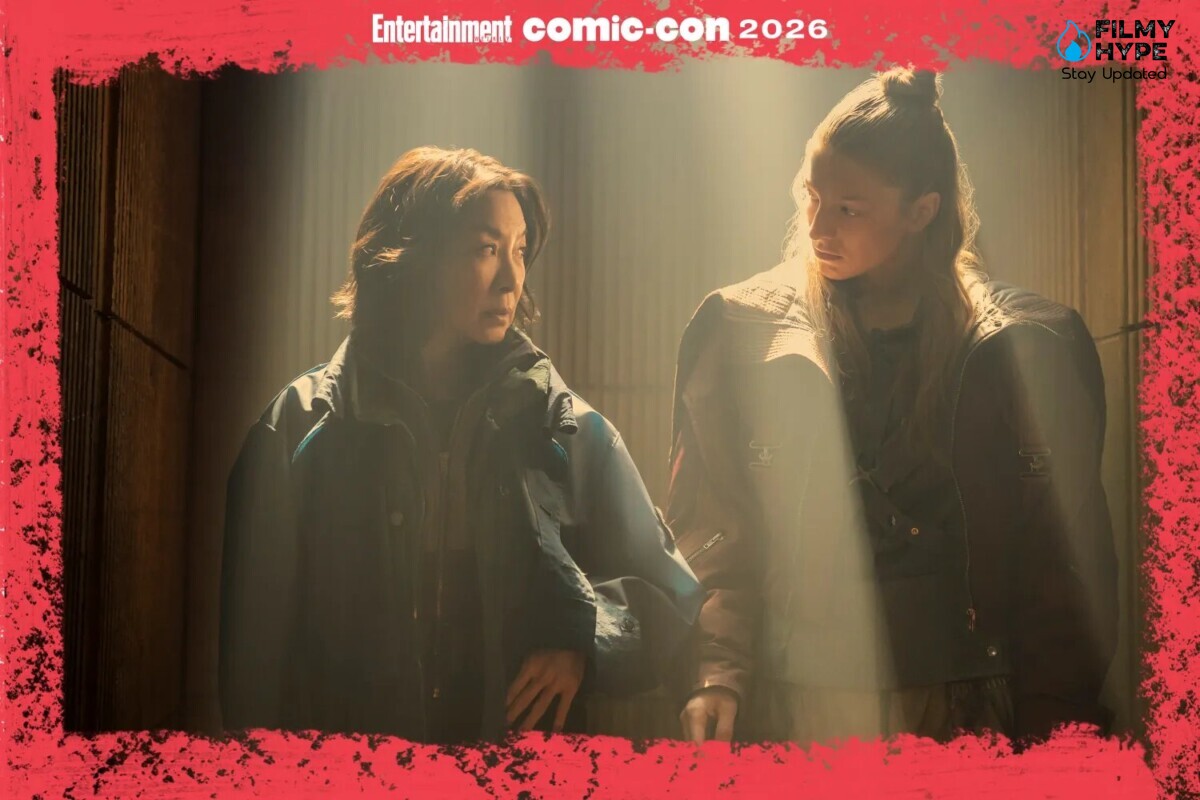
The series has been in development for a while, but details have been scarce. That changed at Comic Con 2026, where showrunner Silka Luisa laid out the premise, revealed the central characters, and made clear that this isn’t a side story or a soft reboot. It’s a direct continuation of the world Scott and Villeneuve built, set fifty years after the events of *2049*, and it’s operating on a scale that the films, for all their visual grandeur, never attempted. Here’s what we know.
What Is Blade Runner 2099 About?
The premise is stark and immediate. Sometime between 2049 and 2099, the replicant rebellion that both films hinted at finally happened. It wasn’t a skirmish or a contained uprising. It was a war. And the humans lost.
“There has been a rebellion of replicants that seemed to be brewing for a long time,” Luisa explained to Entertainment Weekly. “And between 2049 and 2099, that happened. So the war took place, and the humans lost. Our worst fears came true.”
That single paragraph reorients everything we know about the Blade Runner world. The previous films operated in a space of tension and dread—the replicants were dangerous, yes, but they were also hunted, controlled, given expiration dates, and systematically denied agency. The fear that they might organize, might fight back, was always present. Lieutenant Joshi, played by Robin Wright in *2049*, said it outright: “The world revolves around a wall that separates classes. Say that the wall does not exist, and there will be a war.”
The wall came down. The war happened. And now, in 2099, replicants hold power in the city while humans have become second-class citizens. It’s a complete inversion of the original dynamic, and it raises the question that’s been at the center of this universe since Rick Deckard first stepped into the rain: what does it mean to be human when humanity no longer has a monopoly on power, or suffering, or the capacity to shape the world?
Who Are the Main Characters?
The series centers on two women whose positions in this new order are fundamentally precarious in opposite ways.
Olwen, played by Michelle Yeoh, is a replicant Blade Runner. She’s in the final days of her life cycle, knowing with exact precision when she’s going to die—the same existential clock that defined Roy Batty in the original film. But where Batty’s awareness of his own mortality drove him to rage and violence, Olwen’s seems to be channeled into her work. She’s hunting a group of fugitive replicants, and she doesn’t have much time left to find them.
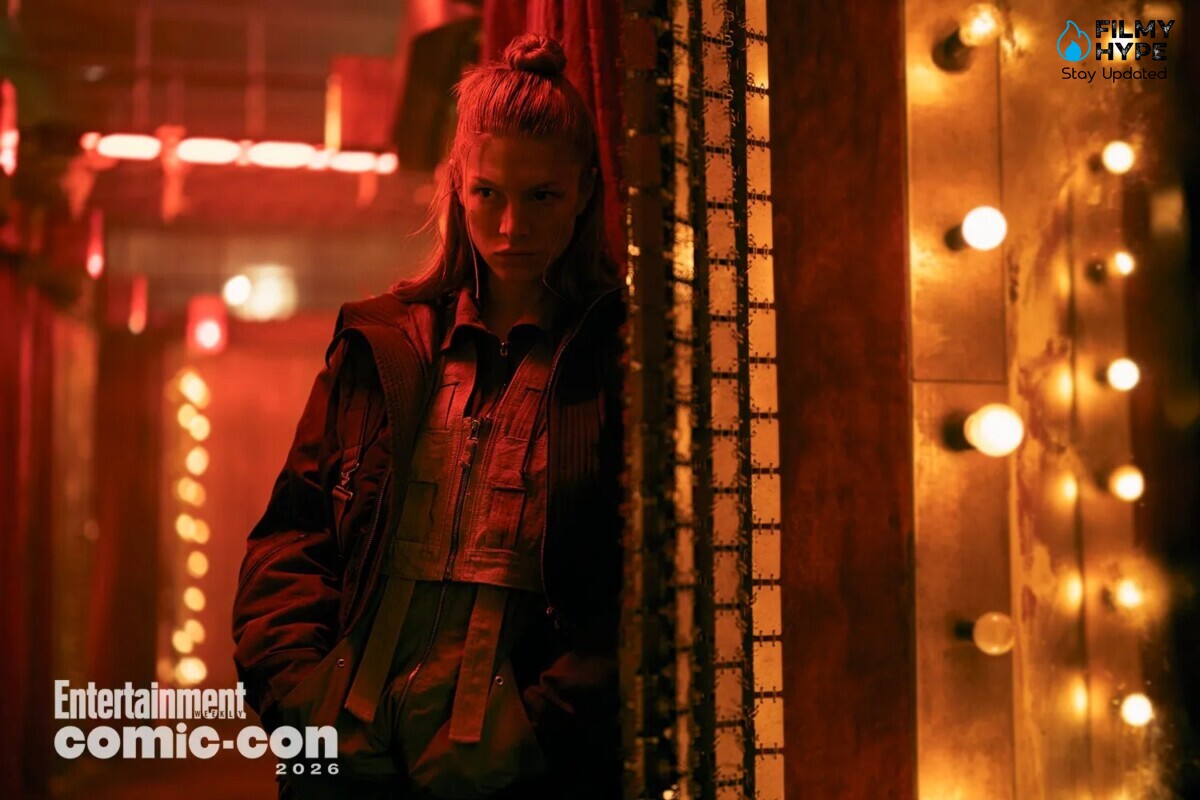
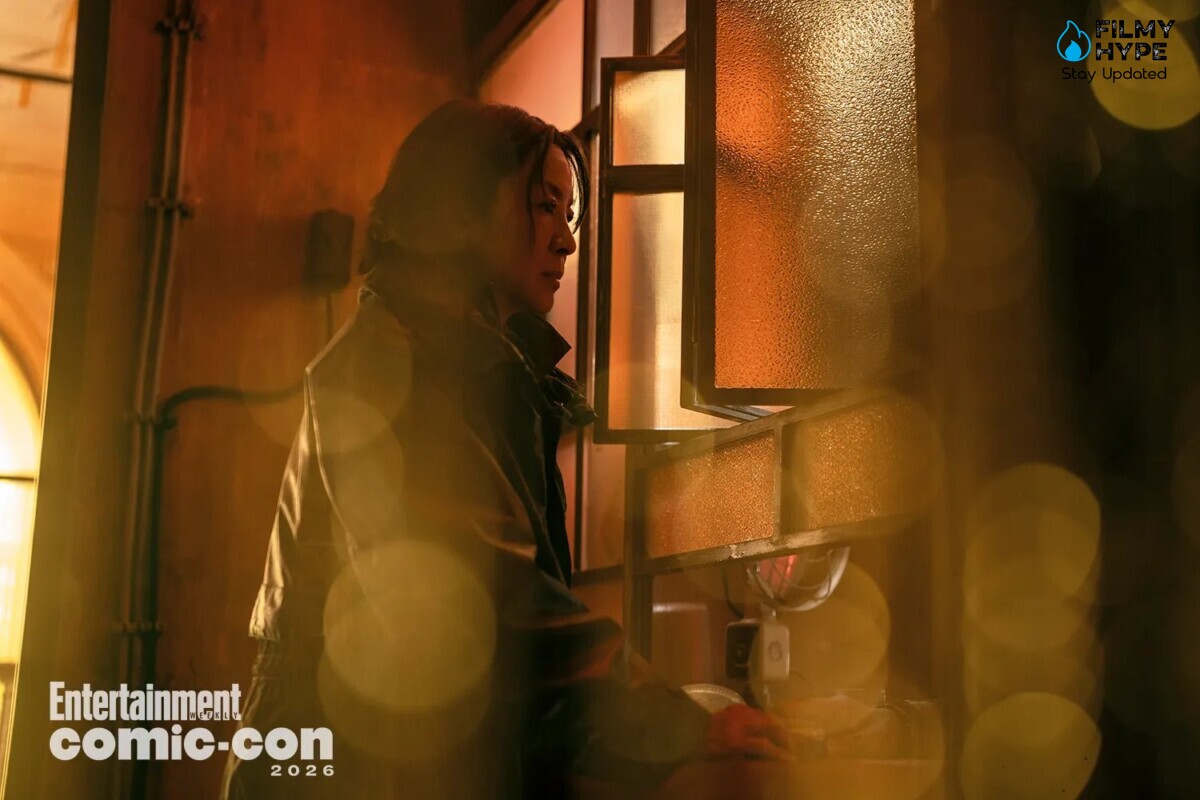
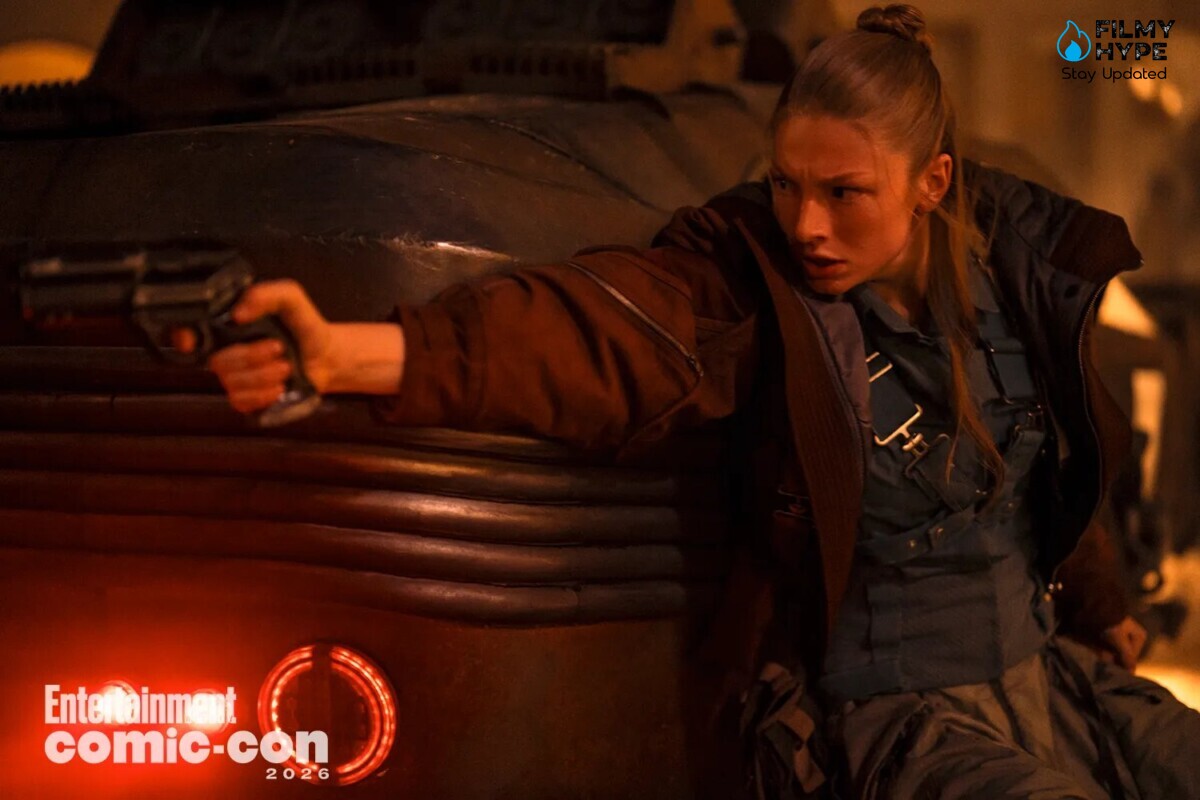
Luisa has said that Olwen’s arc draws directly from Batty’s legacy, but with a crucial difference: the television format allows the series to explore that fear of death from inside the replicant’s perspective, sustained over episodes rather than compressed into a single, iconic monologue. We’ve seen replicants confront their mortality before. We’ve never lived inside that confrontation for the length of a full season.
Cora, played by Hunter Schafer, is the inversion of a familiar Blade Runner archetype. She’s not a replicant pretending to be human. She’s a human who has been living as a fugitive for years, forced to pass as a replicant to survive. The constant performance, the daily denial of her own identity, has hollowed her out. Luisa describes her as someone who has “completely lost her own humanity” in the process of trying to stay alive.
The pairing is designed to pull both characters into uncomfortable territory. Olwen, the replicant, has to work with a human she’s supposed to hunt. Cora, the human, has to trust a Blade Runner who represents the system that’s been trying to kill her. They’re forced together by circumstance—an investigation into what happened to the renegade replicants Olwen is pursuing—and the series seems to be building toward a partnership that neither of them wants, but both of them need.
How Does This Connect to the Films?
The timeline is straightforward. Blade Runner takes place in 2019. Blade Runner 2049 picks up thirty years later. Blade Runner 2099 jumps another fifty years forward, into a future that neither Deckard nor K would recognize.
The connections are both narrative and thematic. The replicant rebellion that erupts between *2049* and *2099* is the fulfillment of a threat both films took seriously. In the original, Roy Batty was a prototype of what replicant resistance could look like—a combat model who turned against his creators, who demanded more life, who proved capable of mercy even as he was being hunted to extinction. In *2049*, the replicants were already organizing, already developing their own mythologies around the miracle of a replicant child born rather than manufactured. K’s entire arc was about discovering that he wasn’t that child, that he wasn’t special in the way he’d been led to believe, but that the child existed somewhere, and that her existence meant everything was about to change.
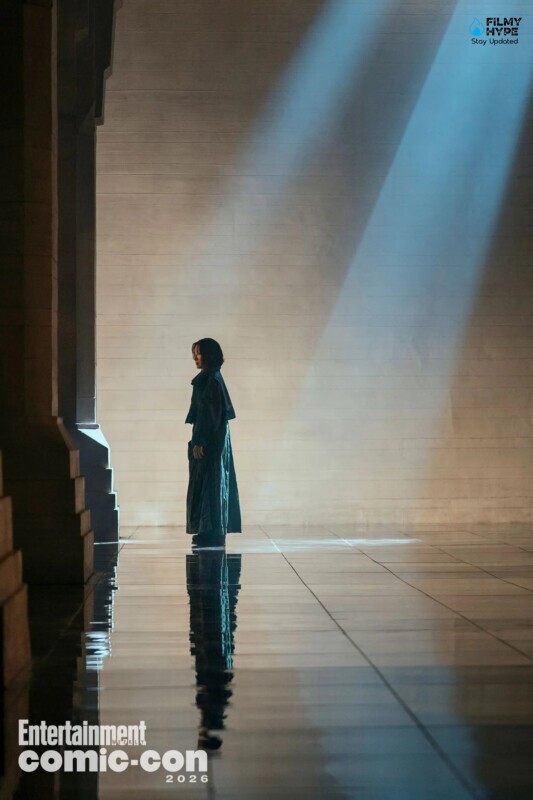
The series also takes the original novel, Philip K. Dick’s Do Androids Dream of Electric Sheep?, as a reference point alongside the films. Luisa has been explicit about this: the show isn’t just adapting the visual language of Scott and Villeneuve. It’s drawing from the source material that inspired them, using the long-form television format to explore the philosophical questions Dick embedded in his work.
What’s Different About the Television Format?
Luisa has spoken about the advantages of moving the story to a series. The films are dense and atmospheric, but they’re also contained—two hours to build a world, establish characters, and reach a conclusion. A series can stretch. It can sit with ideas that a film has to compress. It can develop characters whose arcs would get cut for time in a theatrical release.
The specific advantage Luisa points to is the ability to explore the replicant experience from the inside. Roy Batty got one extraordinary scene to articulate what it felt like to face death with memories no one else shared. Olwen gets a whole season. The difference is enormous. We’re going to see what it looks like for a replicant to live with the knowledge of her own expiration date, day after day, mission after mission. Not just the poetry of the final moments, but the grinding reality of knowing your time is running out and still having work to do.
The format also allows for a more granular exploration of the inverted power structure. A film can show you that humans are now second-class citizens. A series can show you what that means in practice—the daily humiliations, the systems of control, the way power shifts from one group to another without fundamentally changing how power operates.
What About the Visuals?
The Blade Runner films are defined as much by how they look as by what they say. Scott’s original essentially invented the visual vocabulary of cyberpunk—the perpetual rain, the neon-and-shadow cityscapes, the cluttered, lived-in future where technology hasn’t made the world cleaner, just more layered. Villeneuve’s sequel honored that aesthetic while expanding it, introducing color palettes and environmental scales that the original couldn’t achieve.
According to Luisa, the series is prioritizing practical effects over digital manipulation wherever possible. “We recorded almost everything directly on camera to give absolute credibility to the world,” she explained. “It’s much better for actors, as they can move freely around spaces and touch everything, helping such a strange setting feel 100% real.”
That emphasis on practical filmmaking—building real sets, using physical props, letting actors interact with a tangible environment—suggests the show is taking the visual legacy seriously. The Blade Runner world works because it feels textured. You can almost smell the rain and the street food and the machinery. If the series can replicate that tactility, it’ll go a long way toward earning its place in the canon.
When Is It Coming Out?
Prime Video hasn’t announced a release date yet. The series is clearly in an advanced stage of production—the first-look images are out, the showrunner is giving detailed interviews about the plot and characters—but the streaming landscape has made a habit of long promotional runways. It could be months. It could be longer.
What’s clear is that the ambition here is genuine. This isn’t a spin-off designed to cash in on brand recognition. It’s a direct continuation of a story that’s been unfolding, with long gaps, since 1982. The war that was always threatening to break out has broken out. The power structure that defined both films has been inverted. And the questions that have always animated this universe—What is a person? What do we owe the things we create? Can humanity survive its own obsolescence?—are being asked again, this time with the space and time to explore them properly.
The Blade Runner saga has always rewarded patience. The original film was a commercial failure that became a classic. The sequel was a box office disappointment that deepened and complicated the original’s themes in ways that are still being unpacked. If Blade Runner 2099 follows that tradition, it’ll be dense, challenging, visually extraordinary, and probably ahead of its time. The pieces are in place. Now we wait.