

The Debt Collector 2026 Ending Explained: I put on The Debt Collector (Khon Dueat Thuang Khaen) expecting a standard action flick—something with fight scenes and car chases and a body count that would keep me entertained for a couple of hours. What I got was something stranger and sadder. A movie about a man who’s already dead, essentially, and who knows it. A movie that uses its action set pieces not as spectacle but as the final, desperate gestures of someone trying to outrun a clock that’s already run out.
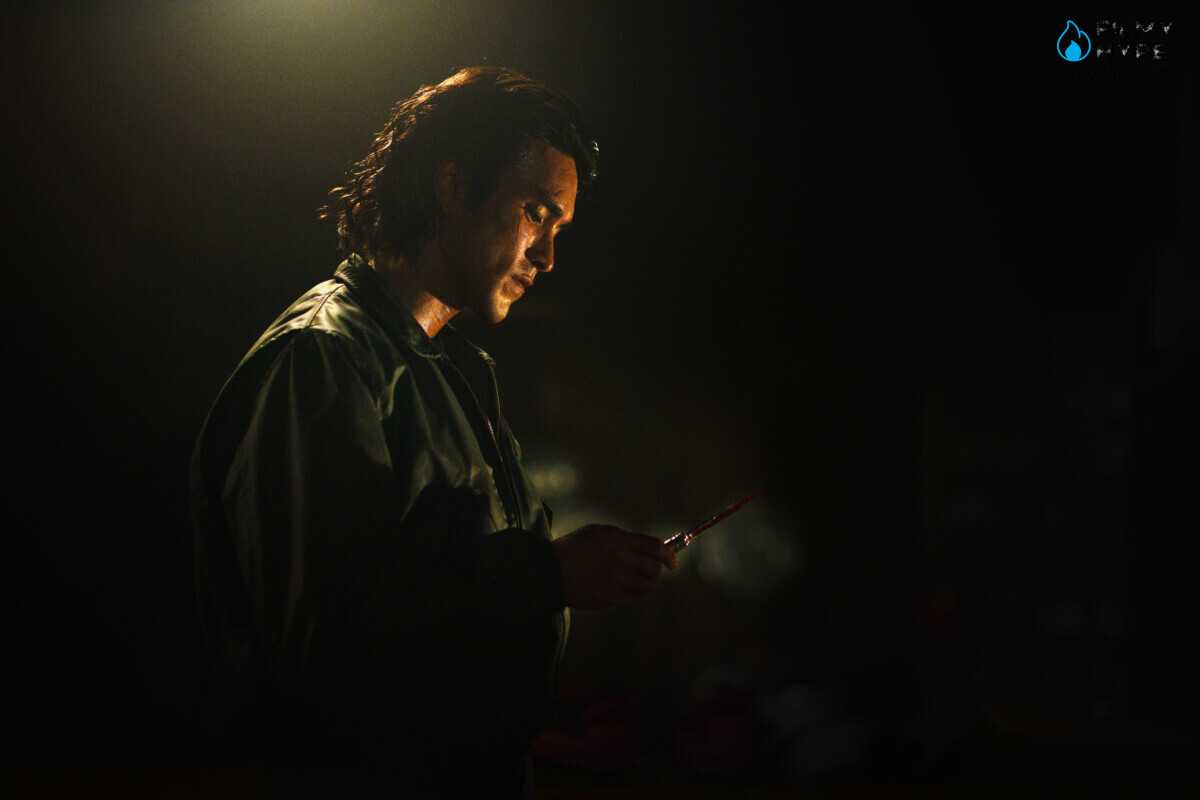
The ending left me sitting with questions that took a while to untangle. Not about the plot mechanics—those are fairly straightforward—but about what the film is actually trying to say about guilt, redemption, and whether a person can ever really balance the scales. Let’s walk through what happens and why it matters.
The Debt Collector 2026 Ending Explained: What Terminal Illness Does Num Have?
The movie tells us early on that Num has terminal cancer, but it deliberately avoids getting specific about what kind. We don’t get a medical name or a treatment plan or a scene in a doctor’s office where someone points at a scan and explains things in clinical terms. What we get instead is a deadline. Num has very little time left, and he knows it.
That’s the detail that matters. The film doesn’t care about the biology of his disease. It cares about what the disease does to his psychology. A man who knows he’s dying has two options: he can collapse inward, letting the remaining days drain away in bitterness or self-pity, or he can use them. Num chooses the second path, and the diagnosis becomes the engine for every decision he makes afterward.
This isn’t a story about someone fighting to survive. It’s a story about someone who has already accepted death and is trying to figure out what to do with the handful of days between now and the end. The cancer isn’t a plot twist or a source of melodrama. It’s a timer, ticking down in the background of every fight scene, every confrontation, every moment where Num could walk away but doesn’t.
Why Does Num Go Back Into the Life He Left Behind?
Num used to be a debt collector for a criminal organization—the kind of enforcer who shows up at your door when you owe money to the wrong people. He’s done things he can’t undo. He’s hurt, people. He’s ruined lives. At some point before the movie starts, he turned himself in, went to prison, and tried to leave that version of himself behind.
The terminal diagnosis changes the calculus. If you only have weeks or months left, sitting in a cell or living quietly on the outside doesn’t balance anything. The guilt doesn’t go away just because you stopped committing new crimes. So Num decides to spend his remaining time trying to dismantle the organization he once served, to protect the people who are still being ground up by its machinery, and to find his old friend Po—not to reconnect, but to stop him.
Po is the shadow Num has been running from. They grew up together. They worked together. And Po became the thing Num might have become if he hadn’t turned himself in: a monster who uses violence not as a tool but as a language, who has built his entire identity around cruelty.
What Happens With Kong, and Why Does He Betray Num?
Kong is a police officer, but he’s also a father with a sick child and crushing debts. He’s been pursuing Num, partly because it’s his job and partly because he’s been promised a payout that could save his family. Madam Pin, the woman running the criminal operation, offers him four million baht to deliver Num.
Kong takes the deal. Not because he hates Num. Not because he’s corrupt in his bones. Because he’s desperate, and desperation makes people do things they’d never consider if they had other options.
Madam Pin, of course, never intended to pay him. Once Kong delivers Num, she orders both of them thrown off a cliff. They survive—barely—and that shared near-death experience reshapes their relationship. Kong realizes he’s been used the same way the organization uses everyone: as disposable muscle, as a tool to be discarded once it’s no longer convenient.
From that point on, Kong stops being Num’s pursuer and becomes his ally. Not because he’s had a moral awakening, exactly, but because he finally sees that the people he’s been working for will never give him what they promised. The only way out is through.
What’s the Deal With Police Corruption?
The movie doesn’t pull its punches on this front. And so, for the duration, Inspector Tong, a senior officer whose job is to protect the public, has been on Madam Pin’s payroll, protecting her operations, misdirecting investigations, ensuring that the criminal machine continues to run smoothly.
When Kong starts to piece it together, Tong tries to kill him. It’s a cold and pragmatic decision. Kong knows too much, and knowledge is a liability Tong can’t afford.
But Kong survives the attempt, and from that moment, the mission shifts. It’s not just about stopping Madam Pin anymore. It’s about exposing the rot that let her operate for so long in the first place.
The film is clear-eyed about how this works. Corrupt officials don’t always start evil. Tong probably didn’t. But systems that depend on violence and secrecy have a way of pulling everyone into the muck eventually. The line between protector and predator blurs, and once it’s gone, it’s almost impossible to redraw.
How Does Madam Pin Die?
Num finds Madam Pin before Po does, and his priority isn’t killing her—it’s getting information. She knows where Po is hiding, and Num needs that location. A phone call from Kong provides the answer, and Num prepares to leave and finish what he started.
Madam Pin, in a last act of desperate malice, tries to attack him from behind with a pitchfork. It’s a stupid move, born of arrogance and an inability to accept that she’s lost. She loses her balance during the attempt and falls onto a sharp wooden structure near the pier. She dies impaled, not by Num’s hand directly but by her own refusal to stop fighting.
There’s an irony to her death that the film lets sit unspoken. She spent years controlling everything—her operation, her subordinates, the police who worked for her—and in the end, what kills her is the same thing that kept her in power: the belief that she could always win, that there was always another move to make. Some enemies don’t need to be executed. They destroy themselves.
What Happens to Po?
Po is the final boss, not just in the action-movie sense but in the moral sense. He’s what Num could have become. He’s the version of their shared history that never turned back, never tried to change, never felt the weight of what he’d done.
Num tracks him to an abandoned building where Po is holed up with his remaining men. The fight that follows is brutal and methodical—Num works through the henchmen one by one, taking hits, getting slower, his body failing even as his will refuses to. When he finally reaches Po, the confrontation is personal in a way the rest of the violence hasn’t been. These two men know each other. They grew up together. They made choices that led them to opposite sides of this room.
Po, cornered and desperate, grabs an innocent girl and tries to use her as a human shield. This is the same pattern of cruelty he has shown throughout the film, the same instinct to use the vulnerable as currency. That decision seals his fate. Num, already badly wounded, summons the last of his strength and kills him.
Does Num Die at the End?
Yes. After killing Po, Num’s body gives out. The wounds from the fight, combined with the cancer that’s been eating at him since before the movie started, leave him with nothing left. He dies holding the hand of the girl he just saved.
That image—a dying man holding a child’s hand—is the emotional center of the entire film. Years before the story starts, Num accidentally caused the death of a child while working as a collector for Madam Pin. That death is the wound he’s never recovered from, the reason he turned himself in, the guilt that’s been driving him ever since. Saving this girl doesn’t erase what happened. It doesn’t balance some cosmic ledger. But it means that in his final moment, Num is doing the opposite of what he did back then. He’s protecting instead of destroying. He’s saving instead of taking.
The film doesn’t pretend this makes him a hero. It just acknowledges that for someone who’s been waiting to die, using that death to protect someone innocent is the closest thing to peace he’s going to get.
What Happens to Kong After Num Dies?
Kong receives official recognition for dismantling the criminal organization. The public story is simple: a brave officer brought down a network of corruption and violence. The money and the medal mean Kong can finally pay for his son’s medical treatment.



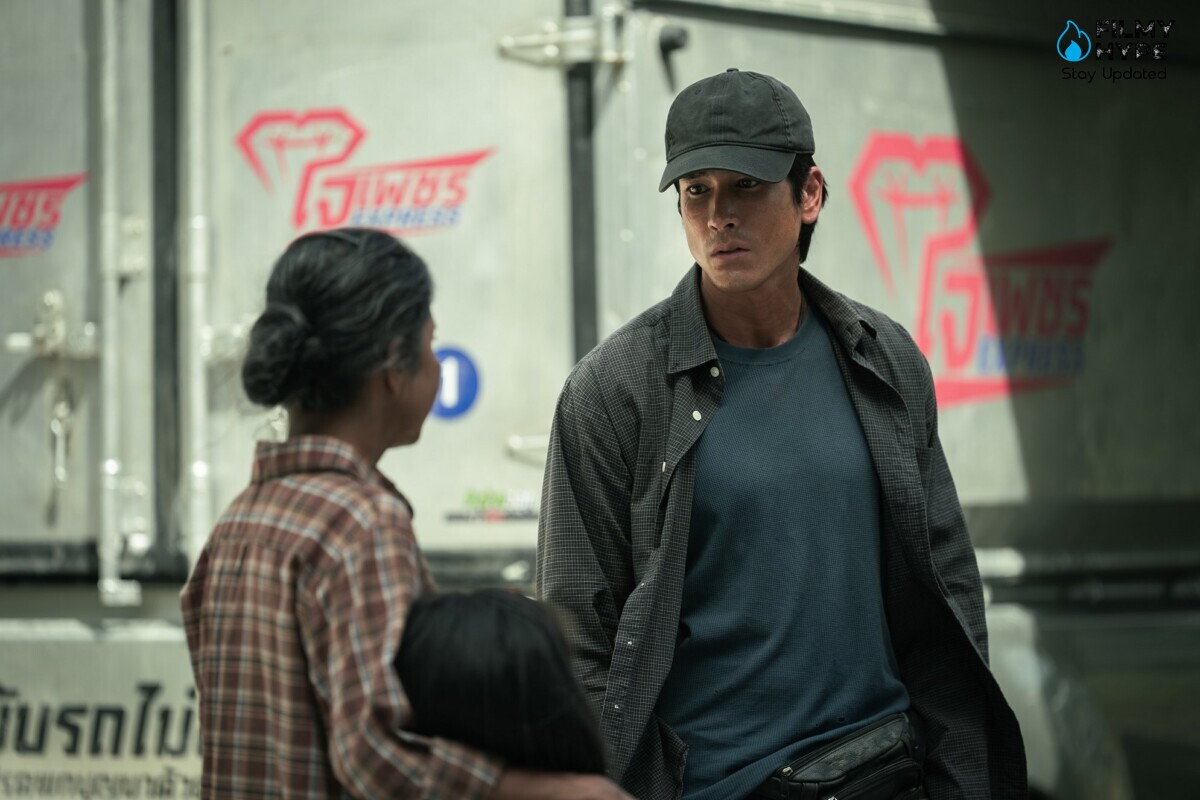

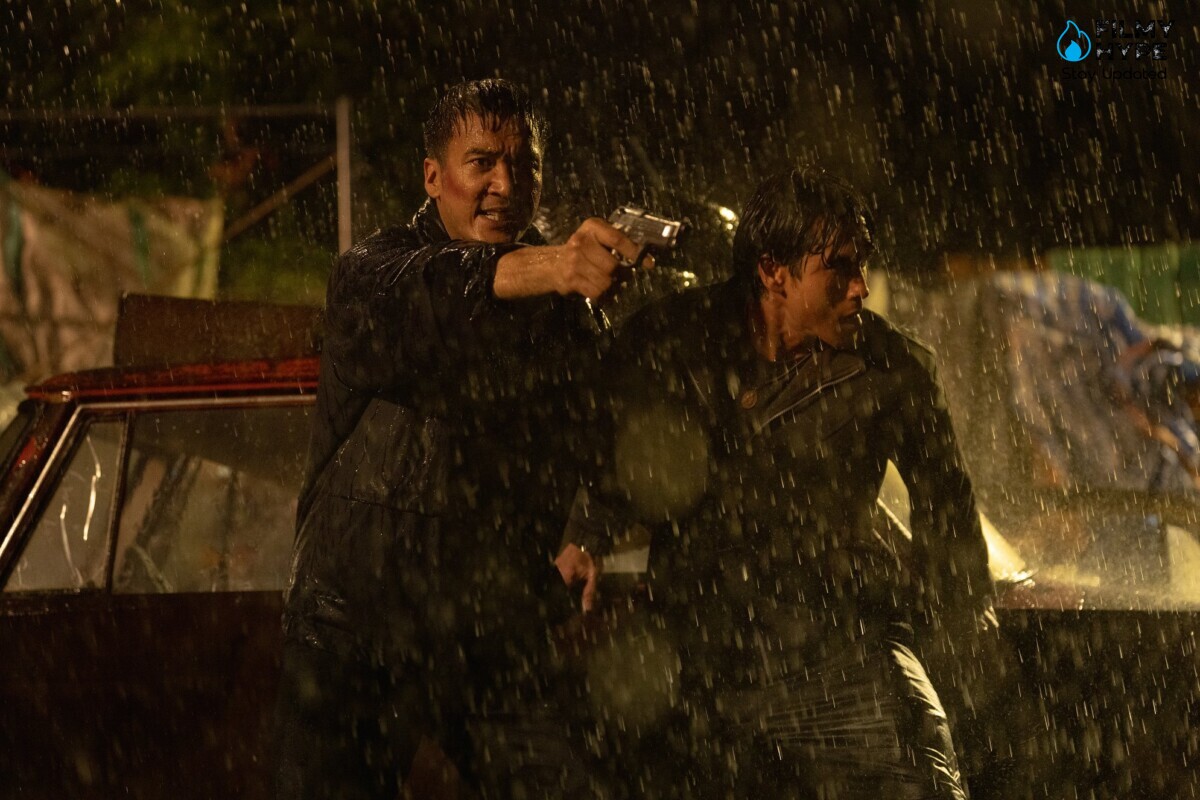

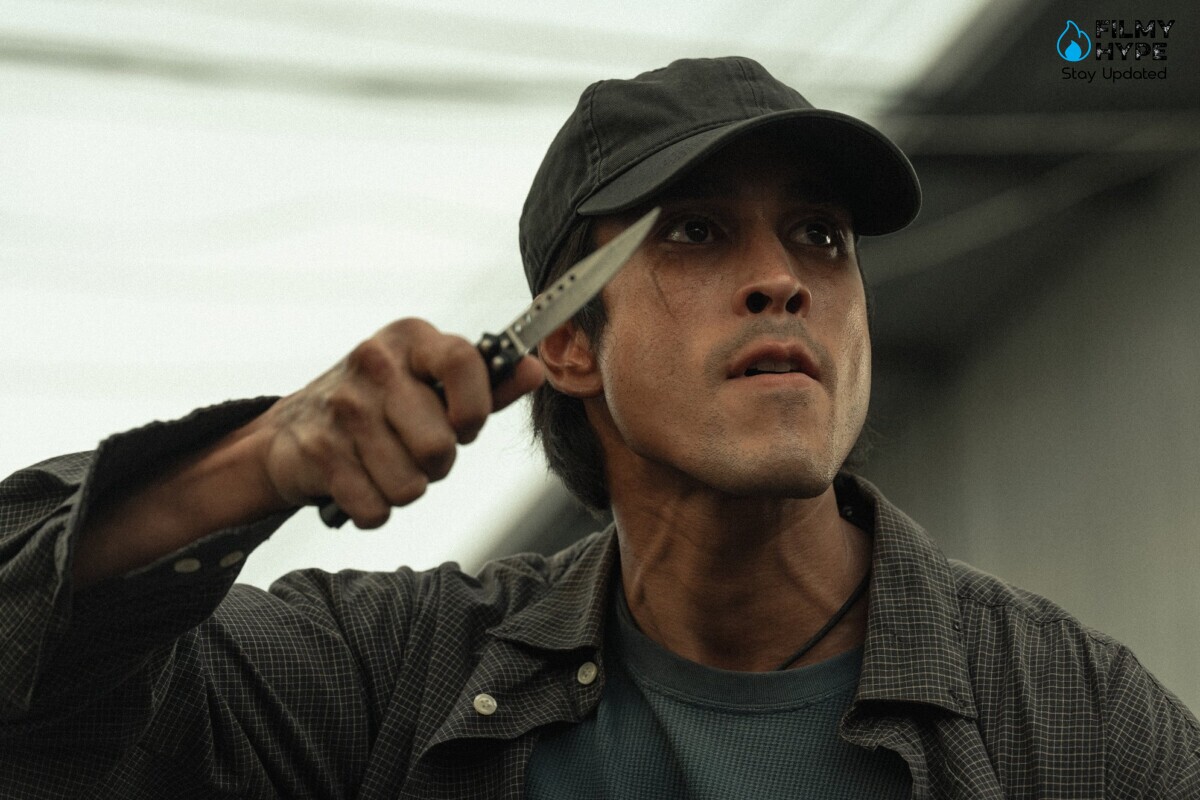
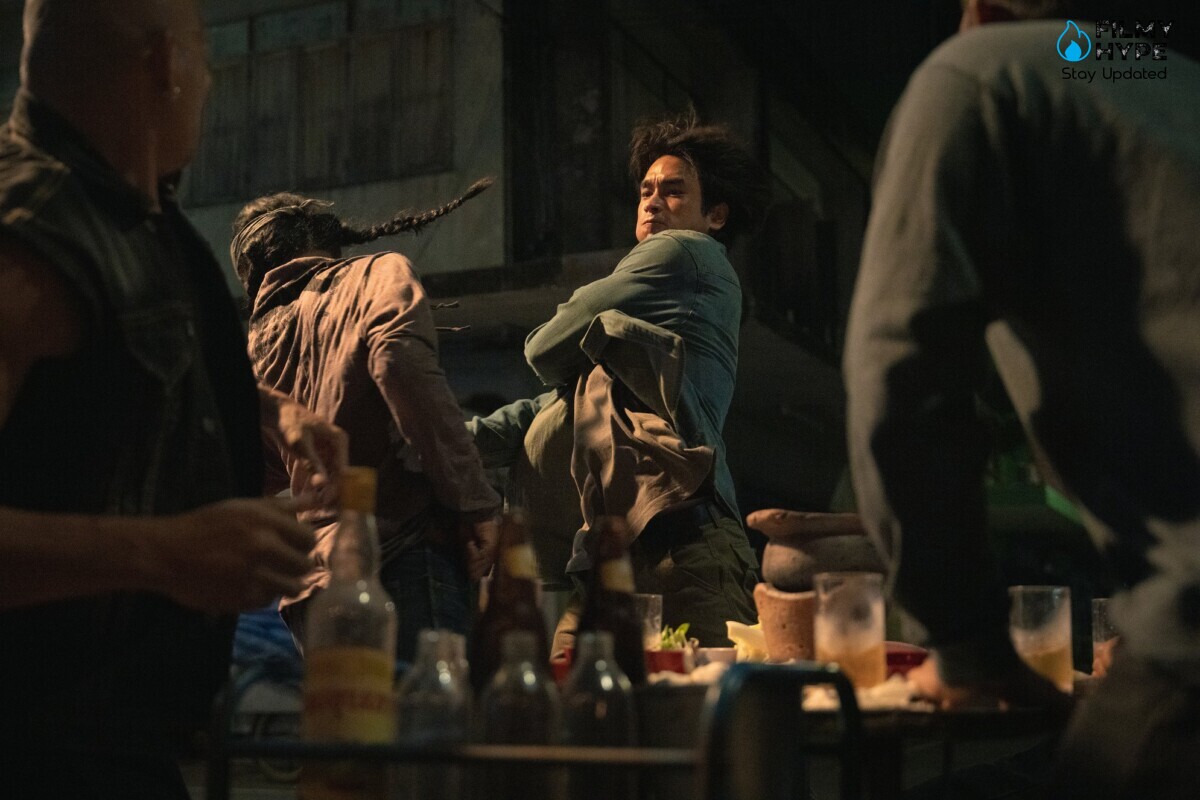
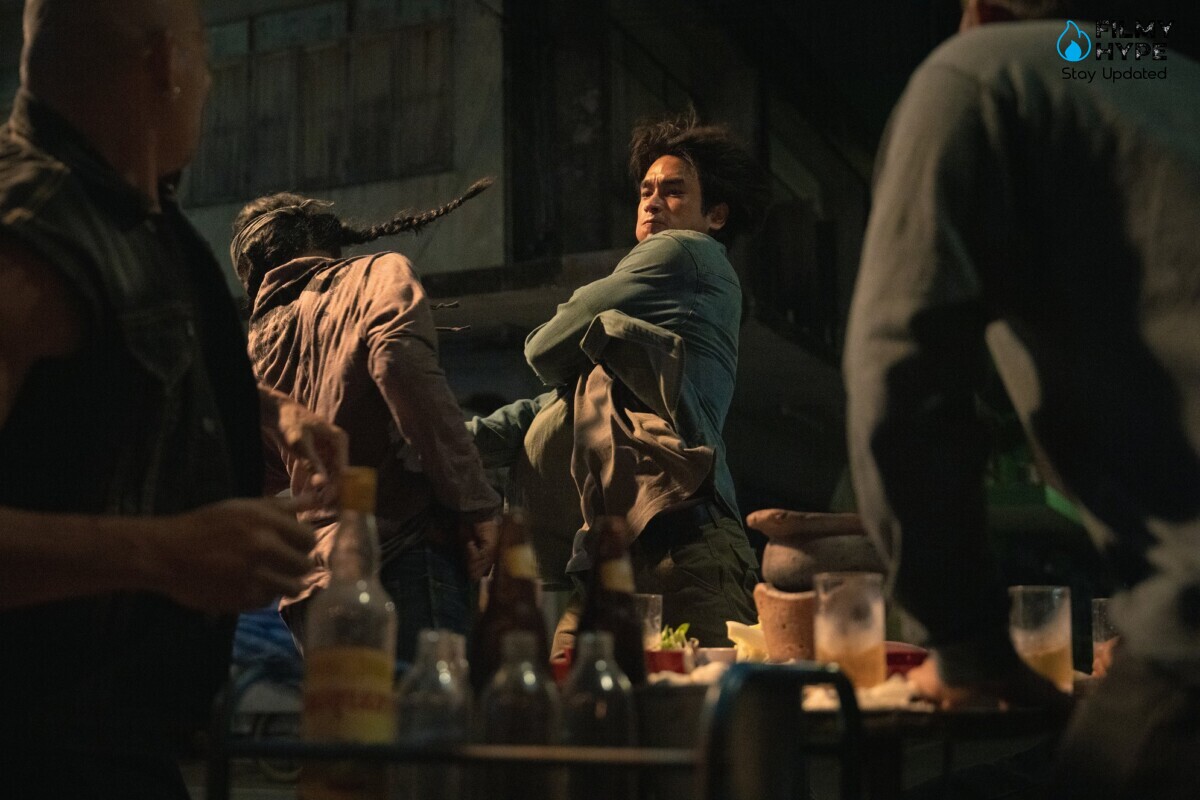
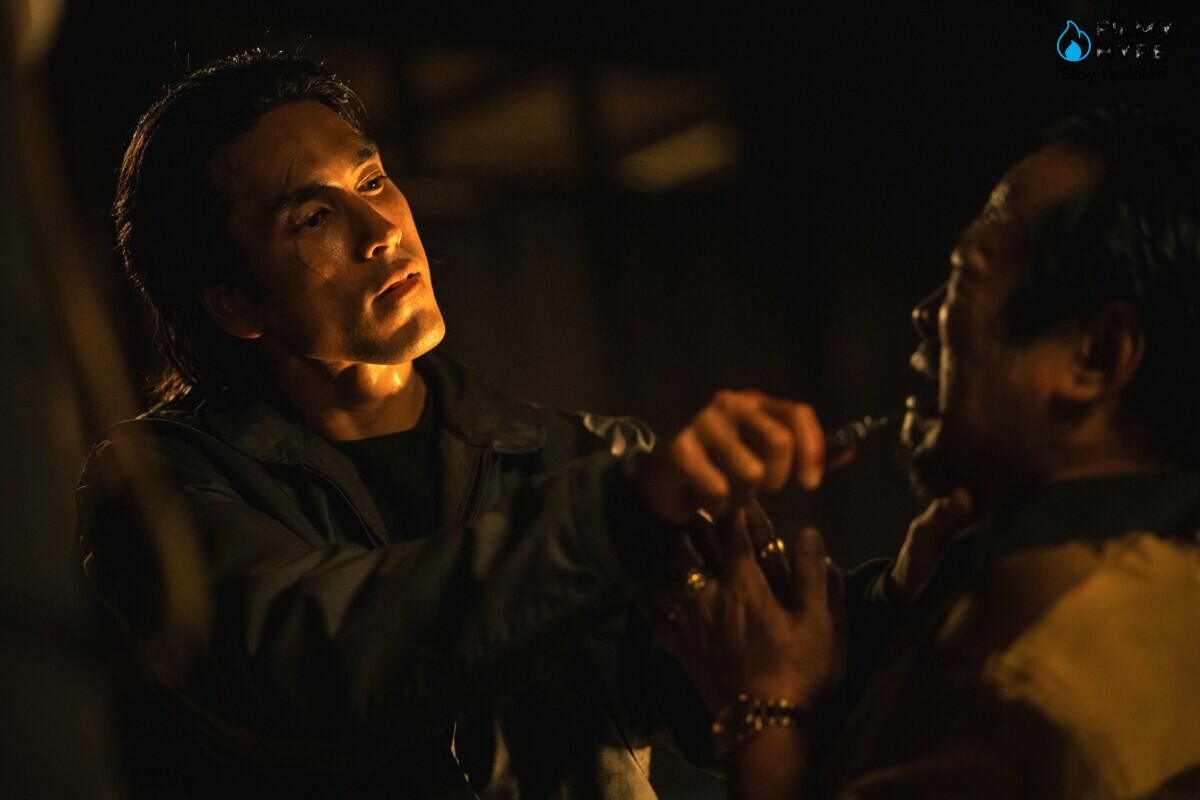



But Kong knows the official story isn’t the real one. He knows Num did most of the work, made most of the sacrifices, and died without getting credit for any of it. The police corruption that enabled Madam Pin’s operation never gets fully exposed, because Inspector Tong dies before he can reveal how deep the connections went. Some truths stay buried.
Kong gets his happy ending, or something close to it. His child gets treatment. His family survives. But he carries the knowledge that the system he serves is broken in ways that one dead criminal and one dead corrupt cop can’t fix.
What’s the Movie Actually Saying About Redemption?
This is where The Debt Collector separates itself from a lot of action cinema. It doesn’t believe in complete redemption. Num has done too much damage. There’s no single act, no heroic sacrifice, that can wipe the slate clean. The film is too honest to pretend otherwise.
What it does believe in is the possibility of a meaningful ending. Num can’t undo his past. He can’t bring back the people he hurt. He can’t become a good man through one final gesture. But he can stop Po from creating more victims. He can save one girl. He can break the cycle of violence that he himself helped create, even if breaking it costs him everything.
The title of the film is doing double duty. Num spent years collecting debts—literal ones, money owed to criminals. But the whole story is about a different kind of debt, the kind you can’t pay with cash. The moral debt. The karmic weight of the things you’ve done. By the end, Num has collected himself. He’s paid what he owed, not with money but with the only currency he had left: his remaining time, his body, his life.
It’s not a happy ending. It’s not even particularly hopeful. But it feels true in a way that a cleaner resolution wouldn’t. Some people do too much damage to be redeemed. Some debts can only be settled, not forgiven. And sometimes, for someone who’s already dying, the chance to do one thing right before the end is the only peace available.

