
The Chestnut Man Season 2 Review and Ratings (Kastanjemanden 2)
Key cast: Danica Curcic, Mikkel Boe Følsgaard, Sofie Gråbøl, Katinka Lærke Petersen
Directors: Milad Alami (conceptual) and Roni Ezra
Streaming Platform: Netflix
Filmyhype.com Ratings: 4/5 (four stars)
“Hide and Seek” is the subtitle of the second season of The Chestnut Man, the Danish Netflix original series that made headlines in 2021 for meticulously and rigorously adapting Søren Sveistrup’s acclaimed literary debut. Nowadays, on TV, people often play with the epithets given to the various chapters of a story, due to the long production times (in this case, a full five years), arousing curiosity and denoting a certain underlying originality. A show that returns after half a decade rarely feels not just relevant, but important. When The Chestnut Man hit Netflix in 2021, it was a bolt of pure, ice-cold Nordic noir that had you wondering until the very last frame.
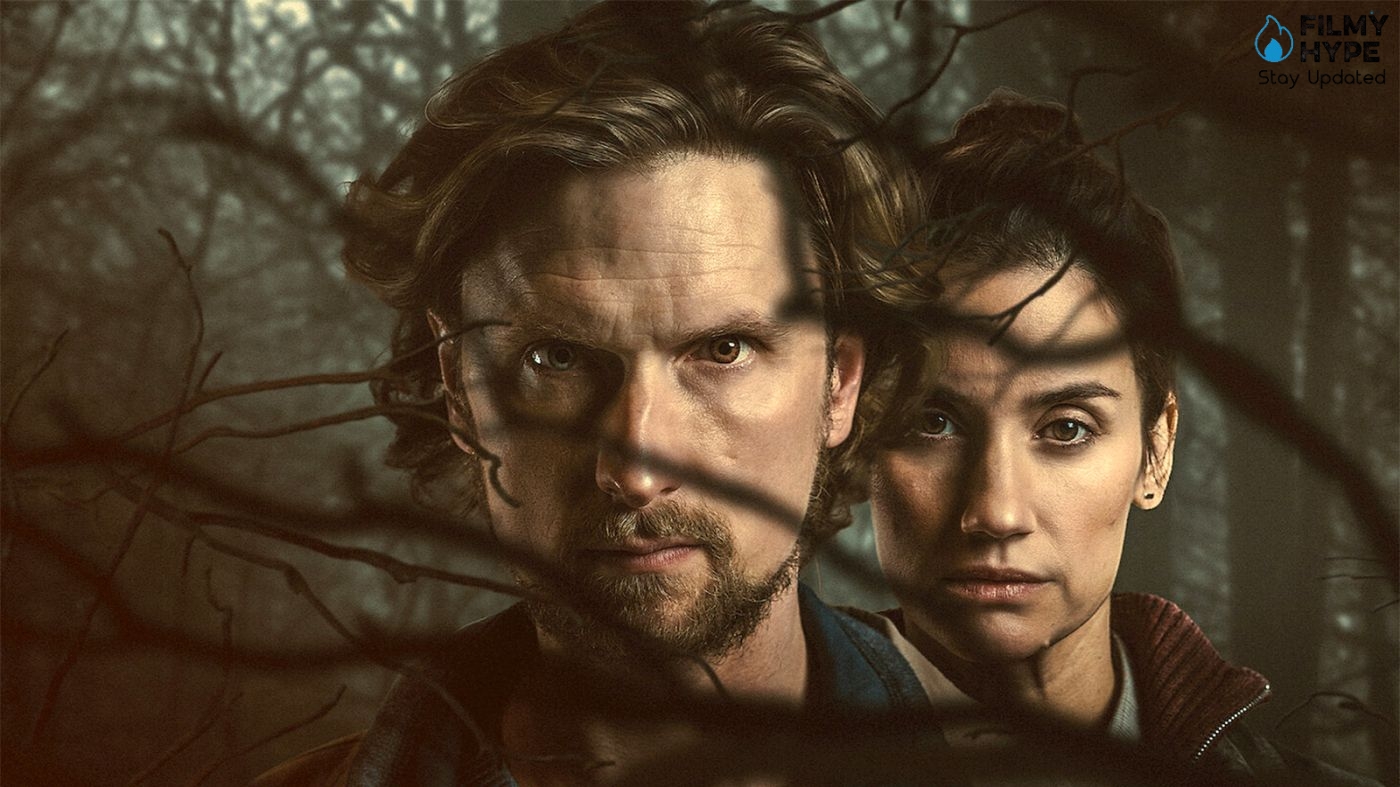
Now it’s back for a second season, subtitled “Hide and Seek” in 2026, and the agonising wait has been worth it. It is not a noisy, explosive thriller. It’s a gradual, deliberate, and extremely disturbing six-episode fall into the darker edges of surveillance, trauma, and human neglect. If season one was a stunning procedural, season two is a psychological excavation that gets under your skin long before you realize you’re bleeding. The finale of the inaugural cycle suggested that a possible continuation would be dedicated to the man wrongly accused of Kristine Hartung’s murder, finally shown free in the final scene. Instead, the authors were able to surprise viewers once again, changing direction but maintaining the thematic and narrative cohesion of the “saga” intact.
The Chestnut Man Season 2 Review: The Story Plot
The incipit is consistent with that of the debut season: we find ourselves in the Danish woods in 1992, where, after the shot of a cuckoo eliminating its siblings from the nest to survive (fitting metaphor), a group of children on a trip find a body in the fetal position in a lair of leaves and branches. We then move 33 years later, into modern Copenhagen. Naia Thulin (Danica Curcic) has decided to dedicate more time to her daughter Le, now a teenager, but a new case troubles her: that of a divorced mother, a stalking victim, and mysteriously disappeared. The woman appears to have received verses from a nursery rhyme about the game of Hide and Seek, just like a girl kidnapped and killed a year earlier, whose mother, Marie (Sofie Gråbøl), is still grieving. The investigation will lead the detective, who now works on a team run by Sandra (Katinka Lærke Petersen), to collaborate again with Interpol’s Mark Hess (Mikkel Boe Følsgaard), who has returned to the city to care for his ailing brother.
The Chestnut Man Season 2 Review and Analysis
There is an obvious aesthetic continuity with the first chapter. At the structural level, in two-time planes, they maintain the same type of entanglement, while on the human relations front, we find an important leap: the brief relationship between the two investigators that occurred two years earlier. As often happens in Nordic crimes, a lot happens offstage, and the narrative strength lies entirely in the looks and silences between the characters. The link between the two detectives and their complicated family histories remains the central hub, confirming the excellent chemistry between the two interpreters.
Also directing and photography, they preserve that rarefied atmosphere, almost suspended in time, scattering the story with clues, false leads, and twists and turns well settled (above all, the revelation of the culprit immediately before the ending). Nothing revolutionary on the crime front, The Chestnut Man Season 2, yet the product remains cohesive and well-constructed, with a precise identity and protagonists who lead the action without being subjected to it. Compared to the past, however, hope and redemption seem to have vanished from the equation: perhaps to reflect a post-pandemic country that has lost its fixed points, the reality shown is decidedly more bitter and unstable.
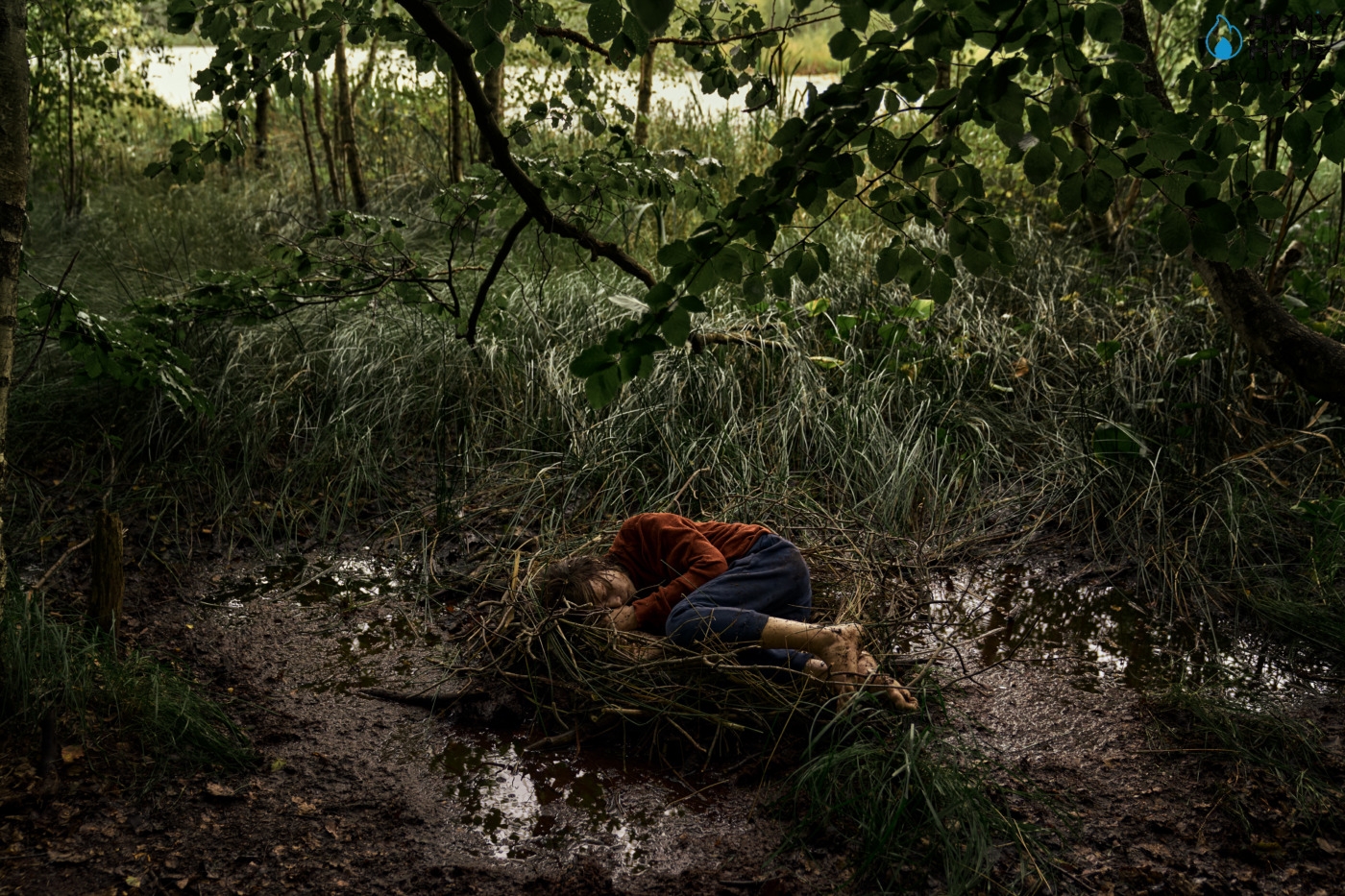
The new six episodes still revolve around dysfunctional family units and unresolved traumas. The grieving process finds no peace, turning into hatred and a desire for revenge; the abuse, mistaken for obsessive love, generates monsters worthy of The Sleep of Reason by Goya. Since we talk about parents and children, often children, Count to Two exploits a childish imagery that becomes deadly (a bit like seen in Squid Game); here, however, more subtly and silently, like a rampant and unstoppable virus.
“Hide and Seek” is distinguished for its taut, multi-layered writing. Each answer feels earned, rewarding observant viewers with little “aha!” moments, and the symbolic chestnut imagery supports the series’ core theme of childhood games turned deadly. Sofie Gråbøl is performing her career, a perfect blend of steely resolve and vulnerability. Supporting actor Mads Mikkelsen offers a calm, disturbing presence as forensic analyst Klaus, increasing the tension of the show.
Director Lars Petersen mixes light and shadow to depict the characters’ inner turmoil. Thanks to one continuous crane shot through historic Copenhagen harbor, the show’s cinematic ambition is already being discussed on social media. Hans Zimmermann’s score combines minimalist piano melodies with low-frequency drones, resulting in a soundscape that is both intimate and menacing. The slight rustling of chestnut shells in the background acts as a cunning auditory signal, keeping the audience on edge. The episode elevates the emotional stakes by connecting Mira personally to the killer, rendering the mystery less abstract and more personal. It makes the audience care about more than just the procedural elements and turns a regular crime drama into a character-driven thriller.
But this time, the killer is no mere ghost from the past, but a whisper from the present, a digital phantom stalking its victims for days, using their most private moments against them. The story deftly shifts away from the familiar serial-killer formula into modern cyberstalking and psychological horror. It’s the tale of the fear of being watched in your own house, where the flicker of a webcam light or an odd reflection on a screen becomes the stuff of nightmares. The show evokes an almost intolerable claustrophobia, the impression that safety is a fragile illusion.
An Atmosphere You Can Feel in Your Bones
The direction plays a significant role in why this season is so effective. Milad Alami and Roni Ezra skillfully maintain the dismal, rainy look that is the trademark of Scandinavian noir. This is not a nice sight. The color scheme is greys and subdued blues, poorly lit flats, and interminable grey streets that appear to swallow the characters whole. The camera doesn’t move around much, it holds on awkward silences, and it makes you examine the background of every shot for an indication that the killer is already there observing.
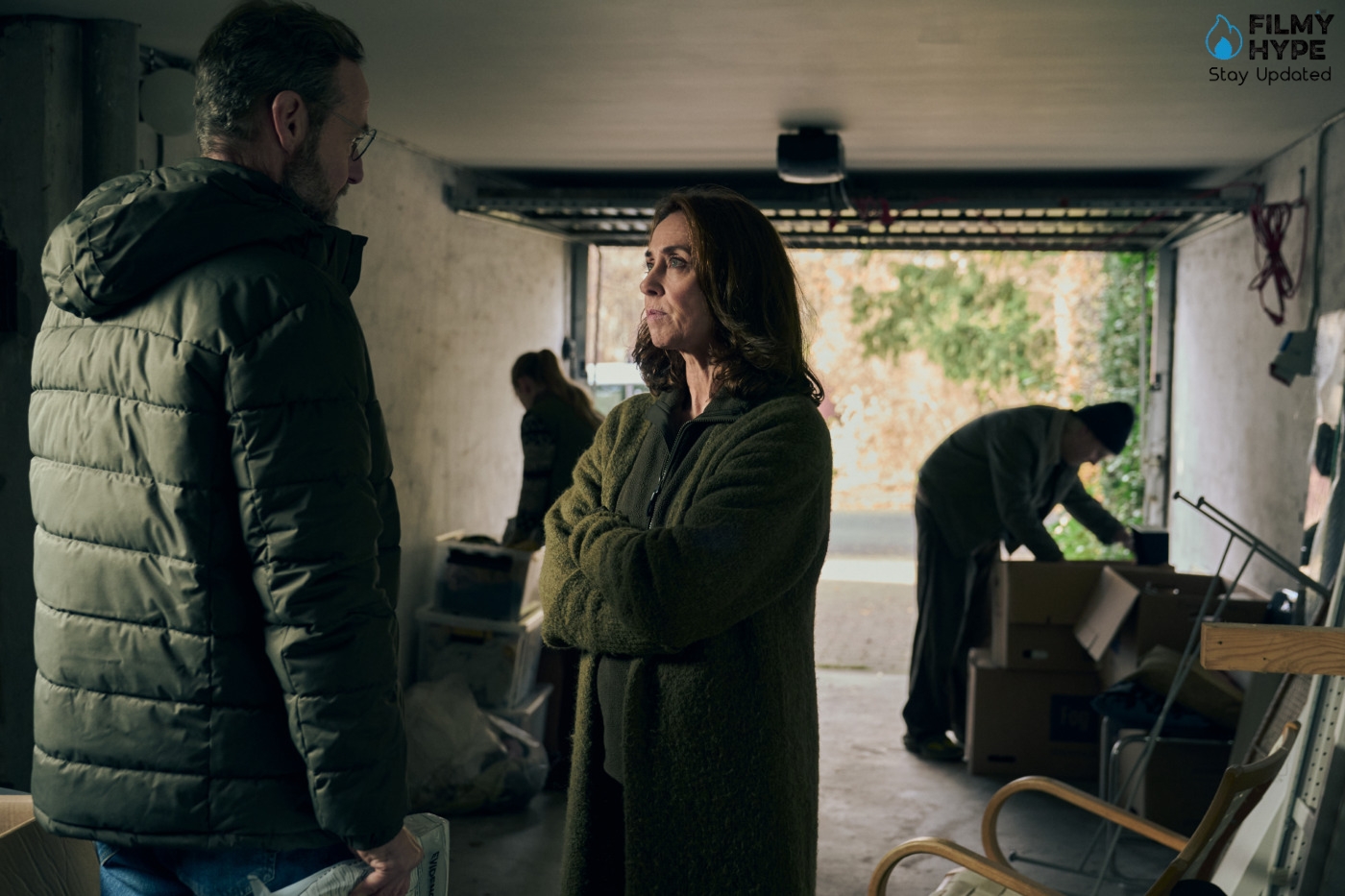
The sound design is worth a special remark. Forget that grandiose tune. The actual terror comes in the creepy nursery rhymes, sung in an uncanny way, and the dead quiet of surveillance film. The key weapon of the show is this stifling atmosphere. Every scene is cloaked in a dark blanket of dread, so the moments of shocking brutality – and there are a few that will leave your mouth open – hit with full, terrible force.
If it weren’t for the two leads anchoring the storm, none of this would have happened. Danica Curcic is great as Thulin, embodying a quiet emotional fatigue that’s hard to see. She’s a lady always on the brink, and Curcic allows you to see every flaw in her armor without a word. Mikkel Boe Følsgaard’s Hess, opposite her, is one of the most interesting characters on TV. He’s a complex, emotional portrait of a bright guy shattered by vulnerability and a desperate need to keep the peace. Their chemistry is electric, but it’s all subtext, the words not spoken, the looks not exchanged. It’s a fragmented dynamic as compelling as the mystery itself.
The cast is rounded out brilliantly, not least by a terrific Sofie Gråbøl. She plays a mom broken by the unsolved murder of her daughter, and her portrayal is a raw nerve of passion and pain. It’s great to witness a supporting character that is so well formed that she feels like the primary investigator of her own tragic story, giving levels of emotional depth to the main plot.## The Real Monster: The Enduring Shadow of Trauma.
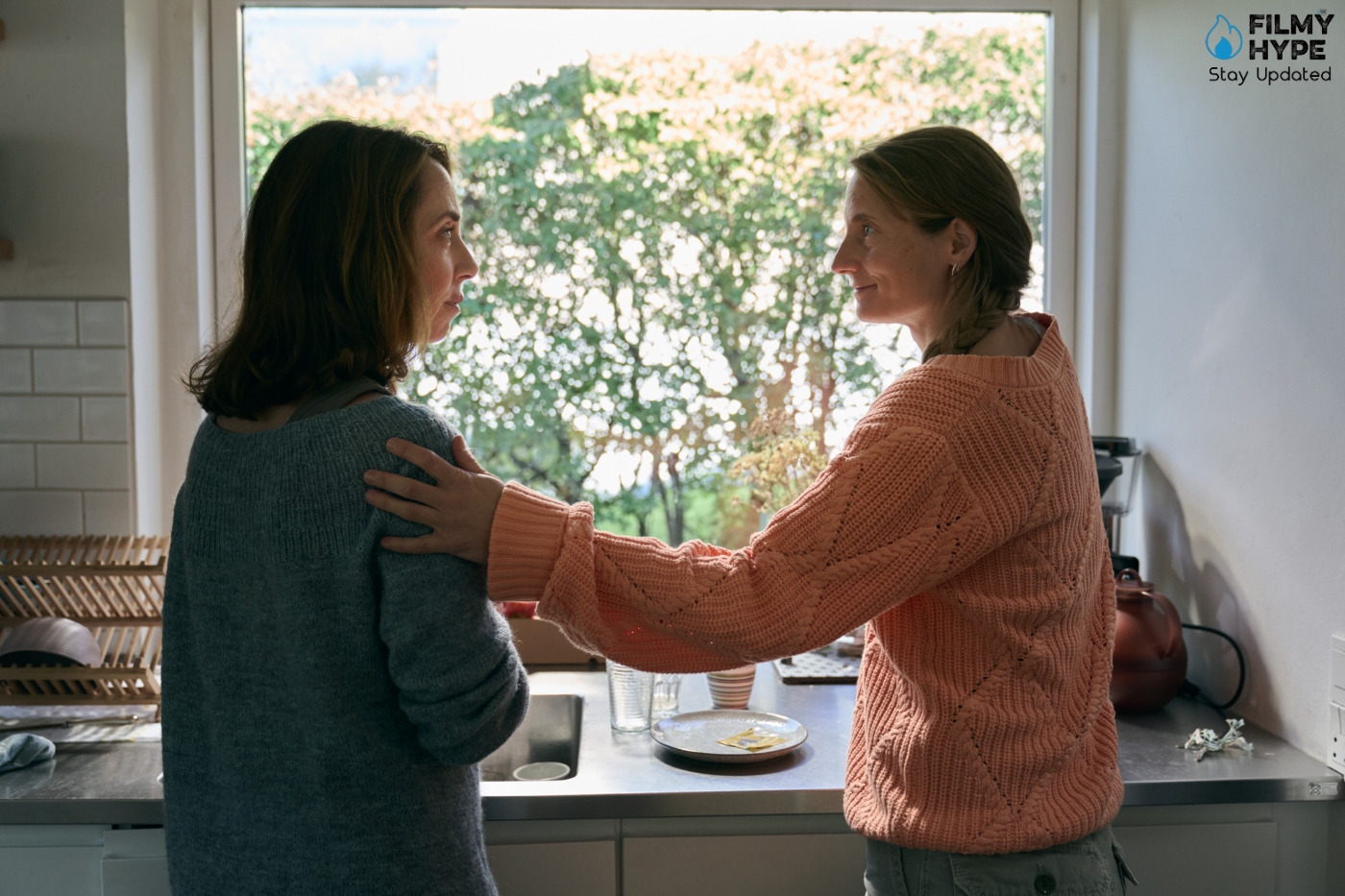
What really sets Hide and Seek apart from the pack is the thematic depth. The program isn’t simply searching for a monster; it’s addressing a terrible question: Does the sensation of abandonment in childhood ever completely go away? It’s a story of emotional deprivation and isolation, and when we eventually come face to face with the culprit, he’s not a cartoonish mastermind. It is with a shattered human being, terrifyingly plausible, wrecked by years of unresolved trauma. It makes the horror personal and devastating. The violence is not an act; it is a sorrowful, warped cry from a history that will not die.
Once again, it is in the family inheritance. More bleak, morbid, and unhealthy, the driving force behind the characters’ actions must be sought, and therefore, by extension, humanity as a whole, leaving the viewer with a bitter taste in their mouth and a much more marked sense of uncertainty than the word “end” of the first season.
The Chestnut Man Season 2 Review: The Last Words
The Chestnut Man Season 2 maintains the premise of the novel and the inaugural season, evolving the themes of family into pieces through a cool-colored aesthetic and disturbing childhood imagery. The two protagonists confirm a magnetic chemistry in their being a “couple-non-couple”, the true core of the story’s charm. The particularly bitter ending may not convince everyone, however. The Chestnut Man: Hide and Seek is a masterclass in tension. The six-episode format is fantastic; there’s not a moment wasted. It requires time to follow its intricate twists, but the patience is rewarded with a conclusion as tragic as it is rational, creating a lingering sense of hopelessness that is hard to shake. This is brilliant, scary, and heart-wrenching television. Forget binge-worthy, this is a show you’ll have to sit with. One of the best mystery-thrillers of the year, there’s no reprieve from its stunning, bleak darkness.