


Netflix’s Swedish thriller Blood Sacrifice arrives with a premise that feels designed to unsettle: police officers being hunted, killed one by one, by someone who seems to know exactly how they think. The five-episode series follows Thomas Berg, a detective forced to work with his estranged father Alfred, a retired cop, as they try to stop a killer whose methods are methodical, brutal, and deeply personal. By the time the final episode unfolds, the mystery resolves in a way that’s both satisfying and bleak—a story about justice twisted into vengeance, about a truth buried for years that finally explodes.
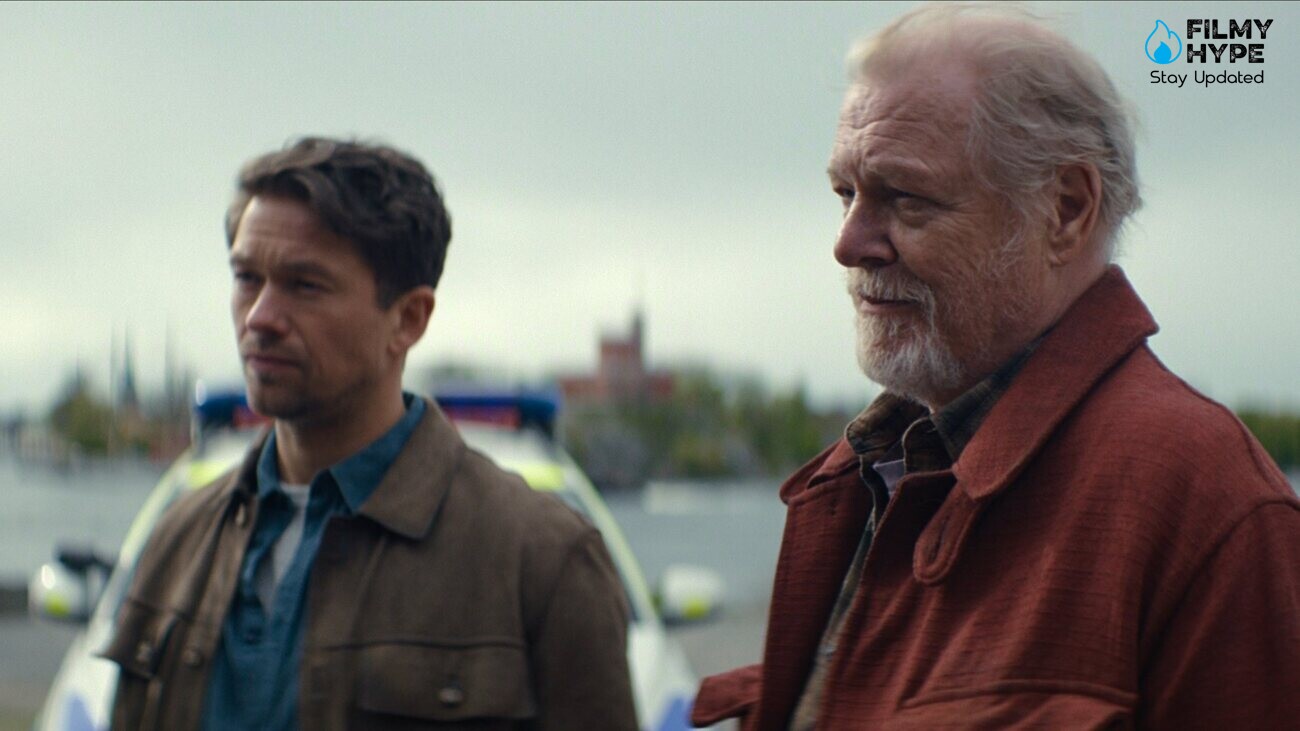
Here’s everything that happens in the finale, and what it all means. Blood Sacrifice, also known as Blodsoffer, builds a particularly twisted case over five episodes: someone is murdering police officers in Stockholm, luring them through fake 112 calls and placing their bodies following a composition that looks like something out of some dark ritual. Thomas Berg leads the investigation and soon discovers that the victims have not been chosen at random. The murderer knows perfectly well how the police work; he knows how the officers will respond and even uses recordings of previous victims to prepare the next crime. The key is in a case that occurred two years earlier.
Blood Sacrifice Netflix Ending Explained: Who Is the Killer?
The killer is Peter Johansson.
Throughout the series, Thomas believes he’s found his man in Officer Anders Palm, going so far as to arrest him. But Max Abrahamsson, who’s been pursuing his own suspicions, follows a thread that leads to Peter’s house—without backup. He pays for that mistake with his life. But the information Max gathered before he died helps the rest of the team identify the real culprit.
Peter’s motives trace back to the death of his partner, Hugo Brankovic, during a routine call. Hugo had called for backup. Police errors—and the specific actions of a man named Lucas Lind—meant that backup never arrived. In the aftermath, Peter was held responsible for what happened. He lost Hugo. He was suspended. And he became convinced that no one would ever be held accountable for the tragedy.
So Peter decided to hold them accountable himself.
The killings aren’t random. Peter targets police officers connected to the system he blames for Hugo’s death. He’s not just murdering cops. He’s executing a plan designed to punish the people he believes failed his partner.
How Does Peter Lure His Victims?
Thomas and his colleague Natalie discover the method: Peter uses recordings of previous victims’ voices to make fake emergency calls. The police think they’re responding to people in danger. They arrive at the designated locations, and Peter attacks.
It’s a chillingly effective strategy, and it also explains why the killings have been so difficult to predict. The police aren’t walking into traps—they’re being summoned into them. Once Thomas and Natalie figure out the method, they’re able to identify a pattern and start avoiding new pitfalls.
How Do Alfred and Thomas Figure It Out?
The breakthrough comes from two directions. First, Thomas realizes the killer might be someone inside the police force. The clue arrives when all officers are summoned to a meeting on a Friday night, and for the first time, no murders occur. The killer was in the room.
Second, Alfred finds a connection between the crimes and Carl Larsson’s painting Midvinterblot. The painting, which depicts a sacrificial scene from Norse mythology, features King Domalde offering himself as a sacrifice to restore prosperity to his people. For Peter, the painting represents a leader’s responsibility to pay for failures under his command. He’s applied that idea, in a distorted way, to Hugo’s case—and he’s concluded that Alfred, as a senior officer, must answer for what happened.
Why Does Peter Want to Kill Alfred?
The full truth emerges in the fifth episode. Lucas Lind finally tells Thomas what really happened the night Hugo died. Peter knew Alfred was working with Lucas at the time, but he didn’t know who was actually responsible for the failure that led to Hugo’s death.
The truth is that Lucas was the one who made the critical error. He erased evidence afterward and allowed Peter to be blamed for the tragedy. Peter, never knowing the full story, concluded that Alfred—because of his leadership position—should pay for Hugo’s death. He’s been targeting the wrong man all along.
Who Was Really Responsible for Hugo’s Death?
The big revelation of the ending is that Peter had been blaming the wrong person for years. Peter had reached Alfred Berg, Thomas’s father, because he knew he was working that night and ended up convinced that he was the one who ignored the emergency calls. But it was not like that. The radio operator who received the requests for help was Lucas Lind, the current police chief.
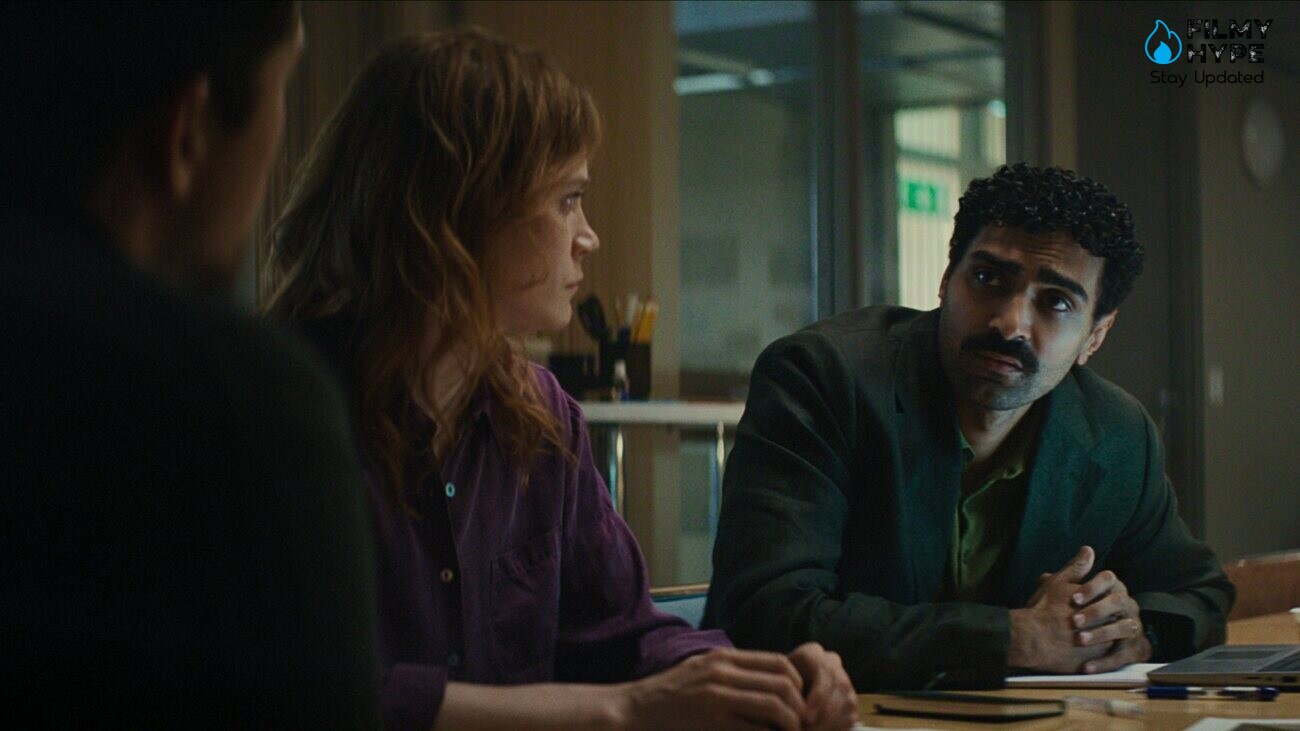
Lucas was exhausted and distracted that night. When Peter called for reinforcements, he reacted too late and ended up responding that the nearest patrol would take about twenty minutes. By then Hugo was practically doomed. The worst came later. Instead of taking responsibility, Lucas used his position to erase communications records. That way he avoided any internal investigation and left Peter as an agent who supposedly hadn’t even asked for help. That cover-up is what ends up fueling Peter’s obsession for years.
What Happens to Thomas and Peter?
In the final act, Peter kidnaps Alfred and takes Thomas and other officers to the location where Hugo died. Father and son realize what’s happening and manage to prevent other officers from responding to another fake call. Thomas confronts Peter directly, and the two fight.
During the struggle, both fall from the building’s balcony. Thomas survives. Alfred survives. Peter is arrested, finally ending the series of murders.
What Does the Way You Place the Corpses Mean?
The apparent satanic symbology does not really have to do with a cult. Peter is recreating elements of the painting Midwinter’s Sacrifice of Carl Larsson. The painting represents King Domalde prepared to be sacrificed with the aim of saving his people after years of poor harvests. For Hugo, it was an especially important work, and his wife, who works as a guide at the Nationalmuseum in Stockholm, talks about it on several occasions.
Peter ends up becoming obsessed with the painting and transforms it into the structure of his murders. In its interpretation, the police are a corrupt system that needs a sacrifice to purify itself. He places himself in the role of the priest who performs that sacrifice, and Thomas symbolically takes the king’s place. The bodies of the agents represent the figures that appear lamenting around Domalde.
Does Peter Kill Max?
Max Abrahamsson ends up becoming one of Peter’s last targets after getting too close to the truth. Its discovery confirms something essential: the murderer belongs to or belonged to the police force and knows its procedures from the inside. Peter can no longer allow the investigation to move forward. At this point, however, his plan begins to fall apart because Thomas is also getting closer to discovering his identity and understanding the relationship between the murders and Hugo’s death.
What About Alfred Berg?
Peter kidnaps Alfred to force Thomas to go to the same building where Hugo died years ago. During the final confrontation, Peter shoots Alfred several times with a rifle. The wounds look deadly, but Alfred manages to survive. Furthermore, even wounded, it serves as a distraction so that Thomas can enter the building and confront the murderer. The place chosen by Peter is not coincidental: he wants to end his revenge exactly where it all began.
Does Thomas Manage to Stop Peter?
Thomas and Peter end up going toe-to-toe on the balcony of the apartment where Hugo was murdered. The fight ends with both falling from the building. For a few moments it seems possible that Peter has died, but the series confirms shortly after that they both survive the fall. Thomas is taken to the hospital, while Peter also receives medical attention and is detained. A news story broadcast on television finally confirms that Peter Johansson has been arrested as responsible for the murders.
Does Peter Die in the End?
No.
Peter survives and will have to answer for all the murders. It is important because the series avoids giving it an easy way out. His grief over Hugo’s death and Lucas’ cover-up explain how he got to that point, but do not justify the massacre he has committed. Peter began by wanting to denounce a system that had protected those responsible for a tragedy, and it ended up becoming precisely what it claimed to combat.
What About Lucas Lind?
The ending reveals his responsibility in the cover-up, although the series focuses primarily on Peter’s fall and does not fully develop the legal consequences for Lucas. His secret, however, has been discovered. For years, he allowed Peter to take public blame for not saving Hugo when Lucas knew perfectly well that the agent had indeed asked for help. That cover-up is, in reality, the original sin of all history. Without that decision, Peter would likely never have begun his revenge.
What About Thomas and Alfred?
They both survive. After recovering from their injuries, father and son return home together. Their relationship had been marked for much of the series by distance and enormous difficulty expressing what they feel. Everything that happened forces them to also face their own silences. There is no great sentimental reconciliation or exaggerated speeches. They just travel together. And that is precisely why it works.
What the Ending Means?
Blood Sacrifice ends with Peter in custody and Thomas and Alfred alive, but the conclusion isn’t triumphant. It’s bitter. The reveal about Lucas changes everything: a truth that was hidden for years triggered a sequence of deaths that could have been avoided if those responsible had faced consequences from the beginning.
Peter was wrong to turn his pursuit of justice into murder. The series doesn’t excuse him. But it also doesn’t pretend his rage came from nowhere. He identified a real injustice—a system that protected its own, that let the powerful escape accountability while the vulnerable took the fall. He just blamed the wrong person.
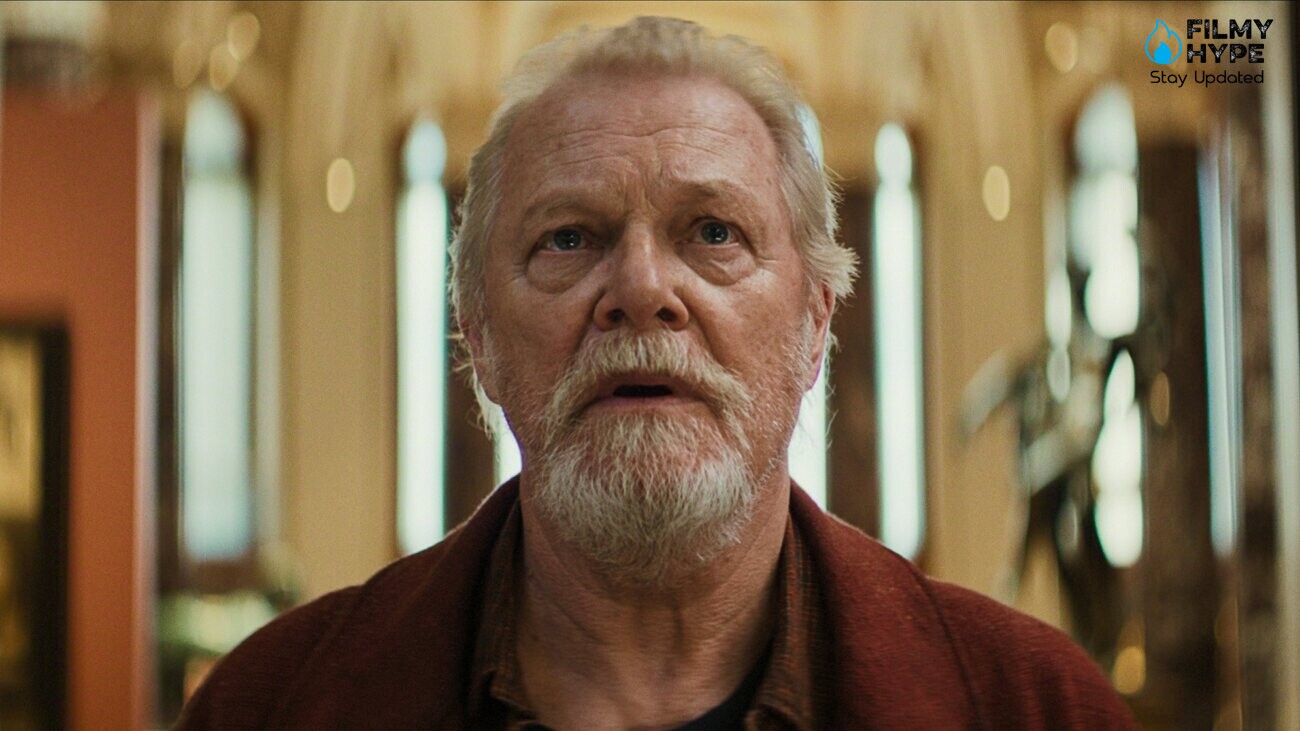
The great irony is that Peter set out to fight corruption and ended up committing the same sin he condemned. He killed innocent people in Hugo’s name. He targeted Alfred based on an assumption rather than evidence. His quest for justice became indistinguishable from the injustice he was trying to avenge.
The series leaves us with an uncomfortable question: what happens when the system fails so completely that people stop believing in it? Peter’s violence was monstrous. But the conditions that created him were real. Lucas hid the truth. The police closed ranks. And Alfred, however unfairly, became a symbol of a system that refused to own its mistakes.
Blood Sacrifice doesn’t offer easy answers. It offers a mirror. The killer was caught. The killing stopped. But the rot that made it all possible—the secrets, the cover-ups, the institutional self-protection—remains. That’s the real horror at the heart of the story. The blood was spilled because the truth was buried. And the truth only came out after it was too late to save anyone.