


What Happened to Doris? The story of Doris Bither has haunted horror cinema for more than four decades. In 1974, a single mother in Los Angeles claimed she was being attacked in her own home by an invisible presence—beaten, held down, assaulted by something she couldn’t see. The claims were so extreme that they drew the attention of paranormal researchers, who documented her case with the kind of rigor that made it difficult to dismiss entirely. The story eventually inspired Frank De Felitta’s 1978 novel The Entity, which became the controversial 1982 film starring Barbara Hershey. That film, known in Spain as El Ente or The Entity, became a cult classic of supernatural horror—and a lightning rod for debate about how it depicted the violence its protagonist endured.
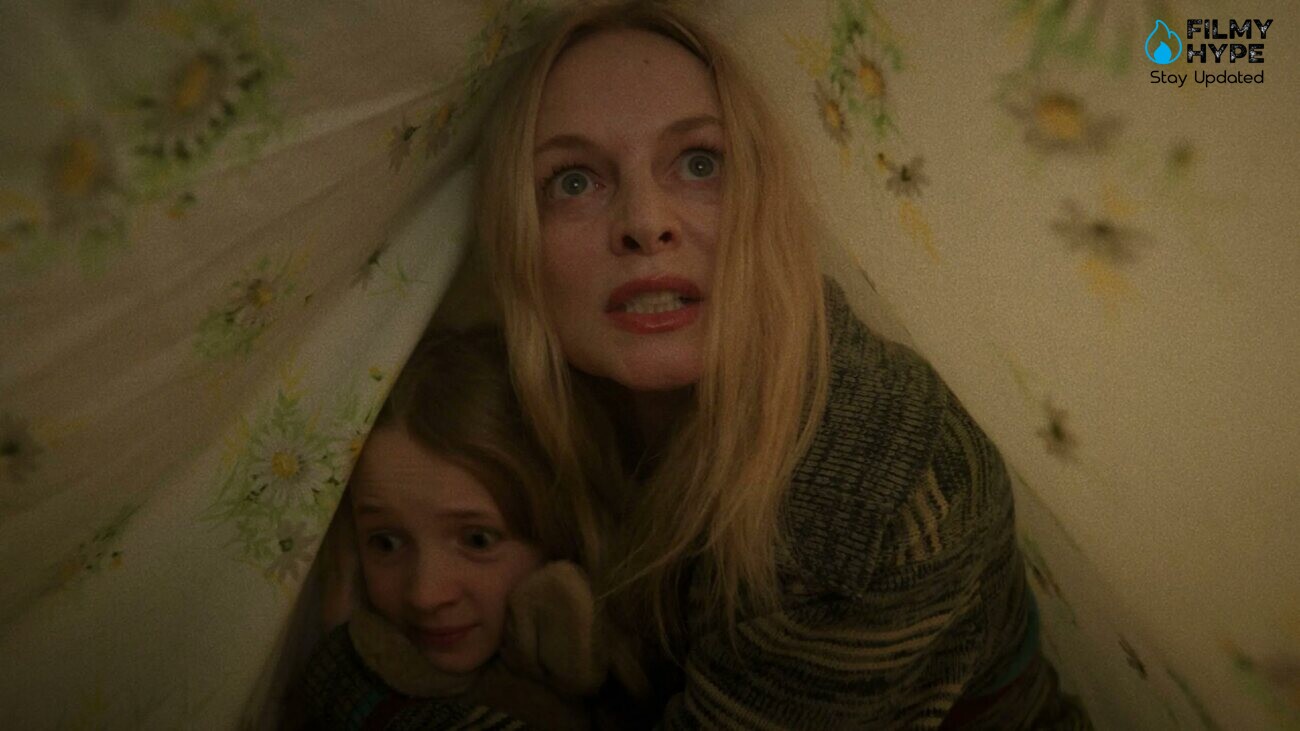
Now the case is returning to the screen. What Happened to Doris?, previously known as Entity Within, will premiere next month at Fantastic Fest, with Heather Graham in the role of Doris Bither. The first official image has just been released, and it shows Graham in a state of exhausted terror—a woman pushed to the edge by something she can’t prove exists, seeking help from people who may not believe her.
What Happened to Doris? The Story
The film is set in Los Angeles in 1974. Doris Bither is a single mother living with her children in a small house that’s become the site of something terrifying. She claims she’s being attacked—physically, violently, by a presence that no one else can see. The attacks are sexual in nature, a detail that made the original case so controversial and that made the 1982 film such a difficult watch. Doris’s claims are met with skepticism, the way such claims usually are. She’s dismissed as unstable, hysterical, or worse. But she persists, eventually reaching out to a team of paranormal researchers who agree to investigate.
The real case involved researchers from UCLA who documented Doris’s claims and reportedly witnessed phenomena they couldn’t explain. The details remain contested decades later. What’s undeniable is that the case captured the public imagination and became one of the most famous alleged hauntings of the twentieth century.
Nick Simon, who directed The Girl in the Photographs, is behind the camera. The script comes from Thomas Fenton, whose credits include Saw IV. The production team includes Steven Schneider, a producer associated with Insidious and Paranormal Activity—two films that helped redefine modern supernatural horror. That pedigree suggests What Happened to Doris? will lean into the psychological and emotional dimensions of the story rather than simply relying on jump scares.
The Cast
Heather Graham takes on the central role. She’s an interesting choice for the part. Graham has spent much of her career alternating between mainstream films and genre projects, and she’s proven she can handle material that requires vulnerability and intensity. The first image suggests a performance built around exhaustion—the specific weariness of someone who’s been fighting something invisible for a long time and is running out of strength.
Mimi Rogers joins her, along with Morgan Peter Brown and Kevin Keppy. The cast is small, which is appropriate for a story this intimate. This isn’t a sprawling ensemble piece. It’s a character study, focused on one woman’s experience and the people who either believe her or don’t.
The Legacy of The Entity
The 1982 film occupies a strange place in horror history. It was directed by Sidney J. Furie and starred Barbara Hershey in a performance that was widely praised for its raw vulnerability. But the film was also controversial—partly because of its subject matter, partly because of the way it depicted the attacks. Some critics saw it as exploitative, a horror film that dressed up sexual violence as supernatural spectacle. Others defended it as a serious attempt to grapple with the real experiences of a woman who claimed to have suffered something terrible.
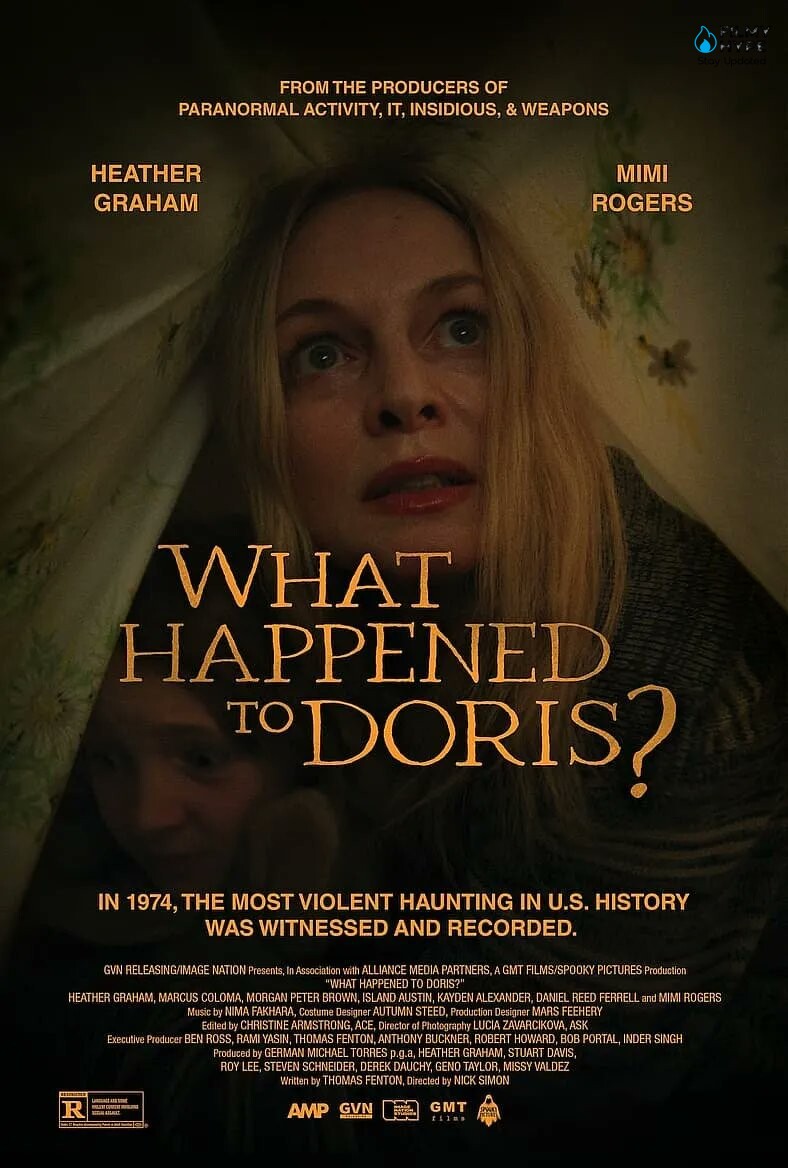
The film’s reputation has grown over the years. It’s now considered one of the more ambitious supernatural thrillers of its era, a movie that took its subject seriously even when the subject was uncomfortable. The fact that it remains debated is part of its legacy.
What Happened to Doris? has the opportunity to approach the same material from a different angle. The 1982 film was a dramatization, inspired by the case but not beholden to it. This new film is explicitly about Doris Bither herself—the real woman whose claims sparked the entire story. That’s a significant shift. It allows the filmmakers to explore the psychological reality of the case, the question of what it means to experience something that no one else can verify, and the particular horror of being a woman whose story is dismissed because it’s too extreme to believe.
Why This Story Still Resonates
The Doris Bither case has never really gone away. It’s part of a larger tradition of paranormal narratives that blur the line between reality and delusion, between genuine supernatural phenomena and psychological breakdown. The most effective horror stories are the ones that don’t let you settle on an explanation. Is Doris being attacked by a ghost? Is she suffering from some kind of psychological fracture? Is she lying? The 1982 film left the question open, and the ambiguity is part of what made it so disturbing.
What Happened to Doris? seems poised to explore that ambiguity from a more intimate perspective. Heather Graham’s casting suggests a film that’s interested in the woman at the center of the story, not just the spectacle of her suffering. If the film works, it’ll be because it makes you feel what Doris felt—the isolation, the fear, the frustration of trying to convince people that something impossible is happening to you.
The premiere at Fantastic Fest will be the first test. That festival has become a launching pad for horror films that blur genres and challenge audiences, and What Happened to Doris? fits that profile. After that, a wider release will presumably follow.
The case of Doris Bither is one of those stories that seems destined to be retold. It’s too strange, too unsettling, too unresolved to be left alone. The 1982 film gave it one interpretation. Now Heather Graham and Nick Simon are giving it another. The Entity, whatever it was, is still out there—in the public imagination, in the debate, in the unresolved questions that linger decades after Doris first claimed something was attacking her in the dark. The film won’t answer those questions. It’ll just make you feel them again.